Espagheti Ton Mahi (اسپاگتی تن ماهی) — Persian Tuna Spaghetti
Persian-style tuna spaghetti with a slow-simmered tomato-onion sauce, olive oil, and black pepper. Pantry-friendly, deeply savory, and finished al dente for a comforting weeknight meal.
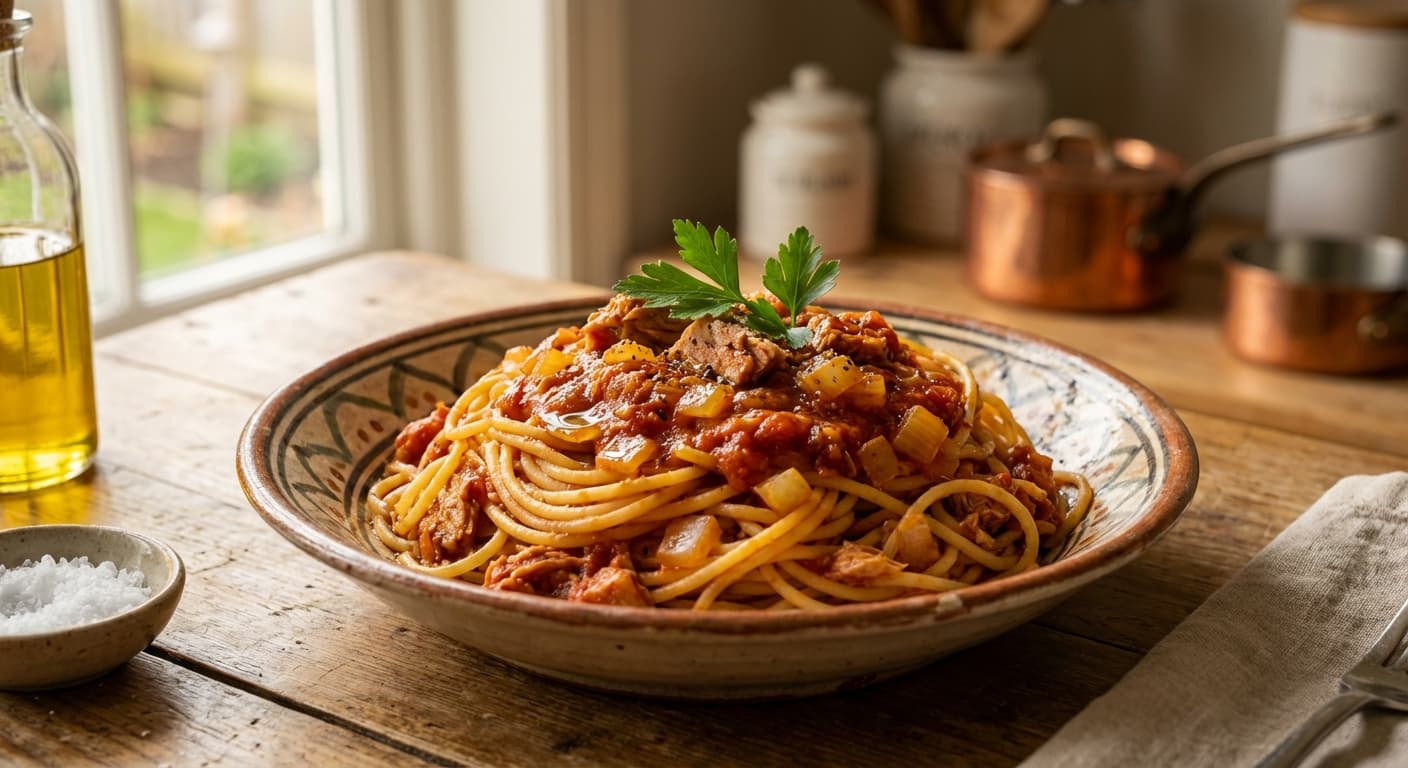
Printable Recipe Card
Servings: 4 · Total: 55 min · Difficulty: easy
Ingredients (quick list)
- 250 g Yellow onion, finely diced (About 1 large onion)
- 45 ml Olive oil (3 tablespoons)
- 30 g Tomato paste (2 tablespoons)
- 400 g Tomato puree (Passata or smooth crushed tomatoes)
- 120 ml Water (Adjust for desired thickness)
- 6 g Sea salt (1 teaspoon, plus more for pasta water)
- 2 g Black pepper, freshly ground (1 teaspoon)
- 300 g Canned tuna in oil, drained (2 cans (about 150 g drained each), flaked into large pieces)
- 340 g Spaghetti (Dry)
Steps (summary)
- Prepare the tuna and base ingredients: drain the canned tuna well and gently flake it into large chunks so it stays meaty in th…
- Build the sauce foundation: heat olive oil in a wide skillet over medium heat for 1 minute. Add the diced onion and cook 10–12…
- Toast the tomato paste for depth: add tomato paste to the onions and cook 2–3 minutes over medium heat, stirring constantly, un…
- Simmer the tomato sauce: stir in tomato puree, water, sea salt, and black pepper. Bring to a gentle simmer over medium heat, th…
- Cook the spaghetti: while the sauce simmers, bring 3 liters of water to a rolling boil in a large pot. Add 18 g sea salt, then…
- Finish with tuna gently: add the drained tuna to the simmered sauce and fold carefully to keep larger flakes intact. Cook 3–4 m…
+ 1 more steps in the full instructions section below.
Cultural Background
Persian tuna spaghetti is a popular modern home-cooking dish that reflects the use of shelf-stable pantry foods in urban kitchens. It is often associated with quick family dinners and student meals, combining familiar pasta with flavors shaped by long-simmered tomato and onion.
Equipment
💡 Tips
- For a deeper, more Persian-style savoriness, let the sauce simmer until you see a thin sheen of oil at the edges; that is a good indicator the tomatoes have cooked down.
- Keep tuna in larger flakes and warm it briefly at the end to prevent dryness and preserve a hearty texture.
- If the sauce tastes sharp, simmer 5 more minutes rather than adding sugar; time mellows tomato acidity naturally.
- Use a wide skillet so the sauce reduces evenly and coats the pasta without becoming watery.
⚠️ Common Mistakes
❌ Adding tuna early and boiling it hard
💡 Why: Prolonged high heat dries tuna and makes it grainy, overpowering the sauce texture.
✅ Fix: Simmer the tomato sauce first, then fold tuna in at the end and warm gently for 3–4 minutes over low heat.
❌ Skipping the tomato paste toasting step
💡 Why: Untoasted paste can taste raw and metallic, and the sauce lacks depth.
✅ Fix: Cook the paste with onions and oil for 2–3 minutes until it darkens slightly before adding tomato puree.
❌ Draining pasta without reserving pasta water
💡 Why: The sauce may not emulsify, leading to a dry or separated finish.
✅ Fix: Reserve 120 ml pasta water and add gradually while tossing to create a glossy, cohesive coating.
❌ Overcooking spaghetti
💡 Why: Soft pasta turns mushy once tossed in hot sauce and loses the intended bite.
✅ Fix: Boil to al dente (usually 1 minute less than package time), then finish in the sauce for 1–2 minutes.
🧊 How to Store
Cool leftovers within 2 hours. Refrigerate in an airtight container for up to 3 days. Reheat in a skillet over low heat with 30–60 ml water to loosen; microwave reheating can dry the tuna. Freezing is not ideal because tuna can become crumbly, but it can be frozen up to 1 month if needed.
📅 Make Ahead
Make the tomato-onion base (without tuna) up to 2 days ahead and refrigerate. Reheat gently, add tuna for the final 3–4 minutes, then cook fresh pasta and toss just before serving for best texture.
🍽️ Pairs Well With
- Shirazi-style cucumber and tomato salad (English-style chopped salad with lime or lemon)
- Pickled vegetables
- Simple yogurt on the side (if desired)
Regional Variations
- Tehran and other large citiesOften made with a thicker, darker tomato base by simmering longer, sometimes using more tomato paste for a richer, more concentrated sauce that clings to the pasta.
- Caspian-influenced householdsSome cooks prefer a lighter sauce with more tomato puree and less paste, keeping the flavor brighter and the texture looser, especially when serving alongside fresh salads and pickles.
Ingredients
- 250 gYellow onion, finely diced (About 1 large onion)
- 45 mlOlive oil (3 tablespoons)
- 30 gTomato paste (2 tablespoons)
- 400 gTomato puree (Passata or smooth crushed tomatoes)
- 120 mlWater (Adjust for desired thickness)
- 6 gSea salt (1 teaspoon, plus more for pasta water)
- 2 gBlack pepper, freshly ground (1 teaspoon)
- 300 gCanned tuna in oil, drained (2 cans (about 150 g drained each), flaked into large pieces)
- 340 gSpaghetti (Dry)
🔄 Substitutions
- Canned tuna in oil→ Canned tuna in water
- Tomato puree (passata)→ Canned crushed tomatoes, blended smooth
- Spaghetti→ Linguine or bucatini
Instructions
- 1
Prepare the tuna and base ingredients: drain the canned tuna well and gently flake it into large chunks so it stays meaty in the sauce. Finely dice the onion for even cooking. Measure tomato paste, tomato puree, water, salt, and black pepper so the sauce can be built quickly once the pan is hot.
- 2
Build the sauce foundation: heat olive oil in a wide skillet over medium heat for 1 minute. Add the diced onion and cook 10–12 minutes, stirring every 1–2 minutes, until soft and lightly golden. Reduce heat to medium-low if browning too fast; the goal is sweetness, not deep caramelization.
- 3
Toast the tomato paste for depth: add tomato paste to the onions and cook 2–3 minutes over medium heat, stirring constantly, until it darkens slightly and smells sweet and roasted. This step removes raw paste flavor and creates a richer, more umami-forward sauce that clings better to spaghetti.
- 4
Simmer the tomato sauce: stir in tomato puree, water, sea salt, and black pepper. Bring to a gentle simmer over medium heat, then lower to medium-low and cook uncovered for 15–18 minutes, stirring every 3–4 minutes. The sauce should thicken enough to coat a spoon, with oil lightly separating at the edges.
- 5
Cook the spaghetti: while the sauce simmers, bring 3 liters of water to a rolling boil in a large pot. Add 18 g sea salt, then add spaghetti and stir for the first 30 seconds to prevent sticking. Boil until al dente, typically 9–11 minutes (or 1 minute less than package time).
- 6
Finish with tuna gently: add the drained tuna to the simmered sauce and fold carefully to keep larger flakes intact. Cook 3–4 minutes over low heat just to warm through; avoid aggressive boiling, which can make tuna dry and grainy. Taste and adjust with up to 1 g more salt if needed.
- 7
Combine and serve: reserve 120 ml pasta water, then drain spaghetti. Add spaghetti directly to the skillet and toss over low heat for 1–2 minutes, adding 30–90 ml reserved pasta water as needed to loosen and emulsify the sauce. Serve immediately while glossy and steaming, with extra black pepper if desired.
🪪 Recipe Passport
Cultural Background
Persian tuna spaghetti is a popular modern home-cooking dish that reflects the use of shelf-stable pantry foods in urban kitchens. It is often associated with quick family dinners and student meals, combining familiar pasta with flavors shaped by long-simmered tomato and onion.
Regional Variations
Researched from multiple sources and validated by the Zaffaron editorial team. Every recipe is tested for accuracy, measurements, and cultural authenticity.
Nutrition per serving
Pairs well with
If you enjoyed this recipe, here are a few related Zaffaron recipes to try next.
- Polo Andonezi va Kabab (پلو اندونزی و کباب) — Indonesian-Style Rice with Savory Meatballs
- Polo Nokhod Farangi (پلو نخود فرنگی) – Persian Green Pea Rice
- Polo-ye Sonati Limousin (پلو سنتی لیموسین) — Persian Rice with Chicken, Carrots & Raisins
- Pitza-ye Sib Zamini (پیتزا سیب زمینی) — Persian-Style Creamy Potato Pizza
Does your family make this differently?
Every family has their own version. Maybe your grandmother adds a secret ingredient, or your aunt has a completely different technique. Preserve your family's version — with their name on it, forever.
You Might Also Like
Ash-e Sak (آش ساک) — Golestani Spinach, Legume, and Meatball Soup
Persian · Soups · 175 min
Persian Kachi (کاچی) — Saffron Rosewater Pudding
Persian · Desserts · 45 min
Persian Khoresht Saak (خورش ساک) — Saffron-Cardamom Lamb Stew with Saak Greens
Persian · Stews · 145 min
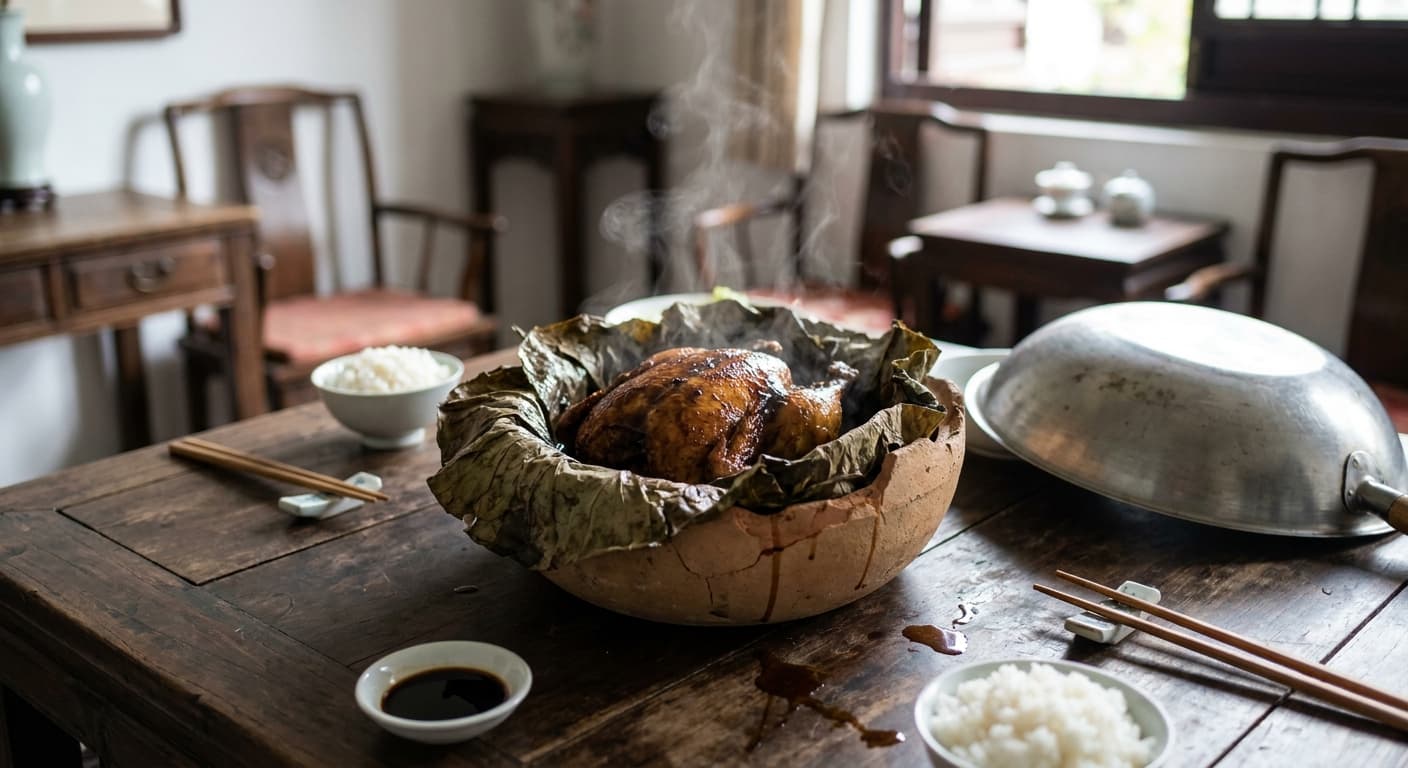
Beggar's Chicken (叫化鸡) — Lotus-Wrapped Clay-Baked Jiangnan Chicken
Chinese · Main Courses · 240 min
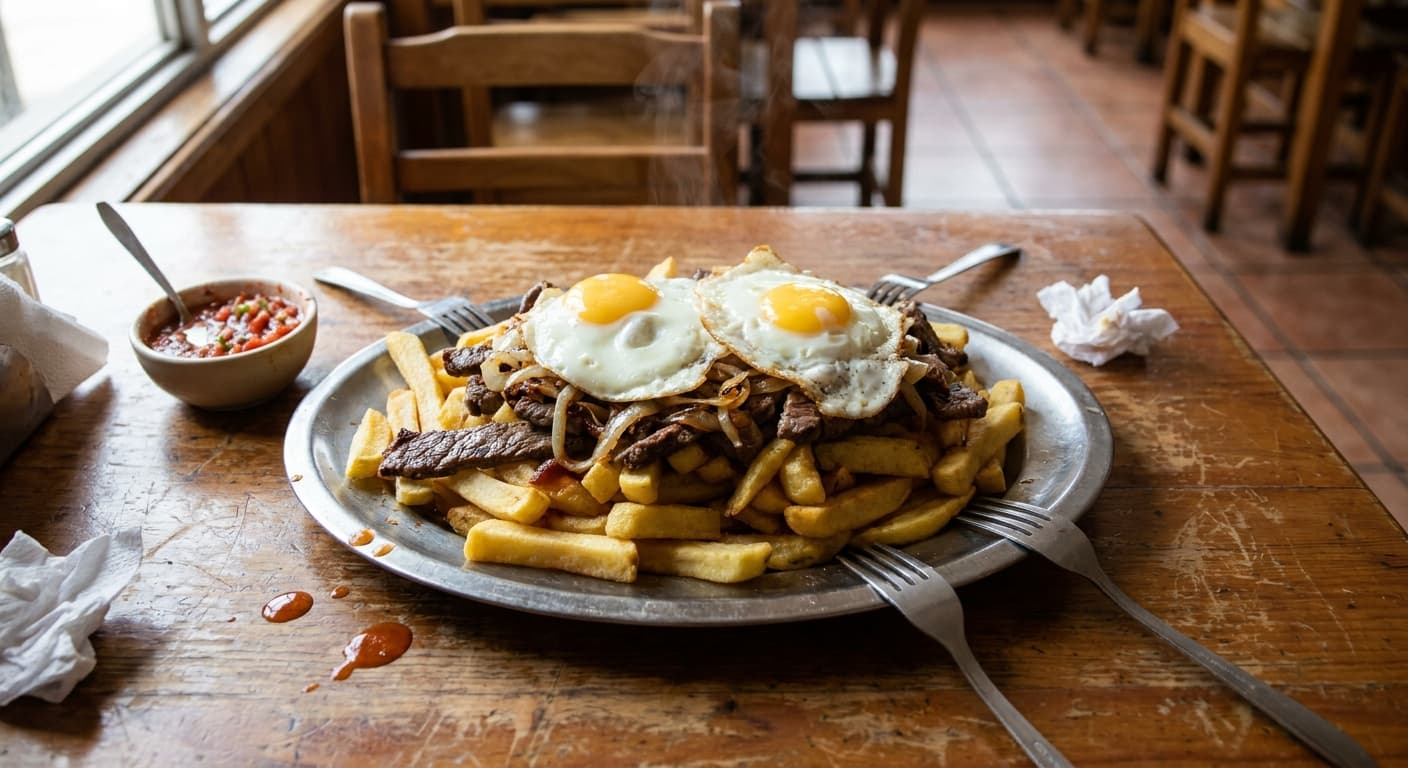
Chorrillana (Chorrillana) — Chilean Loaded Fries with Beef and Eggs
Chilean · Main Courses · 60 min
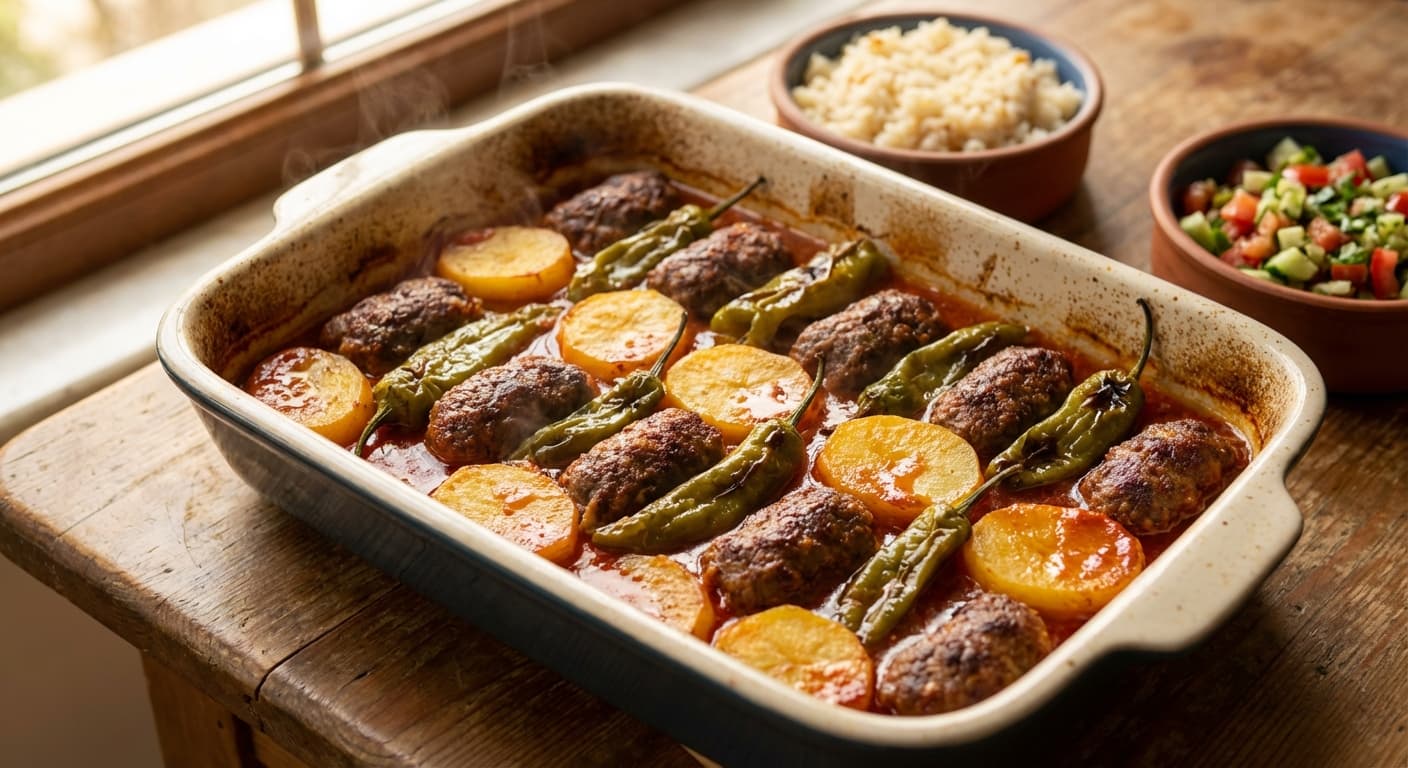
Izmir Kofte (İzmir Köfte) — Oven-Baked Meatballs with Tomato Sauce and Potatoes
Turkish · Main Courses · 70 min
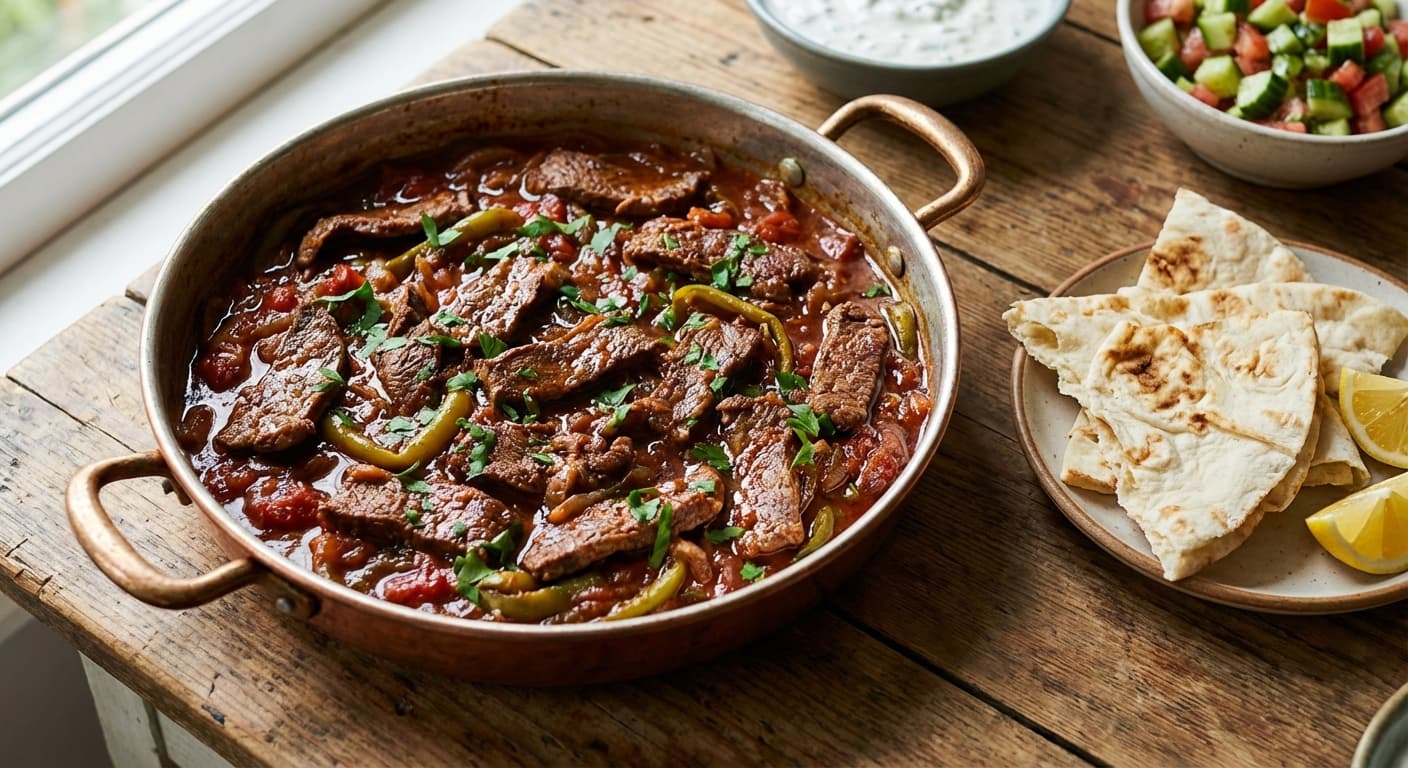
Sac Kavurma (Saç Kavurma) — Thin-Sliced Turkish Meat Sautéed with Onions
Turkish · Main Courses · 38 min
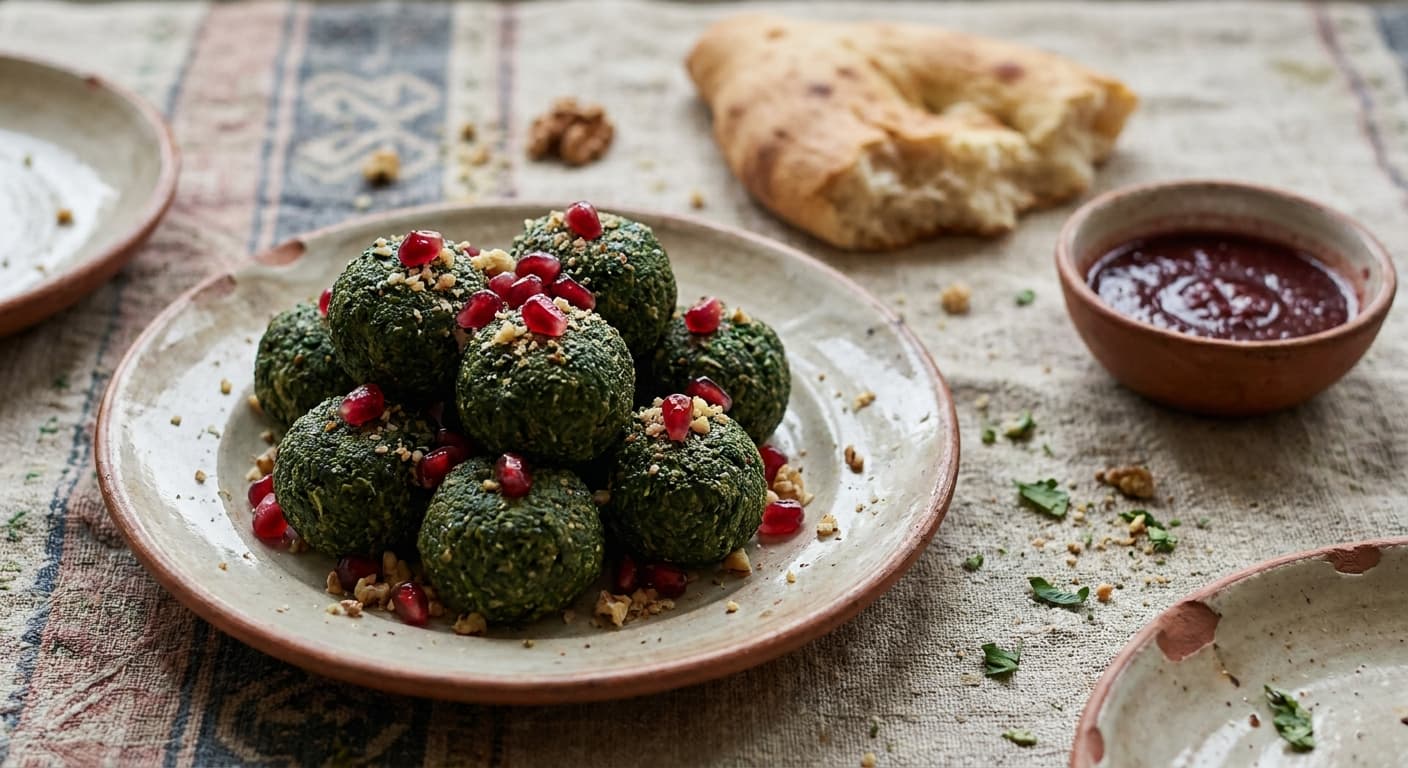
Pkhali (ფხალი) — Georgian Spinach-Walnut Appetizer
Georgian · Appetizers · 35 min
Reviews
Cooked this recipe?
Tap the stars to rate it — that's all it takes. A few words are welcome but optional.
No ratings yet. Cooked this one? Be the first to rate it — it takes one tap.