Pita Bread (Πίτα) — Greek Soft Pocket Flatbread
Greek pita is a soft, lightly chewy flatbread traditionally used to wrap souvlaki and gyros. Cooked quickly on a hot surface, it puffs to form a pocket and stays tender for stuffing or dipping.
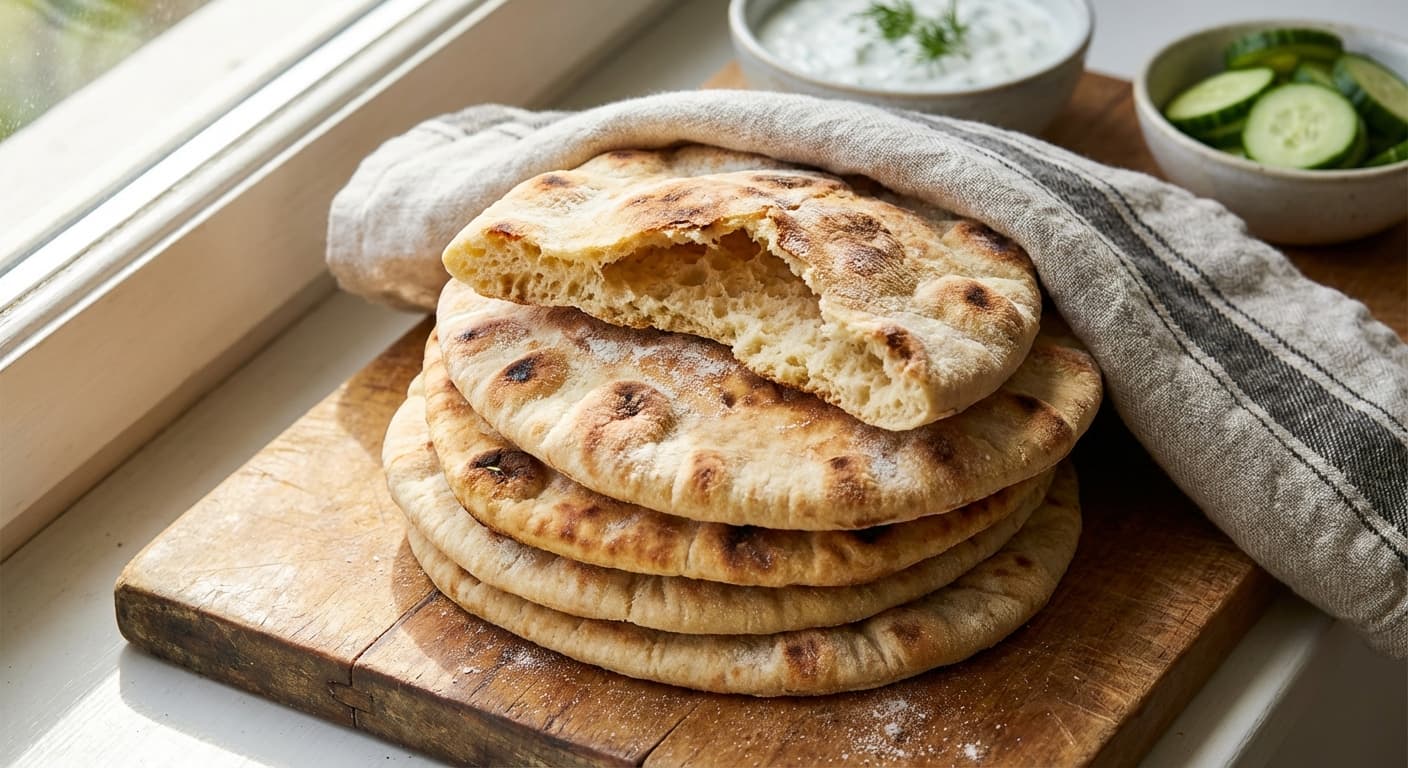
Printable Recipe Card
Servings: 8 · Total: 45 min · Difficulty: medium
Ingredients (quick list)
- 360 g bread flour (plus 20 g for dusting)
- 240 ml warm water (about 38–40°C)
- 7 g instant yeast (1 standard packet)
- 8 g granulated sugar (about 2 tsp)
- 6 g fine sea salt (about 1 tsp)
- 18 ml extra-virgin olive oil (about 1 tbsp + 1 tsp)
Steps (summary)
- In a large bowl, whisk the warm water, instant yeast, and sugar until dissolved. Let it stand for 5 minutes; it should look sli…
- Add the bread flour and salt to the bowl, then drizzle in the olive oil. Mix with a spoon until a shaggy dough forms, then knea…
- Lightly oil the bowl with 2 ml of the measured cooking oil and return the dough to the bowl. Cover tightly and let rise at room…
- Turn the dough onto a lightly floured surface using up to 20 g flour for dusting. Divide into 8 equal pieces (about 80–82 g eac…
- Heat a cast-iron skillet or griddle over medium-high heat for 5 minutes until thoroughly hot. Brush the surface with 1–2 ml oli…
- Roll one dough ball into a circle about 18 cm wide and 3–4 mm thick, keeping the thickness even. Lay it on the hot skillet and…
+ 2 more steps in the full instructions section below.
Cultural Background
Pita is a staple across Greece, especially as the wrap for street foods like souvlaki and gyros. Its quick, high-heat cooking reflects Mediterranean flatbread traditions designed for fast meals and easy sharing at the table.
Equipment
💡 Tips
- For the best pocket, roll each pita to an even 3–4 mm thickness so steam inflates it uniformly.
- Keep cooked pitas covered in a towel; trapped steam prevents drying and keeps them pliable for wraps.
- If your skillet runs hot, lower the heat slightly; too much browning before puffing can seal the surface and reduce pocket formation.
⚠️ Common Mistakes
❌ Pitas don’t puff and form a pocket.
✅ Fix: Make sure the pan is fully preheated and roll to an even 3–4 mm thickness; cook the first side until bubbles appear before flipping.
❌ Bread turns stiff and cracks when folded.
✅ Fix: Cover hot pitas immediately after cooking to steam-soften them, and reheat briefly before serving.
❌ Burning spots before the inside cooks.
✅ Fix: Lower heat to medium and extend each side by 10–15 seconds; the goal is fast puffing with light browning, not heavy charring.
🧊 How to Store
Cool completely, then store pitas in a sealed bag at room temperature for up to 2 days or refrigerate for 5 days. Reheat 30–45 seconds in a hot dry skillet or 10–12 seconds in the microwave wrapped in a damp paper towel to restore softness.
📅 Make Ahead
Mix and knead the dough, then refrigerate it covered for up to 24 hours for deeper flavor. Let it sit at room temperature for 45–60 minutes before dividing, resting, and cooking.
🍽️ Pairs Well With
- Gyros
- souvlaki
- tzatziki
- Greek salad
- hummus
- grilled halloumi.
Regional Variations
- Thicker Greek souvlaki pita: roll to 5–6 mm and cook slightly longer for a fluffier, non-pocket style often used for wraps.
- Whole-wheat pita: replace 120 g bread flour with 120 g whole-wheat flour and add 10 ml extra water for similar softness.
Ingredients
- 360 gbread flour (plus 20 g for dusting)
- 240 mlwarm water (about 38–40°C)
- 7 ginstant yeast (1 standard packet)
- 8 ggranulated sugar (about 2 tsp)
- 6 gfine sea salt (about 1 tsp)
- 18 mlextra-virgin olive oil (about 1 tbsp + 1 tsp)
🔄 Substitutions
- bread flour→ all-purpose flour
- instant yeast→ active dry yeast
- extra-virgin olive oil→ light olive oil
Instructions
- 1
In a large bowl, whisk the warm water, instant yeast, and sugar until dissolved. Let it stand for 5 minutes; it should look slightly foamy, which confirms the yeast is active.
- 2
Add the bread flour and salt to the bowl, then drizzle in the olive oil. Mix with a spoon until a shaggy dough forms, then knead by hand for 8–10 minutes until smooth and elastic; the dough should be soft but not sticky.
- 3
Lightly oil the bowl with 2 ml of the measured cooking oil and return the dough to the bowl. Cover tightly and let rise at room temperature for 60–75 minutes, until doubled in size.
- 4
Turn the dough onto a lightly floured surface using up to 20 g flour for dusting. Divide into 8 equal pieces (about 80–82 g each) and shape each into a tight ball, then cover and rest for 15 minutes to relax the gluten.
- 5
Heat a cast-iron skillet or griddle over medium-high heat for 5 minutes until thoroughly hot. Brush the surface with 1–2 ml olive oil; a thin sheen is enough, and excess oil can prevent good puffing.
- 6
Roll one dough ball into a circle about 18 cm wide and 3–4 mm thick, keeping the thickness even. Lay it on the hot skillet and cook 45–60 seconds until bubbles form, then flip and cook 45–60 seconds; press gently with a spatula to encourage steam and puffing.
- 7
Flip once more and cook 15–25 seconds to set the pocket and lightly brown the surface. Transfer to a towel-lined basket and cover immediately to trap steam and keep the pita soft while you repeat with the remaining dough.
- 8
Cool the pitas for 10 minutes before cutting so the crumb sets and the pocket stays intact. To open a pocket, slice about 6–7 cm across the edge and gently separate the layers with your fingers.
🪪 Recipe Passport
Cultural Background
Pita is a staple across Greece, especially as the wrap for street foods like souvlaki and gyros. Its quick, high-heat cooking reflects Mediterranean flatbread traditions designed for fast meals and easy sharing at the table.
Regional Variations
Researched from multiple sources and validated by the Zaffaron editorial team. Every recipe is tested for accuracy, measurements, and cultural authenticity.
Nutrition per serving
Pairs well with
If you enjoyed this recipe, here are a few related Zaffaron recipes to try next.
Does your family make this differently?
Every family has their own version. Maybe your grandmother adds a secret ingredient, or your aunt has a completely different technique. Preserve your family's version — with their name on it, forever.
You Might Also Like
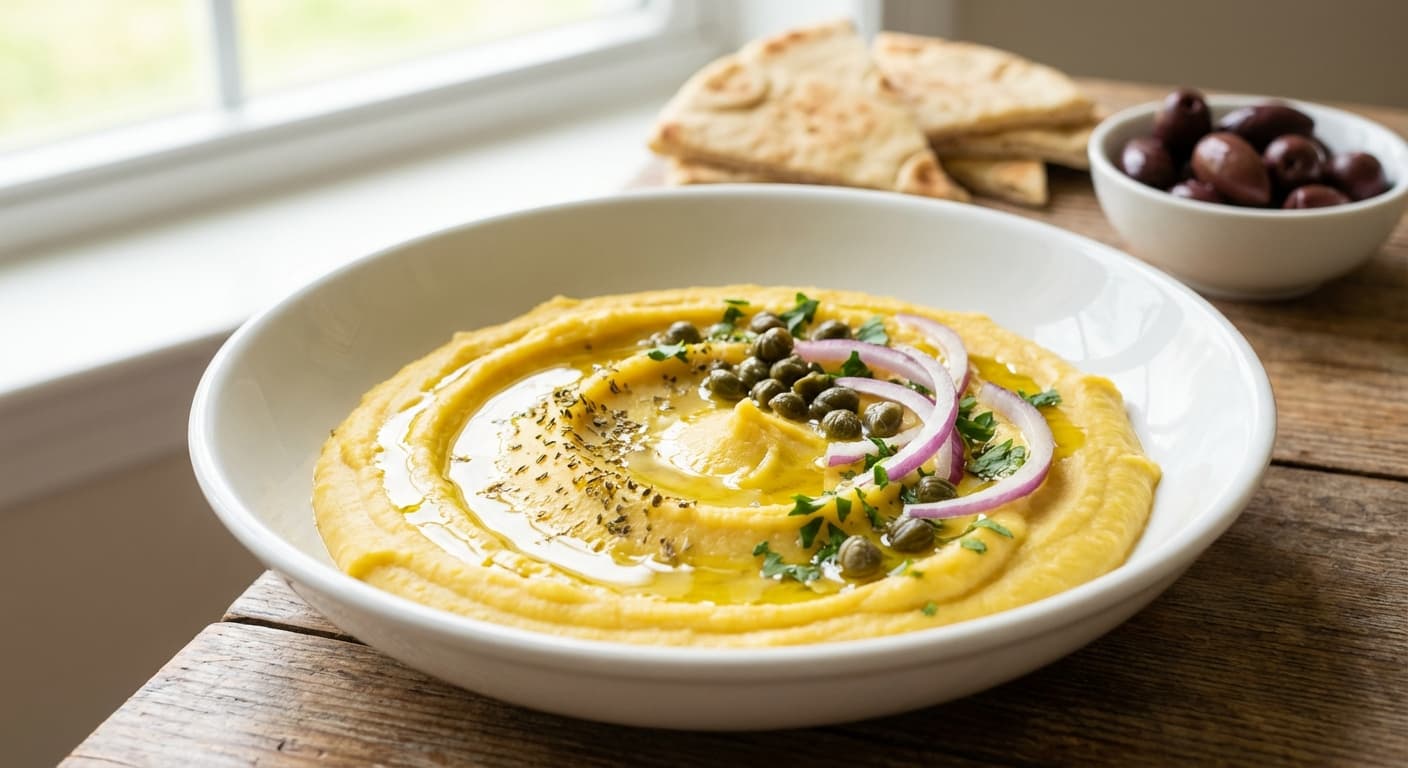
Santorini Fava (Φάβα Σαντορίνης) — Creamy yellow split pea purée with capers
Greek · Appetizers · 65 min
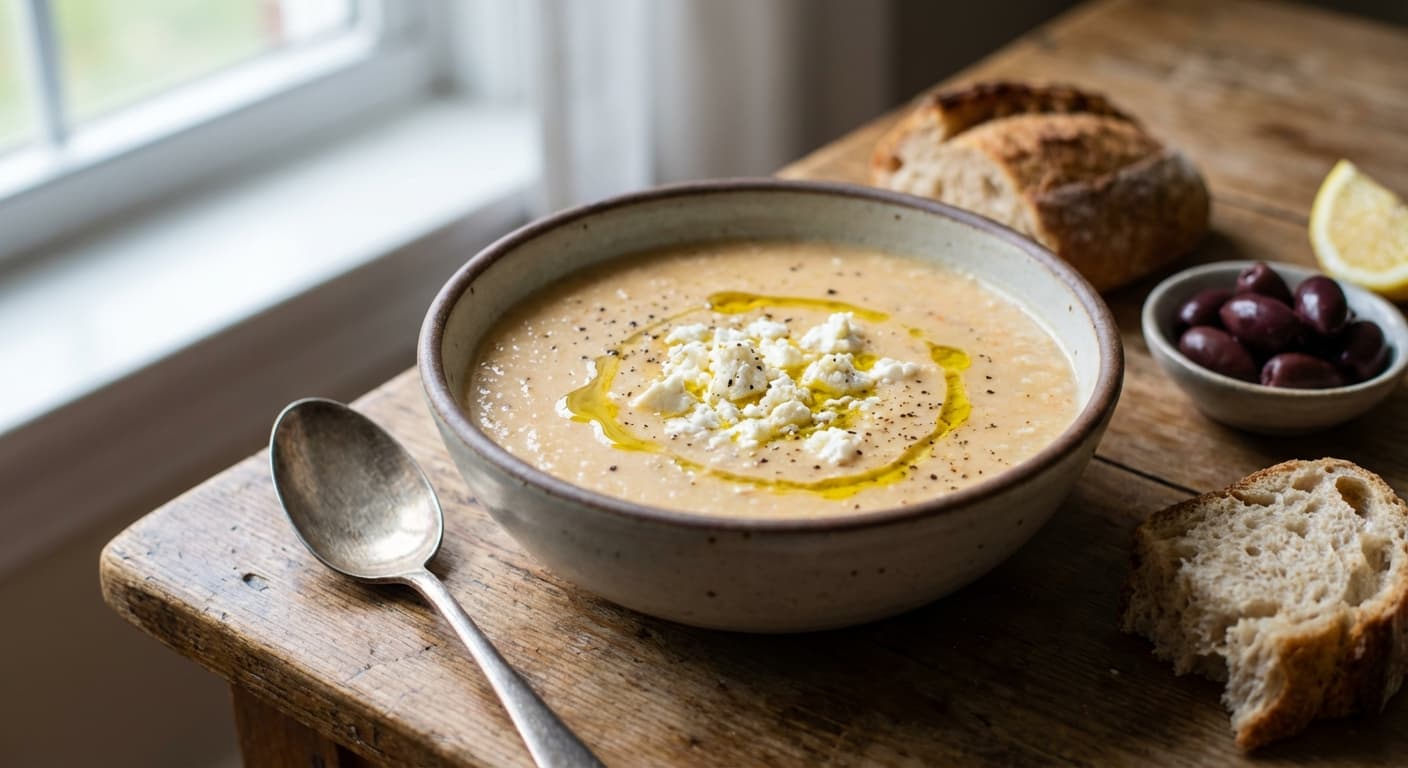
Trahanas Soup (Τραχανάς) — Greek fermented grain comfort soup
Greek · Soups · 35 min
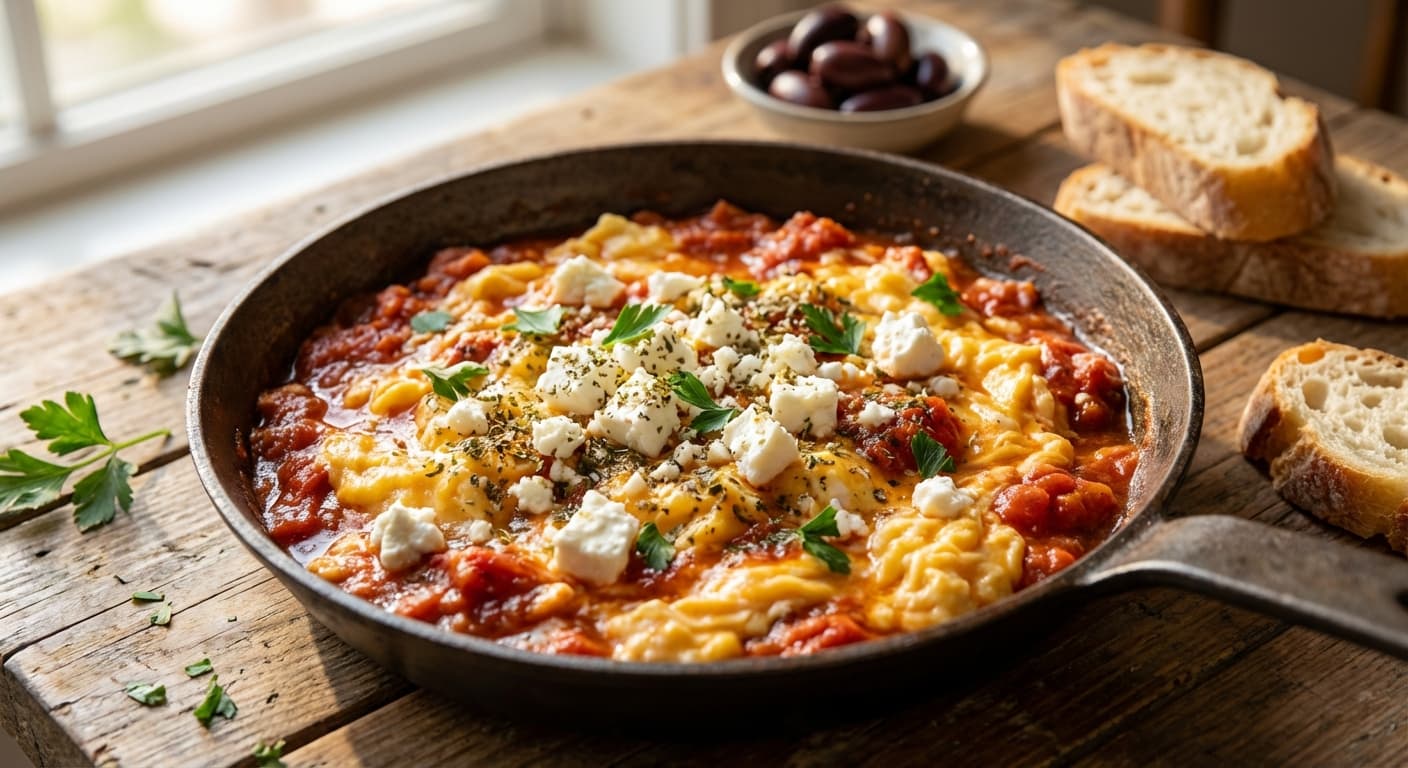
Kagianas (Καγιανάς) — Greek Eggs with Tomato, Feta, and Oregano
Greek · Main Courses · 22 min
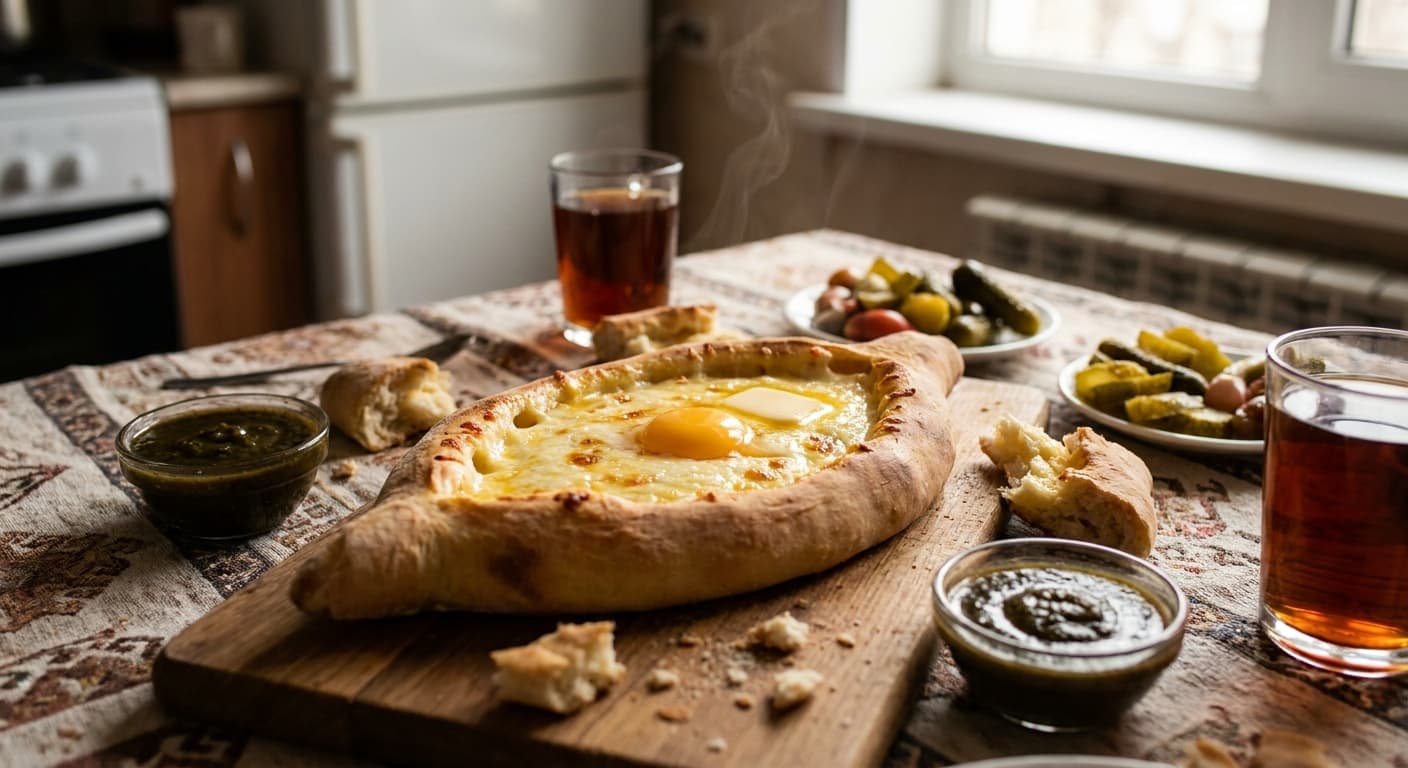
Georgian Khachapuri Adjaruli (აჭარული ხაჭაპური) — Boat-Shaped Cheese Bread
Georgian · Breads · 53 min
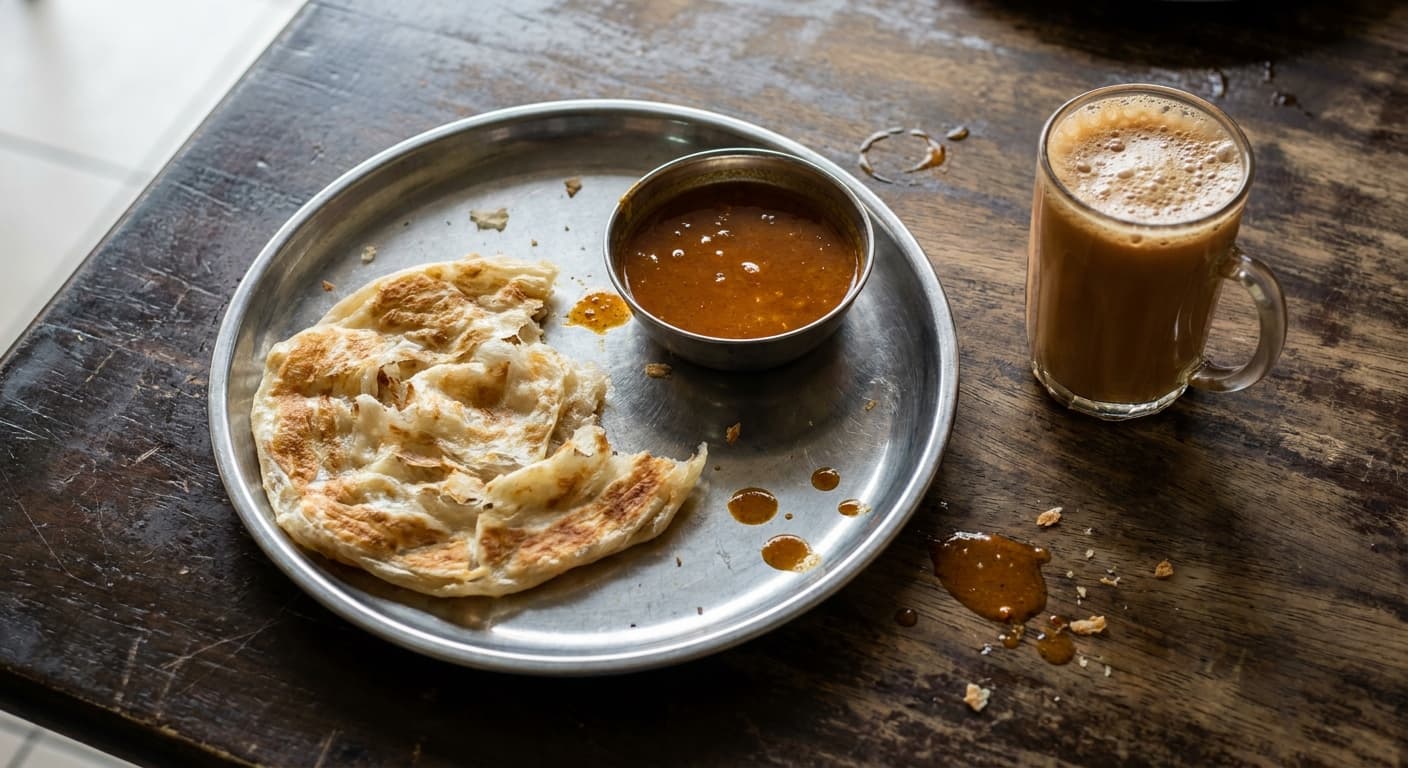
Roti Canai (Roti Canai) — Flaky Malaysian Griddle Flatbread
Malaysian · Breads · 330 min
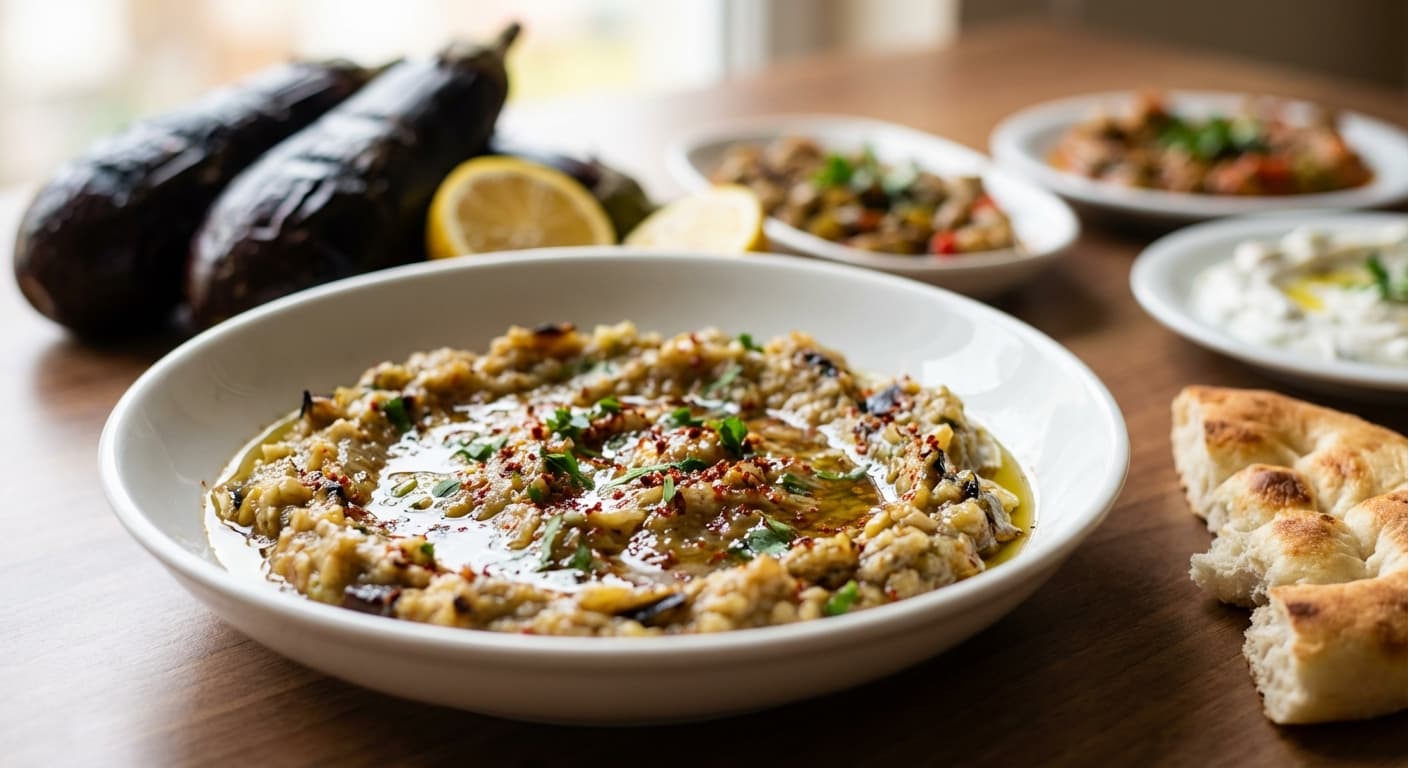
Smoky Eggplant Salad (Patlıcan Salatası) — Turkish charred eggplant with garlic and olive oil
Turkish · Salads · 40 min
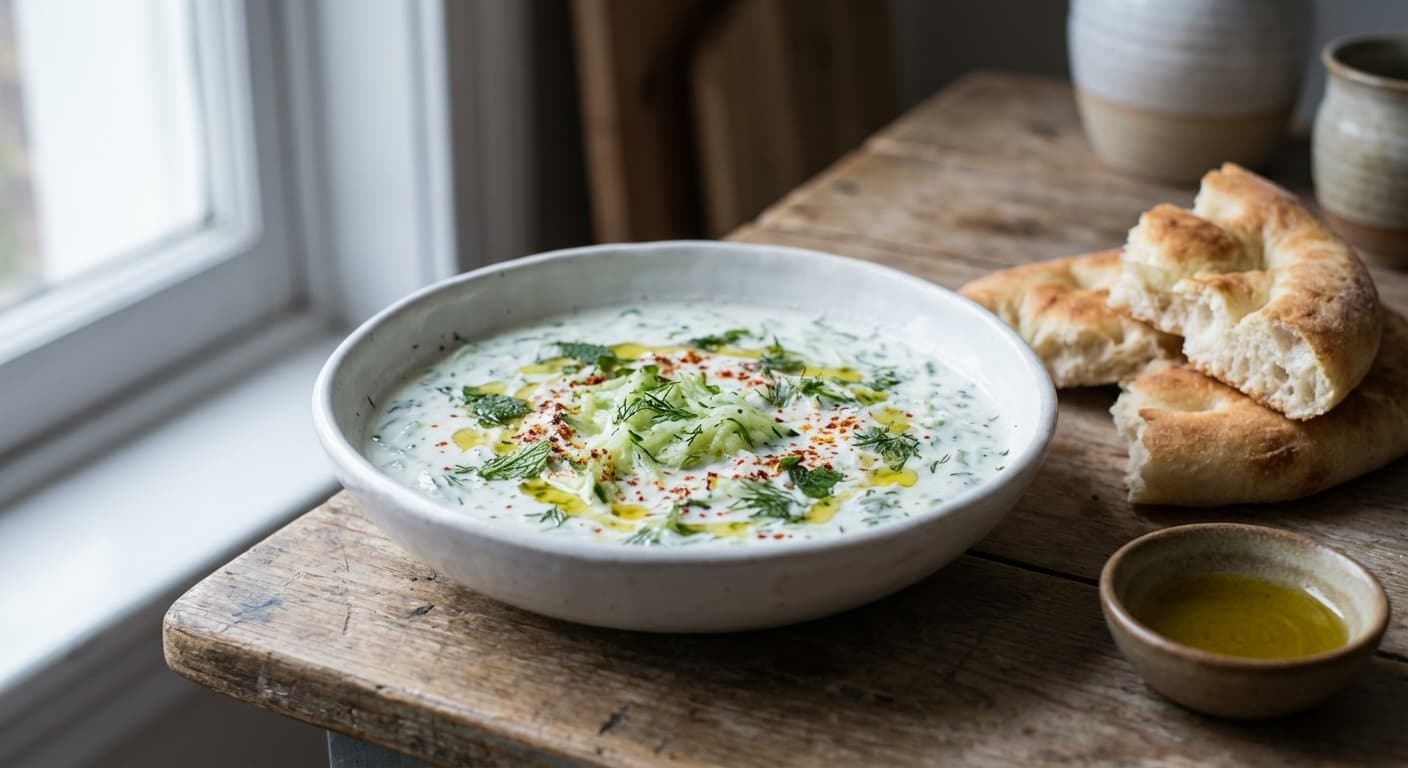
Cacık (Yoğurtlu Salatalık Mezesi) — Chilled Turkish Yogurt, Cucumber & Mint Dip
Turkish · Appetizers · 15 min
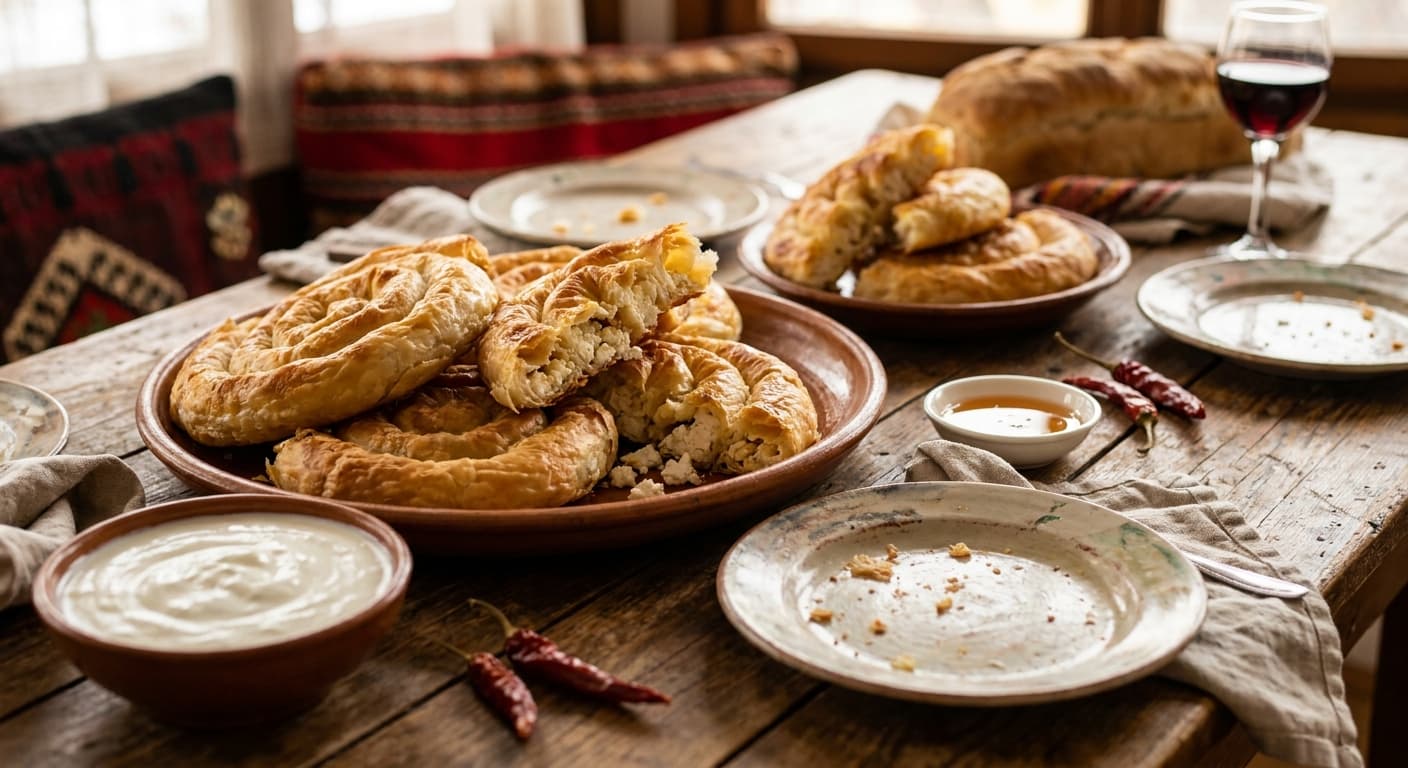
Bulgarian Banitsa (Баница) — Flaky Sirene-Filled Phyllo Pie
Bulgarian · Breads · 68 min
Reviews
Cooked this recipe?
Tap the stars to rate it — that's all it takes. A few words are welcome but optional.
No ratings yet. Cooked this one? Be the first to rate it — it takes one tap.