Polo Makhlout (پلو مخلوط) — Persian Mixed Rice with Meat and Herbs
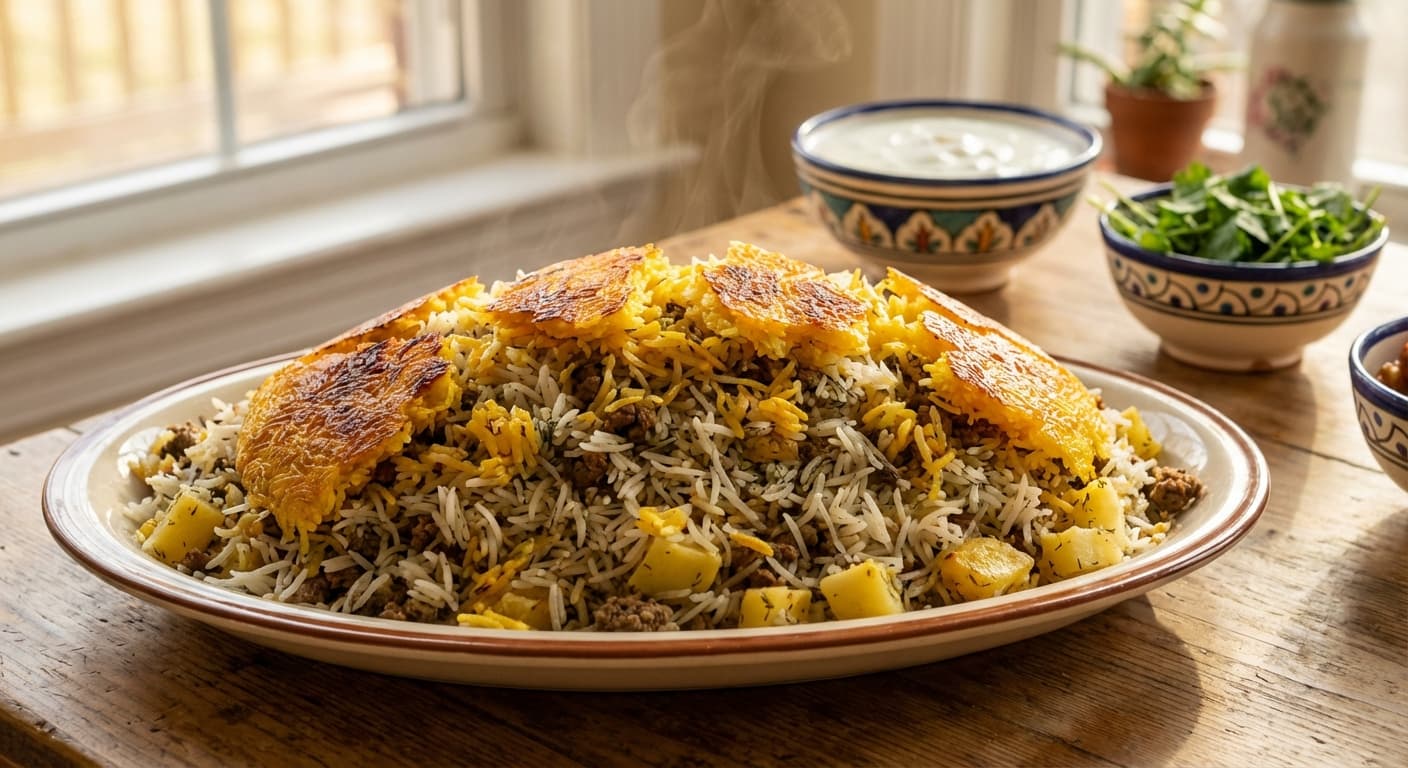
Polo Makhlout is a fragrant Persian mixed rice layered with spiced ground meat, dill, and potatoes, finished with a saffron-yogurt tahdig crust. Fluffy basmati grains and savory tomato notes make it a comforting family meal.
Printable Recipe Card
Servings: 6 · Total: 150 min · Difficulty: medium
Ingredients (quick list)
- 500 g Basmati rice (rinsed until water runs mostly clear)
- 2400 ml Water (for parboiling rice)
- 18 g Fine sea salt (for soaking and boiling rice)
- 450 g Ground beef (80–85% lean)
- 220 g Yellow onion (finely diced)
- 30 ml Neutral oil (such as sunflower or grapeseed)
- 30 g Tomato paste (about 2 tablespoons)
- 2 g Black pepper (about 1 teaspoon, freshly ground)
- 4 g Curry powder (about 2 teaspoons, Persian-style mild blend if available)
- 2 g Garlic powder (about 1 teaspoon)
- 35 g Dill (fresh, finely chopped (about 1 packed cup))
- 0.25 g Saffron threads (crushed finely)
+ 5 more in the full ingredients section below.
Steps (summary)
- Rinse the basmati rice 5–6 times until the water is mostly clear. Soak it in a bowl with 1.5 liters cool water and 12 g of the…
- Make the meat mixture: heat 30 ml oil in a skillet over medium-high heat for 2 minutes. Add diced onion and cook 8–10 minutes,…
- Season the meat with black pepper, curry powder, and garlic powder. Add 120 ml water, reduce heat to medium-low, and simmer 10…
- Parboil the rice: bring 2400 ml water to a rolling boil in a large pot. Add the remaining 6 g salt. Drain soaked rice and add t…
- Prepare the saffron-yogurt tahdig base: in a bowl, whisk yogurt with egg yolk (if using), 30 ml of the oil, and 2 tablespoons (…
- Assemble: choose a 24–26 cm heavy nonstick or well-seasoned pot. Warm 15 ml oil with the melted butter over medium heat for 1 m…
+ 3 more steps in the full instructions section below.
Cultural Background
Mixed rice dishes are common in Persian home cooking because they stretch ingredients while building layered flavor and texture. Polo Makhlout is often prepared for family lunches and gatherings, where the crisp tahdig is shared as a prized component at the table.
Equipment
💡 Tips
- For the fluffiest grains, drain the parboiled rice thoroughly and let it sit in the colander 5 minutes before layering.
- If your yogurt is very thin, strain it 15 minutes so the tahdig mixture is thick and adheres well.
- Keep the meat mixture saucy but not wet; excess liquid can make the rice gummy and soften the crust.
- A heavy-bottom pot and a towel-wrapped lid help prevent soggy rice by catching condensation.
- For more saffron aroma, reserve 1 teaspoon of bloomed saffron liquid to brush on the tahdig right after unmolding.
⚠️ Common Mistakes
❌ Overboiling the rice during parboil
💡 Why: If the grains fully cook in boiling water, they will break and turn sticky during steaming.
✅ Fix: Boil only until the outside is tender and the center is slightly firm (6–8 minutes), then drain immediately.
❌ Meat mixture too wet or too dry
💡 Why: Too wet makes the rice gummy; too dry tastes chalky and separates in layers.
✅ Fix: Simmer with measured water until saucy; the mixture should mound on a spoon without dripping.
❌ Burning the tahdig
💡 Why: High heat for too long scorches the crust before the rice steams through.
✅ Fix: Use medium heat only for the first 10 minutes, then low for steaming; increase slightly only at the end if needed.
❌ Tahdig sticking to the pot
💡 Why: Insufficient fat or not resting after cooking prevents the crust from releasing cleanly.
✅ Fix: Oil the base well, include the yogurt-rice binder, and rest covered 10 minutes before unmolding.
🧊 How to Store
Cool leftovers within 2 hours. Refrigerate airtight up to 3 days. Reheat covered in a pan with 2 tablespoons water over low heat 10–12 minutes, or microwave covered 2–3 minutes. Tahdig will soften; re-crisp in a lightly oiled skillet 3–5 minutes.
📅 Make Ahead
Cook the meat mixture up to 2 days ahead and refrigerate airtight. Rinse and soak the rice up to 1 hour ahead. For best tahdig, assemble and steam just before serving; reheated rice is tasty but the crust softens.
🍽️ Pairs Well With
- Shirazi salad (cucumber
- tomato
- onion with lemon or lime)
- Plain yogurt with dried mint
- Pickled vegetables
- Fresh herbs and radishes
Regional Variations
- Tehran-style home cookingOften includes a stronger tomato note and a slightly sweeter onion base, with the meat cooked down until glossy before layering.
- Northern IranMay use more fresh herbs (especially dill) and sometimes includes small amounts of sour elements such as dried lime powder or a squeeze of citrus served at the table.
- Diaspora kitchensFrequently adapts to available cookware by making a thinner tahdig and using oven finishing (10 minutes at 200°C) to re-crisp the crust after steaming.
Ingredients
- 500 gBasmati rice (rinsed until water runs mostly clear)
- 2400 mlWater (for parboiling rice)
- 18 gFine sea salt (for soaking and boiling rice)
- 450 gGround beef (80–85% lean)
- 220 gYellow onion (finely diced)
- 30 mlNeutral oil (such as sunflower or grapeseed)
- 30 gTomato paste (about 2 tablespoons)
- 2 gBlack pepper (about 1 teaspoon, freshly ground)
- 4 gCurry powder (about 2 teaspoons, Persian-style mild blend if available)
- 2 gGarlic powder (about 1 teaspoon)
- 35 gDill (fresh, finely chopped (about 1 packed cup))
- 0.25 gSaffron threads (crushed finely)
- 45 mlHot water (to bloom saffron)
- 180 gPlain yogurt (full-fat, unsweetened)
- 18 gEgg yolk (from 1 large egg; optional but helps tahdig bind)
- 25 gUnsalted butter (melted, for aroma and browning)
- 350 gPotatoes (peeled and sliced into 5 mm rounds)
🔄 Substitutions
- Ground beef→ Ground lamb or ground turkey
- Fresh dill→ Dried dill
- Potato tahdig base→ Plain saffron-yogurt rice tahdig (no potatoes)
Instructions
- 1
Rinse the basmati rice 5–6 times until the water is mostly clear. Soak it in a bowl with 1.5 liters cool water and 12 g of the salt for 45 minutes at room temperature. Meanwhile, bloom the crushed saffron in 45 ml hot water (not boiling) for 10 minutes to deepen color and aroma.
- 2
Make the meat mixture: heat 30 ml oil in a skillet over medium-high heat for 2 minutes. Add diced onion and cook 8–10 minutes, stirring, until golden. Add ground beef and cook 6–8 minutes, breaking it up, until no longer pink. Stir in tomato paste and cook 2 minutes to caramelize.
- 3
Season the meat with black pepper, curry powder, and garlic powder. Add 120 ml water, reduce heat to medium-low, and simmer 10 minutes until the mixture is saucy but not watery. Stir in the chopped dill and cook 1 minute just to wilt. Turn off heat and cool 10 minutes so it layers cleanly.
- 4
Parboil the rice: bring 2400 ml water to a rolling boil in a large pot. Add the remaining 6 g salt. Drain soaked rice and add to the boiling water; boil 6–8 minutes, stirring gently once or twice, until the grains are longer and tender on the outside but still firm in the center. Drain well.
- 5
Prepare the saffron-yogurt tahdig base: in a bowl, whisk yogurt with egg yolk (if using), 30 ml of the oil, and 2 tablespoons (30 ml) of the bloomed saffron liquid. Mix in 120 g of the parboiled rice to make a thick, spoonable mixture. This helps form an even, crisp crust.
- 6
Assemble: choose a 24–26 cm heavy nonstick or well-seasoned pot. Warm 15 ml oil with the melted butter over medium heat for 1 minute. Arrange potato slices in a single layer on the bottom. Spread the saffron-yogurt rice mixture evenly over the potatoes, pressing gently to remove air pockets.
- 7
Layer the remaining rice and meat: add one-third of the plain parboiled rice, then half of the meat mixture. Repeat with another third of rice and the remaining meat, finishing with the final third of rice. Drizzle the remaining bloomed saffron liquid over the top. Poke 5–6 holes to the bottom with a spoon handle.
- 8
Steam and crisp: cover the lid with a clean kitchen towel and place on the pot. Cook over medium heat for 10 minutes to build steam, then reduce to low and steam 45–50 minutes. For a deeper crust, increase to medium-low for the last 8 minutes, watching for a nutty aroma without burning.
- 9
Rest and unmold: turn off heat and rest, covered, for 10 minutes so the crust releases. Run a thin spatula around the sides. Place a large platter over the pot and invert confidently. If needed, return the pot to low heat for 2–3 minutes to loosen, then invert again. Serve immediately.
🪪 Recipe Passport
Cultural Background
Mixed rice dishes are common in Persian home cooking because they stretch ingredients while building layered flavor and texture. Polo Makhlout is often prepared for family lunches and gatherings, where the crisp tahdig is shared as a prized component at the table.
Regional Variations
Researched from multiple sources and validated by the Zaffaron editorial team. Every recipe is tested for accuracy, measurements, and cultural authenticity.
Nutrition per serving
Pairs well with
If you enjoyed this recipe, here are a few related Zaffaron recipes to try next.
- Puré-e Sib Zamini (پوره سیب زمینی) — Persian Potato Purée
- Red Bean Rice (پلو با لوبیا قرمز) — Layered Persian rice with turmeric tomato beans
- Polo Shirini Zaferani (پلو شیرینی زعفرانی) — Persian Saffron Sweet Rice
- Polow-e Loobia ba Koofteh Rizeh (پلو لوبیا با کوفته ریزه) — Persian Rice with Black-Eyed Peas and Mini Soy Meatballs
Does your family make this differently?
Every family has their own version. Maybe your grandmother adds a secret ingredient, or your aunt has a completely different technique. Preserve your family's version — with their name on it, forever.
You Might Also Like
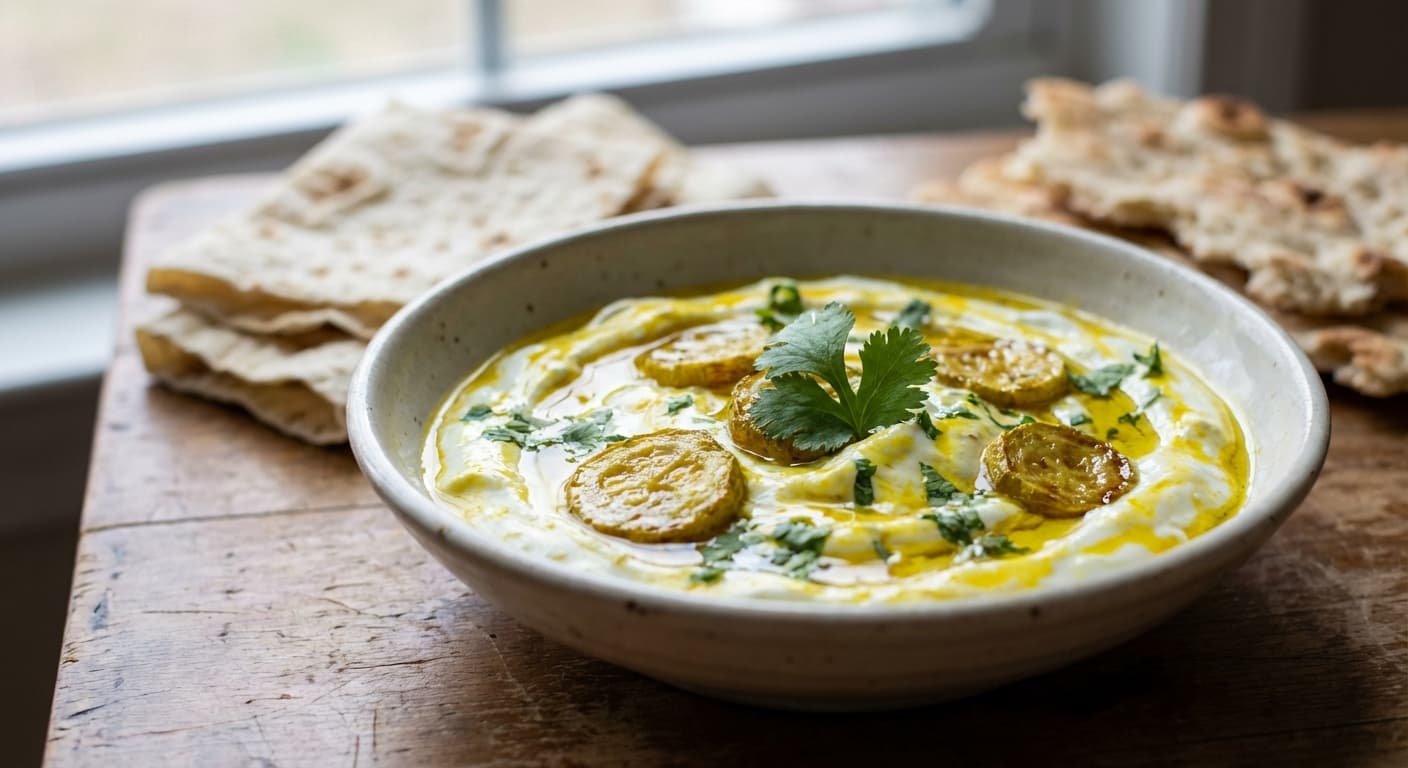
Borani Kadu (بورانی کدو) — Saffron-Infused Zucchini and Yogurt Dip
Persian · Appetizers · 40 min
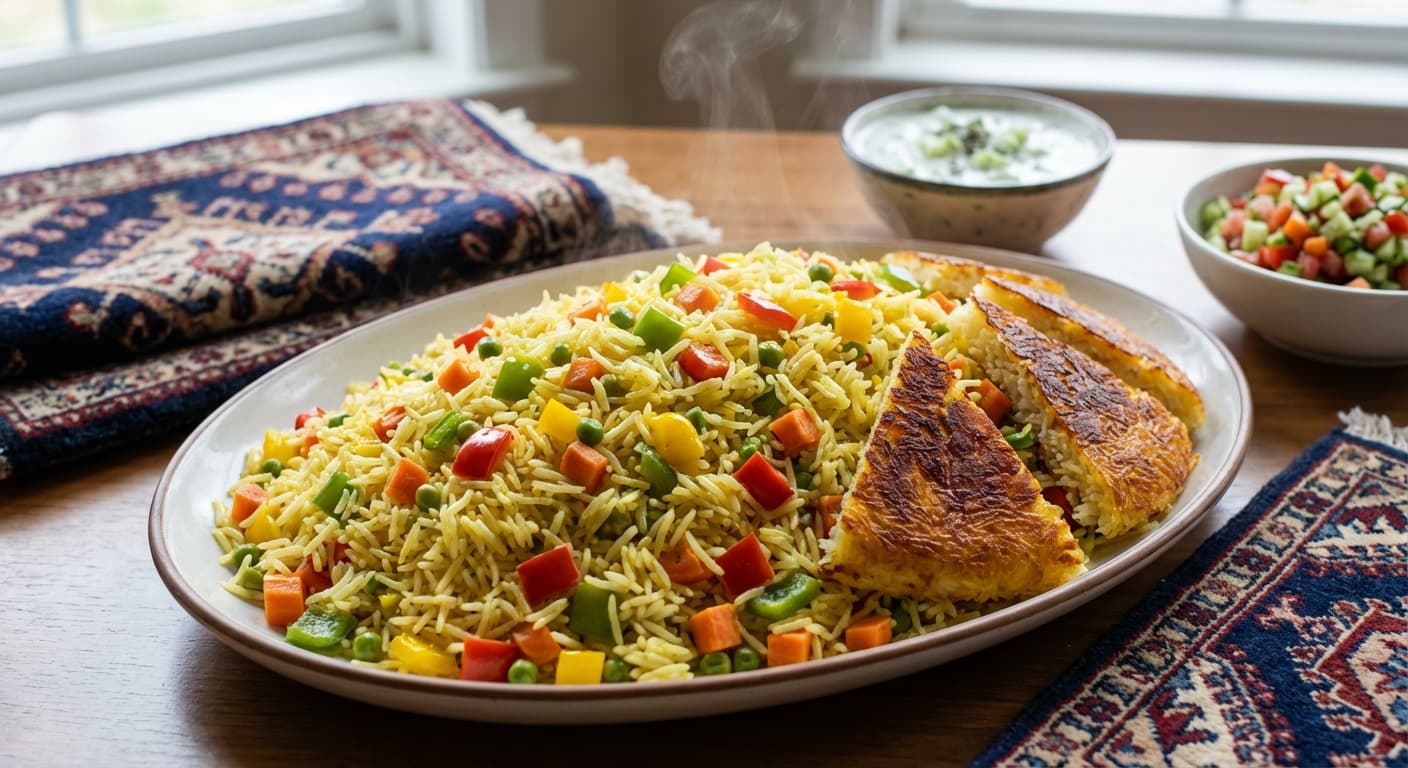
Mixed Vegetable Rice (برنج با مخلوط سبزیجات) — Persian-Style Aromatic Pilaf
Persian · Rice Dishes · 75 min
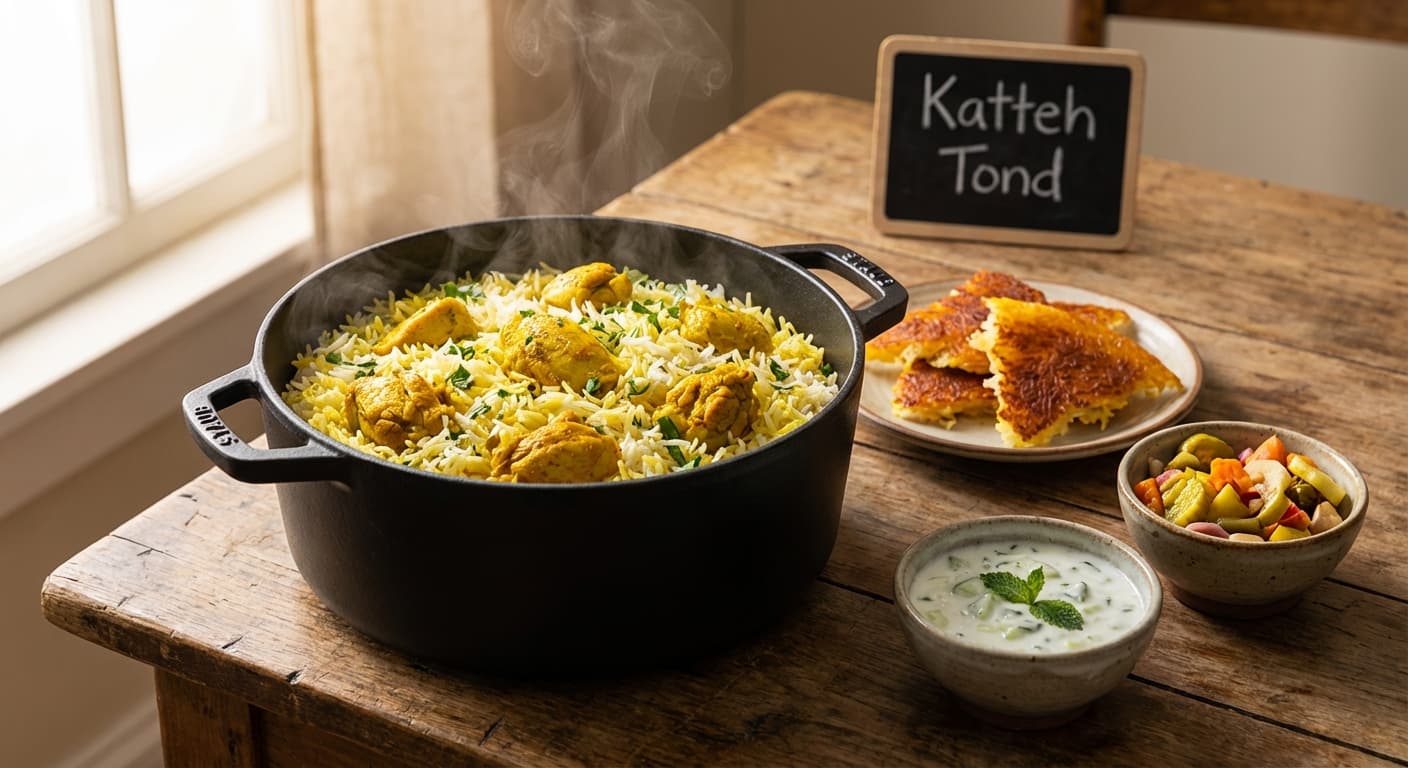
Katteh Tond (کته تند) — Spicy Caspian-Style One-Pot Chicken Rice
Persian · Rice Dishes · 85 min
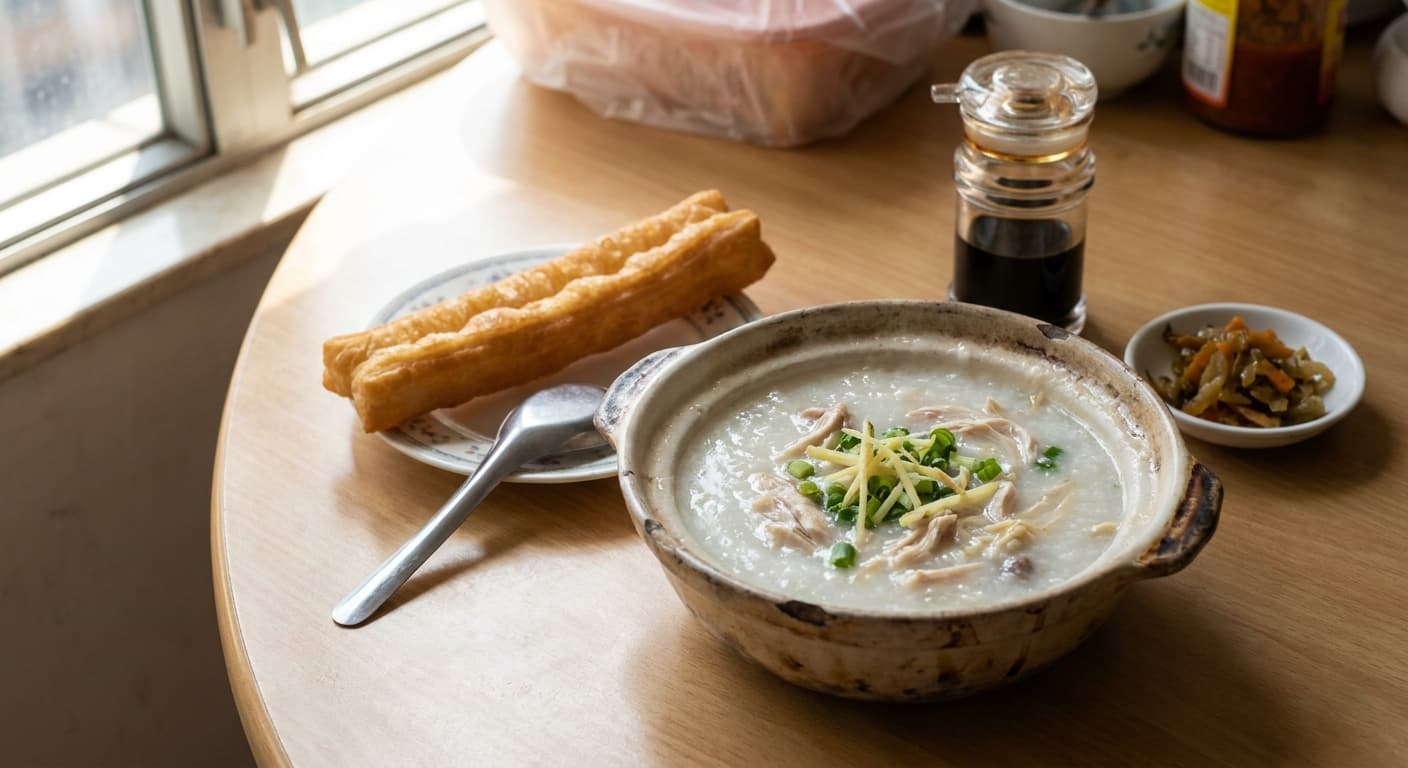
Cantonese Chicken Congee (粵式雞粥) — Silky Rice Porridge with Ginger
Chinese · Rice Dishes · 95 min
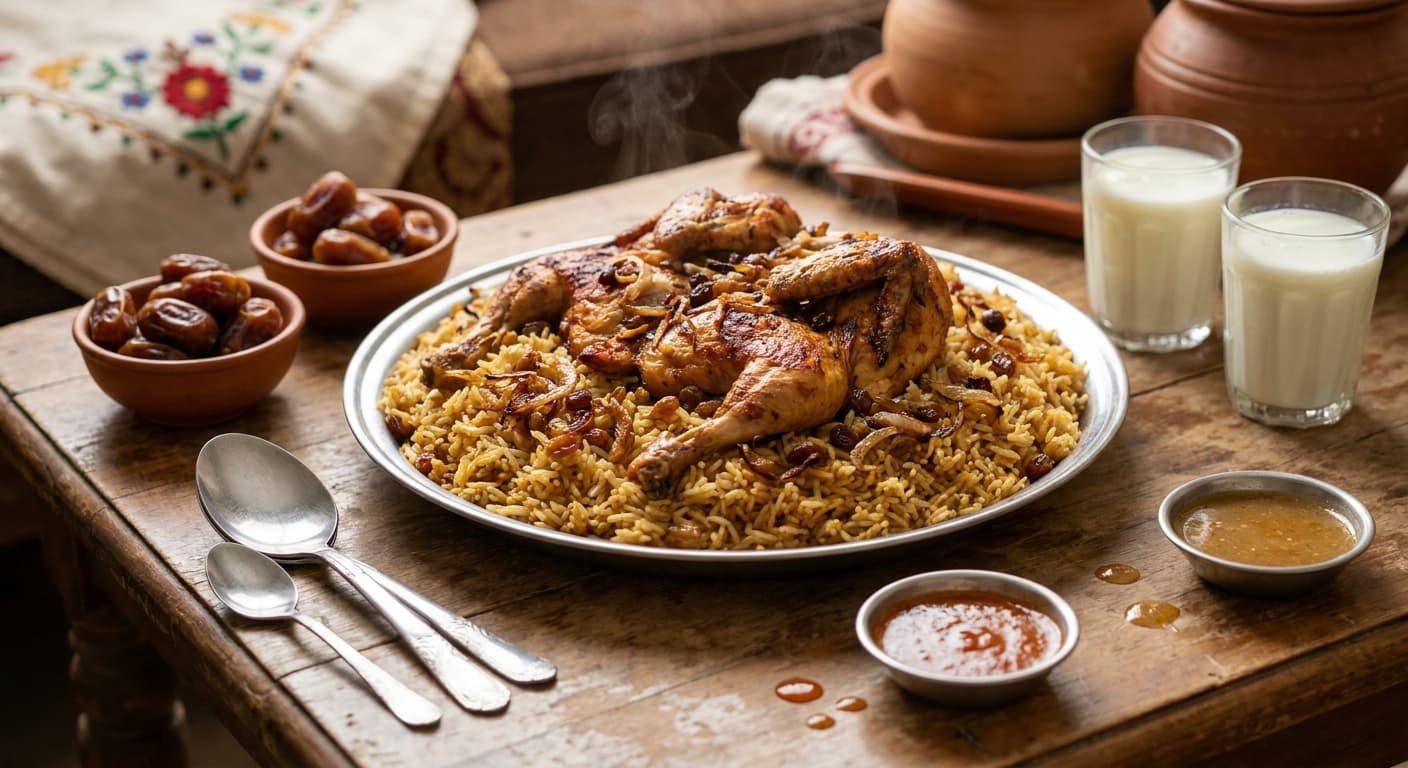
Emirati Machboos (مكبوس إماراتي) — Spiced Chicken Rice with Dried Lime
Gulf arabian · Rice Dishes · 110 min
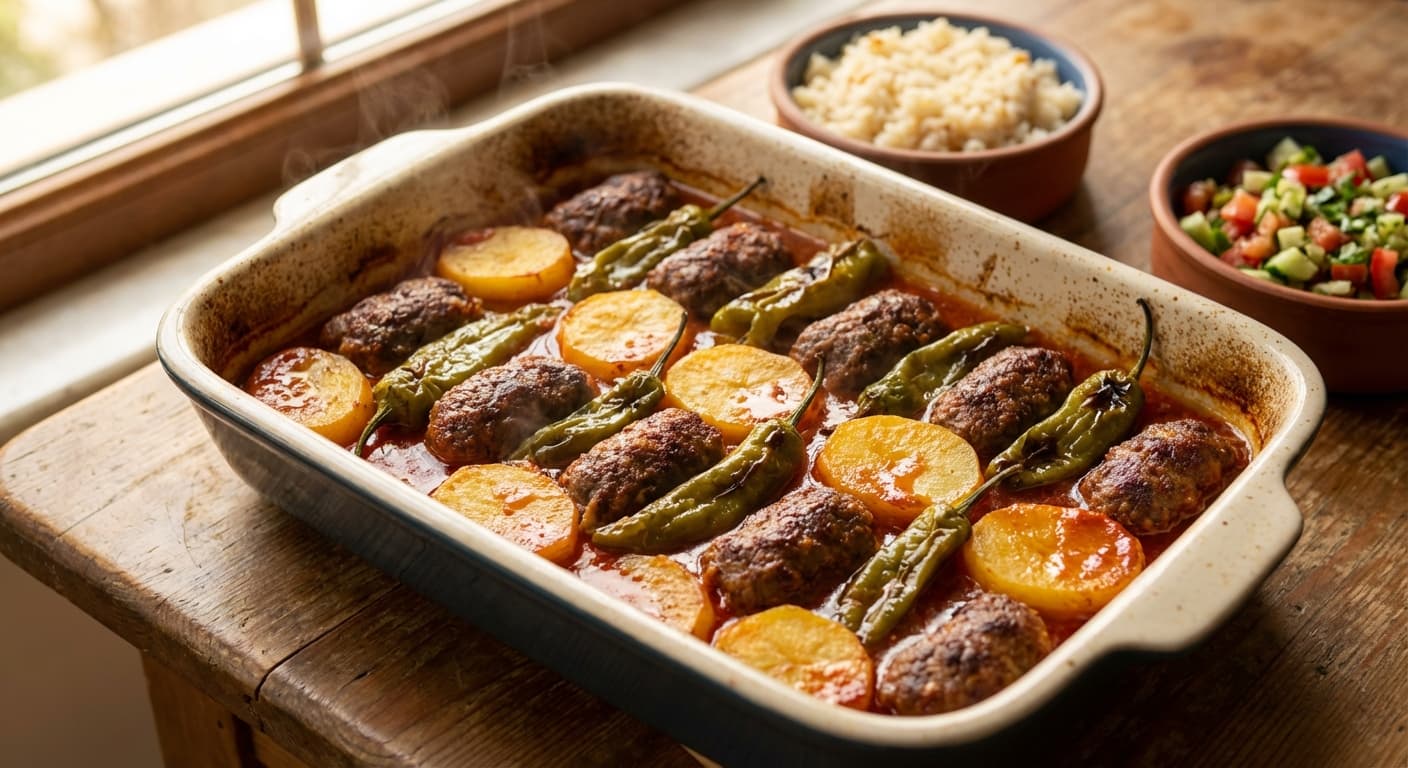
Izmir Kofte (İzmir Köfte) — Oven-Baked Meatballs with Tomato Sauce and Potatoes
Turkish · Main Courses · 70 min
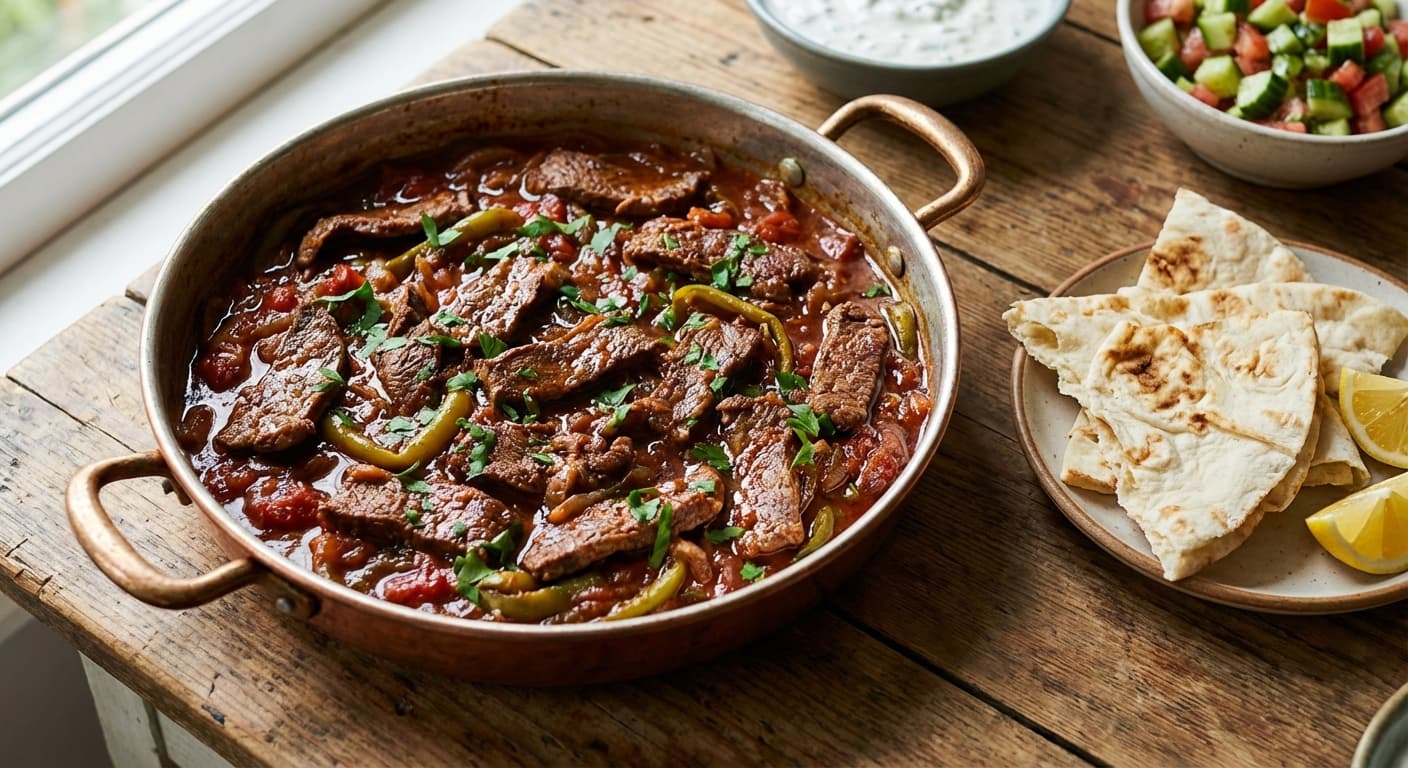
Sac Kavurma (Saç Kavurma) — Thin-Sliced Turkish Meat Sautéed with Onions
Turkish · Main Courses · 38 min
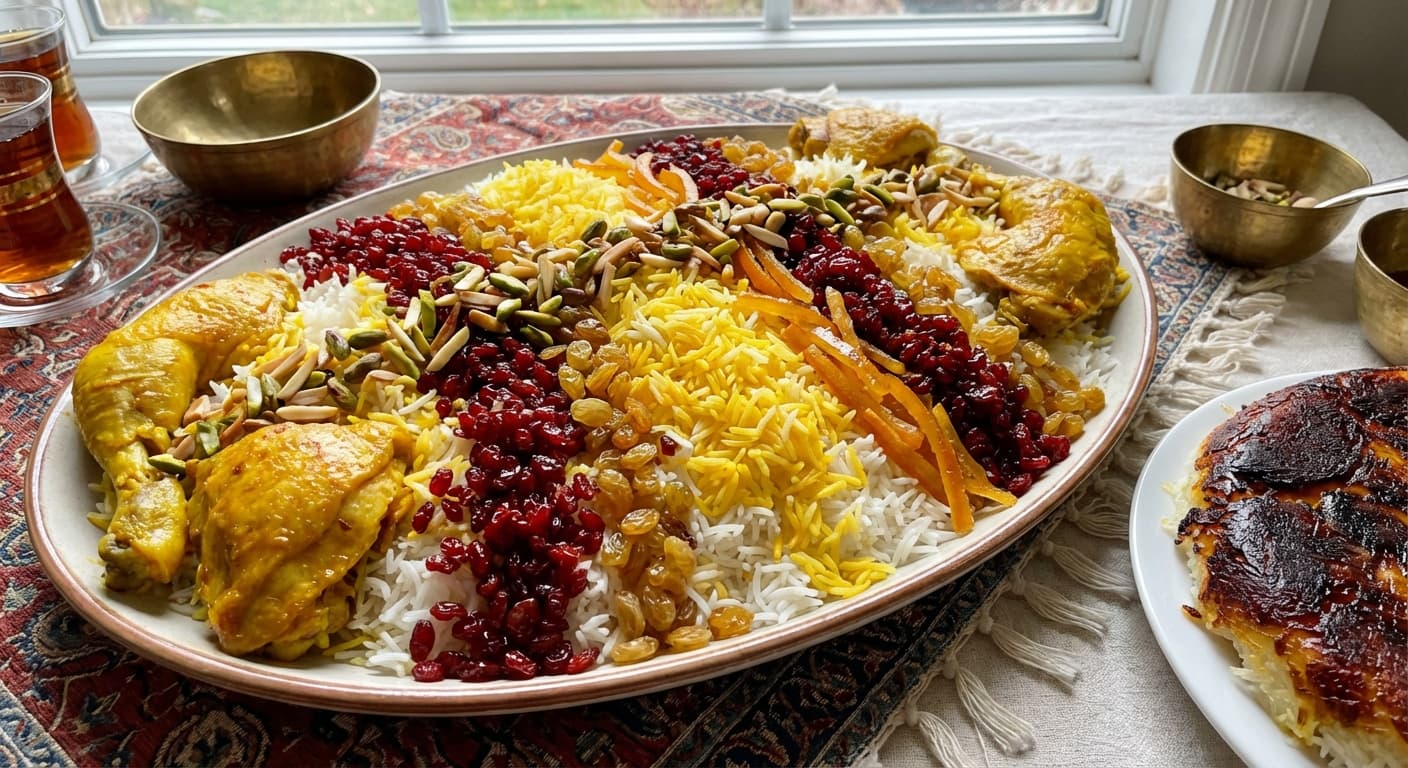
Jeweled Rice (مرصع پلو) — Festive Persian rice with saffron chicken and jeweled fruits
Persian · Rice Dishes · 135 min
Reviews
Cooked this recipe?
Tap the stars to rate it — that's all it takes. A few words are welcome but optional.
No ratings yet. Cooked this one? Be the first to rate it — it takes one tap.