Reshteh Polo (رشته پلو) — Persian Toasted Noodle Rice
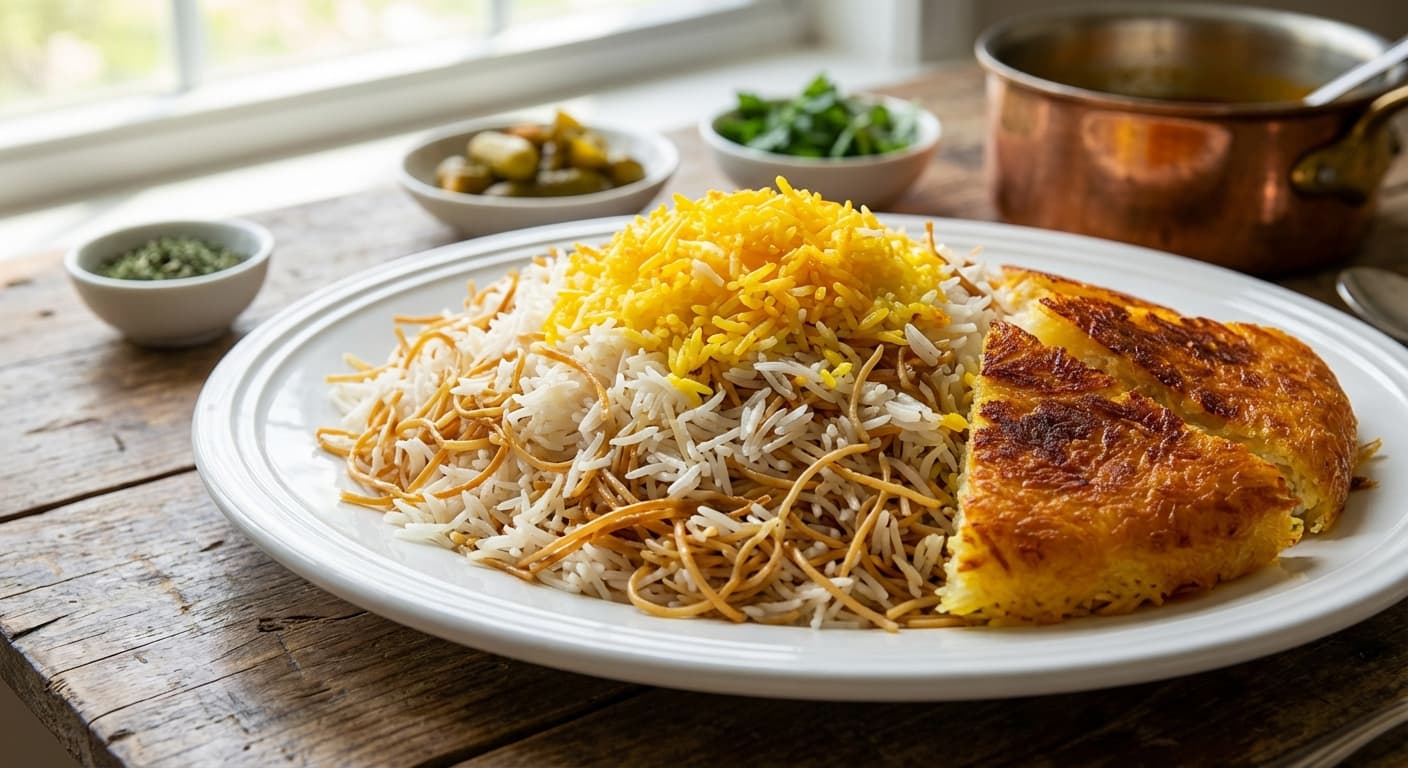
Reshteh Polo is a classic Persian rice dish for Nowruz, combining fluffy basmati with golden toasted reshteh noodles. Its nutty aroma and symbolic “threads of life” make it a festive, comforting centerpiece.
Printable Recipe Card
Servings: 6 · Total: 150 min · Difficulty: medium
Ingredients (quick list)
- 500 g Basmati rice (aged preferred; rinsed until water runs mostly clear)
- 3000 ml Water (for soaking and boiling; plus extra as needed)
- 24 g Fine sea salt (divided (for soaking and boiling water))
- 150 g Reshteh noodles (Persian reshteh, broken into 5–7 cm pieces)
- 90 ml Vegetable oil (divided (for toasting noodles and steaming rice))
- 0.25 tsp Ground saffron (optional but traditional; bloomed in hot water)
- 30 ml Hot water (for blooming saffron (about 2 tbsp))
Steps (summary)
- Rinse the basmati rice in several changes of cool water until the water is mostly clear. Soak the rice in 1500 ml water mixed w…
- Break reshteh noodles into 5–7 cm pieces. Heat 30 ml vegetable oil in a wide skillet over medium heat, then add noodles and sti…
- Bring 1500 ml water to a rolling boil in a large nonstick pot (at least 5–6 liters). Add the remaining 12 g salt. Drain the soa…
- Add the toasted reshteh noodles to the pot and boil 2–3 minutes more, just until the noodles soften slightly but do not turn mu…
- Return the pot to medium heat. Add 45 ml vegetable oil and 60 ml water to the bottom of the pot to create steam. If using saffr…
- With the handle of a wooden spoon, poke 5–6 holes down through the mound to help steam circulate. Wrap the lid in a clean kitch…
+ 1 more steps in the full instructions section below.
Cultural Background
Reshteh Polo is closely associated with Nowruz, where the noodle “threads” symbolize taking hold of life’s paths and fortunes in the new year. It is often served at family gatherings alongside stews or fish, reflecting abundance, warmth, and continuity of tradition.
Equipment
💡 Tips
- Choose Persian reshteh if possible; it toasts faster than Italian vermicelli and has a distinct wheat aroma.
- Toast noodles to an even golden color; uneven browning leads to bitter spots in the finished rice.
- Do not overboil after adding noodles—2–3 minutes is enough, because they finish cooking during steaming.
- A towel-wrapped lid prevents condensation from dripping back and making the rice gummy.
- For extra-crisp tahdig, increase the final low-heat steaming time by 5–8 minutes, watching carefully to avoid burning.
⚠️ Common Mistakes
❌ Over-toasting the noodles until dark brown
💡 Why: Reshteh becomes bitter quickly and can dominate the rice with burnt flavors
✅ Fix: Toast over medium heat, stir constantly, and stop at an even golden color; transfer to a cool plate immediately.
❌ Boiling the rice and noodles too long before draining
💡 Why: Both continue cooking during steaming, leading to mushy grains and broken noodles
✅ Fix: Drain when rice is soft outside but firm inside; after adding noodles, boil only 2–3 minutes more.
❌ Skipping the towel-wrapped lid during steaming
💡 Why: Condensation drips back and makes the surface sticky and clumpy
✅ Fix: Wrap the lid in a clean towel (secure it away from flame) to absorb steam and keep the rice fluffy.
❌ Packing the rice tightly into the pot
💡 Why: Steam cannot circulate, causing uneven cooking and soggy sections
✅ Fix: Mound the rice loosely and poke steam holes to distribute heat evenly.
🧊 How to Store
Cool leftovers to room temperature within 2 hours, then refrigerate airtight for up to 3 days. Reheat covered with 2–3 tbsp water in a pot on low for 12–15 minutes or microwave covered, stirring once. Tahdig will soften on storage; re-crisp in a lightly oiled skillet over medium heat for 4–6 minutes.
📅 Make Ahead
Rinse and soak the rice up to 2 hours ahead at cool room temperature. Toast the noodles up to 24 hours ahead and store airtight at room temperature. Cooked Reshteh Polo is best the day it’s made, but it can be refrigerated for 3 days and reheated gently with a splash of water.
🍽️ Pairs Well With
- Khoresh-e Ghormeh Sabzi (herb stew)
- Khoresh-e Fesenjan (pomegranate-walnut stew)
- Mahi Sefid or fried fish for Nowruz
- Torshi (Persian pickles) and fresh herbs (sabzi khordan)
Regional Variations
- TehranOften served with ghormeh sabzi or a simple yogurt side; some cooks add a small amount of saffron rice on top for festive color.
- Caspian (Gilan & Mazandaran)Commonly paired with fish for Nowruz; the rice may be steamed longer to produce a thicker, crunchier tahdig suited to serving alongside herbaceous, tangy flavors.
Ingredients
- 500 gBasmati rice (aged preferred; rinsed until water runs mostly clear)
- 3000 mlWater (for soaking and boiling; plus extra as needed)
- 24 gFine sea salt (divided (for soaking and boiling water))
- 150 gReshteh noodles (Persian reshteh, broken into 5–7 cm pieces)
- 90 mlVegetable oil (divided (for toasting noodles and steaming rice))
- 0.25 tspGround saffron (optional but traditional; bloomed in hot water)
- 30 mlHot water (for blooming saffron (about 2 tbsp))
🔄 Substitutions
- Reshteh noodles→ Vermicelli noodles, broken into 5–7 cm pieces
- Vegetable oil→ Ghee (clarified butter)
- Basmati rice→ Jasmine rice
Instructions
- 1
Rinse the basmati rice in several changes of cool water until the water is mostly clear. Soak the rice in 1500 ml water mixed with 12 g salt for 60 minutes at room temperature. This soaking lengthens the grains and helps the rice cook evenly without breaking.
- 2
Break reshteh noodles into 5–7 cm pieces. Heat 30 ml vegetable oil in a wide skillet over medium heat, then add noodles and stir constantly for 4–6 minutes until evenly golden and nutty-smelling. Remove immediately to a plate; they continue darkening off heat, so stop before deep brown.
- 3
Bring 1500 ml water to a rolling boil in a large nonstick pot (at least 5–6 liters). Add the remaining 12 g salt. Drain the soaked rice and add it to the boiling water. Boil 5–7 minutes, stirring gently once or twice, until grains are softened on the outside but still firm in the center.
- 4
Add the toasted reshteh noodles to the pot and boil 2–3 minutes more, just until the noodles soften slightly but do not turn mushy. Immediately drain everything in a colander. Rinse quickly with 250 ml cool water to stop cooking and to wash off excess surface starch for a fluffier final texture.
- 5
Return the pot to medium heat. Add 45 ml vegetable oil and 60 ml water to the bottom of the pot to create steam. If using saffron, bloom 0.25 tsp ground saffron in 30 ml hot water for 5 minutes, then reserve. Spoon in a thin layer of rice-noodle mixture, then mound the rest loosely without packing.
- 6
With the handle of a wooden spoon, poke 5–6 holes down through the mound to help steam circulate. Wrap the lid in a clean kitchen towel and cover the pot. Steam on medium heat for 10 minutes until strong steam forms, then reduce to low and steam 35–40 minutes for fully fluffy grains and a crisp bottom.
- 7
Turn off the heat and rest, covered, for 5 minutes so the steam redistributes. If using saffron, mix 3–4 tablespoons of rice with the bloomed saffron to make saffron rice. Gently fluff the pot with a fork, keeping noodles intact. Serve topped with saffron rice and, if desired, pieces of tahdig.
🪪 Recipe Passport
Cultural Background
Reshteh Polo is closely associated with Nowruz, where the noodle “threads” symbolize taking hold of life’s paths and fortunes in the new year. It is often served at family gatherings alongside stews or fish, reflecting abundance, warmth, and continuity of tradition.
Regional Variations
Researched from multiple sources and validated by the Zaffaron editorial team. Every recipe is tested for accuracy, measurements, and cultural authenticity.
Nutrition per serving
Pairs well with
If you enjoyed this recipe, here are a few related Zaffaron recipes to try next.
Does your family make this differently?
Every family has their own version. Maybe your grandmother adds a secret ingredient, or your aunt has a completely different technique. Preserve your family's version — with their name on it, forever.
You Might Also Like
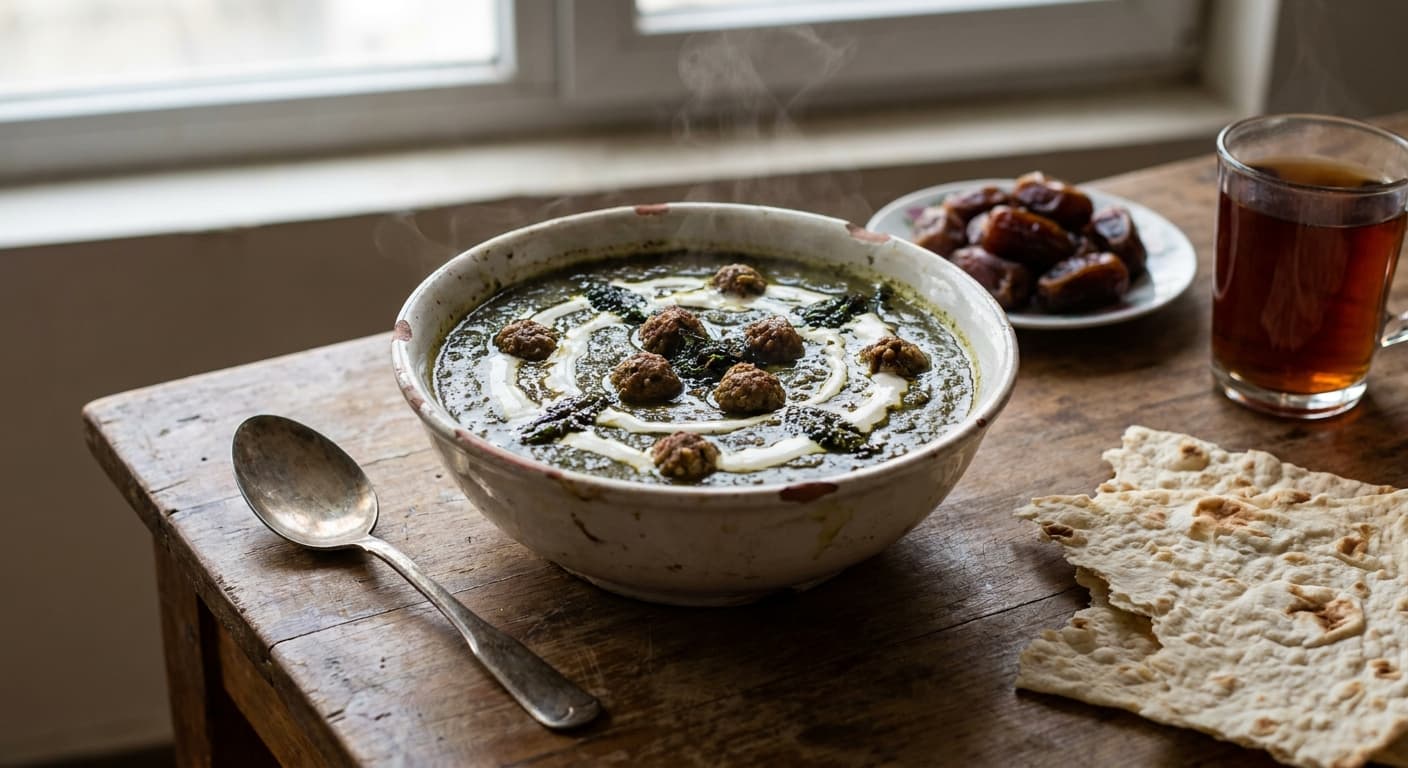
Ash-e Sak (آش ساک) — Golestani Spinach, Legume, and Meatball Soup
Persian · Soups · 175 min
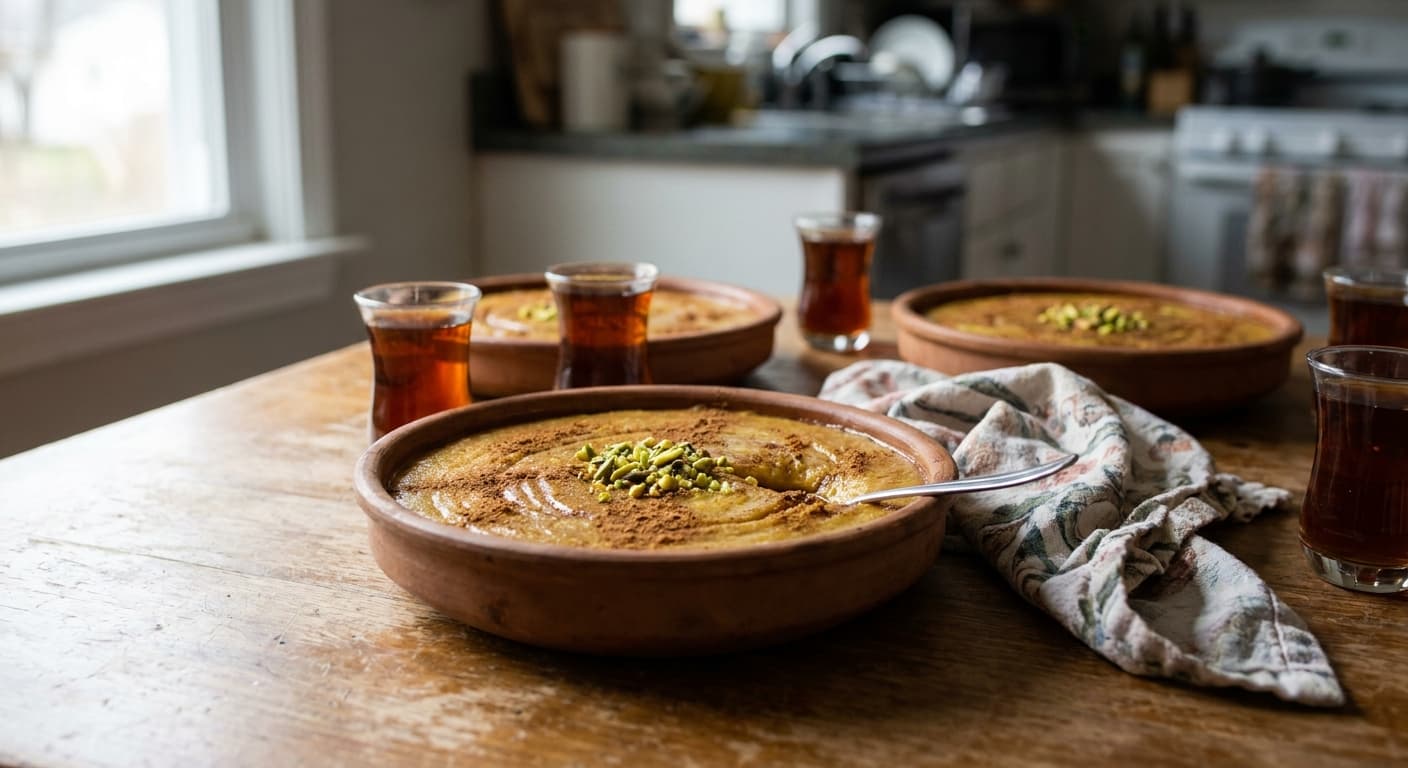
Persian Kachi (کاچی) — Saffron Rosewater Pudding
Persian · Desserts · 45 min
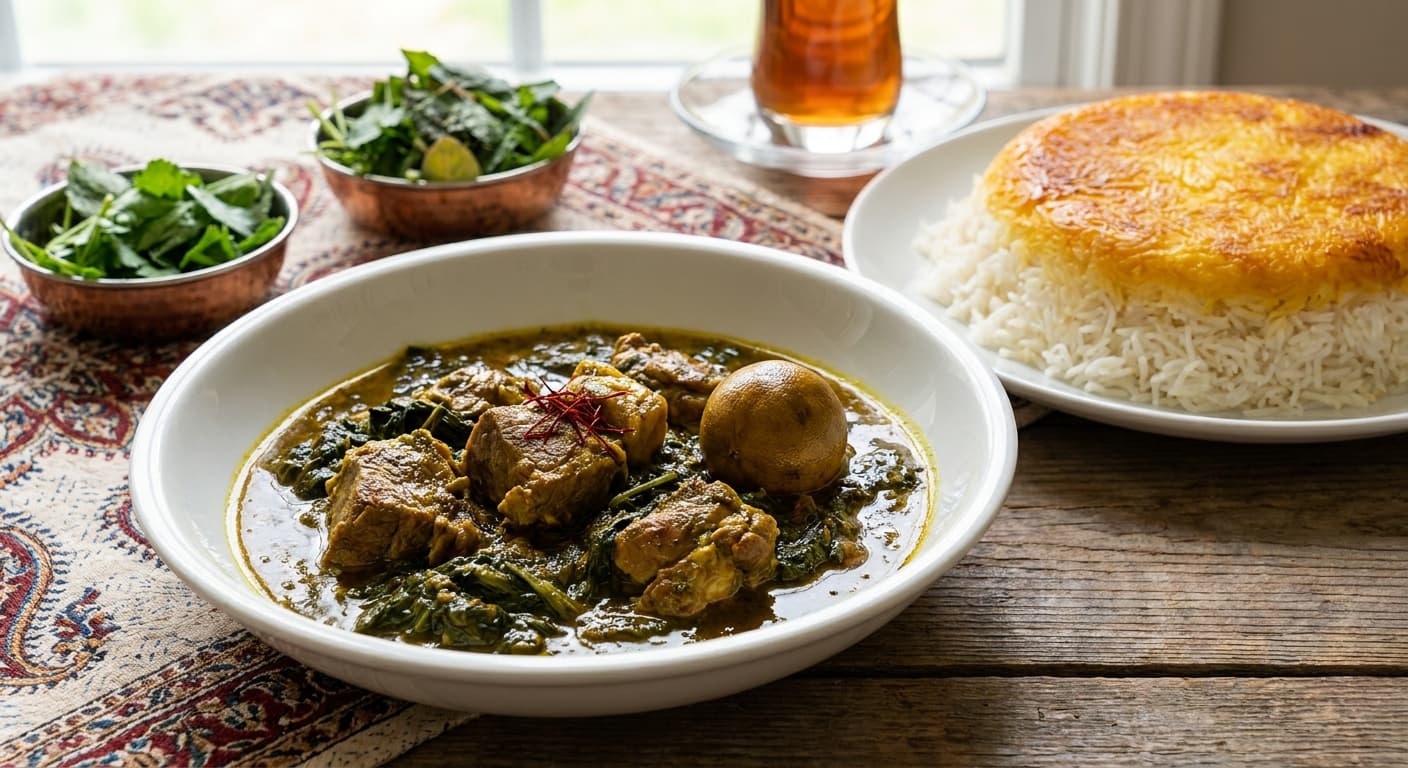
Persian Khoresht Saak (خورش ساک) — Saffron-Cardamom Lamb Stew with Saak Greens
Persian · Stews · 145 min
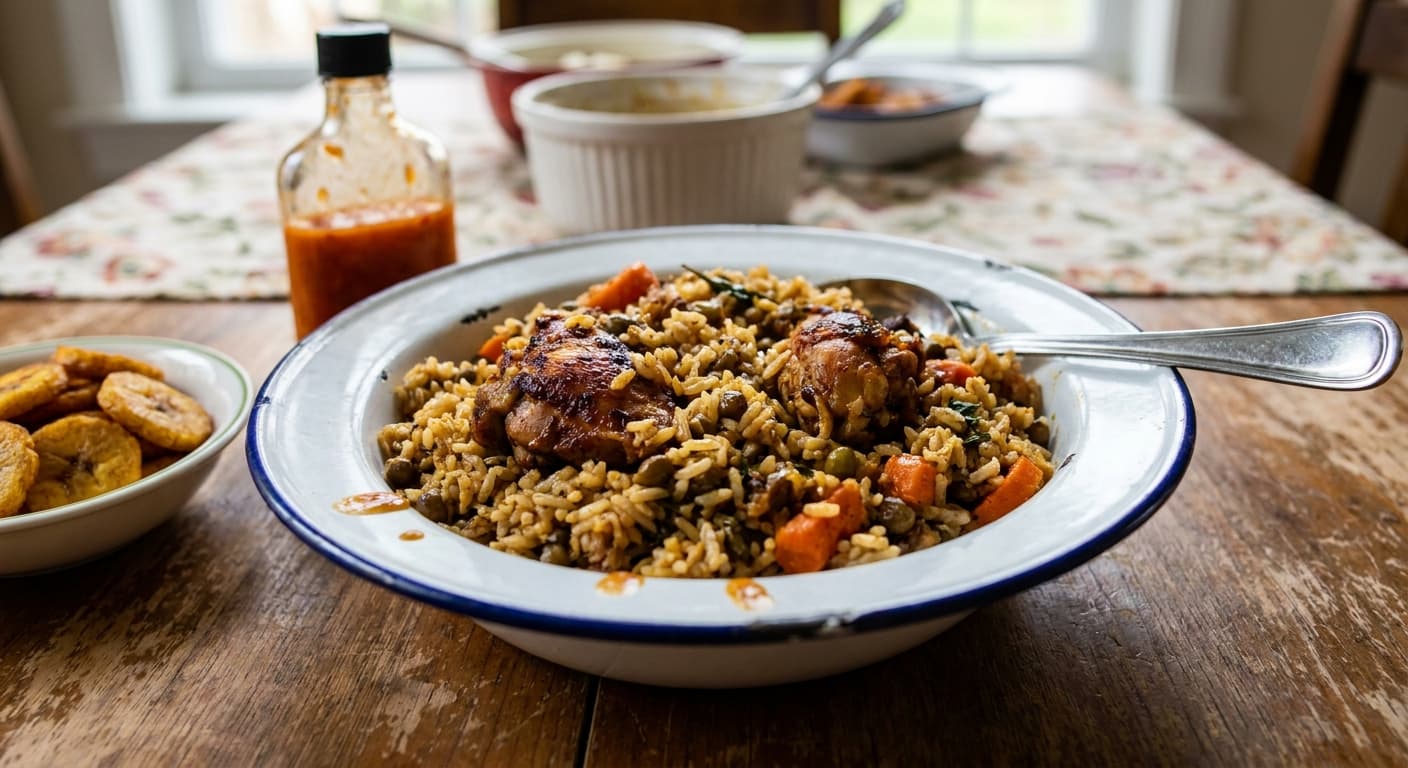
Trinidadian Pelau (Pelau) — Caramel-Browned Chicken, Rice, and Pigeon Peas
Trinidadian · Rice Dishes · 85 min
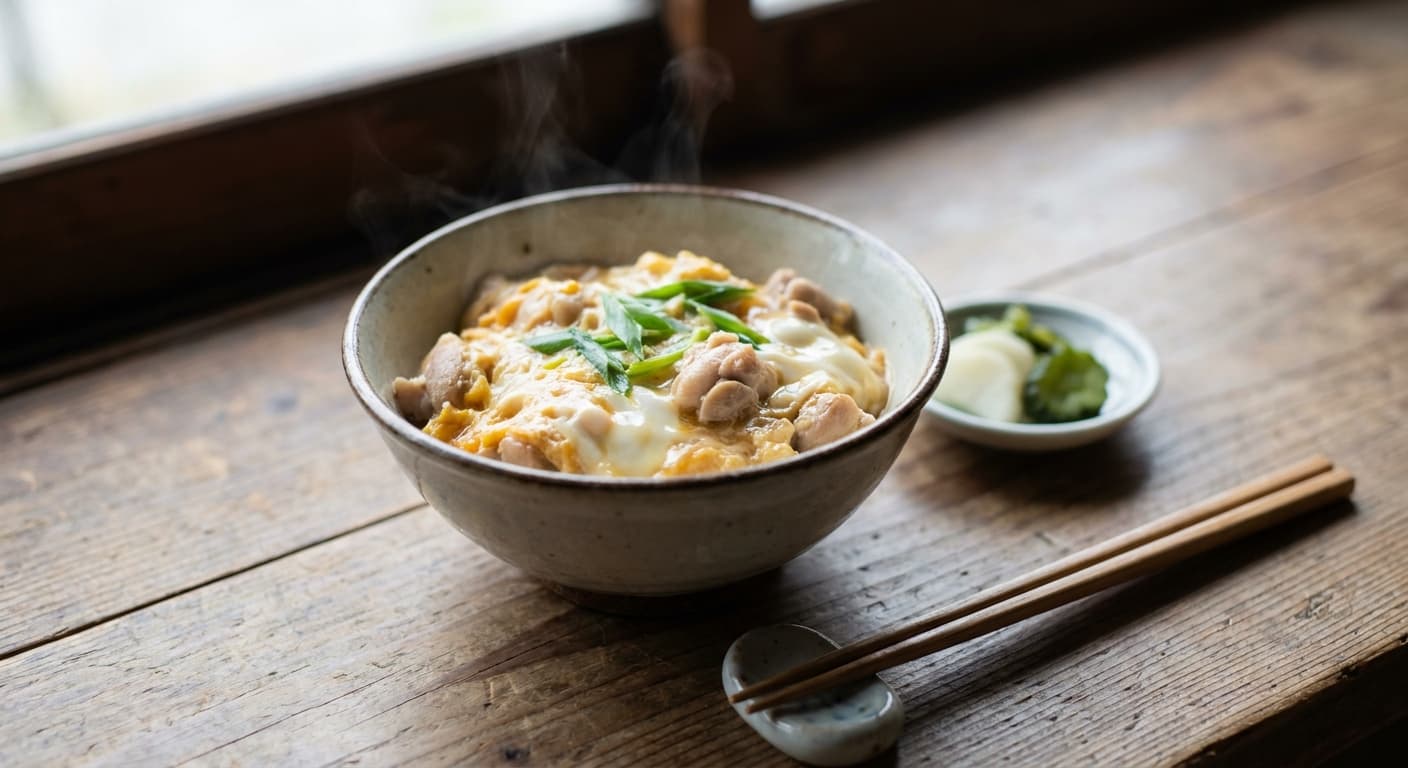
Japanese Oyakodon (親子丼) — Chicken and Egg Rice Bowl
Japanese · Rice Dishes · 29 min
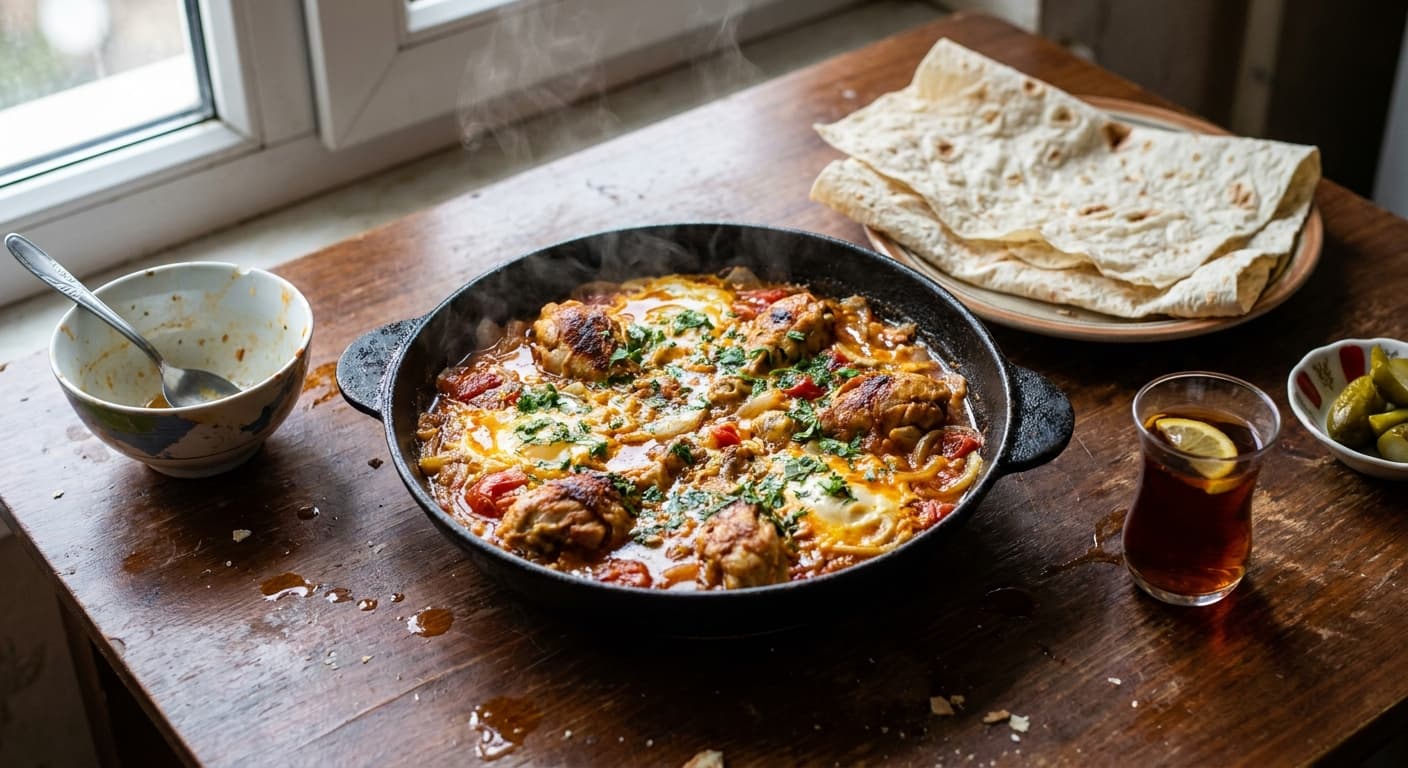
Chicken Chygyrtma (Toyuq Çığırtması) — Azerbaijani Chicken with Eggs and Tomatoes
Azerbaijani · Main Courses · 65 min
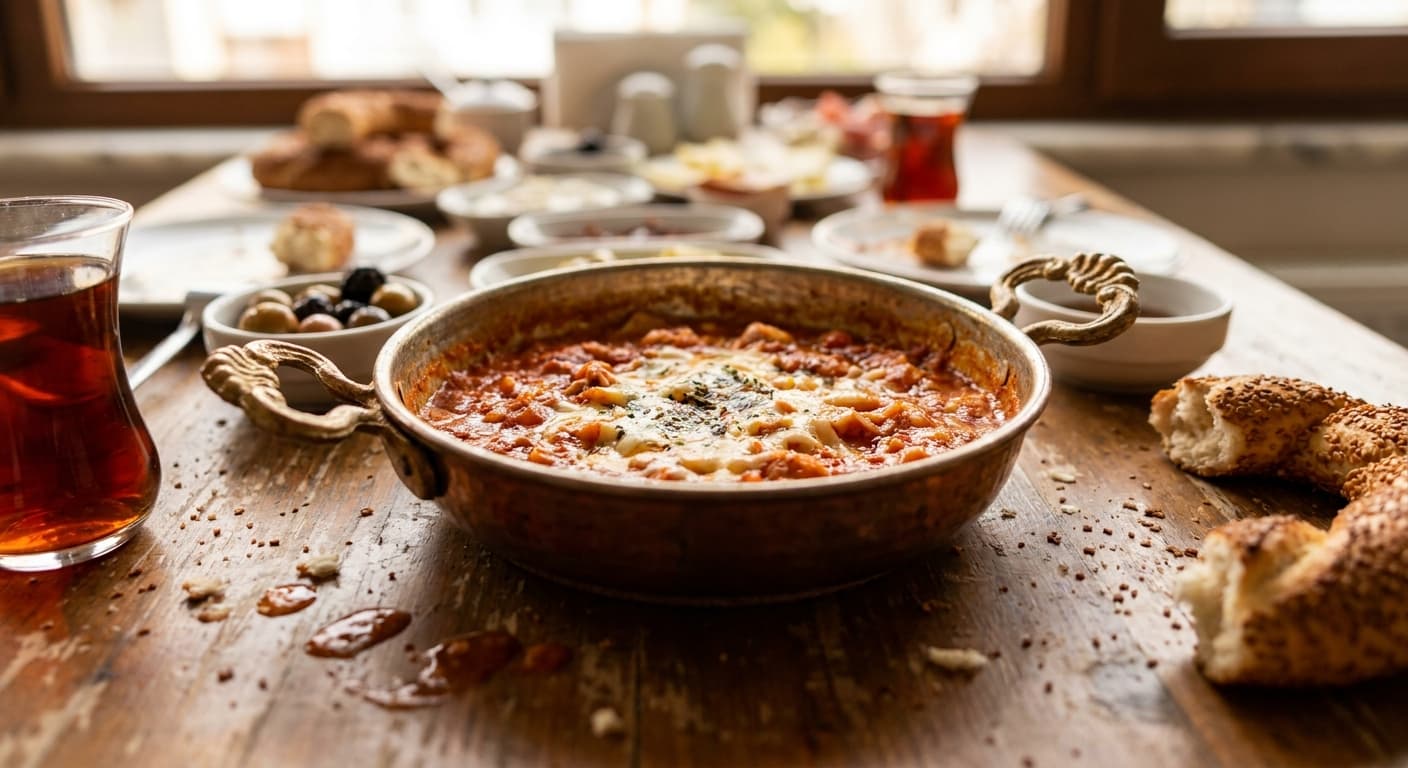
Turkish Menemen (Menemen) — Soft Eggs with Tomatoes and Peppers
Turkish · Main Courses · 37 min
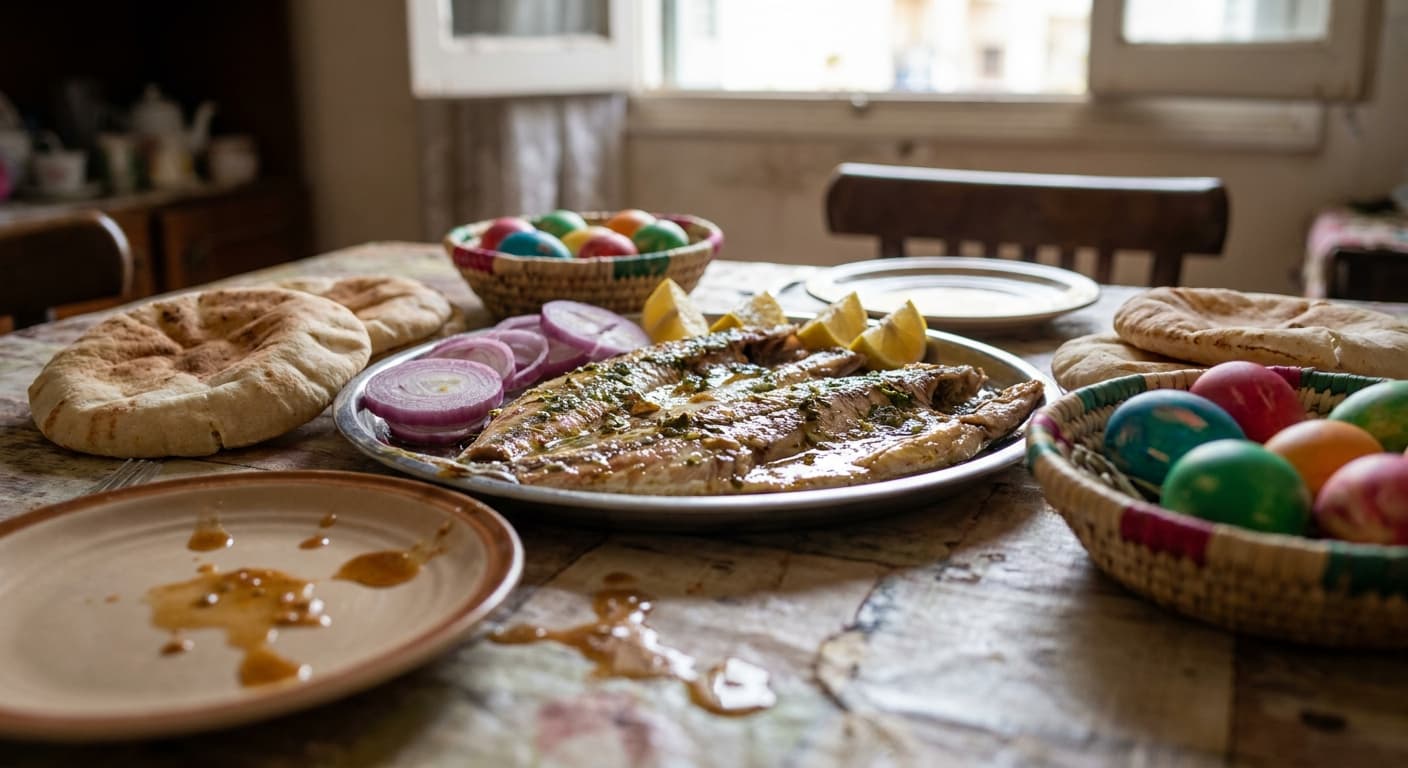
Feseekh (فسيخ) — Egyptian Salt-Cured Mullet for Sham el-Nessim
Egyptian · Main Courses · 30 min
Reviews
Cooked this recipe?
Tap the stars to rate it — that's all it takes. A few words are welcome but optional.
No ratings yet. Cooked this one? Be the first to rate it — it takes one tap.