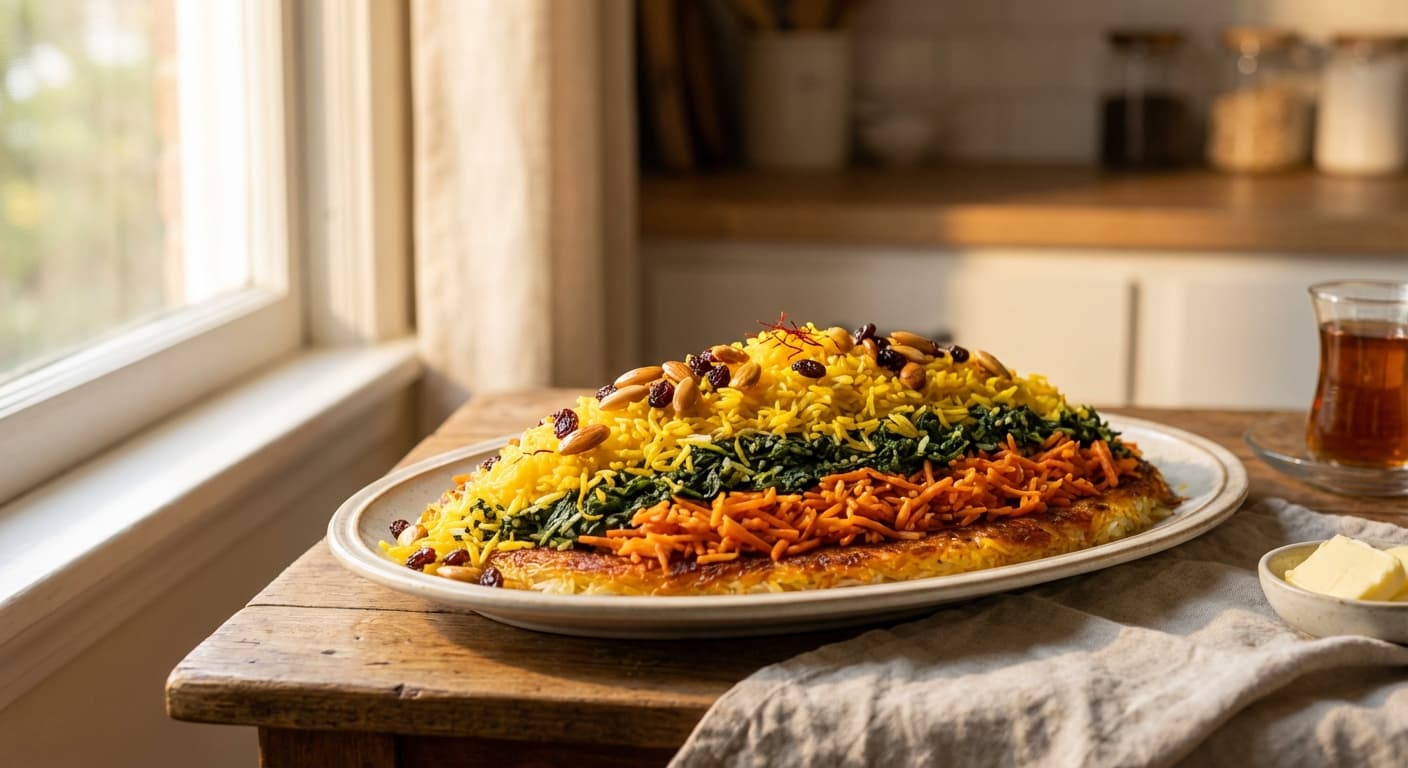
Polo Se Rang (پلو سه رنگ) — Persian Three-Colored Rice
A festive Persian layered rice with three vibrant colors: saffron-gold, spinach-green, and carrot-orange. Fragrant basmati is parboiled, tinted, and steamed with a crisp tahdig, then finished with almonds and raisins.
Printable Recipe Card
Servings: 6 · Total: 130 min · Difficulty: medium
Ingredients (quick list)
- 500 g Basmati rice (aged if possible; rinsed until water runs mostly clear)
- 3000 ml Water (for boiling rice (plus more for soaking if needed))
- 24 g Fine sea salt (about 4 tsp, divided)
- 0.3 g Saffron threads (about 1/2 tsp loosely packed)
- 45 ml Hot water (for blooming saffron)
- 60 g Unsalted butter (or use neutral oil; divided)
- 30 ml Neutral oil (optional, helps crisp tahdig; divided)
- 120 g Plain yogurt (for yogurt tahdig base)
- 1 large Egg yolk (for richer tahdig)
- 2 g Turmeric (about 1 tsp)
- 250 g Fresh spinach (washed, thick stems removed)
- 120 g Onion (finely chopped)
+ 6 more in the full ingredients section below.
Steps (summary)
- Rinse the basmati rice in several changes of cool water until it runs mostly clear. Soak the rice in plenty of water with 12 g…
- Make the green layer: heat 10 g butter (or 2 tsp oil) in a skillet over medium heat. Add onion and cook 6–8 minutes until trans…
- Make the orange layer: in the same skillet, melt 10 g butter (or 2 tsp oil) over medium heat. Add carrots, sugar, cinnamon, and…
- Parboil the rice: bring 3 liters water to a rolling boil in a large pot and add the remaining 6 g (1 tsp) salt. Add drained ric…
- Prepare the tahdig base: in a bowl, mix yogurt, egg yolk, turmeric, and 15 g melted butter (or 1 tbsp oil). Stir in 120 g of th…
- Assemble the three colors: melt 25 g butter (or 1 tbsp oil) in a heavy 24–26 cm nonstick or well-seasoned pot over medium heat.…
+ 4 more steps in the full instructions section below.
Cultural Background
Layered rice dishes are commonly served at Persian gatherings where presentation is part of hospitality. Polo Se Rang is often prepared for celebrations and family meals because the contrasting colors look festive and pair well with many stews and grilled dishes.
Equipment
💡 Tips
- For the brightest colors, cool the spinach and carrot mixtures before mixing with rice; hot fillings can bleed color and soften grains.
- A heavy pot and very low heat after the first 10 minutes are key for a crisp tahdig without burning.
- If your saffron is mild, use 0.4 g saffron threads and the same 45 ml water for a deeper gold.
- Keep the rice portions separate by weighing them; equal portions make the three-color effect more balanced on the platter.
- For extra aroma, drizzle 1 tbsp of the saffron water onto the finished rice right before serving (reduce saffron-mixed portion slightly).
⚠️ Common Mistakes
❌ Overboiling the rice during parboil
💡 Why: Fully cooked grains break during mixing and turn sticky when steamed.
✅ Fix: Boil only until the outside is tender and the center is slightly firm (6–8 minutes), then drain immediately.
❌ Adding wet spinach or carrots to the rice
💡 Why: Extra moisture makes the rice clump and can prevent a crisp tahdig.
✅ Fix: Cook fillings until moisture evaporates and cool them before folding into rice.
❌ Steaming on high heat for too long
💡 Why: The bottom can burn before the rice finishes steaming through.
✅ Fix: Use medium heat for the first 10 minutes to build steam, then low heat for 45–50 minutes.
❌ Skipping steam vents
💡 Why: Trapped steam condenses and can make the rice soggy on top.
✅ Fix: Poke 5–6 holes down to the bottom with a spoon handle before covering.
🧊 How to Store
Cool leftovers within 2 hours. Refrigerate airtight up to 3 days. Reheat covered with 1–2 tbsp water in a pot over low heat 10–15 minutes or microwave covered. Tahdig softens in storage; recrisp in a skillet with a little oil.
📅 Make Ahead
Cook spinach and carrot mixtures up to 2 days ahead and refrigerate airtight. Bloom saffron up to 24 hours ahead and refrigerate. Parboil rice up to 6 hours ahead, spread on a tray to cool, cover, and keep chilled; bring to room temperature 30 minutes before steaming.
🍽️ Pairs Well With
- Persian-style roasted chicken
- Grilled lamb or koobideh-style kebab
- Cucumber-yogurt salad
- Pickled vegetables
- Fresh herbs and radishes
Regional Variations
- Tehran-style banquet presentationThe three colors are often arranged as distinct wedges on a large platter, with saffron rice scattered over the top and tahdig served in a separate bowl for easy sharing.
- Northern Iran influenceCooks may increase the greens and add more onions for a deeper savory profile, sometimes using a little extra turmeric for warmer color in the tahdig.
- Shiraz-inspired sweet accentsThe carrot layer may be slightly sweeter with more raisins and cinnamon, leaning toward a sweet-savory balance suited to festive menus.
Ingredients
- 500 gBasmati rice (aged if possible; rinsed until water runs mostly clear)
- 3000 mlWater (for boiling rice (plus more for soaking if needed))
- 24 gFine sea salt (about 4 tsp, divided)
- 0.3 gSaffron threads (about 1/2 tsp loosely packed)
- 45 mlHot water (for blooming saffron)
- 60 gUnsalted butter (or use neutral oil; divided)
- 30 mlNeutral oil (optional, helps crisp tahdig; divided)
- 120 gPlain yogurt (for yogurt tahdig base)
- 1 largeEgg yolk (for richer tahdig)
- 2 gTurmeric (about 1 tsp)
- 250 gFresh spinach (washed, thick stems removed)
- 120 gOnion (finely chopped)
- 1 gGround black pepper (about 1/2 tsp)
- 250 gCarrots (peeled, cut into fine matchsticks or grated)
- 12 gGranulated sugar (about 1 tbsp, balances carrot sweetness)
- 1 gGround cinnamon (about 1/2 tsp)
- 40 gSliced almonds (lightly toasted)
- 60 gRaisins (golden or dark; rinsed and drained)
🔄 Substitutions
- Unsalted butter→ Neutral oil (sunflower, grapeseed) or olive oil
- Plain yogurt (for tahdig)→ Thinly sliced potato tahdig (250 g potatoes + 30 ml oil)
- Raisins→ Dried barberries or chopped dried apricots
Instructions
- 1
Rinse the basmati rice in several changes of cool water until it runs mostly clear. Soak the rice in plenty of water with 12 g (2 tsp) of the salt for 30 minutes, then drain well. Meanwhile, bloom saffron by grinding threads lightly and steeping in 45 ml hot water for 10 minutes.
- 2
Make the green layer: heat 10 g butter (or 2 tsp oil) in a skillet over medium heat. Add onion and cook 6–8 minutes until translucent. Add spinach and 3 g (1/2 tsp) salt plus black pepper; cook 4–6 minutes until wilted and moisture evaporates. Cool, then chop finely.
- 3
Make the orange layer: in the same skillet, melt 10 g butter (or 2 tsp oil) over medium heat. Add carrots, sugar, cinnamon, and 3 g (1/2 tsp) salt. Cook 8–10 minutes, stirring, until carrots soften and turn glossy but not mushy. Spread on a plate to cool quickly.
- 4
Parboil the rice: bring 3 liters water to a rolling boil in a large pot and add the remaining 6 g (1 tsp) salt. Add drained rice and boil 6–8 minutes, stirring once or twice, until grains are tender on the outside but still firm in the center. Drain and rinse briefly with cool water.
- 5
Prepare the tahdig base: in a bowl, mix yogurt, egg yolk, turmeric, and 15 g melted butter (or 1 tbsp oil). Stir in 120 g of the parboiled rice until evenly coated. This mixture forms the crisp base and helps prevent sticking during steaming.
- 6
Assemble the three colors: melt 25 g butter (or 1 tbsp oil) in a heavy 24–26 cm nonstick or well-seasoned pot over medium heat. Spread the yogurt-rice mixture evenly on the bottom. Divide remaining rice into three equal portions by weight; mix one portion with saffron water for a deep gold.
- 7
Layer the rice: gently spoon the green spinach mixture over one portion of plain rice and fold to streak it green without crushing grains. Do the same with the carrot mixture for the orange portion. Add rice to the pot in three distinct sections or layers (green, orange, saffron), keeping colors separate.
- 8
Steam: using the handle of a wooden spoon, poke 5–6 holes down to the bottom to vent steam. Drizzle 10 g melted butter (or 2 tsp oil) over the top. Cover the lid with a clean towel and place it on the pot. Steam 10 minutes on medium heat, then 45–50 minutes on low heat.
- 9
Toast garnish and finish: while rice steams, toast sliced almonds in a dry pan over medium-low heat for 3–5 minutes until pale golden; transfer immediately. In the same pan, warm raisins with 5 g butter (or 1 tsp oil) for 1–2 minutes until plump. Rest rice off heat, covered, 10 minutes.
- 10
Unmold and serve: fluff the top rice gently, keeping colors distinct. For a dramatic presentation, place a platter over the pot and invert in one confident motion to release the tahdig. Sprinkle almonds and raisins over the rice. Serve hot, offering tahdig pieces alongside for crunch.
🪪 Recipe Passport
Cultural Background
Layered rice dishes are commonly served at Persian gatherings where presentation is part of hospitality. Polo Se Rang is often prepared for celebrations and family meals because the contrasting colors look festive and pair well with many stews and grilled dishes.
Regional Variations
Researched from multiple sources and validated by the Zaffaron editorial team. Every recipe is tested for accuracy, measurements, and cultural authenticity.
Nutrition per serving
Pairs well with
If you enjoyed this recipe, here are a few related Zaffaron recipes to try next.
Does your family make this differently?
Every family has their own version. Maybe your grandmother adds a secret ingredient, or your aunt has a completely different technique. Preserve your family's version — with their name on it, forever.
You Might Also Like
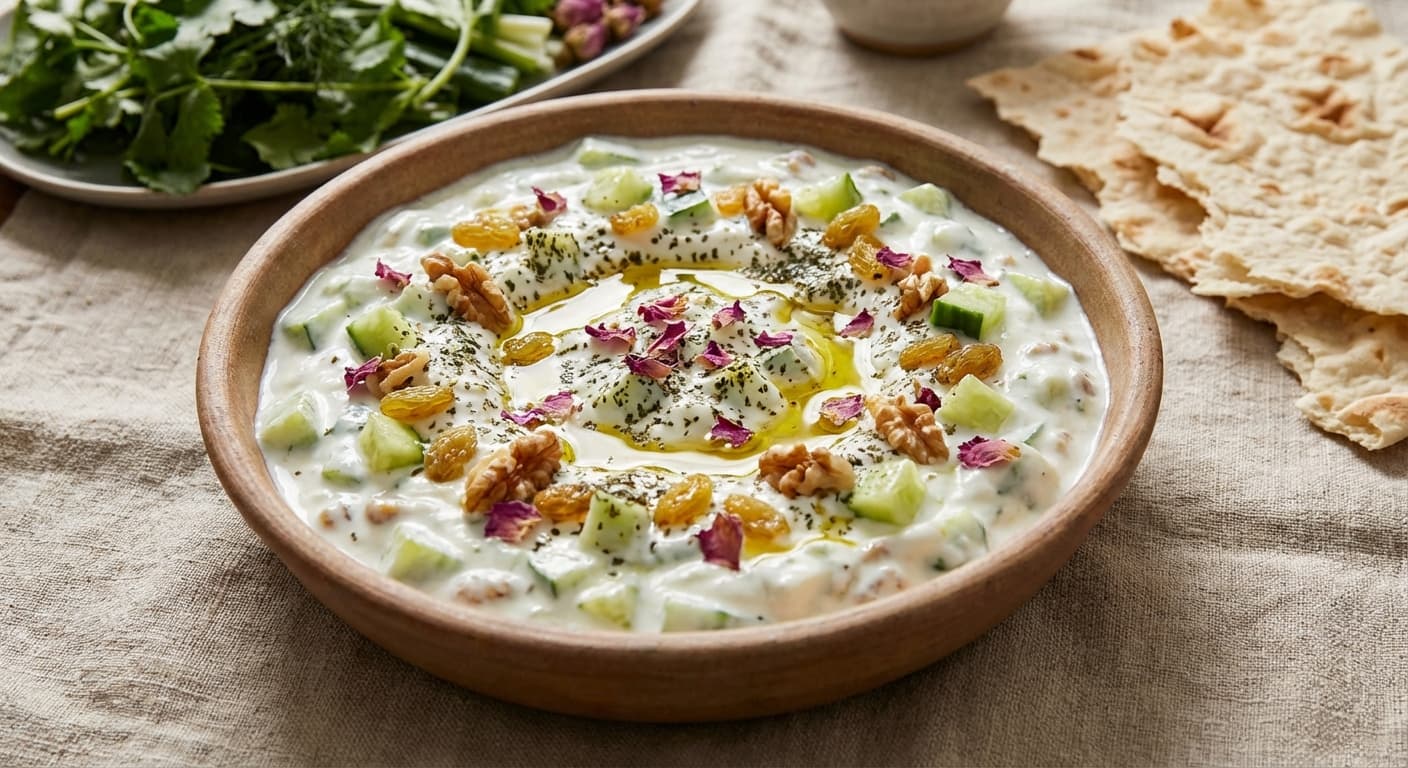
Mast-o-Khiar (ماست و خیار) — Persian Cucumber and Herb Yogurt Dip
Persian · Side Dishes · 25 min
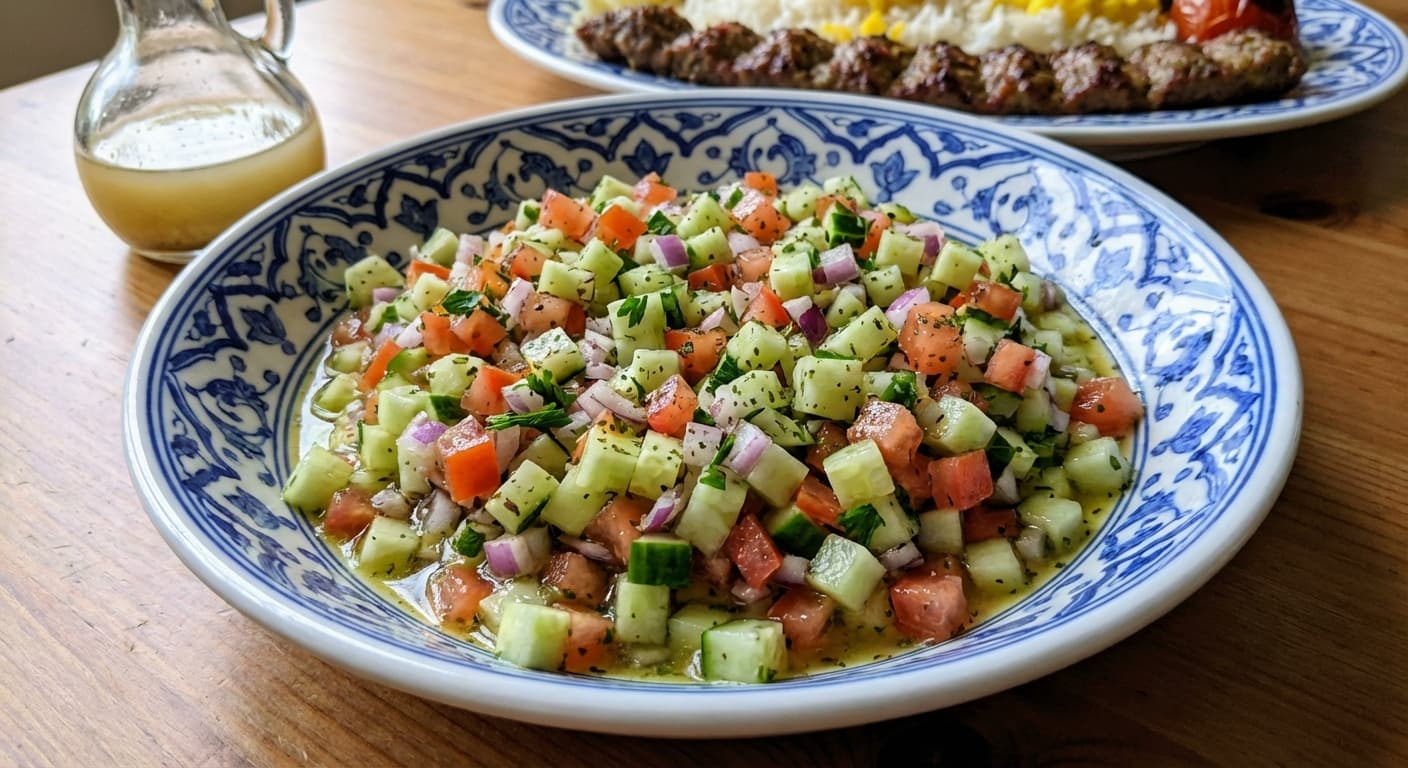
Shirazi Salad (سالاد شیرازی) — Brunoised cucumber-tomato herb salad with ab-ghooreh
Persian · Salads · 20 min
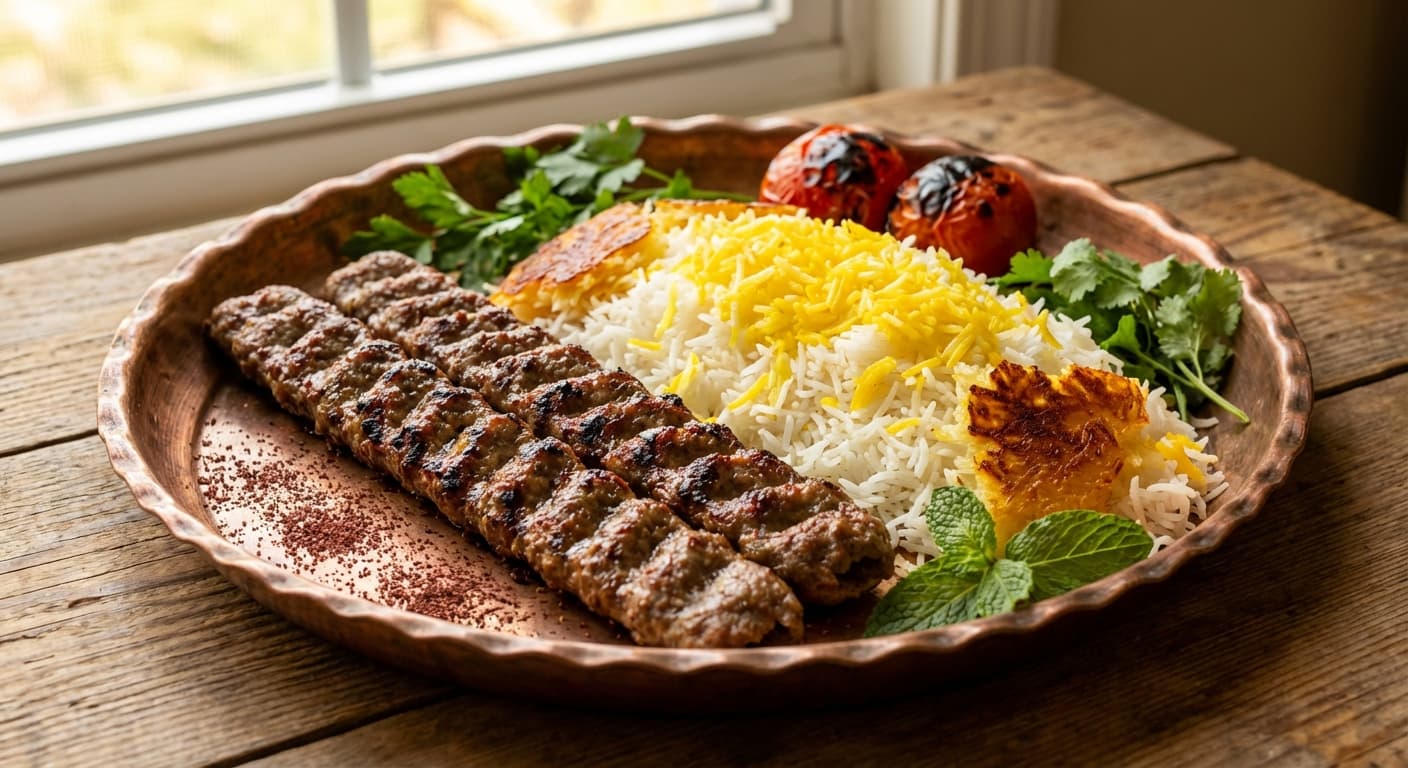
Chelo Kebab Koobideh (چلو کباب کوبیده) — Persian Minced Meat Skewers with Saffron Rice
Persian · Kebabs · 75 min
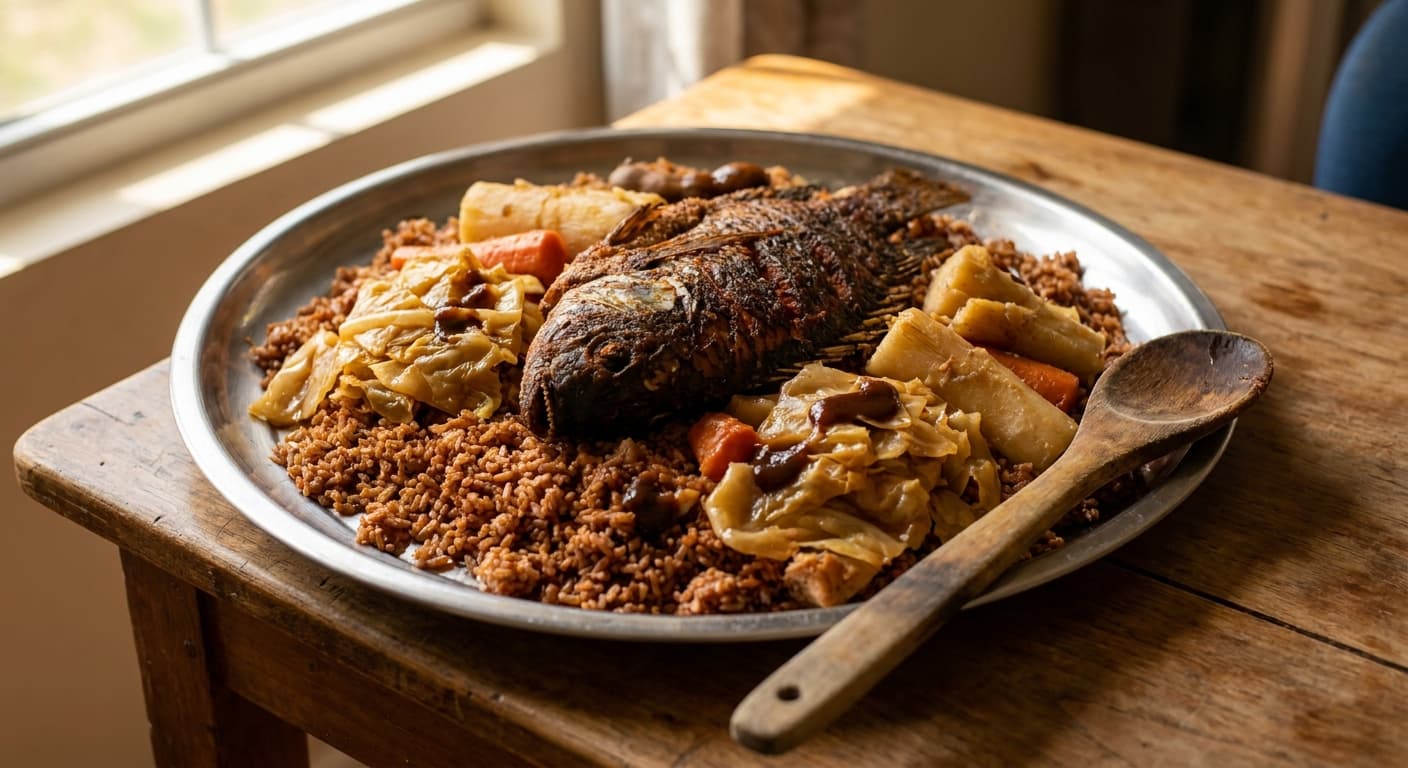
Senegalese Fish and Rice (Ceebu Jën) — Tomato-Braised National Dish
West african · Rice Dishes · 120 min
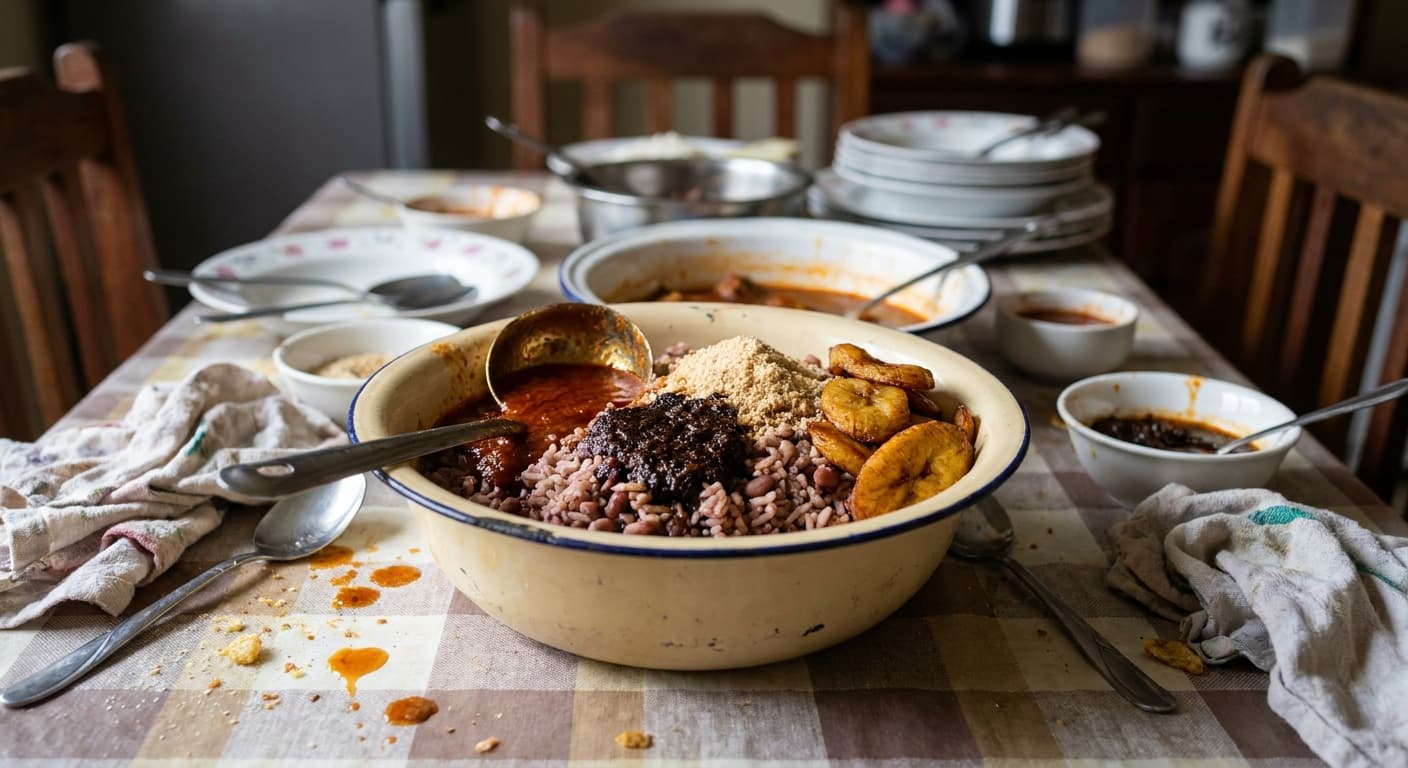
Ghanaian Waakye (Waakye) — Rice and Beans Dyed with Sorghum Leaves
West african · Rice Dishes · 85 min
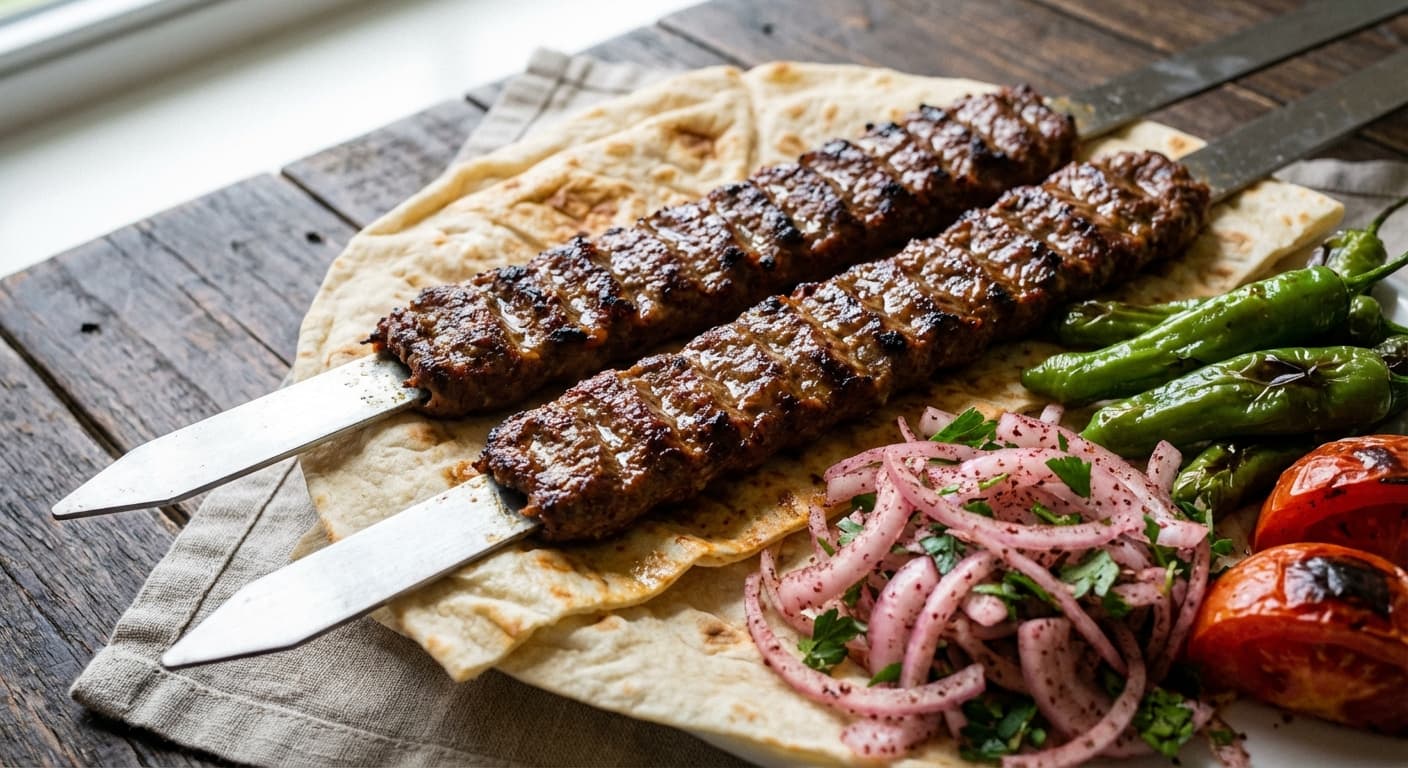
Urfa Kebab (اورفا کباب) — Mild Turkish minced skewer with sumac onions
Turkish · Kebabs · 37 min
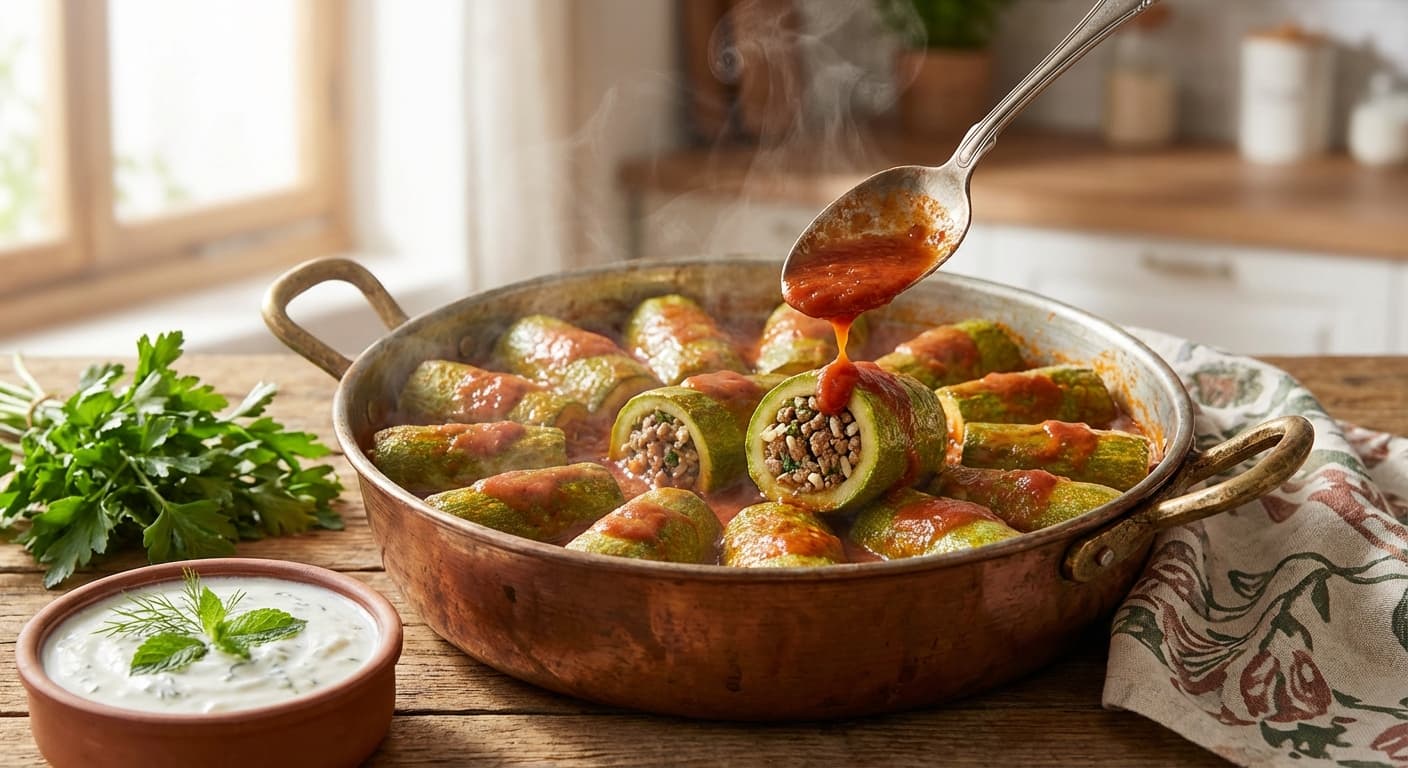
Stuffed Zucchini (Kabak Dolması) — Hollowed zucchini filled with spiced minced meat and rice
Turkish · Main Courses · 90 min
Asturian Bean Stew (Fabada Asturiana) — Smoky Spanish Bean and Pork Stew
Spanish · Stews · 210 min
Reviews
Cooked this recipe?
Tap the stars to rate it — that's all it takes. A few words are welcome but optional.
No ratings yet. Cooked this one? Be the first to rate it — it takes one tap.