Nasi Kandar (Nasi Kandar) — Penang Mamak Curry Rice Plate
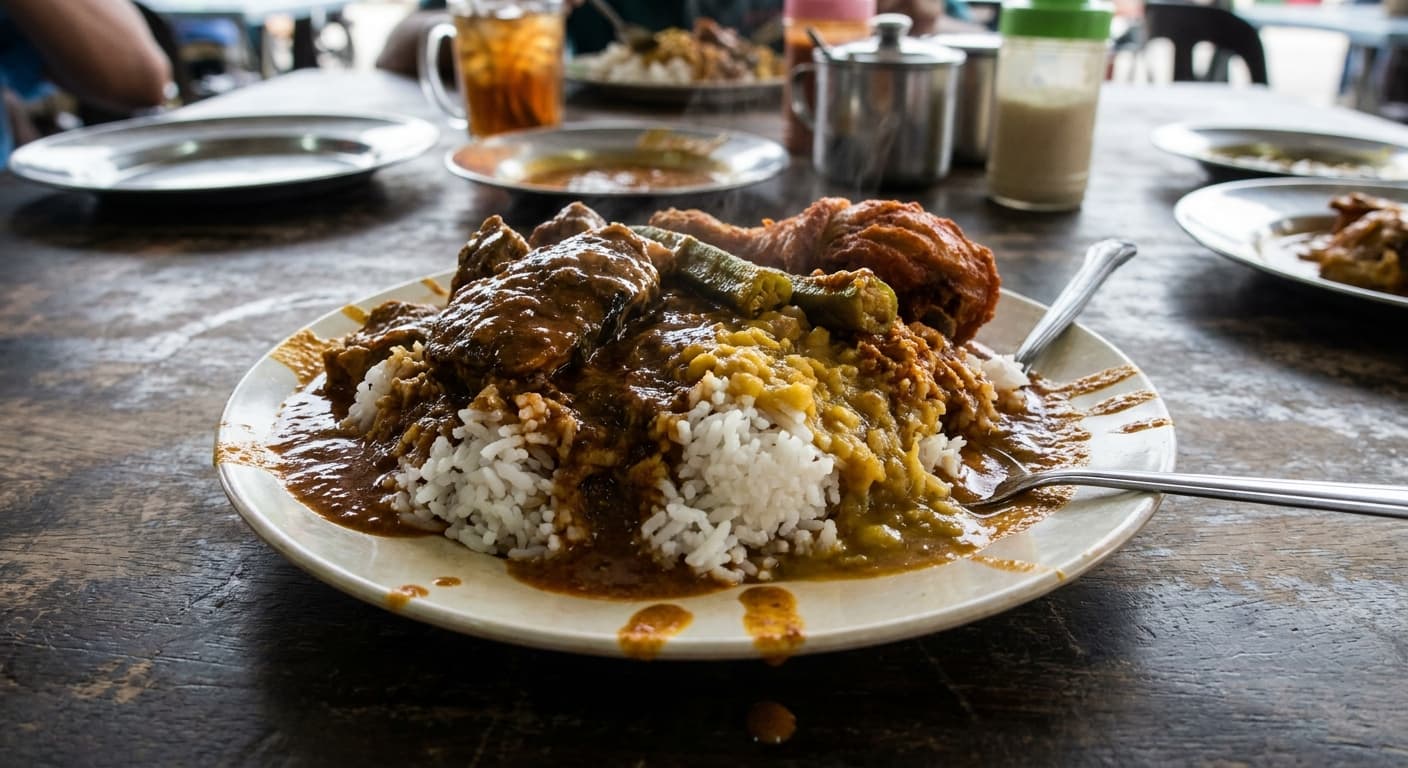
Nasi Kandar is a Penang mamak-stall classic: steamed rice drenched with mixed curries, dalcha, vegetables, and spiced fried chicken. Its appeal lies in kuah campur, the deeply savory blending of several gravies on one plate.
Printable Recipe Card
Servings: 4 · Total: 110 min · Difficulty: medium
Ingredients (quick list)
- 360 g long-grain white rice
- 600 ml water
- 2 pandan leaves (tied into knots)
- 1 tsp fine sea salt
- 900 g bone-in chicken thighs
- 2 tbsp lime juice
- 4 clove garlic (finely grated)
- 1 inch fresh ginger (finely grated)
- 2 tsp ground turmeric
- 2 tsp Kashmiri chili powder
- 1 tbsp Malaysian meat curry powder
- 1 egg
+ 25 more in the full ingredients section below.
Steps (summary)
- Rinse the rice in several changes of cold water until the water runs mostly clear, then drain it for 10 minutes. Put the rice,…
- Score the chicken thighs twice through the thickest parts so the seasoning penetrates and the meat cooks evenly. Rub them with…
- For the fish-style curry gravy, heat 3 tbsp oil in a saucepan over medium heat and fry the sliced onion for 8 minutes until sof…
- Stir the fish curry powder and 1 tsp chili powder into the onion mixture with 60 ml of the measured water to form a paste. Cook…
- Add the remaining water, tamarind paste, coconut milk, 1 tsp salt, and 1 tsp sugar to the curry paste and bring it to a gentle…
- For the dalcha, rinse the yellow split peas and simmer them with 700 ml water for 25 to 30 minutes until they soften and begin…
+ 4 more steps in the full instructions section below.
Cultural Background
Nasi Kandar is closely associated with Penang’s Tamil Muslim mamak community, where vendors once carried rice and curries balanced on a shoulder pole. Today it is a beloved Malaysian hawker and late-night meal.
Equipment
💡 Tips
- Cook the spice pastes until oil separates; this is essential for the deep mamak-style curry flavor.
- Use bone-in chicken for juicier fried chicken and a more authentic nasi kandar plate.
- For the classic kuah campur effect, spoon at least two gravies over the rice rather than keeping them separate.
⚠️ Common Mistakes
❌ Adding curry powder directly to thin liquid.
✅ Fix: Fry the powder first with oil and a small amount of water until it darkens and smells cooked.
❌ Serving the gravies too thick.
✅ Fix: Loosen each curry with measured water until it flows easily over rice.
❌ Frying chicken at low temperature.
✅ Fix: Keep the oil near 175°C so the coating crisps before absorbing excess oil.
🧊 How to Store
Store rice, gravies, fried chicken, and acar in separate airtight containers for up to 3 days. Reheat gravies gently with 30 ml water, warm rice covered, and crisp chicken in a 190°C oven for 10 minutes.
📅 Make Ahead
Marinate the chicken up to 8 hours ahead and cook both gravies 1 day ahead. Reheat the gravies gently before serving and fry the chicken close to mealtime for the best texture.
🍽️ Pairs Well With
- Quick acar
- hard-boiled egg
- papadum
- extra curry gravy
- iced teh tarik.
Regional Variations
- Penang versions often emphasize kuah campur, with several gravies deliberately mixed over the rice.
- Some stalls serve nasi kandar with beef spleen curry, squid curry, fried fish roe, or cabbage stir-fry.
- Home versions may use one main curry and dalcha for a simpler but still recognizable plate.
Ingredients
- 360 glong-grain white rice
- 600 mlwater
- 2pandan leaves (tied into knots)
- 1 tspfine sea salt
- 900 gbone-in chicken thighs
- 2 tbsplime juice
- 4 clovegarlic (finely grated)
- 1 inchfresh ginger (finely grated)
- 2 tspground turmeric
- 2 tspKashmiri chili powder
- 1 tbspMalaysian meat curry powder
- 1egg
- 40 grice flour
- 30 gcornstarch
- 750 mlneutral frying oil
- 3 tbspneutral oil
- 1large onion (thinly sliced)
- 2 sprigcurry leaves
- 1 tspblack mustard seeds
- 0.5 tspfenugreek seeds
- 3 tbspMalaysian fish curry powder (spice blend for fish curry, containing no fish)
- 1.5 tbsptamarind paste
- 200 mlcoconut milk
- 8okra (trimmed)
- 2tomatoes (quartered)
- 1 tspgranulated sugar
- 120 gyellow split peas
- 1 stickcinnamon
- 1star anise
- 3 podgreen cardamom
- 4whole cloves
- 1carrot (cut into 2 cm chunks)
- 1potato (cut into 2 cm chunks)
- 150 geggplant (cut into chunks)
- 200 gcucumber
- 1red onion (thinly sliced)
- 3 tbsprice vinegar
🔄 Substitutions
- bone-in chicken thighs→ chicken drumsticks
- Malaysian fish curry powder→ Madras curry powder mixed with 0.5 tsp ground fennel
- tamarind paste→ fresh lime juice
Instructions
- 1
Rinse the rice in several changes of cold water until the water runs mostly clear, then drain it for 10 minutes. Put the rice, 600 ml water, pandan leaves, and 1 tsp salt in a rice cooker or heavy saucepan and cook until tender, then keep it covered and warm.
- 2
Score the chicken thighs twice through the thickest parts so the seasoning penetrates and the meat cooks evenly. Rub them with lime juice, grated garlic, grated ginger, 1.5 tsp salt, turmeric, chili powder, and meat curry powder, then marinate for at least 30 minutes and up to 8 hours in the refrigerator.
- 3
For the fish-style curry gravy, heat 3 tbsp oil in a saucepan over medium heat and fry the sliced onion for 8 minutes until soft and golden at the edges. Add garlic, ginger, curry leaves, mustard seeds, and fenugreek seeds, and cook for 1 minute until the seeds crackle and the curry leaves smell aromatic.
- 4
Stir the fish curry powder and 1 tsp chili powder into the onion mixture with 60 ml of the measured water to form a paste. Cook the paste for 4 minutes, stirring constantly, until the oil begins to separate and the raw spice smell disappears.
- 5
Add the remaining water, tamarind paste, coconut milk, 1 tsp salt, and 1 tsp sugar to the curry paste and bring it to a gentle simmer. Add the okra and tomatoes, then simmer for 12 to 15 minutes until the okra is tender and the gravy is pourable but full-bodied.
- 6
For the dalcha, rinse the yellow split peas and simmer them with 700 ml water for 25 to 30 minutes until they soften and begin to collapse. Mash a quarter of the peas against the side of the pot so the broth thickens while still retaining some texture.
- 7
In a separate pot, heat 2 tbsp oil and fry the onion with the cinnamon stick, star anise, cardamom pods, and whole cloves for 6 minutes. Stir in the meat curry powder and turmeric with 2 tbsp of the split-pea liquid, then cook for 2 minutes before adding the carrot, potato, eggplant, cooked split peas, coconut milk, and 1 tsp salt.
- 8
Simmer the dalcha for 18 to 22 minutes, stirring occasionally, until the vegetables are tender and the gravy is thick enough to coat rice. If it becomes too thick, add 30 ml water at a time, because nasi kandar dalcha should be spoonable rather than pasty.
- 9
Whisk the egg into the marinated chicken, then mix in the rice flour and cornstarch until the pieces are lightly coated. Heat the frying oil to 175°C in a deep pot and fry the chicken for 12 to 15 minutes, turning as needed, until deeply colored and the thickest part reaches 74°C.
- 10
Make the quick acar by tossing cucumber and red onion with rice vinegar, sugar, and 0.5 tsp salt, then let it stand for 10 minutes. To serve nasi kandar, mound hot rice on each plate, spoon fish-style curry gravy and dalcha over it in overlapping streams, place fried chicken beside the rice, and add the quick acar for crunch and acidity.
🪪 Recipe Passport
Cultural Background
Nasi Kandar is closely associated with Penang’s Tamil Muslim mamak community, where vendors once carried rice and curries balanced on a shoulder pole. Today it is a beloved Malaysian hawker and late-night meal.
Regional Variations
Researched from multiple sources and validated by the Zaffaron editorial team. Every recipe is tested for accuracy, measurements, and cultural authenticity.
📚 Sources & Cultural References
- Department of National Heritage Malaysia — National Heritage Register: Traditional Foods of Malaysia
- Wendy Hutton — The Food of Malaysia — (2000)
Sources cited by the Zaffaron editorial team during recipe research. Cultural and culinary references supporting authenticity claims.
Nutrition per serving
Pairs well with
If you enjoyed this recipe, here are a few related Zaffaron recipes to try next.
Does your family make this differently?
Every family has their own version. Maybe your grandmother adds a secret ingredient, or your aunt has a completely different technique. Preserve your family's version — with their name on it, forever.
You Might Also Like
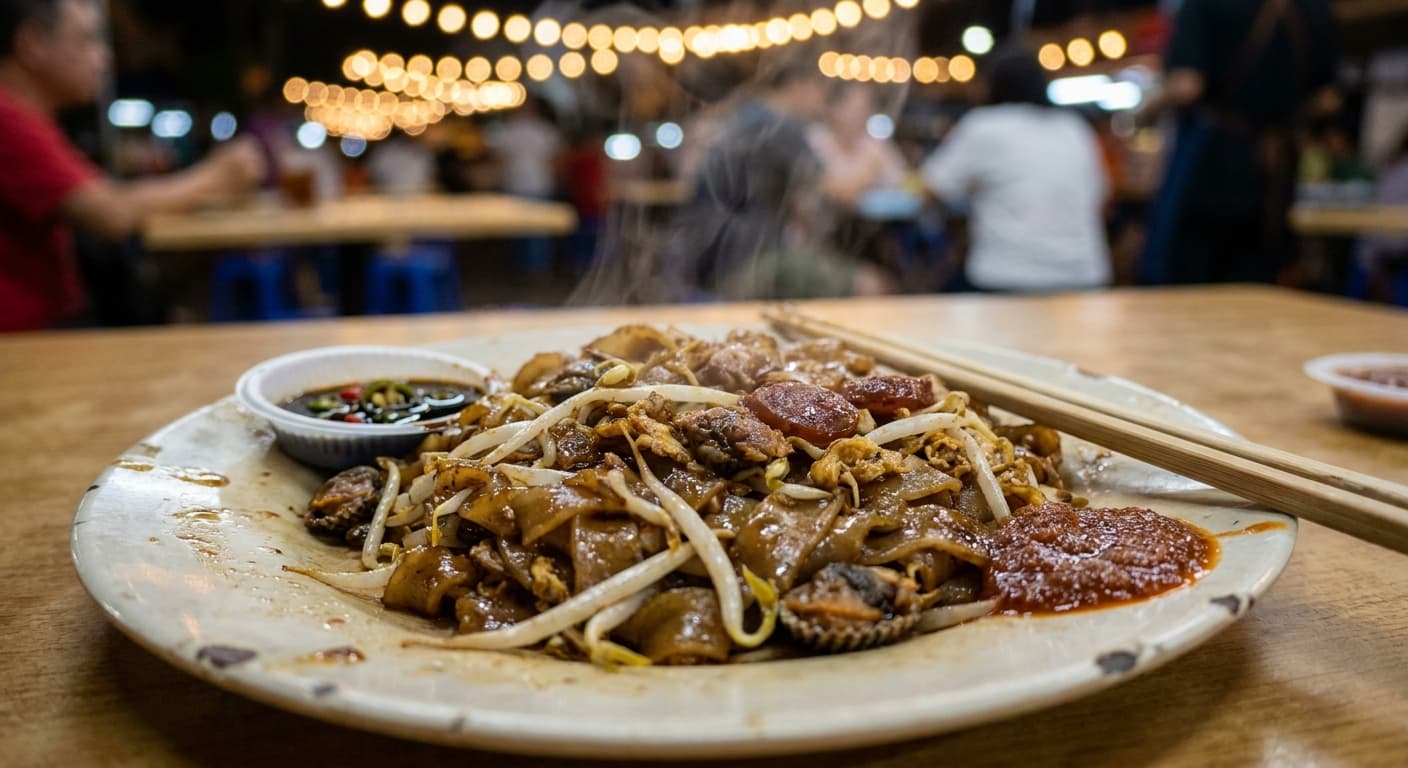
Char Kway Teow (炒粿条) — Smoky Malaysian Stir-Fried Rice Noodles
Malaysian · Main Courses · 37 min
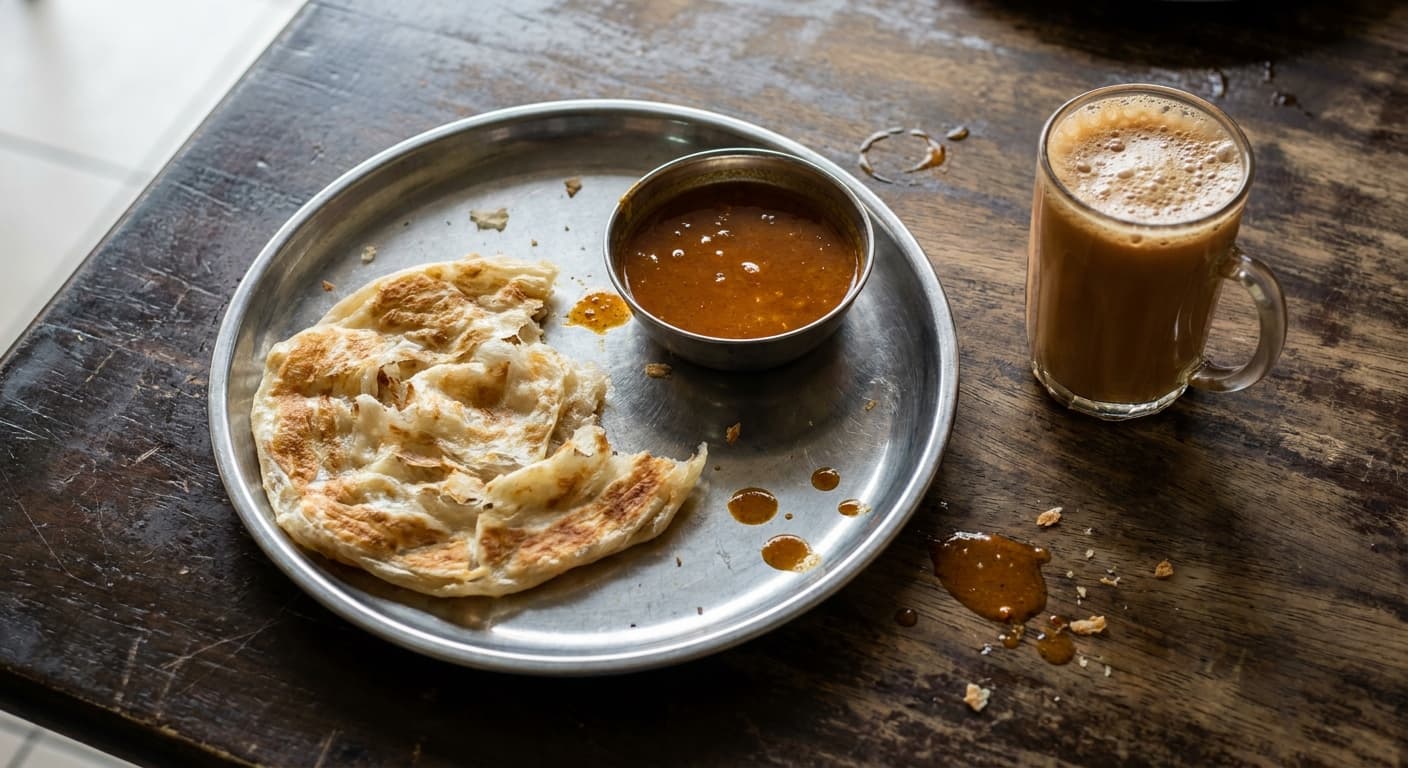
Roti Canai (Roti Canai) — Flaky Malaysian Griddle Flatbread
Malaysian · Breads · 330 min
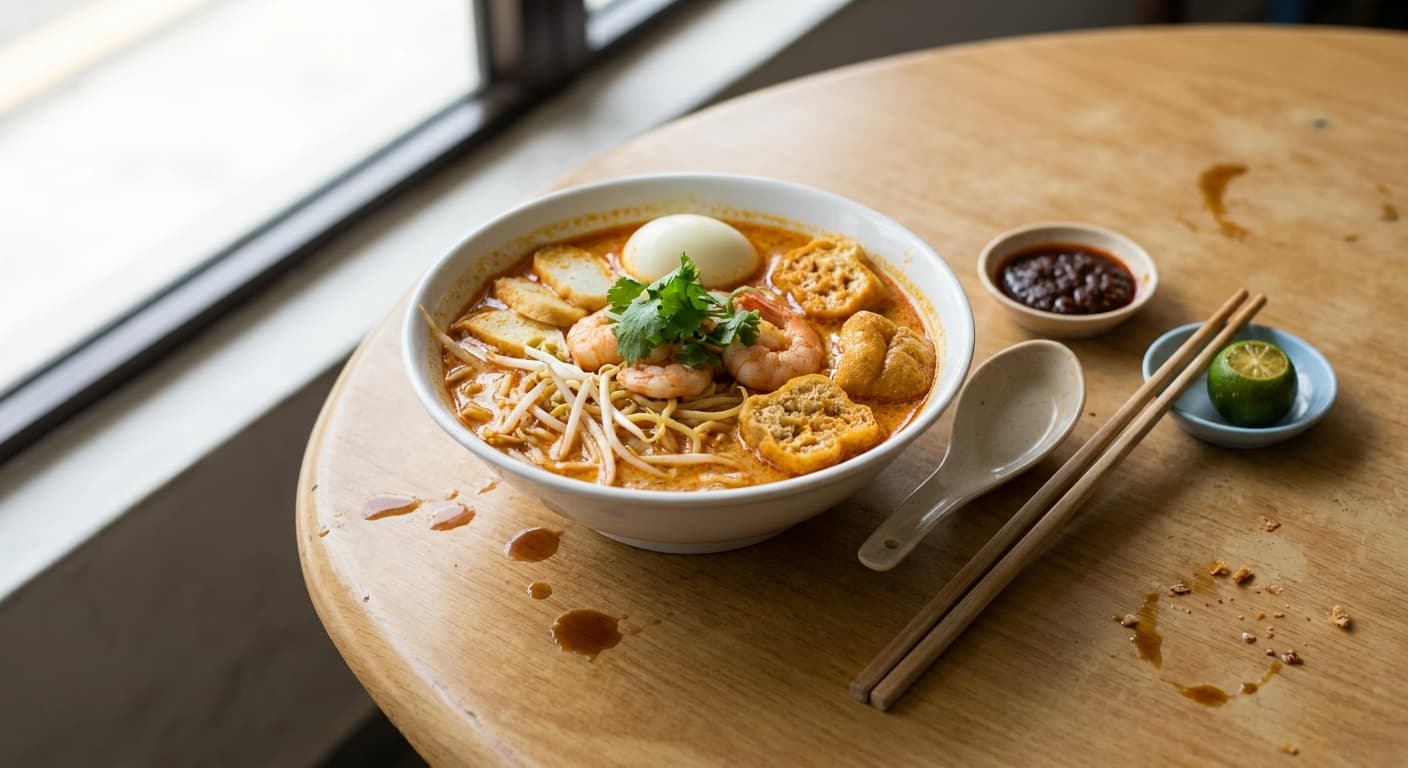
Curry Laksa (Kari Laksa) — Malaysian Coconut Noodle Soup
Malaysian · Soups · 75 min
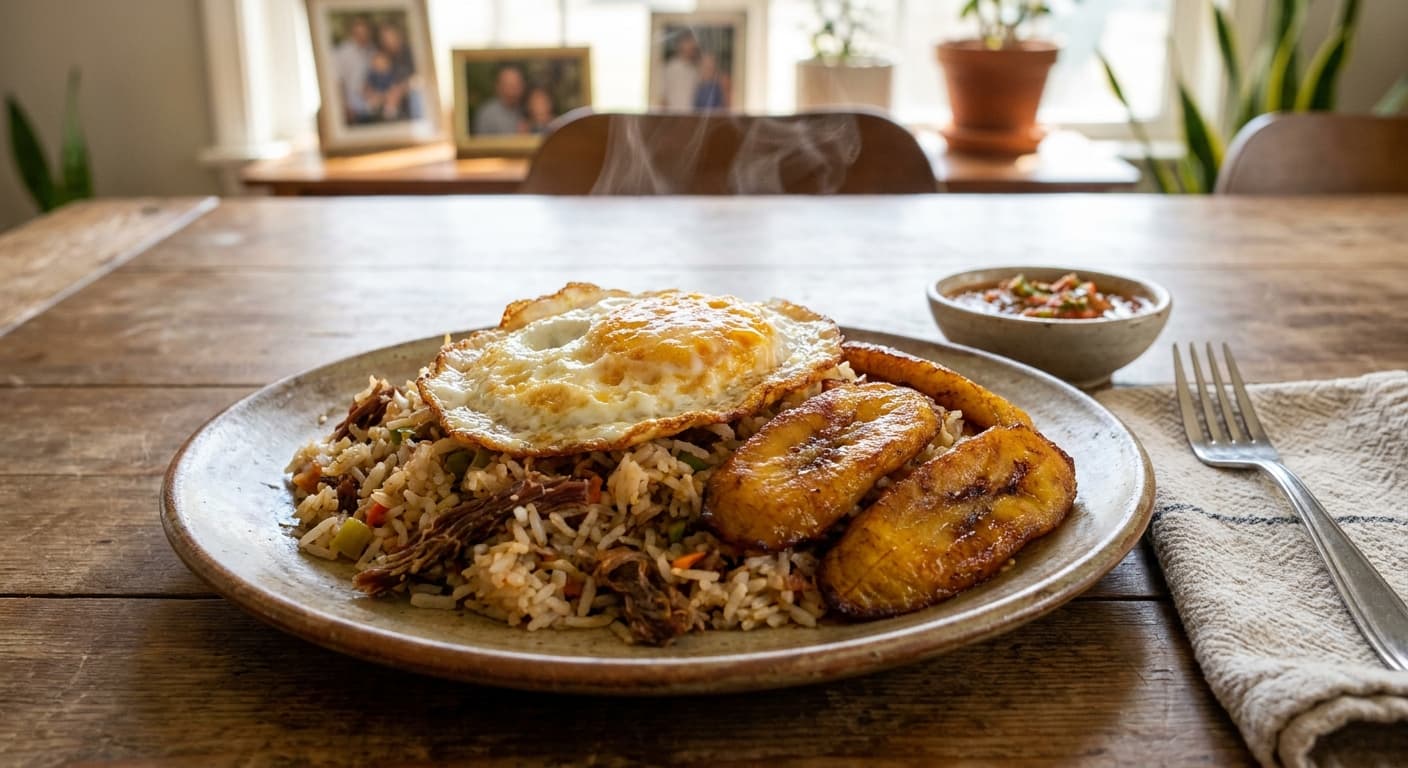
Majadito (Majadito) — Bolivian Rice with Charque and Fried Egg
Bolivian · Rice Dishes · 90 min
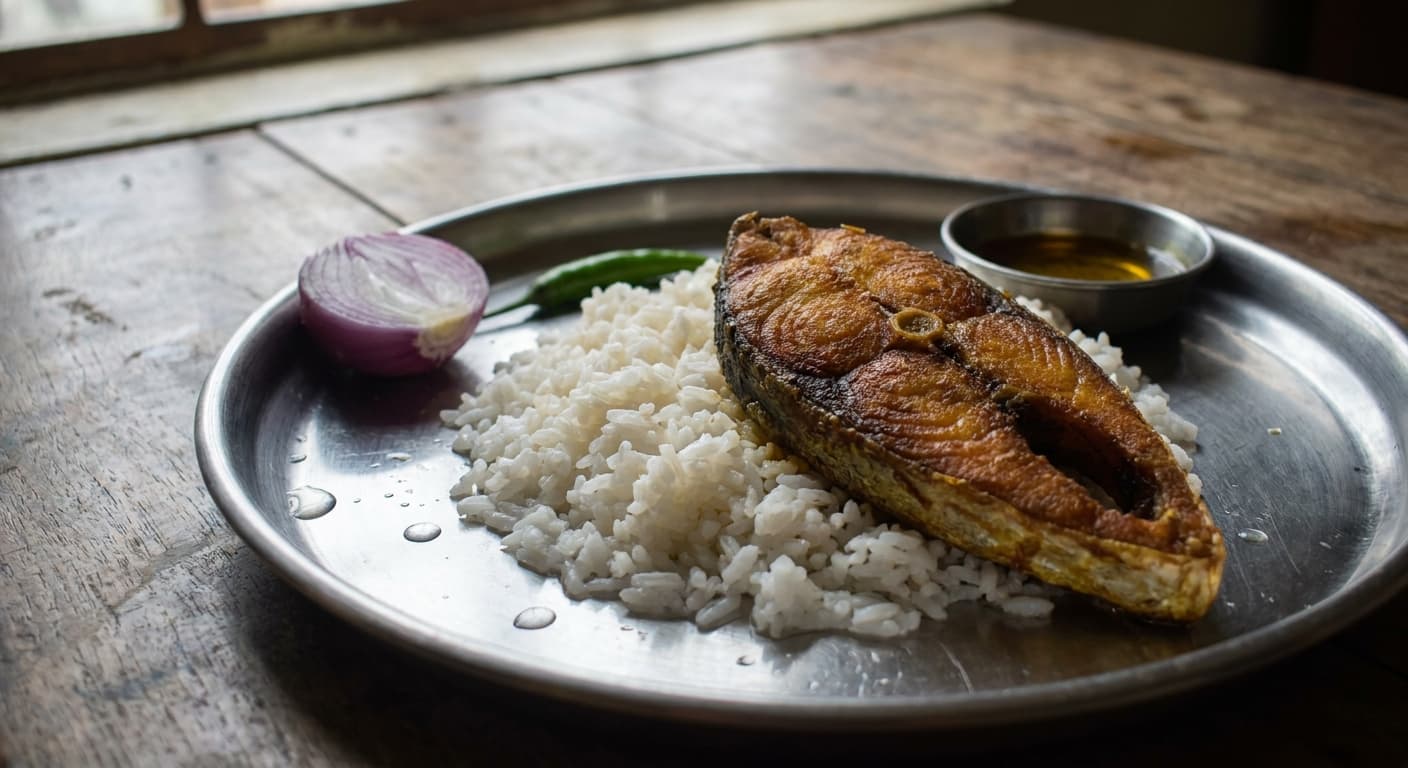
Panta Bhat (পান্তা ভাত) — Overnight Fermented Rice with Fried Ilish
Bangladeshi · Rice Dishes · 35 min
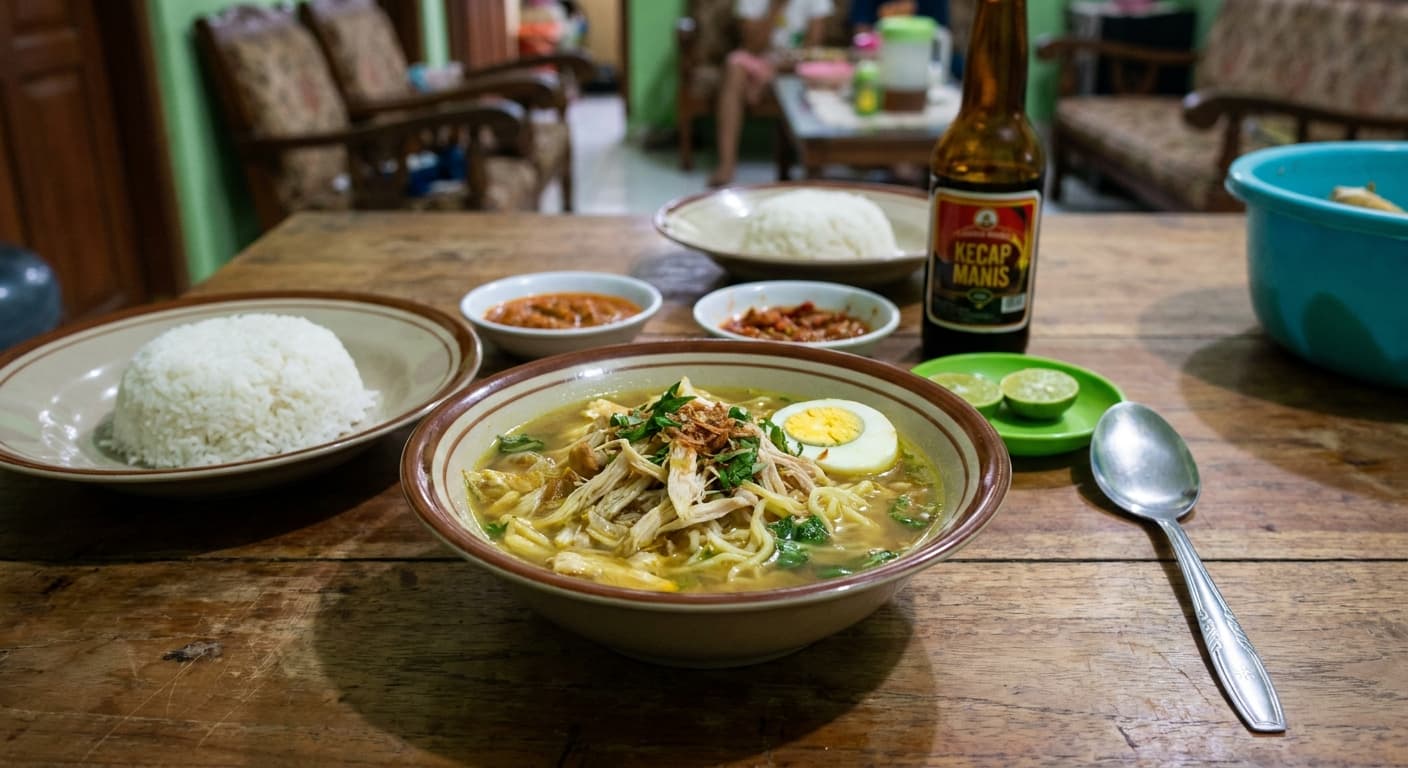
Indonesian Turmeric Chicken Soup (Soto Ayam) — Fragrant Shredded Chicken Broth
Indonesian · Soups · 100 min
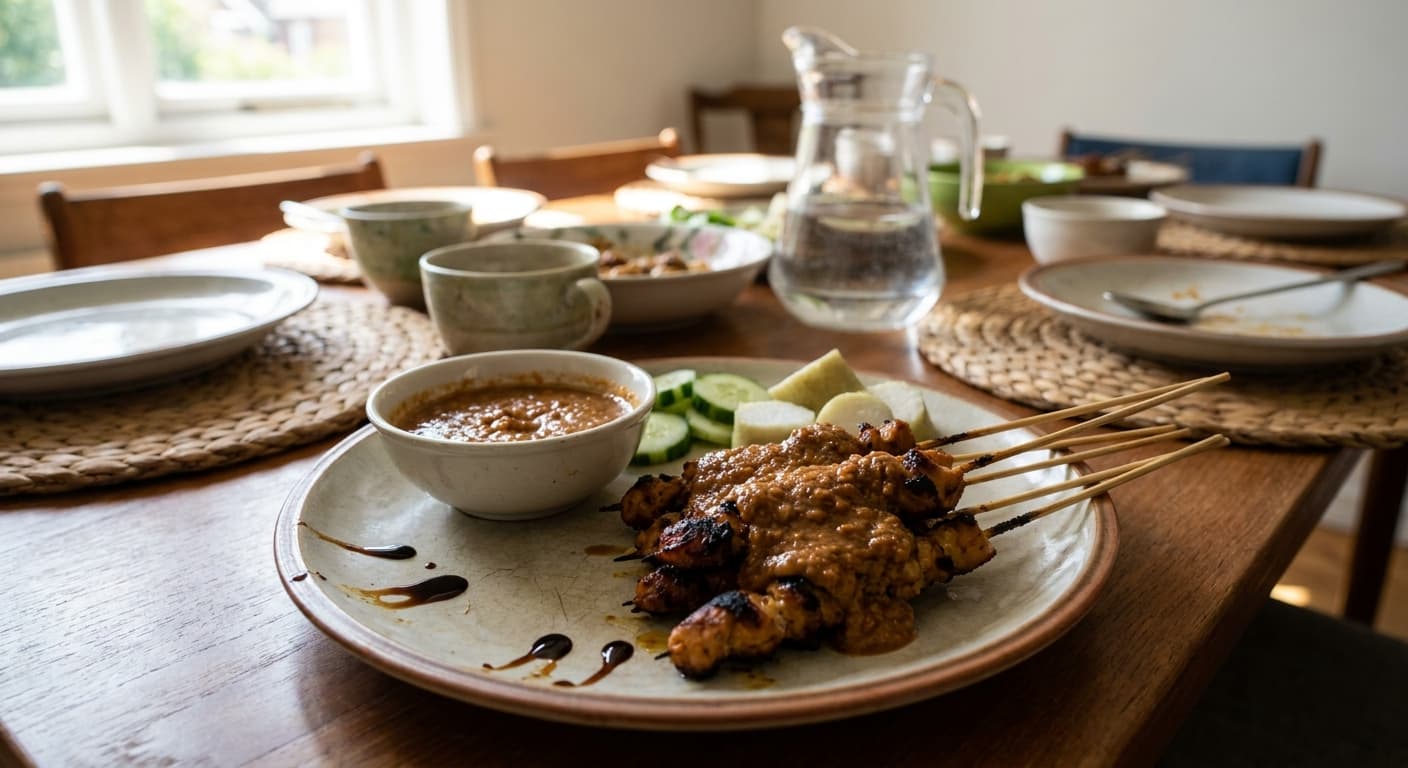
Chicken Satay (Sate Ayam) — Indonesian Skewers with Peanut Sauce
Indonesian · Kebabs · 55 min
Nasi Lemak (Nasi Lemak) — Coconut Rice with Sambal and Classic Garnishes
Malaysian · Rice Dishes · 90 min
Reviews
Cooked this recipe?
Tap the stars to rate it — that's all it takes. A few words are welcome but optional.
No ratings yet. Cooked this one? Be the first to rate it — it takes one tap.