Polow Zaferani Fasl (پلو زعفرانی فصل) — Persian Seasonal Saffron Jeweled Rice
Fluffy basmati rice layered with seasonal vegetables and saffron, finished with a crisp potato tahdig. A festive Persian mixed rice that’s aromatic, colorful, and ideal for family gatherings.
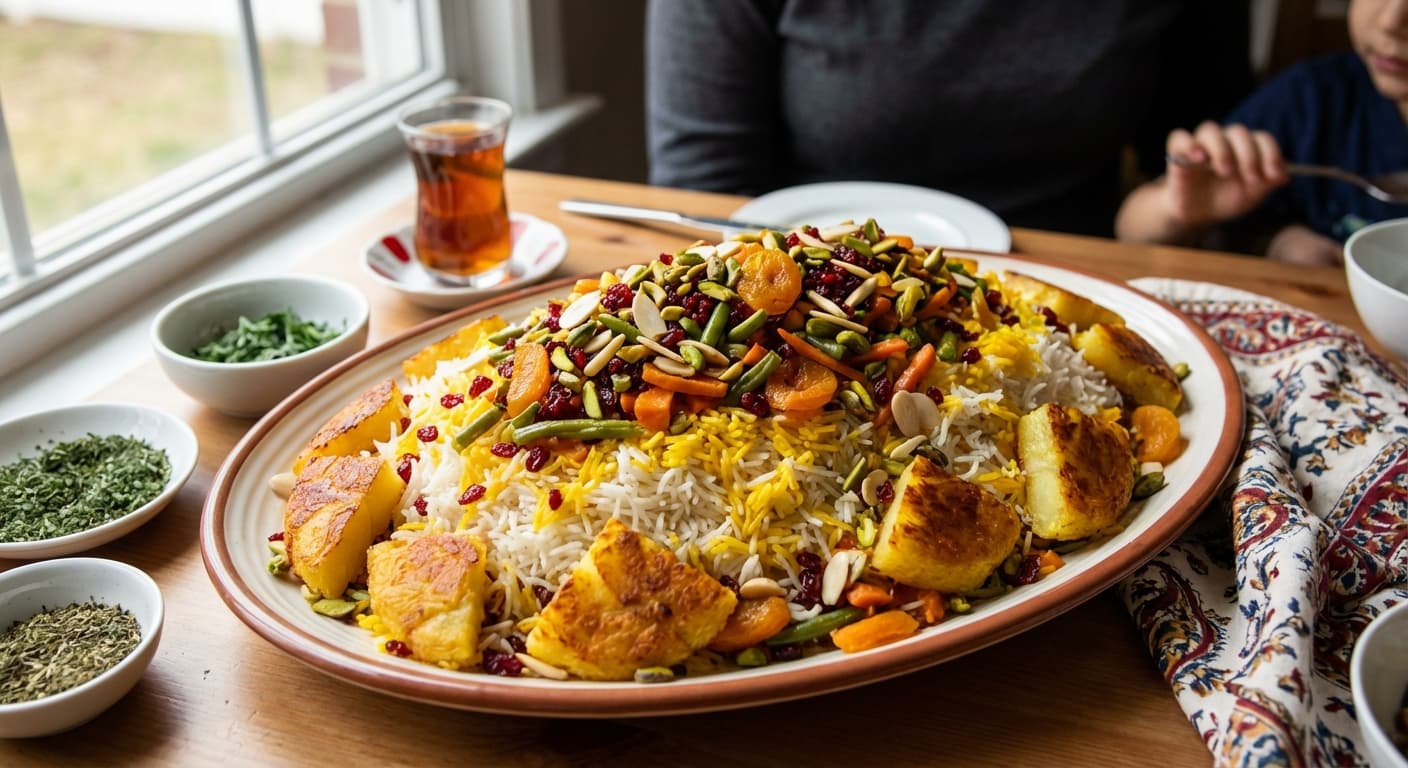
Printable Recipe Card
Servings: 6 · Total: 150 min · Difficulty: medium
Ingredients (quick list)
- 500 g Basmati rice (rinsed until water runs mostly clear)
- 2400 g Water (for parboiling rice (about 2.4 L), plus more as needed)
- 18 g Salt (for parboiling water (about 1 tablespoon))
- 300 g Potato (peeled and sliced into 3–4 mm rounds)
- 75 ml Neutral oil (such as sunflower or canola)
- 0.25 tsp Saffron threads (about 0.5 g)
- 60 ml Hot water (just off the boil, for brewing saffron)
- 200 g Green beans (trimmed and cut into 2 cm pieces)
- 150 g Green peas (fresh or frozen)
- 150 g Corn kernels (fresh, frozen, or canned and drained)
- 200 g Tomato (grated or finely chopped (about 2 medium))
- 150 g Yellow onion (finely diced)
+ 7 more in the full ingredients section below.
Steps (summary)
- Rinse the basmati rice in several changes of cool water until the water runs mostly clear. Cover with fresh water and let it so…
- Cook the vegetable mixture: heat 30 ml oil in a skillet over medium heat. Add onion and sauté 6–8 minutes until translucent. St…
- Parboil the rice: bring 2.4 L water to a rolling boil in a large nonstick or heavy pot. Add 18 g salt, then add drained rice. B…
- Build the potato tahdig: wipe the pot dry. Add 75 ml oil and warm over medium heat for 1 minute. Arrange potato slices in a sin…
- Layer the rice and vegetables: add one-third of the rice over the saffron layer, then spoon half the vegetable mixture evenly.…
- Steam (dam) for fluffy grains: mix 30 ml water with 30 ml oil and drizzle evenly over the rice. Cover the lid with a clean kitc…
+ 1 more steps in the full instructions section below.
Cultural Background
Mixed rice dishes with saffron and a crisp tahdig are commonly served in Persian home cooking for gatherings, where the crust is often shared as a special treat. Seasonal vegetables reflect market availability and family preference, making the dish adaptable while keeping familiar techniques like parboiling and steaming for distinct grains.
Equipment
💡 Tips
- For the clearest saffron flavor, crush threads finely before brewing and keep the cup covered while steeping.
- If using frozen peas and corn, add them during the last 5 minutes of the vegetable simmer to avoid dull color.
- A heavy-bottom pot or nonstick pot makes tahdig easier; keep heat low during steaming to prevent scorching.
- If your potatoes brown too fast during the first minutes, reduce heat slightly before adding rice.
- For extra aroma, reserve a small spoonful of brewed saffron to dot over the rice right before serving.
⚠️ Common Mistakes
❌ Overboiling the rice during parboil
💡 Why: If the grains fully cook before steaming, the final rice turns mushy and clumps, and tahdig can detach unevenly.
✅ Fix: Boil only until grains elongate but remain firm in the center (6–8 minutes). Drain promptly and steam on low heat to finish.
❌ Lifting the lid repeatedly during steaming
💡 Why: Steam escapes, which slows cooking and can lead to uneven texture and a weak crust.
✅ Fix: Use a towel-wrapped lid and rely on timing: 8 minutes on medium-high, then 45 minutes on low without opening.
❌ High heat throughout the steaming phase
💡 Why: Excess heat scorches the bottom before the rice finishes steaming, making tahdig bitter and the top undercooked.
✅ Fix: After the initial 8 minutes, reduce to low and keep the pot centered on the burner; use a heat diffuser if your stove runs hot.
❌ Vegetables too wet when layering
💡 Why: Extra liquid makes the rice gummy and can soften the crust.
✅ Fix: Simmer vegetables until the pan is nearly dry and glossy; cool 5 minutes before layering so steam doesn’t condense inside the pot.
🧊 How to Store
Cool leftovers within 2 hours. Refrigerate in an airtight container up to 3 days. Reheat covered with 1–2 tablespoons water in a pot over low heat 10–15 minutes, or microwave covered. Tahdig softens in storage; re-crisp potato pieces in a dry skillet 3–5 minutes.
📅 Make Ahead
You can cook the vegetable mixture up to 2 days ahead and refrigerate airtight. Brew saffron up to 24 hours ahead and chill covered; warm briefly before using. Parboil and steam the rice just before serving for best grain separation and crisp tahdig.
🍽️ Pairs Well With
- Plain yogurt or cucumber-yogurt salad
- Fresh herbs and radishes
- Pickled vegetables
- Simple tomato and cucumber salad
Regional Variations
- Tehran-style family tablesOften emphasizes a pronounced saffron top and a generous potato tahdig, with vegetables kept mild and neatly diced for clean layers.
- Northern Iran (Caspian influence)May include more herbs and green vegetables when available, and the vegetable layer is sometimes cooked more gently to keep brighter color and a lighter, fresher aroma.
Ingredients
- 500 gBasmati rice (rinsed until water runs mostly clear)
- 2400 gWater (for parboiling rice (about 2.4 L), plus more as needed)
- 18 gSalt (for parboiling water (about 1 tablespoon))
- 300 gPotato (peeled and sliced into 3–4 mm rounds)
- 75 mlNeutral oil (such as sunflower or canola)
- 0.25 tspSaffron threads (about 0.5 g)
- 60 mlHot water (just off the boil, for brewing saffron)
- 200 gGreen beans (trimmed and cut into 2 cm pieces)
- 150 gGreen peas (fresh or frozen)
- 150 gCorn kernels (fresh, frozen, or canned and drained)
- 200 gTomato (grated or finely chopped (about 2 medium))
- 150 gYellow onion (finely diced)
- 10 gGarlic (minced (about 2 cloves))
- 20 gTomato paste (about 1 tablespoon, optional for deeper color)
- 1 tspGround turmeric
- 1 tspGround cumin
- 1 tspGround coriander
- 0.5 tspGround black pepper
- 0.25 tspGround cinnamon (optional but traditional-leaning warmth)
🔄 Substitutions
- Basmati rice→ Jasmine rice
- Potato tahdig→ Flatbread tahdig
- Saffron threads→ Saffron powder
Instructions
- 1
Rinse the basmati rice in several changes of cool water until the water runs mostly clear. Cover with fresh water and let it soak 45 minutes at room temperature, then drain well. Meanwhile, brew saffron by crushing the threads and steeping in 60 ml hot water for 15 minutes; keep covered to preserve aroma.
- 2
Cook the vegetable mixture: heat 30 ml oil in a skillet over medium heat. Add onion and sauté 6–8 minutes until translucent. Stir in garlic for 30 seconds, then add tomato and tomato paste (if using). Cook 4 minutes, stirring, until glossy. Add green beans, peas, corn, spice blend, and 120 ml water; simmer 10–12 minutes until beans are just tender and liquid is mostly absorbed.
- 3
Parboil the rice: bring 2.4 L water to a rolling boil in a large nonstick or heavy pot. Add 18 g salt, then add drained rice. Boil 6–8 minutes, stirring once or twice, until the grains are longer but still firm in the center. Drain in a colander and rinse quickly with 250 ml warm water to remove excess surface starch.
- 4
Build the potato tahdig: wipe the pot dry. Add 75 ml oil and warm over medium heat for 1 minute. Arrange potato slices in a single, slightly overlapping layer. Let them sizzle 2 minutes to set. Mix 3 tablespoons brewed saffron into 2 tablespoons of the drained rice, then spread this saffron rice gently over the potatoes as a thin protective layer.
- 5
Layer the rice and vegetables: add one-third of the rice over the saffron layer, then spoon half the vegetable mixture evenly. Repeat with another third of rice and the remaining vegetables, finishing with the last third of rice. Use the handle of a spoon to poke 5–6 holes down to the bottom for steam channels. Drizzle remaining brewed saffron over the top.
- 6
Steam (dam) for fluffy grains: mix 30 ml water with 30 ml oil and drizzle evenly over the rice. Cover the lid with a clean kitchen towel and place it tightly on the pot. Cook on medium-high for 8 minutes until you hear gentle sizzling, then reduce to low and steam 45 minutes without lifting the lid.
- 7
Unmold and serve: turn off heat and rest, covered, for 10 minutes to set the crust. Spoon the rice into a serving platter, keeping layers intact. To release tahdig, run a thin spatula around the edge and invert the pot onto a plate, or lift potato pieces out carefully. Serve immediately while the crust is crisp.
🪪 Recipe Passport
Cultural Background
Mixed rice dishes with saffron and a crisp tahdig are commonly served in Persian home cooking for gatherings, where the crust is often shared as a special treat. Seasonal vegetables reflect market availability and family preference, making the dish adaptable while keeping familiar techniques like parboiling and steaming for distinct grains.
Regional Variations
Researched from multiple sources and validated by the Zaffaron editorial team. Every recipe is tested for accuracy, measurements, and cultural authenticity.
Nutrition per serving
Pairs well with
If you enjoyed this recipe, here are a few related Zaffaron recipes to try next.
- Quick Persian Chicken & Vegetable Medley (خوراک مرغ فوری) — One-pot weeknight khorak with sumac
- Reshteh Polo (رشته پلو) — Persian Noodle Rice with Black-Eyed Peas
- Rosemary Slow-Braised Beef Kabab (کباب گوشت گاو) — Persian-Inspired Rosemary Roast in Aromatic Broth
- Potato and Cabbage Kuku (کوکوی سیبزمینی با کلم) — Persian comfort frittata with sautéed cabbage
Does your family make this differently?
Every family has their own version. Maybe your grandmother adds a secret ingredient, or your aunt has a completely different technique. Preserve your family's version — with their name on it, forever.
You Might Also Like
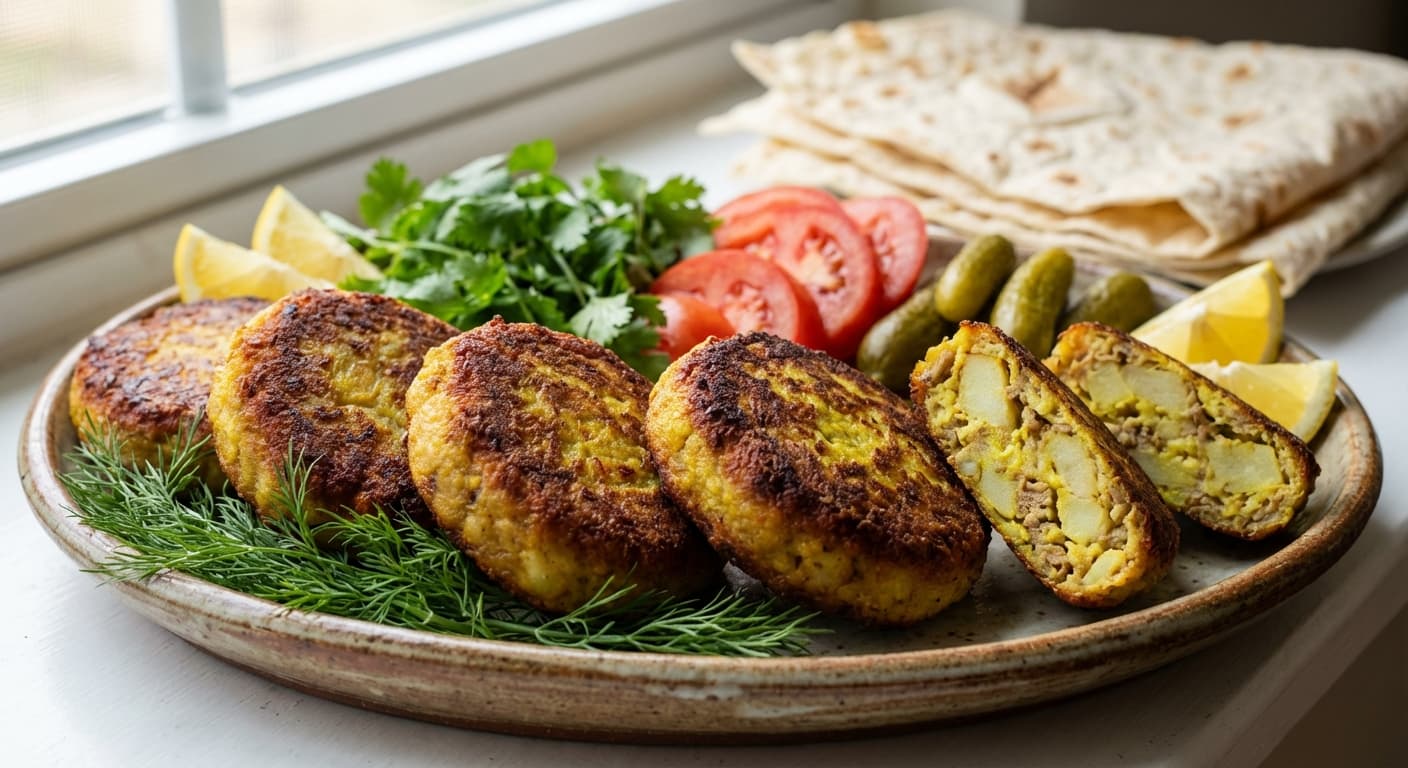
Persian Kotlet (کتلت) — Saffron-Infused Meat & Potato Patties
Persian · Main Courses · 55 min
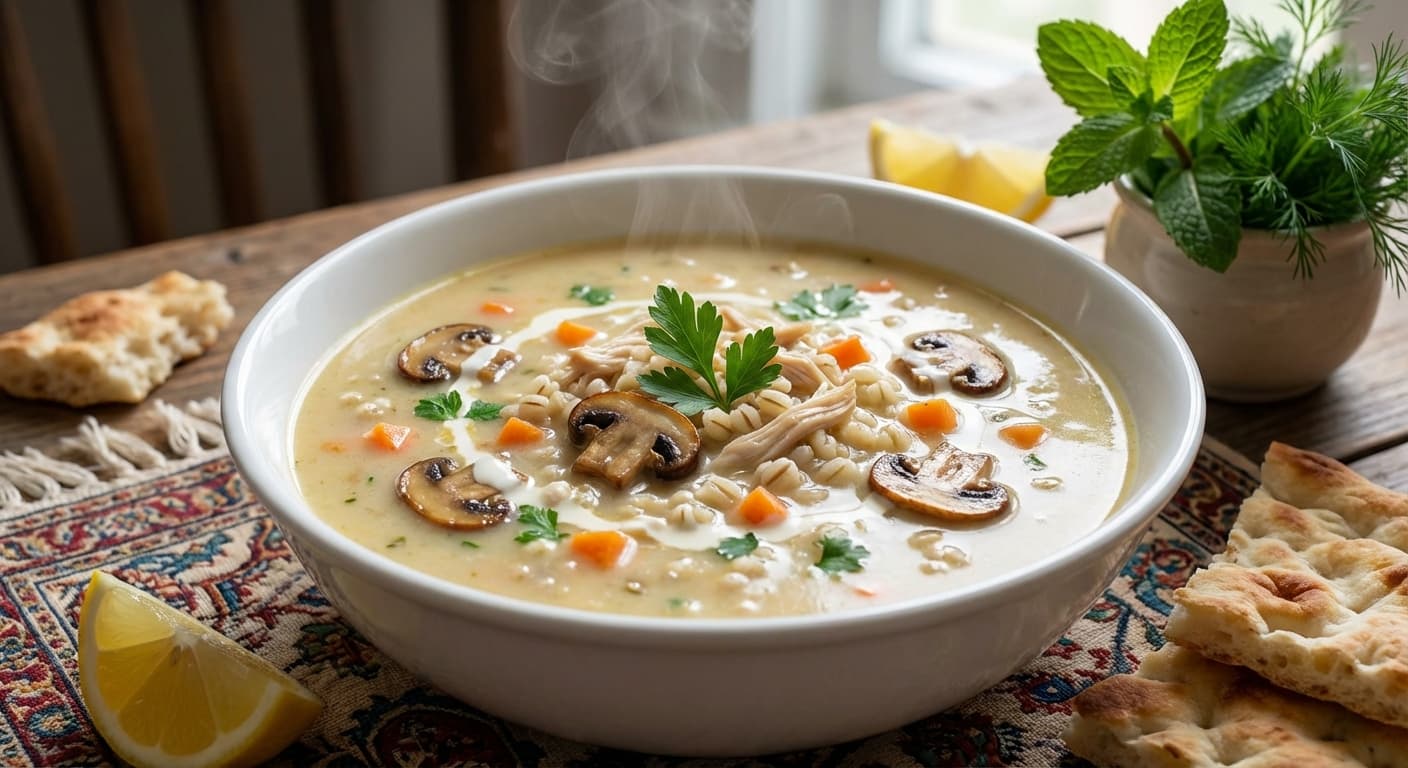
Soup-e Jo (سوپ جو) — Persian Creamy Barley Soup
Persian · Soups · 90 min
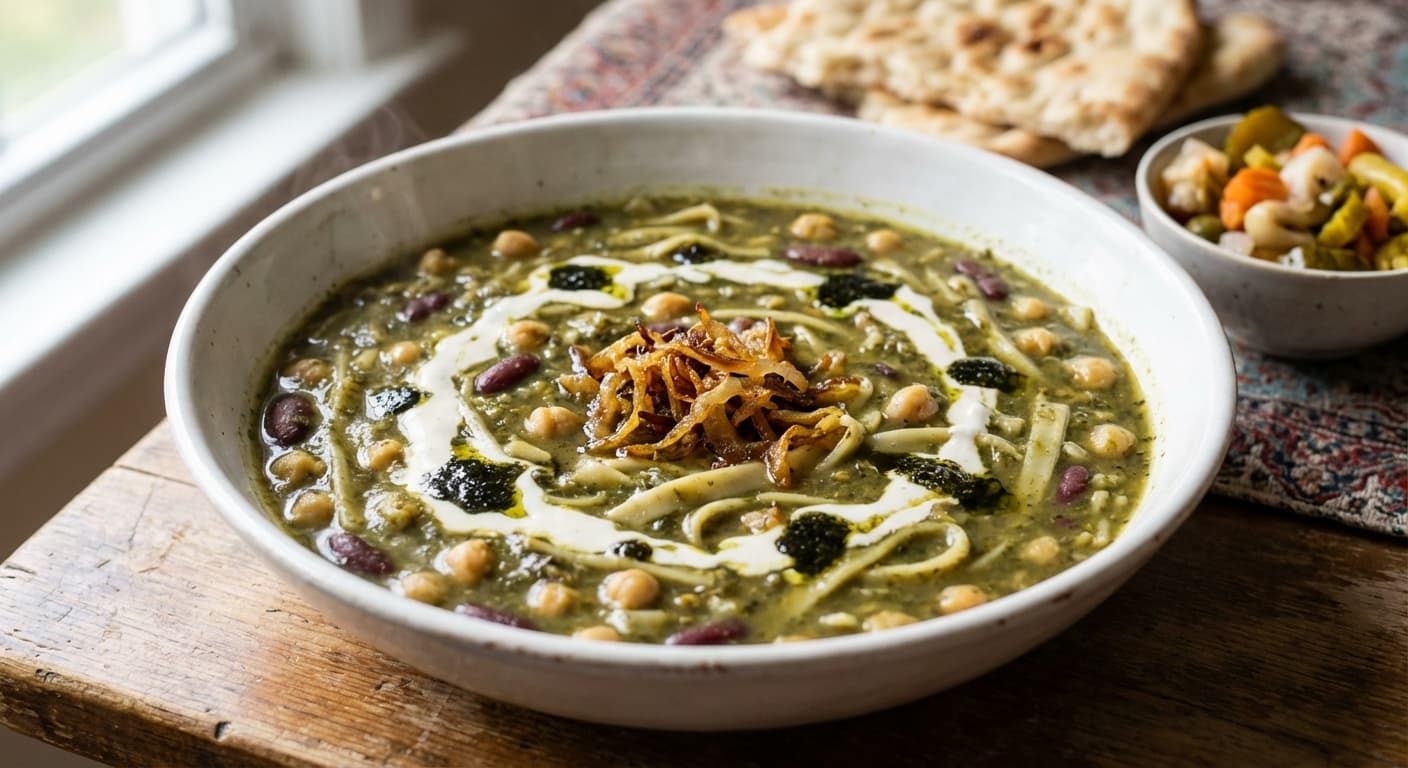
Ash Reshteh (آش رشته) — Persian Herb, Bean, and Noodle Soup
Persian · Soups · 145 min
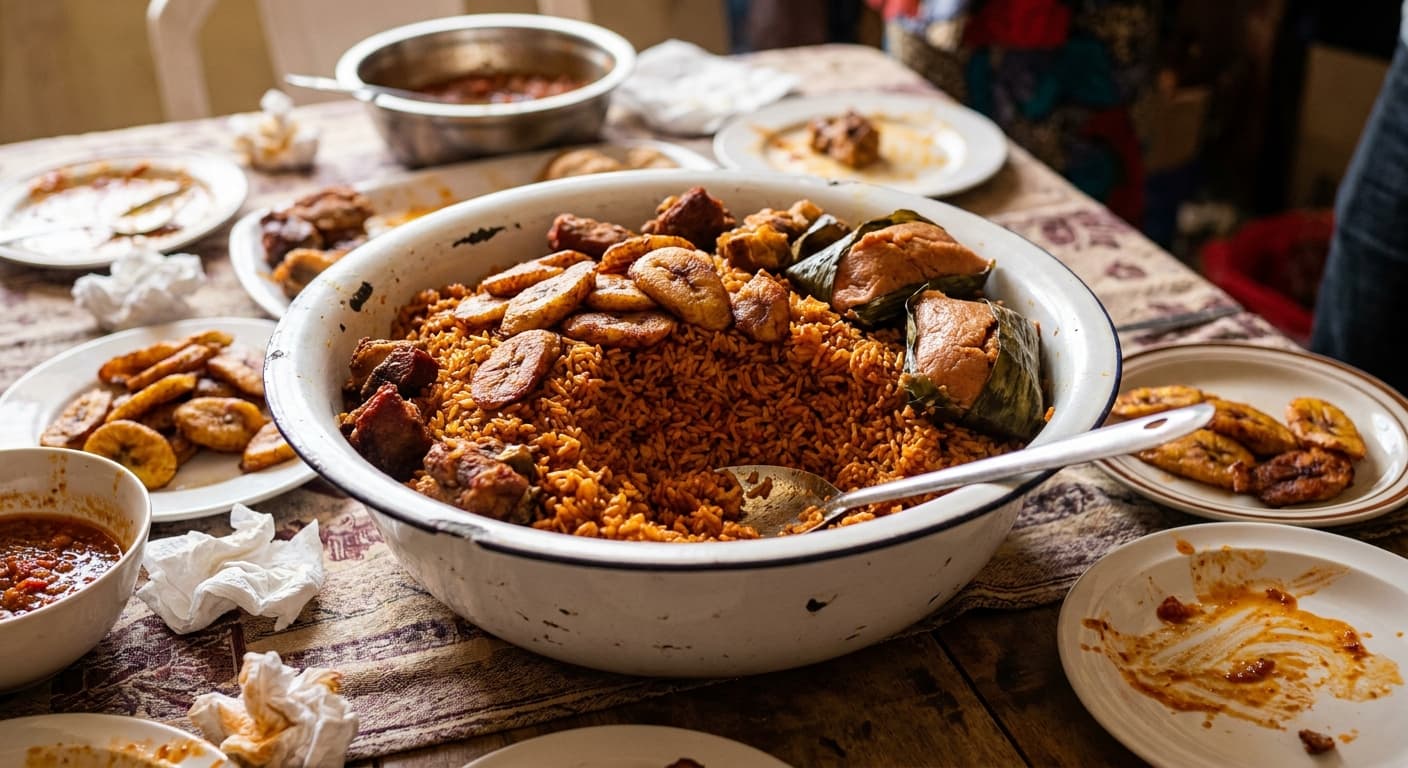
Nigerian Jollof Rice (Jollof Rice) — Smoky Party-Style Tomato Rice
West african · Rice Dishes · 80 min
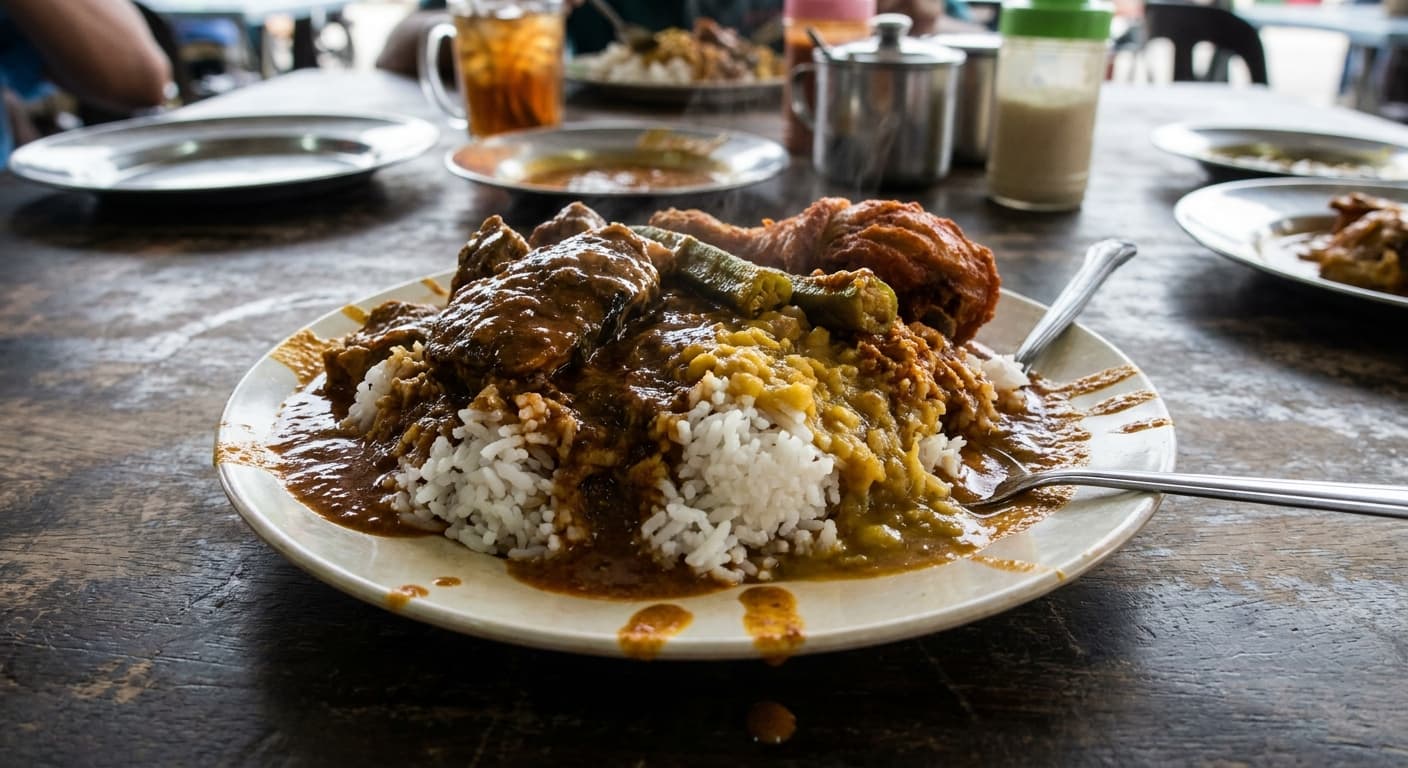
Nasi Kandar (Nasi Kandar) — Penang Mamak Curry Rice Plate
Malaysian · Rice Dishes · 110 min
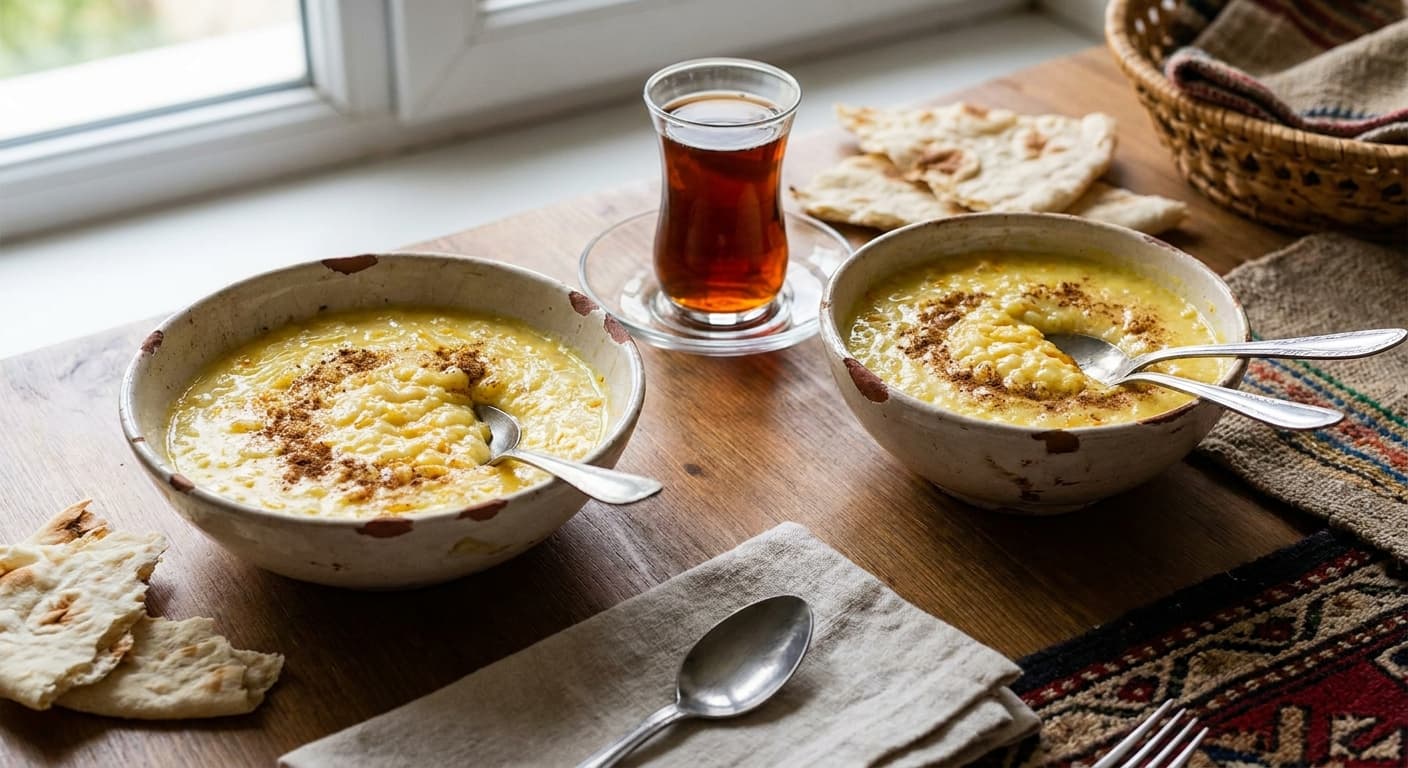
Azerbaijani Milk-Rice Porridge (Südlü Sıyıq) — Creamy Breakfast Rice with Saffron
Azerbaijani · Rice Dishes · 50 min
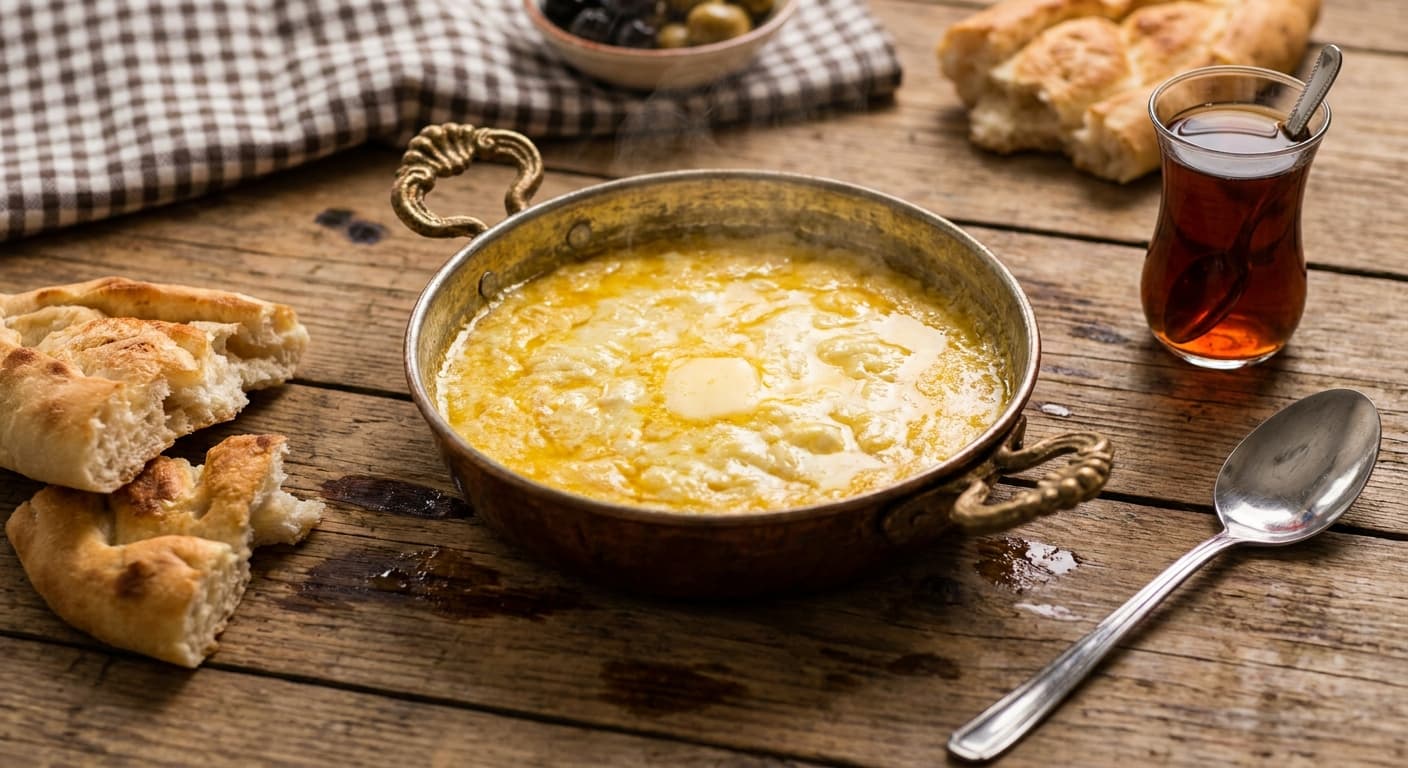
Mıhlama (Mıhlama) — Black Sea Cornmeal and Cheese Skillet
Turkish · Main Courses · 25 min
Sabzi Challow (سبزی چلو) — Afghan Spinach Stew with Rice
Afghan · Stews · 90 min
Reviews
Cooked this recipe?
Tap the stars to rate it — that's all it takes. A few words are welcome but optional.
No ratings yet. Cooked this one? Be the first to rate it — it takes one tap.