Puri (पूरी) — Indian Deep-Fried Puffed Bread
Puri is a classic Indian deep-fried bread that puffs into a light, crisp shell with a tender center. Served across India for breakfasts, festive meals, and temple-style offerings, it pairs beautifully with potato curry, chana, or sweet halwa.
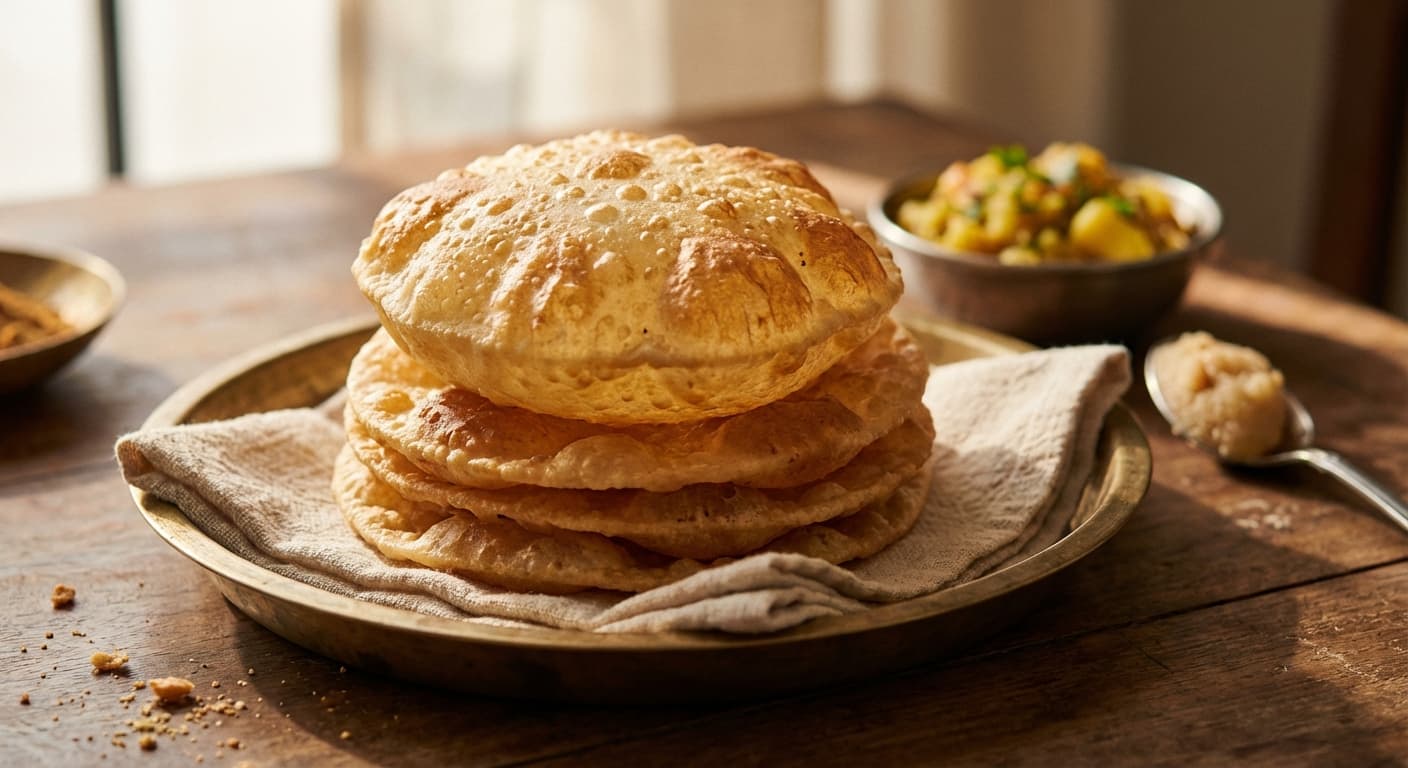
Printable Recipe Card
Servings: 4 · Total: 40 min · Difficulty: medium
Ingredients (quick list)
- 240 g whole wheat flour (atta)
- 12 g fine semolina (sooji) (Optional but traditional for extra crispness)
- 4 g fine salt
- 4 g granulated sugar (Helps even browning without making puri sweet)
- 15 ml neutral oil (Mixed into the dough (moyan) for flaky texture)
- 150 ml warm water (Add gradually; you may need up to 170 ml depending on flour)
Steps (summary)
- In a wide bowl, combine the whole wheat flour, semolina, salt, and sugar and whisk until evenly mixed. Add 15 ml oil and rub it…
- Pour in 150 ml warm water a little at a time and mix to form a stiff dough; it should feel firmer than chapati dough and not st…
- Divide the dough into 16 equal pieces (about 25 g each) and roll each into a tight, smooth ball to prevent cracking. Keep the b…
- Lightly oil your rolling surface and rolling pin, then roll one ball into a 10–11 cm round, about 2 mm thick, keeping the edges…
- Heat 500 ml oil in a deep kadai or heavy pot to 180°C; the oil should be deep enough for the puri to float freely. If you do no…
- Slide one puri into the hot oil and immediately press it gently with a slotted spoon for 3–5 seconds to encourage puffing. Once…
+ 1 more steps in the full instructions section below.
Cultural Background
Puri is a celebratory bread served with curries and sweets across India, especially for festive breakfasts and religious offerings. Its signature puff symbolizes abundance, and it is a staple at weddings, pujas, and special family meals.
Equipment
💡 Tips
- Keep the dough stiff: target about 62–70% hydration (150–170 ml water for 240 g atta) so the puris puff instead of turning oily.
- Roll evenly to about 2 mm; thin centers and thick edges prevent full puffing and cause uneven browning.
- Fry one at a time and press gently right after it hits the oil; the trapped steam is what inflates the puri.
⚠️ Common Mistakes
❌ Dough is too soft or sticky, leading to oily, flat puris.
✅ Fix: Knead in 10–20 g atta and rest 10 minutes; stiff dough holds steam better and puffs more reliably.
❌ Oil temperature is too low, so puris absorb oil and do not puff.
✅ Fix: Bring oil back to 180°C and fry one at a time; press gently with a slotted spoon immediately after adding.
❌ Using dry flour for rolling, which burns and speckles the oil and puris.
✅ Fix: Oil the board and pin lightly instead; wipe off excess oil so the rounds do not slip while rolling.
🧊 How to Store
Puri is best eaten fresh. Cool leftovers completely, store airtight at room temperature for up to 12 hours, and re-crisp in a 180°C oven for 4–6 minutes; avoid microwaving, which makes them chewy and oily.
📅 Make Ahead
Knead the dough up to 6 hours ahead and keep it covered at cool room temperature; re-knead for 30 seconds before dividing. You can also roll the rounds 30 minutes ahead, stack with lightly oiled parchment, and keep covered to prevent drying.
🍽️ Pairs Well With
- Aloo sabzi
- chana masala
- suji halwa
- mango pickle
- yogurt raita.
Regional Variations
- Ajwain puri: add 2 g carom seeds and 1 g crushed black pepper for a fragrant North Indian-style puri.
- Masala puri: mix 2 g ground cumin and 2 g red chili powder into the dough for a spiced snack-style puri.
- Bengali luchi-style: replace atta with 240 g all-purpose flour and use 20 ml oil in the dough for a lighter, paler puffed bread.
Ingredients
- 240 gwhole wheat flour (atta)
- 12 gfine semolina (sooji) (Optional but traditional for extra crispness)
- 4 gfine salt
- 4 ggranulated sugar (Helps even browning without making puri sweet)
- 15 mlneutral oil (Mixed into the dough (moyan) for flaky texture)
- 150 mlwarm water (Add gradually; you may need up to 170 ml depending on flour)
🔄 Substitutions
- fine semolina (sooji)→ rice flour
- neutral oil→ ghee
Instructions
- 1
In a wide bowl, combine the whole wheat flour, semolina, salt, and sugar and whisk until evenly mixed. Add 15 ml oil and rub it into the flour with your fingertips until the mixture looks slightly sandy and holds a loose clump when pressed.
- 2
Pour in 150 ml warm water a little at a time and mix to form a stiff dough; it should feel firmer than chapati dough and not sticky. Knead for 6–8 minutes until smooth, then cover and rest for 10 minutes to relax the gluten and hydrate the flour.
- 3
Divide the dough into 16 equal pieces (about 25 g each) and roll each into a tight, smooth ball to prevent cracking. Keep the balls covered with a damp cloth so the surface does not dry out while you roll and fry.
- 4
Lightly oil your rolling surface and rolling pin, then roll one ball into a 10–11 cm round, about 2 mm thick, keeping the edges even. Roll 4–6 puris first and keep them covered; do not use dry flour for dusting because it can burn in the oil.
- 5
Heat 500 ml oil in a deep kadai or heavy pot to 180°C; the oil should be deep enough for the puri to float freely. If you do not have a thermometer, test with a small dough scrap: it should rise to the surface within 2 seconds and sizzle vigorously without browning instantly.
- 6
Slide one puri into the hot oil and immediately press it gently with a slotted spoon for 3–5 seconds to encourage puffing. Once puffed, flip and fry the second side until evenly golden, about 20–30 seconds per side, then lift and drain for 10 seconds over the pot.
- 7
Transfer the puri to a rack or paper-lined tray and repeat with the remaining rounds, maintaining the oil at 175–185°C between batches. Serve hot within 10 minutes for the best puff and crispness, because puri softens as it cools.
🪪 Recipe Passport
Cultural Background
Puri is a celebratory bread served with curries and sweets across India, especially for festive breakfasts and religious offerings. Its signature puff symbolizes abundance, and it is a staple at weddings, pujas, and special family meals.
Regional Variations
Researched from multiple sources and validated by the Zaffaron editorial team. Every recipe is tested for accuracy, measurements, and cultural authenticity.
Nutrition per serving
Pairs well with
If you enjoyed this recipe, here are a few related Zaffaron recipes to try next.
Does your family make this differently?
Every family has their own version. Maybe your grandmother adds a secret ingredient, or your aunt has a completely different technique. Preserve your family's version — with their name on it, forever.
You Might Also Like
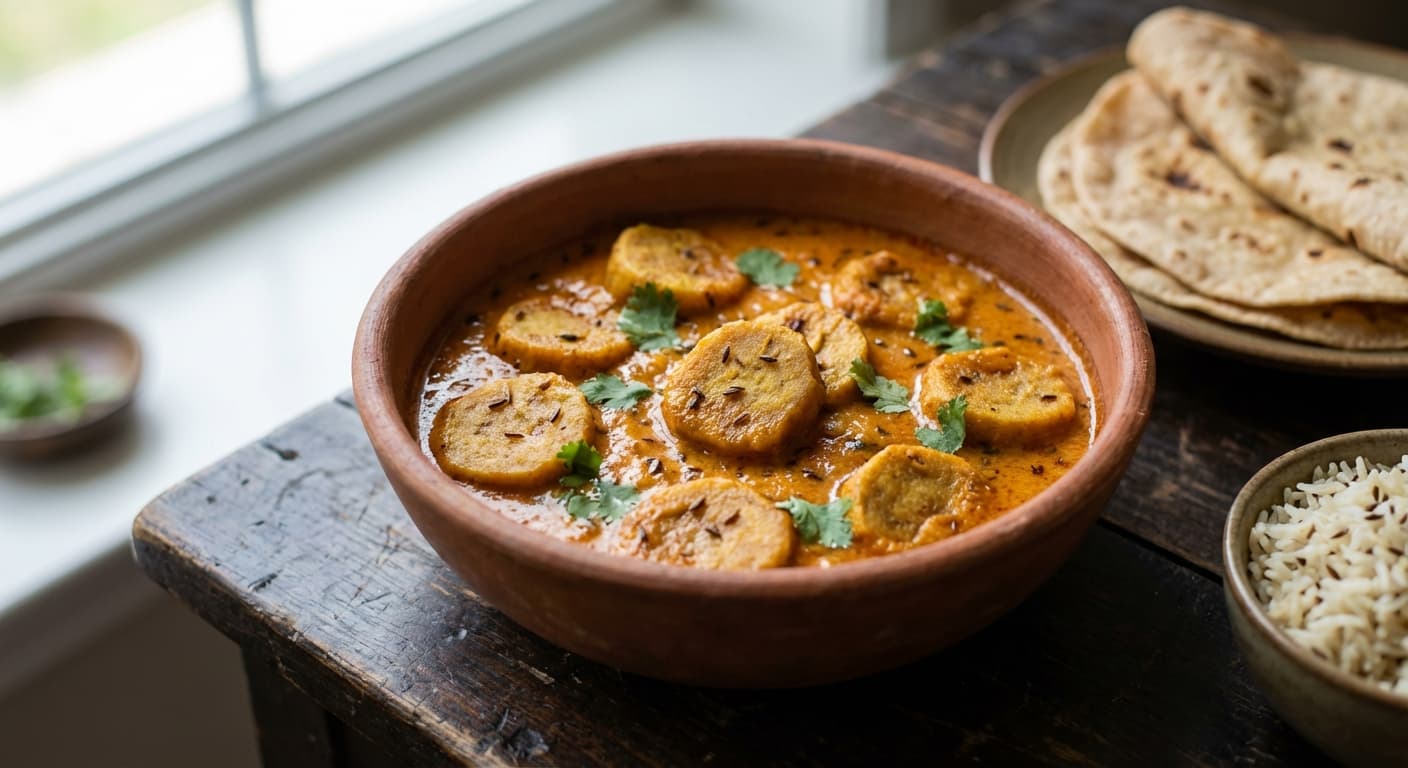
Gatte ki Sabzi (गट्टे की सब्ज़ी) — Indian Gram Flour Dumplings in Yogurt-Spice Gravy
Indian · Stews · 60 min
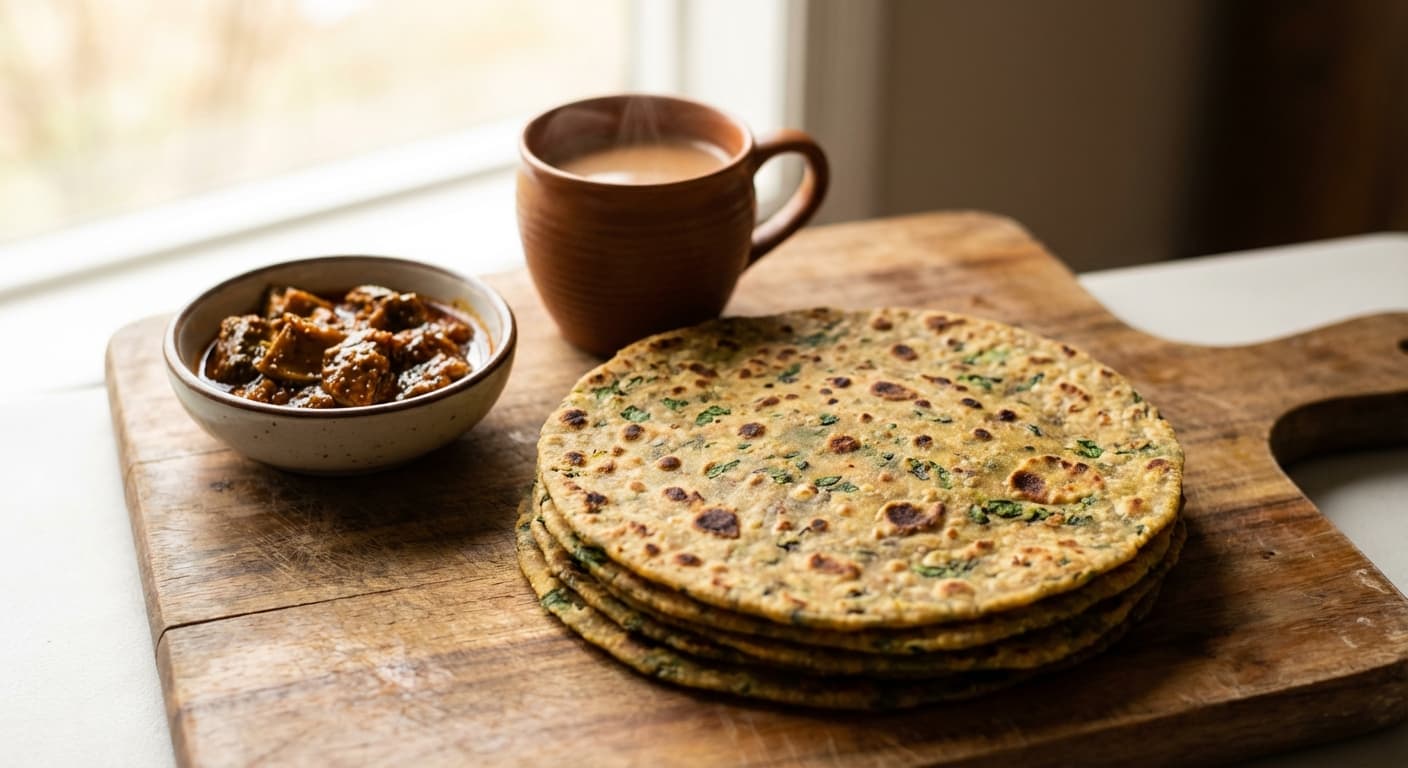
Thepla (थेपला) — Indian Fenugreek-Spiced Flatbread, Soft and Travel-Friendly
Indian · Breads · 45 min
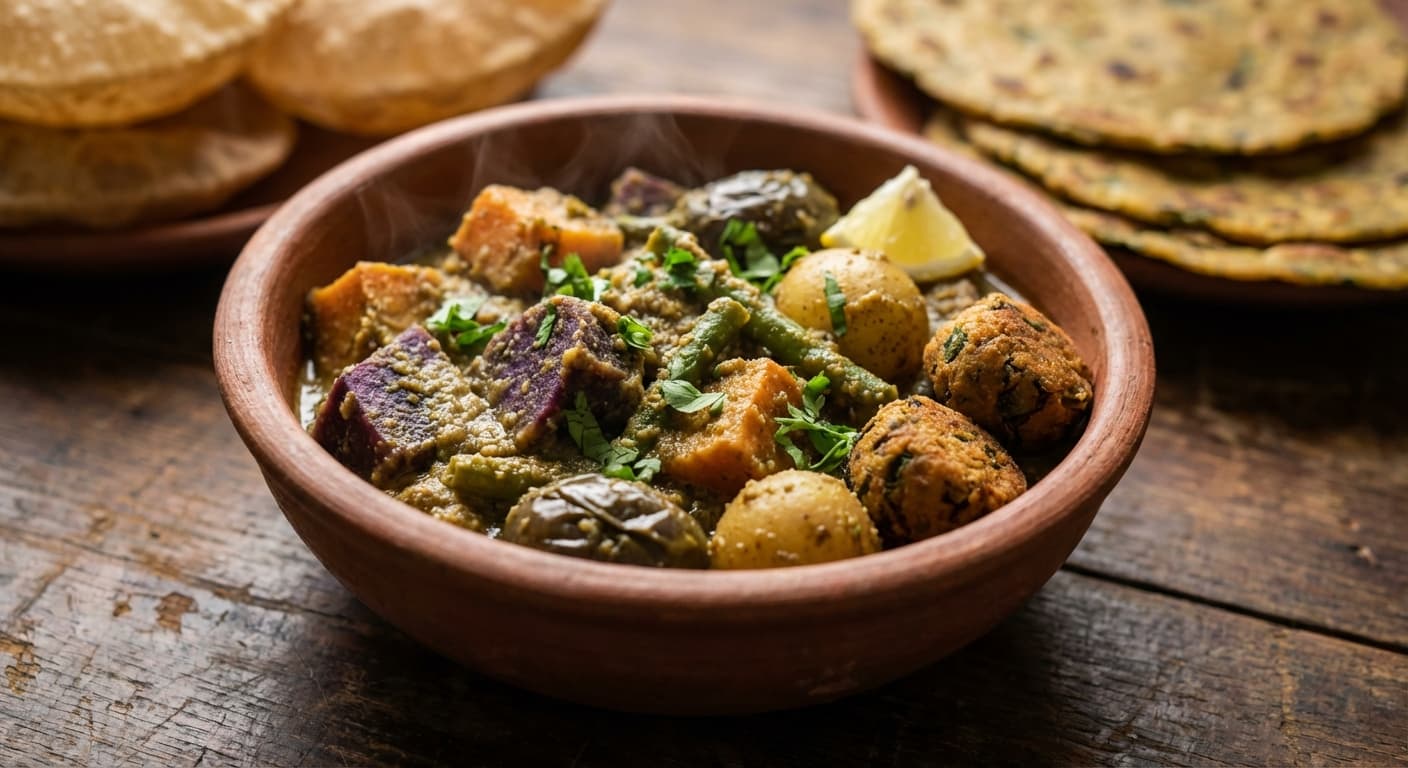
Undhiyu (ઉંધિયું) — Gujarati winter mixed-vegetable curry with methi muthia
Indian · Main Courses · 115 min
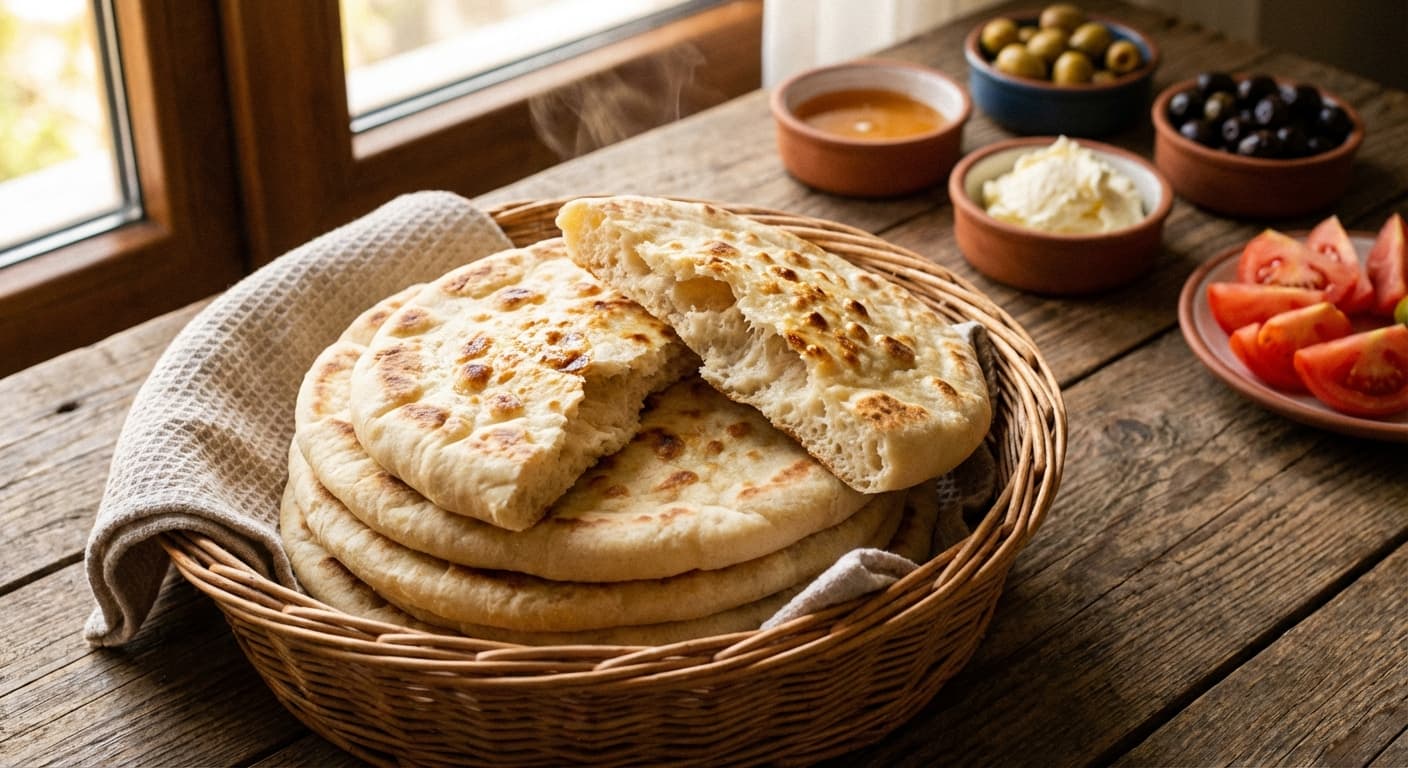
Bazlama (بازلاما) — Puffy Turkish Village Flatbread Cooked on a Saj
Turkish · Breads · 38 min
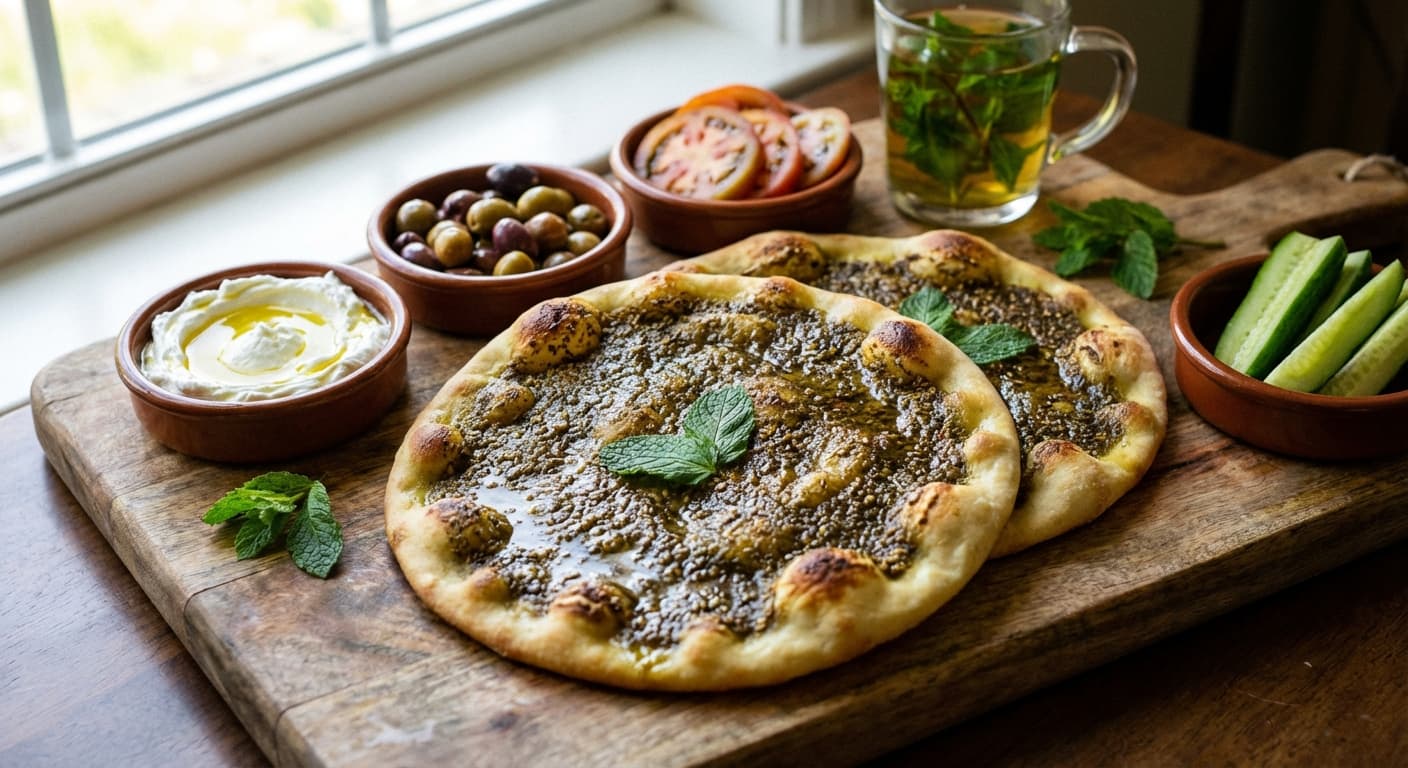
Man’oushe Za’atar (منقوشة زعتر) — Lebanese Za’atar Flatbread
Lebanese · Breads · 37 min
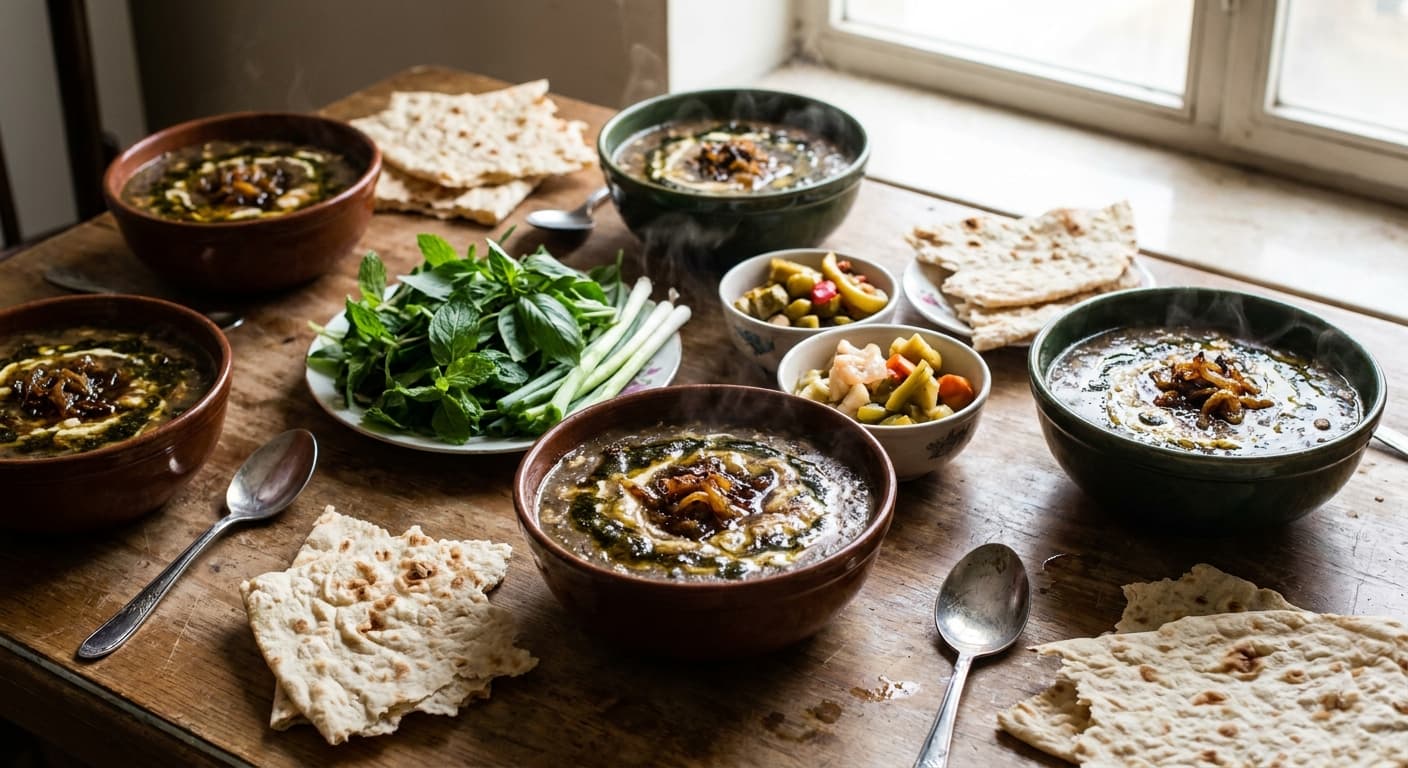
Ash-e Torsh (آش ترش) — Sour Herb and Legume Soup
Persian · Soups · 145 min
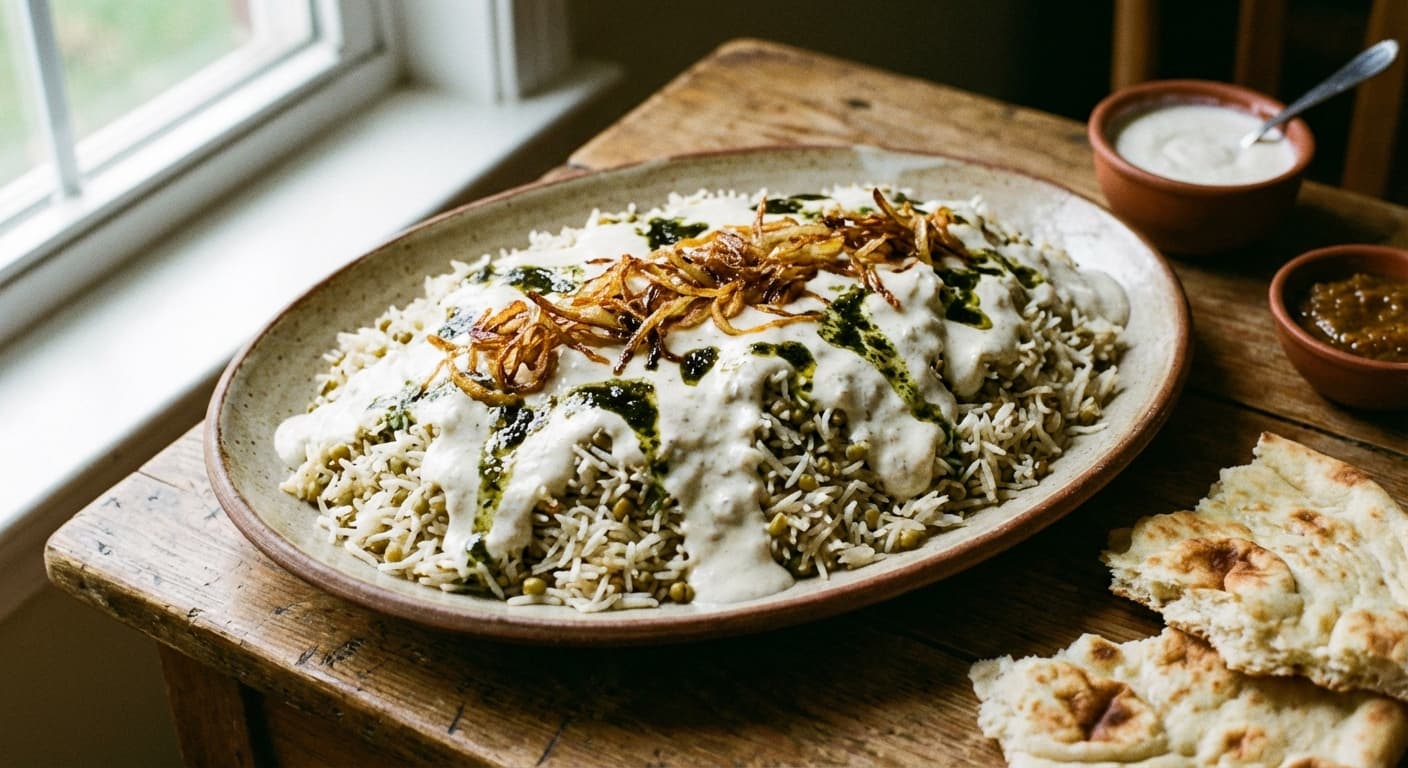
Khichiri Qorooti (خچری قروتی) — Afghan Rice and Mung Beans with Dried Yogurt Sauce
Afghan · Main Courses · 90 min
Cornbread (Cornbread) — Classic Cast-Iron American Quick Bread
American · Breads · 40 min
Reviews
Cooked this recipe?
Tap the stars to rate it — that's all it takes. A few words are welcome but optional.
No ratings yet. Cooked this one? Be the first to rate it — it takes one tap.