Ras el Hanout (رأس الحانوت) — Moroccan Complex Spice Mixture
Ras el Hanout is a classic Moroccan spice blend whose name implies “the best of the shop.” Traditionally mixed by spice merchants, it perfumes tagines, couscous, and grilled meats with warm, floral, and peppery depth.
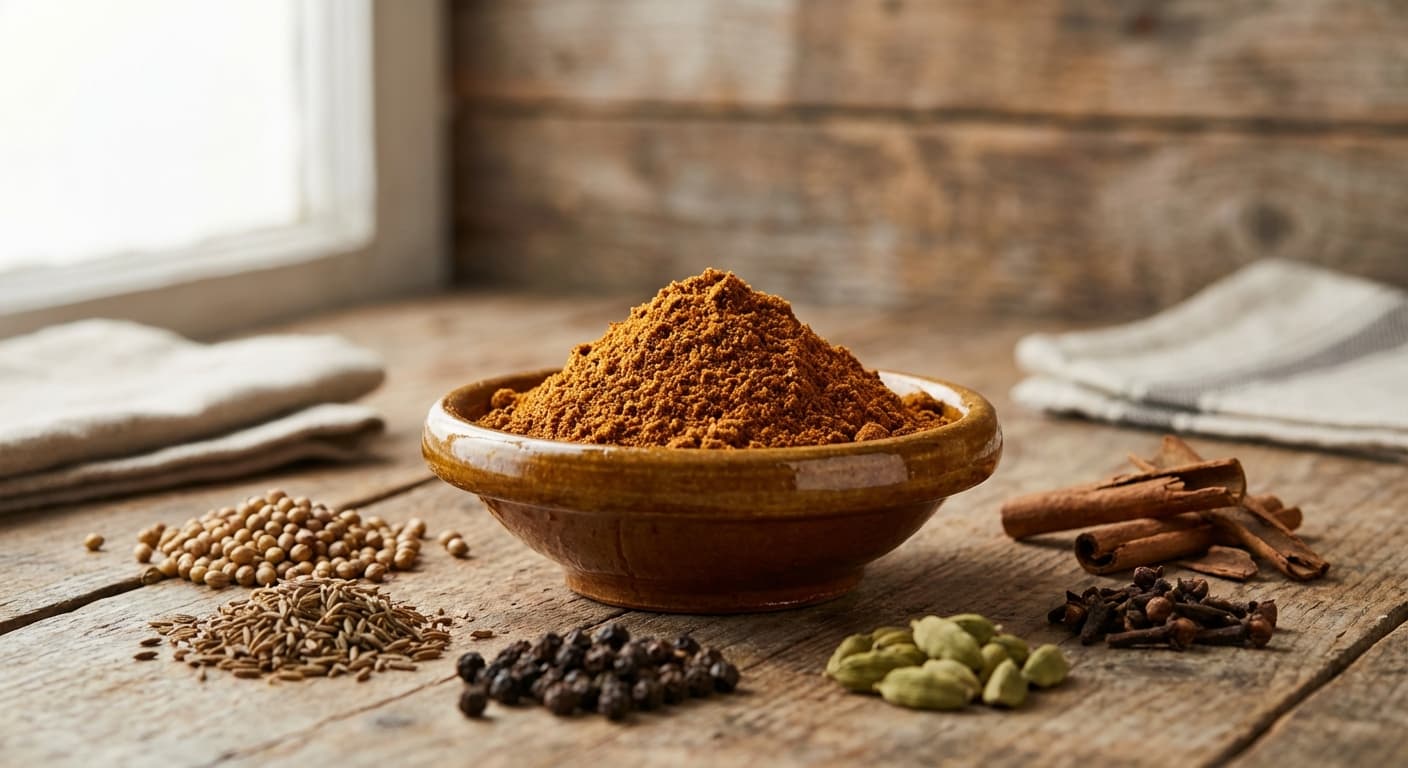
Printable Recipe Card
Servings: 24 · Total: 15 min · Difficulty: easy
Ingredients (quick list)
- 12 g coriander seeds (about 2 tbsp)
- 10 g cumin seeds (about 1 1/2 tbsp)
- 6 g black peppercorns (about 1 tbsp)
- 3 g white peppercorns (about 1 1/2 tsp)
- 4 g fennel seeds (about 2 tsp)
- 4 g caraway seeds (about 2 tsp)
- 3 g green cardamom pods (about 10 pods; use seeds only)
- 1 g cloves (about 1/2 tsp)
- 4 g cinnamon stick (about 1 small stick, broken)
- 1 leaf bay leaf (crumbled after drying)
- 4 g ground ginger (about 2 tsp)
- 3 g ground turmeric (about 1 1/2 tsp)
+ 6 more in the full ingredients section below.
Steps (summary)
- Set a small skillet over medium-low heat and add the whole spices: coriander, cumin, black peppercorns, white peppercorns, fenn…
- Immediately transfer the toasted spices to a plate to cool completely, which prevents carryover heat from burning them. Once co…
- Grind the cooled toasted spices (including the bay leaf) in a spice grinder or mortar and pestle until very fine and uniform. P…
- Add the ground spices to a bowl along with the ground ginger, turmeric, sweet paprika, nutmeg, allspice, and cayenne. Whisk for…
- Sift the blend through a fine-mesh sieve if you want a very smooth, professional texture; re-grind any coarse bits and sift aga…
Cultural Background
In Morocco, Ras el Hanout varies from shop to shop and signals a spice seller’s craft and quality. It is a pantry cornerstone for tagines and festive dishes, blending warming spices with subtle floral notes for layered, long-cooked flavor.
Equipment
💡 Tips
- Keep the heat low while toasting; if you see visible smoke, pull the pan off the burner for 20 seconds to avoid bitterness.
- For maximum aroma, grind only what you need and store the remaining whole toasted spices separately for up to 2 months.
- Use 6 g (about 2 tsp) Ras el Hanout per 500 g meat or vegetables as a reliable starting ratio.
⚠️ Common Mistakes
❌ Toasting on high heat until the spices darken quickly or smoke.
✅ Fix: Toast on medium-low and stir constantly; stop as soon as the aroma blooms and cool on a plate immediately.
❌ Grinding cardamom pods with the husks, making the blend taste woody.
✅ Fix: Crack pods after toasting and use only the seeds; discard husks before grinding.
❌ Storing the blend near the stove where heat and light dull the aroma.
✅ Fix: Keep it in an airtight jar in a dark cupboard; date it and remake smaller batches more often.
🧊 How to Store
Store in a fully airtight jar in a dark cupboard away from heat. For best flavor, use within 6 weeks; it remains safe longer but fades. To refresh, warm 10 g of the blend in a dry pan for 20–30 seconds, then cool before using.
📅 Make Ahead
Toast and cool the whole spices up to 3 days ahead and keep them sealed at room temperature. Grind and mix the final blend the day you plan to use it for the brightest aroma, especially if including saffron.
🍽️ Pairs Well With
- Chicken tagine
- lamb tagine with prunes
- couscous
- roasted carrots
- grilled kefta
- lentil soup.
Regional Variations
- Fez-style blends often lean more floral and sweet, increasing cinnamon and adding more saffron for a perfumed finish.
- Some Marrakech markets make a hotter version by increasing cayenne to 1.6 g (about 1 tsp) and adding 2 g ground dried chili.
- Coastal versions may reduce cinnamon and boost cumin and coriander for a more savory, grill-friendly profile.
Ingredients
- 12 gcoriander seeds (about 2 tbsp)
- 10 gcumin seeds (about 1 1/2 tbsp)
- 6 gblack peppercorns (about 1 tbsp)
- 3 gwhite peppercorns (about 1 1/2 tsp)
- 4 gfennel seeds (about 2 tsp)
- 4 gcaraway seeds (about 2 tsp)
- 3 ggreen cardamom pods (about 10 pods; use seeds only)
- 1 gcloves (about 1/2 tsp)
- 4 gcinnamon stick (about 1 small stick, broken)
- 1 leafbay leaf (crumbled after drying)
- 4 gground ginger (about 2 tsp)
- 3 gground turmeric (about 1 1/2 tsp)
- 6 gsweet paprika (about 2 tbsp)
- 1.5 gground nutmeg (about 3/4 tsp)
- 1.5 gground allspice (about 3/4 tsp)
- 0.8 gground cayenne pepper (about 1/2 tsp)
- 0.1 gsaffron threads (about a generous pinch; optional but traditional for a premium blend)
- 3 gfine sea salt (about 1/2 tsp)
🔄 Substitutions
- saffron threads→
- white peppercorns→
- caraway seeds→
Instructions
- 1
Set a small skillet over medium-low heat and add the whole spices: coriander, cumin, black peppercorns, white peppercorns, fennel, caraway, cardamom pods, cloves, broken cinnamon, and the bay leaf. Toast for 3–5 minutes, shaking the pan often, until the spices smell deeply aromatic and the coriander begins to darken slightly; do not let anything scorch.
- 2
Immediately transfer the toasted spices to a plate to cool completely, which prevents carryover heat from burning them. Once cool, crack the cardamom pods and discard the husks, keeping only the seeds for a cleaner, less woody flavor.
- 3
Grind the cooled toasted spices (including the bay leaf) in a spice grinder or mortar and pestle until very fine and uniform. Pause and tap the grinder as needed so larger pieces of cinnamon break down fully and the blend becomes evenly textured.
- 4
Add the ground spices to a bowl along with the ground ginger, turmeric, sweet paprika, nutmeg, allspice, and cayenne. Whisk for 30–45 seconds to distribute color and aroma evenly, then crush the saffron threads between your fingers and stir them in with the salt.
- 5
Sift the blend through a fine-mesh sieve if you want a very smooth, professional texture; re-grind any coarse bits and sift again. Transfer to an airtight jar and label with the date, because the fragrance is best within the first 4–6 weeks.
🪪 Recipe Passport
Cultural Background
In Morocco, Ras el Hanout varies from shop to shop and signals a spice seller’s craft and quality. It is a pantry cornerstone for tagines and festive dishes, blending warming spices with subtle floral notes for layered, long-cooked flavor.
Regional Variations
Researched from multiple sources and validated by the Zaffaron editorial team. Every recipe is tested for accuracy, measurements, and cultural authenticity.
Nutrition per serving
Pairs well with
If you enjoyed this recipe, here are a few related Zaffaron recipes to try next.
- Bessara (البسارة) — Moroccan Dried Fava Bean Soup with Cumin and Olive Oil
- Chicken Tagine with Preserved Lemons and Olives (طاجين الدجاج بالليمون المرقد والزيتون) — Moroccan Slow-Cooked Chicken with Bright Citrus and Briny Olives
- Tagine of Chicken with Olives and Artichokes (طاجين) — Moroccan Spring Chicken Tagine
- Tfaya (تفيا) — Moroccan Caramelized Onion and Raisin Relish
Does your family make this differently?
Every family has their own version. Maybe your grandmother adds a secret ingredient, or your aunt has a completely different technique. Preserve your family's version — with their name on it, forever.
You Might Also Like
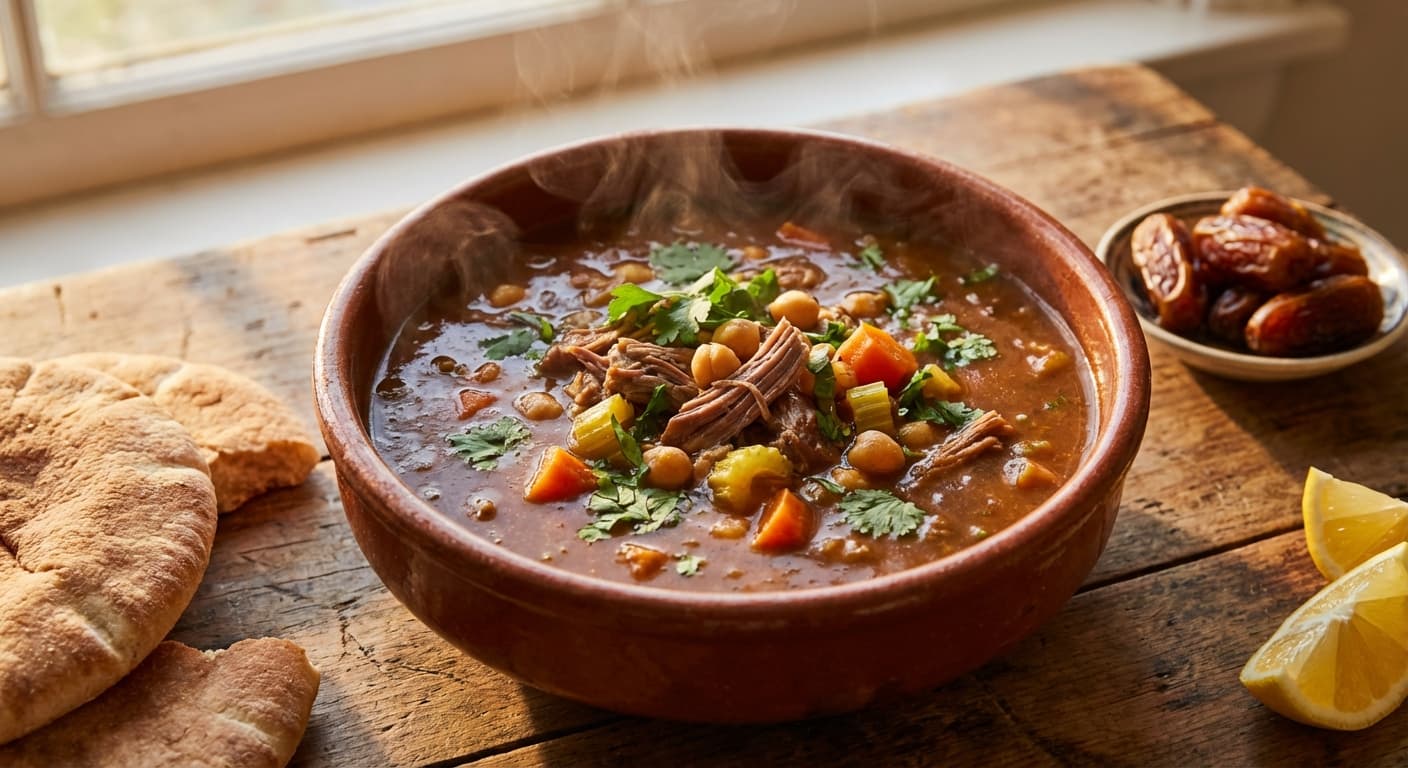
Marrakeshi Harira (حريرة مراكشية) — Moroccan Lamb and Chickpea Soup
Moroccan · Soups · 175 min
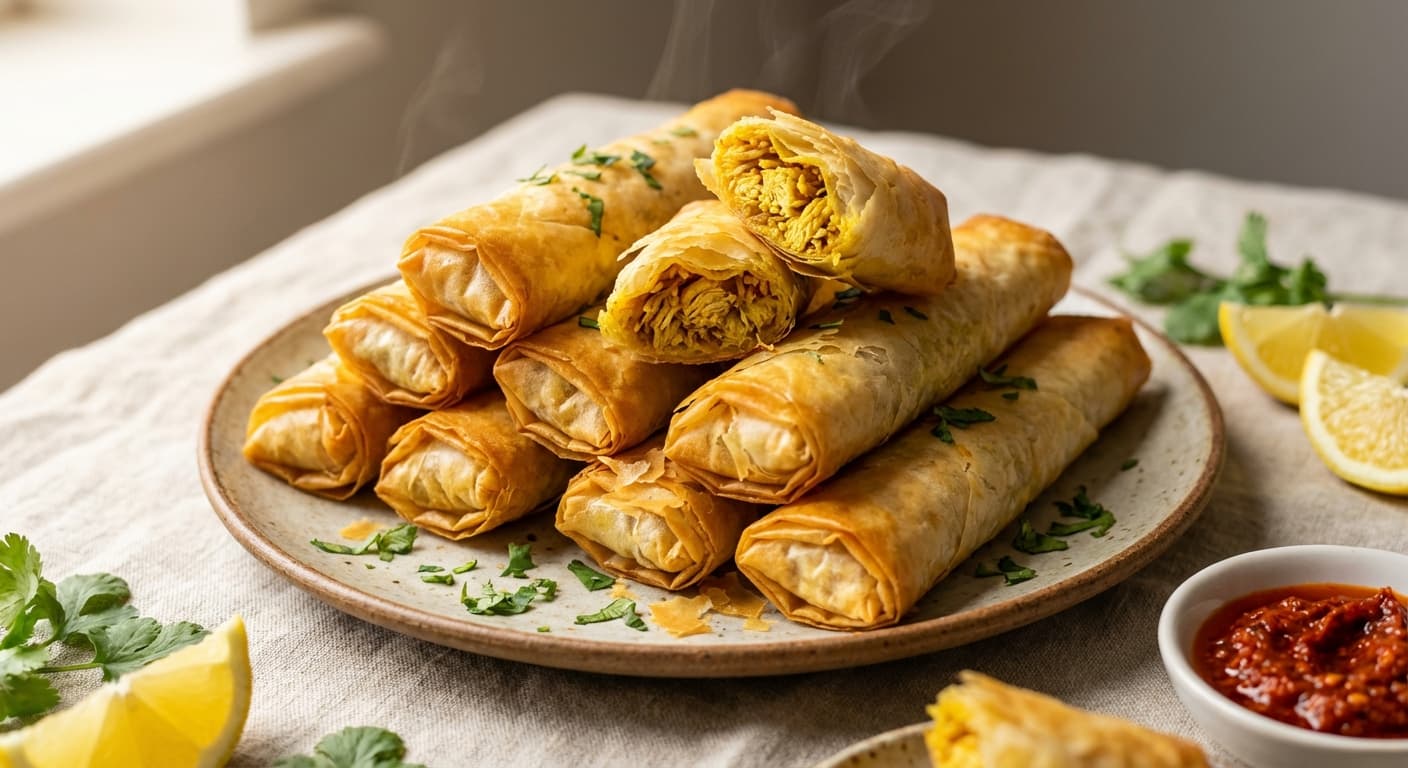
Moroccan Chicken Briouat (بريوات) — Crispy Phyllo Rolls with Chicken and Vermicelli
Moroccan · Appetizers · 80 min
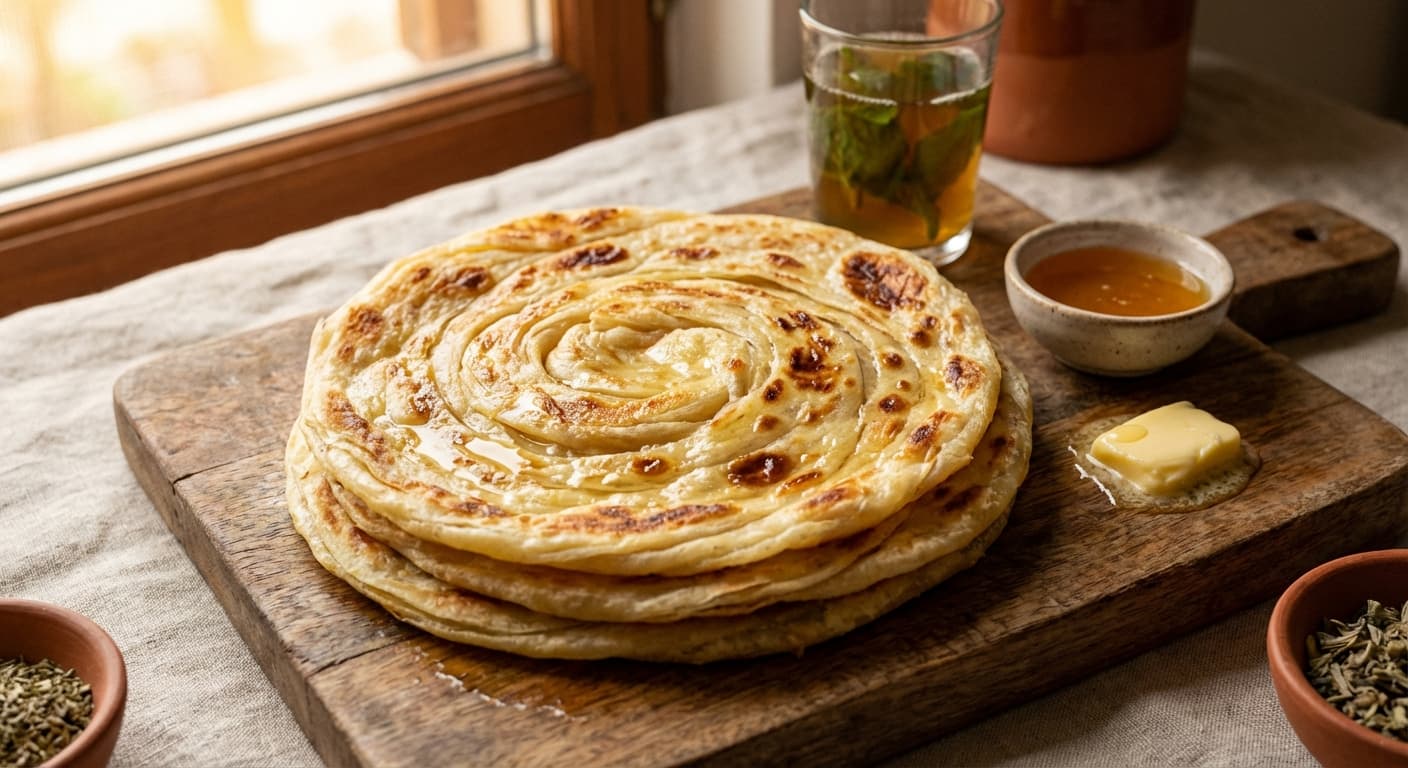
Meloui (ملوي) — Moroccan Spiral-Layered Pan-Fried Flatbread
Moroccan · Breads · 60 min
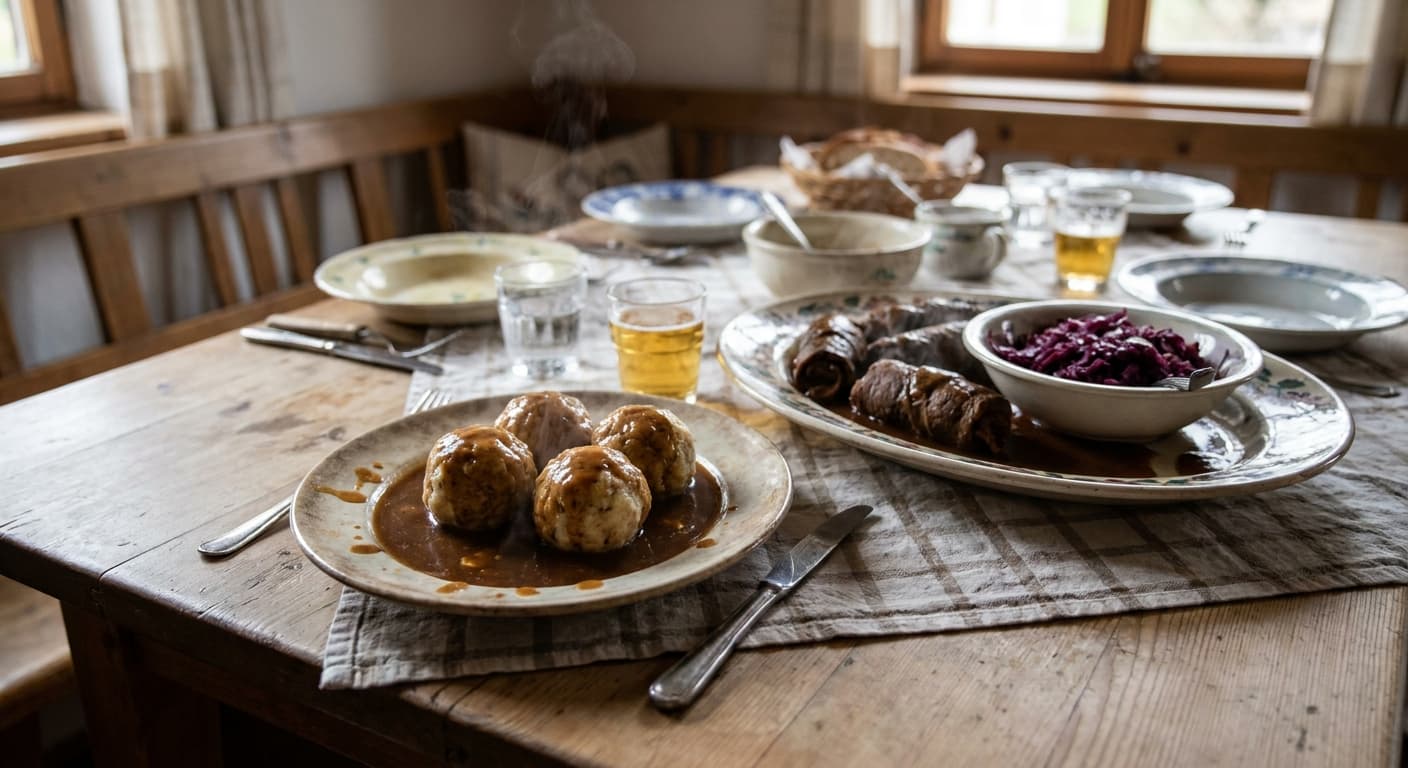
German Bread Dumplings (Semmelknödel) — Bavarian Bread Dumplings
German · Side Dishes · 50 min
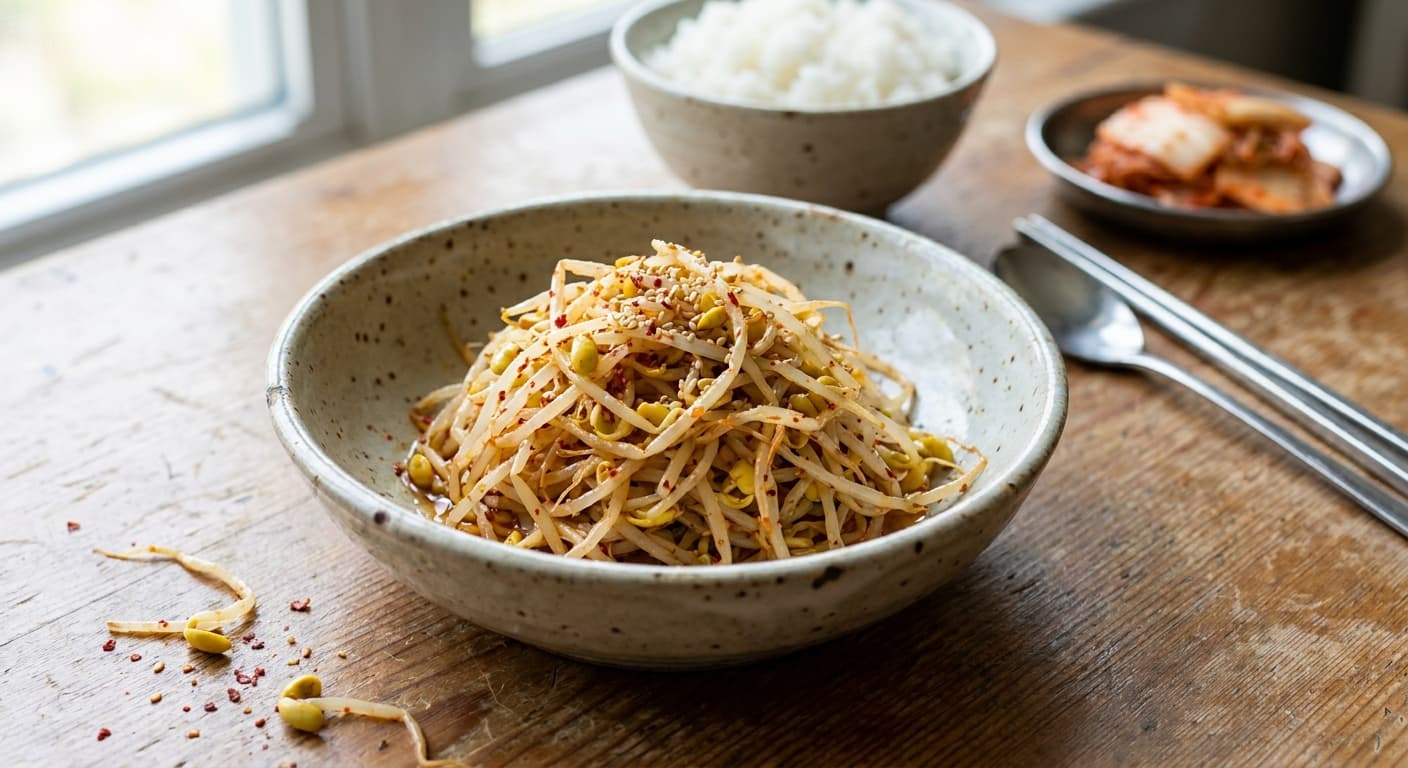
Kongnamul Muchim (콩나물무침) — Korean Seasoned Soybean Sprout Banchan
Korean · Side Dishes · 16 min
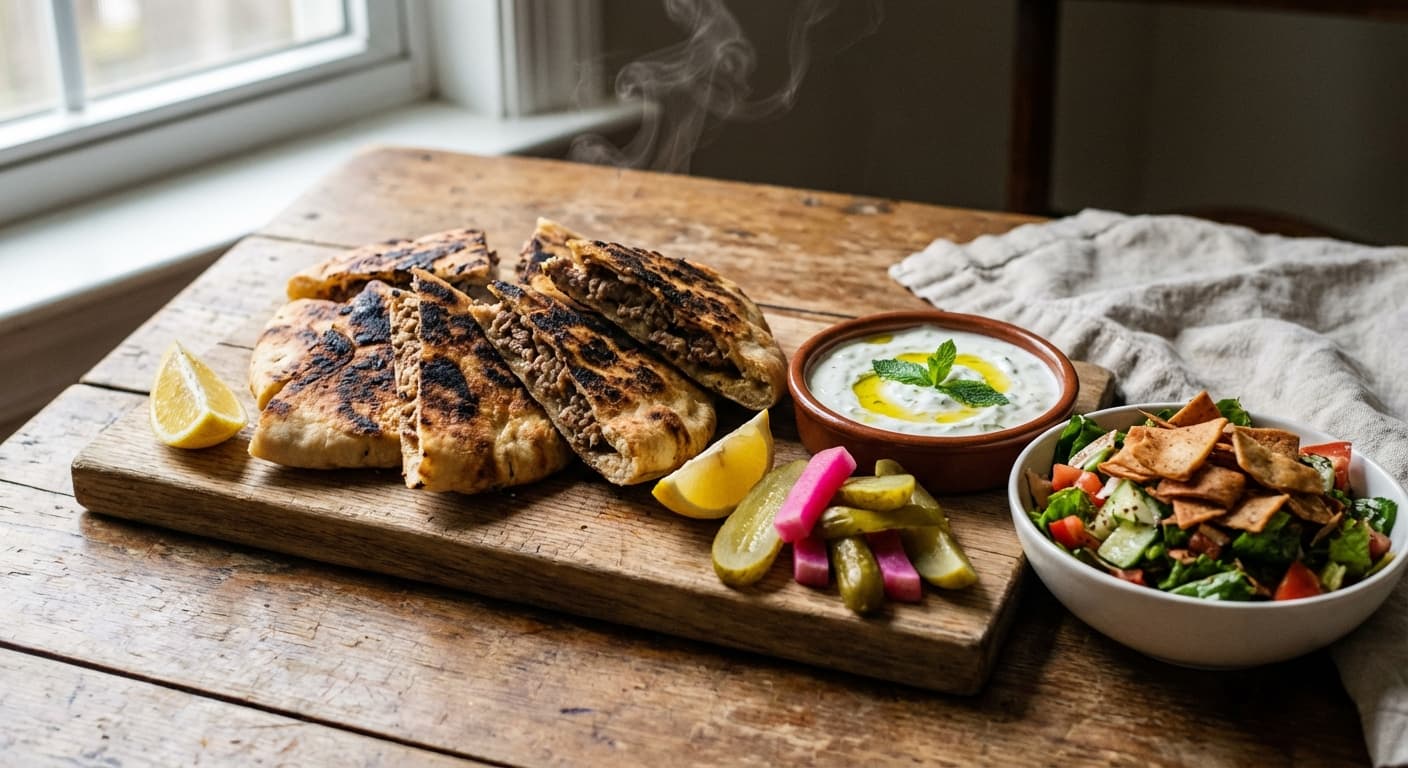
Arayess (عرايس) — Lebanese Grilled Stuffed Pita with Spiced Meat
Lebanese · Kebabs · 34 min
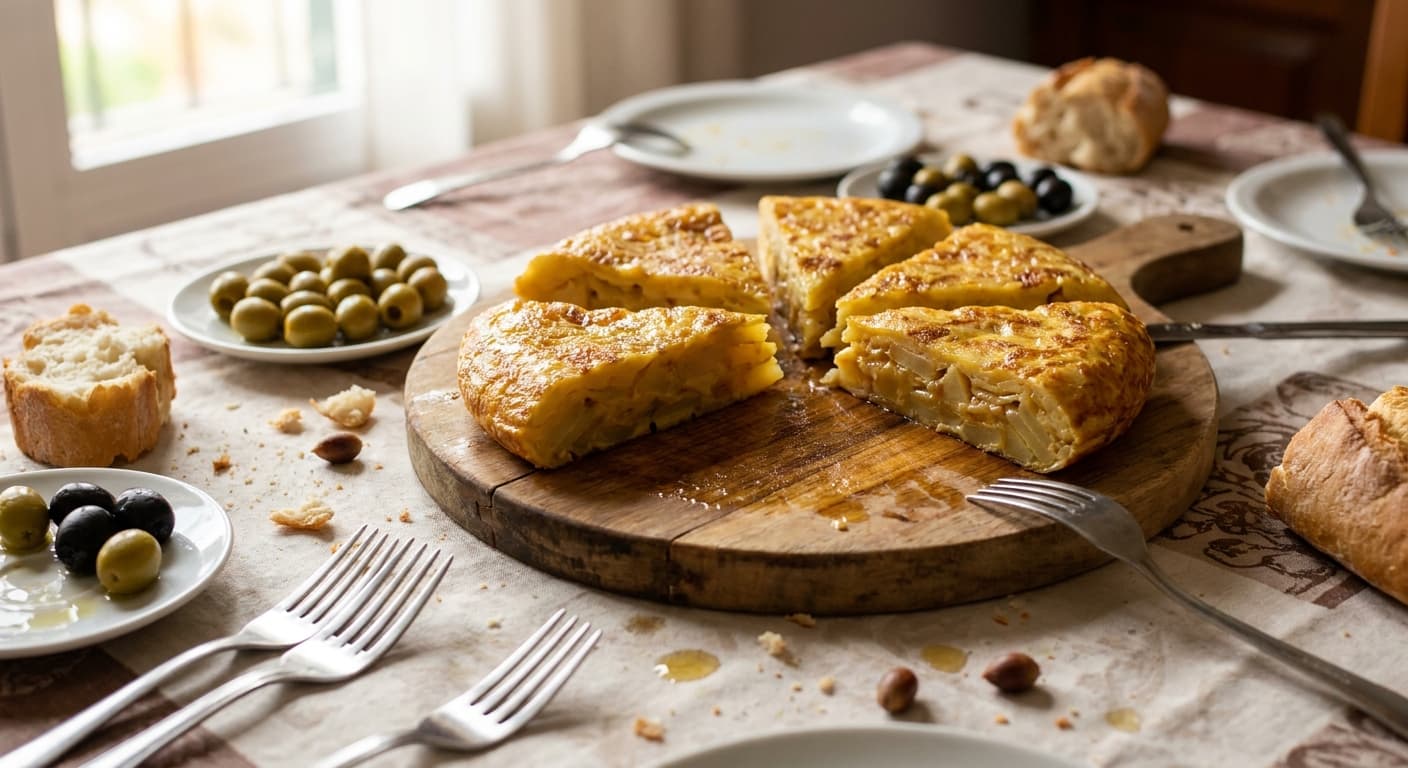
Spanish Potato Omelette (Tortilla Española) — Classic Potato and Egg Tortilla
Spanish · Main Courses · 55 min
Mloukhieh (ملوخية) — Lebanese Jew’s Mallow Stew with Chicken and Lemon
Lebanese · Stews · 90 min
Reviews
Cooked this recipe?
Tap the stars to rate it — that's all it takes. A few words are welcome but optional.
No ratings yet. Cooked this one? Be the first to rate it — it takes one tap.