Baghrir (بغرير) — Moroccan Thousand-Hole Semolina Pancakes
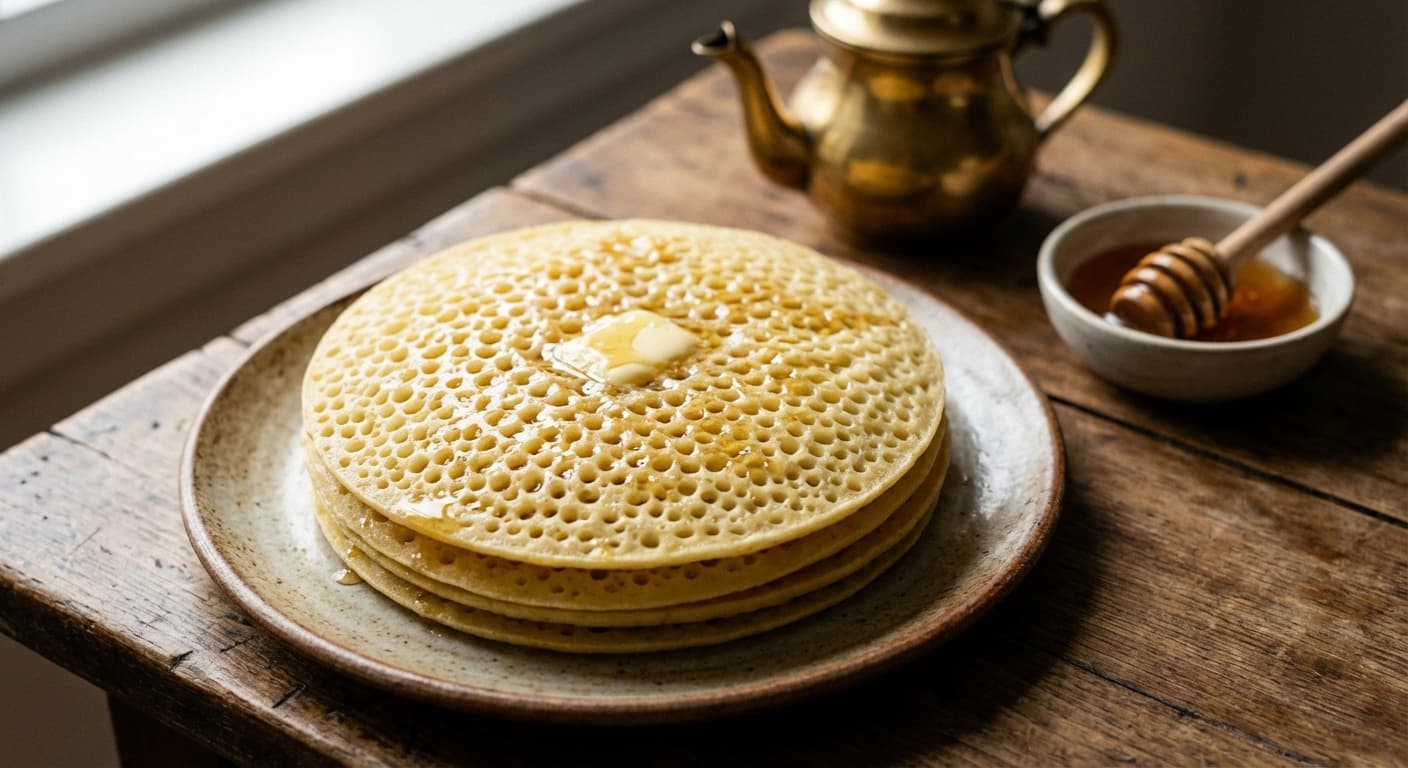
Baghrir are iconic Moroccan pancakes made from fine semolina and yeast, famous for their honeycomb of tiny holes. Traditionally served warm with butter and honey, they’re a beloved breakfast and Ramadan table staple across Morocco.
Printable Recipe Card
Servings: 6 · Total: 40 min · Difficulty: medium
Ingredients (quick list)
- 250 g fine semolina
- 50 g all-purpose flour
- 520 ml warm water (about 38–40°C for best yeast activity)
- 7 g instant yeast
- 8 g baking powder (about 2 tsp)
- 12 g granulated sugar (about 1 tbsp)
- 4 g fine salt (about 3/4 tsp)
- 10 ml white vinegar (about 2 tsp; helps open the crumb and holes)
- 10 ml neutral oil (for lightly greasing the pan)
- 60 g unsalted butter
- 90 g honey
Steps (summary)
- Add the fine semolina, flour, sugar, salt, instant yeast, and baking powder to a blender jar. Pour in 520 ml warm water and ble…
- Add the vinegar and blend for another 5 seconds to distribute it evenly. Pour the batter into a bowl, cover, and let it rest fo…
- After resting, stir the batter gently with a whisk for 10 seconds to even out the texture without knocking out all the bubbles.…
- Heat a nonstick skillet over medium heat for 3 minutes, then reduce to medium-low so the surface is hot but not smoking. Lightl…
- Pour about 80–90 ml batter into the center of the pan and let it spread naturally into a round pancake about 12–14 cm wide. Coo…
- Remove the baghrir to a clean towel-lined tray and do not flip it, as flipping seals the holes and toughens the crumb. Repeat w…
+ 1 more steps in the full instructions section below.
Cultural Background
Baghrir is a cherished Moroccan breakfast and teatime bread, especially popular during Ramadan when quick, comforting sweets are served at iftar. Its signature “thousand holes” symbolize skilled batter fermentation and careful pan heat management passed through home kitchens.
Equipment
💡 Tips
- Keep the pan at medium-low; too-hot heat sets the top before holes can form, while too-cool heat makes dense pancakes.
- Blend thoroughly; a smooth batter is key to even fermentation and a uniform field of tiny holes.
- Cook on one side only and remove as soon as the top looks dry to keep baghrir tender rather than chewy.
⚠️ Common Mistakes
❌ Pan is too hot, causing few holes and a rubbery top.
✅ Fix: Lower to medium-low and preheat longer; the batter should bubble steadily and dry on top in 2–3 minutes.
❌ Batter is too thick, leading to large holes and dense centers.
✅ Fix: Whisk in 20–40 ml warm water until it pours like heavy cream, then rest 2 minutes before cooking.
❌ Flipping the pancake like a regular crepe.
✅ Fix: Cook only on one side; remove when the surface is dry so the honeycomb stays open and tender.
🧊 How to Store
Cool baghrir completely, then stack with parchment between pieces and refrigerate in an airtight container for up to 3 days. Reheat 20–30 seconds in the microwave or steam 1 minute; avoid toasting, which dries them out and hardens the surface.
📅 Make Ahead
Blend the batter and refrigerate it covered for up to 12 hours; bring to room temperature for 20 minutes and whisk briefly before cooking. Cooked baghrir can be cooled, layered with parchment, and refrigerated for quick reheating.
🍽️ Pairs Well With
- Butter-honey sauce
- Moroccan mint tea
- amlou
- date syrup
- fresh figs.
Regional Variations
- Some Moroccan households add 5 ml orange blossom water to the batter or to the honey-butter for a floral finish.
- In parts of Algeria and Morocco, baghrir may be made slightly thicker and smaller, then stacked and soaked with warm honey.
- A more rustic version uses only semolina (no flour) for a grainier bite and slightly larger holes.
Ingredients
- 250 gfine semolina
- 50 gall-purpose flour
- 520 mlwarm water (about 38–40°C for best yeast activity)
- 7 ginstant yeast
- 8 gbaking powder (about 2 tsp)
- 12 ggranulated sugar (about 1 tbsp)
- 4 gfine salt (about 3/4 tsp)
- 10 mlwhite vinegar (about 2 tsp; helps open the crumb and holes)
- 10 mlneutral oil (for lightly greasing the pan)
- 60 gunsalted butter
- 90 ghoney
🔄 Substitutions
- fine semolina→
- instant yeast→
- white vinegar→
Instructions
- 1
Add the fine semolina, flour, sugar, salt, instant yeast, and baking powder to a blender jar. Pour in 520 ml warm water and blend for 60–90 seconds until the batter is completely smooth and slightly foamy.
- 2
Add the vinegar and blend for another 5 seconds to distribute it evenly. Pour the batter into a bowl, cover, and let it rest for 10 minutes so the semolina hydrates and the yeast begins to activate.
- 3
After resting, stir the batter gently with a whisk for 10 seconds to even out the texture without knocking out all the bubbles. The batter should pour like heavy cream; if it seems too thick, whisk in 20–40 ml warm water and rest 2 minutes before cooking.
- 4
Heat a nonstick skillet over medium heat for 3 minutes, then reduce to medium-low so the surface is hot but not smoking. Lightly wipe the pan with 2 ml oil on a folded paper towel; the pan should be barely greased, not slick.
- 5
Pour about 80–90 ml batter into the center of the pan and let it spread naturally into a round pancake about 12–14 cm wide. Cook on one side only for 2–3 minutes until the surface is covered with holes and looks dry with no wet batter remaining.
- 6
Remove the baghrir to a clean towel-lined tray and do not flip it, as flipping seals the holes and toughens the crumb. Repeat with the remaining batter, re-oiling the pan very lightly only if you notice sticking.
- 7
Warm the butter and honey together in a small pan over low heat for 1–2 minutes until fluid and combined. Serve the baghrir warm, hole-side up, spooning about 25 g honey and 10 g butter per serving so it soaks into the honeycomb.
🪪 Recipe Passport
Cultural Background
Baghrir is a cherished Moroccan breakfast and teatime bread, especially popular during Ramadan when quick, comforting sweets are served at iftar. Its signature “thousand holes” symbolize skilled batter fermentation and careful pan heat management passed through home kitchens.
Regional Variations
Researched from multiple sources and validated by the Zaffaron editorial team. Every recipe is tested for accuracy, measurements, and cultural authenticity.
Nutrition per serving
Pairs well with
If you enjoyed this recipe, here are a few related Zaffaron recipes to try next.
- Kefta Tagine with Eggs (طاجين الكفتة بالبيض) — Moroccan Meatballs in Tomato Sauce
- Bakoula (باقولة) — Moroccan Stewed Mallow Greens with Garlic and Preserved Lemon
- Briwat bil Louz (بريوات باللوز) — Moroccan Almond-filled Briouats Dipped in Honey
- Ghriba (غريبة) — Moroccan crumbly almond or coconut cookies
Does your family make this differently?
Every family has their own version. Maybe your grandmother adds a secret ingredient, or your aunt has a completely different technique. Preserve your family's version — with their name on it, forever.
You Might Also Like
Bakoula (باقولة) — Moroccan Stewed Mallow Greens with Garlic and Preserved Lemon
Moroccan · Side Dishes · 55 min
Chorba (شوربة) — Moroccan Light Vermicelli Soup with Lamb and Celery
Moroccan · Soups · 95 min
Tajine Lham b Barqouq (طاجين لحم بالبرقوق) — Moroccan Lamb Tagine with Prunes and Toasted Almonds
Moroccan · Stews · 145 min
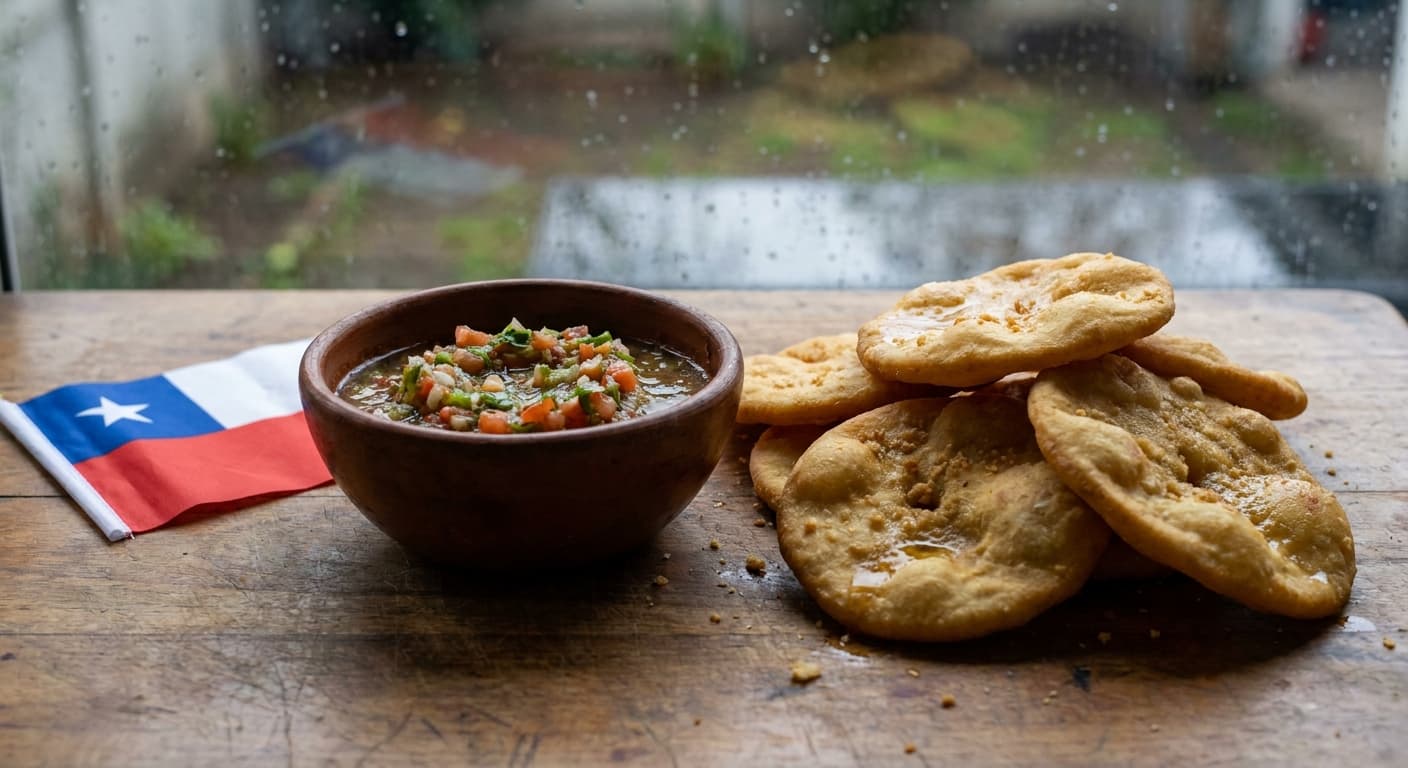
Chilean Pumpkin Sopaipillas (Sopaipillas Chilenas) — Fried Squash Breads with Pebre
Chilean · Breads · 60 min
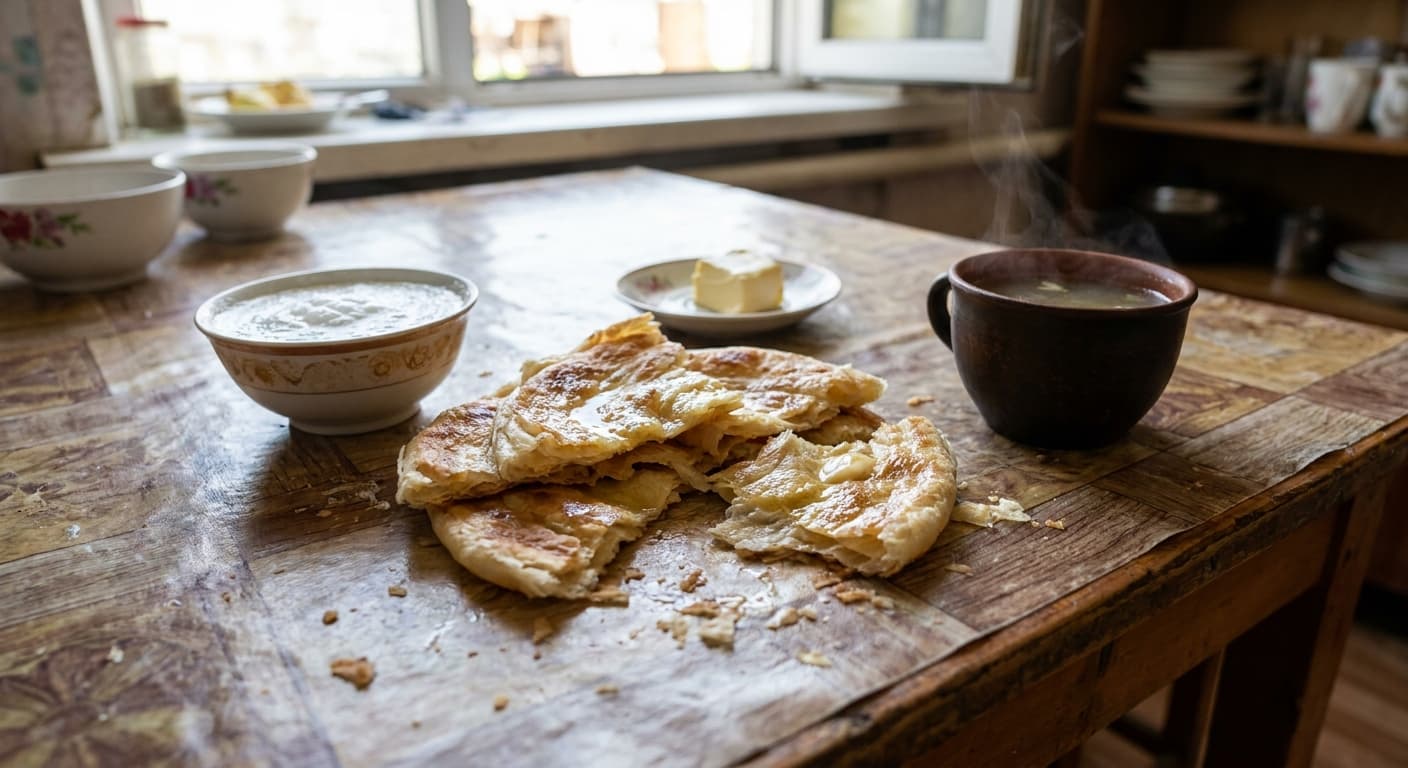
Kyrgyz Kattama (Каттама) — Layered Onion Flatbread
Kyrgyz · Breads · 53 min
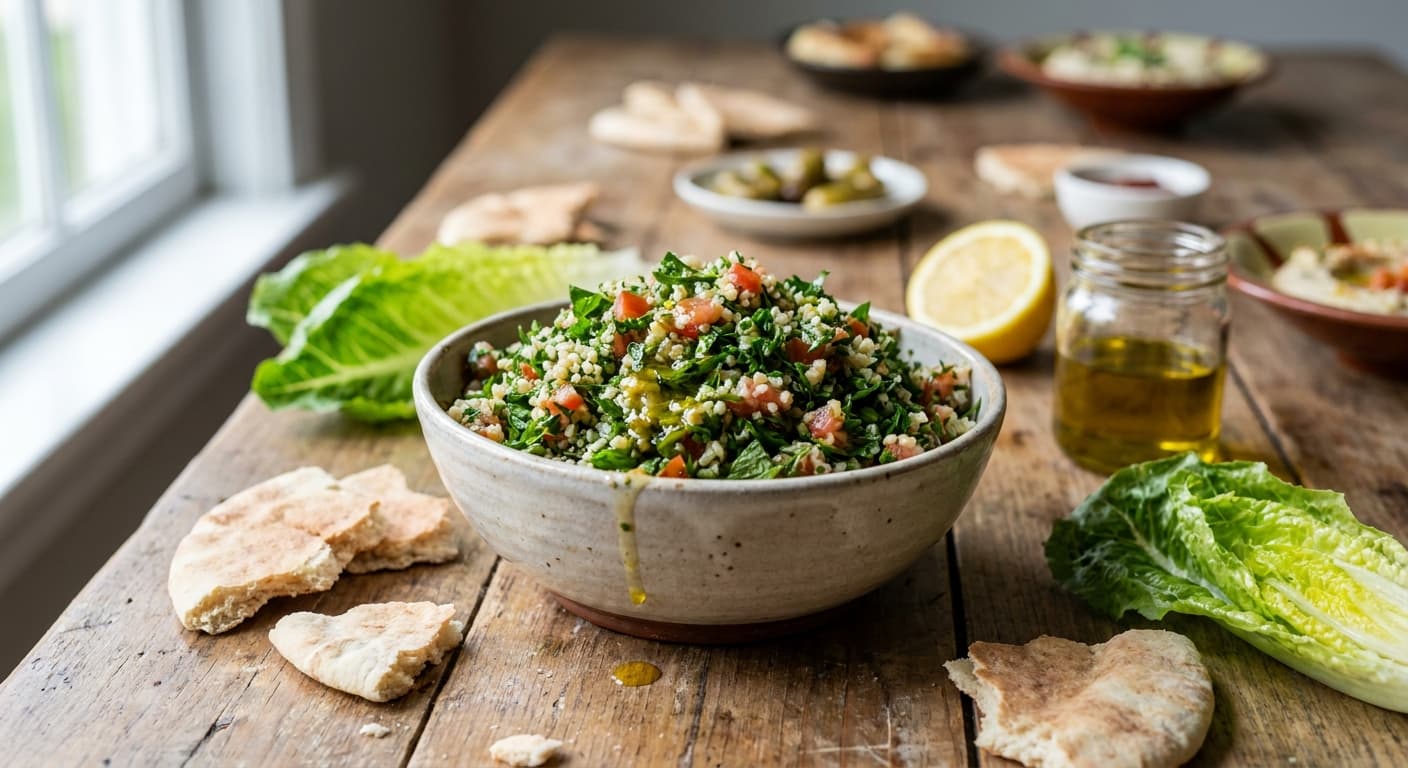
Lebanese Tabbouleh (تبولة لبنانية) — Parsley Bulgur Herb Salad
Lebanese · Salads · 35 min
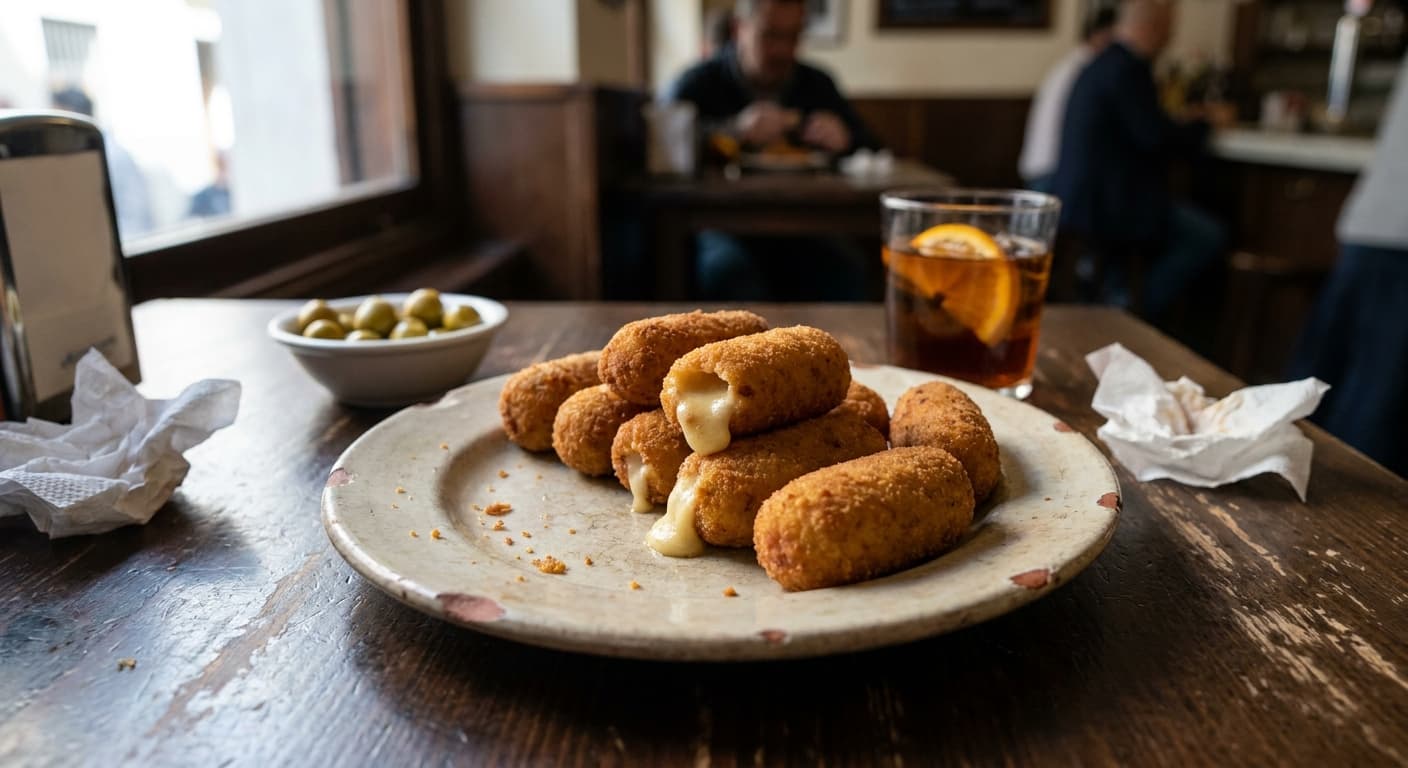
Spanish Ham Croquettes (Croquetas de Jamón) — Crisp Tapas with Creamy Ham Béchamel
Spanish · Appetizers · 70 min
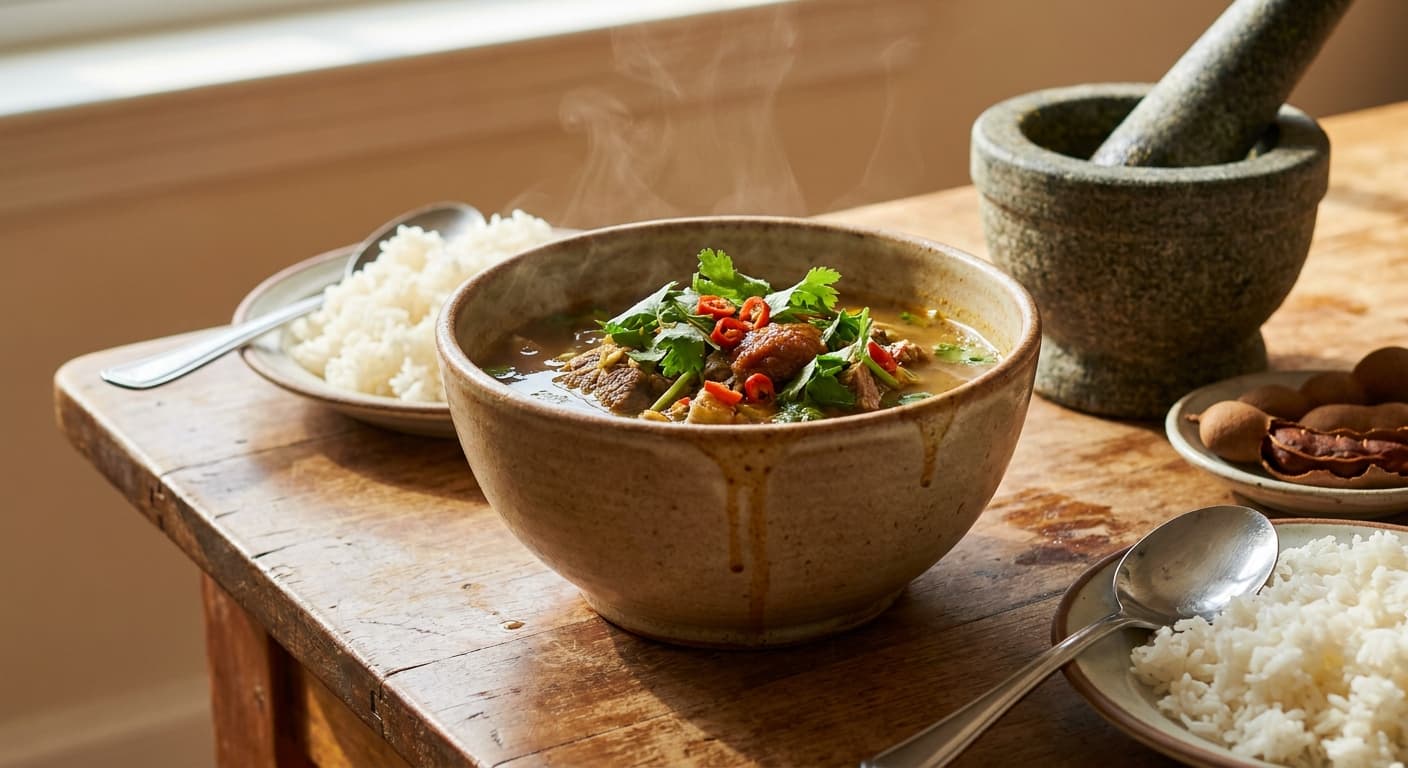
Samlor Machu Kroeung (សម្លម្ជូរគ្រឿង) — Cambodian Sour Kroeung Beef Soup
Cambodian · Soups · 130 min
Reviews
Cooked this recipe?
Tap the stars to rate it — that's all it takes. A few words are welcome but optional.
No ratings yet. Cooked this one? Be the first to rate it — it takes one tap.