Harcha (حرشة) — Moroccan Semolina Griddle Bread
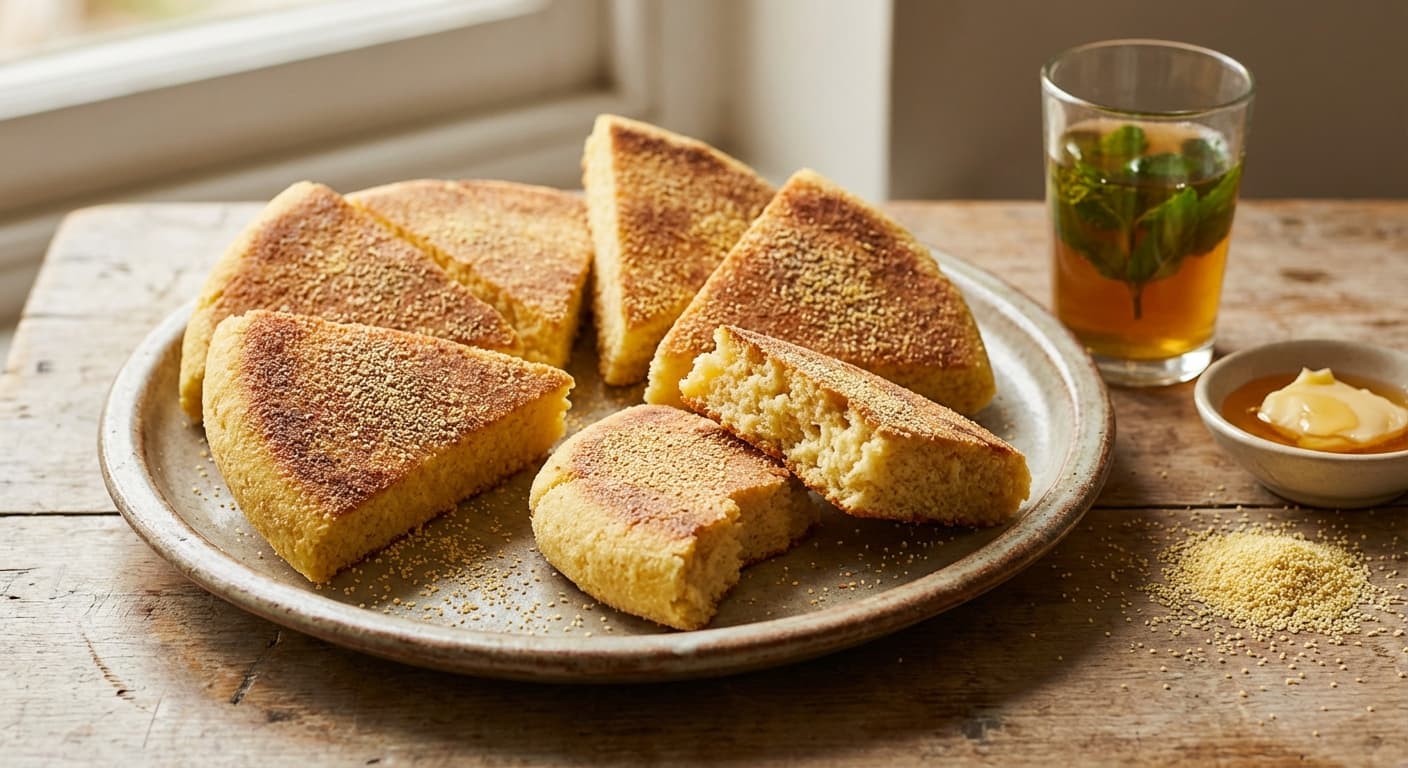
Harcha is a beloved Moroccan pan-griddled bread made with semolina and butter, often served warm at breakfast or tea time. Its crisp, sandy crust and tender interior make it perfect with honey, jam, or cheese.
Printable Recipe Card
Servings: 6 · Total: 35 min · Difficulty: easy
Ingredients (quick list)
- 300 g fine semolina (plus 20 g for coating)
- 60 g all-purpose flour (helps bind and soften the crumb)
- 8 g baking powder (about 2 tsp)
- 12 g granulated sugar (about 1 tbsp)
- 4 g salt (about 3/4 tsp)
- 85 g unsalted butter (melted and cooled to warm)
- 180 ml milk (warm, about 40°C)
- 5 ml neutral oil (for lightly greasing the pan)
Steps (summary)
- In a wide bowl, whisk together the fine semolina, flour, baking powder, sugar, and salt until evenly combined. Add the melted b…
- Pour in the warm milk gradually while mixing with your hand or a spoon, just until a soft dough forms and no dry pockets remain…
- Cover the bowl and let the dough rest for 10 minutes so the semolina hydrates and firms up. During this rest, set out 20 g fine…
- Turn the dough onto the semolina-coated plate and pat it into a round about 18 cm wide and 1.5 cm thick. Coat both sides lightl…
- Lightly grease the warm pan with the neutral oil, then place the harcha pieces in a single layer with space between them. Cook…
- Transfer the cooked harcha to a rack and rest for 5 minutes to set the crumb and preserve the crust. Serve warm with 30 g honey…
Cultural Background
Harcha is a staple of Moroccan ftour and afternoon tea, valued for its quick griddle method and comforting semolina flavor. Served with honey or cheese, it reflects the Maghrebi tradition of simple breads made daily for hospitality and warmth.
Equipment
💡 Tips
- Keep the heat low and steady; harcha browns quickly, and a gentle pan prevents a dark crust with a raw center.
- Rub the butter into the semolina thoroughly to get the signature sandy texture and even crumb.
- For extra tenderness, rest the shaped dough 5 minutes before cooking so the semolina fully hydrates.
⚠️ Common Mistakes
❌ Cooking over medium or high heat, causing a burnt exterior and undercooked center.
✅ Fix: Use low heat and extend the cooking time; aim for 6–8 minutes per side and let the pan preheat gently.
❌ Kneading the dough like bread, making harcha tough.
✅ Fix: Mix just until combined and press the dough together briefly; the texture should stay sandy and tender.
❌ Skipping the rest, leading to a crumbly dough that cracks when shaped.
✅ Fix: Rest the dough 10 minutes so the semolina hydrates; if still dry, add 10 ml warm milk and fold gently.
🧊 How to Store
Cool completely, then store airtight at room temperature for up to 24 hours or refrigerate for up to 3 days. Reheat in a dry skillet over low heat for 2–3 minutes per side, or warm at 160°C for 6–8 minutes to restore the crust.
📅 Make Ahead
Mix the dry ingredients up to 2 days ahead and store airtight. You can also shape the dough, cover well, and refrigerate for up to 12 hours; bring to room temperature for 15 minutes before griddling.
🍽️ Pairs Well With
- Moroccan mint tea
- honey and butter
- apricot jam
- soft cheese
- olives.
Regional Variations
- Whole-semolina harcha: made without flour for a more rustic, crumbly bite and deeper semolina flavor.
- Sweet harcha: sugar increased to 25 g and served with honey and orange blossom water.
- Stuffed harcha: split and filled with fresh cheese or amlou for a richer tea-time treat.
Ingredients
- 300 gfine semolina (plus 20 g for coating)
- 60 gall-purpose flour (helps bind and soften the crumb)
- 8 gbaking powder (about 2 tsp)
- 12 ggranulated sugar (about 1 tbsp)
- 4 gsalt (about 3/4 tsp)
- 85 gunsalted butter (melted and cooled to warm)
- 180 mlmilk (warm, about 40°C)
- 5 mlneutral oil (for lightly greasing the pan)
🔄 Substitutions
- milk→ water
- unsalted butter→ ghee
- all-purpose flour→ fine semolina
Instructions
- 1
In a wide bowl, whisk together the fine semolina, flour, baking powder, sugar, and salt until evenly combined. Add the melted butter and rub it in with your fingertips for 2 minutes, until the mixture looks like damp sand and holds a loose clump when squeezed.
- 2
Pour in the warm milk gradually while mixing with your hand or a spoon, just until a soft dough forms and no dry pockets remain. Do not knead; instead, press and fold the dough for about 20 seconds to bring it together while keeping the crumb tender.
- 3
Cover the bowl and let the dough rest for 10 minutes so the semolina hydrates and firms up. During this rest, set out 20 g fine semolina on a plate for coating and place a skillet or griddle over low heat to preheat gently.
- 4
Turn the dough onto the semolina-coated plate and pat it into a round about 18 cm wide and 1.5 cm thick. Coat both sides lightly with semolina, then cut into 6 equal wedges, or use a cutter to make 6 rounds for a more uniform look.
- 5
Lightly grease the warm pan with the neutral oil, then place the harcha pieces in a single layer with space between them. Cook on low heat for 6–8 minutes per side, turning once, until deeply golden with a crisp crust; keep the heat low so the center cooks through without scorching.
- 6
Transfer the cooked harcha to a rack and rest for 5 minutes to set the crumb and preserve the crust. Serve warm with 30 g honey per serving or 20 g jam per serving for a classic Moroccan tea-time presentation.
🪪 Recipe Passport
Cultural Background
Harcha is a staple of Moroccan ftour and afternoon tea, valued for its quick griddle method and comforting semolina flavor. Served with honey or cheese, it reflects the Maghrebi tradition of simple breads made daily for hospitality and warmth.
Regional Variations
Researched from multiple sources and validated by the Zaffaron editorial team. Every recipe is tested for accuracy, measurements, and cultural authenticity.
Nutrition per serving
Pairs well with
If you enjoyed this recipe, here are a few related Zaffaron recipes to try next.
Does your family make this differently?
Every family has their own version. Maybe your grandmother adds a secret ingredient, or your aunt has a completely different technique. Preserve your family's version — with their name on it, forever.
You Might Also Like
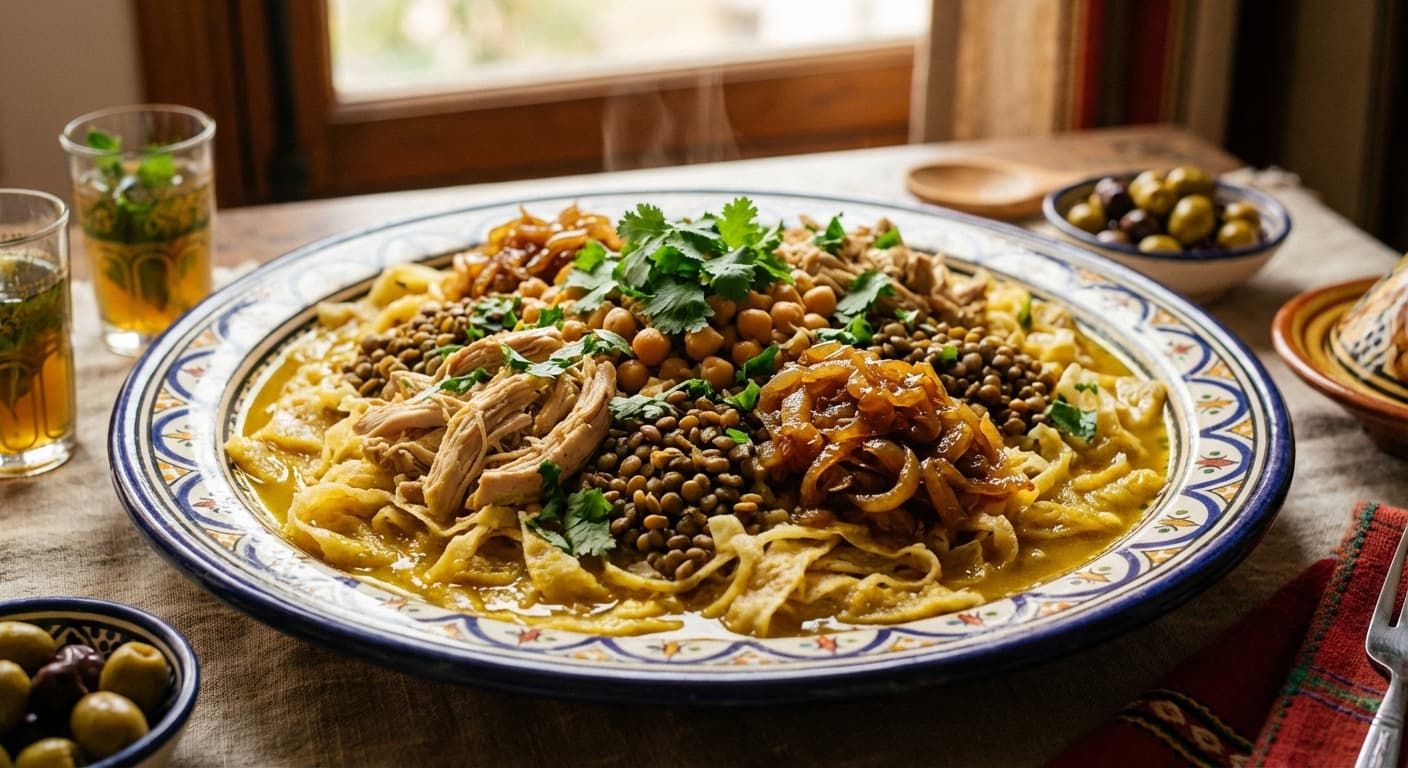
Rfissa (رفيسة) — Moroccan Shredded Flatbread with Chicken and Lentils
Moroccan · Main Courses · 135 min
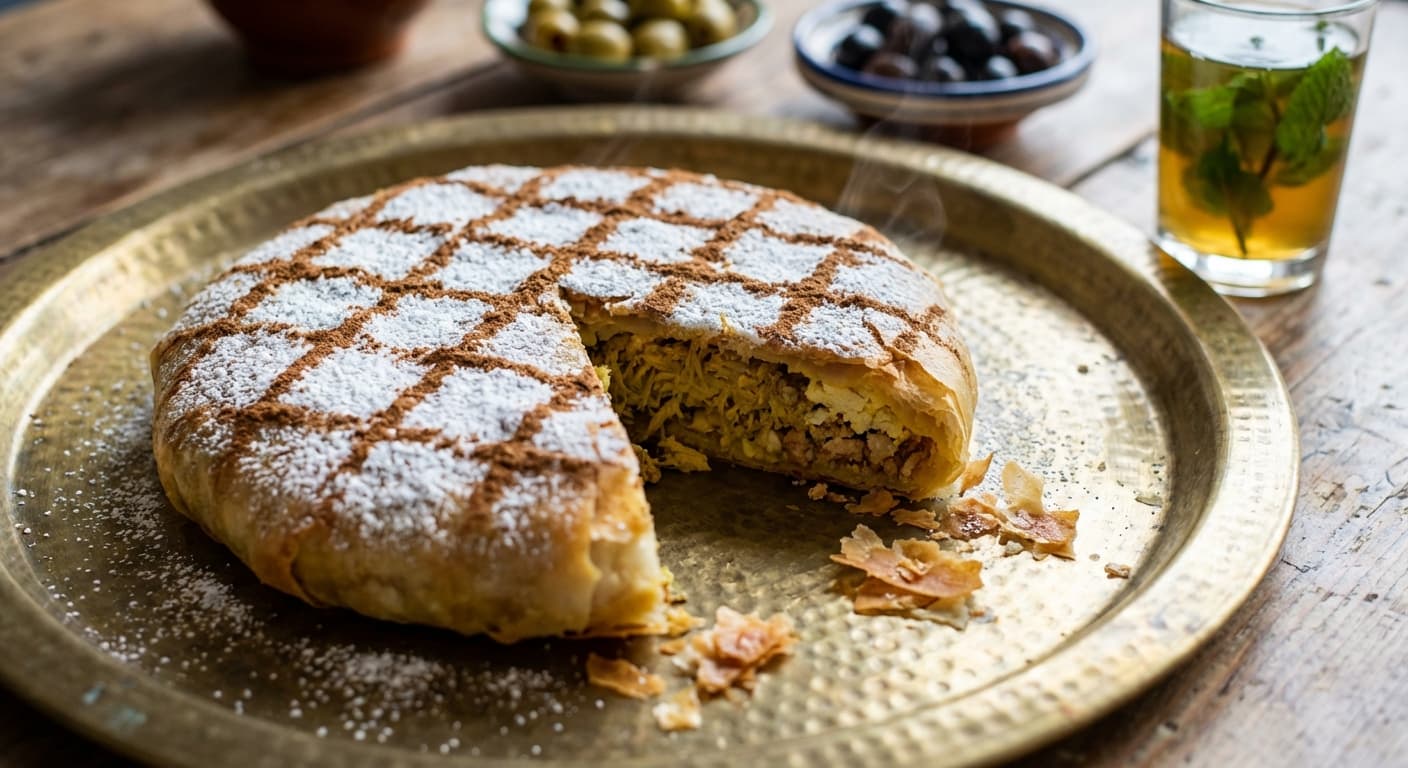
Pastilla (بسطيلة) — Moroccan Pigeon Pie with Almonds and Cinnamon
Moroccan · Main Courses · 150 min
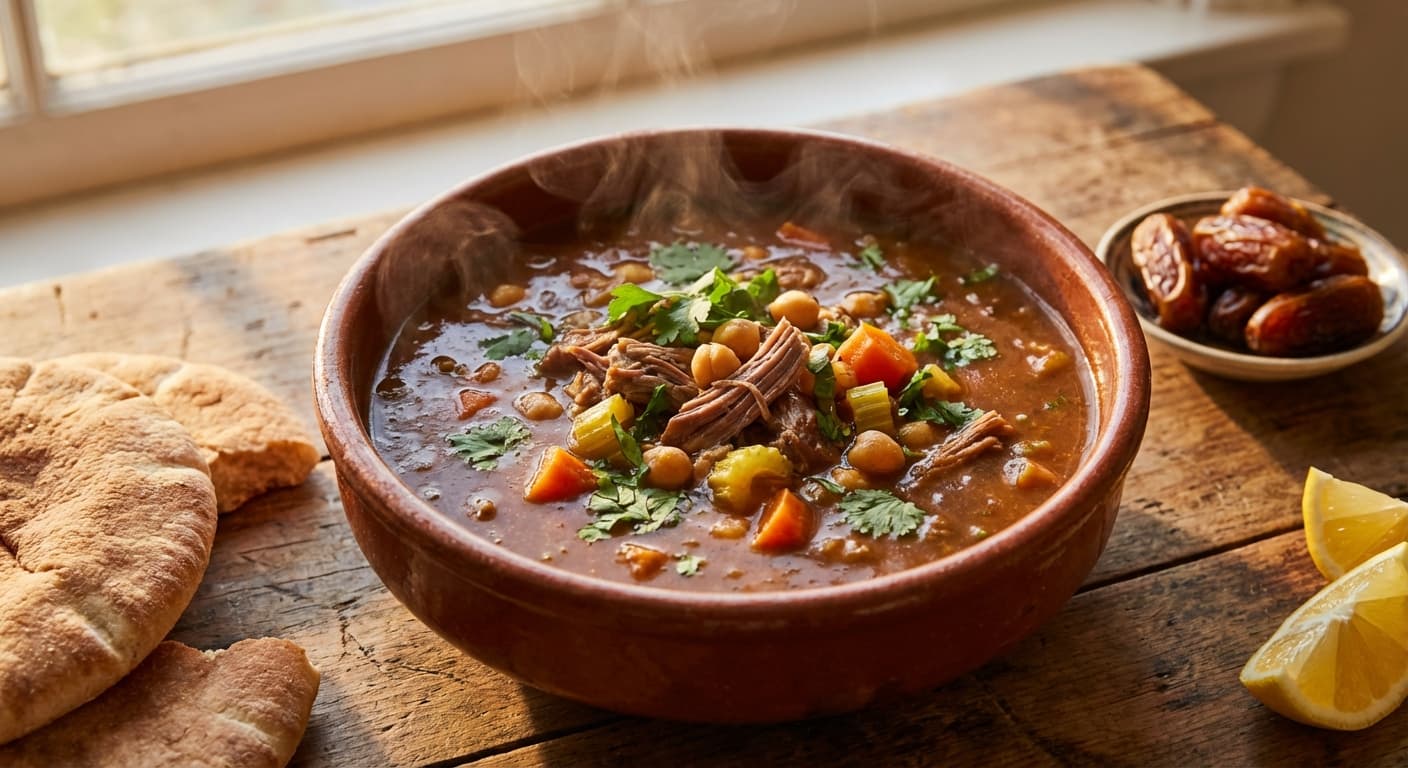
Marrakeshi Harira (حريرة مراكشية) — Moroccan Lamb and Chickpea Soup
Moroccan · Soups · 175 min
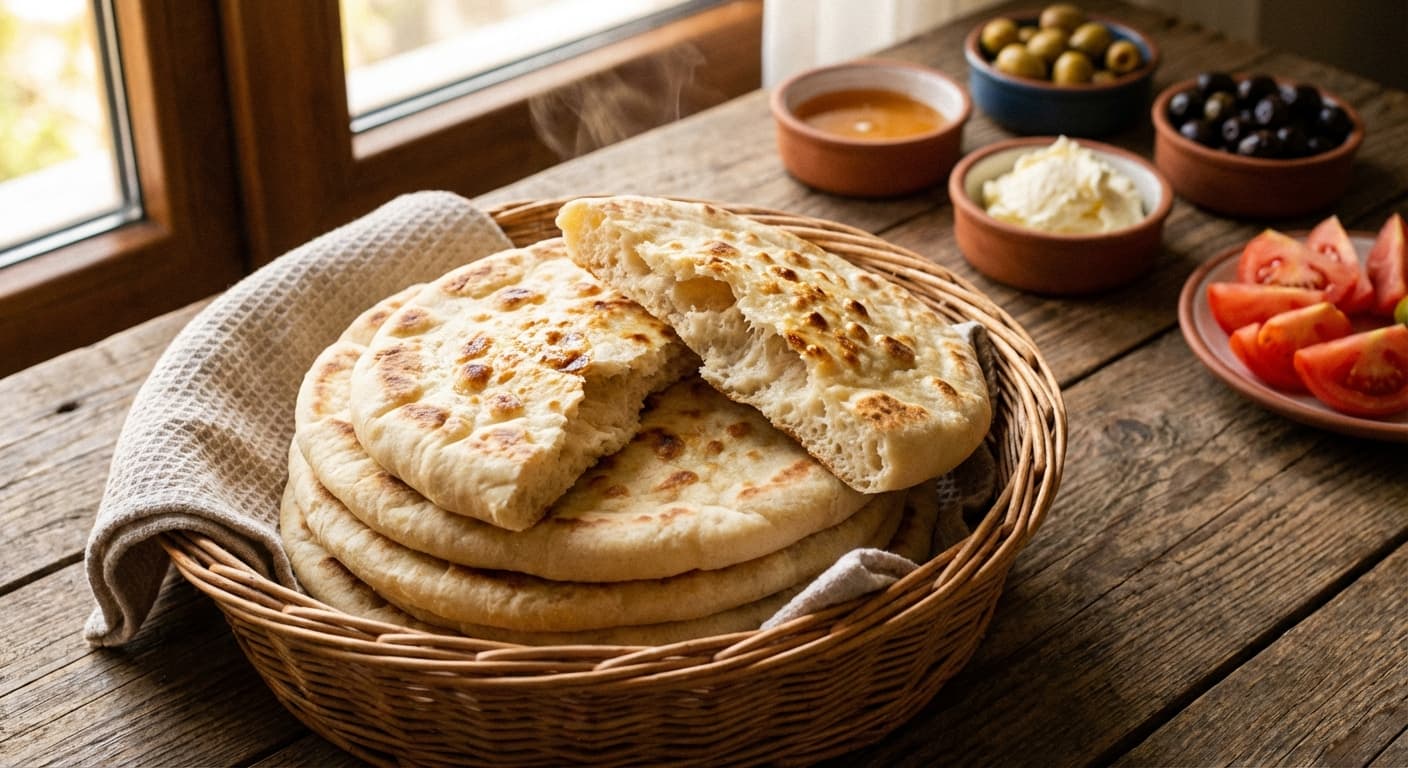
Bazlama (بازلاما) — Puffy Turkish Village Flatbread Cooked on a Saj
Turkish · Breads · 38 min
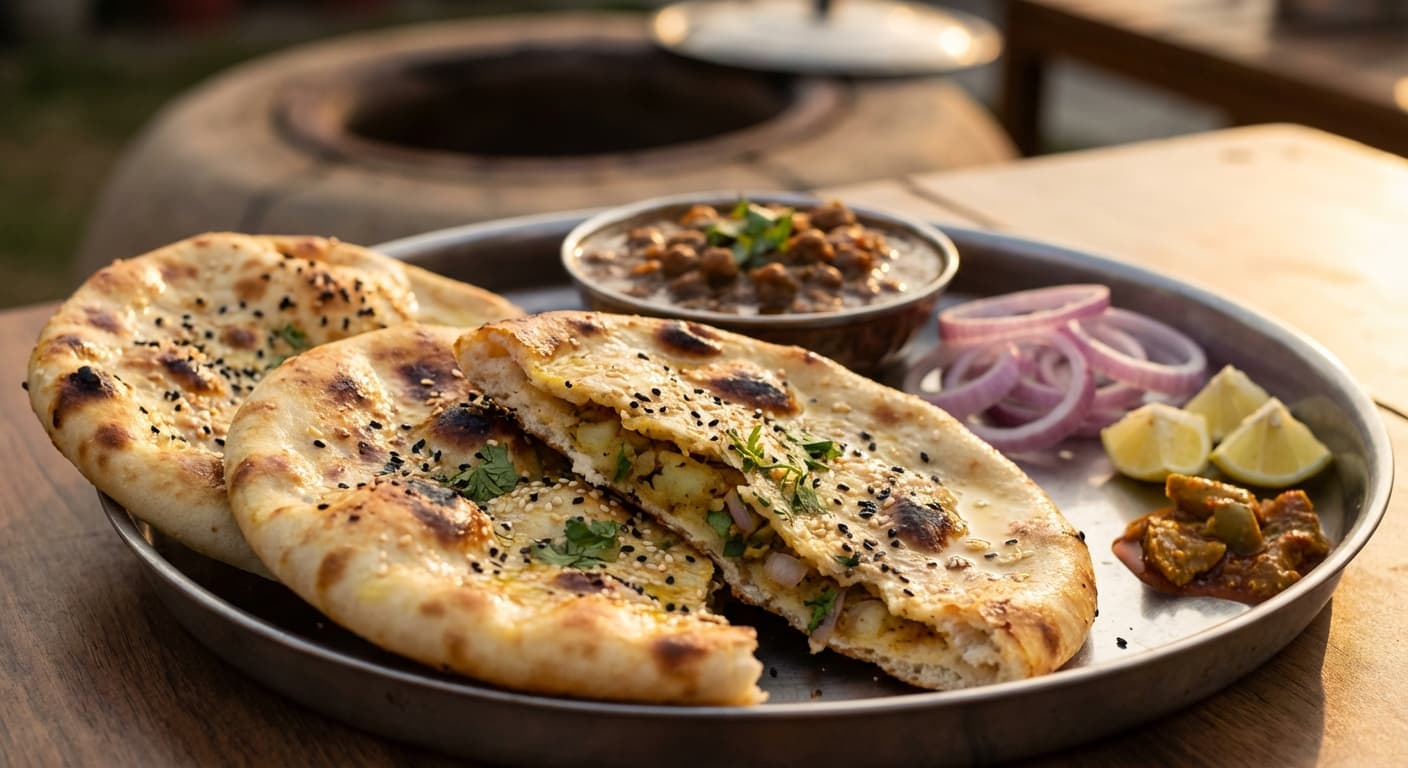
Amritsari Kulcha (अमृतसरी कुलचा) — Tandoor-Baked Stuffed Leavened Bread
Indian · Breads · 65 min
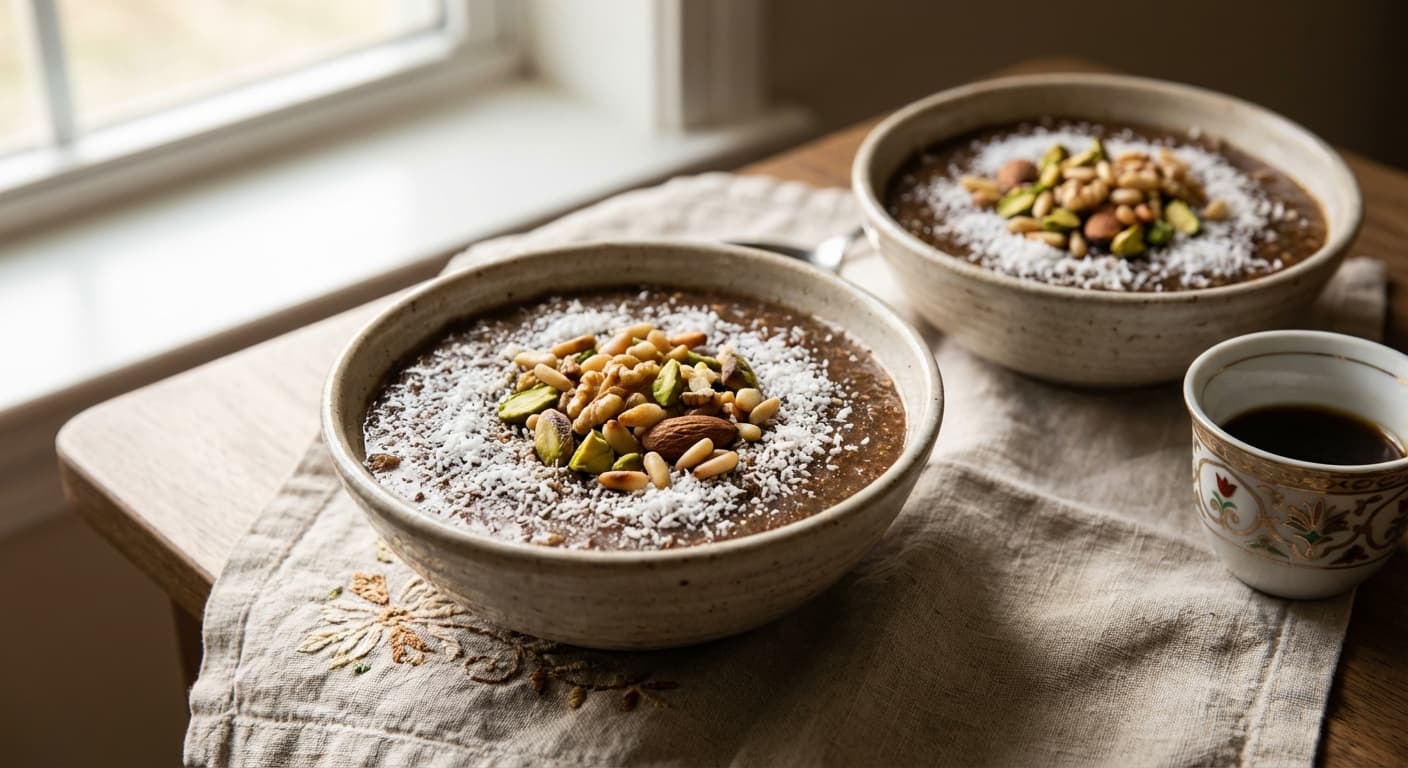
Meghli (مغلي) — Lebanese Spiced Rice Pudding with Nuts
Lebanese · Desserts · 40 min
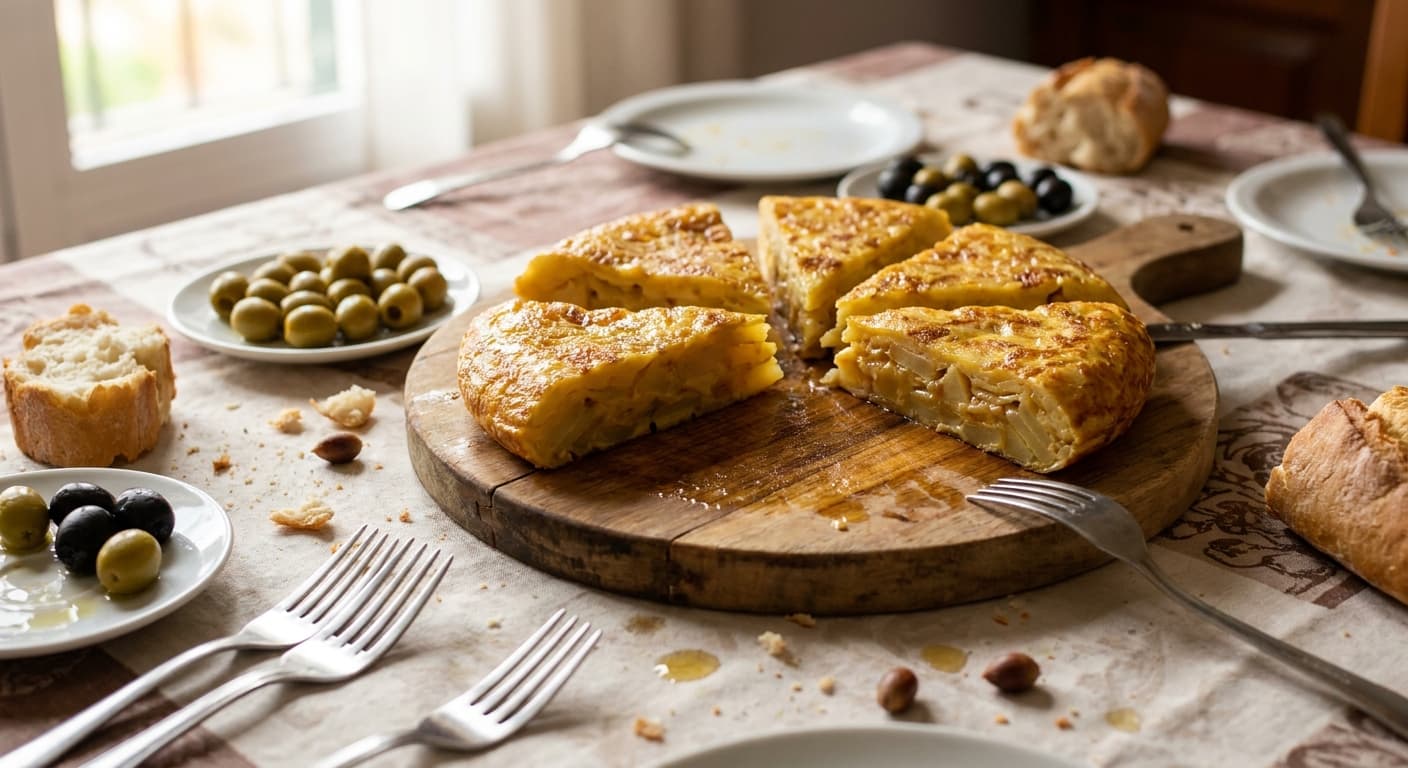
Spanish Potato Omelette (Tortilla Española) — Classic Potato and Egg Tortilla
Spanish · Main Courses · 55 min
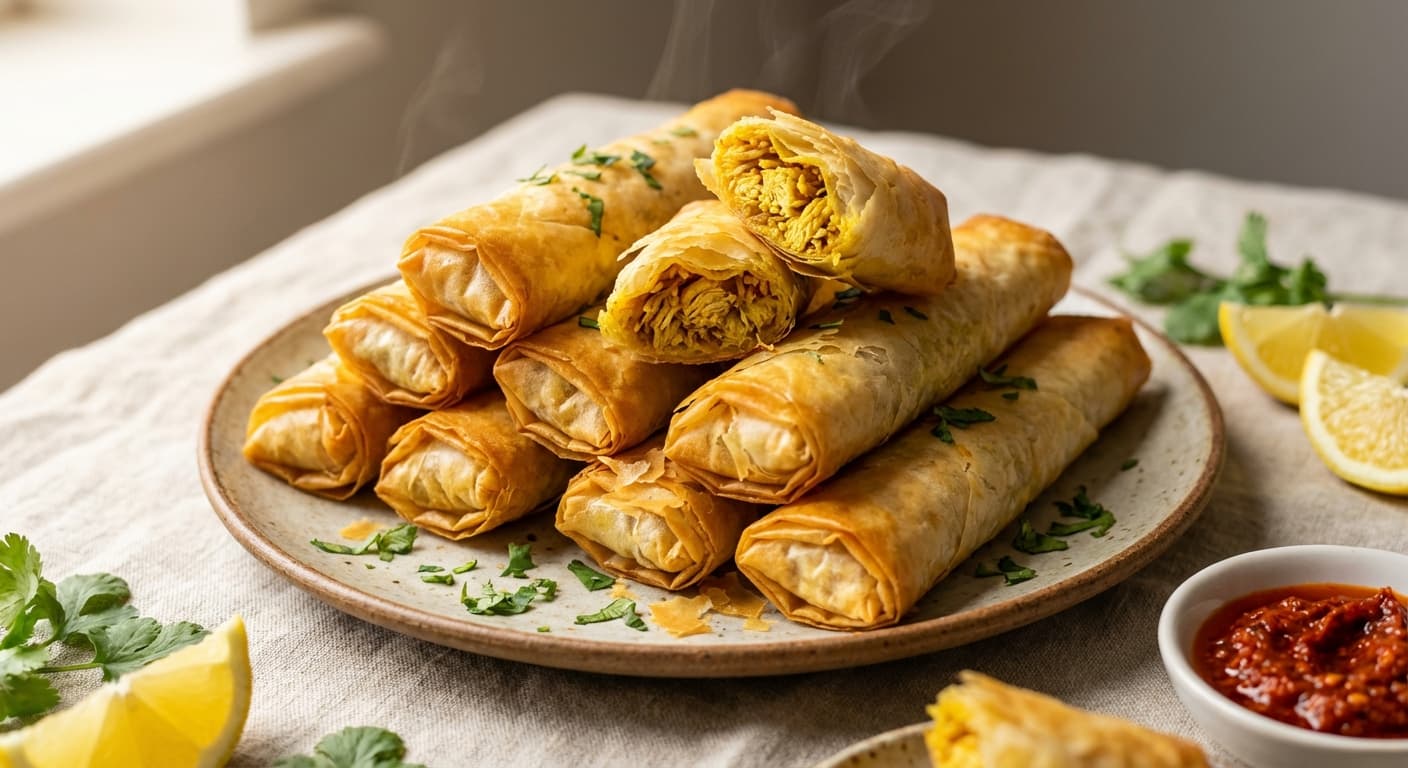
Moroccan Chicken Briouat (بريوات) — Crispy Phyllo Rolls with Chicken and Vermicelli
Moroccan · Appetizers · 80 min
Reviews
Cooked this recipe?
Tap the stars to rate it — that's all it takes. A few words are welcome but optional.
No ratings yet. Cooked this one? Be the first to rate it — it takes one tap.