Dry-Fried Green Beans (干煸四季豆) — Sichuan Wok-Blistered Beans with Pork
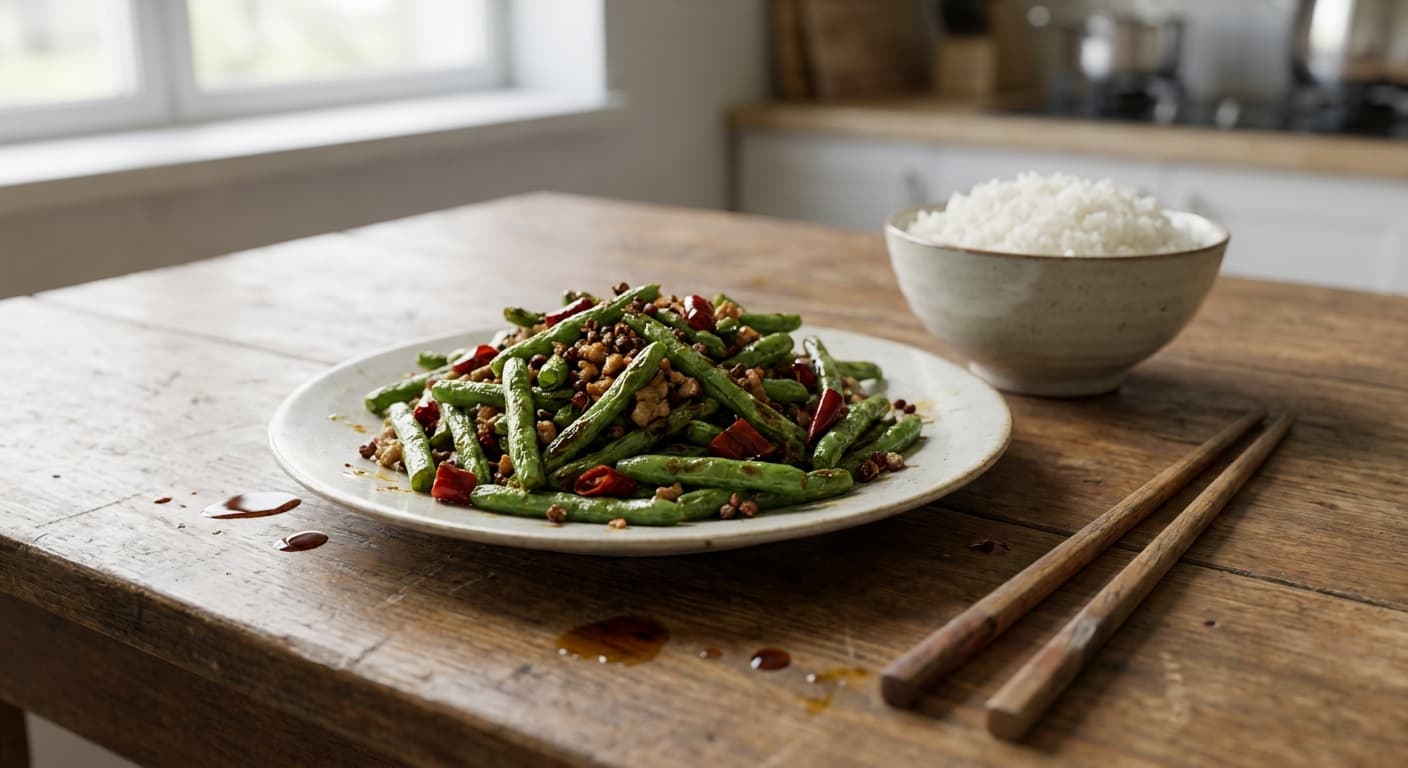
Ganbian Sijidou is a classic Sichuan dry-fry dish where green beans are blistered in a hot wok, then tossed with minced pork, ya cai, soy sauce, Shaoxing wine, ginger, garlic, and chiles. The result is savory, wrinkled, aromatic, and deeply moreish.
Printable Recipe Card
Servings: 4 · Total: 27 min · Difficulty: medium
Ingredients (quick list)
- 500 g green beans (trimmed and thoroughly dried)
- 120 g minced pork (preferably 15 percent fat)
- 60 ml neutral cooking oil
- 50 g ya cai preserved mustard greens (Sichuan preserved vegetable, chopped if coarse)
- 3 clove garlic (finely chopped)
- 1 inch fresh ginger (peeled and finely chopped)
- 2 scallions (white and green parts thinly sliced)
- 6 dried red chiles (cut into short segments, seeds shaken out for milder heat)
- 1 tsp Sichuan peppercorns (lightly crushed)
- 1.5 tbsp light soy sauce
- 1 tbsp Shaoxing wine
- 1 tsp Chinkiang vinegar
+ 3 more in the full ingredients section below.
Steps (summary)
- Trim the green beans and dry them very thoroughly with a clean towel or paper towels. Any surface moisture will make the wok sp…
- Put the minced pork in a small bowl and mix it with 1 tbsp of the light soy sauce, 1 tbsp of Shaoxing wine, and the ground whit…
- Heat a wok over high heat until a bead of water evaporates almost immediately, then add the neutral oil. Add the green beans an…
- Lift the beans out with a slotted wok spatula and drain them in a colander or on a plate lined with paper towels. Carefully pou…
- Return the wok to medium-high heat and add the dried chiles and Sichuan peppercorns for 10 to 15 seconds, just until aromatic.…
- Stir-fry the pork mixture for 2 to 3 minutes, until the meat loses its raw color and begins to brown at the edges. Return the b…
+ 1 more steps in the full instructions section below.
Cultural Background
Fuchsia Dunlop presents dishes like this as central to Sichuan home cooking: bold, economical, and technique-driven. The ganbian dry-fry method concentrates flavor by blistering vegetables before aromatics and seasonings are added.
Equipment
💡 Tips
- Dry the green beans completely before frying; moisture prevents blistering and makes the texture soft.
- Use high heat for the beans, but reduce slightly when frying chiles and Sichuan peppercorns so the spices perfume the oil without burning.
- Ya cai is salty, so measure the soy sauce and salt carefully rather than seasoning casually at the end.
⚠️ Common Mistakes
❌ Adding damp beans to the wok.
✅ Fix: Dry the beans completely after washing so they blister instead of steaming.
❌ Burning the chiles and Sichuan peppercorns.
✅ Fix: Lower the heat briefly and fry them only until fragrant before adding the wetter aromatics.
❌ Leaving too much oil in the wok after frying the beans.
✅ Fix: Pour off the excess and keep only about 1 tbsp for the pork and aromatics.
🧊 How to Store
Store leftovers in an airtight container in the refrigerator for up to 3 days. Reheat in a hot wok or skillet for 2 to 3 minutes to revive the dry-fried texture; microwaving softens the beans but is acceptable for a quick meal.
📅 Make Ahead
Trim and dry the beans up to 1 day ahead, then refrigerate them wrapped in a towel. Aromatics and ya cai can be chopped 6 hours ahead, but fry the beans just before serving.
🍽️ Pairs Well With
- Steamed jasmine rice
- mapo tofu
- hot-and-sour soup
- cucumber salad with garlic
- simple stir-fried bok choy.
Regional Variations
- Chengdu-style home versions often rely on ya cai for a salty, fermented backbone.
- Restaurant versions may deep-fry the beans quickly before stir-frying them with the pork mixture.
- Vegetarian versions replace pork with finely chopped shiitake mushrooms and use slightly more preserved vegetable for depth.
Ingredients
- 500 ggreen beans (trimmed and thoroughly dried)
- 120 gminced pork (preferably 15 percent fat)
- 60 mlneutral cooking oil
- 50 gya cai preserved mustard greens (Sichuan preserved vegetable, chopped if coarse)
- 3 clovegarlic (finely chopped)
- 1 inchfresh ginger (peeled and finely chopped)
- 2scallions (white and green parts thinly sliced)
- 6dried red chiles (cut into short segments, seeds shaken out for milder heat)
- 1 tspSichuan peppercorns (lightly crushed)
- 1.5 tbsplight soy sauce
- 1 tbspShaoxing wine
- 1 tspChinkiang vinegar
- 1 tspgranulated sugar
- 0.25 tspground white pepper
- 0.25 tspfine sea salt
🔄 Substitutions
- minced pork→ minced chicken thigh
- ya cai preserved mustard greens→ rinsed Tianjin preserved vegetable
- Shaoxing wine→ dry sherry
- light soy sauce→ gluten-free tamari
Instructions
- 1
Trim the green beans and dry them very thoroughly with a clean towel or paper towels. Any surface moisture will make the wok spit and will steam the beans instead of giving them the wrinkled, dry-fried texture that defines Ganbian Sijidou.
- 2
Put the minced pork in a small bowl and mix it with 1 tbsp of the light soy sauce, 1 tbsp of Shaoxing wine, and the ground white pepper. Let it stand for 10 minutes while you chop the garlic, ginger, scallions, chiles, and ya cai.
- 3
Heat a wok over high heat until a bead of water evaporates almost immediately, then add the neutral oil. Add the green beans and stir-fry for 6 to 8 minutes, turning constantly, until the skins are blistered, wrinkled, and lightly browned but the beans are still intact.
- 4
Lift the beans out with a slotted wok spatula and drain them in a colander or on a plate lined with paper towels. Carefully pour off all but about 1 tbsp of oil from the wok, because the final dish should taste dry-fried and fragrant rather than greasy.
- 5
Return the wok to medium-high heat and add the dried chiles and Sichuan peppercorns for 10 to 15 seconds, just until aromatic. Add the garlic, ginger, scallion whites, and ya cai, then stir-fry for 30 seconds before adding the marinated pork and breaking it into small savory crumbs.
- 6
Stir-fry the pork mixture for 2 to 3 minutes, until the meat loses its raw color and begins to brown at the edges. Return the blistered beans to the wok, add the remaining 0.5 tbsp light soy sauce, Chinkiang vinegar, sugar, and fine sea salt, then toss for 1 minute until the beans are glossy and evenly coated.
- 7
Add the sliced scallion greens and give the dish a final 10-second toss over high heat. Serve immediately while the beans are hot, aromatic, and slightly chewy, with the pork and ya cai clinging to the ridges.
🪪 Recipe Passport
Cultural Background
Fuchsia Dunlop presents dishes like this as central to Sichuan home cooking: bold, economical, and technique-driven. The ganbian dry-fry method concentrates flavor by blistering vegetables before aromatics and seasonings are added.
Regional Variations
Researched from multiple sources and validated by the Zaffaron editorial team. Every recipe is tested for accuracy, measurements, and cultural authenticity.
📚 Sources & Cultural References
- Fuchsia Dunlop — Every Grain of Rice — (2012)
Sources cited by the Zaffaron editorial team during recipe research. Cultural and culinary references supporting authenticity claims.
Nutrition per serving
Pairs well with
If you enjoyed this recipe, here are a few related Zaffaron recipes to try next.
Does your family make this differently?
Every family has their own version. Maybe your grandmother adds a secret ingredient, or your aunt has a completely different technique. Preserve your family's version — with their name on it, forever.
You Might Also Like
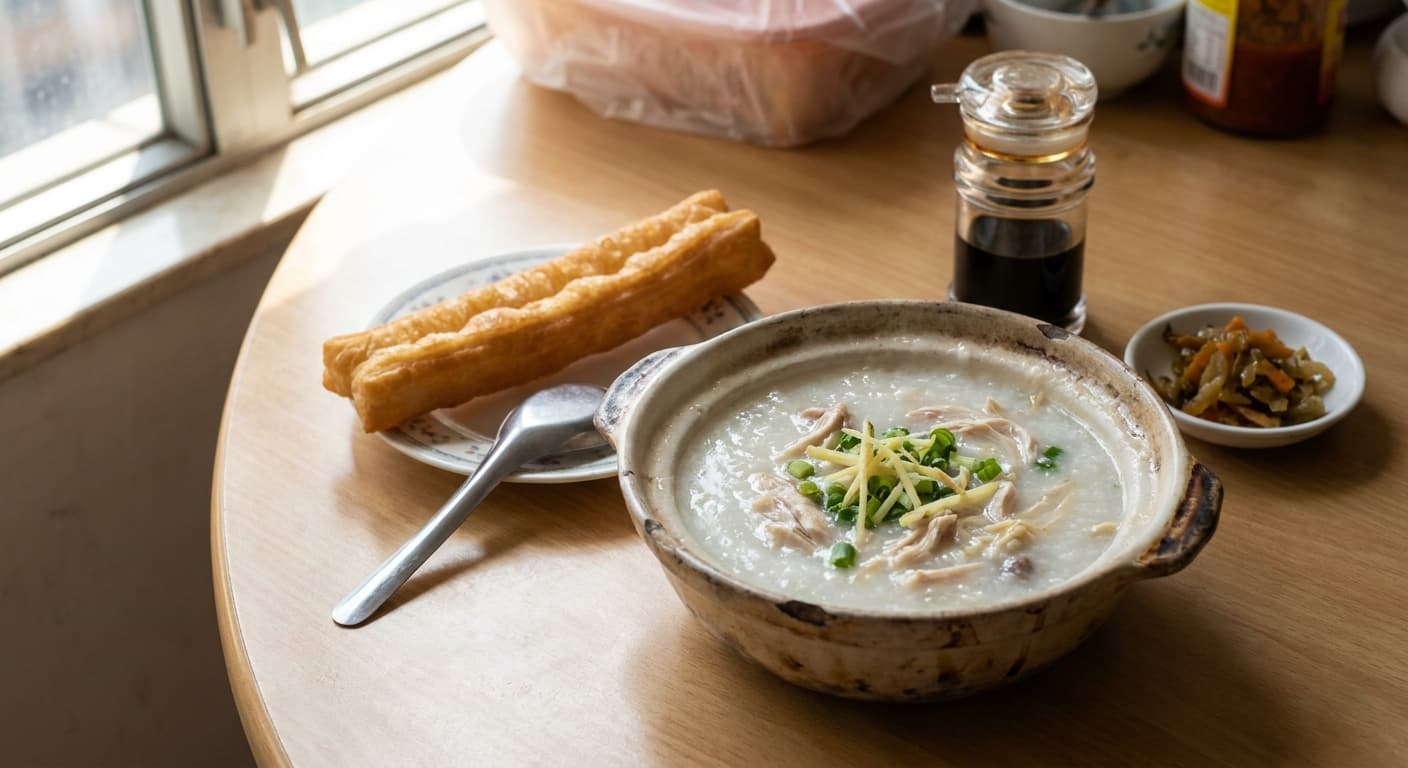
Cantonese Chicken Congee (粵式雞粥) — Silky Rice Porridge with Ginger
Chinese · Rice Dishes · 95 min
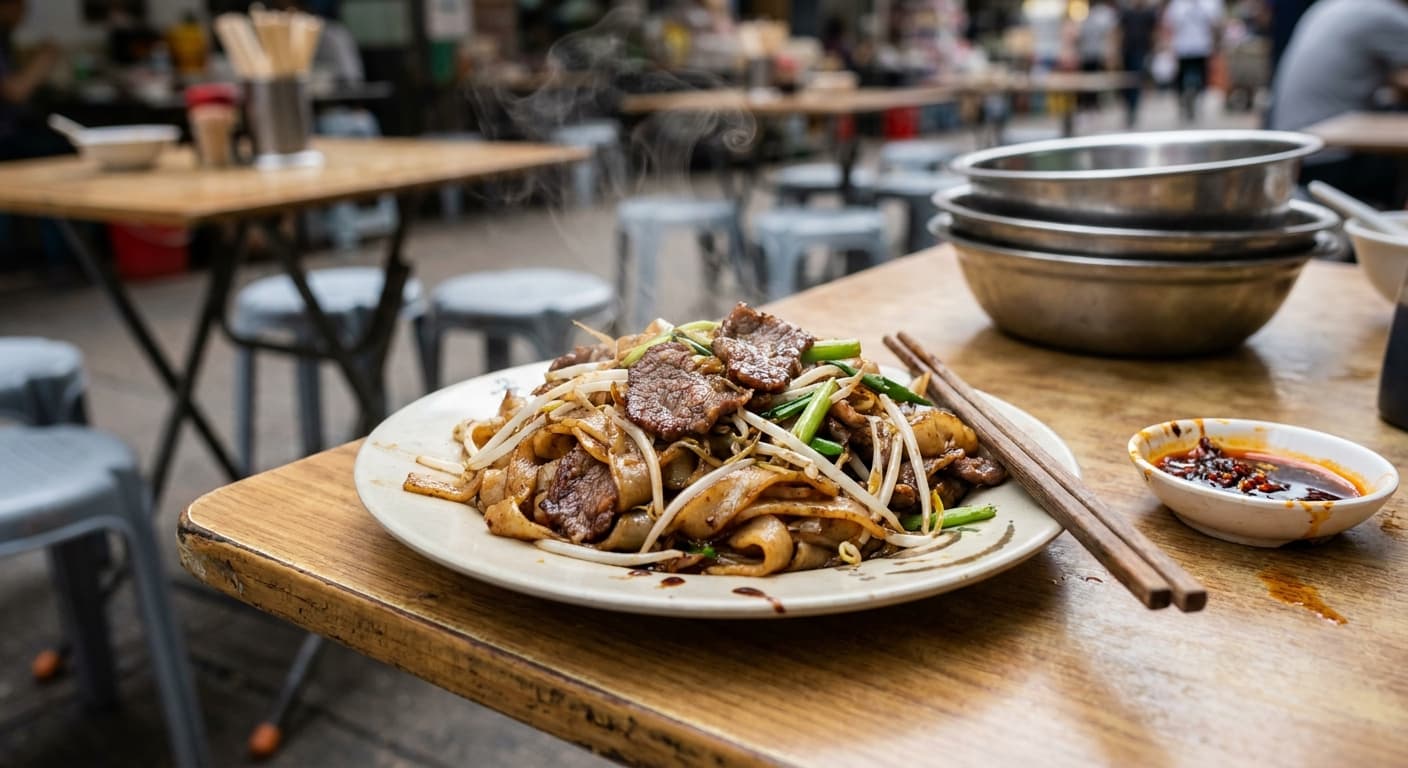
Beef Chow Fun (干炒牛河) — Cantonese Wok-Fried Rice Noodles with Beef
Chinese · Main Courses · 33 min
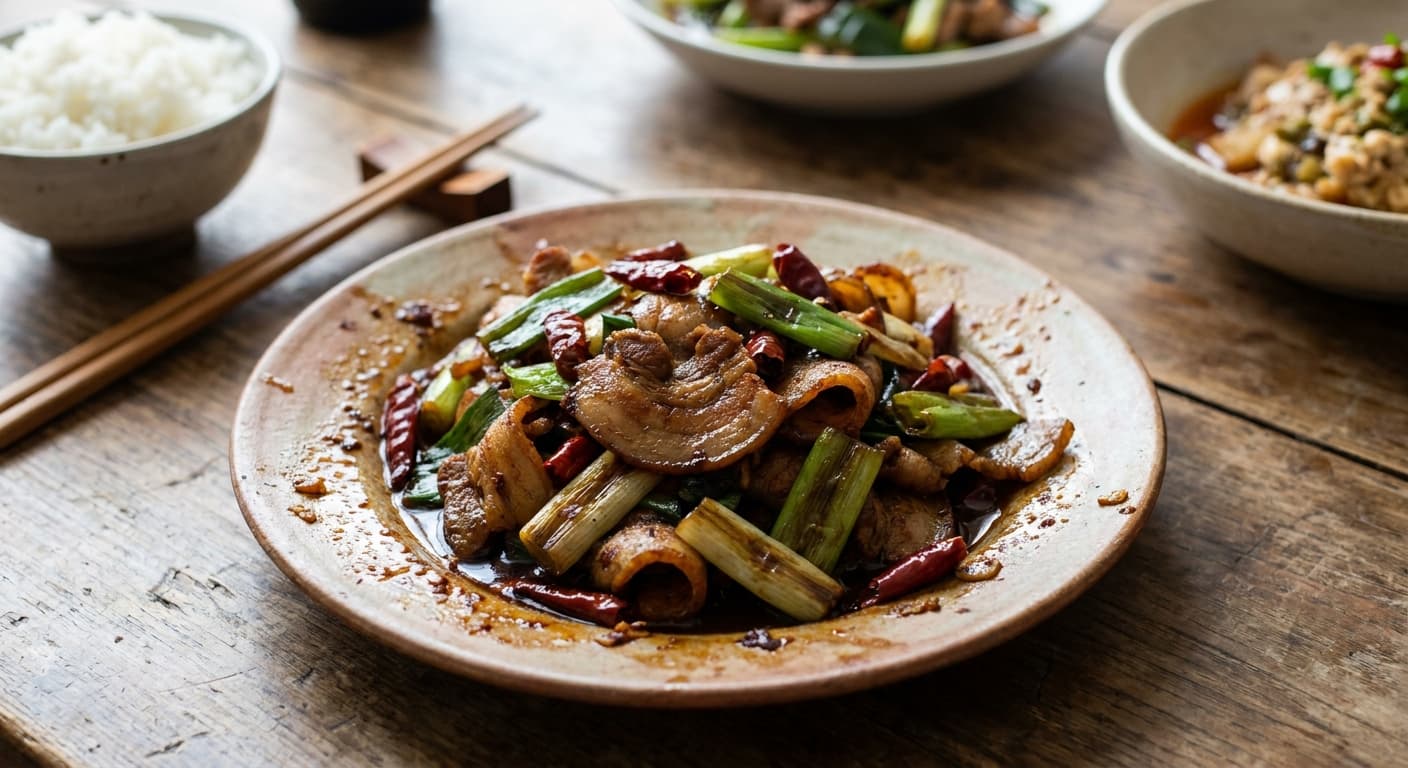
Twice-Cooked Pork (回锅肉) — Sichuan Pork Belly with Leeks and Chili Bean Paste
Chinese · Main Courses · 60 min
Mochi (餅) — Traditional Pounded Glutinous Rice Cakes
Japanese · Side Dishes · 100 min
Onsen Tamago (温泉卵) — Silky Japanese Hot-Spring Egg
Japanese · Side Dishes · 40 min
Kimbap (김밥) — Korean Seaweed Rice Rolls
Korean · Main Courses · 70 min
Vietnamese Pork Banh Mi (Bánh Mì Thịt) — Crisp Baguette Sandwich with Pickles, Pâté, and Herbs
Vietnamese · Main Courses · 60 min
Finnish Oven-Baked Squeaky Cheese (Leipäjuusto) — Warm Bread Cheese with Cloudberry Jam
Finnish · Desserts · 85 min
Reviews
Cooked this recipe?
Tap the stars to rate it — that's all it takes. A few words are welcome but optional.
No ratings yet. Cooked this one? Be the first to rate it — it takes one tap.