Reshteh Polo (رشته پلو) — Persian Noodle Rice with Savory Meat
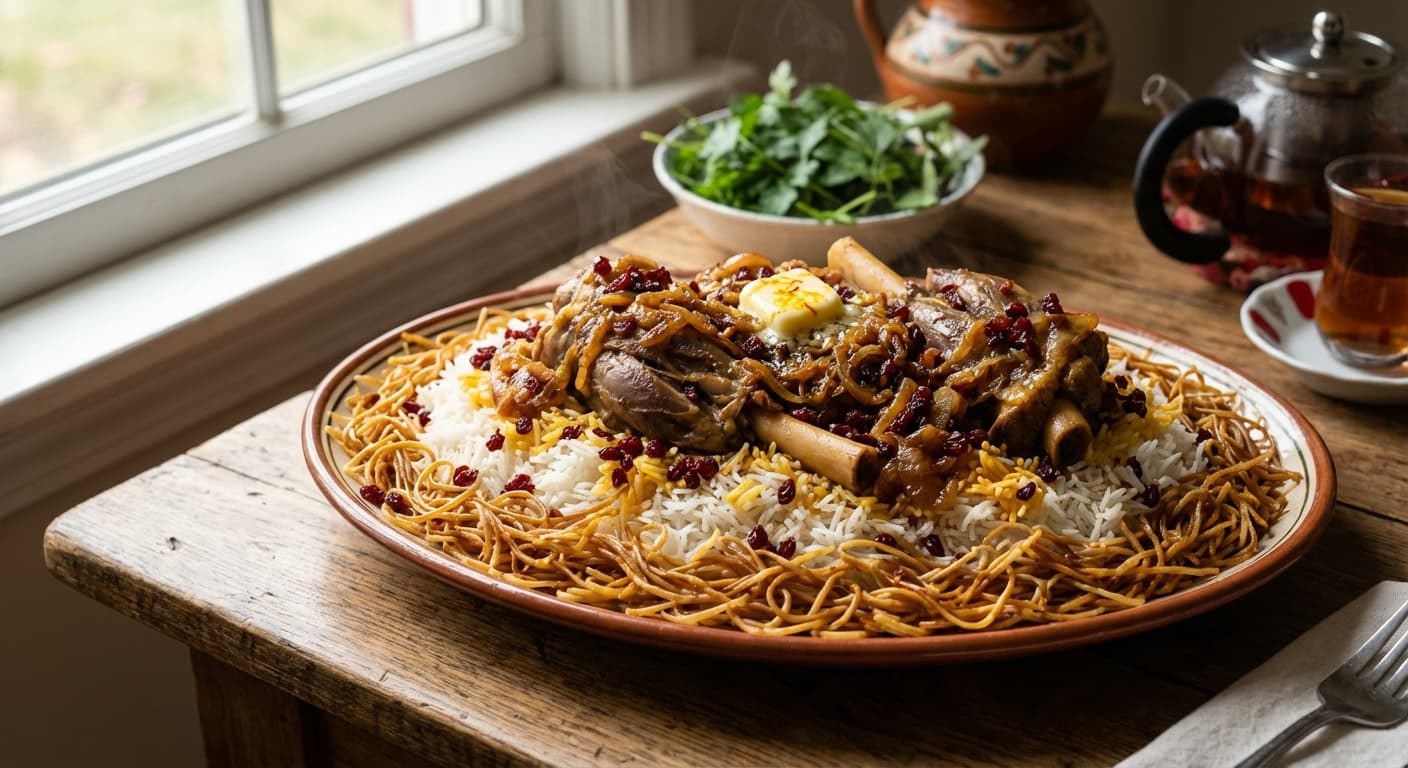
Reshteh Polo is a celebratory Persian rice dish where toasted noodles are steamed with fragrant basmati, then topped with tender spiced meat and onions. Traditionally served for Nowruz, it is aromatic, rich, and comforting.
Printable Recipe Card
Servings: 6 · Total: 150 min · Difficulty: medium
Ingredients (quick list)
- 500 g Basmati rice (rinsed until water runs mostly clear)
- 2500 ml Water (for boiling rice; plus extra for soaking)
- 24 g Salt (18 g for soaking and boiling rice, 6 g for meat)
- 150 g Persian reshteh noodles (broken into 5 cm pieces)
- 45 ml Olive oil (divided; for sautéing and drizzling)
- 60 g Butter (divided; for rice steaming and finishing)
- 300 g Yellow onion (thinly sliced)
- 700 g Beef stew meat (or lamb shoulder, cut into 3 cm cubes)
- 3 tsp Turmeric powder (divided)
- 1.5 tsp Cinnamon powder (divided)
- 1.25 tsp Black pepper (freshly ground)
Steps (summary)
- Rinse the basmati rice 4–5 times until the water is mostly clear. Cover with cool water and dissolve 18 g salt into it, then so…
- Make the meat topping: heat 30 ml olive oil in a heavy pot over medium heat. Add sliced onion and cook 10–12 minutes, stirring,…
- Pour in 600 ml water, scrape up any browned bits, and bring to a boil. Reduce to low, cover, and simmer gently 60–75 minutes, s…
- Parboil the rice: bring 2500 ml water to a rolling boil in a large pot. Drain the soaked rice and add it to the boiling water.…
- Drain immediately in a colander and rinse quickly with 250 ml cool water to stop cooking and prevent sticking. Return the pot t…
- Layer the remaining rice and noodles in two more additions, sprinkling the last 1/2 tsp turmeric and 1/2 tsp cinnamon between l…
+ 2 more steps in the full instructions section below.
Cultural Background
Reshteh Polo is commonly served in Persian households during Nowruz and other gatherings. The noodles are often associated with the idea of guiding or untangling life’s paths in the year ahead. It is typically presented as a festive rice dish topped with a savory meat mixture.
Equipment
💡 Tips
- Do not overboil after adding noodles; 2 minutes is enough or they will break down and turn the rice gummy.
- For more pronounced aroma, toast the broken noodles in 15 ml olive oil over medium heat for 3–4 minutes until light golden before adding them to the parboil (reduce olive oil elsewhere by 15 ml).
- If your pot runs hot, place a heat diffuser under the rice during the low-heat steaming phase to prevent scorching.
- For cleaner, separate grains, spread the drained rice-noodle mixture on a tray for 5 minutes to release steam before layering.
⚠️ Common Mistakes
❌ Boiling the rice until fully cooked before steaming
💡 Why: Fully cooked grains will break during steaming, leading to a sticky, clumped texture—especially with noodles mixed in.
✅ Fix: Parboil only until the grain is soft outside but firm in the center (5–7 minutes), then steam 35–45 minutes to finish gently.
❌ Adding noodles too early or cooking them too long
💡 Why: Noodles soften faster than rice and can disintegrate, making the dish heavy and gummy.
✅ Fix: Add noodles only for the last 2 minutes of the parboil, then drain immediately and rinse briefly to stop cooking.
❌ Steaming on heat that is too high
💡 Why: High heat scorches the bottom before the top finishes, and the aroma turns bitter.
✅ Fix: Steam 10 minutes on medium-low to build heat, then reduce to low for the remainder; use a diffuser if your stove runs hot.
❌ Skipping steam holes and a tight lid
💡 Why: Poor steam circulation causes uneven cooking and wet patches in the rice.
✅ Fix: Poke 5–6 holes to the bottom and wrap the lid with a towel to absorb condensation, then keep the lid closed during steaming.
🧊 How to Store
Cool leftovers within 2 hours. Refrigerate rice and meat in separate airtight containers for up to 3 days. Reheat rice covered with 1–2 tbsp water in a saucepan over low heat for 10–12 minutes, or microwave covered in 60-second bursts. Reheat meat gently with a splash of water.
📅 Make Ahead
Soak and rinse the rice up to 1 hour ahead. Cook the meat topping up to 2 days in advance and refrigerate; reheat gently with a splash of water while the rice steams. For best texture, parboil and steam the rice the day you plan to serve.
🍽️ Pairs Well With
- Plain yogurt or strained yogurt
- Fresh herb platter (mint
- basil
- radish
- scallions)
- Cucumber and tomato salad with lemon
- Pickled vegetables
Regional Variations
- Tehran-style home cookingOften features a generous onion-and-meat topping with a reduced sauce spooned over the rice, emphasizing warm spices like cinnamon and turmeric.
- Northern IranSometimes served with richer meat braises and a more pronounced buttery finish; households may prefer a thicker crust at the bottom for contrast.
Ingredients
- 500 gBasmati rice (rinsed until water runs mostly clear)
- 2500 mlWater (for boiling rice; plus extra for soaking)
- 24 gSalt (18 g for soaking and boiling rice, 6 g for meat)
- 150 gPersian reshteh noodles (broken into 5 cm pieces)
- 45 mlOlive oil (divided; for sautéing and drizzling)
- 60 gButter (divided; for rice steaming and finishing)
- 300 gYellow onion (thinly sliced)
- 700 gBeef stew meat (or lamb shoulder, cut into 3 cm cubes)
- 3 tspTurmeric powder (divided)
- 1.5 tspCinnamon powder (divided)
- 1.25 tspBlack pepper (freshly ground)
🔄 Substitutions
- Persian reshteh noodles→ Vermicelli noodles, broken into 5 cm pieces
- Beef stew meat→ Lamb shoulder or leg
- Butter→ Ghee
Instructions
- 1
Rinse the basmati rice 4–5 times until the water is mostly clear. Cover with cool water and dissolve 18 g salt into it, then soak for 30 minutes at room temperature. Meanwhile, break the reshteh noodles into 5 cm pieces so they distribute evenly through the rice during steaming.
- 2
Make the meat topping: heat 30 ml olive oil in a heavy pot over medium heat. Add sliced onion and cook 10–12 minutes, stirring, until deeply golden. Add beef (or lamb), 2 tsp turmeric, 1 tsp cinnamon, 1.25 tsp black pepper, and 6 g salt; sauté 5–6 minutes until the meat loses its raw color.
- 3
Pour in 600 ml water, scrape up any browned bits, and bring to a boil. Reduce to low, cover, and simmer gently 60–75 minutes, stirring twice, until the meat is fork-tender and the liquid is reduced to a glossy sauce. If it dries early, add 60–120 ml water and continue simmering.
- 4
Parboil the rice: bring 2500 ml water to a rolling boil in a large pot. Drain the soaked rice and add it to the boiling water. Boil 5–7 minutes, stirring once, until the grains are softened on the outside but still firm in the center. Add the reshteh noodles and boil 2 minutes more.
- 5
Drain immediately in a colander and rinse quickly with 250 ml cool water to stop cooking and prevent sticking. Return the pot to medium heat and add 15 ml olive oil and 30 g butter. When the butter melts and foams, spoon in 1/3 of the rice-noodle mixture, then sprinkle 1/2 tsp turmeric and 1/2 tsp cinnamon.
- 6
Layer the remaining rice and noodles in two more additions, sprinkling the last 1/2 tsp turmeric and 1/2 tsp cinnamon between layers. Use the handle of a wooden spoon to poke 5–6 steam holes down to the bottom. Wrap the lid with a clean towel, cover tightly, and steam 10 minutes on medium-low.
- 7
Reduce heat to low and continue steaming 35–45 minutes until the rice is fully tender and aromatic. Drizzle 15 ml olive oil and dot with the remaining 30 g butter, then steam 5 minutes more. Fluff gently with a fork, lifting from the edges to keep the noodles from clumping.
- 8
To serve, mound the rice on a platter. Spoon the tender spiced meat and onions over the top, along with a little of the reduced sauce. For a crisper bottom crust, let the rice sit uncovered off the heat for 3 minutes before unmolding; serve hot while the butter aroma is strongest.
🪪 Recipe Passport
Cultural Background
Reshteh Polo is commonly served in Persian households during Nowruz and other gatherings. The noodles are often associated with the idea of guiding or untangling life’s paths in the year ahead. It is typically presented as a festive rice dish topped with a savory meat mixture.
Regional Variations
Researched from multiple sources and validated by the Zaffaron editorial team. Every recipe is tested for accuracy, measurements, and cultural authenticity.
Nutrition per serving
Pairs well with
If you enjoyed this recipe, here are a few related Zaffaron recipes to try next.
- Sabzi Khordan Dolmeh (سبزی خوردن دلمه) — Persian-Style Stuffed Herbs & Labneh Bites
- Sabzijat Beryan (سبزیجات بریان) — Persian-Style Mediterranean Roasted Vegetables
- Salad-e Makaroni Sard (سالاد ماکارونی سرد) — Persian Cold Pasta Salad
- Rolet-e Esfenaj (رولت اسفناج) – Persian Spinach Roll with Saffron Lemon Cream Sauce
Does your family make this differently?
Every family has their own version. Maybe your grandmother adds a secret ingredient, or your aunt has a completely different technique. Preserve your family's version — with their name on it, forever.
You Might Also Like
Persian Smoked Torshi Liteh (ترشی لیته) — Caspian-style smoky mixed vegetable pickle
Persian · Side Dishes · 60 min
Aged Garlic Pickle (سیر ترشی) — Gilan’s seven-year-style black garlic torshi
Persian · Side Dishes · 45 min
Persian Kotlet (کتلت) — Saffron-Infused Meat & Potato Patties
Persian · Main Courses · 55 min
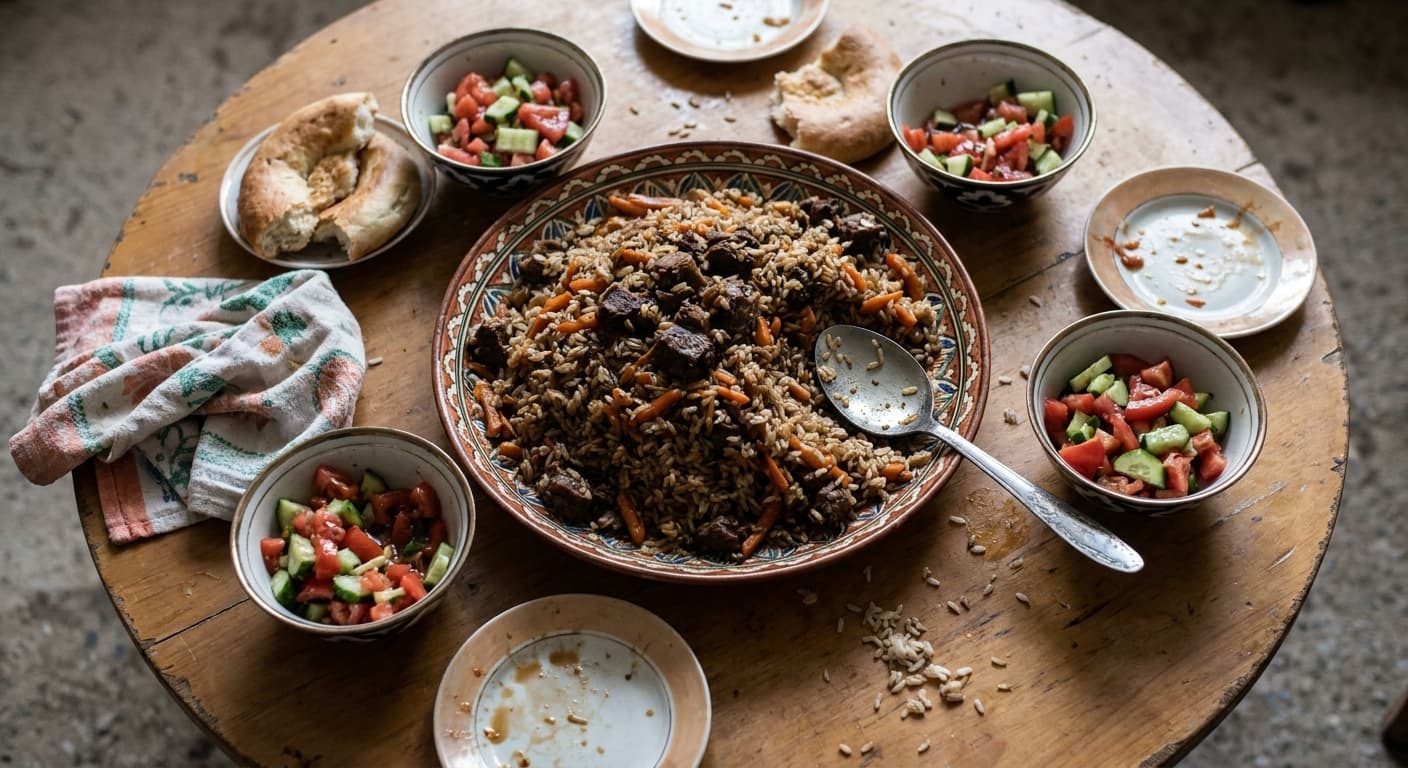
Oshi Siyoh (Оши сиёҳ) — Bukhara-Style Dark Pilaf
Tajik · Rice Dishes · 125 min
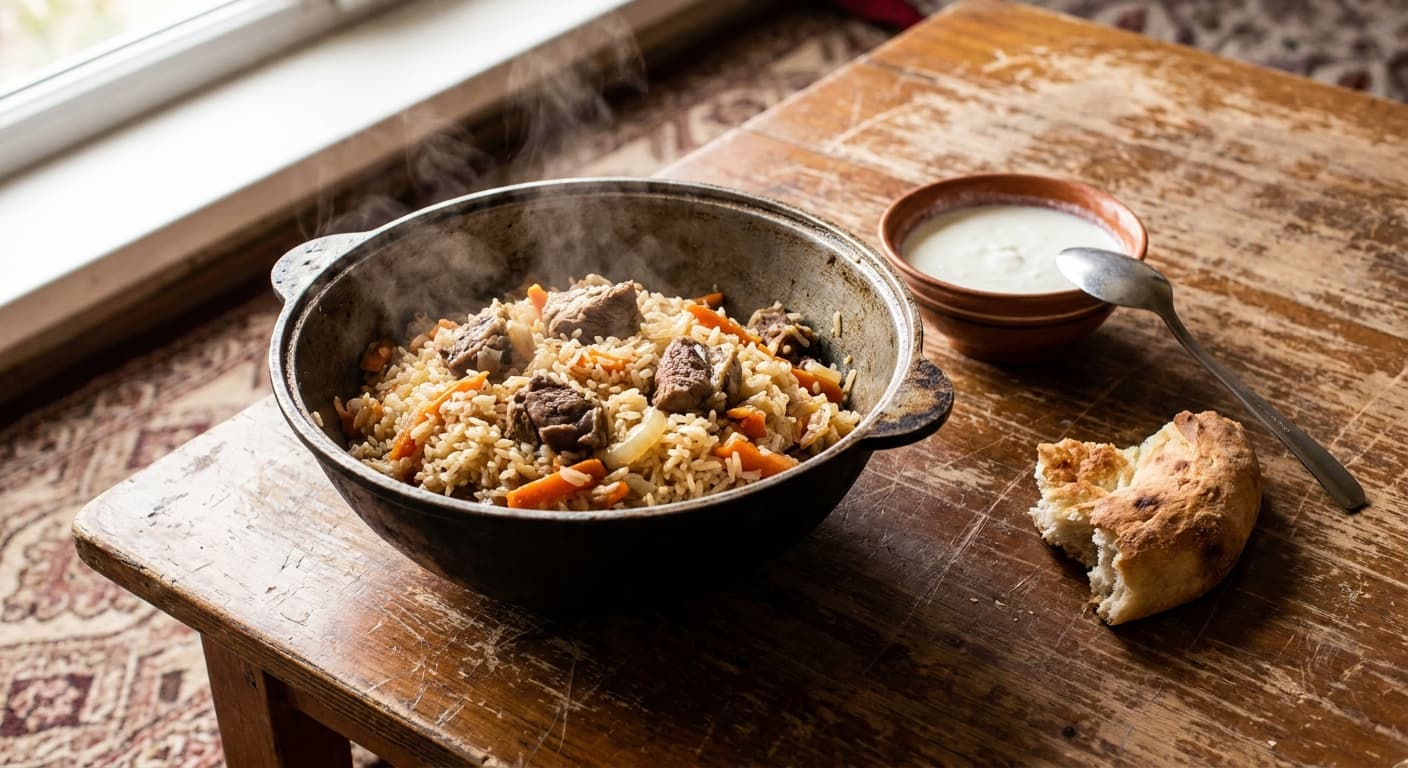
Chekdirme (Çekdirme) — Turkmen Lamb and Tomato Rice
Turkmen · Rice Dishes · 100 min
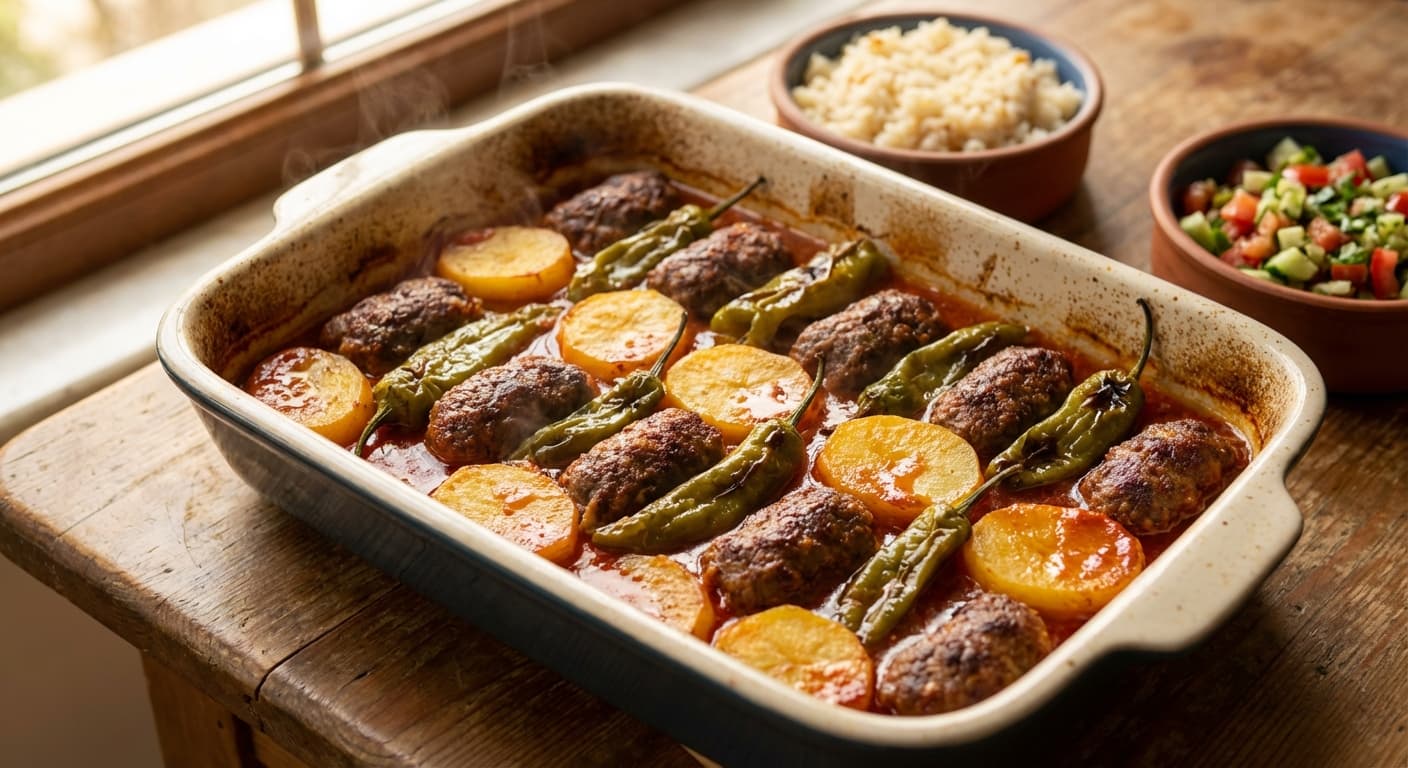
Izmir Kofte (İzmir Köfte) — Oven-Baked Meatballs with Tomato Sauce and Potatoes
Turkish · Main Courses · 70 min
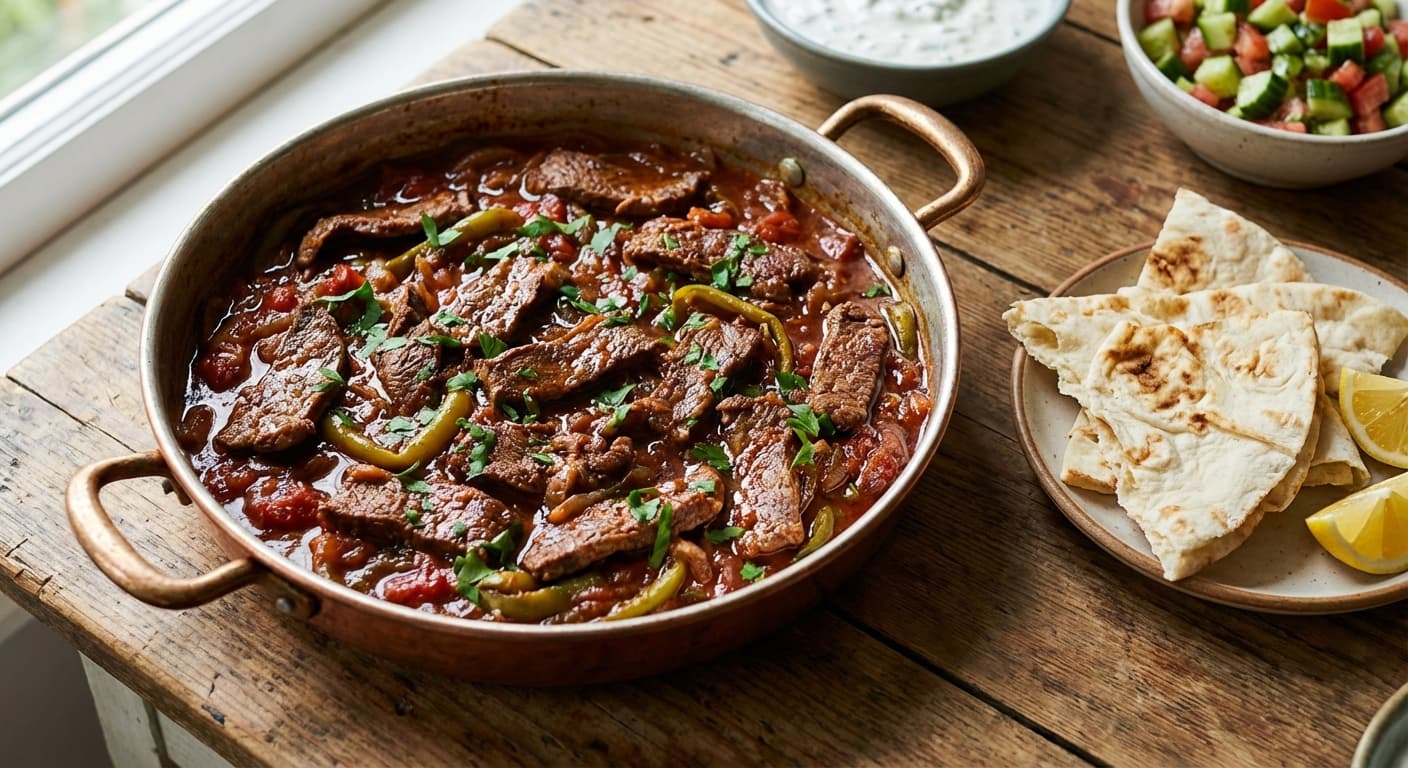
Sac Kavurma (Saç Kavurma) — Thin-Sliced Turkish Meat Sautéed with Onions
Turkish · Main Courses · 38 min
Yemeni Mandi (مندي) — Smoke-Scented Spiced Rice and Lamb
Yemeni · Main Courses · 170 min
Reviews
Cooked this recipe?
Tap the stars to rate it — that's all it takes. A few words are welcome but optional.
No ratings yet. Cooked this one? Be the first to rate it — it takes one tap.