Riz bi Haleeb (رز بحليب) — Lebanese Rice Pudding with Rose Water and Pistachio
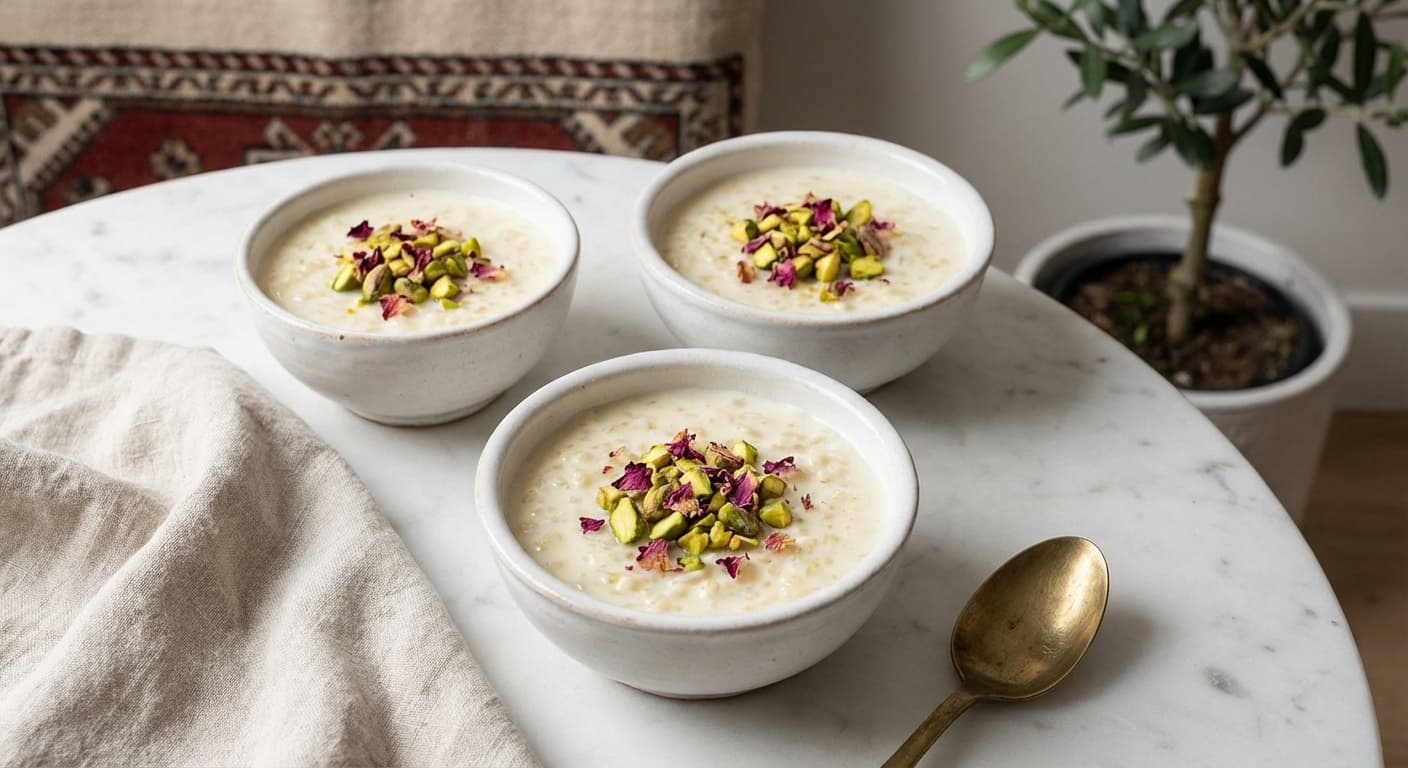
Riz bi Haleeb is a beloved Lebanese milk-and-rice pudding, gently thickened and perfumed with rose water. Often served chilled and topped with pistachios, it’s a classic home dessert across the Levant, especially during gatherings and Ramadan.
Printable Recipe Card
Servings: 6 · Total: 45 min · Difficulty: easy
Ingredients (quick list)
- 80 g short-grain rice (rinsed until water runs mostly clear)
- 240 ml water
- 1000 ml whole milk
- 90 g granulated sugar
- 12 g cornstarch (about 1 1/2 tbsp)
- 60 ml cold milk (to dissolve cornstarch)
- 10 ml rose water (about 2 tsp)
- 5 ml orange blossom water (about 1 tsp)
- 1 g fine sea salt (about 1/6 tsp)
- 30 g shelled pistachios (coarsely chopped)
Steps (summary)
- Rinse the short-grain rice in a bowl with cool water, changing the water 3–4 times until it runs mostly clear. Drain well so th…
- Add the rinsed rice and 240 ml water to a medium saucepan and bring to a gentle boil over medium heat. Reduce to low and simmer…
- Pour in 1000 ml whole milk and add the sugar and salt, then raise the heat to medium until you see small bubbles around the edg…
- In a small bowl, whisk the cornstarch with 60 ml cold milk until completely smooth with no visible lumps. While whisking the po…
- Continue simmering 3–5 minutes, stirring constantly, until the pudding coats a spoon and the rice is tender but not mushy. Turn…
- Ladle the hot pudding into 6 small bowls (about 180–200 ml each) or one large serving dish, smoothing the surface with the back…
+ 1 more steps in the full instructions section below.
Cultural Background
Across Lebanon and the Levant, Riz bi Haleeb is a staple home dessert served after lunch or at evening visits. Its rose and orange blossom waters reflect a regional love for floral aromatics, and it’s especially popular during Ramadan for its soothing, cooling finish.
Equipment
💡 Tips
- Keep the simmer gentle and stir every 30–45 seconds after adding milk to prevent a toasted milk flavor from scorching.
- Add rose water off the heat and measure precisely (10 ml) so the floral note stays elegant rather than soapy.
- For a smoother top, press a piece of parchment directly on the surface while chilling to reduce skin formation.
⚠️ Common Mistakes
❌ The milk scorches and the pudding tastes burnt.
✅ Fix: Use a heavy-bottomed pot, keep the heat at a gentle simmer, and stir frequently while scraping the bottom and corners.
❌ Cornstarch forms lumps in the pudding.
✅ Fix: Dissolve cornstarch fully in cold milk first, then stream it in slowly while whisking continuously.
❌ The floral flavor tastes harsh or soapy.
✅ Fix: Measure rose water precisely and add it off the heat; if it’s too strong, balance by stirring in 30–60 ml warm milk.
🧊 How to Store
Refrigerate covered for up to 4 days. To serve, enjoy cold or let sit 10 minutes at room temperature; if it thickens too much, loosen each portion with 10–15 ml cold milk and stir gently. Avoid boiling when reheating to protect the floral waters.
📅 Make Ahead
Cook and portion the pudding up to 2 days ahead, then cover and chill. Add pistachios right before serving to keep them crisp, and stir in a splash of milk if the texture tightens after refrigeration.
🍽️ Pairs Well With
- Arabic coffee
- mint tea
- fresh berries
- date cookies (maamoul).
Regional Variations
- Some Lebanese households omit cornstarch and rely on longer simmering for a looser, more rice-forward pudding.
- In parts of the Levant, a pinch of ground mastic (about 0.2 g) is added for a resinous, traditional aroma.
- A thicker, celebratory version may be finished with extra nuts like pine nuts or a light dusting of ground cinnamon.
Ingredients
- 80 gshort-grain rice (rinsed until water runs mostly clear)
- 240 mlwater
- 1000 mlwhole milk
- 90 ggranulated sugar
- 12 gcornstarch (about 1 1/2 tbsp)
- 60 mlcold milk (to dissolve cornstarch)
- 10 mlrose water (about 2 tsp)
- 5 mlorange blossom water (about 1 tsp)
- 1 gfine sea salt (about 1/6 tsp)
- 30 gshelled pistachios (coarsely chopped)
🔄 Substitutions
- short-grain rice→ Arborio rice
- whole milk→ 2% milk
- pistachios→ toasted sliced almonds
Instructions
- 1
Rinse the short-grain rice in a bowl with cool water, changing the water 3–4 times until it runs mostly clear. Drain well so the rice doesn’t dilute the pudding, then set it aside for 2 minutes while you measure the liquids.
- 2
Add the rinsed rice and 240 ml water to a medium saucepan and bring to a gentle boil over medium heat. Reduce to low and simmer 10–12 minutes, stirring every 2 minutes, until most of the water is absorbed and the grains look swollen.
- 3
Pour in 1000 ml whole milk and add the sugar and salt, then raise the heat to medium until you see small bubbles around the edges. Lower the heat to maintain a steady simmer and cook 15 minutes, stirring frequently and scraping the bottom to prevent scorching.
- 4
In a small bowl, whisk the cornstarch with 60 ml cold milk until completely smooth with no visible lumps. While whisking the pot continuously, slowly stream in the slurry so it disperses evenly and thickens without clumping.
- 5
Continue simmering 3–5 minutes, stirring constantly, until the pudding coats a spoon and the rice is tender but not mushy. Turn off the heat, then stir in the rose water and orange blossom water so their aroma stays bright and floral.
- 6
Ladle the hot pudding into 6 small bowls (about 180–200 ml each) or one large serving dish, smoothing the surface with the back of a spoon. Let it cool at room temperature for 30 minutes, then refrigerate at least 2 hours to fully set and chill.
- 7
Just before serving, sprinkle each portion with chopped pistachios for crunch and color. Serve cold for the classic texture, or slightly cool if you prefer a softer, more delicate set.
🪪 Recipe Passport
Cultural Background
Across Lebanon and the Levant, Riz bi Haleeb is a staple home dessert served after lunch or at evening visits. Its rose and orange blossom waters reflect a regional love for floral aromatics, and it’s especially popular during Ramadan for its soothing, cooling finish.
Regional Variations
Researched from multiple sources and validated by the Zaffaron editorial team. Every recipe is tested for accuracy, measurements, and cultural authenticity.
Nutrition per serving
Pairs well with
If you enjoyed this recipe, here are a few related Zaffaron recipes to try next.
Does your family make this differently?
Every family has their own version. Maybe your grandmother adds a secret ingredient, or your aunt has a completely different technique. Preserve your family's version — with their name on it, forever.
You Might Also Like
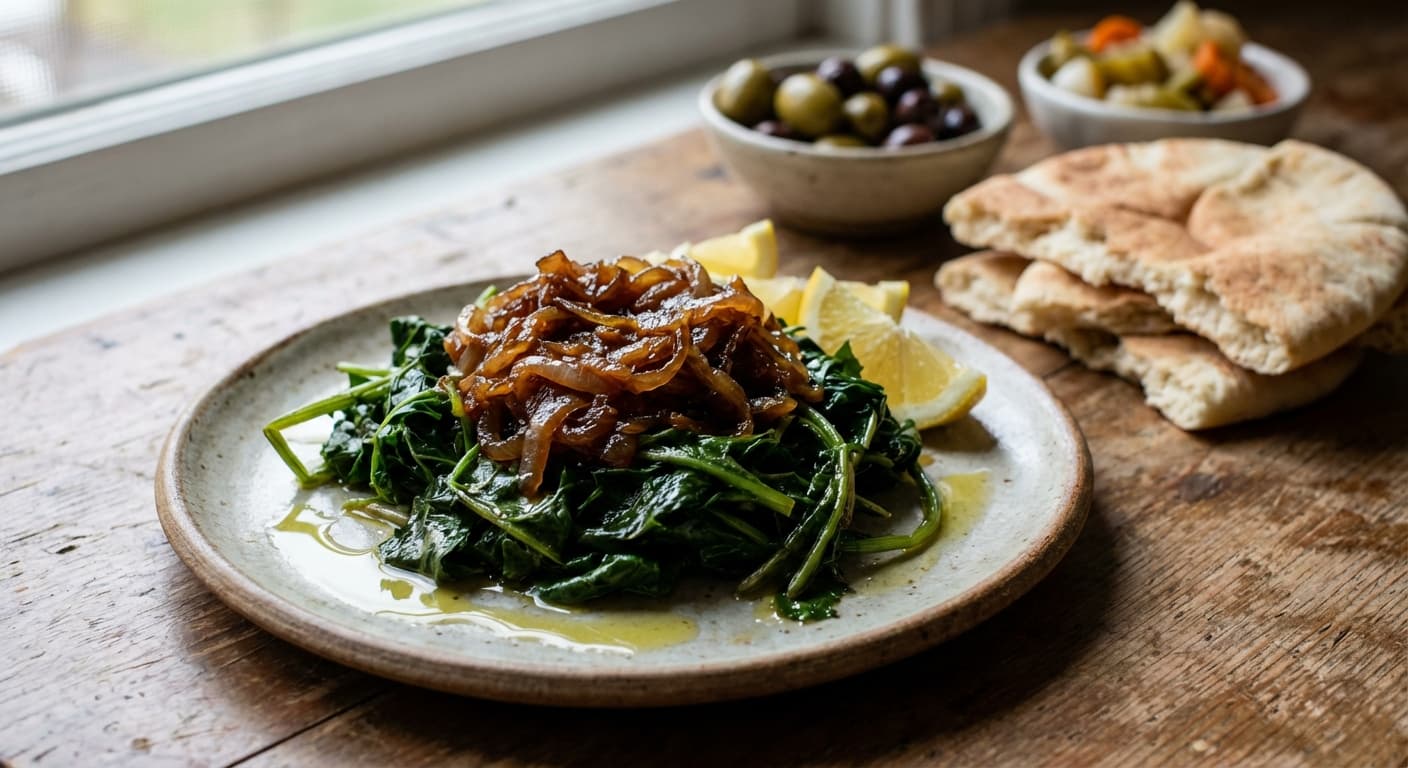
Hindbeh b Zeit (هندبة بزيت) — Lebanese dandelion greens with onions and olive oil
Lebanese · Side Dishes · 55 min
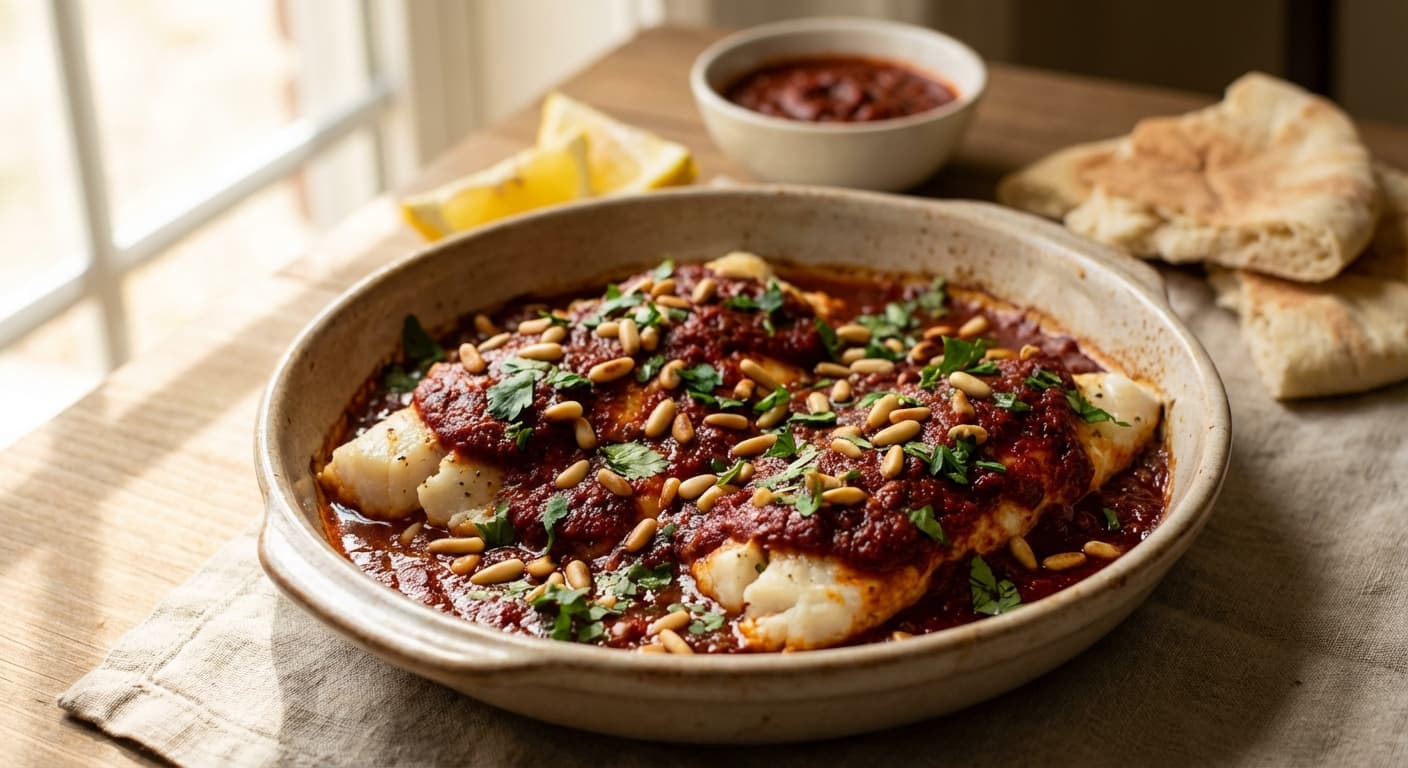
Samkeh Harra (سمكة حرّة) — Lebanese spicy baked fish with tahini and nuts
Lebanese · Main Courses · 45 min
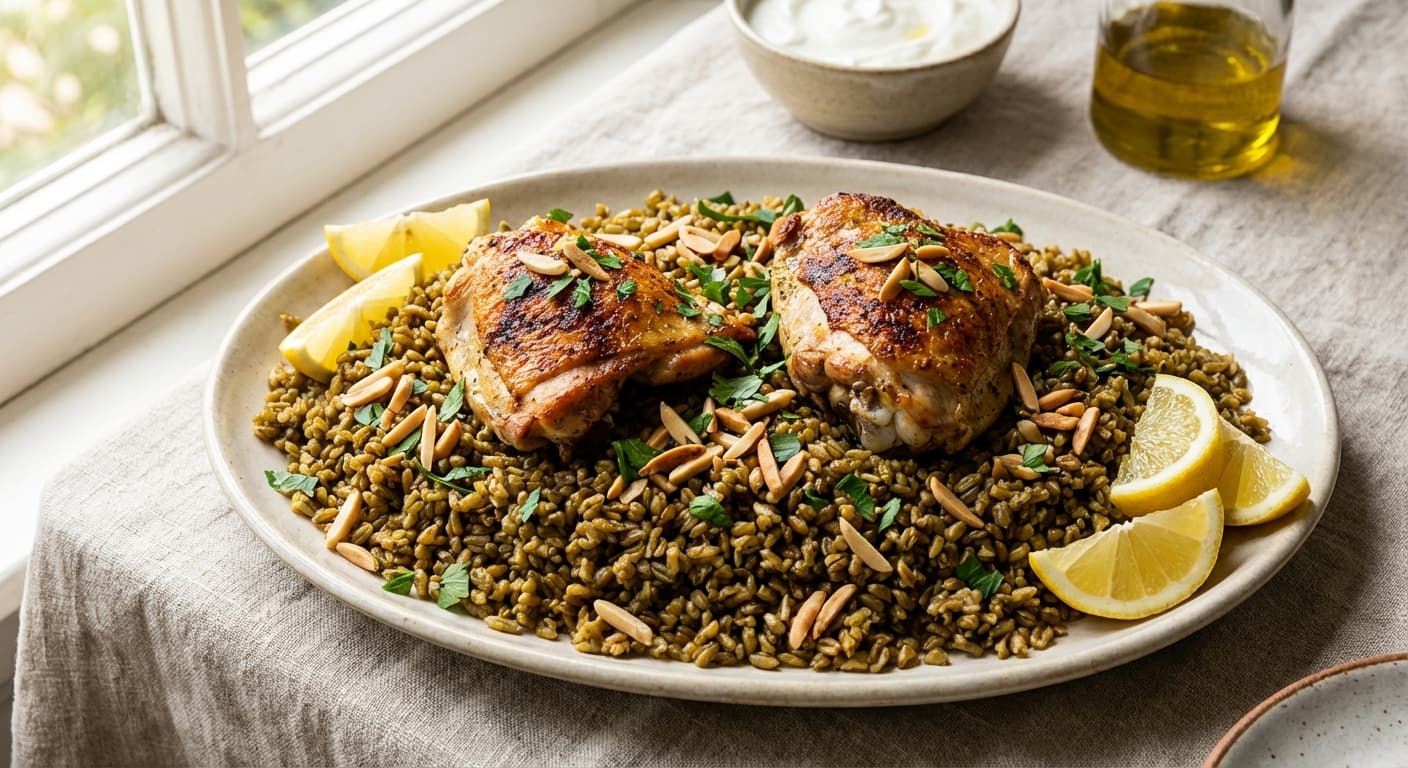
Freekeh with Chicken (فريكة بالدجاج) — Lebanese Smoky Green Wheat Pilaf with Chicken
Lebanese · Main Courses · 80 min
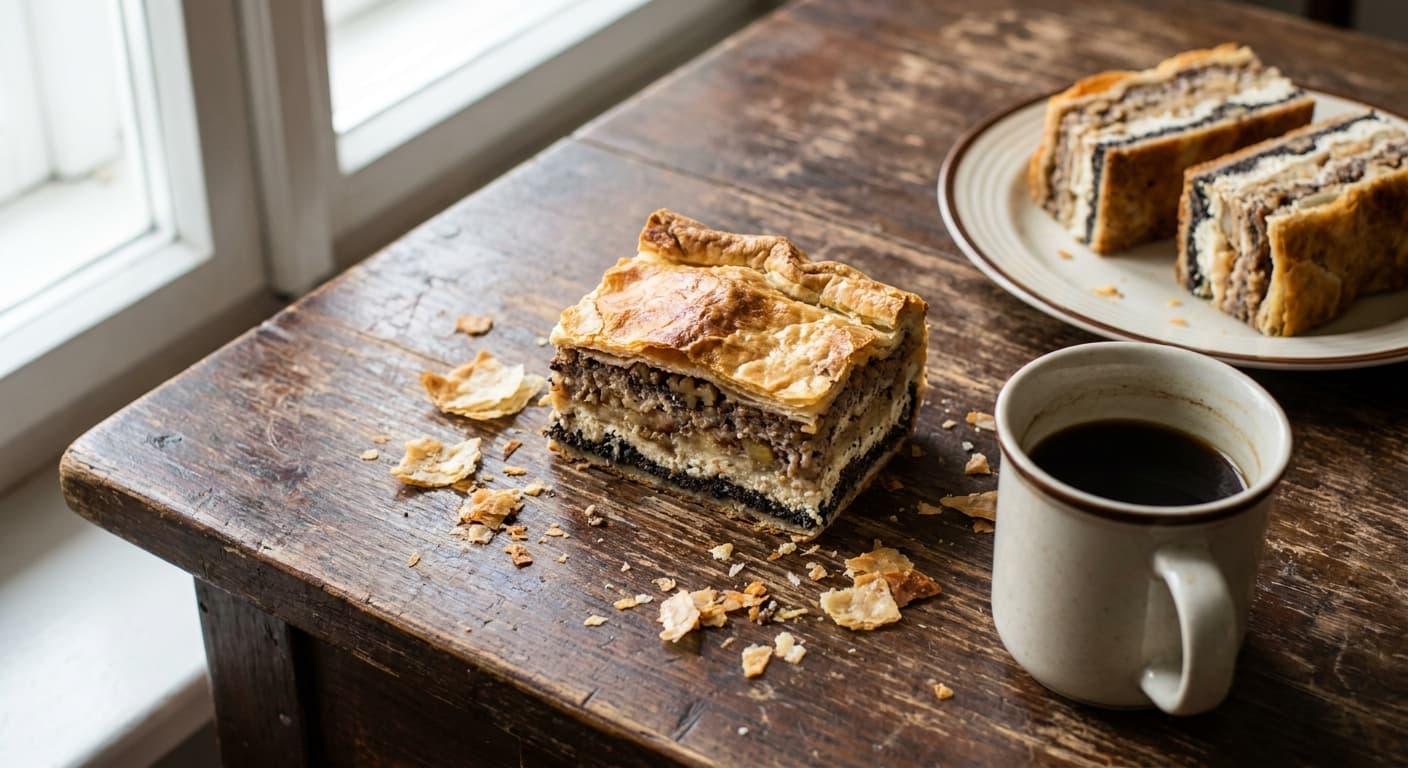
Prekmurje Layer Cake (Prekmurska gibanica) — Slovenian Festival Layer Pastry
Slovenian · Desserts · 185 min

Chimney Cake (Kürtőskalács) — Hungarian Spiral Pastry with Cinnamon Sugar
Hungarian · Desserts · 59 min
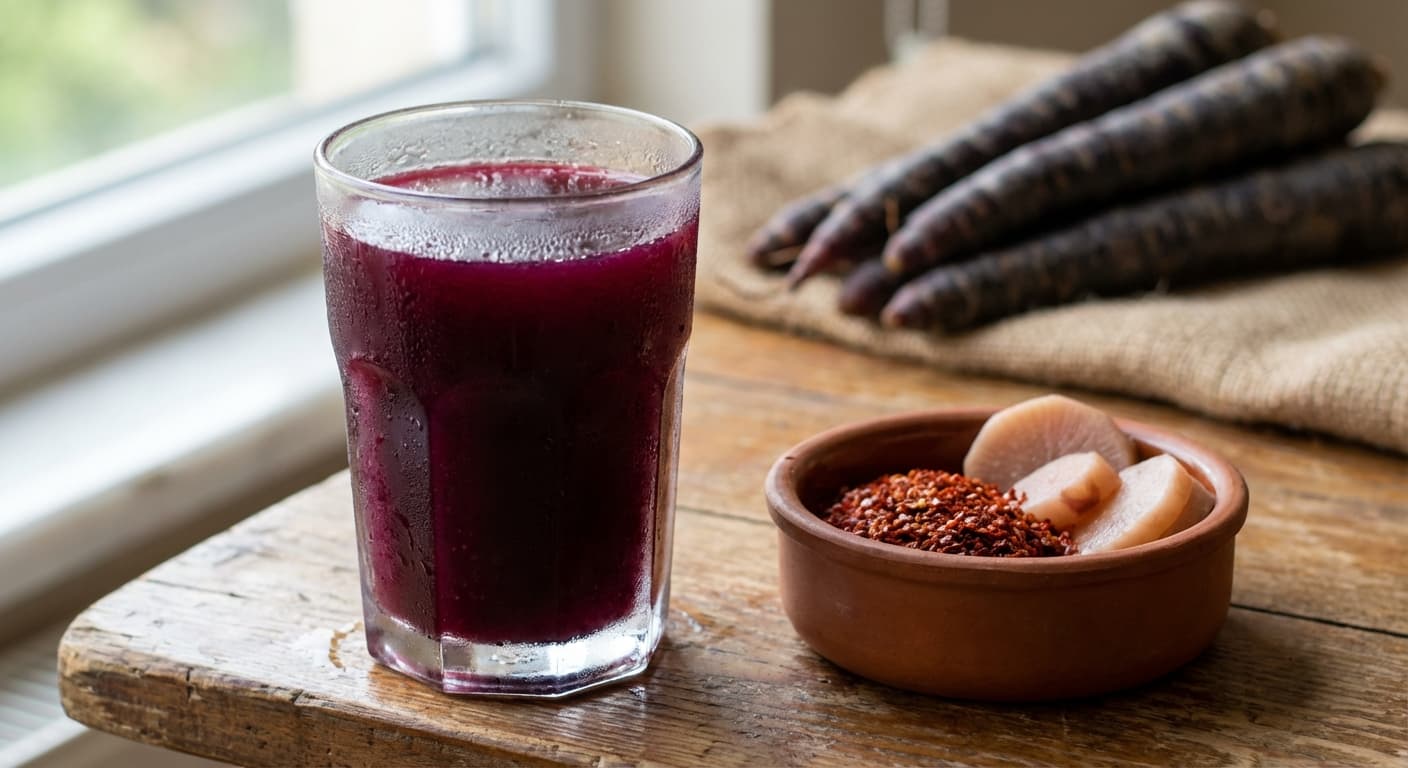
Salgam Juice (Şalgam) — Spicy, tangy fermented black-carrot drink
Turkish · Drinks · 25 min
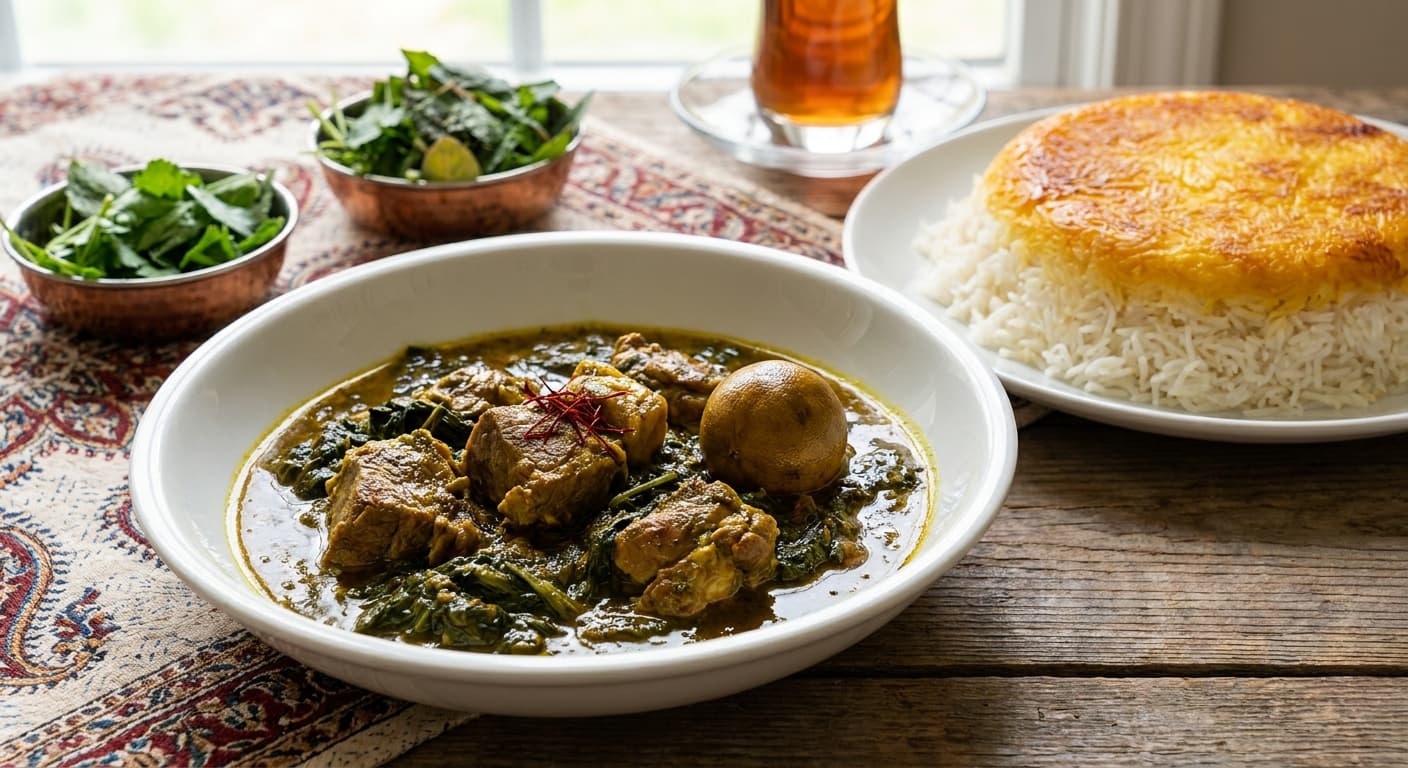
Persian Khoresht Saak (خورش ساک) — Saffron-Cardamom Lamb Stew with Saak Greens
Persian · Stews · 145 min
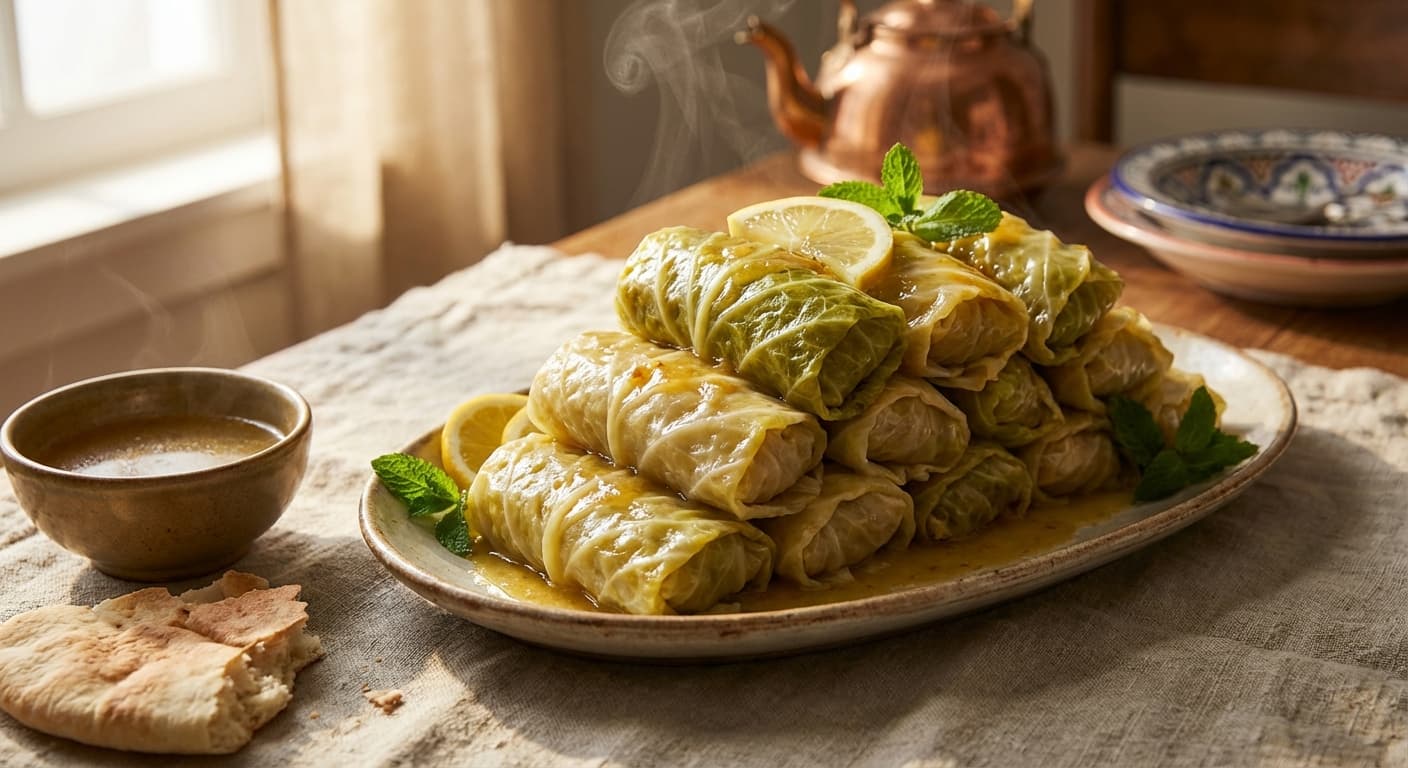
Malfouf Mahshi (ملفوف محشي) — Lebanese Stuffed Cabbage Rolls in Lemon-Garlic Broth
Lebanese · Main Courses · 120 min
Reviews
Cooked this recipe?
Tap the stars to rate it — that's all it takes. A few words are welcome but optional.
No ratings yet. Cooked this one? Be the first to rate it — it takes one tap.