Sabzi Polo (سبزی پلو) — Persian Herbed Rice with Saffron
Fragrant Persian herbed rice layered with dill, parsley, and coriander, steamed for a crisp tahdig and finished with saffron butter. Served with tender lamb and garlic for a classic Nowruz-style centerpiece.

Printable Recipe Card
Servings: 6 · Total: 165 min · Difficulty: medium
Ingredients (quick list)
- 600 g Basmati rice (aged if possible; rinsed until water runs mostly clear)
- 2400 ml Water (for parboiling the rice)
- 24 g Salt (for parboiling water (about 4 tsp fine salt))
- 120 g Fresh dill (finely chopped, loosely packed)
- 120 g Fresh parsley (finely chopped, leaves and tender stems)
- 100 g Fresh coriander (cilantro) (finely chopped)
- 30 g Fresh chives (finely sliced)
- 18 g Fresh garlic (3–4 cloves, finely grated or crushed)
- 60 ml Vegetable oil (neutral oil such as sunflower or canola)
- 45 g Butter (divided)
- 0.5 tsp Ground saffron (finely ground threads)
- 45 ml Hot water (just off the boil, for blooming saffron)
+ 1 more in the full ingredients section below.
Steps (summary)
- Rinse the basmati rice in several changes of cool water until mostly clear, then cover with fresh water and soak 30 minutes at…
- Cook the lamb: place lamb cubes and 900 ml water in a pot, bring to a boil over high heat, then reduce to a gentle simmer. Skim…
- Parboil the rice: bring 2400 ml water to a rolling boil in a large pot and stir in 24 g salt. Drain soaked rice and add to boil…
- Build the pot for tahdig: set the pot back over medium heat for 2 minutes to dry, then add 60 ml vegetable oil and 25 g butter.…
- Steam the rice: use the handle of a spoon to poke 5–6 steam holes down to the bottom. Drizzle 60 ml water around the edges, the…
- Bloom saffron and finish: crush saffron if needed, then stir 0.5 tsp ground saffron into 45 ml hot water and let stand 10 minut…
+ 1 more steps in the full instructions section below.
Cultural Background
Herbed rice is widely associated with springtime cooking in Iran and is commonly served during Nowruz gatherings. The green herbs are often linked with seasonal renewal, and saffron is used for its aroma and celebratory color. It is typically presented as a shared platter alongside a protein and fresh sides.
Equipment
💡 Tips
- For the cleanest flavor, use aged basmati and rinse thoroughly; excess starch can make the rice sticky and soften the tahdig.
- Chop herbs very finely so they distribute evenly and do not form wet clumps that can steam unevenly.
- If your pot runs hot, place a heat diffuser under it during the low-heat steaming phase to prevent burning while still crisping the crust.
- Keep a few tablespoons of lamb broth to moisten the meat at serving; it helps the lamb stay succulent without soaking the rice.
⚠️ Common Mistakes
❌ Overboiling the rice during parboil
💡 Why: If the grains fully cook before steaming, they break and turn mushy, and the tahdig can detach or soften.
✅ Fix: Boil only until the outside is tender and the center is still firm (6–8 minutes), then drain immediately and steam to finish.
❌ Adding wet herbs directly without draining or fine chopping
💡 Why: Excess moisture can create soggy pockets and uneven steaming, dulling herb flavor and softening the crust.
✅ Fix: Spin or pat herbs dry and chop finely; if using frozen herbs, thaw and squeeze very dry before layering.
❌ Steaming on heat that is too high for too long
💡 Why: High heat can burn the bottom before the rice finishes steaming through.
✅ Fix: Use medium-high only for the first 8 minutes to build steam, then reduce to low for 45 minutes; use a diffuser if needed.
❌ Salting the lamb too early
💡 Why: Early salting can make the surface firm and can slow tenderizing in a simple water simmer.
✅ Fix: Add salt in the last 15 minutes of simmering, then rest the meat in a little broth to keep it juicy.
🧊 How to Store
Cool rice and lamb within 2 hours. Refrigerate separately in airtight containers up to 3 days. Reheat rice covered with 1–2 tbsp water in a pot on low 10–15 minutes or microwave covered; reheat lamb gently with a splash of broth until 74°C.
📅 Make Ahead
Chop herbs up to 24 hours ahead and refrigerate airtight with a paper towel to absorb moisture. Lamb can be simmered 1 day ahead and reheated gently in its broth. Parboil and steam the rice the day of serving for best tahdig; leftover rice reheats well but the crust softens.
🍽️ Pairs Well With
- Plain yogurt or strained yogurt
- Shirazi-style cucumber and tomato salad
- Pickled vegetables
- Lemon wedges
Regional Variations
- Northern Iran (Caspian-influenced)Often heavier on dill and may include additional green aromatics; it is frequently paired with fish rather than red meat, especially in coastal areas.
- Tehran-style home cookingA balanced mix of dill, parsley, and coriander is common, with a pronounced saffron finish and a focus on a well-formed tahdig served as a centerpiece.
Ingredients
- 600 gBasmati rice (aged if possible; rinsed until water runs mostly clear)
- 2400 mlWater (for parboiling the rice)
- 24 gSalt (for parboiling water (about 4 tsp fine salt))
- 120 gFresh dill (finely chopped, loosely packed)
- 120 gFresh parsley (finely chopped, leaves and tender stems)
- 100 gFresh coriander (cilantro) (finely chopped)
- 30 gFresh chives (finely sliced)
- 18 gFresh garlic (3–4 cloves, finely grated or crushed)
- 60 mlVegetable oil (neutral oil such as sunflower or canola)
- 45 gButter (divided)
- 0.5 tspGround saffron (finely ground threads)
- 45 mlHot water (just off the boil, for blooming saffron)
- 900 gLamb shoulder (boneless, cut into 4 cm cubes)
🔄 Substitutions
- Fresh mixed herbs (dill, parsley, coriander, chives)→ Frozen mixed herbs (same types), thawed and squeezed dry
- Lamb shoulder→ Boneless beef chuck
- Vegetable oil→ Ghee
Instructions
- 1
Rinse the basmati rice in several changes of cool water until mostly clear, then cover with fresh water and soak 30 minutes at room temperature. Meanwhile, chop dill, parsley, coriander, and chives very finely, then mix with the crushed garlic. Keep herbs chilled and covered to stay bright.
- 2
Cook the lamb: place lamb cubes and 900 ml water in a pot, bring to a boil over high heat, then reduce to a gentle simmer. Skim foam for 5 minutes, cover, and simmer 70–85 minutes until fork-tender. Add 8 g salt in the last 15 minutes, then keep warm with a little broth.
- 3
Parboil the rice: bring 2400 ml water to a rolling boil in a large pot and stir in 24 g salt. Drain soaked rice and add to boiling water. Boil 6–8 minutes, stirring twice, until grains are softened on the outside but still firm in the center. Drain immediately in a fine colander.
- 4
Build the pot for tahdig: set the pot back over medium heat for 2 minutes to dry, then add 60 ml vegetable oil and 25 g butter. When butter melts and foams, add a thin layer of rice (about 1 cup), then sprinkle a handful of herbs. Continue layering rice and herbs, forming a gentle mound.
- 5
Steam the rice: use the handle of a spoon to poke 5–6 steam holes down to the bottom. Drizzle 60 ml water around the edges, then cover the lid with a clean towel and place tightly on the pot. Steam on medium-high 8 minutes, then reduce to low and steam 45 minutes.
- 6
Bloom saffron and finish: crush saffron if needed, then stir 0.5 tsp ground saffron into 45 ml hot water and let stand 10 minutes. Melt remaining 20 g butter. Scoop 2 cups cooked rice into a bowl, mix with saffron water and melted butter, and keep covered to stay warm.
- 7
Unmold and serve: turn off heat and rest the pot, covered, for 10 minutes to loosen the crust. Fluff the plain herbed rice gently without breaking grains. Invert the pot onto a platter to release tahdig, or lift pieces out. Top with saffron rice and serve alongside warm lamb.
🪪 Recipe Passport
Cultural Background
Herbed rice is widely associated with springtime cooking in Iran and is commonly served during Nowruz gatherings. The green herbs are often linked with seasonal renewal, and saffron is used for its aroma and celebratory color. It is typically presented as a shared platter alongside a protein and fresh sides.
Regional Variations
Researched from multiple sources and validated by the Zaffaron editorial team. Every recipe is tested for accuracy, measurements, and cultural authenticity.
Nutrition per serving
Pairs well with
If you enjoyed this recipe, here are a few related Zaffaron recipes to try next.
- Salad-e Sib Zamini (سالاد سیبزمینی) | Persian Herbed Potato Salad
- Savory Veal and Sprout Macaroni Stir-Fry (ماکارونی تفتداده با گوشت گوساله و جوانه) — Umami soy veal with crunchy sprouts
- Shirazi Kalam Polo (کلم پلو شیرازی) — Herb-Scented Cabbage Rice with Meatballs
- Saffron Chicken Toastie (توستی مرغ زعفرانی) — Persian-Inspired Mozzarella Melt
Does your family make this differently?
Every family has their own version. Maybe your grandmother adds a secret ingredient, or your aunt has a completely different technique. Preserve your family's version — with their name on it, forever.
You Might Also Like
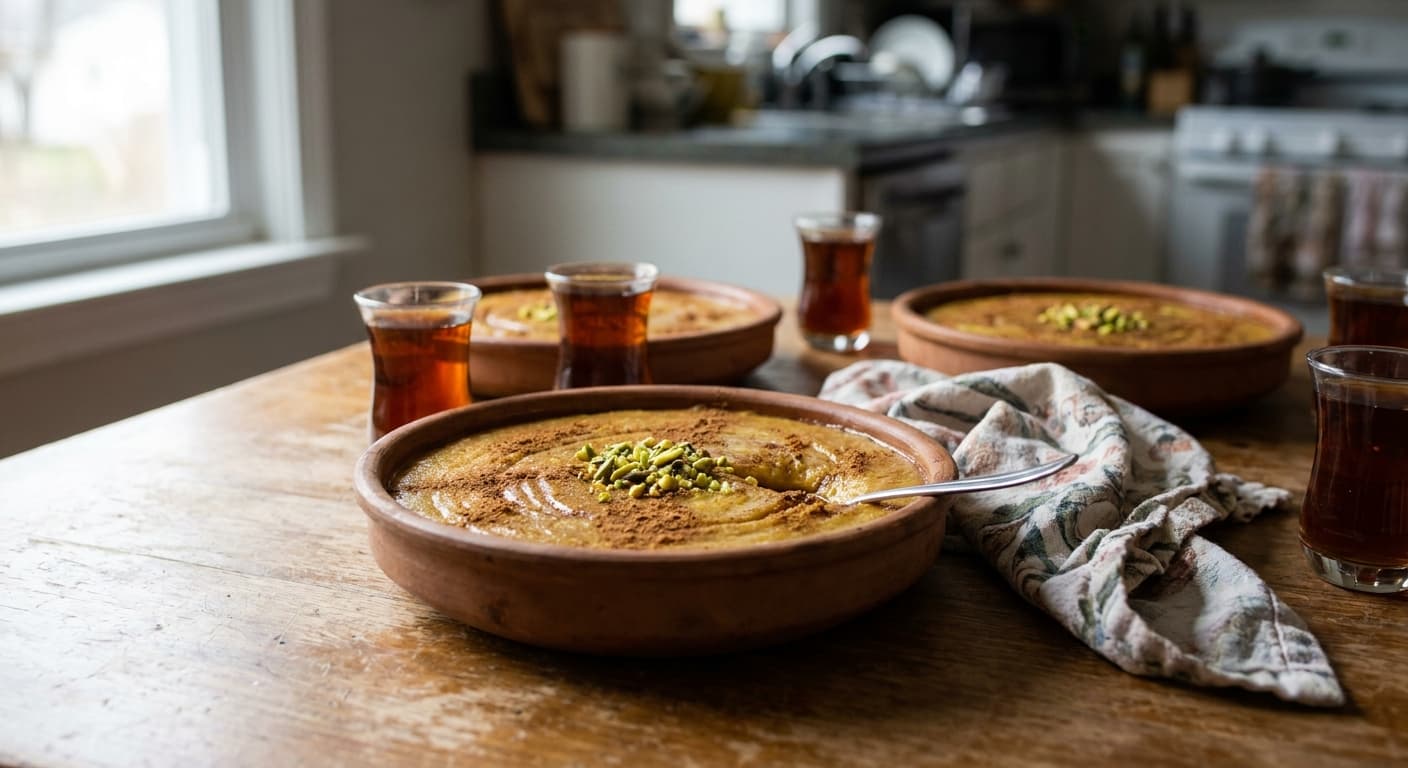
Persian Kachi (کاچی) — Saffron Rosewater Pudding
Persian · Desserts · 45 min
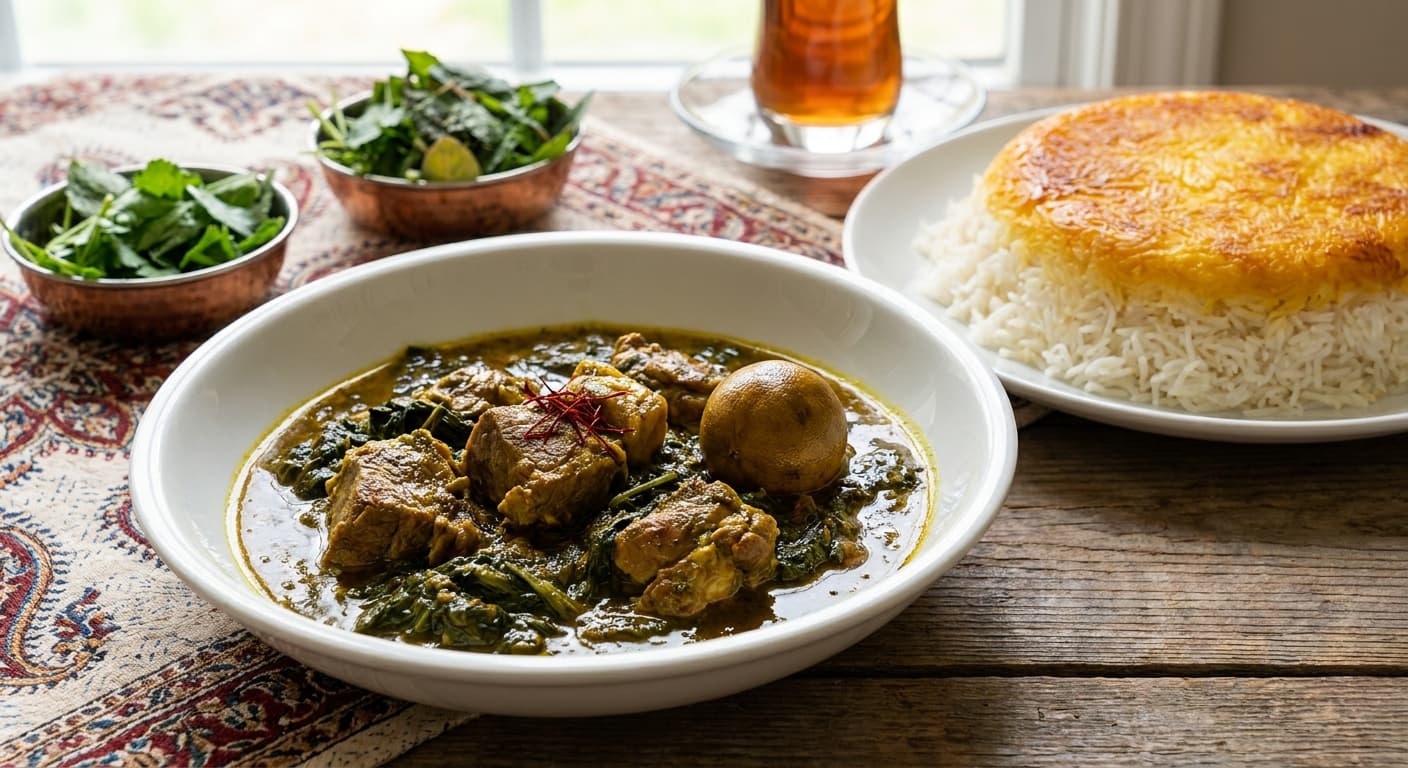
Persian Khoresht Saak (خورش ساک) — Saffron-Cardamom Lamb Stew with Saak Greens
Persian · Stews · 145 min
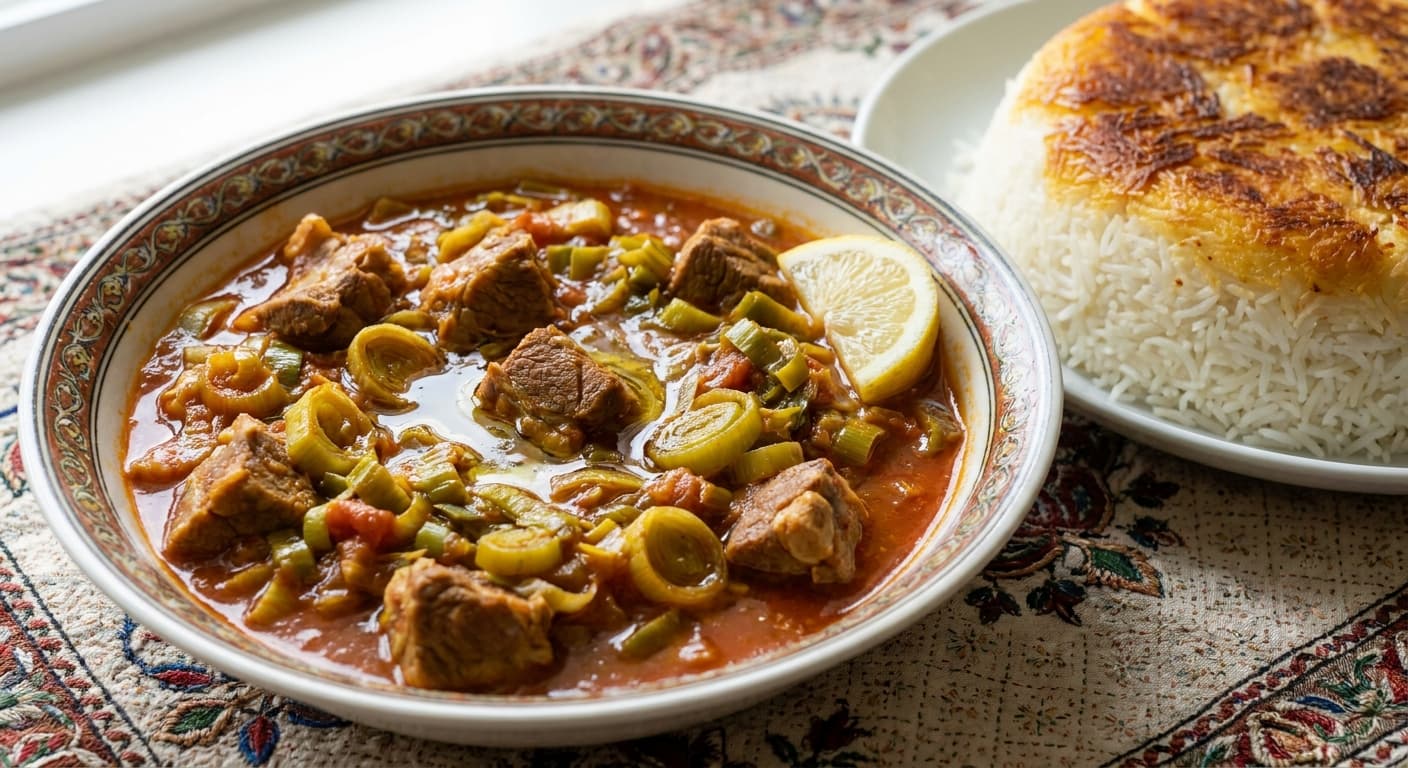
Khoresh Tareh Farangi (خورش تره فرنگی) — Persian Leek and Lamb Stew
Persian · Stews · 130 min
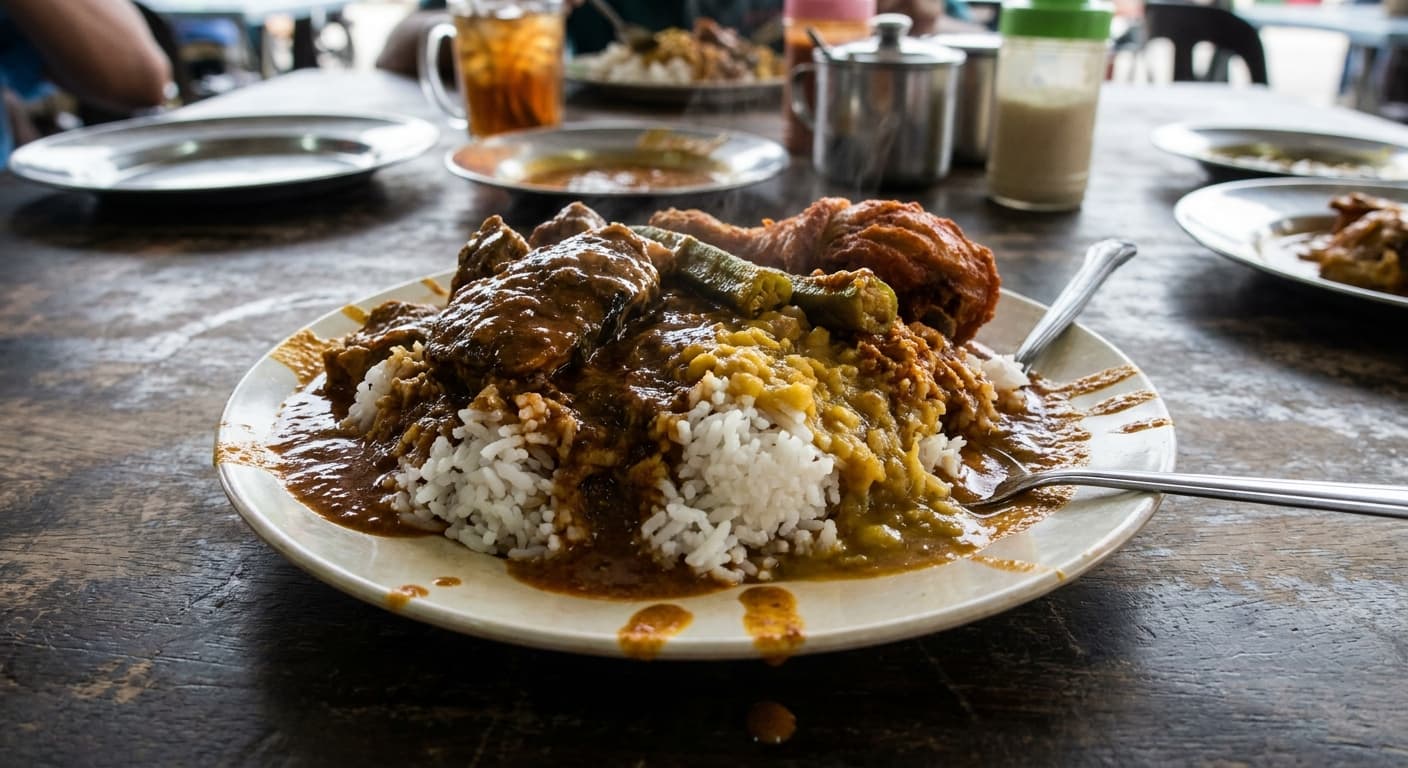
Nasi Kandar (Nasi Kandar) — Penang Mamak Curry Rice Plate
Malaysian · Rice Dishes · 110 min
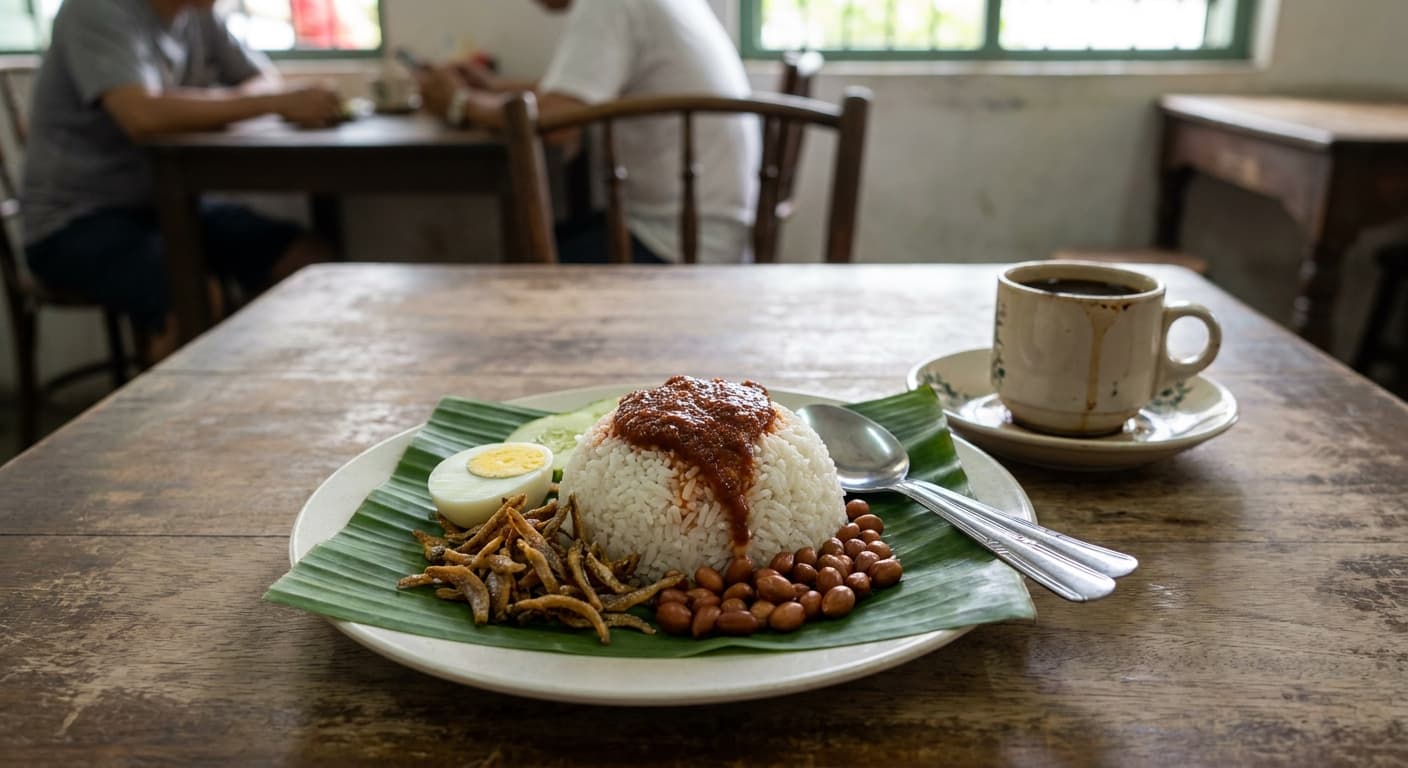
Nasi Lemak (Nasi Lemak) — Coconut Rice with Sambal and Classic Garnishes
Malaysian · Rice Dishes · 90 min
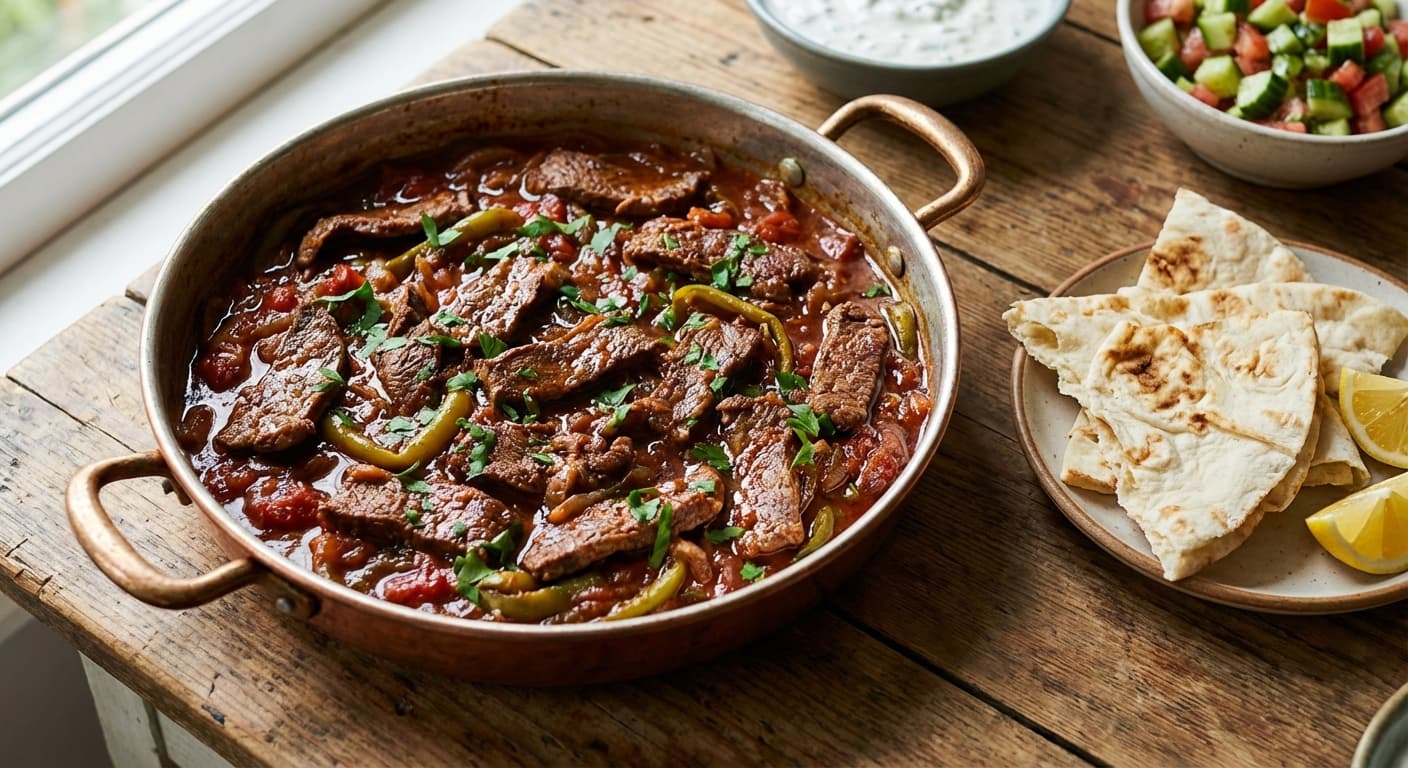
Sac Kavurma (Saç Kavurma) — Thin-Sliced Turkish Meat Sautéed with Onions
Turkish · Main Courses · 38 min
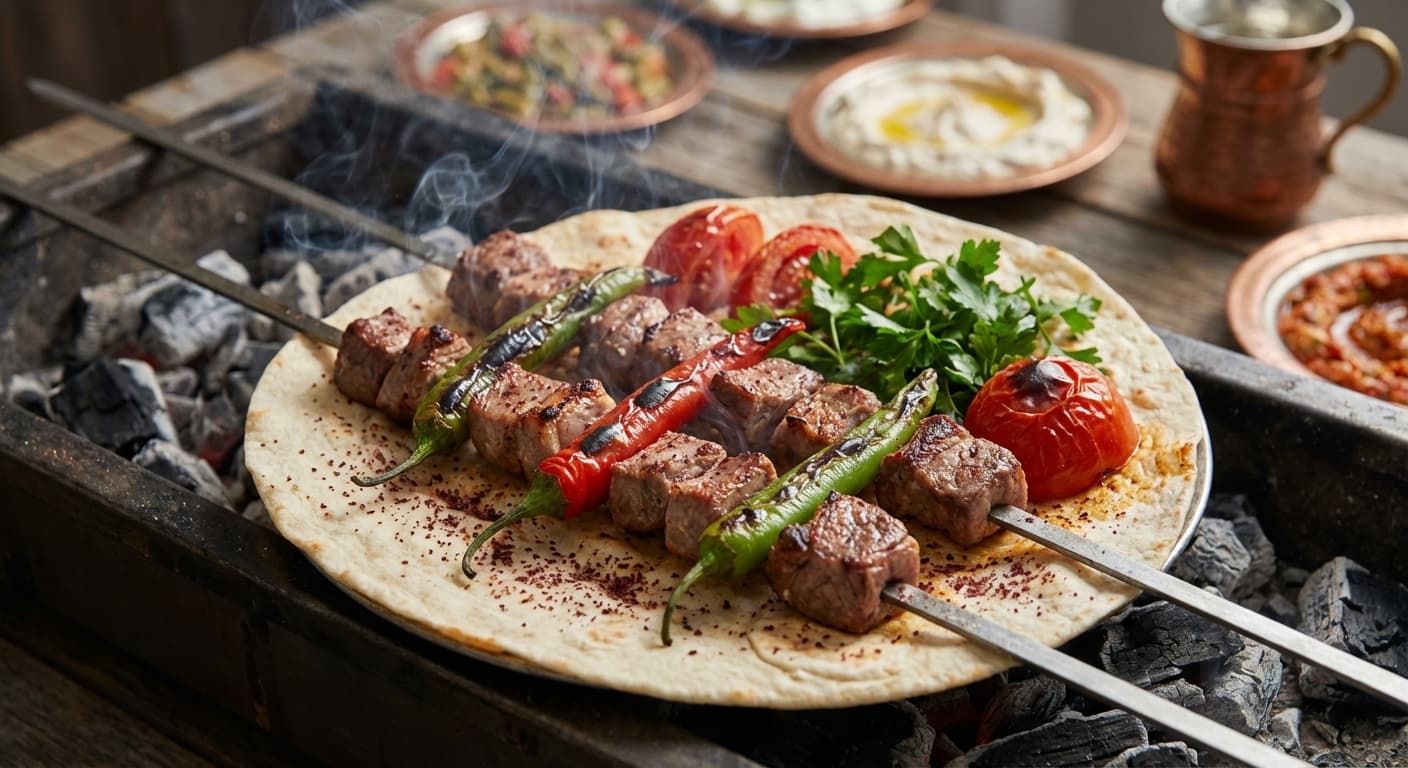
Turkish Shish Kebab (Şiş Kebap) — Charcoal-Grilled Marinated Lamb Skewers
Turkish · Kebabs · 37 min
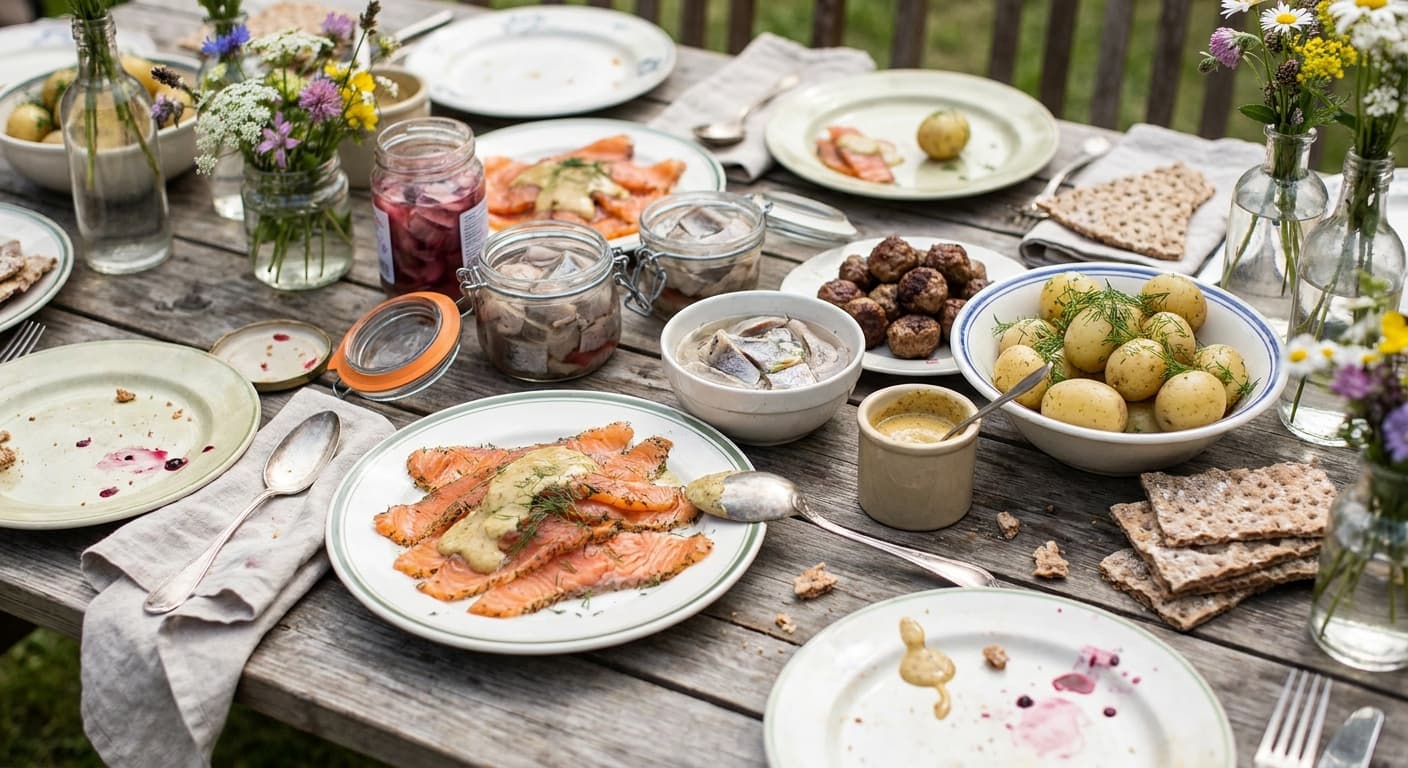
Swedish Smörgåsbord (Smörgåsbord) — Classic Buffet with Gravlax, Sill, and Köttbullar
Swedish · Main Courses · 115 min
Reviews
Cooked this recipe?
Tap the stars to rate it — that's all it takes. A few words are welcome but optional.
No ratings yet. Cooked this one? Be the first to rate it — it takes one tap.