Sabzi va Panir (سبزی و پنیر) — | Persian Herb & Feta Spread
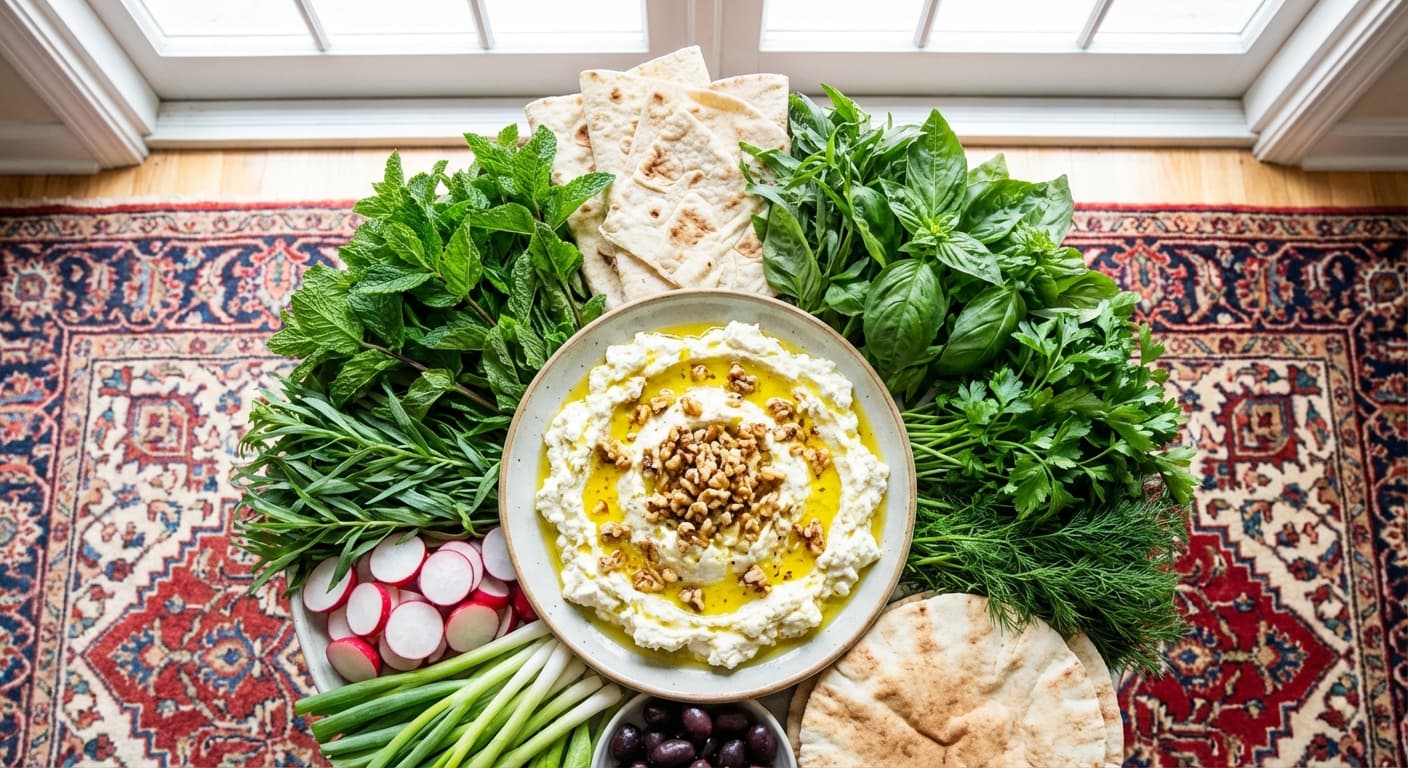
Sabzi va Panir is a classic Persian sofreh appetizer: creamy, tangy feta mashed with extra virgin olive oil and black pepper, topped with crunchy walnuts and served with fresh herbs, radishes, scallions, olives, and warm lavash or pita.
Printable Recipe Card
Servings: 4 · Total: 20 min · Difficulty: easy
Ingredients (quick list)
- 180 g Fresh mixed herbs (mint, basil, tarragon, parsley, dill) (washed, thoroughly dried, and roughly chopped for serving (sabzi khordan style))
- 200 g Radishes (trimmed and sliced into thin rounds)
- 90 g Green onions (scallions) (trimmed; white and green parts sliced on a bias)
- 120 g Black olives (pitted; drained if brined)
- 160 g Lavash bread (about 4 large sheets; keep covered so it stays pliable)
- 240 g Pita bread (about 4 medium pitas; optional alternative to lavash)
- 220 g Feta cheese (preferably Iranian-style or Greek feta; drained and crumbled)
- 30 ml Extra virgin olive oil (2 tbsp, plus 5 ml (1 tsp) for finishing)
- 60 g Walnuts (lightly toasted and chopped (or left in halves for a traditional look))
- 1 g Black pepper (about 1/2 tsp, freshly ground)
- 1.5 g Fine sea salt (about 1/4 tsp; adjust based on feta salinity)
Steps (summary)
- Wash the mixed herbs, radishes, and green onions in cold water for 2 minutes, then spin or towel-dry until no moisture remains…
- Toast the walnuts in a dry skillet over medium heat for 4–5 minutes, shaking often, until fragrant and lightly browned. Immedia…
- In a bowl, mash the crumbled feta with 30 ml (2 tbsp) extra virgin olive oil using a fork for 60–90 seconds until creamy but st…
- Spoon the feta mixture onto a shallow serving plate and spread into a 1.5–2 cm thick layer. Scatter the toasted walnuts evenly…
- Serve Sabzi va Panir as part of a sofreh: place the cheese spread alongside the herb platter, radishes, scallions, and olives.…
Cultural Background
Sabzi va Panir is a beloved staple of the Iranian sofreh, celebrating the Persian preference for fresh herbs at the table. It commonly appears at breakfast, picnics, and gatherings, where guests build their own bites with bread, sabzi khordan, and salty cheese.
Equipment
💡 Tips
- Dry herbs thoroughly: even 15–20 ml of water left on leaves can make the feta mixture watery and dull the flavor.
- For a more traditional presentation, keep herbs as sprigs rather than finely chopped; the goal is fresh “sabzi khordan,” not a salad.
- If your feta is very firm, grate it on the large holes of a box grater before mashing for a smoother spread.
- To keep lavash soft, cover it with a clean towel; for crisp chips, cut and toast at 160°C (320°F) for 6–8 minutes.
⚠️ Common Mistakes
❌ Mixing wet herbs into the spread or plating them damp
💡 Why: Moisture makes feta watery, dulls aroma, and shortens shelf life
✅ Fix: Spin-dry or towel-dry herbs until fully dry; keep herbs separate from the cheese spread until serving.
❌ Over-toasting walnuts
💡 Why: Walnuts turn bitter quickly and overpower the delicate herb flavors
✅ Fix: Toast 4–5 minutes over medium heat, shaking often; remove as soon as fragrant and lightly browned.
❌ Adding salt before tasting the feta
💡 Why: Feta salinity varies widely; extra salt can make the spread harsh
✅ Fix: Mash feta first, taste, then add only 0–1.5 g salt as needed; balance with a touch more olive oil if too sharp.
❌ Serving cold, stiff feta straight from the fridge
💡 Why: Cold fat mutes flavor and makes the texture crumbly rather than spreadable
✅ Fix: Let the spread rest 10 minutes at cool room temperature before serving, or warm the bowl briefly in a slightly warm spot (not hot).
🧊 How to Store
Store the feta-walnut spread in an airtight container for up to 3 days at 4°C (40°F). Store washed, fully dried herbs wrapped in paper towels inside a sealed bag for up to 2 days. Assemble the platter just before serving; bread is best same day.
📅 Make Ahead
Toast and chop walnuts up to 3 days ahead; store airtight at room temperature. Mash the feta spread up to 24 hours ahead and refrigerate; bring to cool room temperature for 10 minutes before serving. Wash and dry herbs up to 1 day ahead, then keep wrapped in paper towels in a sealed bag.
🍽️ Pairs Well With
- Chai (Persian black tea)
- Kuku Sabzi
- Ash Reshteh
- Zereshk Polo ba Morgh
- Torshi (Persian pickles)
Regional Variations
- Tehran (modern sofreh style)Feta is mashed smoother with olive oil and pepper, then topped with chopped walnuts and sometimes a drizzle of extra oil for a glossy, dip-like presentation.
- Gilan & Mazandaran (Caspian influence)Herb selection leans heavier on dill and local greens; the platter is often more abundant, with extra radishes and olives, emphasizing freshness and crunch alongside salty cheese.
Ingredients
- 180 gFresh mixed herbs (mint, basil, tarragon, parsley, dill) (washed, thoroughly dried, and roughly chopped for serving (sabzi khordan style))
- 200 gRadishes (trimmed and sliced into thin rounds)
- 90 gGreen onions (scallions) (trimmed; white and green parts sliced on a bias)
- 120 gBlack olives (pitted; drained if brined)
- 160 gLavash bread (about 4 large sheets; keep covered so it stays pliable)
- 240 gPita bread (about 4 medium pitas; optional alternative to lavash)
- 220 gFeta cheese (preferably Iranian-style or Greek feta; drained and crumbled)
- 30 mlExtra virgin olive oil (2 tbsp, plus 5 ml (1 tsp) for finishing)
- 60 gWalnuts (lightly toasted and chopped (or left in halves for a traditional look))
- 1 gBlack pepper (about 1/2 tsp, freshly ground)
- 1.5 gFine sea salt (about 1/4 tsp; adjust based on feta salinity)
🔄 Substitutions
- Feta cheese→ Bulgarian white cheese (sirene) or French feta-style cheese
- Walnuts→ Pistachios or blanched almonds
- Lavash bread→ Sangak, barbari, or whole-wheat pita
Instructions
- 1
Wash the mixed herbs, radishes, and green onions in cold water for 2 minutes, then spin or towel-dry until no moisture remains (wet herbs dilute the spread). Roughly chop the herbs into bite-size sprigs, slice radishes thin, and cut scallions on a bias. Arrange herbs, radishes, scallions, and olives on a platter, cover, and chill 10 minutes.
- 2
Toast the walnuts in a dry skillet over medium heat for 4–5 minutes, shaking often, until fragrant and lightly browned. Immediately transfer to a plate to stop cooking, then chop into small pieces (about 5–8 mm). This quick toast deepens the nutty aroma without turning bitter, and keeps the crunch that balances the creamy feta.
- 3
In a bowl, mash the crumbled feta with 30 ml (2 tbsp) extra virgin olive oil using a fork for 60–90 seconds until creamy but still slightly textured. Mix in the black pepper and fine sea salt. Taste and adjust: if the feta is very salty, reduce or omit added salt; if it is dry, add 5–10 ml more olive oil.
- 4
Spoon the feta mixture onto a shallow serving plate and spread into a 1.5–2 cm thick layer. Scatter the toasted walnuts evenly over the top, then drizzle the remaining 5 ml (1 tsp) olive oil. Let the spread rest at cool room temperature for 10 minutes so the flavors round out and the olive oil perfumes the cheese.
- 5
Serve Sabzi va Panir as part of a sofreh: place the cheese spread alongside the herb platter, radishes, scallions, and olives. Warm lavash or pita for 1–2 minutes in a low oven at 150°C (300°F) or briefly in a dry pan. Build each bite by wrapping herbs and cheese in bread, adding radish and olive for crunch and briny contrast.
🪪 Recipe Passport
Cultural Background
Sabzi va Panir is a beloved staple of the Iranian sofreh, celebrating the Persian preference for fresh herbs at the table. It commonly appears at breakfast, picnics, and gatherings, where guests build their own bites with bread, sabzi khordan, and salty cheese.
Regional Variations
Researched from multiple sources and validated by the Zaffaron editorial team. Every recipe is tested for accuracy, measurements, and cultural authenticity.
Nutrition per serving
Pairs well with
If you enjoyed this recipe, here are a few related Zaffaron recipes to try next.
Does your family make this differently?
Every family has their own version. Maybe your grandmother adds a secret ingredient, or your aunt has a completely different technique. Preserve your family's version — with their name on it, forever.
You Might Also Like
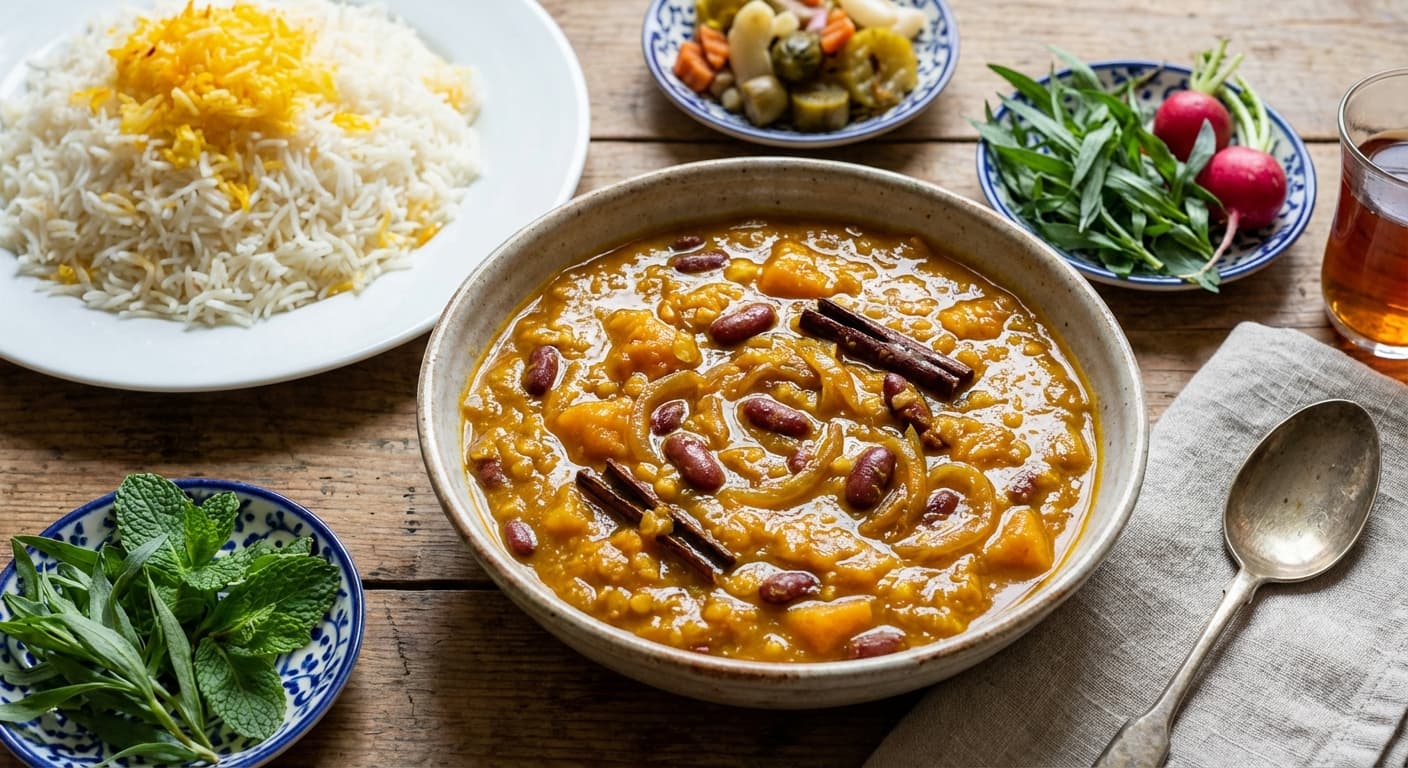
Gheimeh Kadoo Halvai (قیمه کدو حلوایی) — Sweet Pumpkin & Legume Stew
Persian · Stews · 110 min
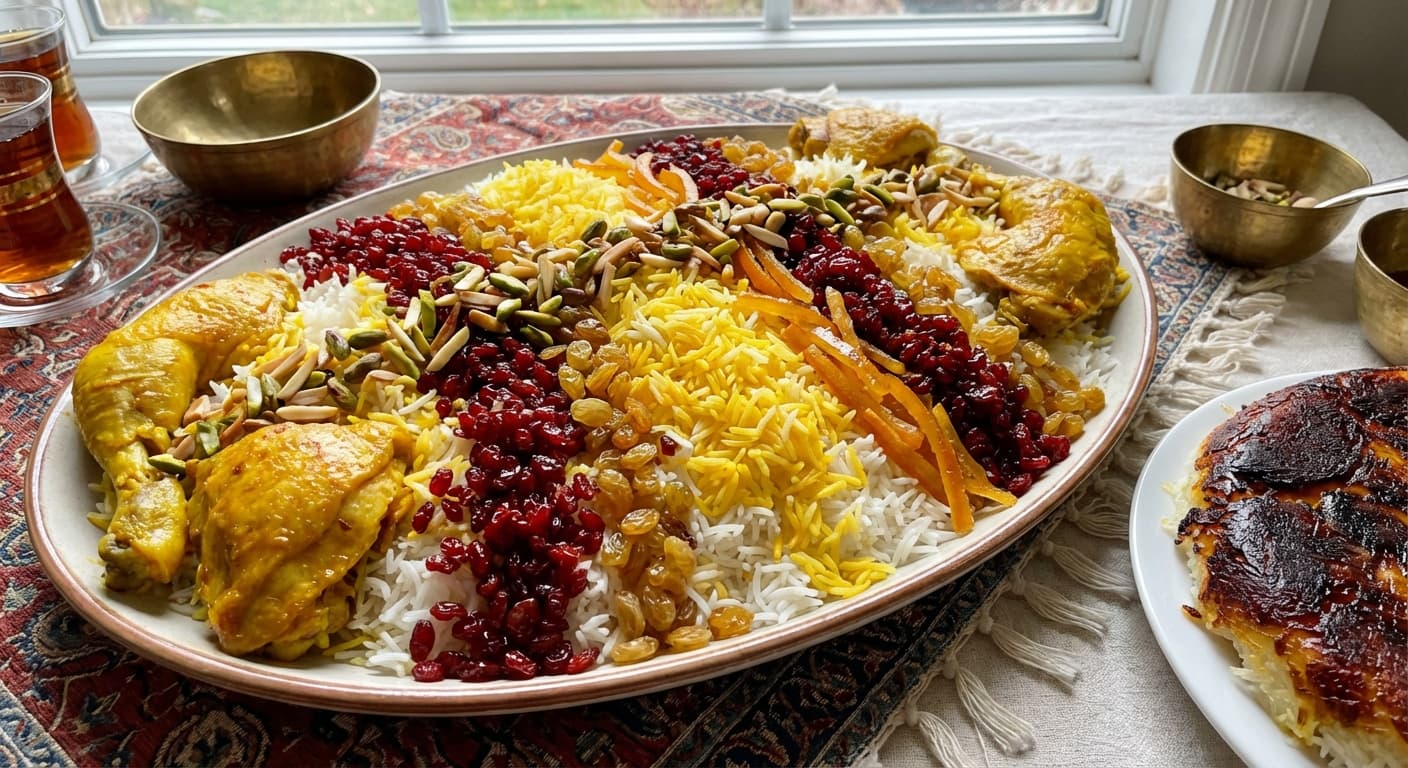
Jeweled Rice (مرصع پلو) — Festive Persian rice with saffron chicken and jeweled fruits
Persian · Rice Dishes · 135 min
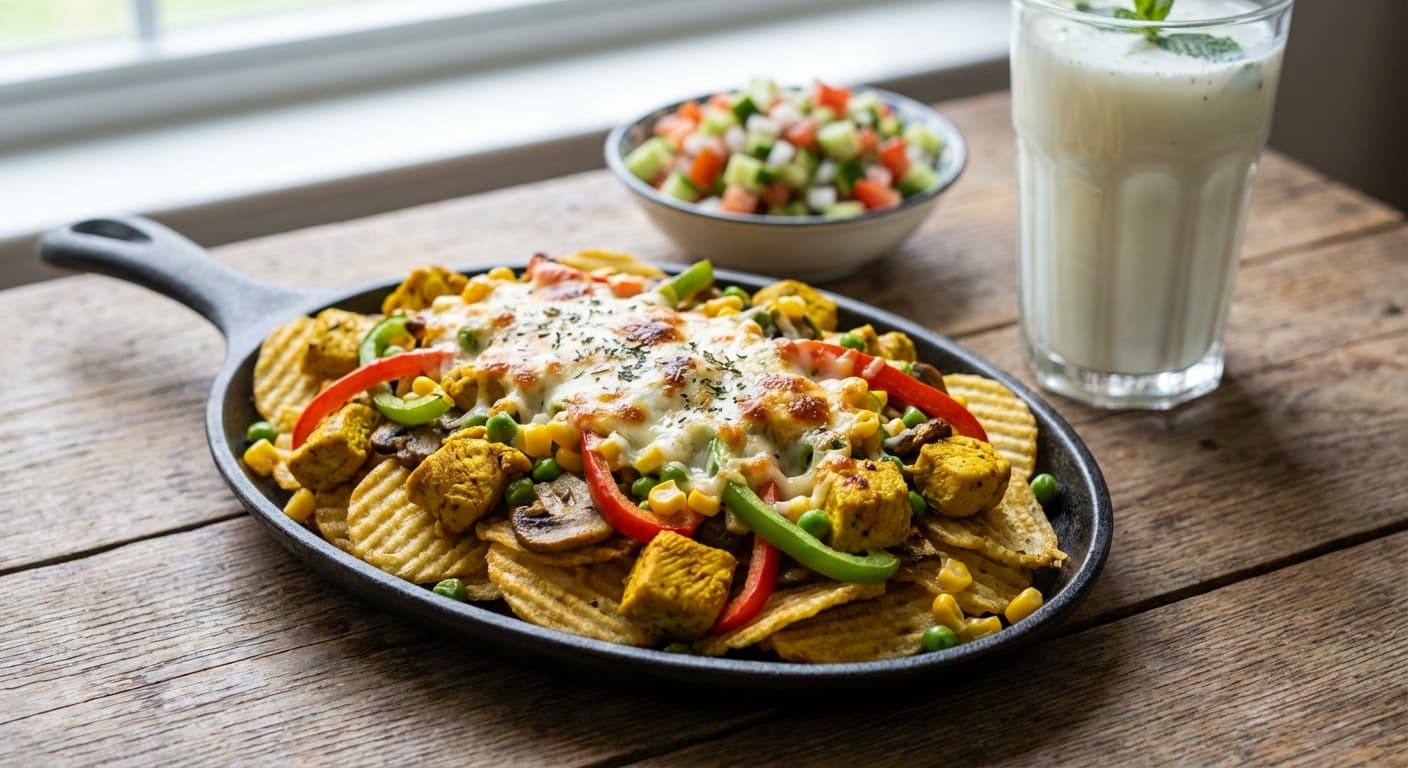
Persian-Style Pizza-Chips (خوراک چیپس و پنیر) — Street-Food Chip Bake with Chicken and Mozzarella
Persian · Main Courses · 45 min
Prahok Ktis (ប្រហុកខ្ទិះ) — Cambodian Coconut Pork Dip
Cambodian · Appetizers · 55 min
Toast Skagen (Toast Skagen) — Swedish Shrimp Toast with Dill and Roe
Swedish · Appetizers · 26 min
Smoky Eggplant Salad (Patlıcan Salatası) — Turkish charred eggplant with garlic and olive oil
Turkish · Salads · 40 min
Cacık (Yoğurtlu Salatalık Mezesi) — Chilled Turkish Yogurt, Cucumber & Mint Dip
Turkish · Appetizers · 15 min
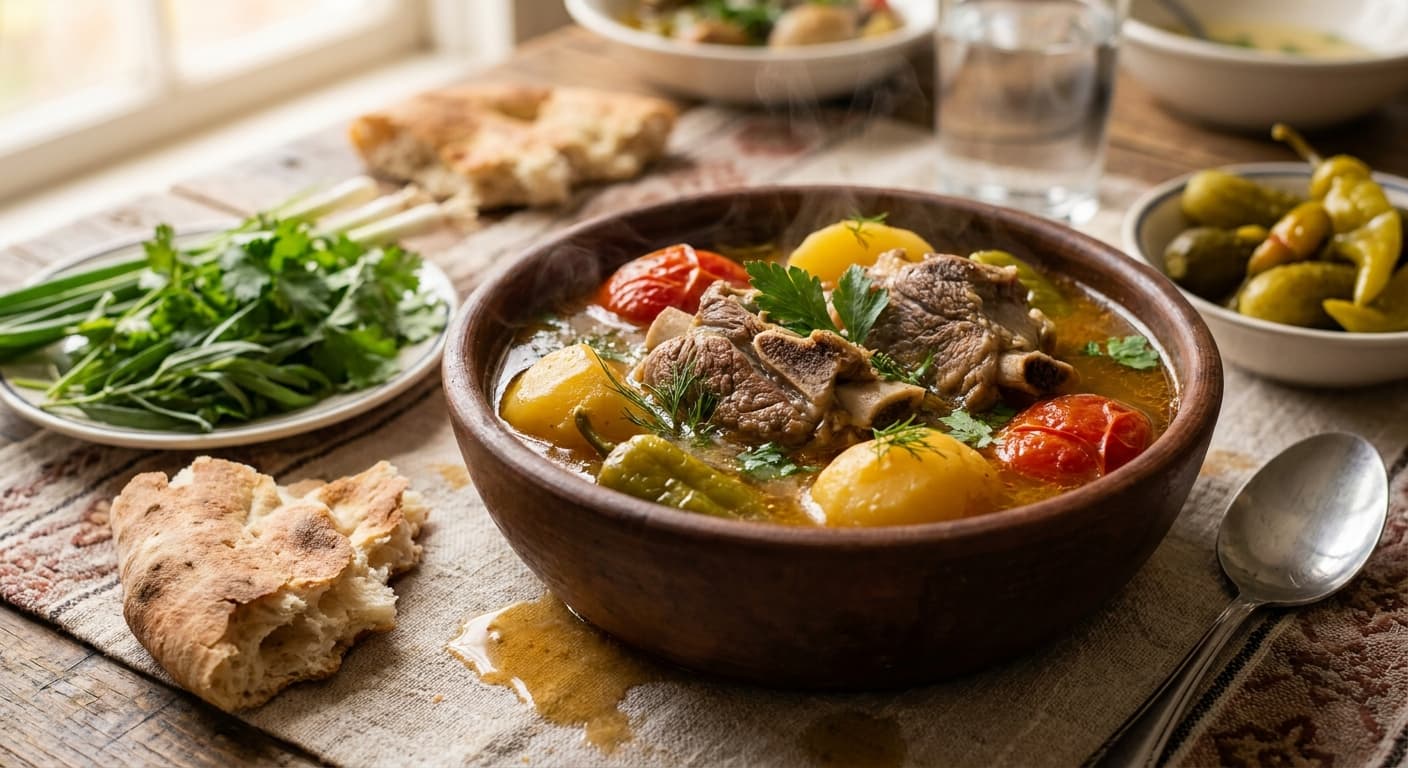
Khashlama (Խաշլամա) — Armenian Lamb and Vegetable Stew
Armenian · Stews · 160 min
Reviews
Cooked this recipe?
Tap the stars to rate it — that's all it takes. A few words are welcome but optional.
No ratings yet. Cooked this one? Be the first to rate it — it takes one tap.