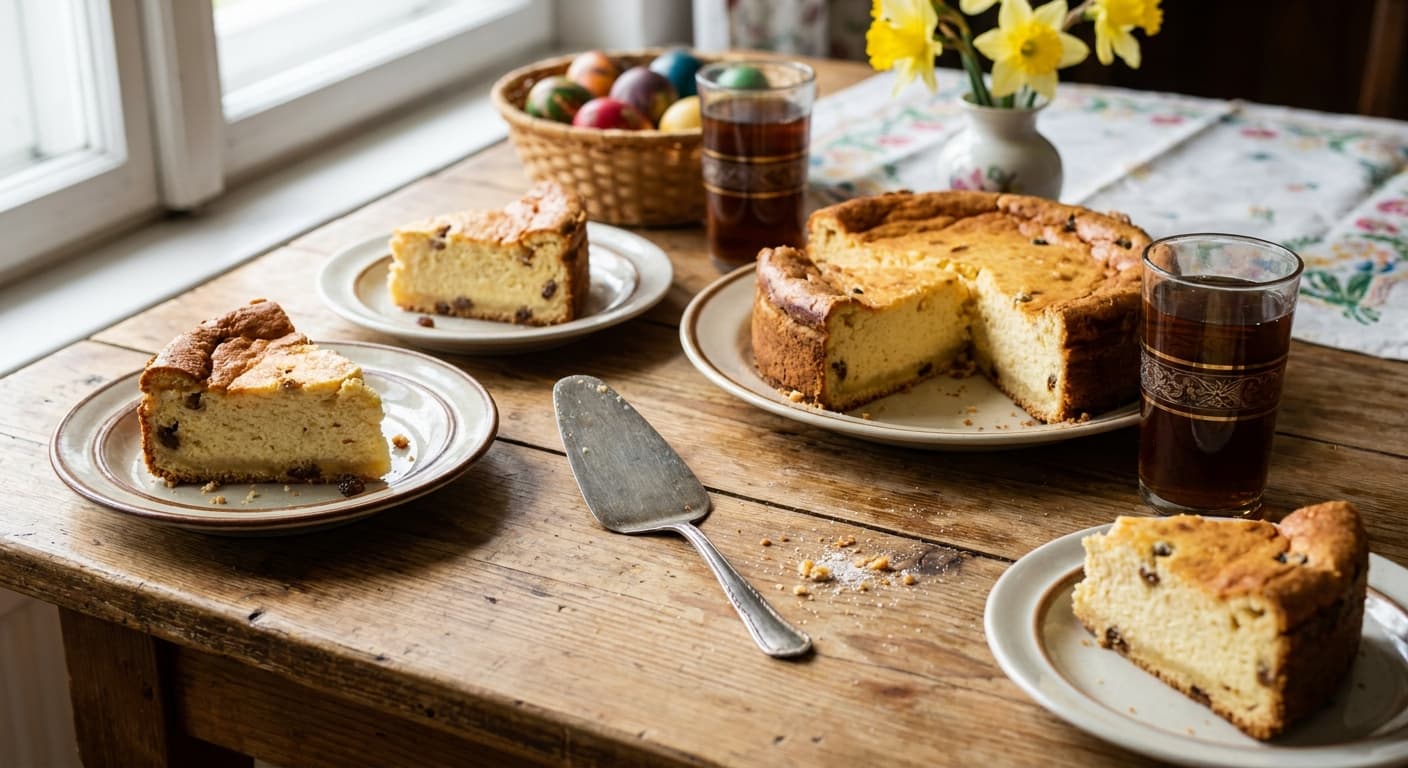
Sernik (Sernik) — Polish Baked Twarog Cheesecake
Sernik is Poland's classic baked cheesecake, made with twarog for a gently tangy, dense yet creamy crumb. It is a centerpiece dessert for Easter, Christmas, name days, and family tables across Poland.
Printable Recipe Card
Servings: 12 · Total: 105 min · Difficulty: medium
Ingredients (quick list)
- 250 g all-purpose flour
- 100 g unsalted butter (cold and cubed)
- 80 g granulated sugar
- 1 egg yolk
- 30 g sour cream
- 2 g fine sea salt
- 1000 g twarog cheese (full-fat or semi-fat, pressed and twice-milled)
- 5 eggs (large, separated)
- 25 g potato starch
- 2 tsp vanilla extract
- 2 tsp lemon zest (finely grated)
- 80 g raisins (rinsed and dried)
Steps (summary)
- Heat the oven to 180°C and set a rack in the lower-middle position. Butter a 23 cm springform pan with 10 g butter, dust it wit…
- Make the shortcrust base by rubbing 100 g cold butter into 250 g flour until the mixture resembles coarse crumbs. Stir in 80 g…
- Press the dough evenly over the bottom of the prepared pan, using a flat-bottomed glass to compact it into an even layer. Prick…
- Bake the chilled base for 12 minutes, until it looks dry on the surface but is not deeply browned. Remove the pan from the oven…
- If the twarog is not already smooth, pass it twice through a fine grinder or food mill. This traditional step is important beca…
- In a large bowl, beat 120 g softened butter with 200 g sugar for 3 minutes, until pale and creamy. Add the 5 egg yolks one at a…
+ 6 more steps in the full instructions section below.
Cultural Background
Sernik is one of Poland's emblematic celebration cakes, rooted in the use of fresh curd cheese in Central and Eastern European dairying. It appears on Easter and Christmas tables, but is also beloved in everyday cukiernia bakeries.
Equipment
💡 Tips
- Use real twarog when possible; its tangy, low-moisture curd is the defining ingredient of classic Polish sernik.
- Do not overbake the center until firm, because residual heat and chilling will finish the set.
- Dry the raisins thoroughly before folding them in so they do not add excess moisture to the cheese filling.
⚠️ Common Mistakes
❌ Using wet, unmilled cheese
✅ Fix: Drain the cheese well and pass it through a grinder or food mill twice for a smooth, cohesive filling.
❌ Baking until the center is completely firm
✅ Fix: Remove the cake when the edges are set and the center still wobbles slightly, then cool it gradually.
❌ Cutting the cake while warm
✅ Fix: Chill the sernik for at least 6 hours so the cheese sets and slices cleanly.
🧊 How to Store
Cover the cooled sernik and refrigerate for up to 5 days. Serve chilled or let slices stand at room temperature for 20 minutes; avoid microwaving because it can toughen the cheese filling.
📅 Make Ahead
Bake the sernik 1 day before serving and chill it overnight in the pan. The crust softens slightly and the twarog filling becomes cleaner, denser, and easier to slice.
🍽️ Pairs Well With
- Strong black tea
- coffee
- sour cherry compote
- lightly sweetened whipped cream.
Regional Variations
- Krakow-style sernik is often baked with a lattice of pastry strips across the top.
- Vienna-style sernik, popular in Poland, is usually baked without a bottom crust for a taller cheese-forward cake.
- Some home versions add candied orange peel, lemon, or a thin chocolate glaze after chilling.
Ingredients
- 250 gall-purpose flour
- 100 gunsalted butter (cold and cubed)
- 80 ggranulated sugar
- 1egg yolk
- 30 gsour cream
- 2 gfine sea salt
- 1000 gtwarog cheese (full-fat or semi-fat, pressed and twice-milled)
- 5eggs (large, separated)
- 25 gpotato starch
- 2 tspvanilla extract
- 2 tsplemon zest (finely grated)
- 80 graisins (rinsed and dried)
🔄 Substitutions
- twarog cheese→ 750 g farmer cheese plus 250 g well-drained whole-milk ricotta
- potato starch→ 25 g cornstarch
- raisins→ 80 g finely diced candied orange peel
Instructions
- 1
Heat the oven to 180°C and set a rack in the lower-middle position. Butter a 23 cm springform pan with 10 g butter, dust it with 10 g flour, and tap out the excess so the crust releases cleanly.
- 2
Make the shortcrust base by rubbing 100 g cold butter into 250 g flour until the mixture resembles coarse crumbs. Stir in 80 g sugar and 2 g salt, then add 1 egg yolk and 30 g sour cream and mix just until the dough comes together without kneading it heavily.
- 3
Press the dough evenly over the bottom of the prepared pan, using a flat-bottomed glass to compact it into an even layer. Prick the base all over with a fork and chill it for 15 minutes, which helps prevent shrinking during baking.
- 4
Bake the chilled base for 12 minutes, until it looks dry on the surface but is not deeply browned. Remove the pan from the oven and reduce the oven temperature to 160°C while you prepare the filling.
- 5
If the twarog is not already smooth, pass it twice through a fine grinder or food mill. This traditional step is important because unmilled twarog can leave the sernik grainy rather than velvety and cohesive.
- 6
In a large bowl, beat 120 g softened butter with 200 g sugar for 3 minutes, until pale and creamy. Add the 5 egg yolks one at a time, beating well after each addition so the fat and yolks emulsify before the cheese is added.
- 7
Beat in the milled twarog, 120 g sour cream, 25 g potato starch, 2 tsp vanilla extract, 2 tsp lemon zest, and 1 g salt until the filling is smooth. Fold in the dried raisins with a spatula so they are evenly distributed without overworking the mixture.
- 8
In a clean bowl, whip the 5 egg whites to soft peaks that hold their shape but still look glossy. Fold the whites into the cheese mixture in 3 additions, using broad strokes to keep the filling light while fully combining it.
- 9
Pour the filling over the warm shortcrust base and smooth the top with an offset spatula. Bake at 160°C for 55 to 60 minutes, until the edges are set and the center still has a slight wobble when the pan is gently nudged.
- 10
Turn off the oven, crack the door open 5 cm, and let the sernik rest inside for 30 minutes. This gradual cooling reduces cracking and helps the dense cheese custard finish setting without becoming dry.
- 11
Transfer the pan to a rack and cool the sernik completely at room temperature for about 2 hours. Refrigerate it for at least 6 hours before slicing, because Polish sernik develops its best texture after a full chill.
- 12
Run a thin knife around the inside of the pan before releasing the springform ring. Slice with a warm, dry knife, wiping the blade between cuts for neat portions.
🪪 Recipe Passport
Cultural Background
Sernik is one of Poland's emblematic celebration cakes, rooted in the use of fresh curd cheese in Central and Eastern European dairying. It appears on Easter and Christmas tables, but is also beloved in everyday cukiernia bakeries.
Regional Variations
Researched from multiple sources and validated by the Zaffaron editorial team. Every recipe is tested for accuracy, measurements, and cultural authenticity.
📚 Sources & Cultural References
- Robert Strybel and Maria Strybel — Polish Heritage Cookery — (1993)
- Zuza Zak — Polska: New Polish Cooking — (2016)
Sources cited by the Zaffaron editorial team during recipe research. Cultural and culinary references supporting authenticity claims.
Nutrition per serving
Pairs well with
If you enjoyed this recipe, here are a few related Zaffaron recipes to try next.
- Potato and Cheese Pierogi (Pierogi ruskie) — Polish Dumplings with Farmer Cheese
- Polish Bigos (Bigos) — Hunter's Stew with Sauerkraut, Cabbage, and Smoked Meats
- Polish Pierogi Ruskie (Pierogi ruskie) — Potato-Cheese Dumplings
- Polish Stuffed Cabbage Rolls (Gołąbki) — Tender Cabbage Rolls in Tomato Sauce
Does your family make this differently?
Every family has their own version. Maybe your grandmother adds a secret ingredient, or your aunt has a completely different technique. Preserve your family's version — with their name on it, forever.
You Might Also Like
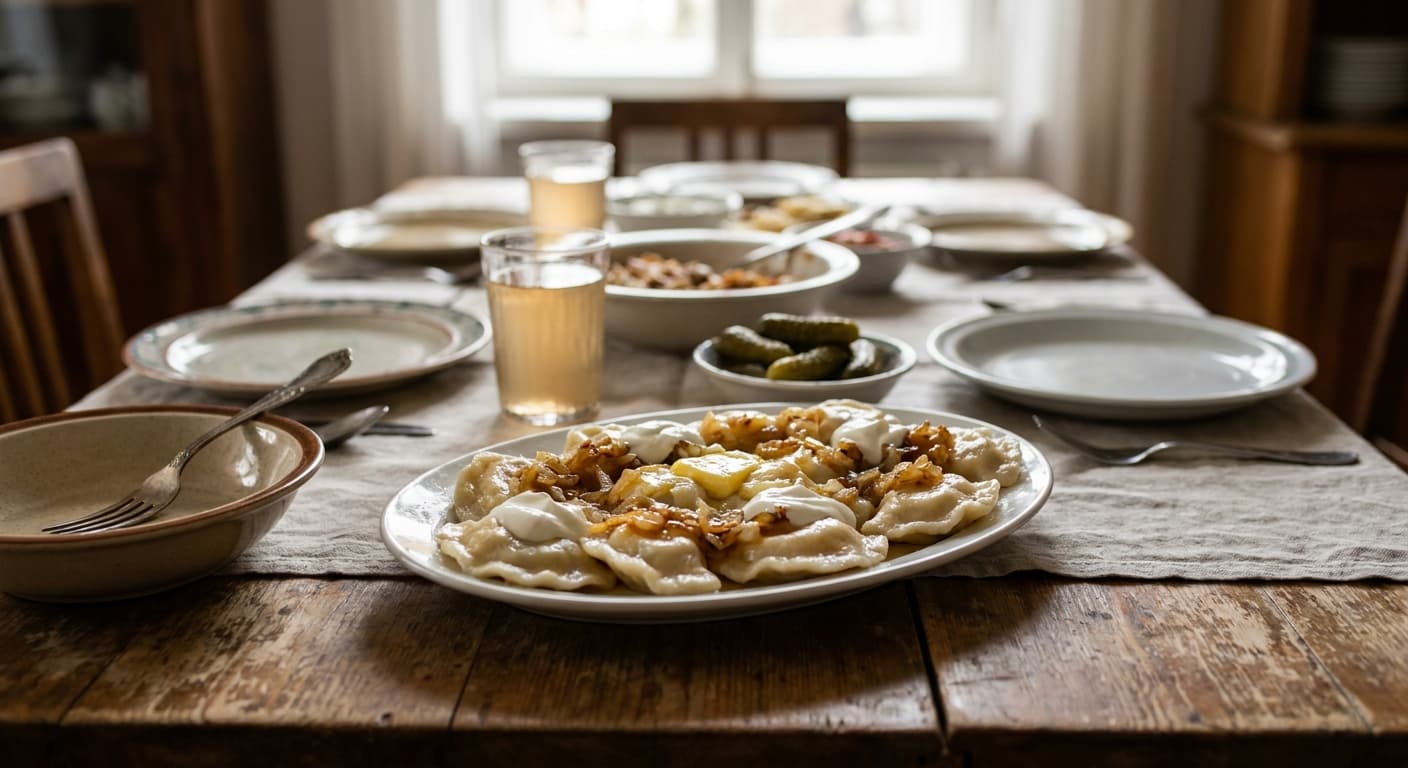
Potato and Cheese Pierogi (Pierogi ruskie) — Polish Dumplings with Farmer Cheese
Polish · Main Courses · 95 min
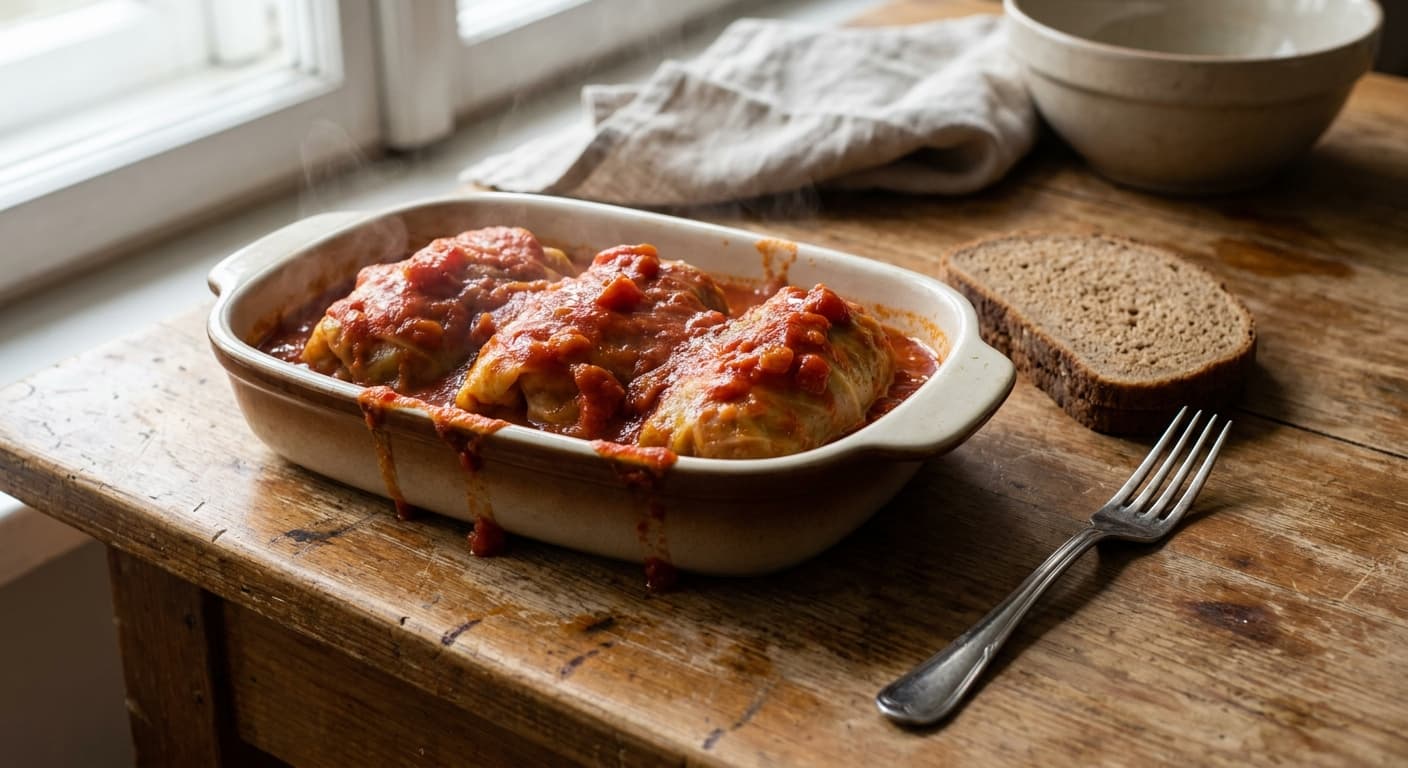
Polish Stuffed Cabbage Rolls (Gołąbki) — Tender Cabbage Rolls in Tomato Sauce
Polish · Main Courses · 135 min
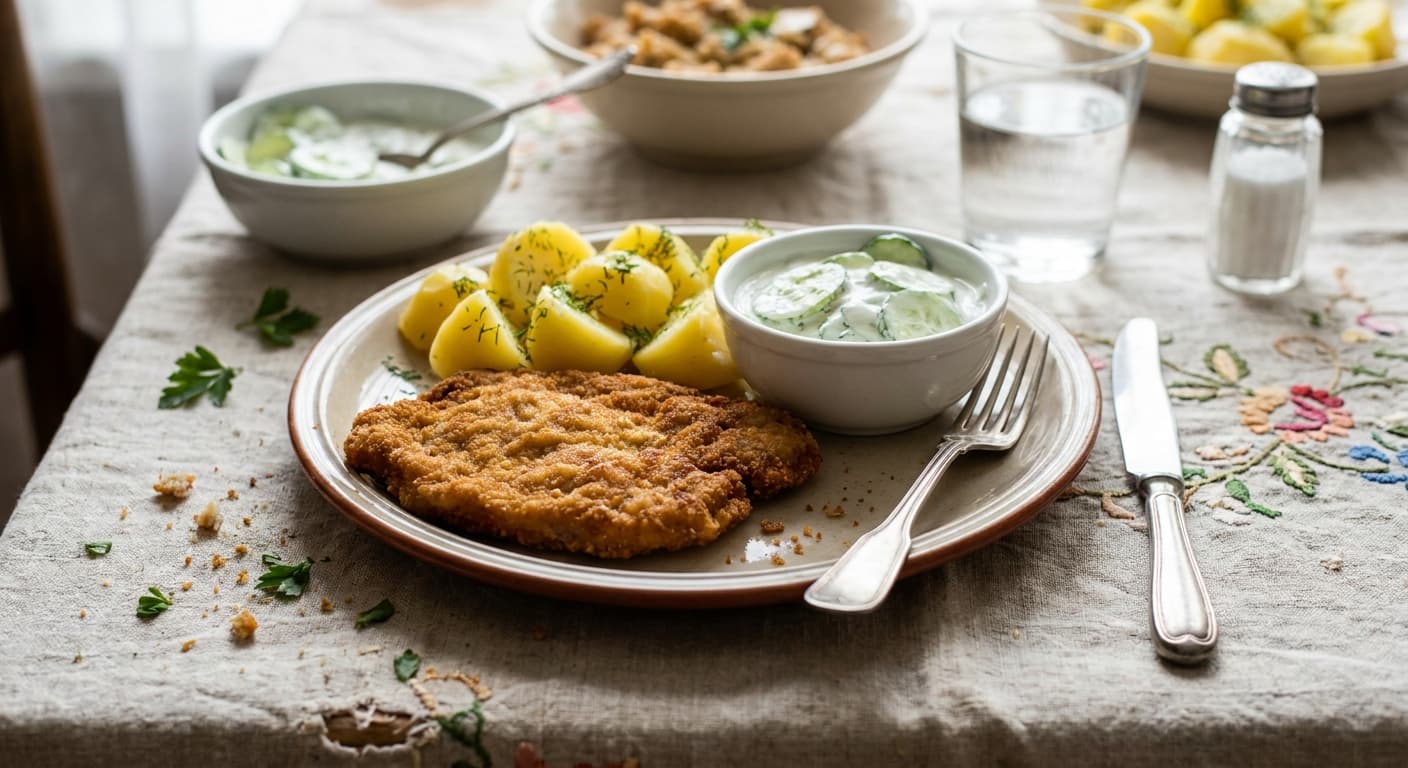
Polish Pork Cutlet (Kotlet schabowy) — Crisp Breaded Sunday Pork Chop
Polish · Main Courses · 43 min
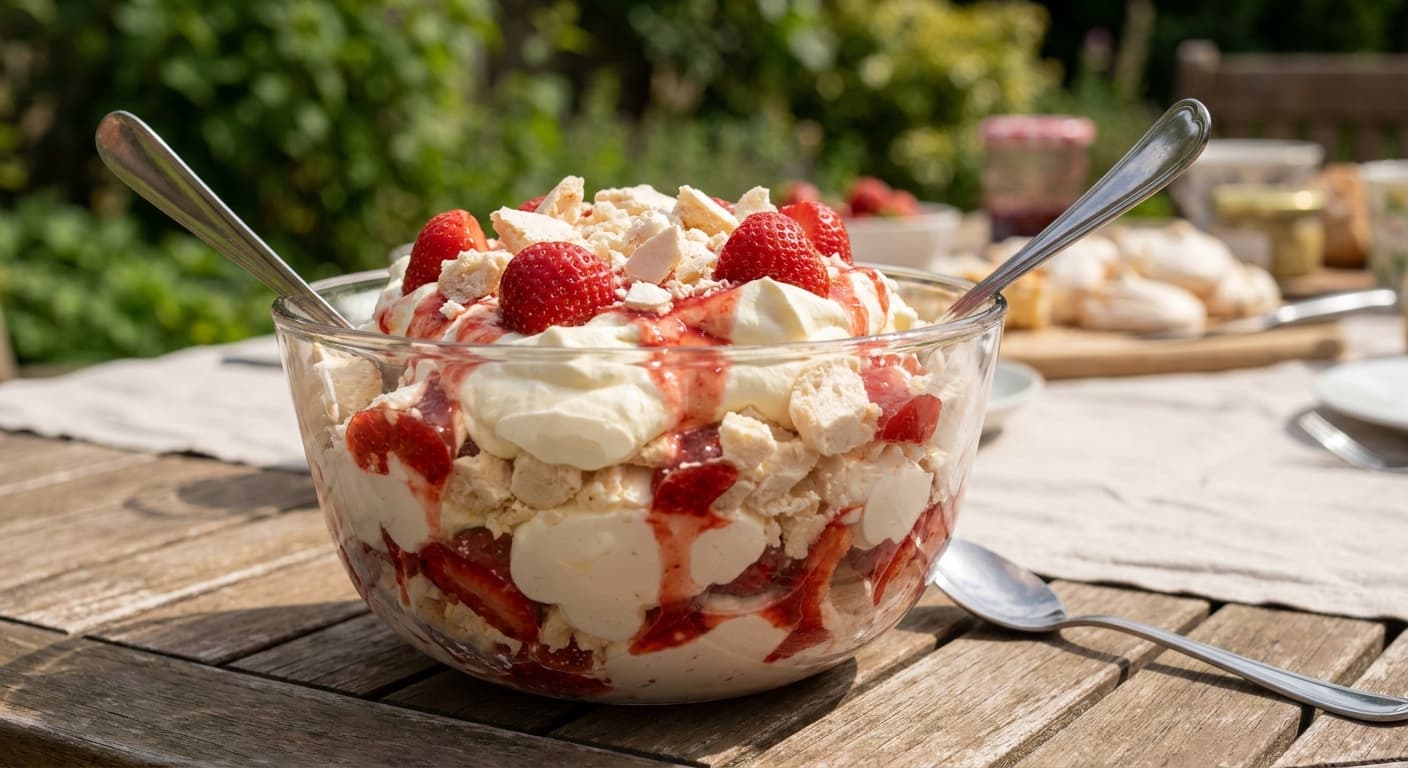
Eton Mess (Eton Mess) — Strawberries, Cream, and Meringue
British · Desserts · 125 min
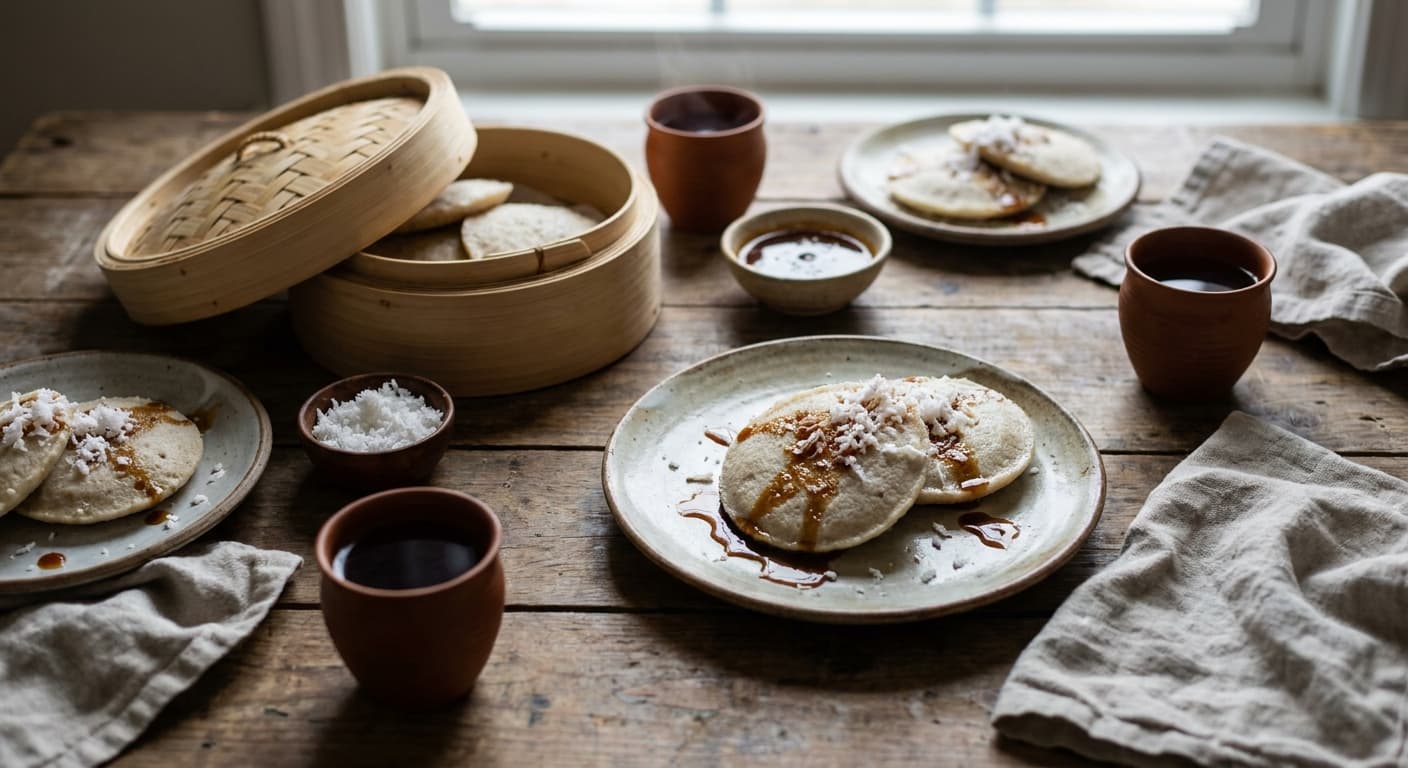
Bhapa Pitha (ভাপা পিঠা) — Steamed Rice Cakes with Coconut and Date Palm Jaggery
Bangladeshi · Desserts · 67 min
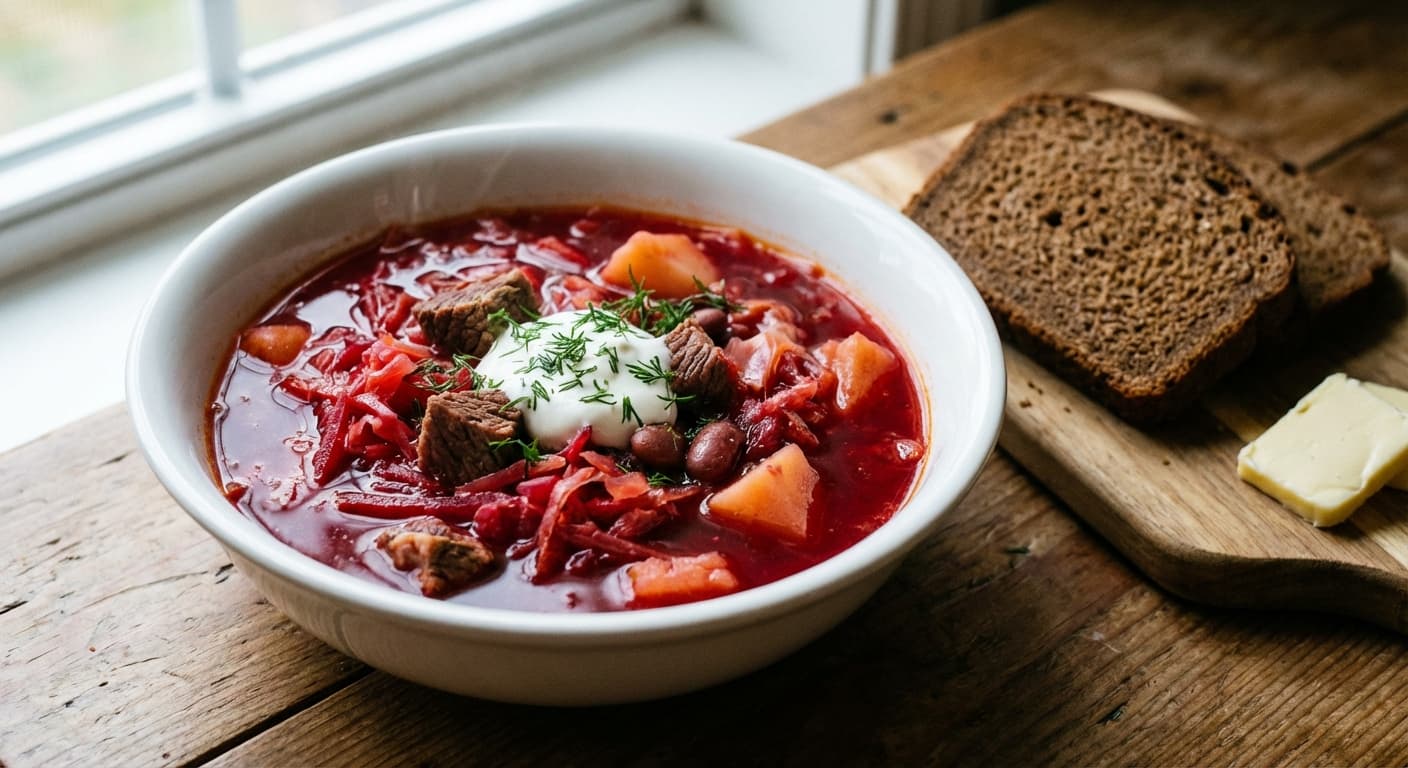
Borscht (Борщ) — Russian Beet and Beef Soup
Russian · Soups · 185 min
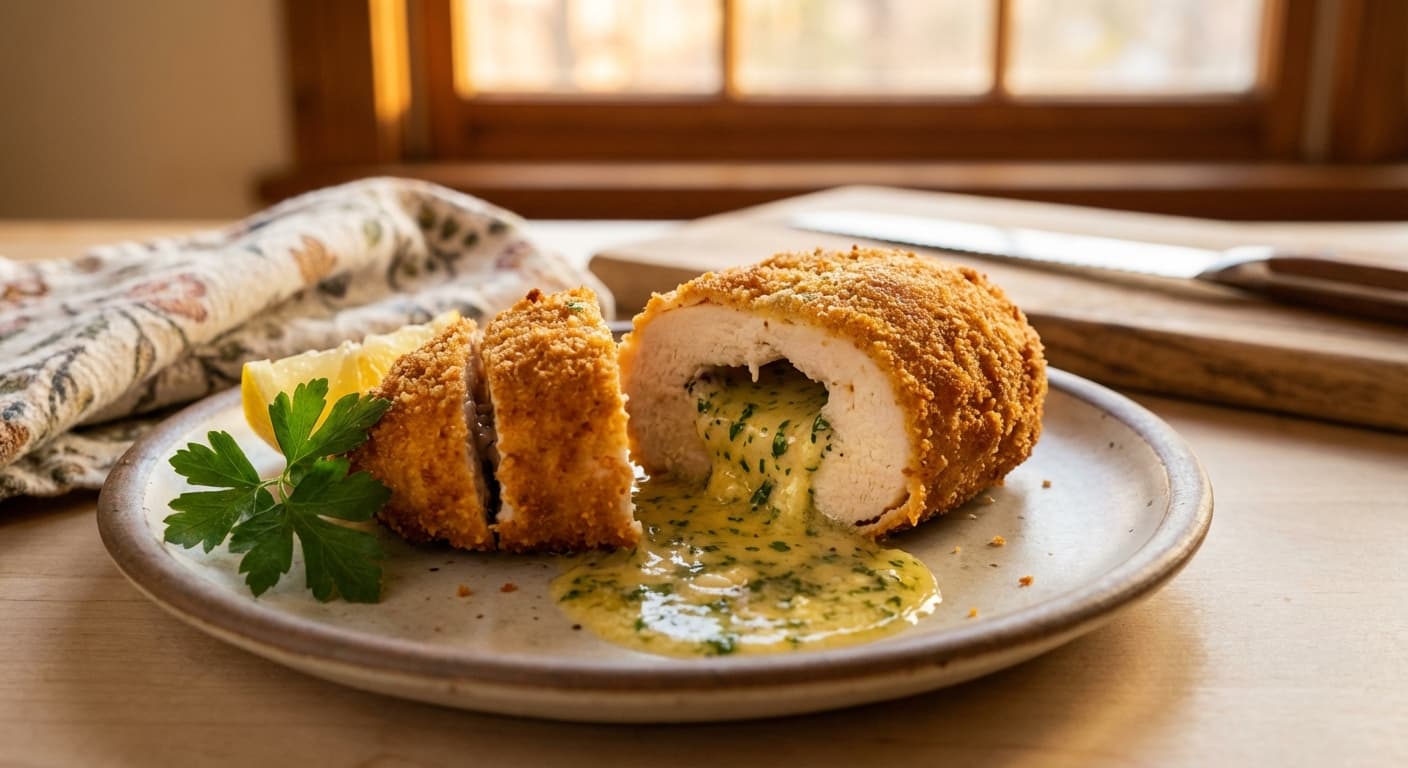
Kotleta po-Kyivsky (Котлета по-киевски) — Classic Chicken Kyiv
Ukrainian · Main Courses · 135 min
Polish Pierogi Ruskie (Pierogi ruskie) — Potato-Cheese Dumplings
Polish · Main Courses · 100 min
Reviews
Cooked this recipe?
Tap the stars to rate it — that's all it takes. A few words are welcome but optional.
No ratings yet. Cooked this one? Be the first to rate it — it takes one tap.