Bigos (Bigos) — Polish Hunter’s Stew with Sauerkraut and Meat
Bigos is Poland’s beloved hunter’s stew, built from sauerkraut, fresh cabbage, smoked sausage, pork, beef, mushrooms and prunes. It is famously better after resting and reheating, making it a staple for winter tables and family gatherings.
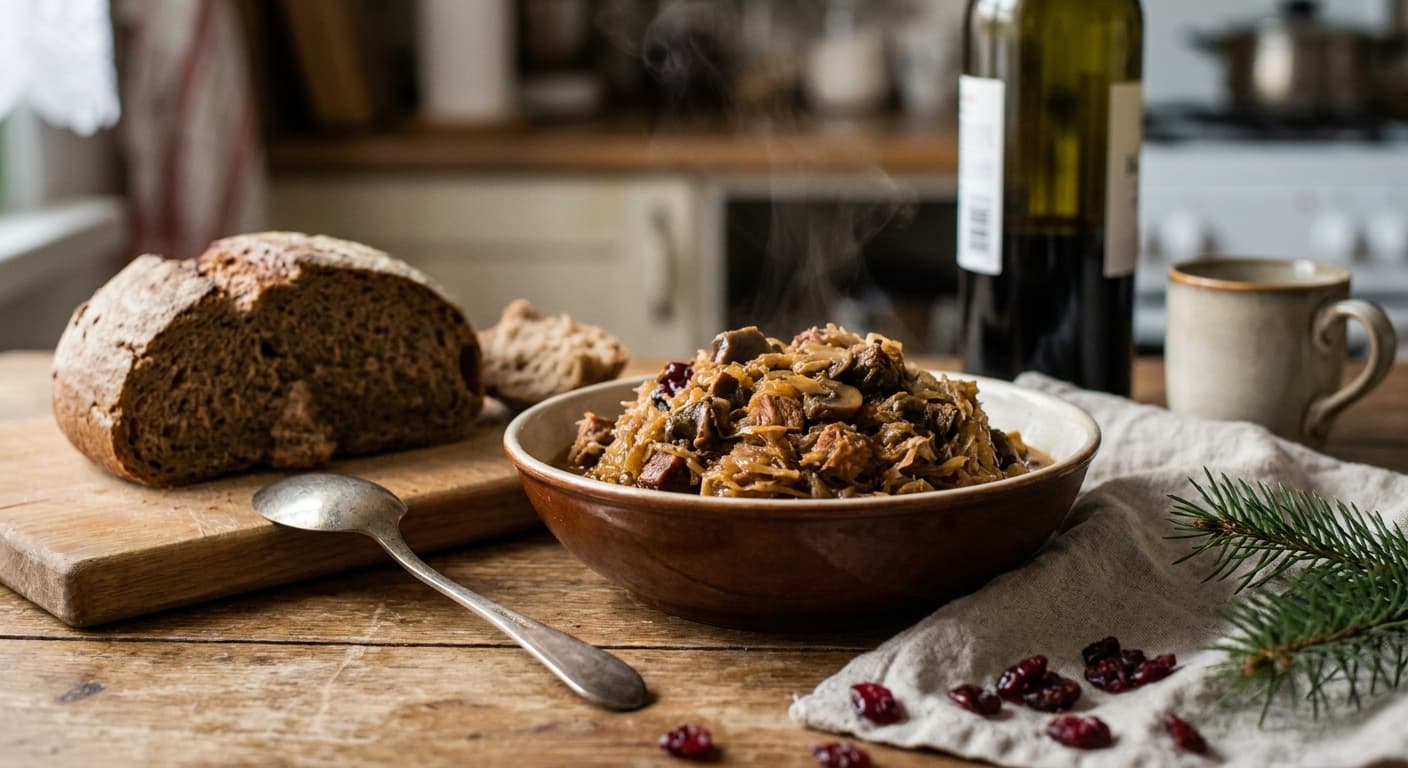
Printable Recipe Card
Servings: 8 · Total: 220 min · Difficulty: medium
Ingredients (quick list)
- 25 g dried porcini mushrooms
- 500 ml boiling water
- 900 g sauerkraut (drained but not rinsed unless extremely salty)
- 700 g green cabbage (cored and finely shredded)
- 600 g pork shoulder (cut into 3 cm cubes)
- 400 g beef chuck (cut into 3 cm cubes)
- 200 g smoked bacon (cut into lardons)
- 350 g smoked Polish kielbasa (sliced into 1 cm rounds)
- 1 tbsp lard
- 2 large yellow onions (finely chopped)
- 3 clove garlic (minced)
- 2 tbsp tomato paste
+ 9 more in the full ingredients section below.
Steps (summary)
- Place the dried porcini mushrooms in a heatproof bowl and pour over 500 ml boiling water. Cover the bowl and let the mushrooms…
- Lift the soaked mushrooms from the liquid, chop them finely, and reserve them in a small bowl. Strain the soaking liquid throug…
- Heat a large heavy pot or Dutch oven over medium heat and add the lard. Add the bacon lardons and cook for 6 to 8 minutes, stir…
- Increase the heat to medium-high and brown the pork shoulder and beef chuck in batches, taking about 4 minutes per batch. Do no…
- Lower the heat to medium and add the chopped onions to the rendered fat in the pot. Cook for 8 minutes, scraping the browned bi…
- Return the browned pork, beef and bacon to the pot, then add the sauerkraut, shredded green cabbage, chopped mushrooms, straine…
+ 3 more steps in the full instructions section below.
Cultural Background
Often called Polish hunter’s stew, bigos reflects forest cooking, preserved cabbage and smoked meats. It is common at winter celebrations, hunting gatherings and Christmas-season tables because it reheats beautifully.
Equipment
💡 Tips
- Bigos should be moist and glossy, not watery; simmer uncovered at the end until excess liquid evaporates.
- If the sauerkraut is extremely sharp, rinse only half of it so the stew keeps its characteristic tang.
- The flavor improves with repeated cooling and reheating, which is why bigos is traditionally made in a large pot.
⚠️ Common Mistakes
❌ Rinsing all the sauerkraut until it is bland.
✅ Fix: Drain it first and rinse only part of it if the acidity is too strong.
❌ Boiling the stew hard for hours.
✅ Fix: Keep it at a low simmer so the meats become tender and the cabbage does not scorch.
❌ Serving bigos immediately after cooking.
✅ Fix: Rest it overnight and reheat it gently for a deeper, rounder flavor.
🧊 How to Store
Cool bigos within 2 hours and refrigerate in airtight containers for up to 4 days, or freeze for up to 3 months. Reheat slowly in a covered pot over low heat, adding 30 ml water if it has thickened too much.
📅 Make Ahead
Bigos is ideal made 1 to 2 days ahead. Cook it fully, cool it quickly, refrigerate it, and reheat gently before serving so the cabbage, smoke and mushroom flavors meld.
🍽️ Pairs Well With
- Rye bread
- boiled potatoes
- dill pickles
- horseradish
- Polish beer.
Regional Variations
- Some Polish households add venison or wild boar when bigos is made after a hunt.
- In parts of Lithuania-influenced eastern Poland, cooks may include more mushrooms and less tomato.
- Family Christmas versions often use extra prunes for a darker, gently sweet finish.
Ingredients
- 25 gdried porcini mushrooms
- 500 mlboiling water
- 900 gsauerkraut (drained but not rinsed unless extremely salty)
- 700 ggreen cabbage (cored and finely shredded)
- 600 gpork shoulder (cut into 3 cm cubes)
- 400 gbeef chuck (cut into 3 cm cubes)
- 200 gsmoked bacon (cut into lardons)
- 350 gsmoked Polish kielbasa (sliced into 1 cm rounds)
- 1 tbsplard
- 2large yellow onions (finely chopped)
- 3 clovegarlic (minced)
- 2 tbsptomato paste
- 240 mldry red wine
- 120 gpitted prunes (roughly chopped)
- 3 leafbay leaves
- 6whole allspice berries
- 8juniper berries (lightly crushed)
- 1 tspcaraway seeds
- 1.5 tspdried marjoram
- 1 tspfreshly ground black pepper
- 1 tspfine sea salt (adjust only after simmering because sauerkraut and smoked meats are salty)
🔄 Substitutions
- pork shoulder→ pork ribs or pork neck
- dry red wine→ unsweetened apple cider
- dried porcini mushrooms→ dried mixed wild mushrooms
Instructions
- 1
Place the dried porcini mushrooms in a heatproof bowl and pour over 500 ml boiling water. Cover the bowl and let the mushrooms soak for 30 minutes while you prepare the meats and cabbage.
- 2
Lift the soaked mushrooms from the liquid, chop them finely, and reserve them in a small bowl. Strain the soaking liquid through a fine sieve lined with paper towel or cheesecloth, stopping before any grit at the bottom enters the strained liquid.
- 3
Heat a large heavy pot or Dutch oven over medium heat and add the lard. Add the bacon lardons and cook for 6 to 8 minutes, stirring often, until the fat renders and the bacon edges begin to brown.
- 4
Increase the heat to medium-high and brown the pork shoulder and beef chuck in batches, taking about 4 minutes per batch. Do not crowd the pot, because proper browning gives bigos its deep, savory foundation.
- 5
Lower the heat to medium and add the chopped onions to the rendered fat in the pot. Cook for 8 minutes, scraping the browned bits from the bottom, then add the garlic and tomato paste and cook for 2 minutes more.
- 6
Return the browned pork, beef and bacon to the pot, then add the sauerkraut, shredded green cabbage, chopped mushrooms, strained mushroom liquid and red wine. Stir thoroughly so the fresh cabbage begins to collapse into the sauerkraut and meat.
- 7
Add the kielbasa, prunes, bay leaves, allspice, juniper, caraway, marjoram, black pepper and 1 teaspoon salt. Bring the stew to a gentle simmer, then cover the pot partially and cook over low heat for 2 hours, stirring every 20 minutes to prevent sticking.
- 8
Uncover the pot and continue simmering for 30 to 45 minutes, until the meats are tender and the cabbage mixture is thick rather than soupy. Taste and adjust only if needed with a measured 0.25 teaspoon additional salt at a time.
- 9
For the most authentic flavor, cool the bigos completely, refrigerate it overnight, and reheat it gently the next day. Serve it very hot in deep bowls with rye bread or boiled potatoes, making sure each portion has cabbage, sausage and tender meat.
🪪 Recipe Passport
Cultural Background
Often called Polish hunter’s stew, bigos reflects forest cooking, preserved cabbage and smoked meats. It is common at winter celebrations, hunting gatherings and Christmas-season tables because it reheats beautifully.
Regional Variations
Researched from multiple sources and validated by the Zaffaron editorial team. Every recipe is tested for accuracy, measurements, and cultural authenticity.
📚 Sources & Cultural References
- Robert Strybel and Maria Strybel — Polish Heritage Cookery — (1993)
- Alan Davidson — The Oxford Companion to Food — (2014)
Sources cited by the Zaffaron editorial team during recipe research. Cultural and culinary references supporting authenticity claims.
Nutrition per serving
Pairs well with
If you enjoyed this recipe, here are a few related Zaffaron recipes to try next.
Does your family make this differently?
Every family has their own version. Maybe your grandmother adds a secret ingredient, or your aunt has a completely different technique. Preserve your family's version — with their name on it, forever.
You Might Also Like
Polish Pierogi Ruskie (Pierogi ruskie) — Potato-Cheese Dumplings
Polish · Main Courses · 100 min
Polish Bigos (Bigos) — Hunter's Stew with Sauerkraut, Cabbage, and Smoked Meats
Polish · Stews · 215 min
Polish Sour Rye Soup (Żurek) — Tangy Easter Sausage Soup
Polish · Soups · 80 min
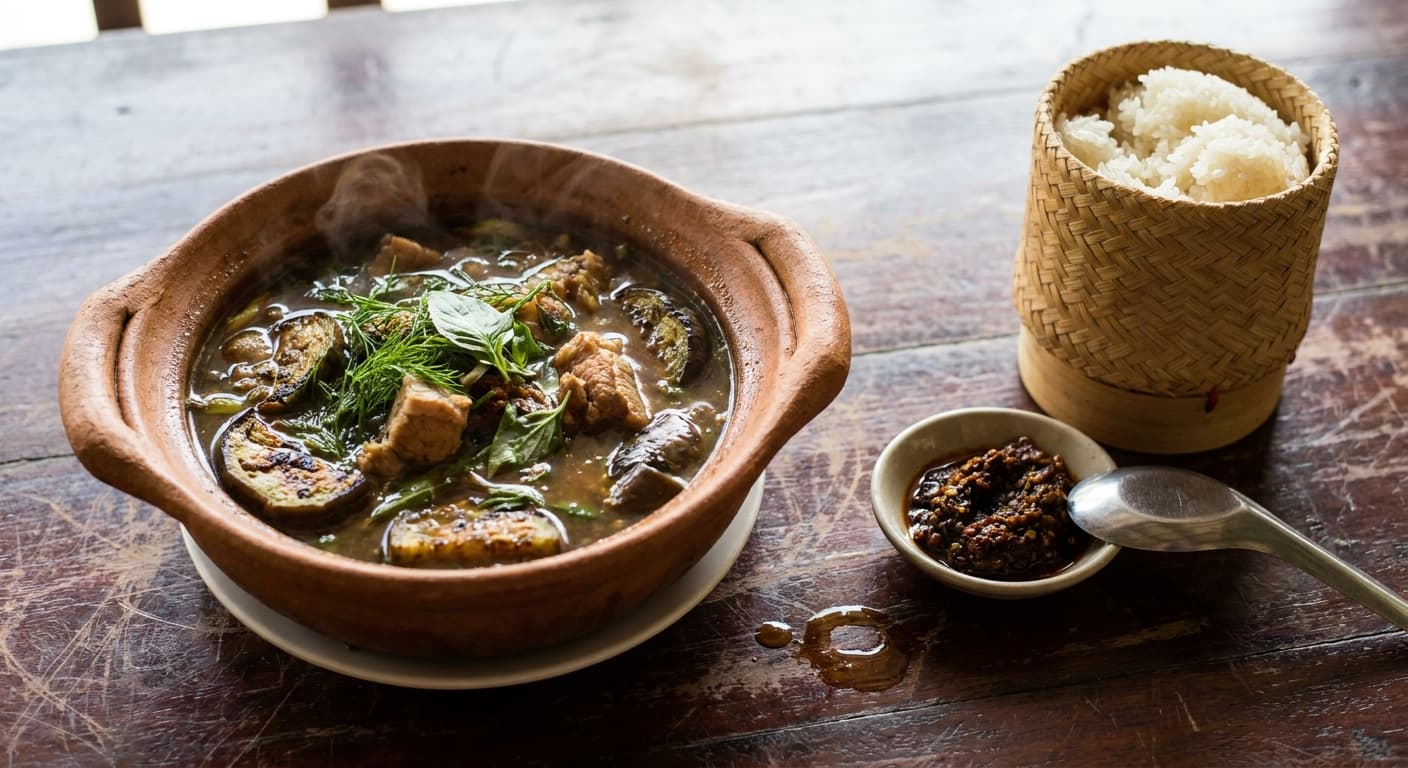
Or Lam (ເອາະຫຼາມ) — Luang Prabang Herb Stew
Laotian · Stews · 155 min
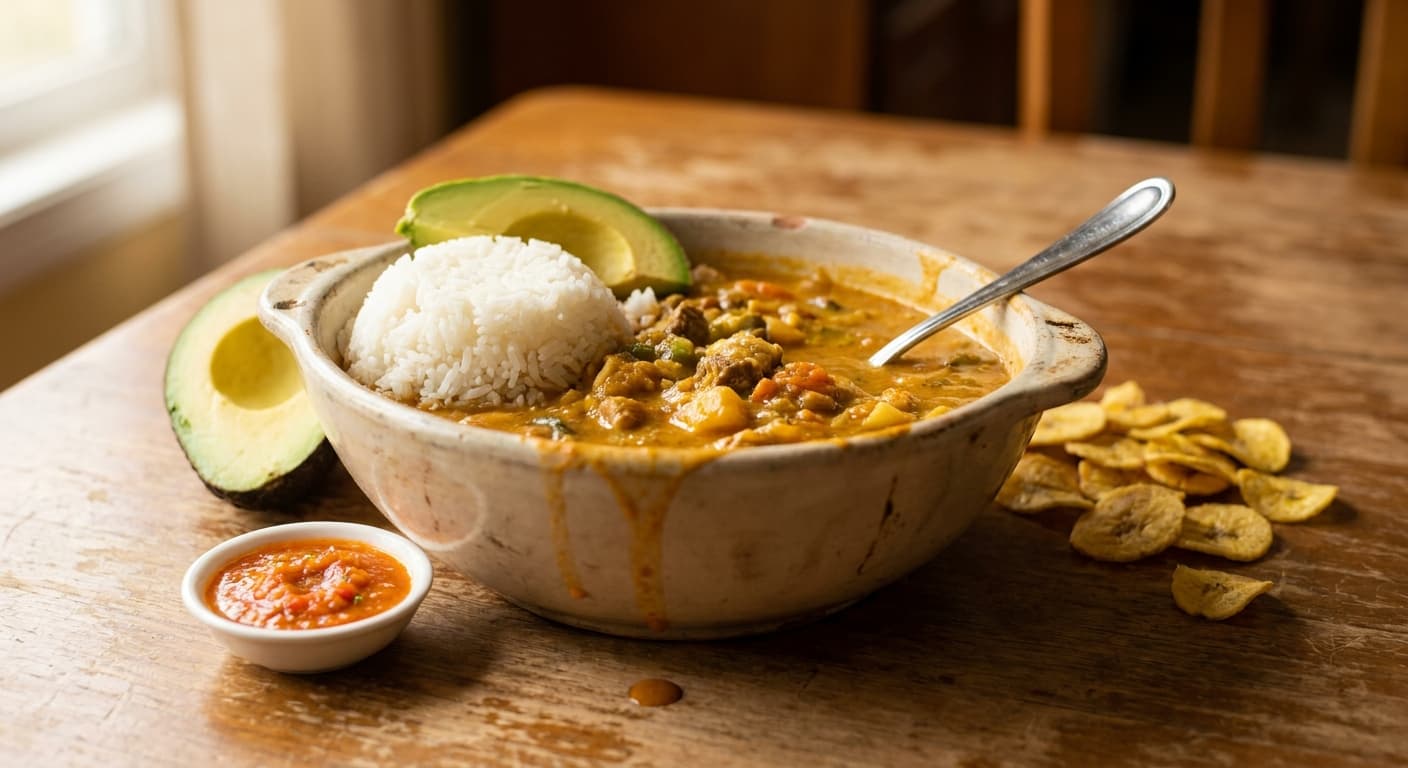
Ecuadorian Peanut Tripe Stew (Guatita) — Creamy Potato and Peanut Stew
Ecuadorian · Stews · 180 min
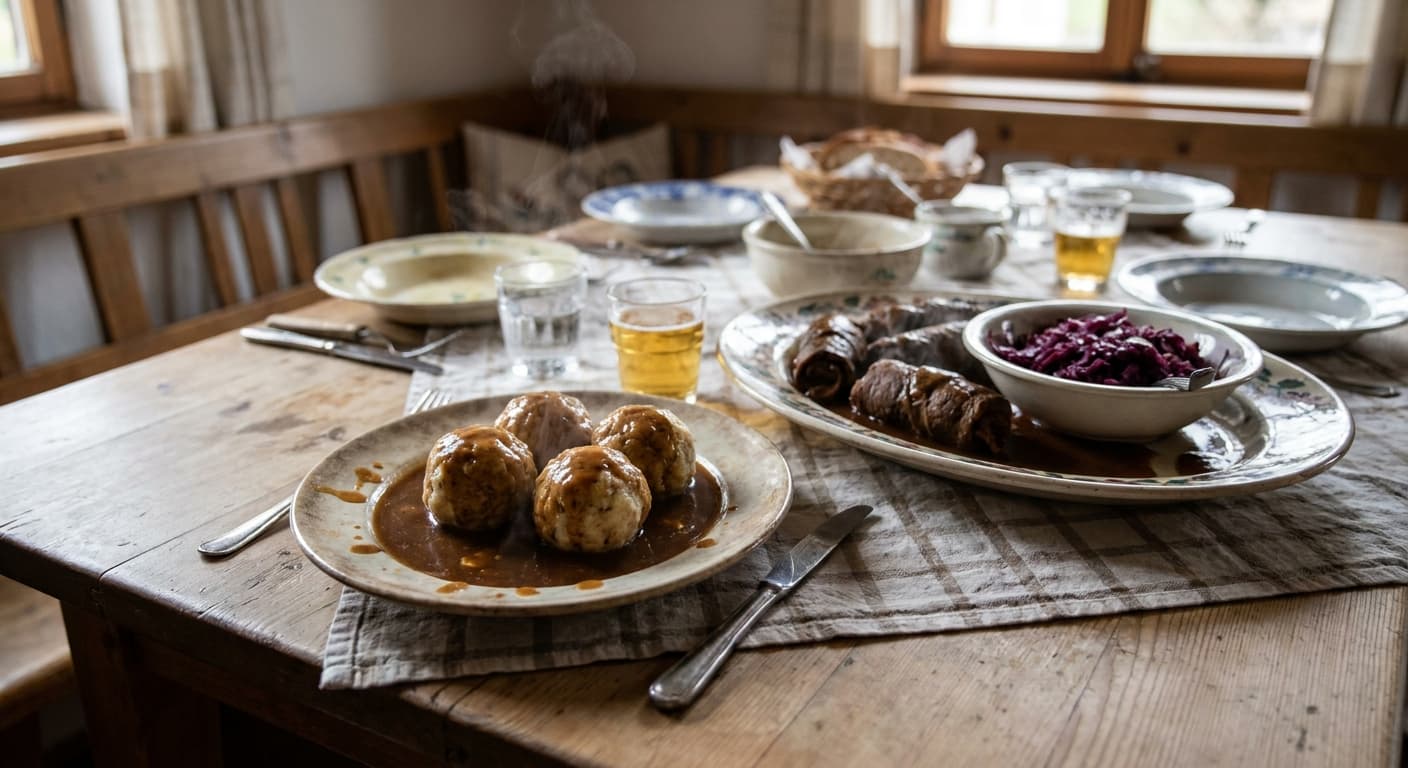
German Bread Dumplings (Semmelknödel) — Bavarian Bread Dumplings
German · Side Dishes · 50 min
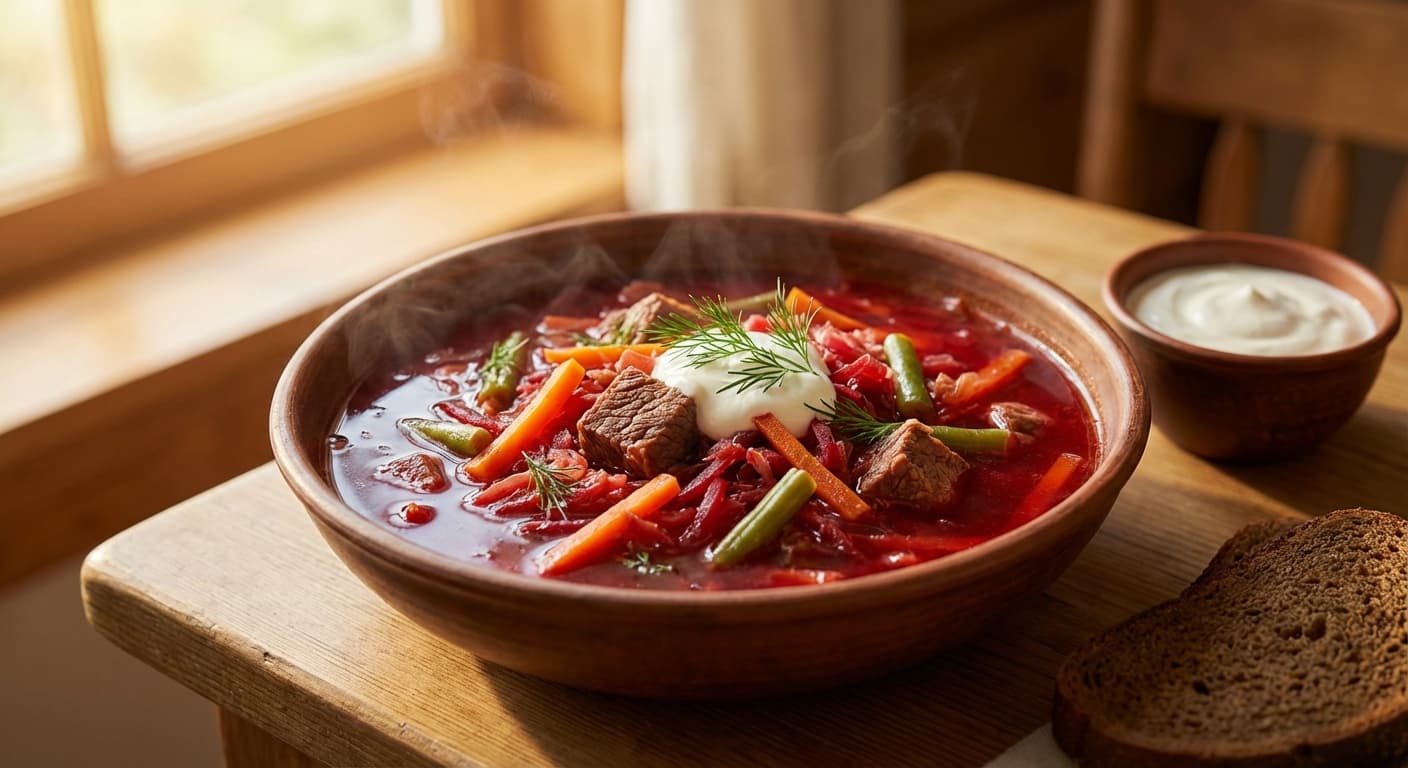
Soop Resi Roosi (سوپ رسی روسی) — Russian Borscht Soup
Russian · Soups · 145 min
Buckwheat Žganci (Ajdovi žganci) — Slovenian Buckwheat Crumbs with Cracklings
Slovenian · Side Dishes · 45 min
Reviews
Cooked this recipe?
Tap the stars to rate it — that's all it takes. A few words are welcome but optional.
No ratings yet. Cooked this one? Be the first to rate it — it takes one tap.