Peruvian Ceviche (Ceviche Peruano) — Lime-Cured Fish with Ají and Sweet Potato
Peruvian ceviche is a bright coastal dish of very fresh fish briefly cured in lime with ají, onion, cilantro, and salt. It is traditionally served immediately with sweet potato, corn, and cancha for contrast.

Printable Recipe Card
Servings: 4 · Total: 60 min · Difficulty: medium
Ingredients (quick list)
- 680 g skinless sea bass fillet (sashimi-grade or the freshest firm white fish available, kept very cold)
- 180 ml fresh lime juice (from about 9 to 10 limes, strained)
- 120 g red onion (very thinly sliced)
- 1 ají limo chile (seeded and minced; use 2 for a hotter ceviche)
- 1 clove garlic (finely grated)
- 10 sprig fresh cilantro (leaves chopped, tender stems reserved)
- 9 g fine sea salt
- 6 ice cubes (for chilling and rinsing the onion)
- 2 orange sweet potatoes (about 450 g total)
- 2 ears of Peruvian choclo or large-kernel corn
- 80 g cancha corn nuts
- 4 lettuce leaves (optional traditional garnish)
Steps (summary)
- Scrub the sweet potatoes and place them in a saucepan with enough water to cover by 3 cm. Simmer for about 25 minutes, until a…
- Bring a second pot of water to a boil and cook the choclo or corn for 8 to 10 minutes, until the kernels are tender but still f…
- Place the sliced red onion in a bowl with cold water and 3 ice cubes for 10 minutes to sharpen its texture and soften its bite.…
- Keep the fish over a chilled board or tray and remove any pin bones, dark bloodline, or sinew. Cut it into even 2 cm cubes so t…
- In a chilled nonreactive bowl, combine the fish, salt, grated garlic, minced ají limo, chopped cilantro leaves, and the remaini…
- Pour in the strained lime juice and fold the fish gently for 1 minute, making sure every cube is coated. Let it stand for 4 to…
+ 2 more steps in the full instructions section below.
Cultural Background
Ceviche is one of Peru's defining coastal dishes, especially associated with Lima and northern fishing towns. Its balance of fish, lime, ají, onion, and leche de tigre reflects Peru's Pacific pantry and daily cevichería culture.
Equipment
💡 Tips
- Use only fish you would confidently eat raw, and keep it below 4°C until the moment it is mixed.
- Squeeze limes gently and stop before the bitter white pith releases too much oil into the juice.
- Do not marinate the fish far in advance; Peruvian ceviche should be mixed and eaten within minutes.
⚠️ Common Mistakes
❌ Marinating the fish for too long.
✅ Fix: Mix the ceviche just before serving and limit the lime cure to 4 to 6 minutes for a tender Peruvian style.
❌ Using bottled lime juice.
✅ Fix: Use freshly squeezed lime juice and strain it, because bottled juice tastes flat and can make the fish harsh.
❌ Cutting the fish unevenly.
✅ Fix: Cut neat 2 cm cubes so all pieces cure at the same pace and keep a consistent texture.
🧊 How to Store
Ceviche is best eaten immediately and should not be held for service longer than 30 minutes under refrigeration. Store leftovers in a covered container for up to 12 hours, but do not reheat; discard if the fish smells strong or watery.
📅 Make Ahead
Cook the sweet potatoes and corn up to 1 day ahead and refrigerate them covered. Slice the onion and chill it up to 2 hours ahead, but cut and cure the fish only at serving time.
🍽️ Pairs Well With
- Boiled sweet potato
- Peruvian choclo
- cancha
- lettuce leaves
- cold chicha morada
- crisp pilsner.
Regional Variations
- In northern Peru, ceviche may be made with corvina, mero, or tollo and served with zarandaja beans or yuca.
- Nikkei-style Peruvian ceviche may include soy sauce, ginger, or sesame, reflecting Japanese-Peruvian influence.
- Mixed seafood ceviche can include shrimp, octopus, squid, or scallops, often with seafood cooked briefly before mixing.
Ingredients
- 680 gskinless sea bass fillet (sashimi-grade or the freshest firm white fish available, kept very cold)
- 180 mlfresh lime juice (from about 9 to 10 limes, strained)
- 120 gred onion (very thinly sliced)
- 1ají limo chile (seeded and minced; use 2 for a hotter ceviche)
- 1 clovegarlic (finely grated)
- 10 sprigfresh cilantro (leaves chopped, tender stems reserved)
- 9 gfine sea salt
- 6ice cubes (for chilling and rinsing the onion)
- 2orange sweet potatoes (about 450 g total)
- 2ears of Peruvian choclo or large-kernel corn
- 80 gcancha corn nuts
- 4lettuce leaves (optional traditional garnish)
🔄 Substitutions
- sea bass fillet→ fluke, sole, corvina, or halibut fillet
- ají limo chile→ habanero chile
- Peruvian choclo→ large-kernel white corn or fresh sweet corn
Instructions
- 1
Scrub the sweet potatoes and place them in a saucepan with enough water to cover by 3 cm. Simmer for about 25 minutes, until a knife slides through the centers, then drain, cool, peel, and cut into thick rounds.
- 2
Bring a second pot of water to a boil and cook the choclo or corn for 8 to 10 minutes, until the kernels are tender but still full and juicy. Drain it well, cut the ears into serving sections, and keep them at room temperature.
- 3
Place the sliced red onion in a bowl with cold water and 3 ice cubes for 10 minutes to sharpen its texture and soften its bite. Drain thoroughly, pat dry with a clean towel, and refrigerate until the fish is ready.
- 4
Keep the fish over a chilled board or tray and remove any pin bones, dark bloodline, or sinew. Cut it into even 2 cm cubes so the lime cure penetrates quickly and evenly without making the surface mushy.
- 5
In a chilled nonreactive bowl, combine the fish, salt, grated garlic, minced ají limo, chopped cilantro leaves, and the remaining 3 ice cubes. Toss gently for 20 seconds, which seasons the fish before the lime juice begins curing it.
- 6
Pour in the strained lime juice and fold the fish gently for 1 minute, making sure every cube is coated. Let it stand for 4 to 6 minutes only, until the outside turns opaque while the center remains tender and moist.
- 7
Remove and discard the ice cubes, then fold in most of the drained red onion. Taste the curing liquid and adjust with exactly 1 g additional fine sea salt only if the fish tastes underseasoned.
- 8
Line each plate with a lettuce leaf if using, then spoon the ceviche and its leche de tigre into shallow bowls or plates. Garnish with the remaining onion and serve immediately with sweet potato rounds, corn sections, and cancha on the side.
🪪 Recipe Passport
Cultural Background
Ceviche is one of Peru's defining coastal dishes, especially associated with Lima and northern fishing towns. Its balance of fish, lime, ají, onion, and leche de tigre reflects Peru's Pacific pantry and daily cevichería culture.
Regional Variations
Researched from multiple sources and validated by the Zaffaron editorial team. Every recipe is tested for accuracy, measurements, and cultural authenticity.
📚 Sources & Cultural References
- Gastón Acurio — Peru: The Cookbook — (2015)
- UNESCO — Practices and Meanings Associated with the Preparation and Consumption of Ceviche, an Expression of Peruvian Traditional Cuisine — (2023)
Sources cited by the Zaffaron editorial team during recipe research. Cultural and culinary references supporting authenticity claims.
Nutrition per serving
Pairs well with
If you enjoyed this recipe, here are a few related Zaffaron recipes to try next.
Does your family make this differently?
Every family has their own version. Maybe your grandmother adds a secret ingredient, or your aunt has a completely different technique. Preserve your family's version — with their name on it, forever.
You Might Also Like
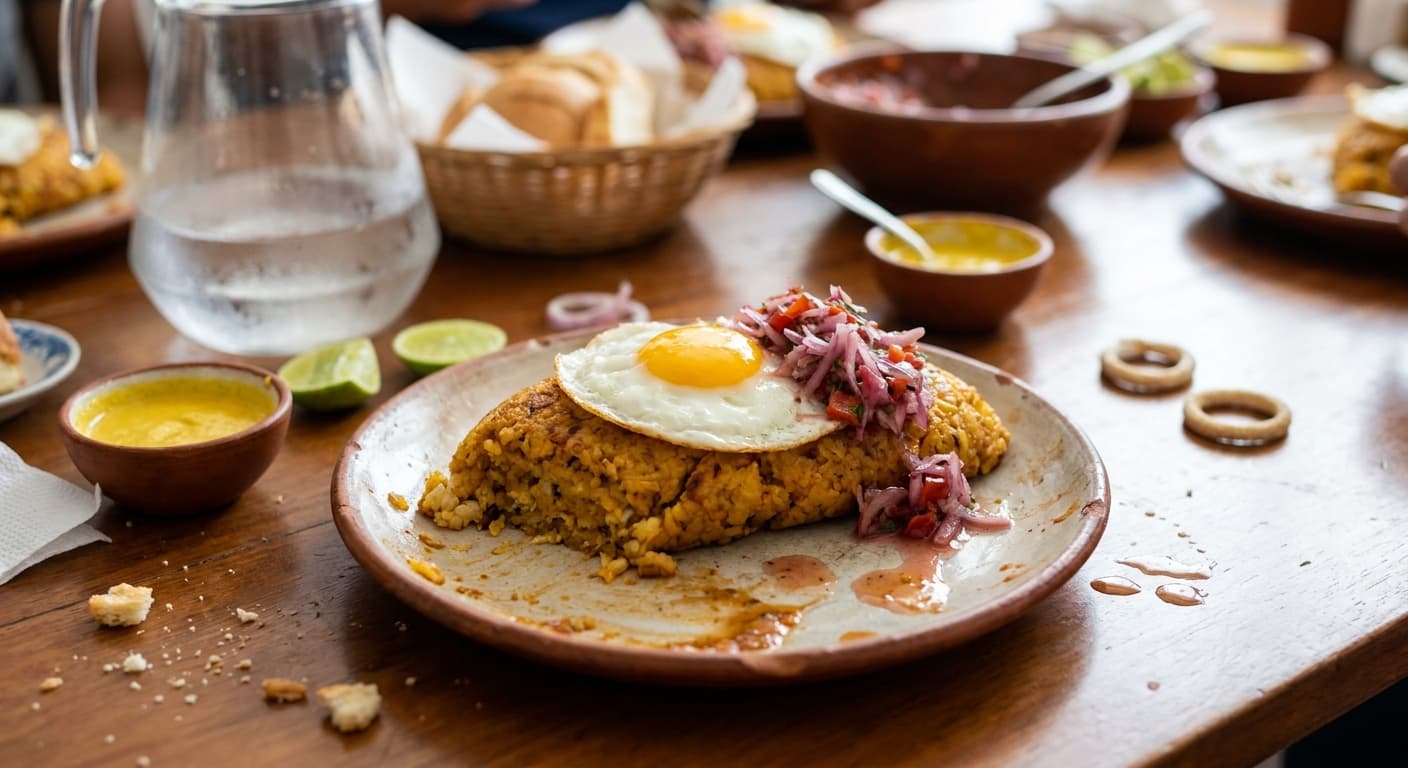
Tacu Tacu (Tacu Tacu) — Peruvian Rice and Bean Skillet Cake
Peruvian · Main Courses · 55 min
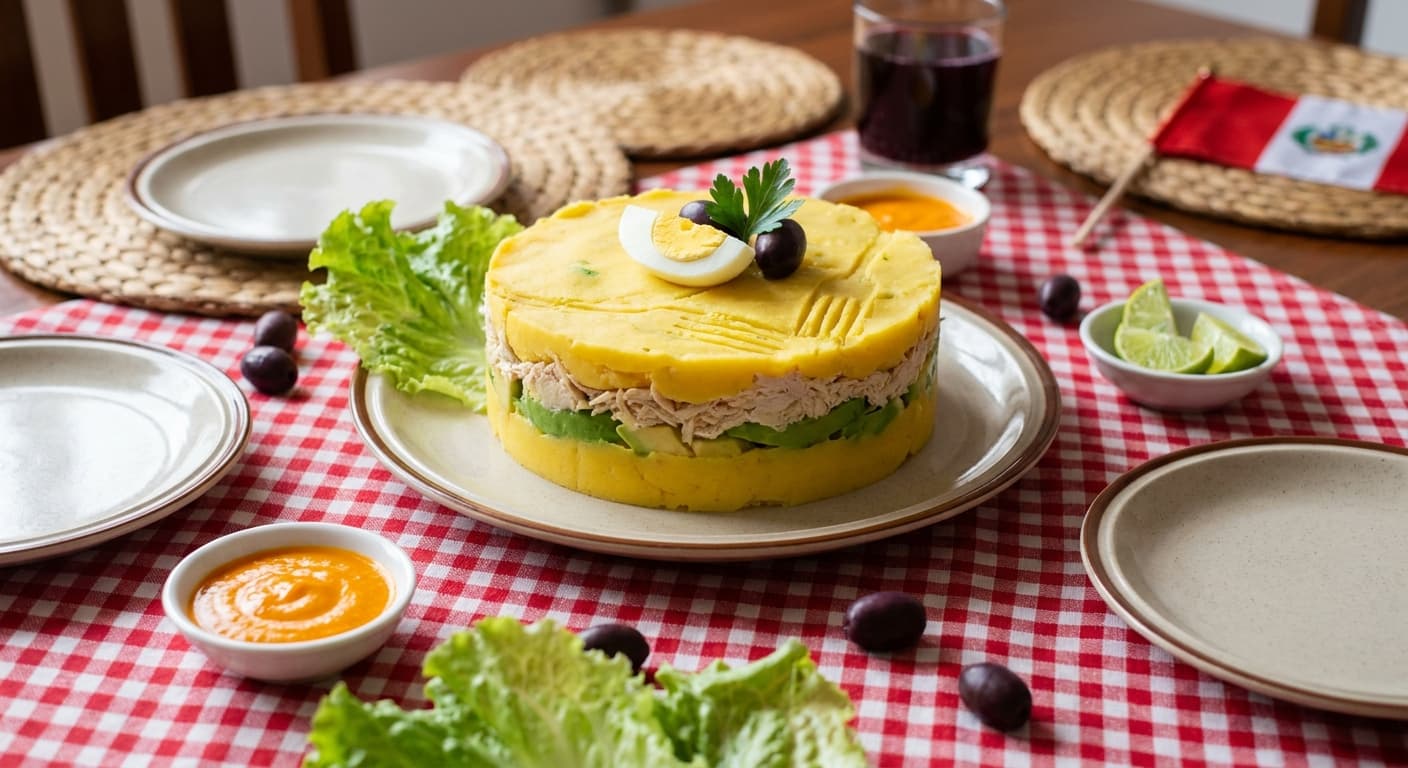
Lima-Style Causa (Causa Limeña) — Chilled Potato Terrine with Chicken and Avocado
Peruvian · Appetizers · 70 min
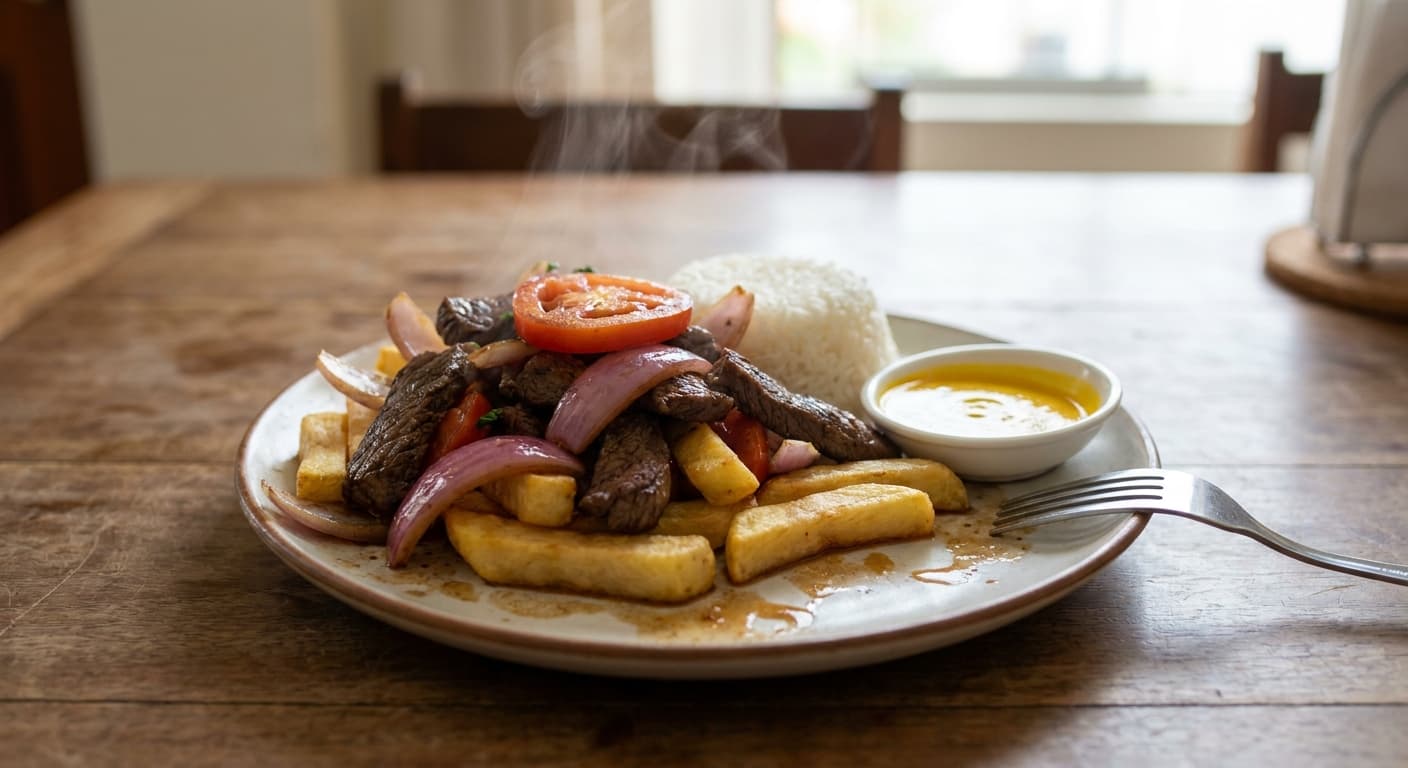
Lomo Saltado (Lomo Saltado) — Peruvian Beef Stir-Fry with Fries
Peruvian · Main Courses · 50 min
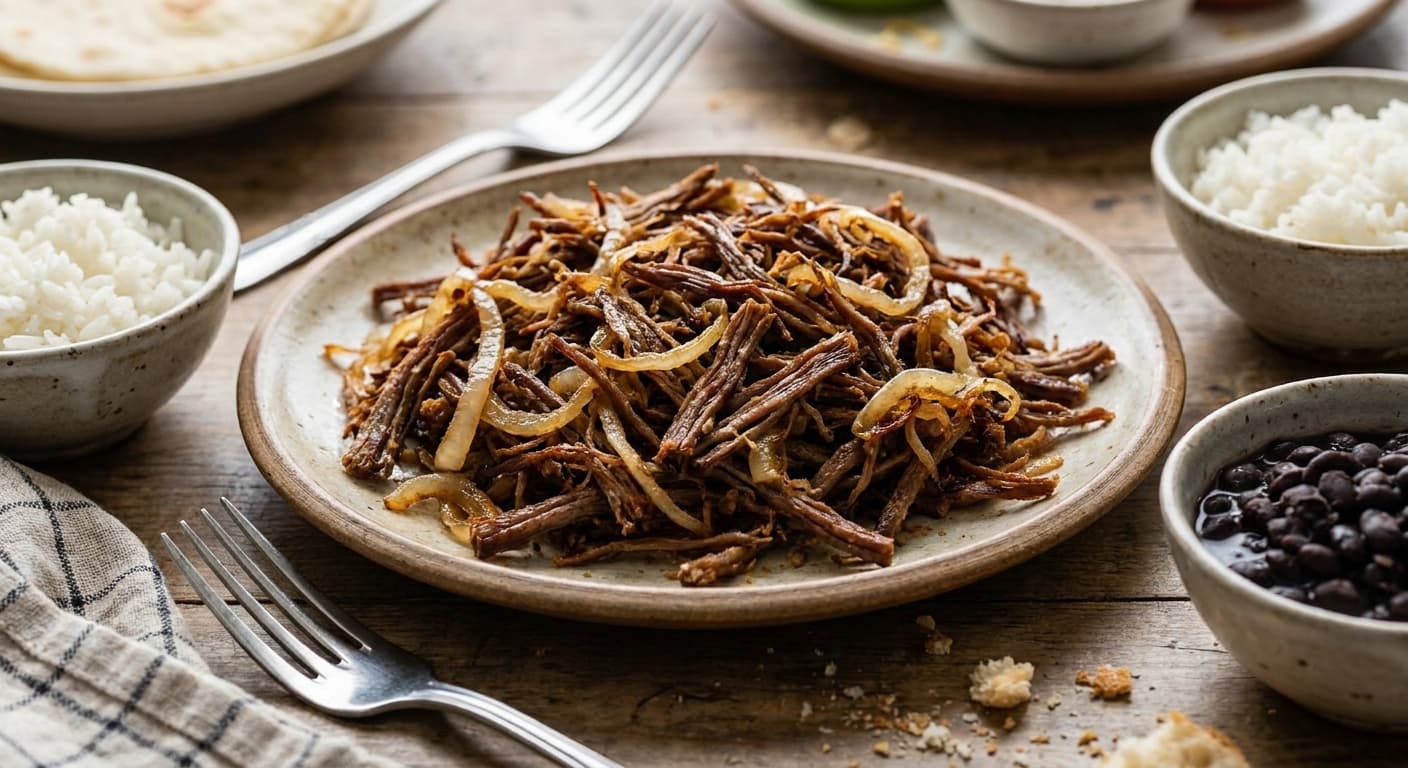
Cuban Crispy Shredded Beef (Vaca Frita) — Garlic and Citrus
Cuban · Main Courses · 140 min
Pone Yay Gyi Curry (ပုန်းရည်ကြီးဟင်း) — Burmese Pork and Fermented Bean Paste
Burmese · Main Courses · 115 min
Tamales (Tamales) — Red Chile Pork in Steamed Corn Masa
Mexican · Main Courses · 225 min
Asturian Bean Stew (Fabada Asturiana) — Smoky Spanish Bean and Pork Stew
Spanish · Stews · 210 min
Panta Bhat (পান্তা ভাত) — Overnight Fermented Rice with Fried Ilish
Bangladeshi · Rice Dishes · 35 min
Reviews
Cooked this recipe?
Tap the stars to rate it — that's all it takes. A few words are welcome but optional.
No ratings yet. Cooked this one? Be the first to rate it — it takes one tap.