Taramasalata (Ταραμοσαλάτα) — Greek Fish Roe Dip with Lemon
Taramasalata is a classic Greek meze made from salted fish roe whipped into a pale, airy dip with lemon and olive oil. Often served during Lent and alongside seafood, it’s prized for its briny depth and bright citrus lift.
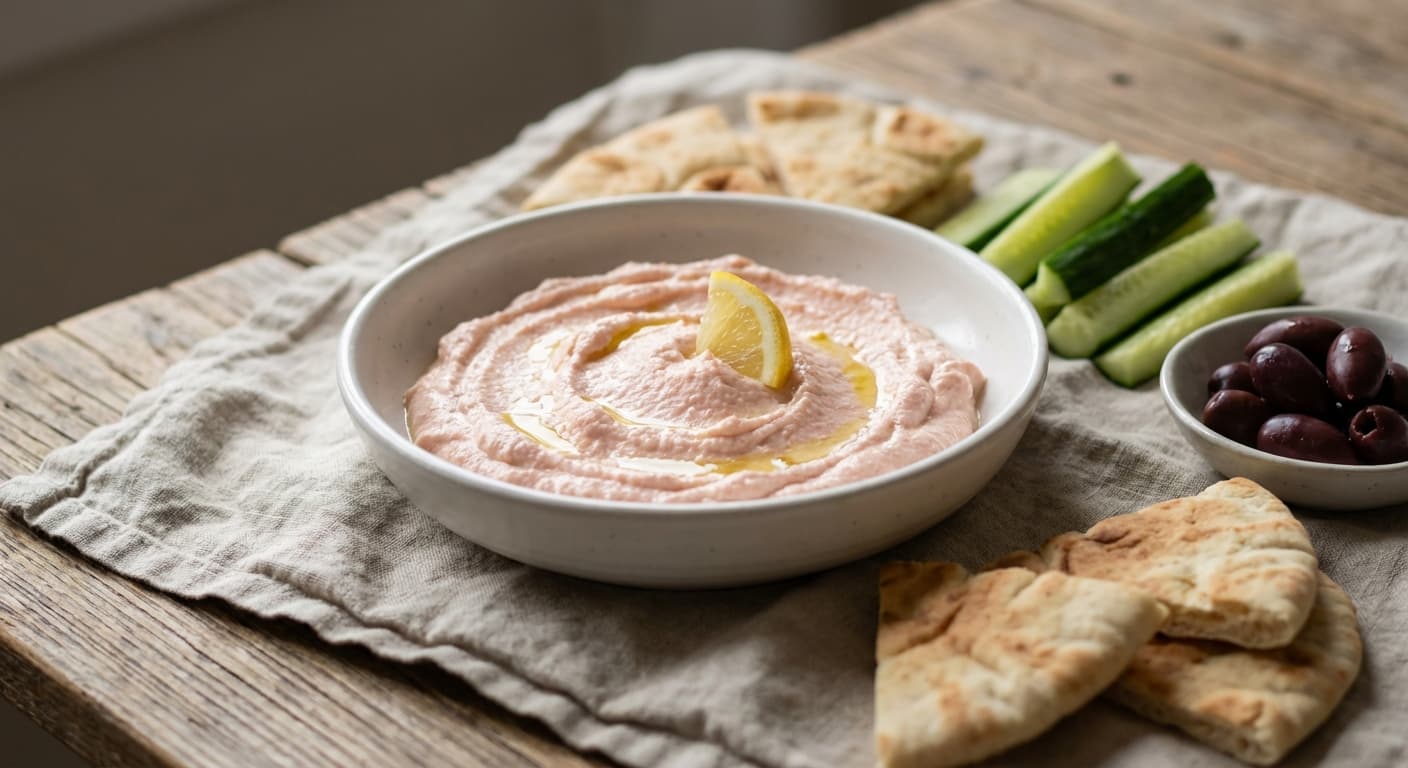
Printable Recipe Card
Servings: 6 · Total: 15 min · Difficulty: easy
Ingredients (quick list)
- 60 g white tarama (salted fish roe) (prefer white tarama for a cleaner flavor and color)
- 120 g stale white bread, crusts removed (about 3 thick slices; tear into pieces)
- 120 ml water (for soaking the bread)
- 50 g yellow onion, grated (squeeze lightly to reduce harshness)
- 45 ml lemon juice, freshly squeezed (about 1 large lemon)
- 75 ml extra-virgin olive oil (add slowly to emulsify)
- 30 ml neutral oil (sunflower or grapeseed) (helps keep the dip light and fluffy)
- 0.5 tsp white pepper, ground (traditional over black pepper for a paler dip)
- 15 ml cold water (optional, to loosen if needed)
Steps (summary)
- Soak the bread pieces in 120 ml water for 2 minutes until fully saturated. Squeeze the bread very well with your hands to remov…
- Add the tarama, squeezed bread, and grated onion to a food processor. Blend for 30–45 seconds, scraping down the bowl once, unt…
- With the processor running, add the lemon juice in a thin stream over 20–30 seconds. This starts the emulsion and brightens the…
- Still running the machine, drizzle in the olive oil and then the neutral oil very slowly, taking about 2 minutes total. If the…
- Add the white pepper and blend for 10 seconds to distribute it evenly. Taste the dip and adjust only with 5–10 ml additional le…
- Transfer to a bowl, cover, and chill for 30 minutes to let the flavor round out and the texture set. Before serving, stir once…
Cultural Background
A staple of Greek meze culture, taramasalata is especially associated with Lenten tables and seafood feasts, where its whipped roe richness contrasts crisp vegetables and bread. It reflects the Mediterranean love of bright acidity balanced with olive oil and the sea’s salinity.
Equipment
💡 Tips
- Use white tarama rather than bright pink tarama for a cleaner, less artificial flavor and a naturally pale color.
- Drizzle the oils slowly; rushing the oil can break the emulsion and make the dip heavy instead of fluffy.
- For the lightest texture, chill the oils and lemon juice for 15 minutes before blending so the emulsion holds better.
⚠️ Common Mistakes
❌ Adding the oil too fast, resulting in a greasy or split dip.
✅ Fix: Blend continuously and drizzle oil in a thin stream; if it tightens, add 15 ml cold water and keep processing.
❌ Using bread that is not squeezed well, making the dip loose and dull.
✅ Fix: Soak briefly, then squeeze firmly until the bread feels almost dry before blending.
❌ Over-acidifying at the start, making the dip sharp and thin.
✅ Fix: Add lemon gradually; reserve 5–10 ml to adjust at the end after the emulsion forms.
🧊 How to Store
Store taramasalata in an airtight container in the refrigerator for up to 3 days. Stir before serving; if it thickens, loosen with 5–10 ml lemon juice or cold water and whisk briefly. Do not freeze, as the emulsion can split.
📅 Make Ahead
You can make taramasalata up to 24 hours in advance; the flavor improves as it chills. Keep it tightly covered and stir once before serving, loosening with 5–10 ml cold water if it sets too firm.
🍽️ Pairs Well With
- Pita bread
- toasted bread wedges
- cucumber sticks
- Kalamata olives
- grilled octopus
- fried calamari
- lemony greens salad.
Regional Variations
- Potato-based taramasalata: replaces bread with cooled mashed potato for a smoother, slightly denser spread.
- Garlic-forward version: adds 1 small garlic clove (about 3 g) for a punchier meze, though it is less traditional in many Greek homes.
- Rustic hand-whisked style: made with a mortar or bowl and whisk for a coarser, more homemade texture.
Ingredients
- 60 gwhite tarama (salted fish roe) (prefer white tarama for a cleaner flavor and color)
- 120 gstale white bread, crusts removed (about 3 thick slices; tear into pieces)
- 120 mlwater (for soaking the bread)
- 50 gyellow onion, grated (squeeze lightly to reduce harshness)
- 45 mllemon juice, freshly squeezed (about 1 large lemon)
- 75 mlextra-virgin olive oil (add slowly to emulsify)
- 30 mlneutral oil (sunflower or grapeseed) (helps keep the dip light and fluffy)
- 0.5 tspwhite pepper, ground (traditional over black pepper for a paler dip)
- 15 mlcold water (optional, to loosen if needed)
🔄 Substitutions
- stale white bread, crusts removed→ cooked potato, cooled and mashed
- neutral oil (sunflower or grapeseed)→ extra-virgin olive oil
Instructions
- 1
Soak the bread pieces in 120 ml water for 2 minutes until fully saturated. Squeeze the bread very well with your hands to remove excess water, because a drier bread base makes a thicker, more stable taramasalata.
- 2
Add the tarama, squeezed bread, and grated onion to a food processor. Blend for 30–45 seconds, scraping down the bowl once, until the mixture looks uniform and slightly fluffy.
- 3
With the processor running, add the lemon juice in a thin stream over 20–30 seconds. This starts the emulsion and brightens the roe’s salinity, so the dip tastes balanced rather than overly briny.
- 4
Still running the machine, drizzle in the olive oil and then the neutral oil very slowly, taking about 2 minutes total. If the mixture tightens too much at any point, add 15 ml cold water and keep blending until it turns pale and airy.
- 5
Add the white pepper and blend for 10 seconds to distribute it evenly. Taste the dip and adjust only with 5–10 ml additional lemon juice if you want more brightness, because the roe provides enough salt for most palates.
- 6
Transfer to a bowl, cover, and chill for 30 minutes to let the flavor round out and the texture set. Before serving, stir once and smooth the top with the back of a spoon for a classic meze presentation.
🪪 Recipe Passport
Cultural Background
A staple of Greek meze culture, taramasalata is especially associated with Lenten tables and seafood feasts, where its whipped roe richness contrasts crisp vegetables and bread. It reflects the Mediterranean love of bright acidity balanced with olive oil and the sea’s salinity.
Regional Variations
Researched from multiple sources and validated by the Zaffaron editorial team. Every recipe is tested for accuracy, measurements, and cultural authenticity.
Nutrition per serving
Pairs well with
If you enjoyed this recipe, here are a few related Zaffaron recipes to try next.
- Yalantzi Dolmadakia (Ντολμαδάκια γιαλαντζί) — Vine Leaves Stuffed with Rice, Pine Nuts, and Dill
- Dakos (Ντάκος) — Cretan Barley Rusk Salad with Tomato and Feta
- Garides Saganaki (Γαρίδες σαγανάκι) — Greek Shrimp in Tomato and Feta Sauce
- Taramosalata (Ταραμοσαλάτα) — Greek Creamy Fish Roe Spread with Lemon
Does your family make this differently?
Every family has their own version. Maybe your grandmother adds a secret ingredient, or your aunt has a completely different technique. Preserve your family's version — with their name on it, forever.
You Might Also Like
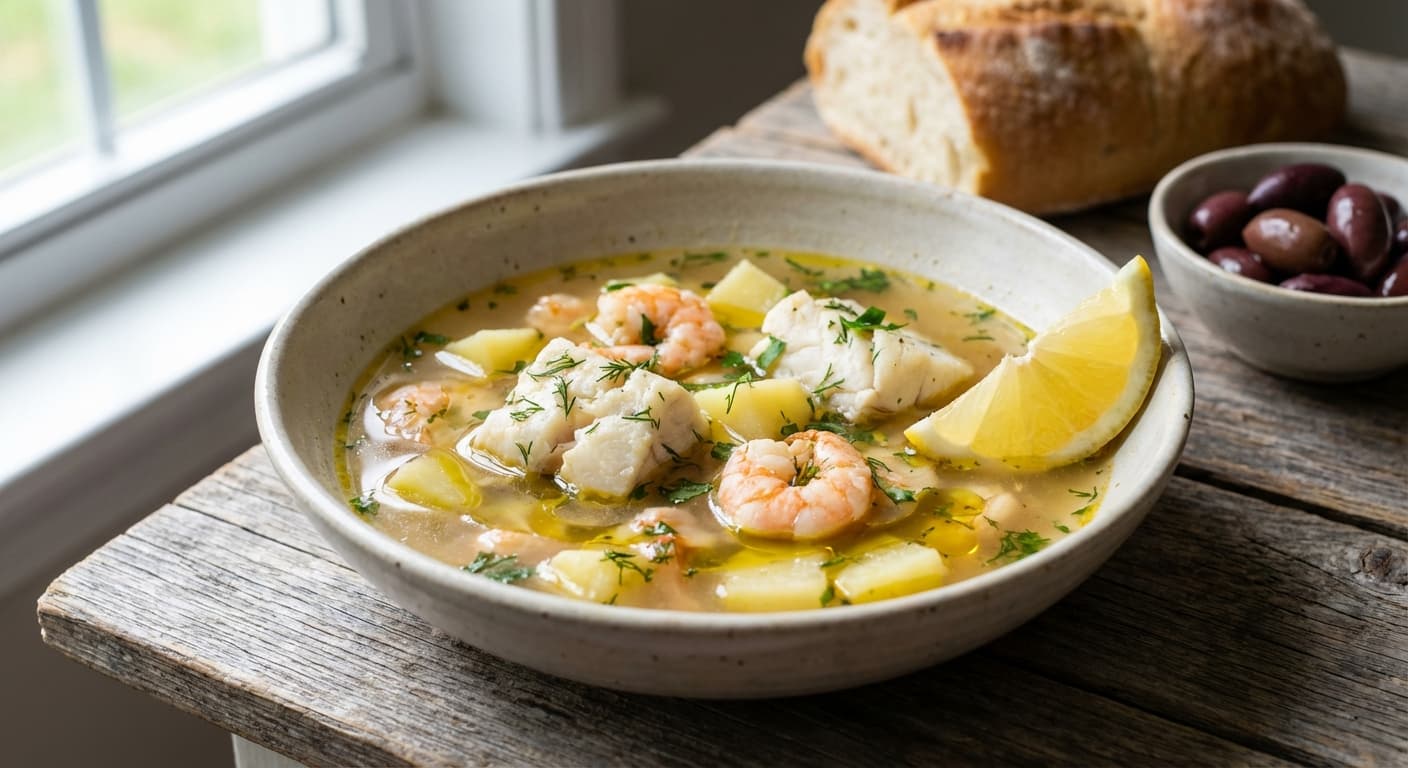
Kakavia (Κακαβιά) — Greek Fisherman’s Fish Soup with Herbs
Greek · Soups · 65 min
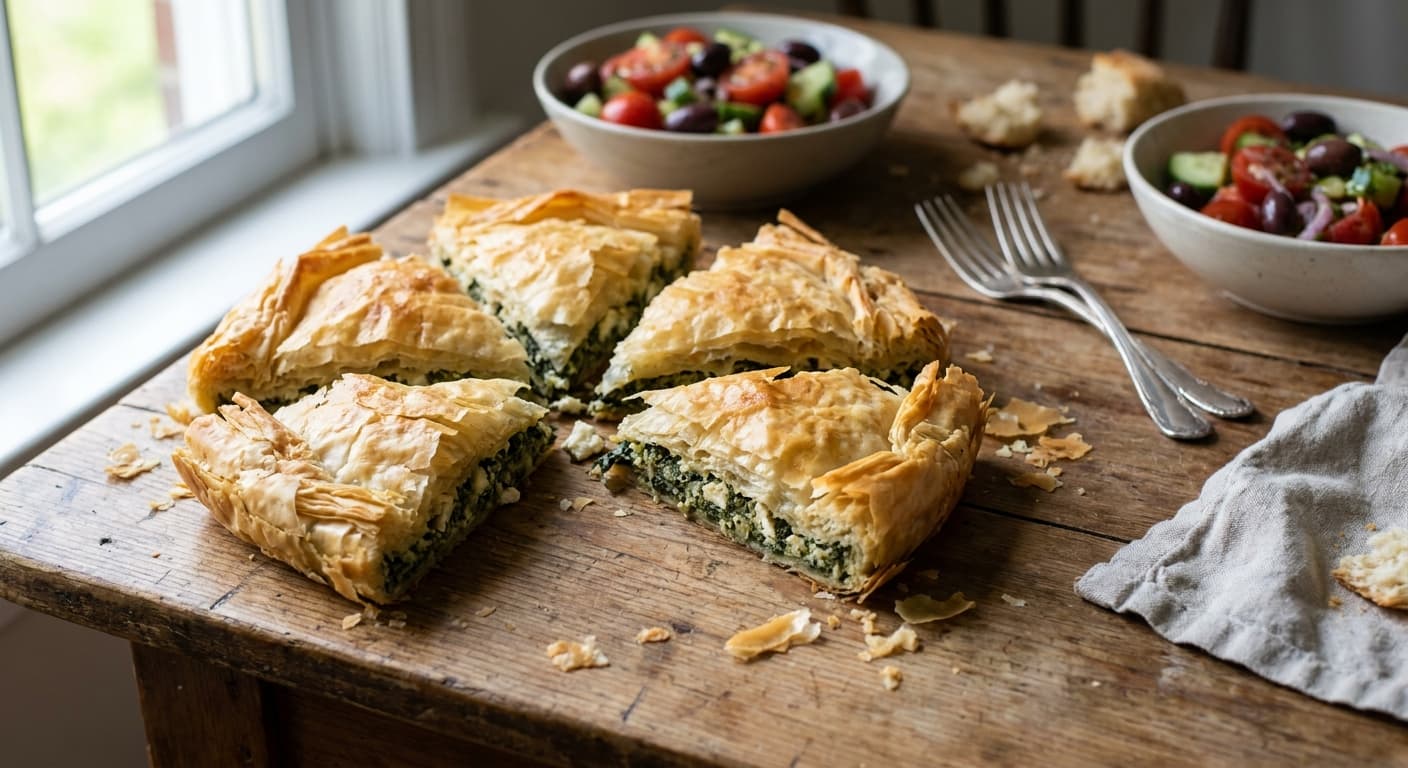
Greek Spinach Pie (Σπανακόπιτα) — Flaky Feta and Spinach Phyllo Pie
Greek · Main Courses · 95 min
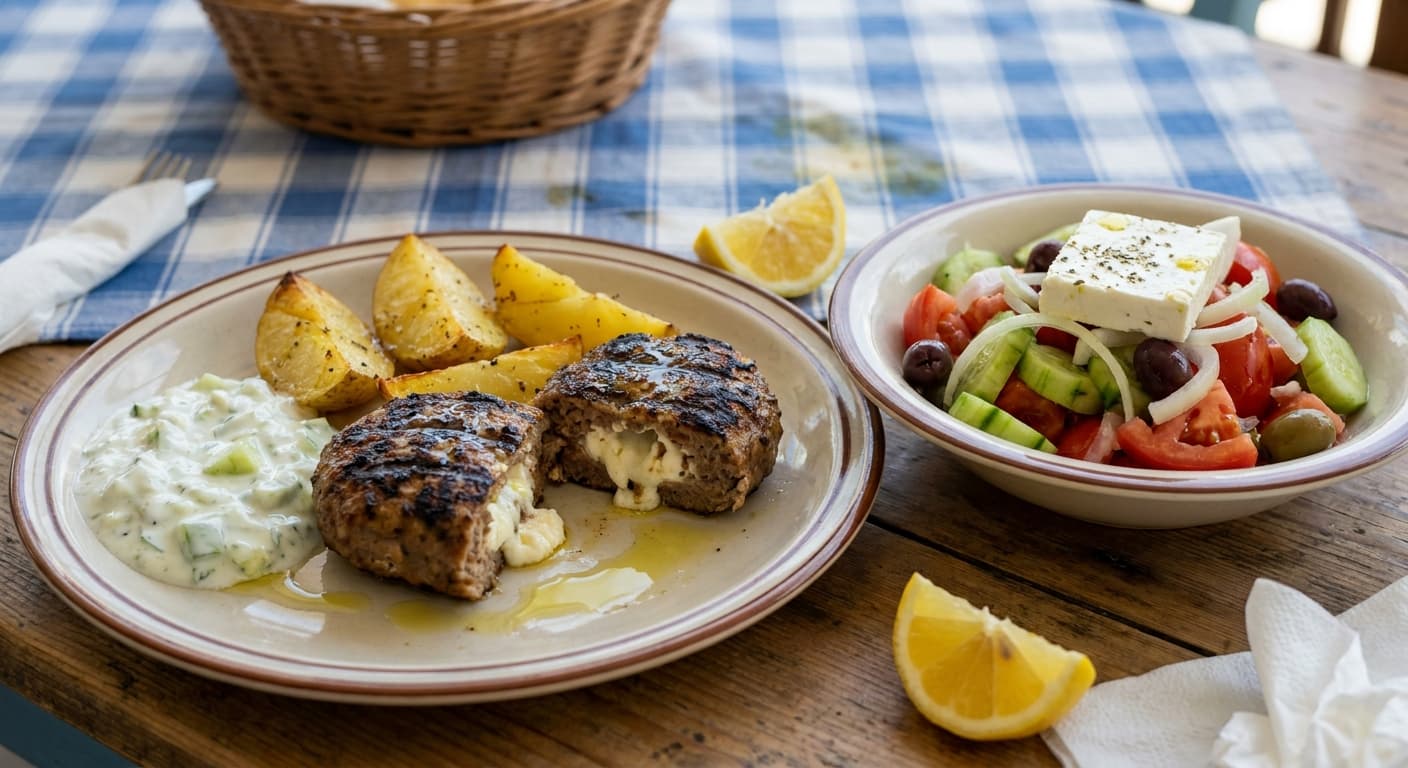
Bifteki (Μπιφτέκι) — Greek Grilled Beef Patties with Herbs
Greek · Main Courses · 39 min
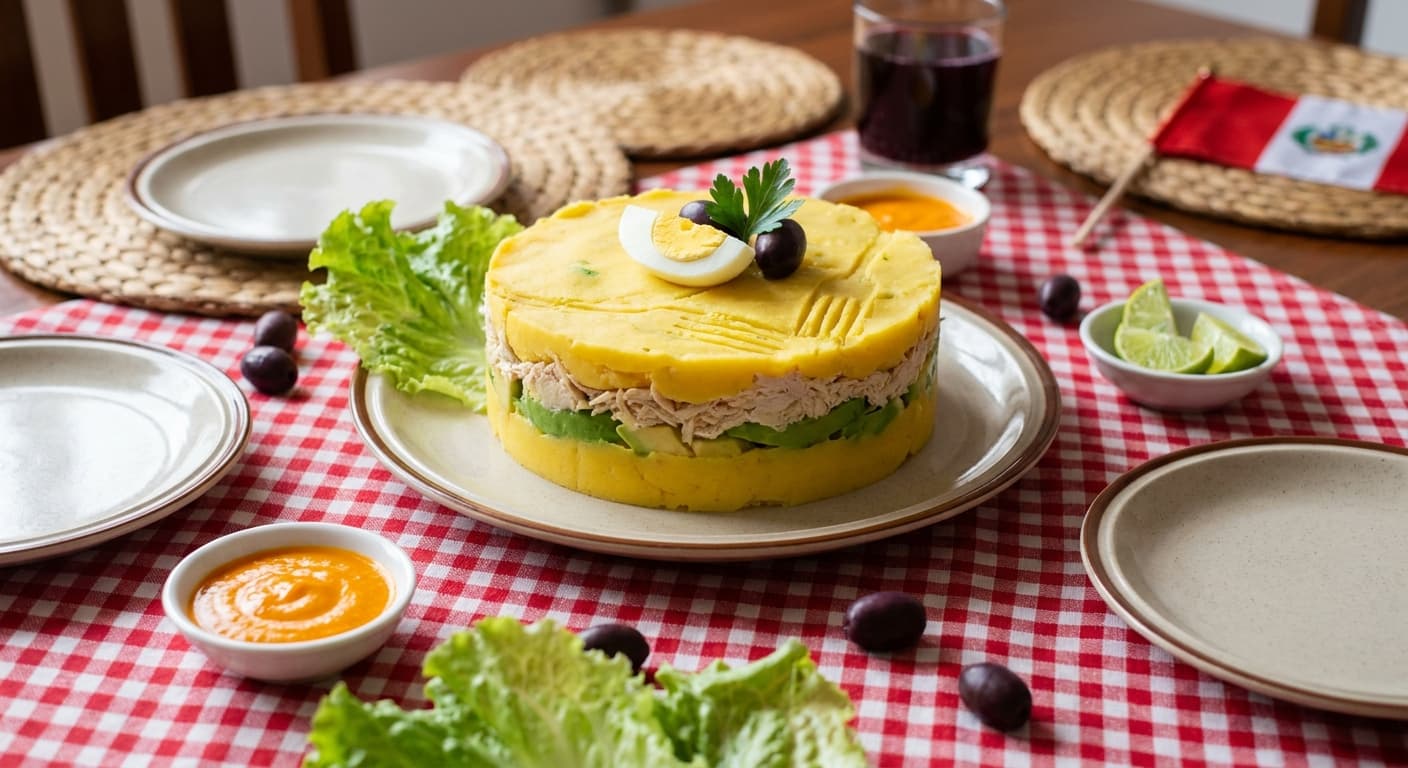
Lima-Style Causa (Causa Limeña) — Chilled Potato Terrine with Chicken and Avocado
Peruvian · Appetizers · 70 min
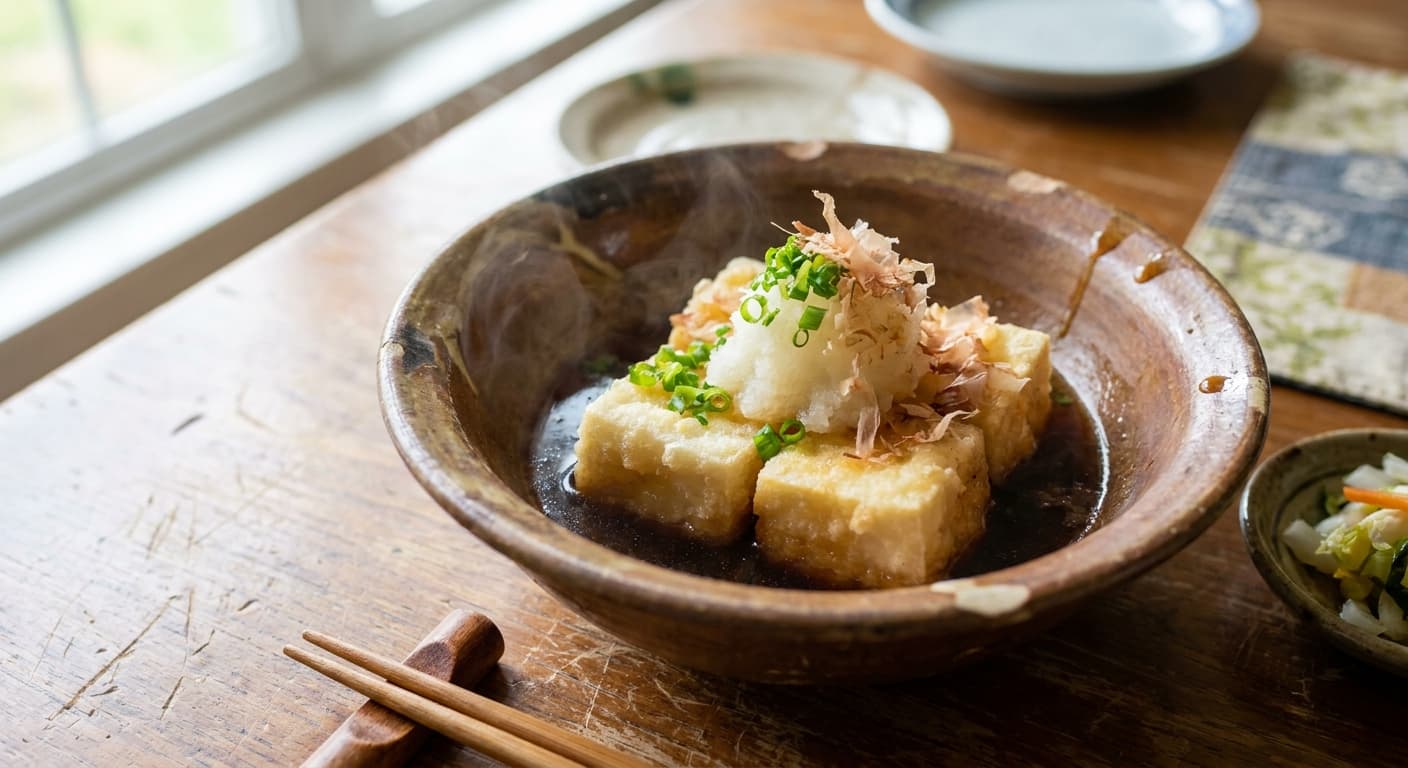
Agedashi Tofu (揚げ出し豆腐) — Crisp Tofu in Savory Broth
Japanese · Appetizers · 40 min
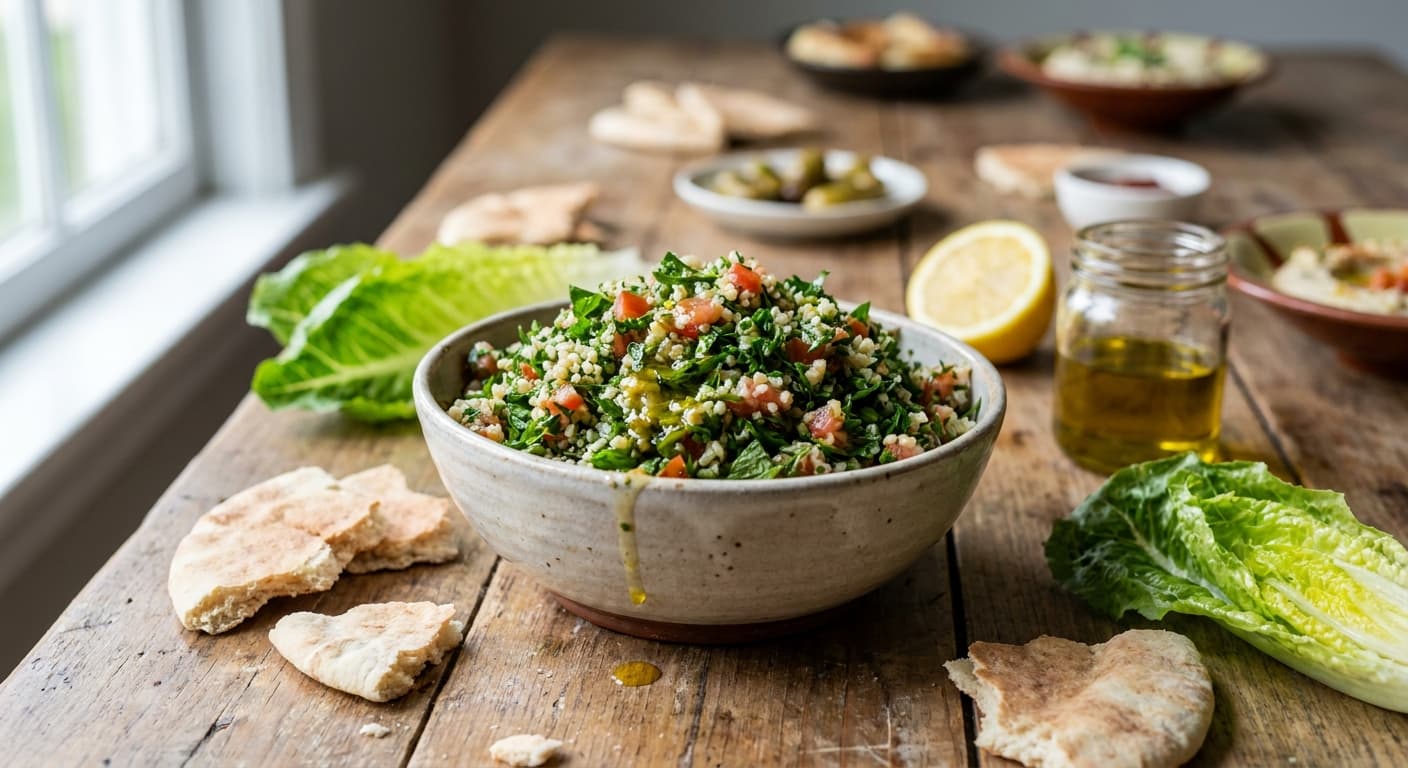
Lebanese Tabbouleh (تبولة لبنانية) — Parsley Bulgur Herb Salad
Lebanese · Salads · 35 min
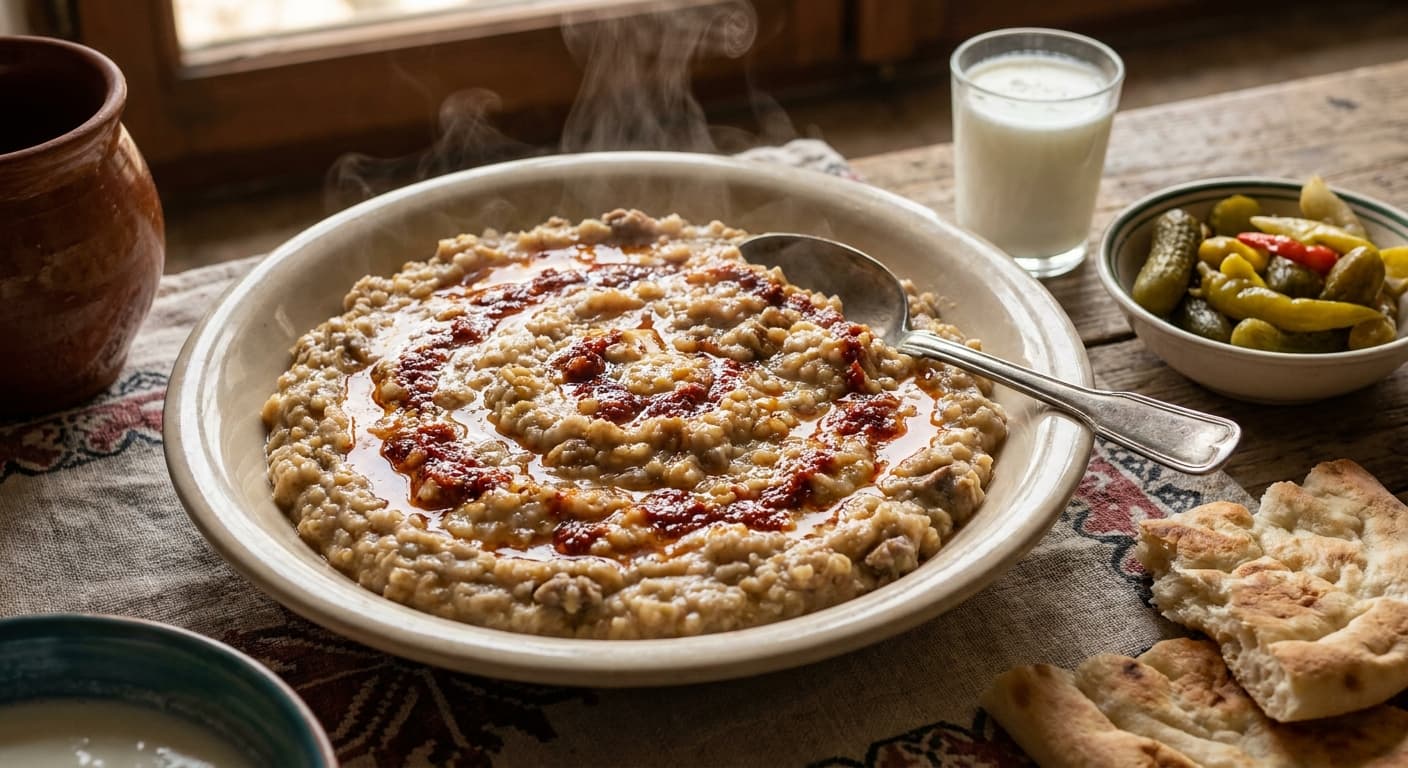
Keshkek (Keşkek) — Creamy Ceremonial Wheat and Lamb Stew
Turkish · Stews · 240 min
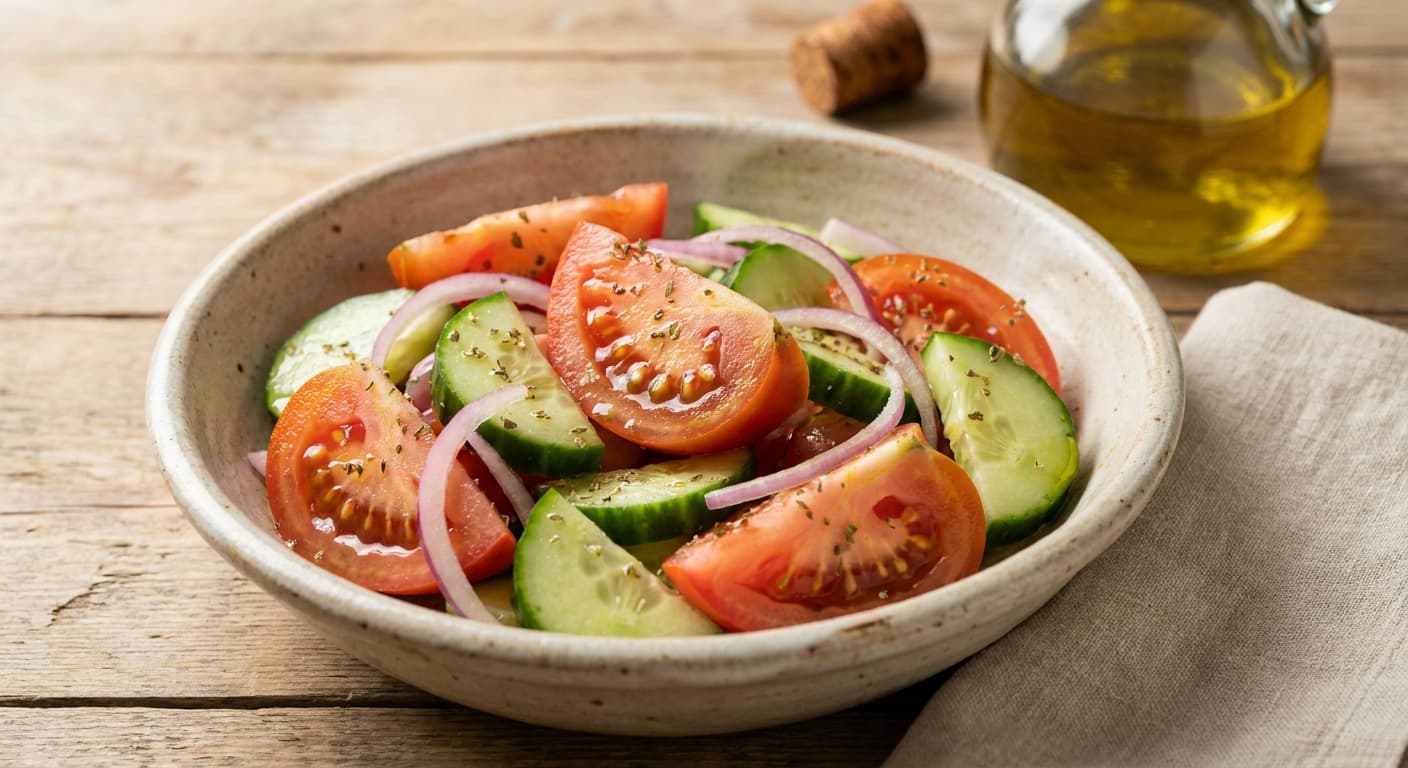
Cucumber Tomato Salad (Αγγουροντομάτα) — Greek tomato and cucumber with olive oil and oregano
Greek · Salads · 15 min
Reviews
Cooked this recipe?
Tap the stars to rate it — that's all it takes. A few words are welcome but optional.
No ratings yet. Cooked this one? Be the first to rate it — it takes one tap.