Testi Kebab (Testi Kebabı) — Turkish Pottery Kebab Slow-Cooked in a Sealed Clay Jug
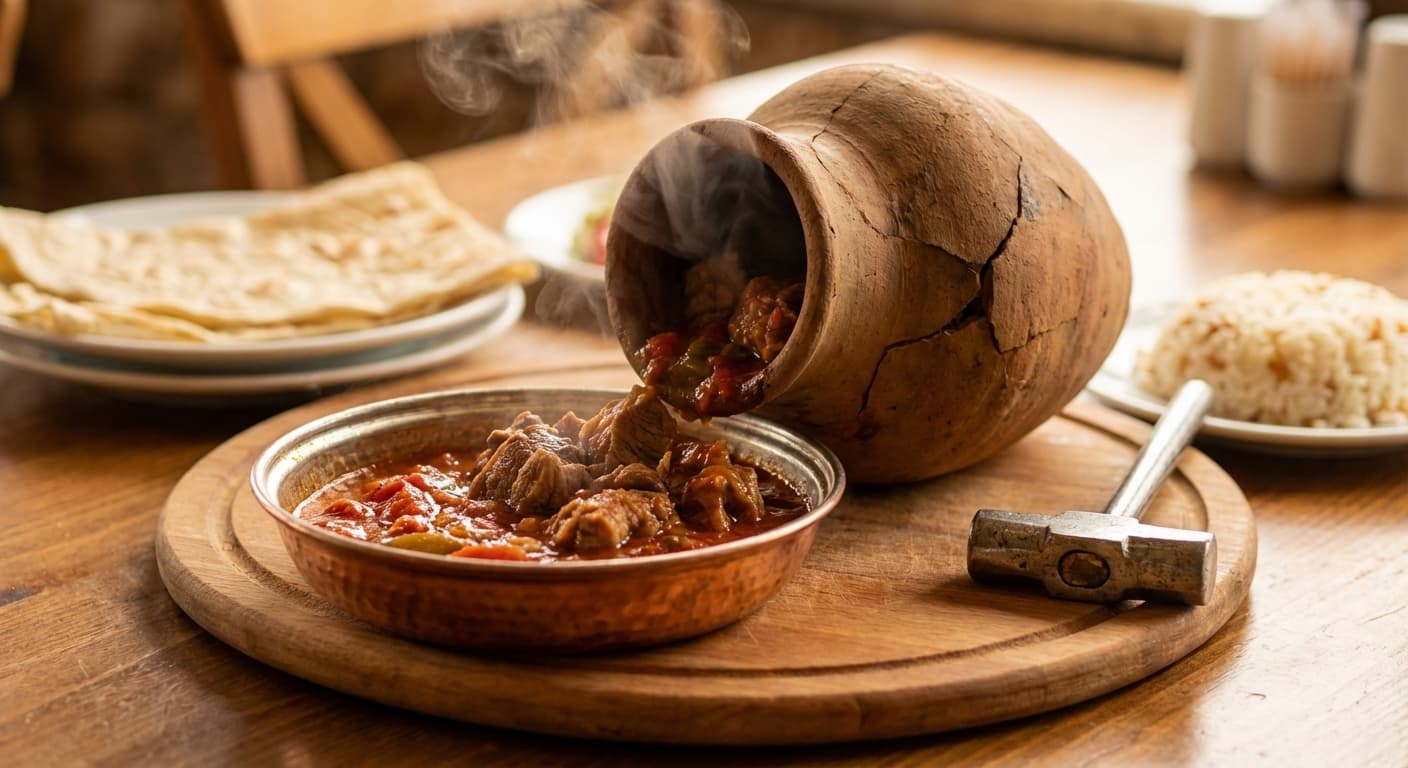
Testi kebab is a celebrated Central Anatolian specialty where lamb and vegetables slow-cook inside a sealed clay jug, concentrating juices into a rich, aromatic stew. Traditionally cracked open at the table, it’s both dinner and theater, especially in Cappadocia.
Printable Recipe Card
Servings: 6 · Total: 180 min · Difficulty: medium
Ingredients (quick list)
- 900 g boneless lamb shoulder, cut into 3 cm cubes (trim excess surface fat but keep some for flavor)
- 200 g yellow onion, finely diced
- 150 g green bell pepper, diced
- 150 g red bell pepper, diced
- 350 g tomatoes, peeled and diced (or use high-quality canned diced tomatoes)
- 12 g garlic cloves, minced
- 30 g tomato paste
- 2 tsp Aleppo pepper (for gentle heat and fruitiness)
- 2 tsp ground cumin
- 2 tsp sweet paprika
- 1 tsp dried thyme
- 1 leaf bay leaf
+ 6 more in the full ingredients section below.
Steps (summary)
- Soak the clay jug (testi) in cool water for 10 minutes if it is unglazed, then drain well. Preheat the oven to 170°C and set a…
- In a large bowl, combine the lamb with onion, peppers, tomatoes, garlic, tomato paste, Aleppo pepper, cumin, paprika, thyme, ba…
- Spoon the mixture into the clay jug, pressing lightly to remove large air gaps but without compacting it too tightly. Pour in t…
- Seal the mouth of the jug with the dough or paste, forming a 1 cm-thick ring that fully covers the rim and slightly overlaps th…
- Place the jug on a sturdy baking tray to catch any drips and to make it safer to move. Bake at 170°C for 2 hours 15 minutes, ke…
- Remove the tray from the oven and rest the jug for 10 minutes so bubbling calms and juices thicken slightly. At the table or ov…
Cultural Background
Associated with Cappadocia and Central Anatolia, Testi Kebab is famed for cooking meat in sealed clay, a technique that concentrates flavor while keeping the stew moist. The dramatic cracking of the jug at service is part of the hospitality ritual in many restaurants.
Equipment
💡 Tips
- Choose lamb shoulder rather than leg; the extra connective tissue turns silky during the long sealed bake.
- Keep the seal thick and continuous; even a small gap can vent steam and leave the kebab dry.
- If your jug is small, divide the mixture between two jugs so the meat cooks evenly and the seal holds.
⚠️ Common Mistakes
❌ The seal leaks and the kebab turns dry.
✅ Fix: Wipe the rim clean, use 80 g dough, and press it into a continuous 1 cm-thick ring before adding foil tightly.
❌ Meat is still tough after baking.
✅ Fix: Extend cooking by 20–30 minutes at 170°C and rest 10 minutes; shoulder needs time for collagen to convert to gelatin.
❌ Jug cracks during baking.
✅ Fix: Soak unglazed clay 10 minutes, start with a room-temperature jug, and avoid placing it on a cold stone or directly on a hot burner.
🧊 How to Store
Cool leftovers to room temperature within 2 hours, then refrigerate in an airtight container for up to 3 days. Reheat covered in a saucepan with 30 ml water over low heat for 8–10 minutes, stirring once, or warm in a 160°C oven for 15–20 minutes.
📅 Make Ahead
Dice vegetables and cube the lamb up to 24 hours ahead and refrigerate separately. Mix and fill the jug up to 8 hours ahead, keep chilled, then bring to room temperature for 30 minutes before sealing and baking.
🍽️ Pairs Well With
- Pilav
- lavash
- sumac onions
- cacik
- pickles (tursu).
Regional Variations
- Cappadocia-style often uses lamb and a simple tomato-forward base, emphasizing the sealed-clay aroma.
- Some Nevsehir versions add small diced potatoes (200 g) for a heartier, stew-like finish.
- Restaurant versions may include a small knob of tail fat (20 g) for extra richness and sheen.
Ingredients
- 900 gboneless lamb shoulder, cut into 3 cm cubes (trim excess surface fat but keep some for flavor)
- 200 gyellow onion, finely diced
- 150 ggreen bell pepper, diced
- 150 gred bell pepper, diced
- 350 gtomatoes, peeled and diced (or use high-quality canned diced tomatoes)
- 12 ggarlic cloves, minced
- 30 gtomato paste
- 2 tspAleppo pepper (for gentle heat and fruitiness)
- 2 tspground cumin
- 2 tspsweet paprika
- 1 tspdried thyme
- 1 leafbay leaf
- 10 gfine sea salt
- 1 tspblack pepper, freshly ground
- 30 mlolive oil
- 250 mlbeef or lamb stock (low-sodium preferred)
- 80 gflatbread dough or thick flour-water paste (used to seal the jug mouth; dough is traditional)
- 15 gfresh parsley, chopped (optional but classic)
🔄 Substitutions
- boneless lamb shoulder→
- Aleppo pepper→
- clay jug (testi)→
Instructions
- 1
Soak the clay jug (testi) in cool water for 10 minutes if it is unglazed, then drain well. Preheat the oven to 170°C and set a rack in the lower-middle position so the jug sits stable and heats evenly.
- 2
In a large bowl, combine the lamb with onion, peppers, tomatoes, garlic, tomato paste, Aleppo pepper, cumin, paprika, thyme, bay leaf, salt, black pepper, and olive oil. Mix for 60 seconds until the paste and spices coat every piece, because even seasoning is what makes the final juices taste balanced.
- 3
Spoon the mixture into the clay jug, pressing lightly to remove large air gaps but without compacting it too tightly. Pour in the stock, then wipe the rim clean so the seal adheres properly and steam cannot escape.
- 4
Seal the mouth of the jug with the dough or paste, forming a 1 cm-thick ring that fully covers the rim and slightly overlaps the outside. Cover the top tightly with a double layer of foil and press it into the dough for a second seal, because Testi Kebab depends on trapped steam to tenderize the lamb.
- 5
Place the jug on a sturdy baking tray to catch any drips and to make it safer to move. Bake at 170°C for 2 hours 15 minutes, keeping the oven closed so the internal heat stays steady and the meat braises gently.
- 6
Remove the tray from the oven and rest the jug for 10 minutes so bubbling calms and juices thicken slightly. At the table or over the tray, carefully crack or cut open the sealed top (or the jug neck if it is designed to be broken), then stir the contents and sprinkle with parsley for a fresh finish.
🪪 Recipe Passport
Cultural Background
Associated with Cappadocia and Central Anatolia, Testi Kebab is famed for cooking meat in sealed clay, a technique that concentrates flavor while keeping the stew moist. The dramatic cracking of the jug at service is part of the hospitality ritual in many restaurants.
Regional Variations
Researched from multiple sources and validated by the Zaffaron editorial team. Every recipe is tested for accuracy, measurements, and cultural authenticity.
Nutrition per serving
Pairs well with
If you enjoyed this recipe, here are a few related Zaffaron recipes to try next.
- Chelo Kebab Koobideh (چلو کباب کوبیده) — Persian Minced Meat Skewers with Saffron Rice
- Persian Steamed Rice Masterclass (چلو و پلو) — Chelo and Polow techniques with perfect tahdig
- Urfa Kebab (اورفا کباب) — Mild Turkish minced skewer with sumac onions
- Ashure (Aşure) — Turkish Noah’s Pudding with Dried Fruits and Nuts
- Cilbir (Çılbır) — Turkish Poached Eggs on Garlic Yogurt with Chili Butter
Does your family make this differently?
Every family has their own version. Maybe your grandmother adds a secret ingredient, or your aunt has a completely different technique. Preserve your family's version — with their name on it, forever.
You Might Also Like
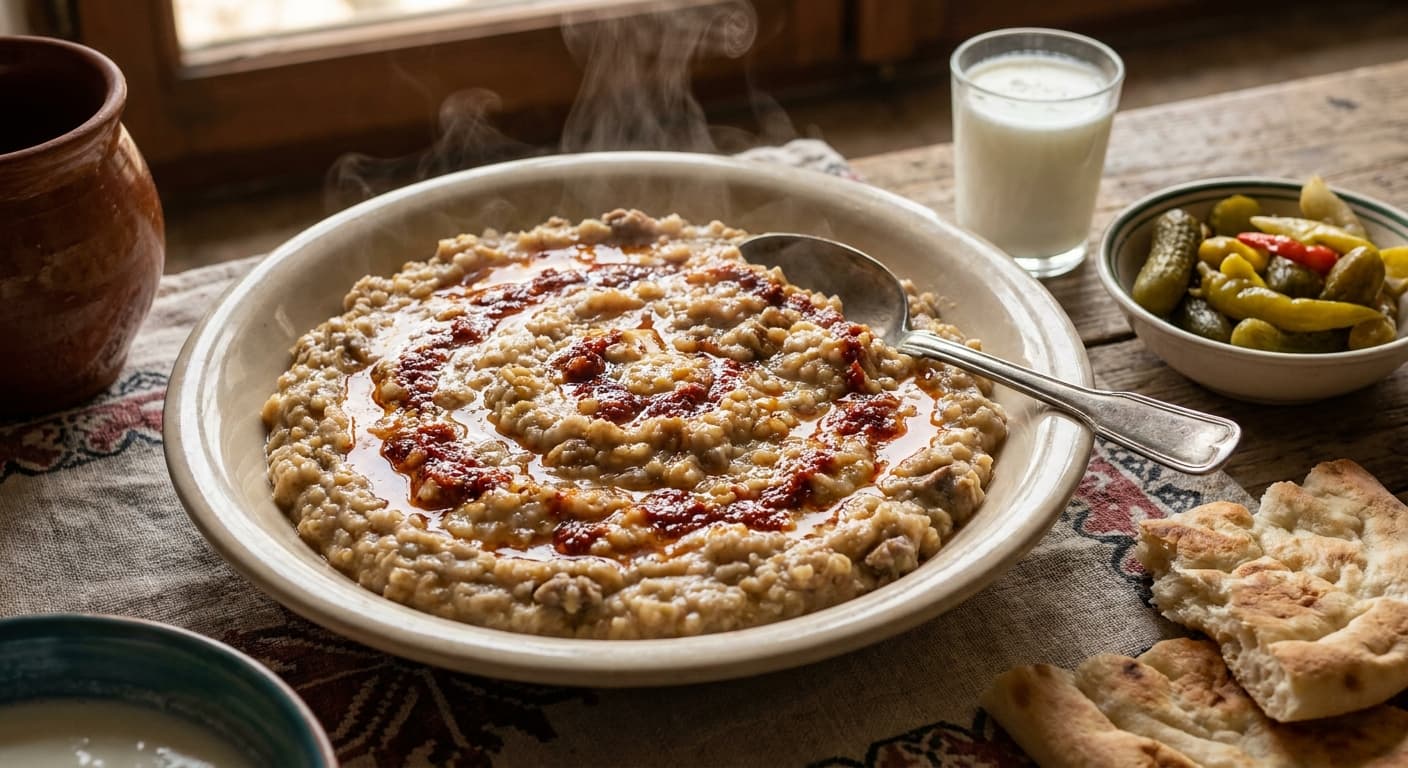
Keshkek (Keşkek) — Creamy Ceremonial Wheat and Lamb Stew
Turkish · Stews · 240 min
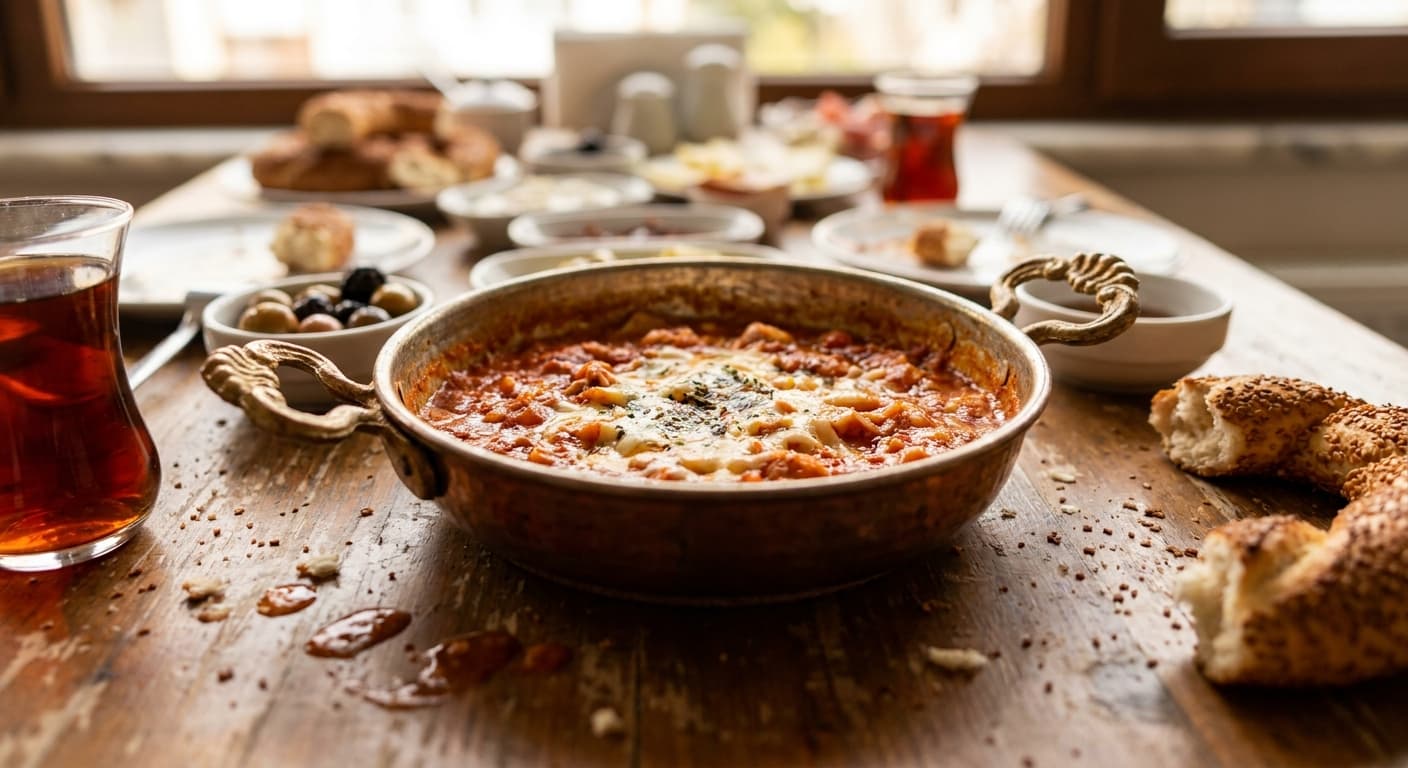
Turkish Menemen (Menemen) — Soft Eggs with Tomatoes and Peppers
Turkish · Main Courses · 37 min
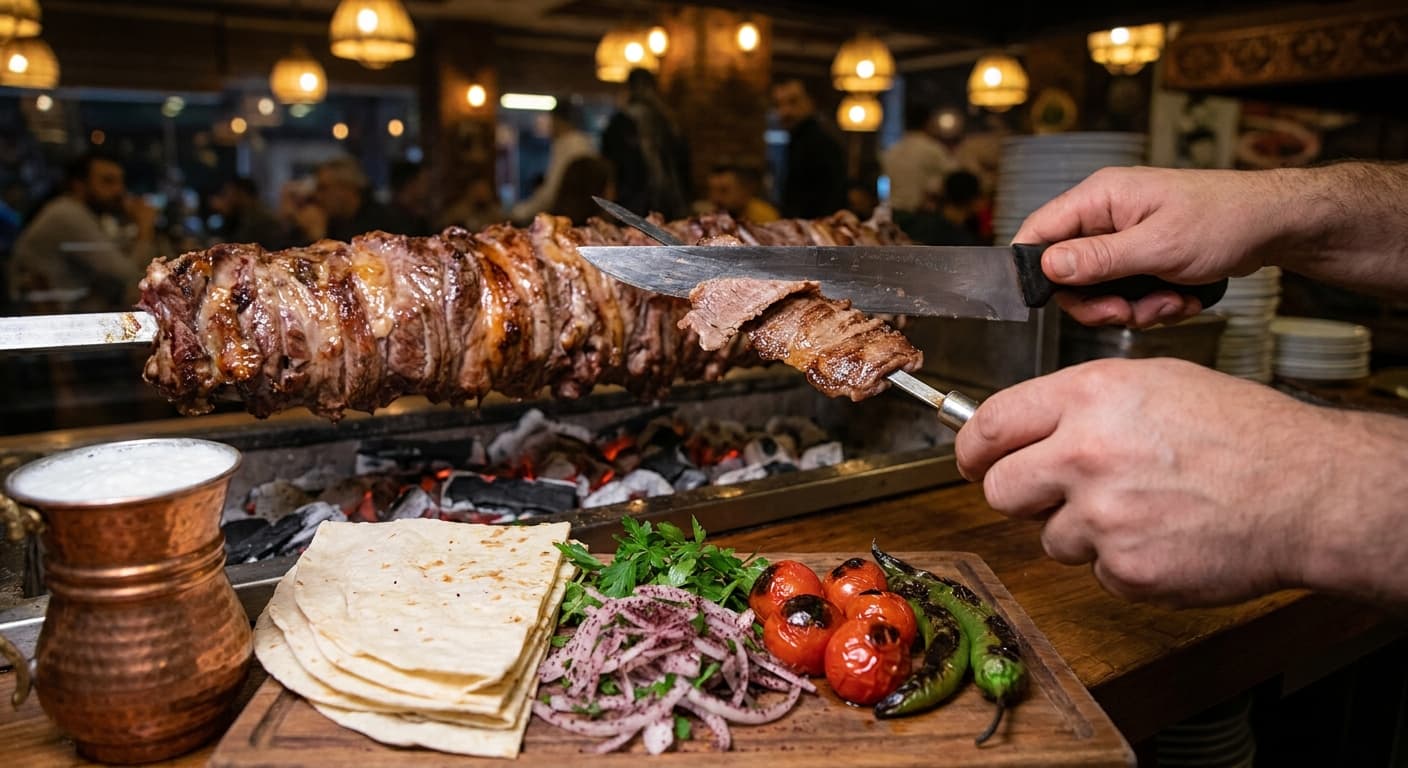
Turkish Cağ Kebab (Cağ Kebabı) — Erzurum Slow-Roasted Charcoal Lamb Skewer
Turkish · Kebabs · 160 min
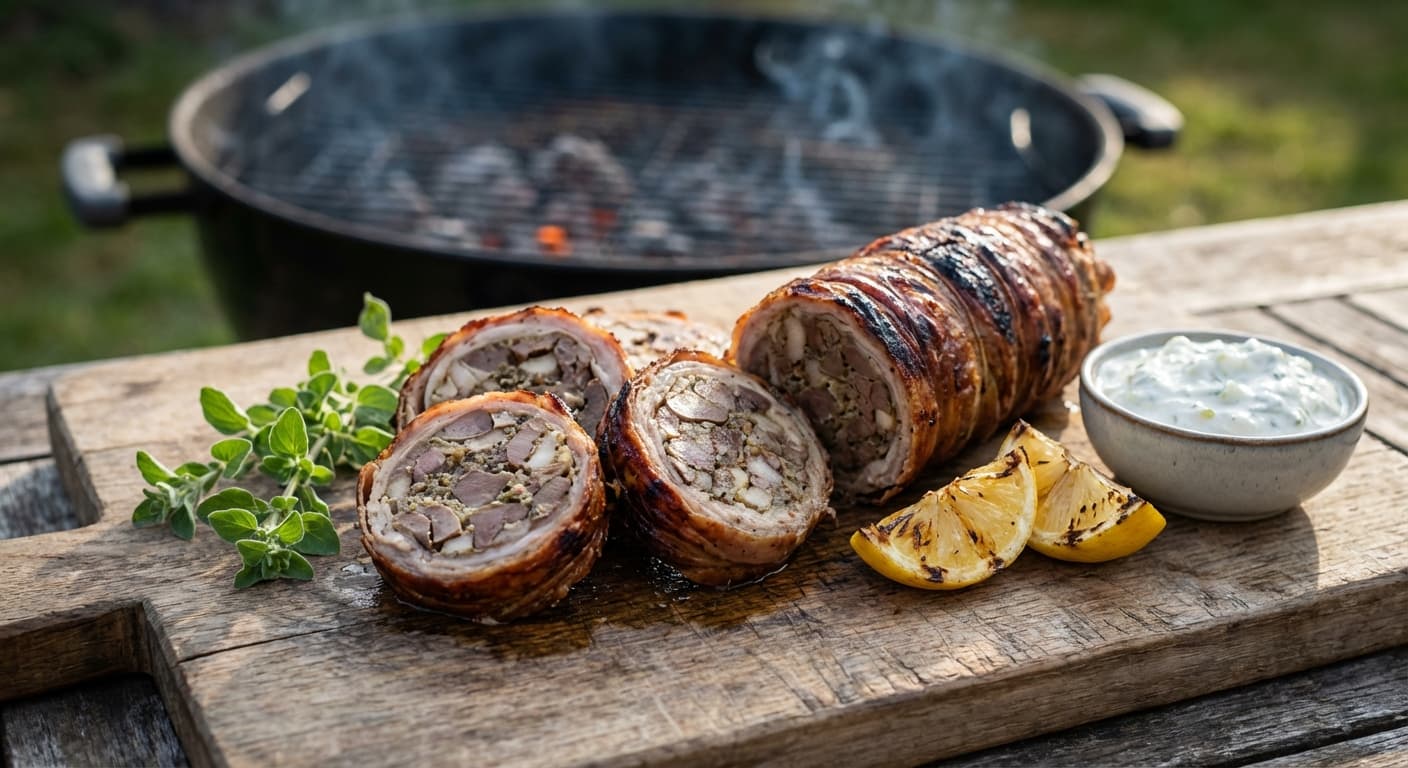
Kokoretsi (Κοκορέτσι) — Charcoal-Grilled Offal Wrapped in Caul Fat
Greek · Kebabs · 170 min
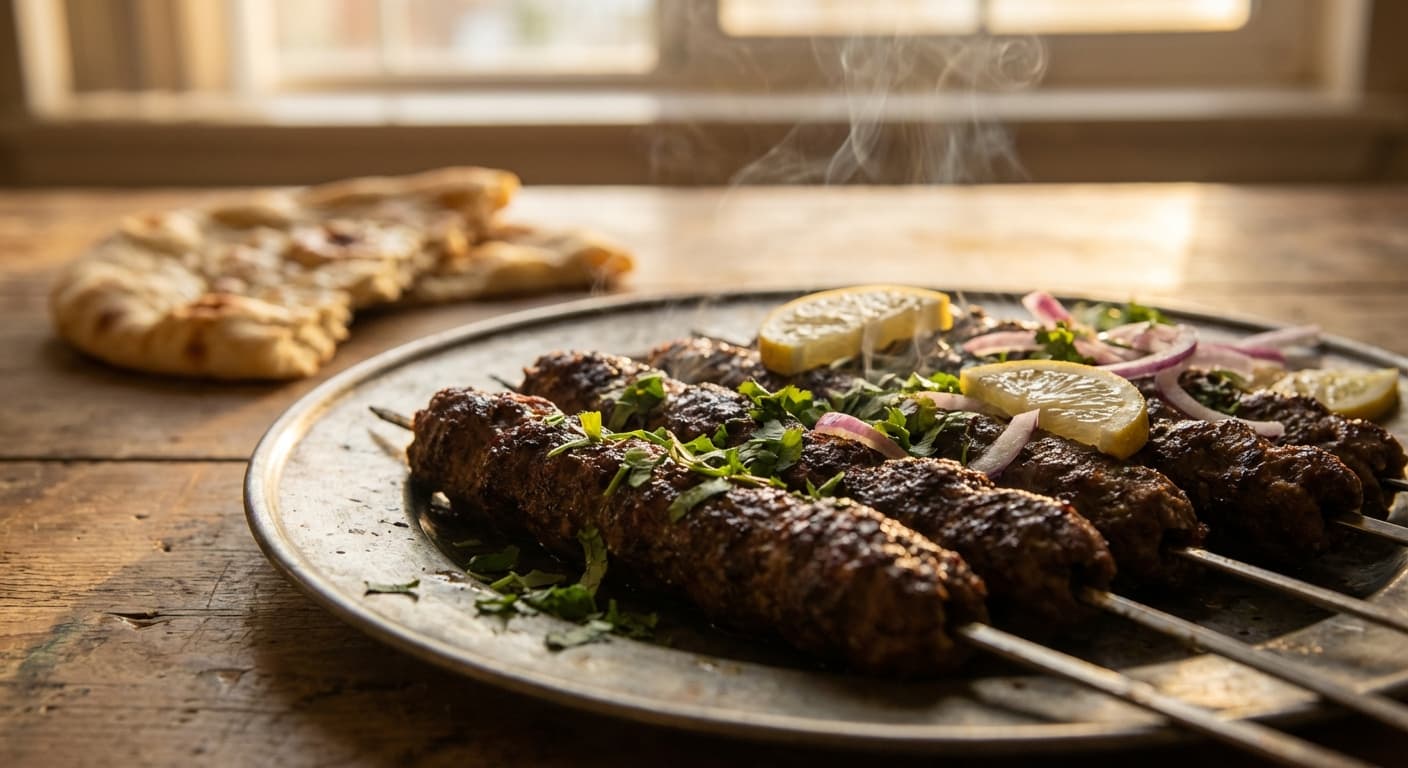
Seekh Kebab (کباب سیخی) — Afghan Grilled Minced Meat Skewers with Cumin
Afghan · Kebabs · 37 min
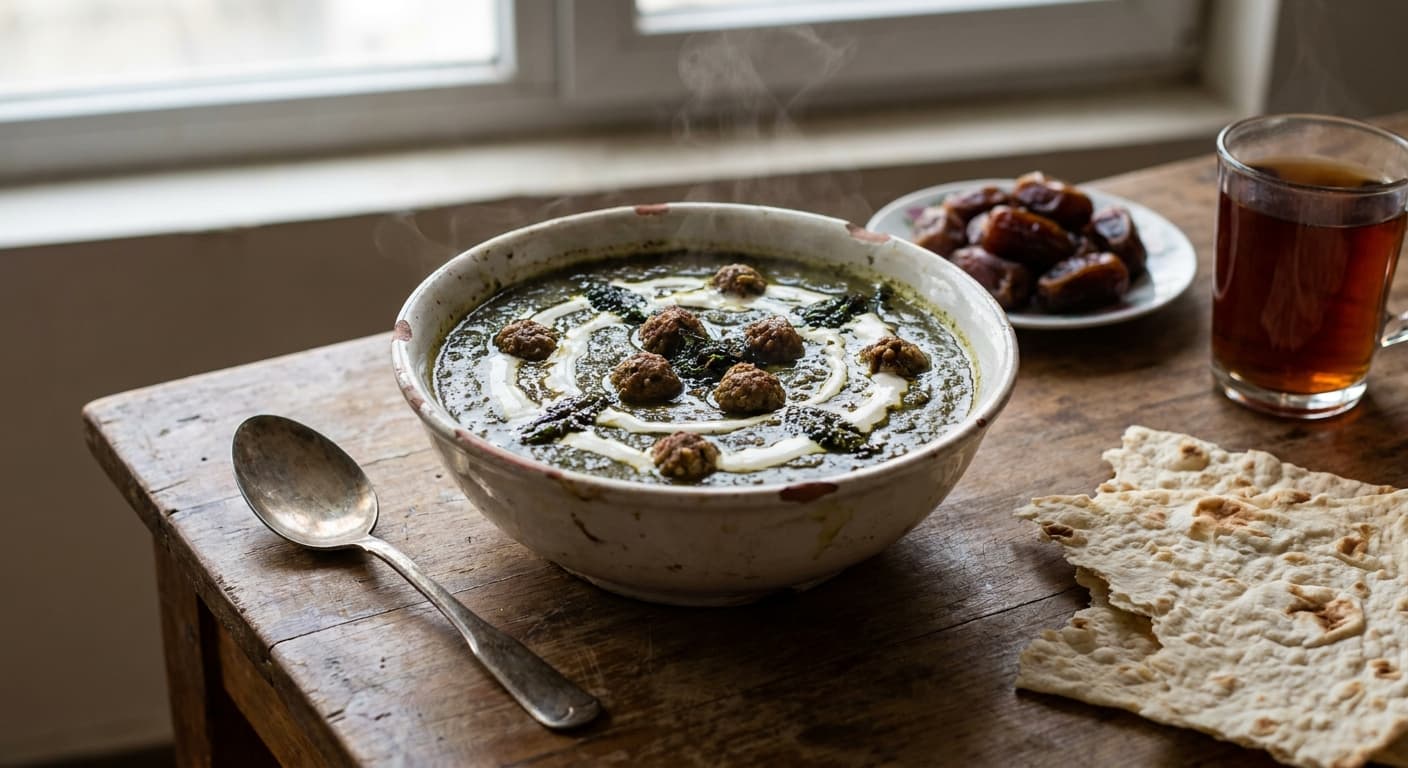
Ash-e Sak (آش ساک) — Golestani Spinach, Legume, and Meatball Soup
Persian · Soups · 175 min
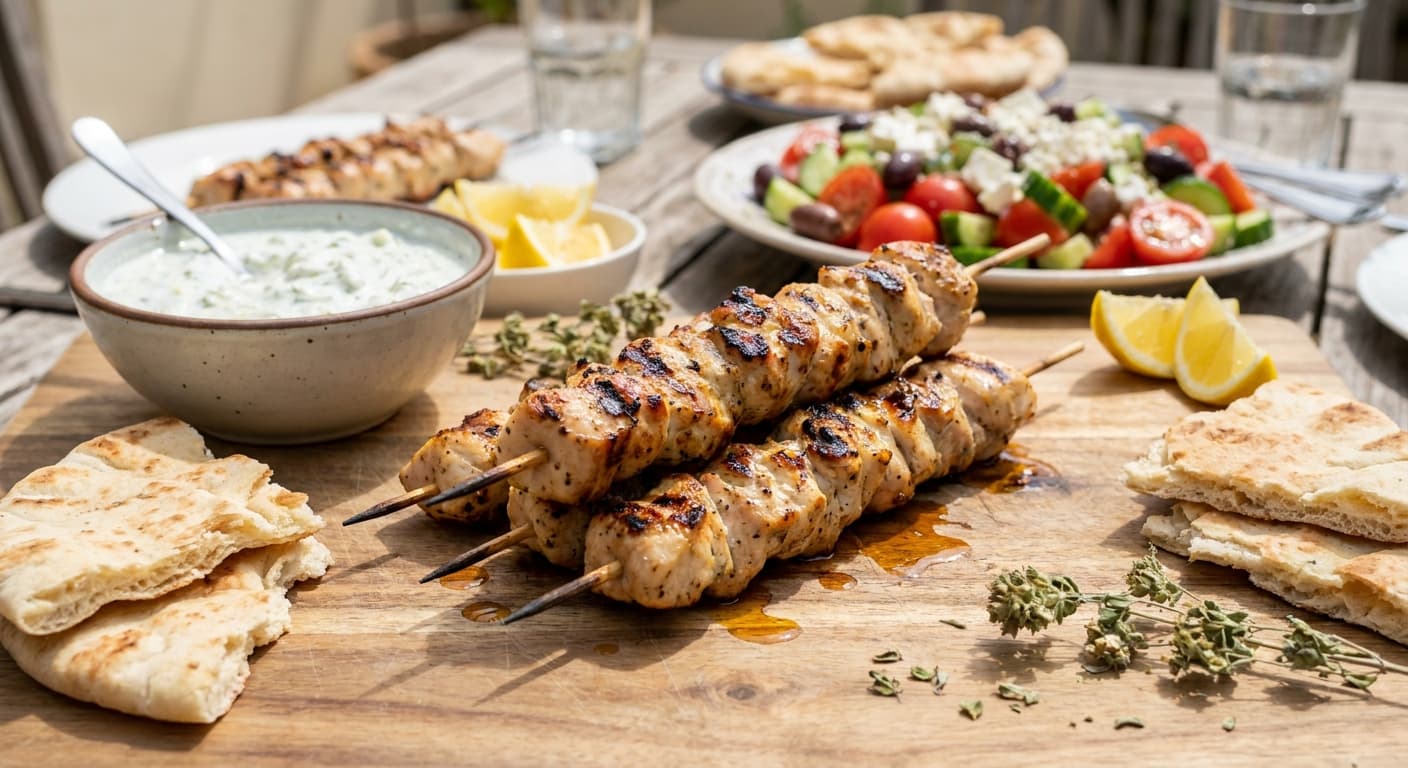
Chicken Souvlaki (Κοτόπουλο Σουβλάκι) — Greek Lemon-Oregano Grilled Skewers
Greek · Kebabs · 30 min
Buta no Kakuni (豚の角煮) — Japanese Soy-Braised Pork Belly
Japanese · Main Courses · 190 min
Reviews
Cooked this recipe?
Tap the stars to rate it — that's all it takes. A few words are welcome but optional.
No ratings yet. Cooked this one? Be the first to rate it — it takes one tap.