Bazlama (بازلاما) — Fluffy Turkish village flatbread cooked on a griddle
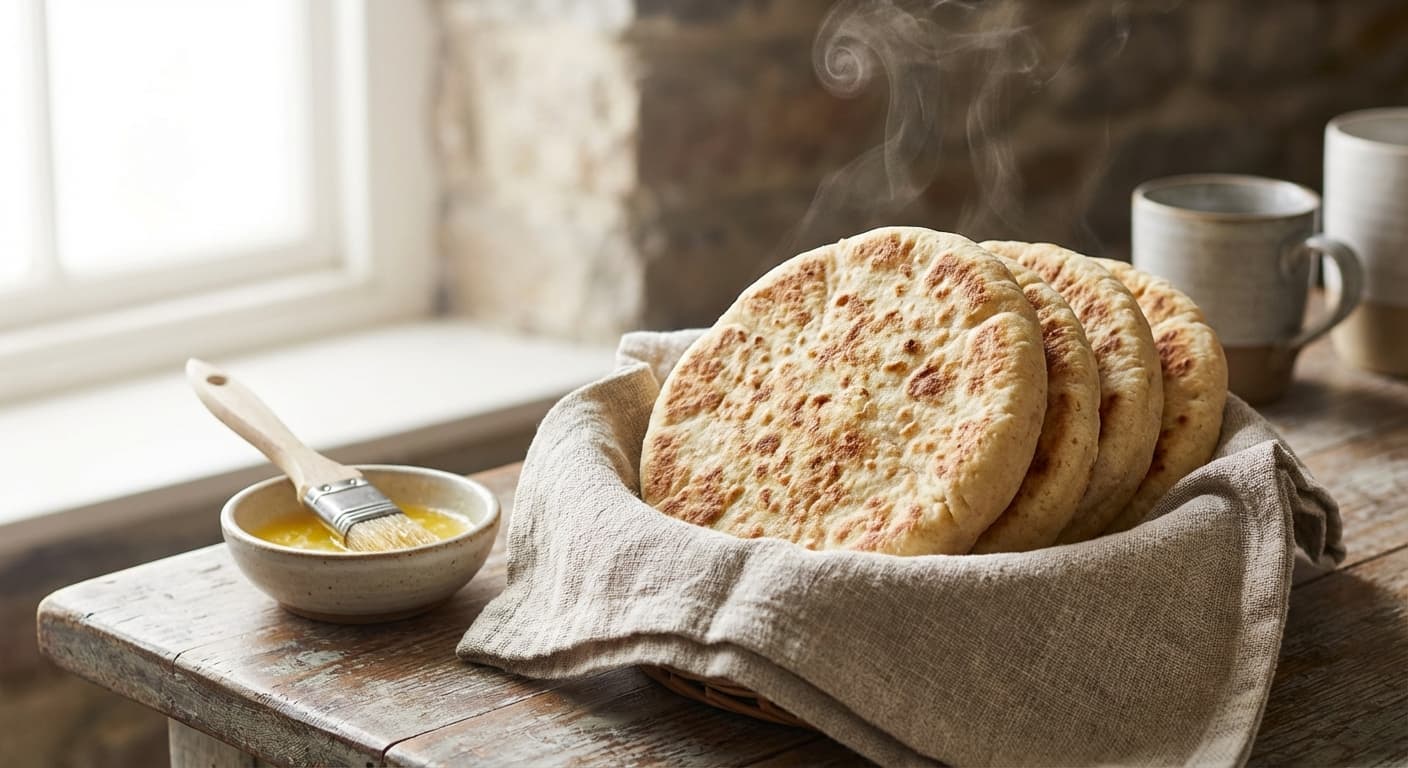
Bazlama is a beloved Turkish village bread, traditionally cooked on a hot sac (convex griddle) until it puffs and freckles. Soft, thick, and slightly tangy, it’s perfect for breakfast spreads or alongside kebabs.
Printable Recipe Card
Servings: 8 · Total: 45 min · Difficulty: medium
Ingredients (quick list)
- 500 g Bread flour (Plus 30 g for dusting and shaping)
- 320 ml Warm water (About 38–40°C)
- 120 g Plain yogurt (Full-fat preferred)
- 15 ml Olive oil (1 tbsp)
- 7 g Instant yeast (1 standard packet)
- 8 g Granulated sugar (2 tsp)
- 10 g Fine sea salt (About 1 3/4 tsp)
- 40 g Unsalted butter (Melted, for brushing)
Steps (summary)
- In a large bowl, whisk the warm water, sugar, and instant yeast until evenly dispersed. Let it stand for 5 minutes; it should l…
- Add the yogurt and olive oil to the yeast mixture and whisk until smooth. Stir in the flour and salt, mixing with a spoon until…
- Turn the dough onto a lightly floured surface and knead for 8 minutes until elastic and soft. If it feels sticky, dust in flour…
- Place the dough in a lightly oiled bowl, cover, and let rise for 60 minutes at warm room temperature until doubled. A properly…
- Punch down the dough gently and divide it into 8 equal pieces, about 120 g each. Shape each piece into a tight ball by tucking…
- On a lightly floured surface, press each ball into a thick round about 14–15 cm wide and 1.2–1.5 cm thick. Keep the edges sligh…
+ 3 more steps in the full instructions section below.
Cultural Background
Bazlama is a staple of rural Turkish kitchens, often cooked on a sac over wood or gas and served warm at breakfast. Its quick fermentation and griddle method make it practical for daily bread, especially in Anatolian village life.
Equipment
💡 Tips
- Target a dough temperature of about 24–26°C after mixing; if your kitchen is cool, use water at 40°C to help fermentation.
- Do not over-flour during shaping; excess flour burns on the griddle and can prevent good blistering.
- Keep cooked bazlama covered in a towel so the crust stays tender and the interior remains fluffy.
⚠️ Common Mistakes
❌ Cooking on heat that is too high, causing a burnt exterior and raw center
✅ Fix: Use medium heat and preheat the pan well; aim for deep golden freckles, not black spots, and extend cooking by 30–60 seconds if needed.
❌ Rolling the dough too thin so it dries out and won’t puff
✅ Fix: Keep rounds 1.2–1.5 cm thick and rest the dough 10 minutes before shaping to prevent shrinkage.
❌ Letting cooked breads sit uncovered, turning the crust tough
✅ Fix: Stack and cover immediately in a towel-lined basket to trap steam and maintain softness.
🧊 How to Store
Cool completely, then store in an airtight bag at room temperature for up to 24 hours or refrigerate for 3 days. Reheat on a dry skillet over medium heat for 45–60 seconds per side, or wrap in foil and warm at 160°C for 8 minutes.
📅 Make Ahead
Mix and knead the dough, then refrigerate it covered for up to 12 hours for a slower rise and more flavor. Bring to room temperature for 45 minutes, then divide, rest, shape, and cook as directed.
🍽️ Pairs Well With
- Beyaz peynir
- olives
- honey and kaymak
- menemen
- sucuk
- lentil soup
- kebabs
- grilled vegetables.
Regional Variations
- Anatolian bazlama is often brushed with butter and sometimes sprinkled with 2 g nigella seeds after brushing.
- Some Aegean versions include 10 g dried oregano mixed into the dough for a herbal aroma.
- In some villages, a small portion of old dough (sourdough starter) is used instead of yeast for deeper tang and longer keeping quality.
Ingredients
- 500 gBread flour (Plus 30 g for dusting and shaping)
- 320 mlWarm water (About 38–40°C)
- 120 gPlain yogurt (Full-fat preferred)
- 15 mlOlive oil (1 tbsp)
- 7 gInstant yeast (1 standard packet)
- 8 gGranulated sugar (2 tsp)
- 10 gFine sea salt (About 1 3/4 tsp)
- 40 gUnsalted butter (Melted, for brushing)
🔄 Substitutions
- Bread flour→ All-purpose flour
- Plain yogurt→ Kefir
- Unsalted butter→ Olive oil
Instructions
- 1
In a large bowl, whisk the warm water, sugar, and instant yeast until evenly dispersed. Let it stand for 5 minutes; it should look slightly foamy and smell bready, which confirms the yeast is active.
- 2
Add the yogurt and olive oil to the yeast mixture and whisk until smooth. Stir in the flour and salt, mixing with a spoon until a shaggy dough forms and no dry patches remain.
- 3
Turn the dough onto a lightly floured surface and knead for 8 minutes until elastic and soft. If it feels sticky, dust in flour in 5 g increments, keeping the dough supple rather than stiff.
- 4
Place the dough in a lightly oiled bowl, cover, and let rise for 60 minutes at warm room temperature until doubled. A properly risen dough will spring back slowly when pressed with a fingertip.
- 5
Punch down the dough gently and divide it into 8 equal pieces, about 120 g each. Shape each piece into a tight ball by tucking the edges under, then cover and rest for 10 minutes to relax the gluten.
- 6
On a lightly floured surface, press each ball into a thick round about 14–15 cm wide and 1.2–1.5 cm thick. Keep the edges slightly thicker than the center so the bread puffs evenly instead of tearing.
- 7
Heat a cast-iron skillet or sac over medium heat for 4 minutes until thoroughly hot. Cook one round at a time with no oil, 2 minutes on the first side until bubbles appear and the underside shows brown freckles.
- 8
Flip and cook 2 minutes on the second side, pressing very gently with a clean towel to encourage even contact. Flip once more for 30–60 seconds; the bazlama should inflate in spots and sound hollow when tapped.
- 9
Transfer the cooked bread to a towel-lined basket and immediately brush the top with 5 g melted butter per piece. Cover to trap steam and keep the bazlama soft while you cook the remaining rounds.
🪪 Recipe Passport
Cultural Background
Bazlama is a staple of rural Turkish kitchens, often cooked on a sac over wood or gas and served warm at breakfast. Its quick fermentation and griddle method make it practical for daily bread, especially in Anatolian village life.
Regional Variations
Researched from multiple sources and validated by the Zaffaron editorial team. Every recipe is tested for accuracy, measurements, and cultural authenticity.
Nutrition per serving
Pairs well with
If you enjoyed this recipe, here are a few related Zaffaron recipes to try next.
Does your family make this differently?
Every family has their own version. Maybe your grandmother adds a secret ingredient, or your aunt has a completely different technique. Preserve your family's version — with their name on it, forever.
You Might Also Like
Smoky Eggplant Salad (Patlıcan Salatası) — Turkish charred eggplant with garlic and olive oil
Turkish · Salads · 40 min
Cacık (Yoğurtlu Salatalık Mezesi) — Chilled Turkish Yogurt, Cucumber & Mint Dip
Turkish · Appetizers · 15 min
Gavurdağı Salad (Gavurdağı Salatası) — Finely Chopped Walnut & Pomegranate Salad
Turkish · Salads · 20 min
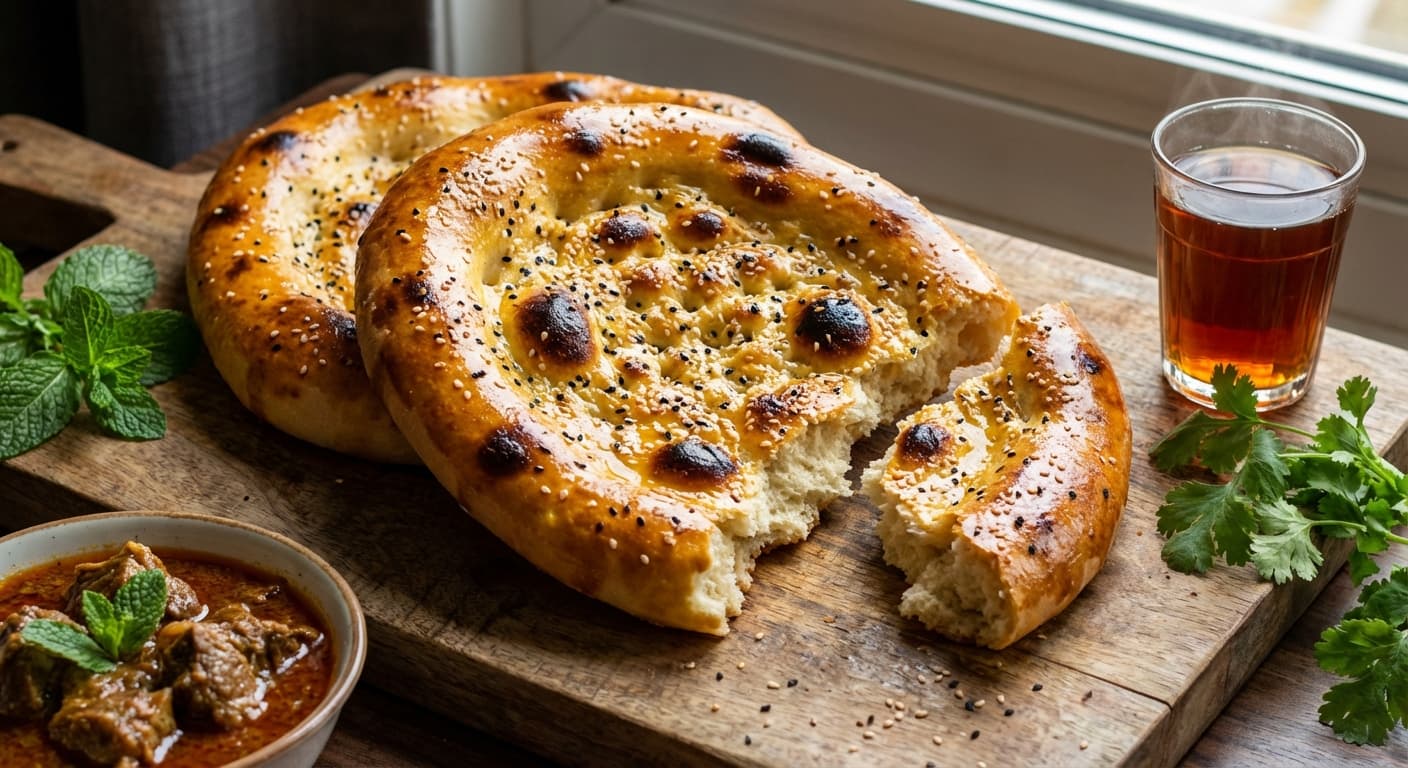
Kulcha-e Kandahari (کلچهٔ کندهاری) — Afghan Thick naan, Kandahar-style bakery bread
Afghan · Breads · 43 min
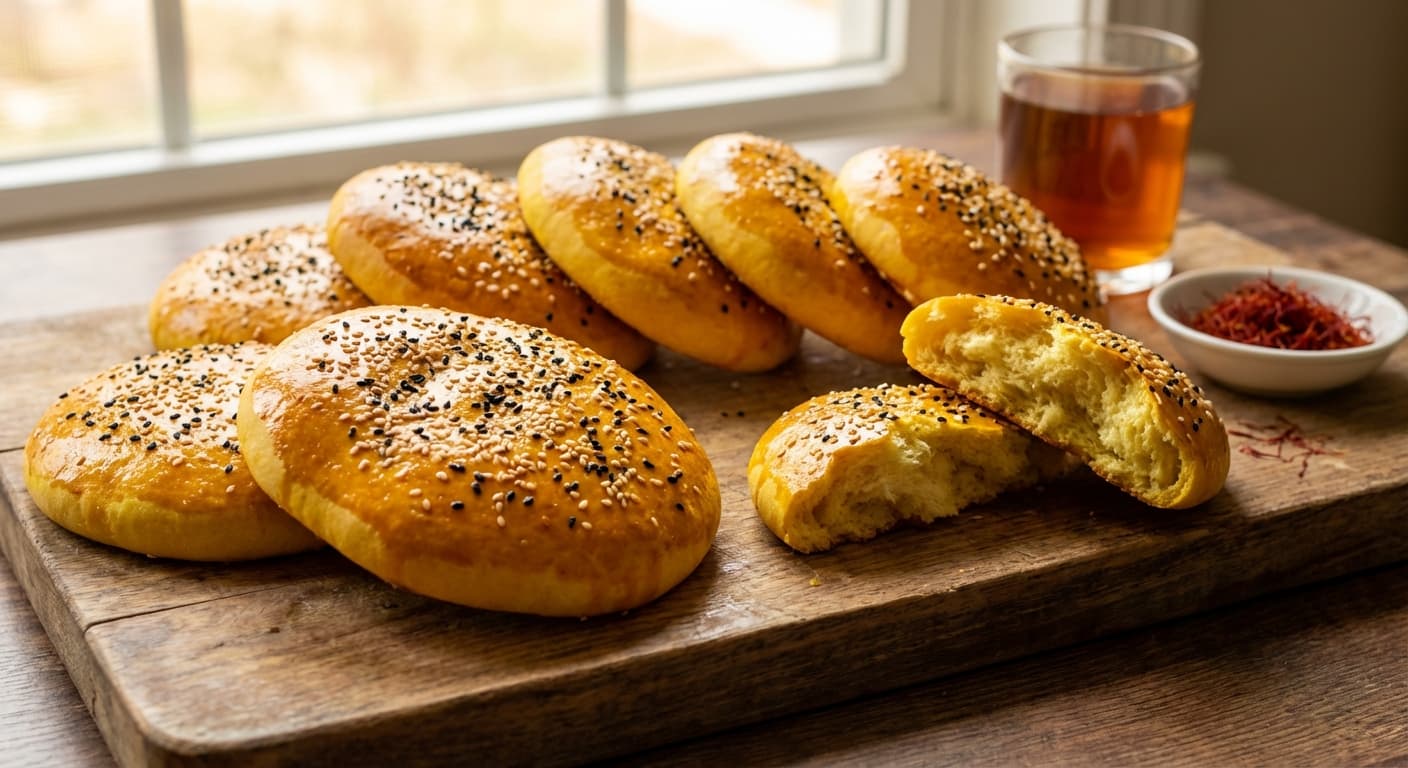
Sheermal (شیرمال) — Afghan Saffron Milk Bread with a Gentle Sweetness
Afghan · Breads · 43 min
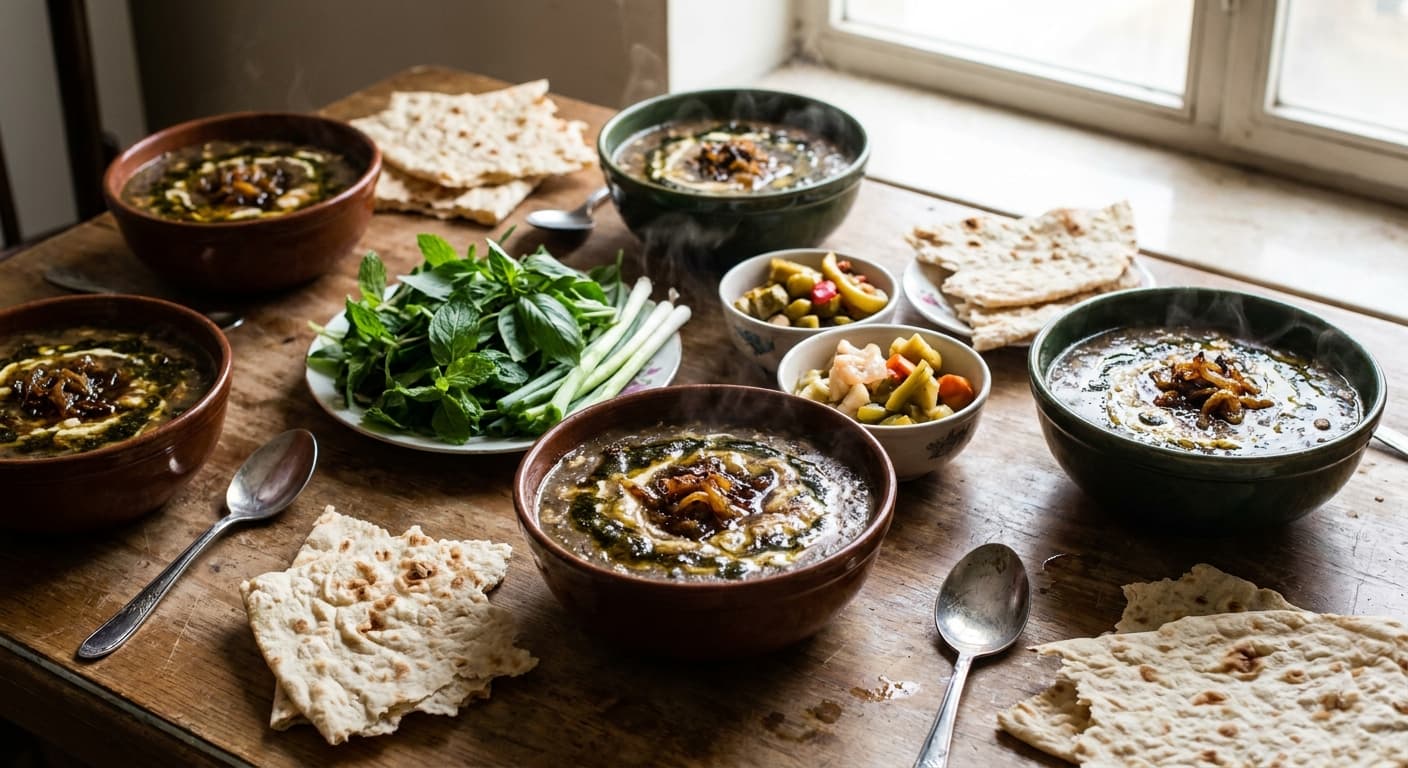
Ash-e Torsh (آش ترش) — Sour Herb and Legume Soup
Persian · Soups · 145 min
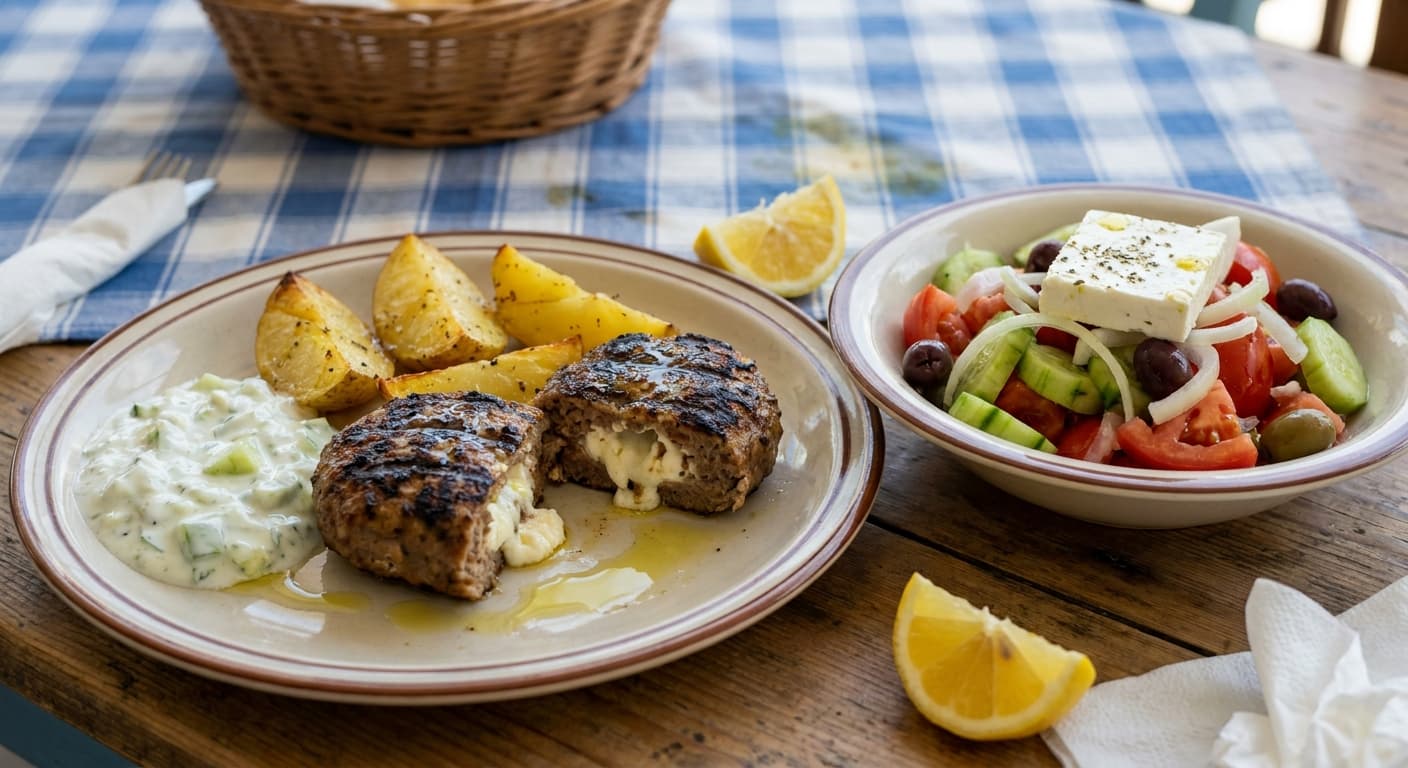
Bifteki (Μπιφτέκι) — Greek Grilled Beef Patties with Herbs
Greek · Main Courses · 39 min
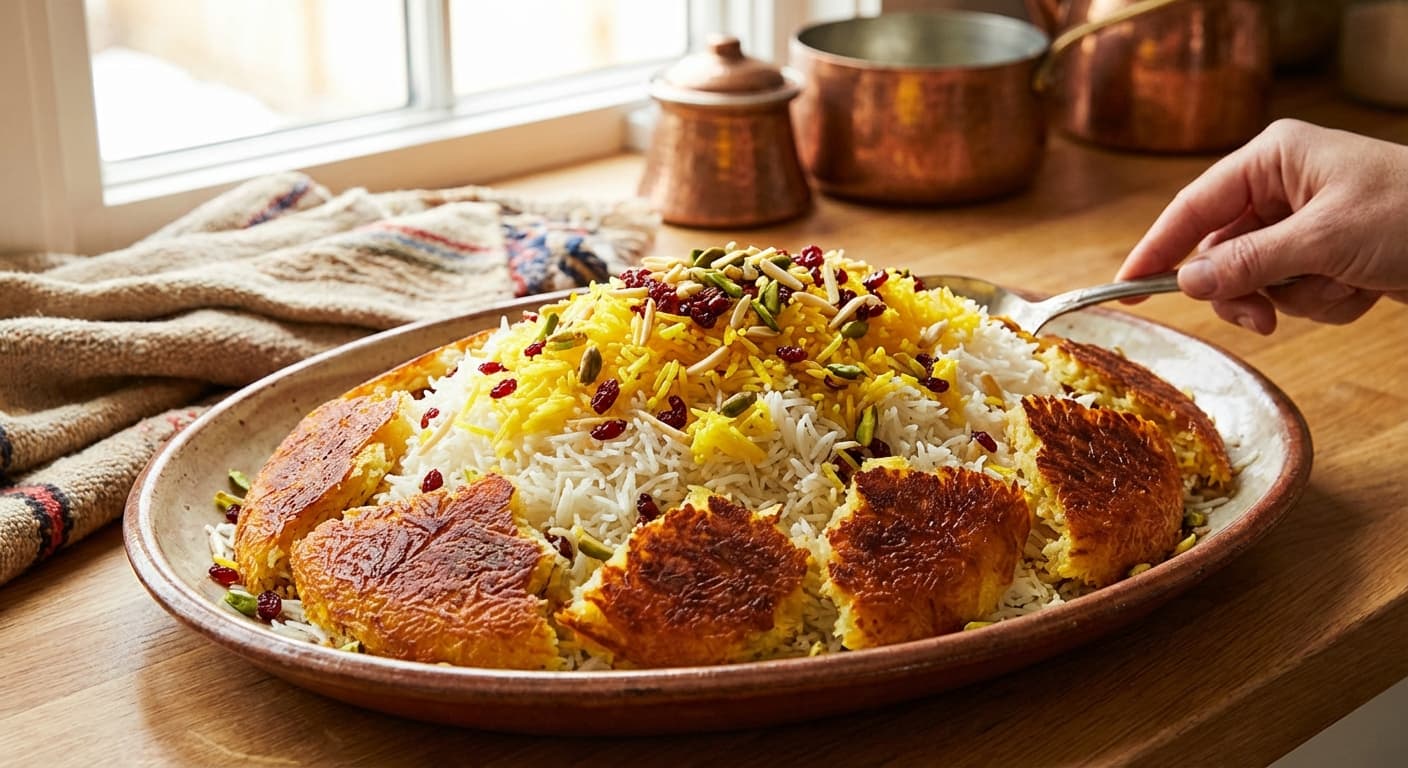
Chelo & Polow (چلو و پلو) — Persian Steamed Rice with Tahdig
Persian · Rice Dishes · 150 min
Reviews
Cooked this recipe?
Tap the stars to rate it — that's all it takes. A few words are welcome but optional.
No ratings yet. Cooked this one? Be the first to rate it — it takes one tap.