Kateh (کته) — Persian Absorption Rice
Traditional Persian Kateh is a simple absorption-method rice with a tender, slightly sticky texture and a buttery aroma. Popular for everyday meals, it uses minimal ingredients and preserves the rice’s natural fragrance.
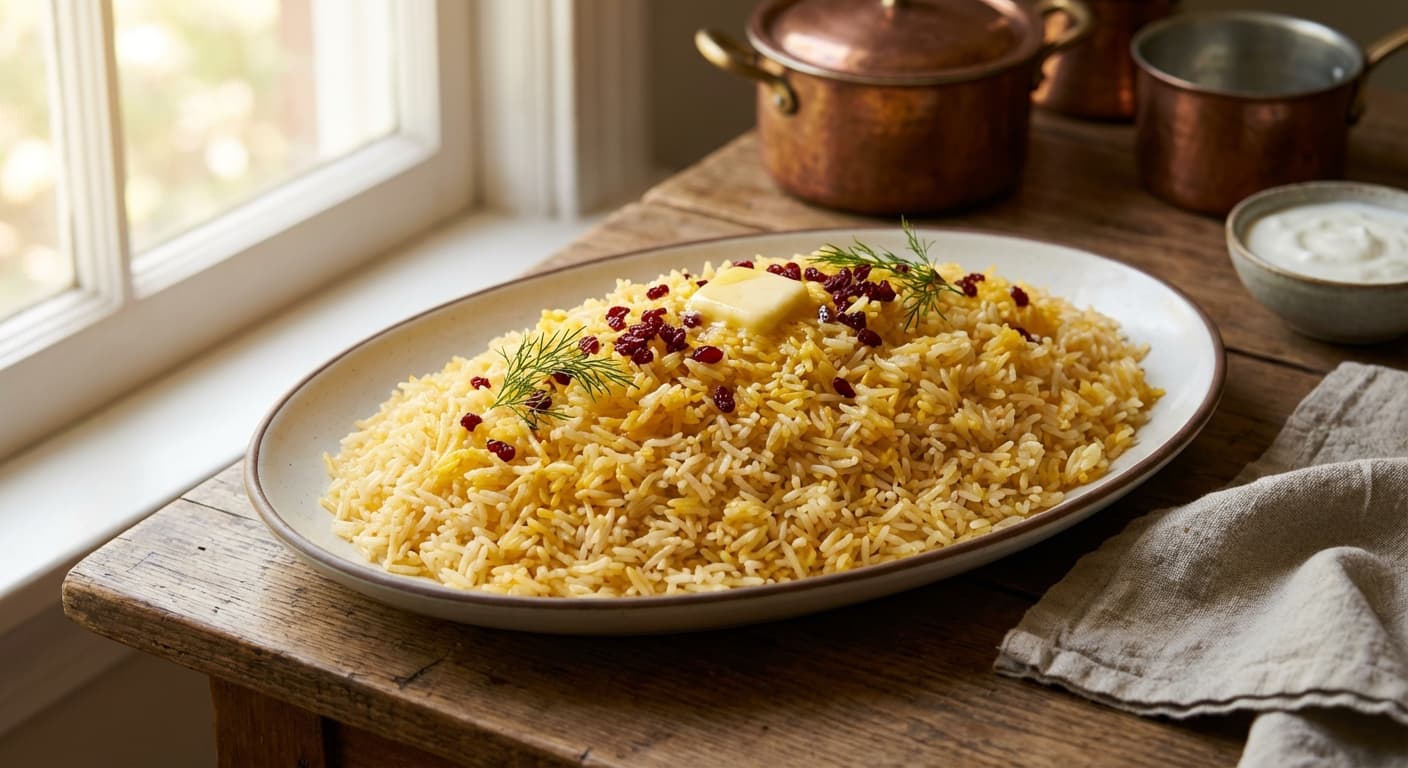
Printable Recipe Card
Servings: 4 · Total: 75 min · Difficulty: easy
Ingredients (quick list)
- 300 g Basmati rice (or long-grain rice) (rinsed until water runs mostly clear)
- 600 ml Water (plus extra for soaking)
- 6 g Fine sea salt (about 1 teaspoon)
- 30 g Unsalted butter (or use neutral oil for a dairy-free version)
Steps (summary)
- Rinse the rice in a bowl with cool water 4–6 times, gently swirling with your fingers, until the water is mostly clear. Cover t…
- Add the drained rice to a heavy-bottom pot (20–24 cm / 8–9.5 in). Pour in 600 ml water and add the salt. Stir once to distribut…
- Set the pot over medium-high heat and bring to a steady boil, 6–9 minutes. Once boiling, reduce to medium heat and cook uncover…
- Reduce heat to low. Using the handle of a wooden spoon, poke 5–7 holes down to the bottom of the pot to vent steam. Dot the but…
- Steam on very low heat for 25 minutes. Keep the lid closed to maintain steady steam. After 25 minutes, turn off the heat and re…
Cultural Background
Kateh is widely associated with everyday home cooking in northern Iran, where rice is often prepared by the absorption method for a comforting, cohesive texture. It is commonly served alongside stews, grilled foods, and simple accompaniments, reflecting practical cooking traditions and local rice culture.
Equipment
💡 Tips
- For firmer, more separate grains, reduce water to 540 ml (about 1.8:1 water-to-rice by volume) and keep steaming time the same.
- For softer, more comforting Kateh, increase water to 660 ml and steam 5 minutes longer.
- A heavy-bottom pot helps prevent scorching and encourages a golden crust on the bottom.
- If you want a stronger buttery aroma, melt the butter and drizzle it over the rice right before serving.
⚠️ Common Mistakes
❌ Stirring the rice while it is boiling down
💡 Why: Stirring releases starch and can make the texture gummy and uneven.
✅ Fix: Stir only once at the start to dissolve salt, then leave it undisturbed until steaming.
❌ Using heat that is too high during the steaming stage
💡 Why: High heat can scorch the bottom before the top finishes steaming.
✅ Fix: After the water is absorbed, steam on the lowest heat your stove can maintain for 25 minutes.
❌ Skipping the lid towel (or using a loose lid)
💡 Why: Condensation drips back onto the rice, making the surface wet and compacted.
✅ Fix: Wrap the lid in a clean towel and cover tightly to keep steam steady and the top fluffy.
❌ Incorrect water-to-rice ratio for your rice brand
💡 Why: Different basmati brands vary in age and dryness, changing absorption.
✅ Fix: Start with 600 ml water; next time adjust by 30–60 ml based on whether your result was too firm or too soft.
🧊 How to Store
Cool rice to room temperature within 1 hour, then refrigerate in an airtight container for up to 4 days. Reheat covered with 1–2 tablespoons water in a pot over low heat for 8–10 minutes, or microwave covered for 2–3 minutes, stirring once halfway.
📅 Make Ahead
Rinse and soak the rice up to 1 hour ahead, then drain and keep covered at room temperature. Cooked Kateh can be made 1 day ahead; refrigerate and re-steam with a splash of water to restore tenderness.
🍽️ Pairs Well With
- Persian-style stew (herb stew
- split pea stew
- or tomato-based stew)
- Yogurt with cucumber and herbs
- Pickled vegetables
- Grilled fish or chicken
Regional Variations
- Caspian coastal regions (northern Iran)Often cooked a bit softer and more cohesive, designed to pair with herb-forward stews, fish, and pickles; a gentle bottom crust may form naturally in a heavy pot.
- Urban home kitchens across IranCommonly enriched with a little more butter or oil and steamed under a towel-wrapped lid; some cooks prefer a drier, more separate grain by slightly reducing the water.
Ingredients
- 300 gBasmati rice (or long-grain rice) (rinsed until water runs mostly clear)
- 600 mlWater (plus extra for soaking)
- 6 gFine sea salt (about 1 teaspoon)
- 30 gUnsalted butter (or use neutral oil for a dairy-free version)
🔄 Substitutions
- Unsalted butter→ Neutral oil (sunflower, canola, or light olive oil)
- Basmati rice→ Jasmine rice
- Fine sea salt→ Kosher salt
Instructions
- 1
Rinse the rice in a bowl with cool water 4–6 times, gently swirling with your fingers, until the water is mostly clear. Cover the rice with plenty of fresh water and soak for 30 minutes at room temperature, then drain well in a fine-mesh sieve for 2 minutes.
- 2
Add the drained rice to a heavy-bottom pot (20–24 cm / 8–9.5 in). Pour in 600 ml water and add the salt. Stir once to distribute the salt, then let the rice sit 5 minutes so the grains hydrate evenly before heating.
- 3
Set the pot over medium-high heat and bring to a steady boil, 6–9 minutes. Once boiling, reduce to medium heat and cook uncovered 8–10 minutes, until most surface water is absorbed and small steam holes appear across the rice. Do not stir during this stage.
- 4
Reduce heat to low. Using the handle of a wooden spoon, poke 5–7 holes down to the bottom of the pot to vent steam. Dot the butter evenly over the surface, then cover tightly with a lid wrapped in a clean kitchen towel to catch condensation.
- 5
Steam on very low heat for 25 minutes. Keep the lid closed to maintain steady steam. After 25 minutes, turn off the heat and rest, still covered, for 10 minutes. Fluff gently with a fork, lifting from the edges to avoid breaking grains.
🪪 Recipe Passport
Cultural Background
Kateh is widely associated with everyday home cooking in northern Iran, where rice is often prepared by the absorption method for a comforting, cohesive texture. It is commonly served alongside stews, grilled foods, and simple accompaniments, reflecting practical cooking traditions and local rice culture.
Regional Variations
Researched from multiple sources and validated by the Zaffaron editorial team. Every recipe is tested for accuracy, measurements, and cultural authenticity.
Nutrition per serving
Pairs well with
If you enjoyed this recipe, here are a few related Zaffaron recipes to try next.
Does your family make this differently?
Every family has their own version. Maybe your grandmother adds a secret ingredient, or your aunt has a completely different technique. Preserve your family's version — with their name on it, forever.
You Might Also Like
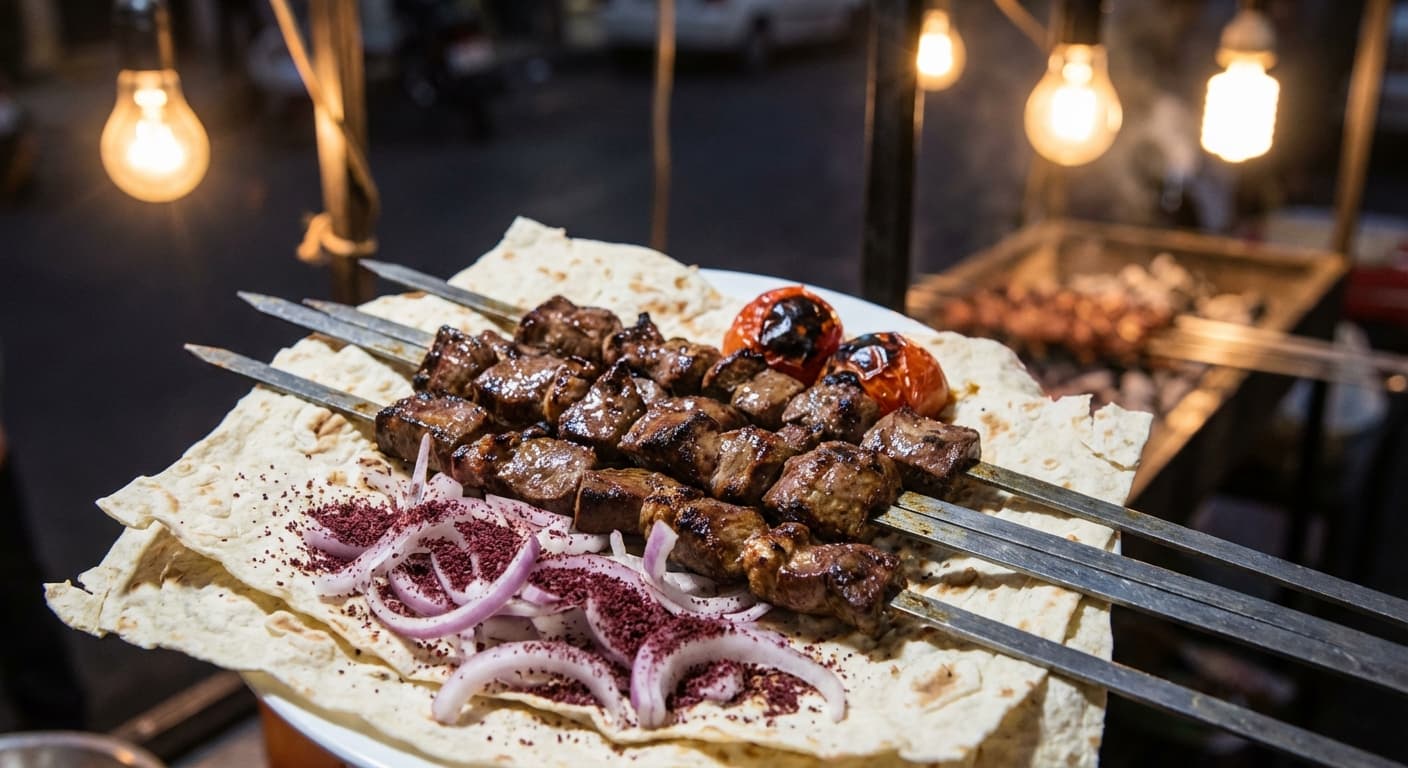
Jigar Kabab (جگر کباب) — Classic Persian Lamb Liver Skewers
Persian · Kebabs · 33 min
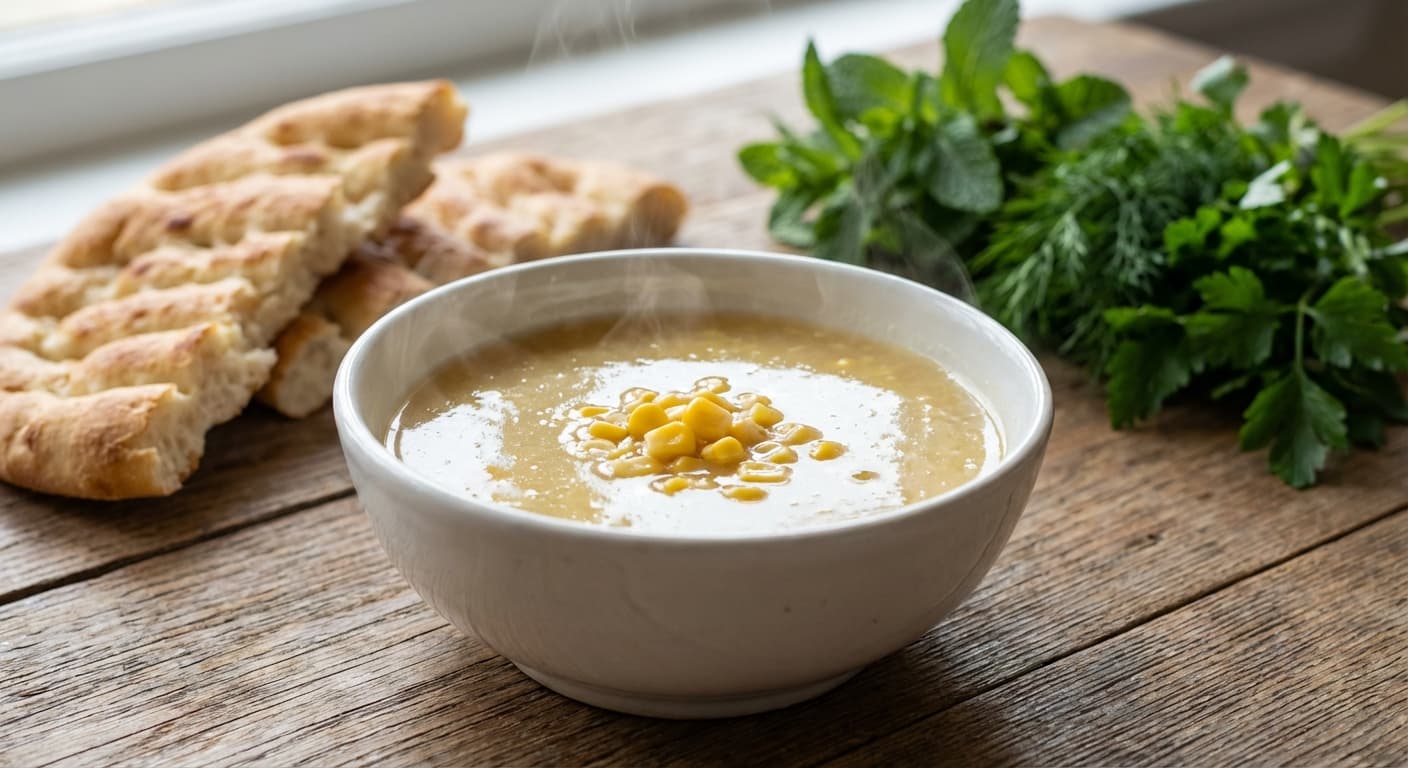
Persian Sweet Corn Soup (سوپ ذرت) — Silky Golden Comfort Soup
Persian · Soups · 50 min
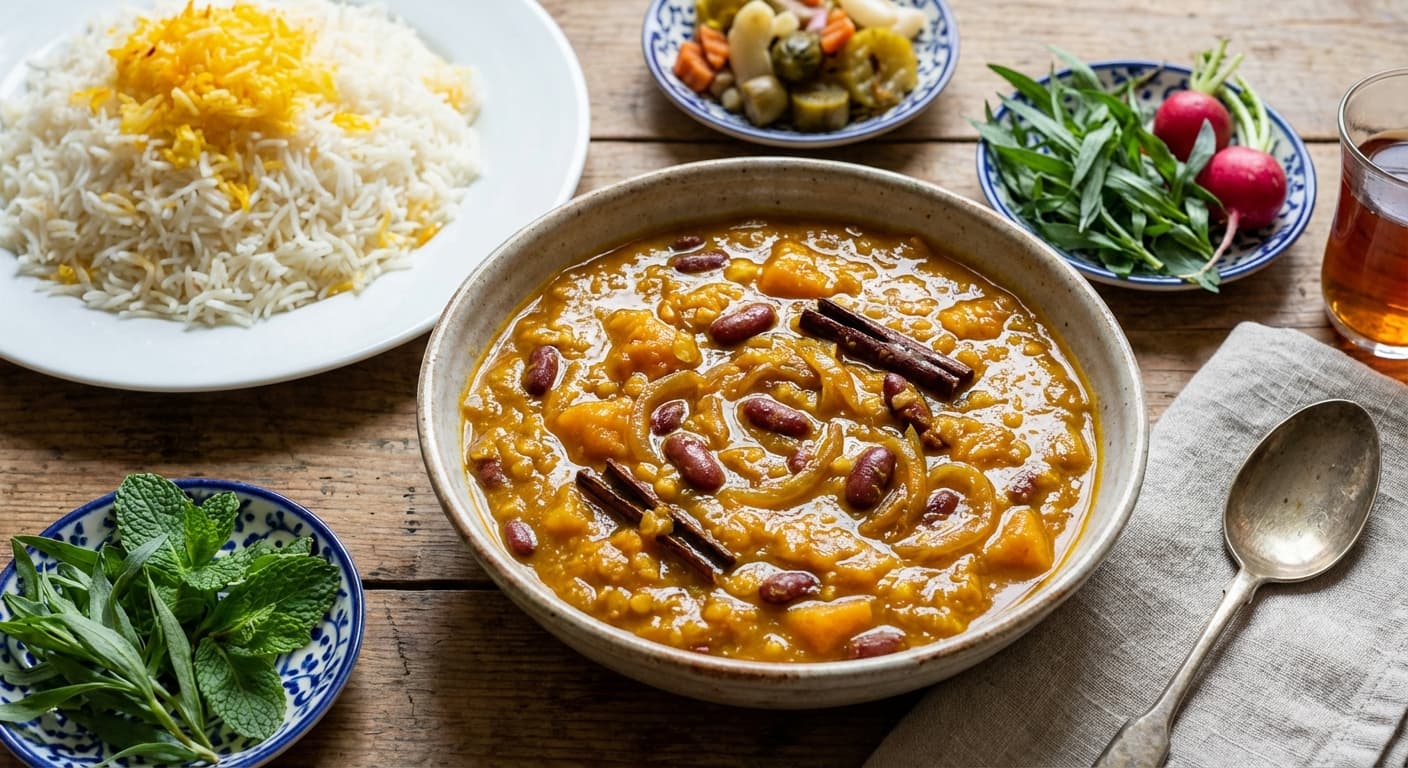
Gheimeh Kadoo Halvai (قیمه کدو حلوایی) — Sweet Pumpkin & Legume Stew
Persian · Stews · 110 min
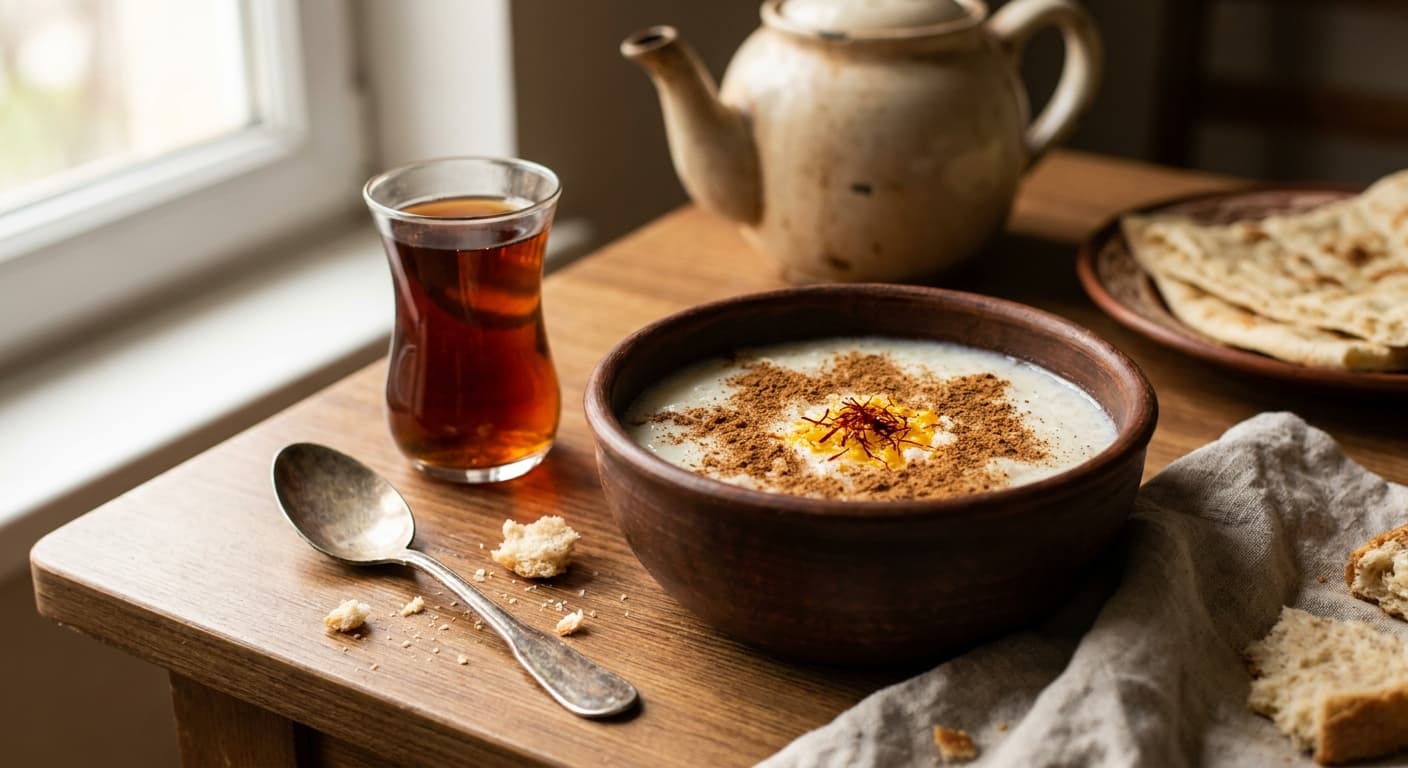
Azerbaijani Milk Rice Porridge (Südlü Sıyıq) — Creamy Breakfast Bowl
Azerbaijani · Rice Dishes · 40 min
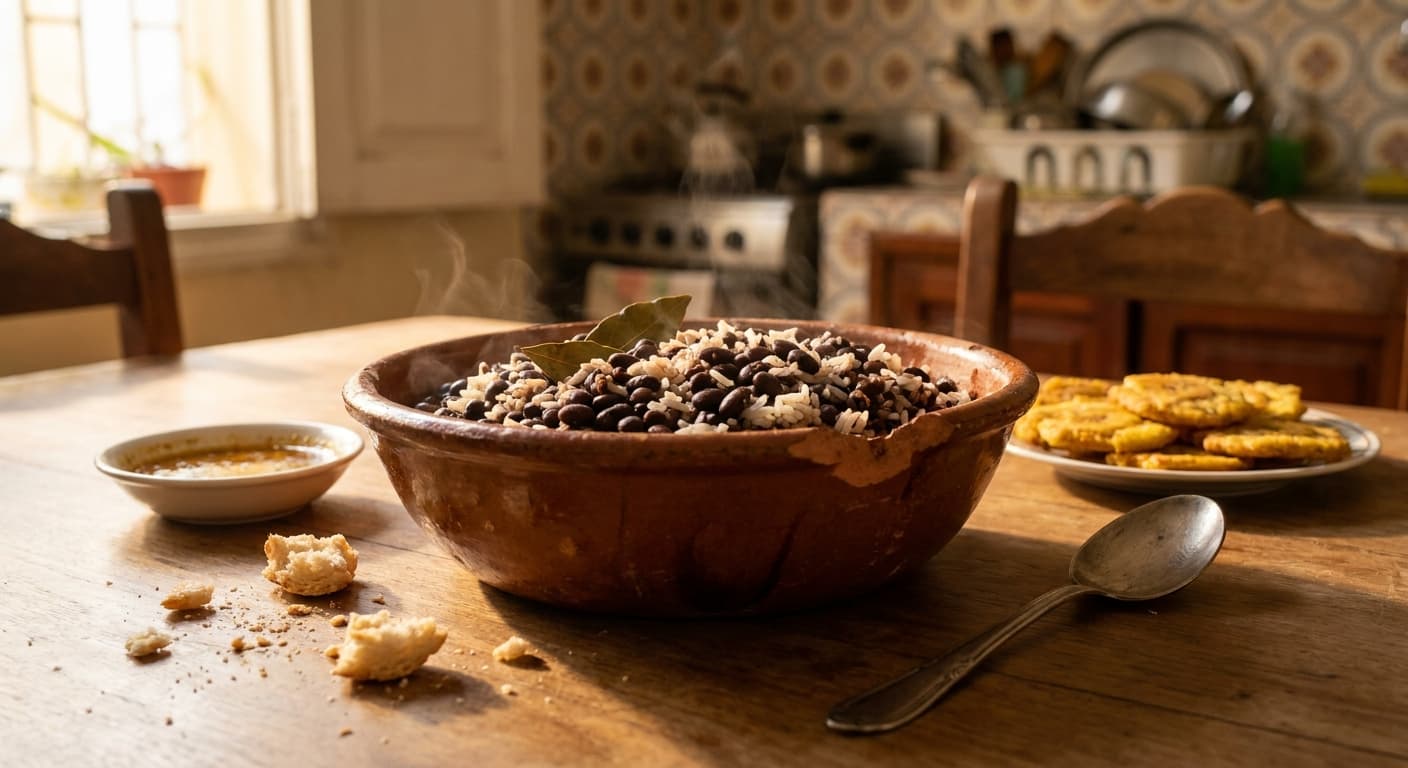
Moros y Cristianos (Moros y Cristianos) — Cuban Black Beans and Rice
Cuban · Rice Dishes · 130 min
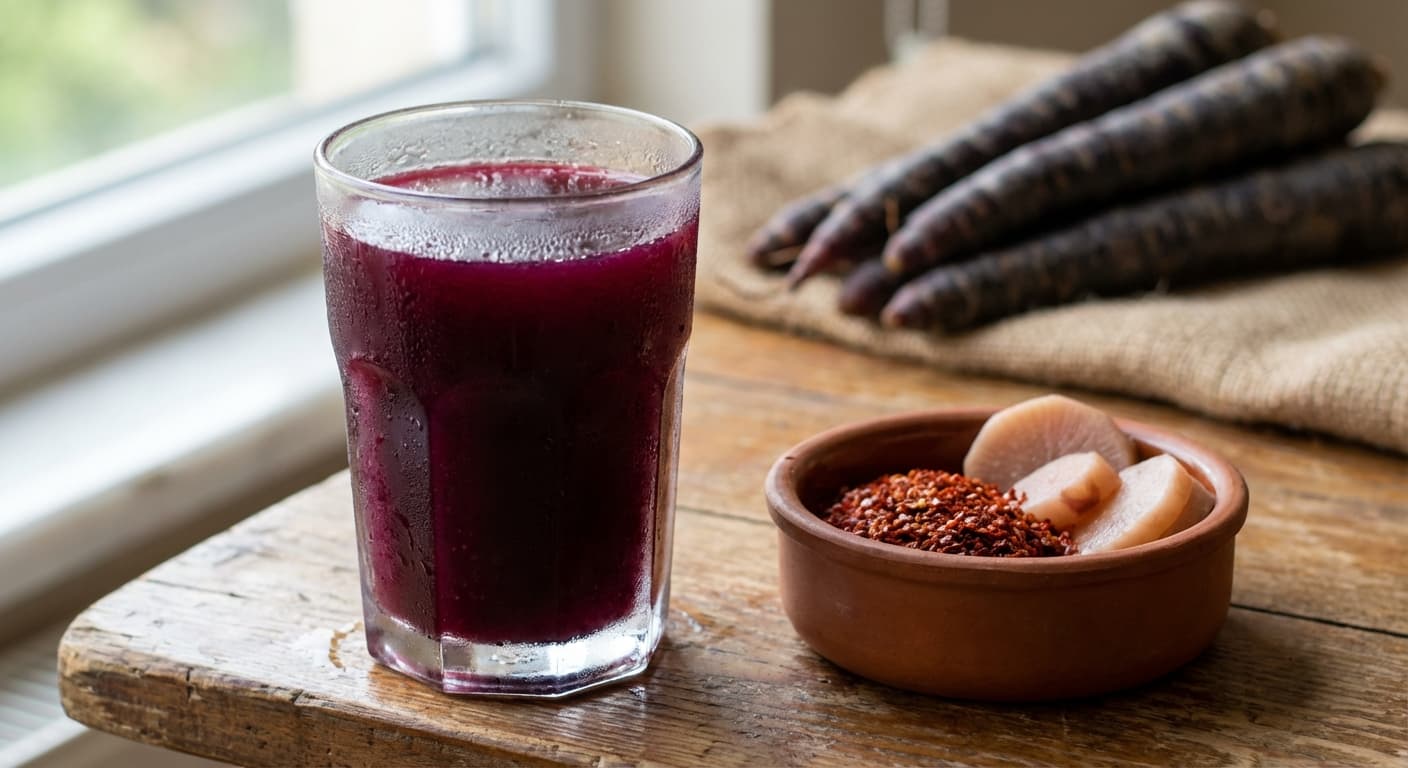
Salgam Juice (Şalgam) — Spicy, tangy fermented black-carrot drink
Turkish · Drinks · 25 min
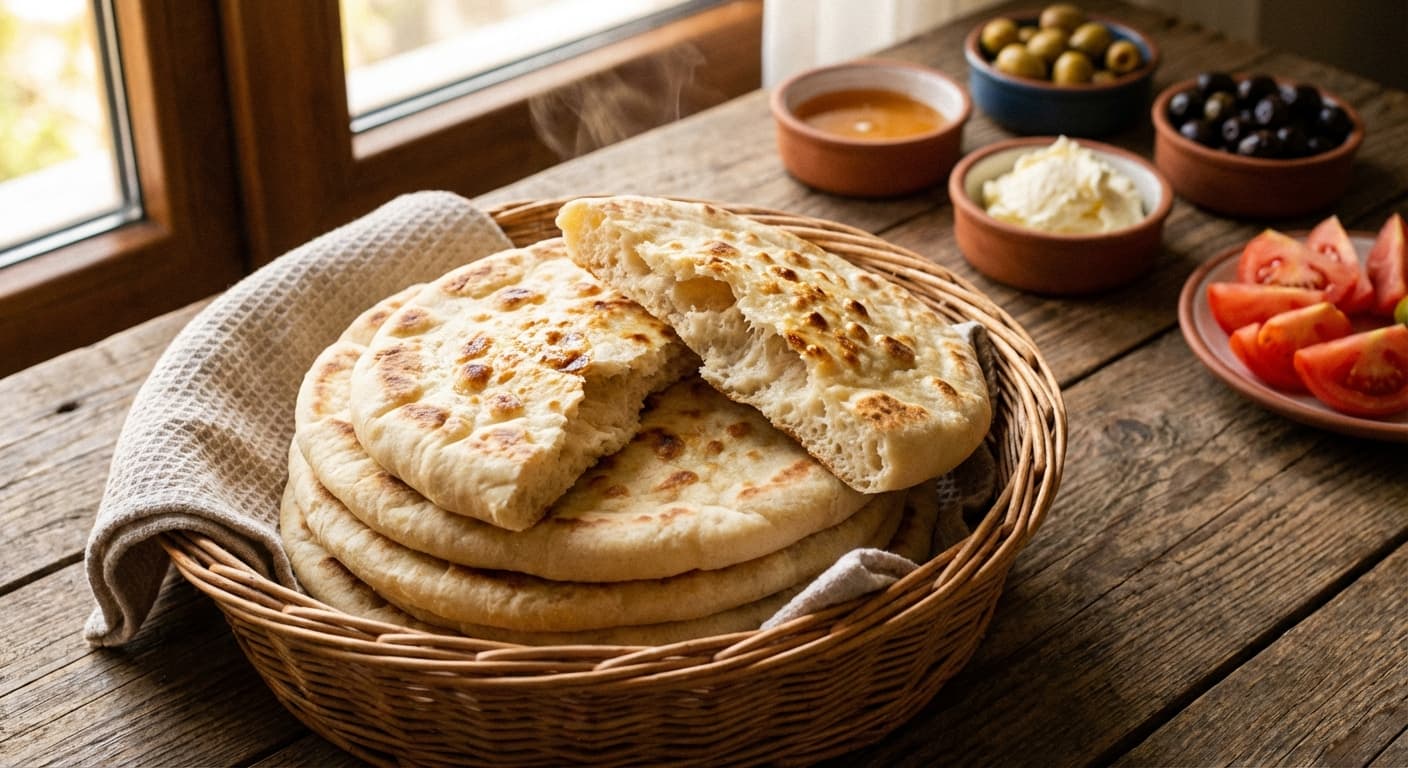
Bazlama (بازلاما) — Puffy Turkish Village Flatbread Cooked on a Saj
Turkish · Breads · 38 min

Roulat Panir (رولت پنیر) — Persian Savory Cheese & Walnut Crepe Rolls
Persian · Appetizers · 80 min
Reviews
Cooked this recipe?
Tap the stars to rate it — that's all it takes. A few words are welcome but optional.
No ratings yet. Cooked this one? Be the first to rate it — it takes one tap.