Ven Pongal (வெண் பொங்கல்) — South Indian rice and lentil porridge with black pepper
Ven Pongal is a classic South Indian comfort dish of rice and split mung cooked into a creamy porridge, tempered with ghee, pepper, and cumin. Traditionally served for breakfast and during harvest festivities, it’s soothing, aromatic, and deeply satisfying.
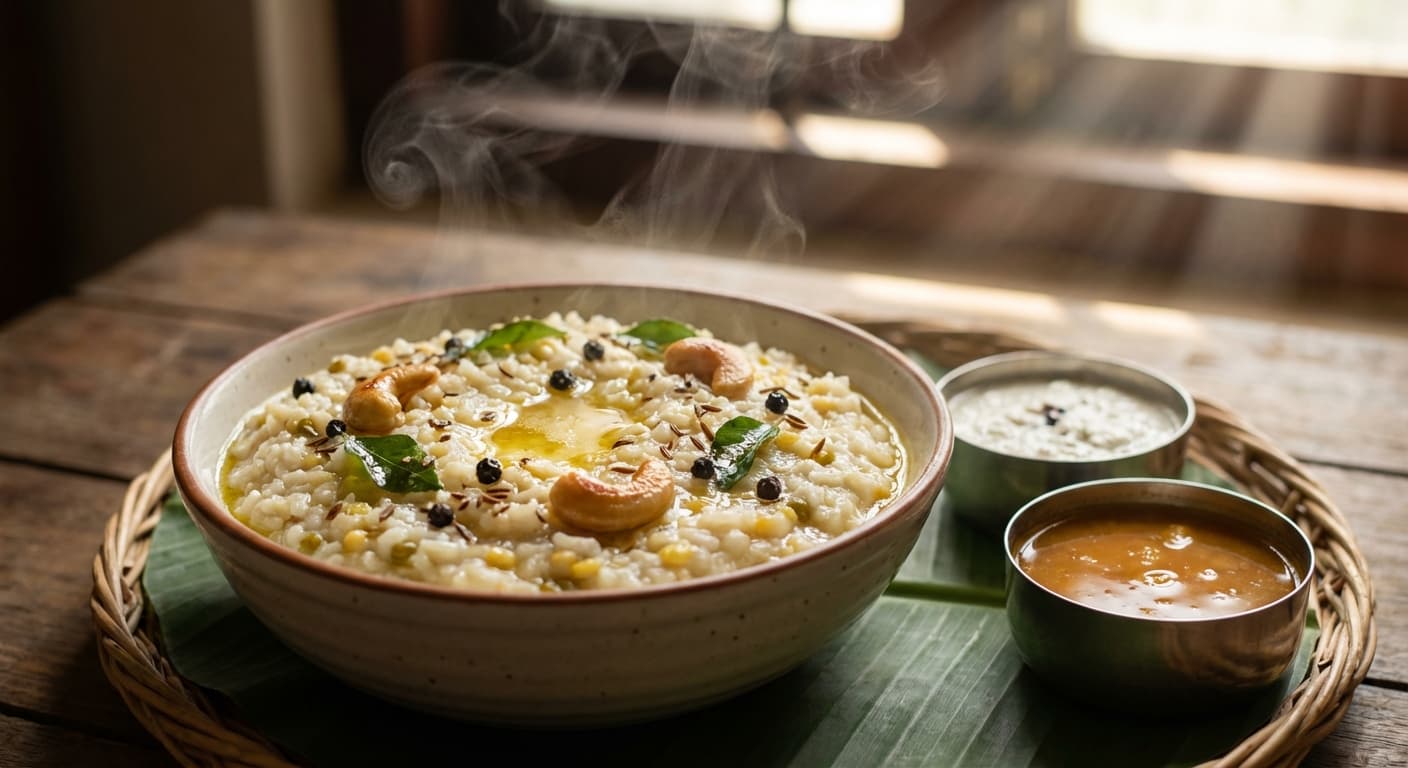
Printable Recipe Card
Servings: 4 · Total: 40 min · Difficulty: easy
Ingredients (quick list)
- 200 g sona masoori rice (rinsed until water runs mostly clear)
- 100 g split yellow mung dal (moong dal) (rinsed)
- 1200 ml water (plus 200 ml extra if needed for consistency)
- 8 g fine sea salt (about 1 1/4 tsp)
- 30 g ghee (about 2 tbsp)
- 6 g whole black peppercorns (coarsely crushed, about 2 tsp)
- 4 g cumin seeds (about 1 1/2 tsp)
- 12 g fresh ginger (finely chopped, about 1 tbsp)
- 10 leaf curry leaves (fresh leaves)
- 20 g cashews (whole or halved)
- 0.5 tsp asafoetida (hing) (use gluten-free hing if needed)
Steps (summary)
- Rinse the rice and split mung dal separately until the water runs mostly clear. Drain well, then combine them in a heavy pot or…
- Add 1200 ml water and the salt to the rice-dal mixture and stir to distribute the grains. Bring to a boil, then reduce to a ste…
- When the rice and dal are very soft, mash lightly with the back of a spoon until the texture is thick and porridge-like. If it…
- In a small pan, melt the ghee over medium heat until it shimmers but does not smoke. Add the cashews and fry for 60–90 seconds,…
- Add cumin seeds and crushed black pepper to the ghee and cook for 20–30 seconds until fragrant. Stir in the chopped ginger, cur…
- Pour the hot tempering (ghee and spices) over the cooked pongal and mix thoroughly so every spoonful is perfumed with pepper an…
Cultural Background
Ven Pongal is closely tied to Tamil harvest celebrations, especially the Pongal festival, where freshly cooked rice symbolizes abundance. Beyond festivals, it’s a beloved South Indian breakfast that showcases the region’s signature tempering of ghee, pepper, and cumin.
Equipment
💡 Tips
- For a classic texture, keep the water ratio high; Ven Pongal thickens quickly as it cools, so serve it slightly looser than you want on the plate.
- Crush peppercorns coarsely (not powder) so you get bursts of pepper heat without bitterness.
- Fry cashews only to light golden; darker cashews can taste bitter and overpower the delicate dal.
⚠️ Common Mistakes
❌ Cooking with too little water, resulting in a dry, clumpy pongal.
✅ Fix: Add hot water in 50 ml increments while simmering and stir vigorously; aim for a loose porridge that thickens as it rests.
❌ Burning the ghee tempering, making the dish taste bitter.
✅ Fix: Keep heat at medium and add spices only after the ghee shimmers; remove the pan from heat immediately once cumin and pepper turn fragrant.
❌ Using finely ground pepper, which can taste harsh and muddy.
✅ Fix: Coarsely crush whole peppercorns so the heat is clean and aromatic, with distinct pepper bursts.
🧊 How to Store
Cool leftovers within 1 hour, then refrigerate in an airtight container for up to 3 days. Reheat gently on the stove with 100–200 ml water per 2 servings, stirring often; finish with 5 g ghee to refresh aroma and prevent sticking.
📅 Make Ahead
Rinse and drain rice and dal up to 12 hours ahead and refrigerate. You can also pre-crush pepper and chop ginger in advance; do the ghee tempering right before serving for the freshest aroma.
🍽️ Pairs Well With
- Coconut chutney
- sambar
- tomato chutney
- medu vada
- lemon pickle.
Regional Variations
- Tamil Nadu style: heavier on black pepper and cumin with generous ghee and curry leaves.
- Karnataka style (Khara Pongal): may include a small amount of turmeric and sometimes a few cloves of garlic in the tempering.
- Temple-style pongal: often uses extra ghee and a very soft consistency, served hot with coconut chutney.
Ingredients
- 200 gsona masoori rice (rinsed until water runs mostly clear)
- 100 gsplit yellow mung dal (moong dal) (rinsed)
- 1200 mlwater (plus 200 ml extra if needed for consistency)
- 8 gfine sea salt (about 1 1/4 tsp)
- 30 gghee (about 2 tbsp)
- 6 gwhole black peppercorns (coarsely crushed, about 2 tsp)
- 4 gcumin seeds (about 1 1/2 tsp)
- 12 gfresh ginger (finely chopped, about 1 tbsp)
- 10 leafcurry leaves (fresh leaves)
- 20 gcashews (whole or halved)
- 0.5 tspasafoetida (hing) (use gluten-free hing if needed)
🔄 Substitutions
- sona masoori rice→ basmati rice
- ghee→ unsalted butter
- asafoetida (hing)→ garlic paste
Instructions
- 1
Rinse the rice and split mung dal separately until the water runs mostly clear. Drain well, then combine them in a heavy pot or pressure cooker insert so they cook evenly.
- 2
Add 1200 ml water and the salt to the rice-dal mixture and stir to distribute the grains. Bring to a boil, then reduce to a steady simmer and cover; cook for 20–25 minutes, stirring every 5 minutes to prevent sticking and to help the porridge turn creamy.
- 3
When the rice and dal are very soft, mash lightly with the back of a spoon until the texture is thick and porridge-like. If it looks dry or too stiff, add up to 200 ml hot water in small additions and simmer 2 minutes more to loosen it.
- 4
In a small pan, melt the ghee over medium heat until it shimmers but does not smoke. Add the cashews and fry for 60–90 seconds, stirring, until they turn light golden and smell nutty.
- 5
Add cumin seeds and crushed black pepper to the ghee and cook for 20–30 seconds until fragrant. Stir in the chopped ginger, curry leaves, and asafoetida, then cook 20 seconds more so the ginger loses its raw edge and the leaves crisp slightly.
- 6
Pour the hot tempering (ghee and spices) over the cooked pongal and mix thoroughly so every spoonful is perfumed with pepper and cumin. Simmer uncovered for 2 minutes, then rest 3 minutes before serving so the texture settles into a soft, spoonable consistency.
🪪 Recipe Passport
Cultural Background
Ven Pongal is closely tied to Tamil harvest celebrations, especially the Pongal festival, where freshly cooked rice symbolizes abundance. Beyond festivals, it’s a beloved South Indian breakfast that showcases the region’s signature tempering of ghee, pepper, and cumin.
Regional Variations
Researched from multiple sources and validated by the Zaffaron editorial team. Every recipe is tested for accuracy, measurements, and cultural authenticity.
Nutrition per serving
Pairs well with
If you enjoyed this recipe, here are a few related Zaffaron recipes to try next.
Does your family make this differently?
Every family has their own version. Maybe your grandmother adds a secret ingredient, or your aunt has a completely different technique. Preserve your family's version — with their name on it, forever.
You Might Also Like
Avial (അവിയൽ) — Kerala mixed vegetables in coconut-yogurt gravy
Indian · Main Courses · 50 min
Modak (मोदक) — Steamed coconut-jaggery sweet dumplings for Ganesh Chaturthi
Indian · Desserts · 60 min
Puttu (പുട്ട്) — Steamed rice flour cylinders layered with coconut
Indian · Breads · 35 min
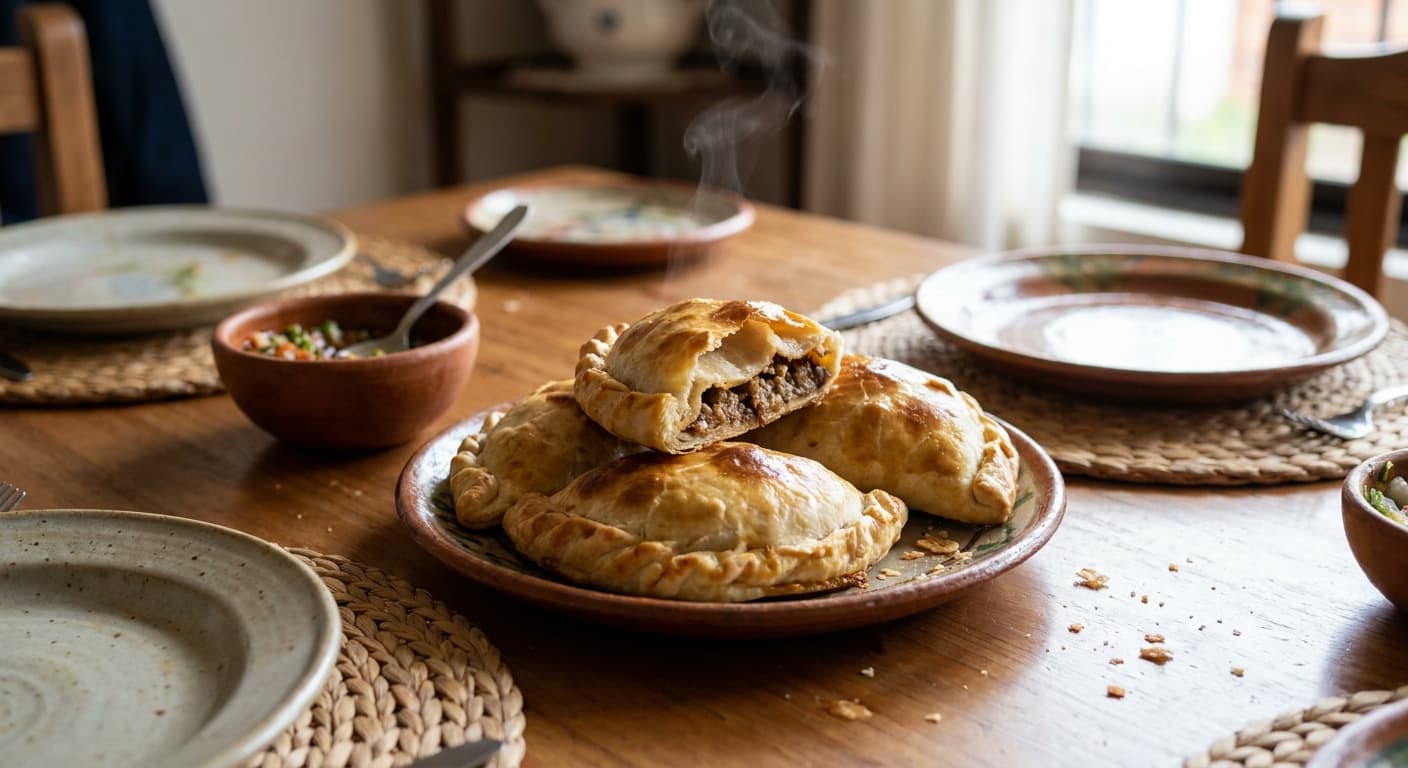
Chilean Beef Empanada (Empanada de pino) — Baked pastry filled with beef, onion, egg, olive, and raisins
Chilean · Main Courses · 125 min
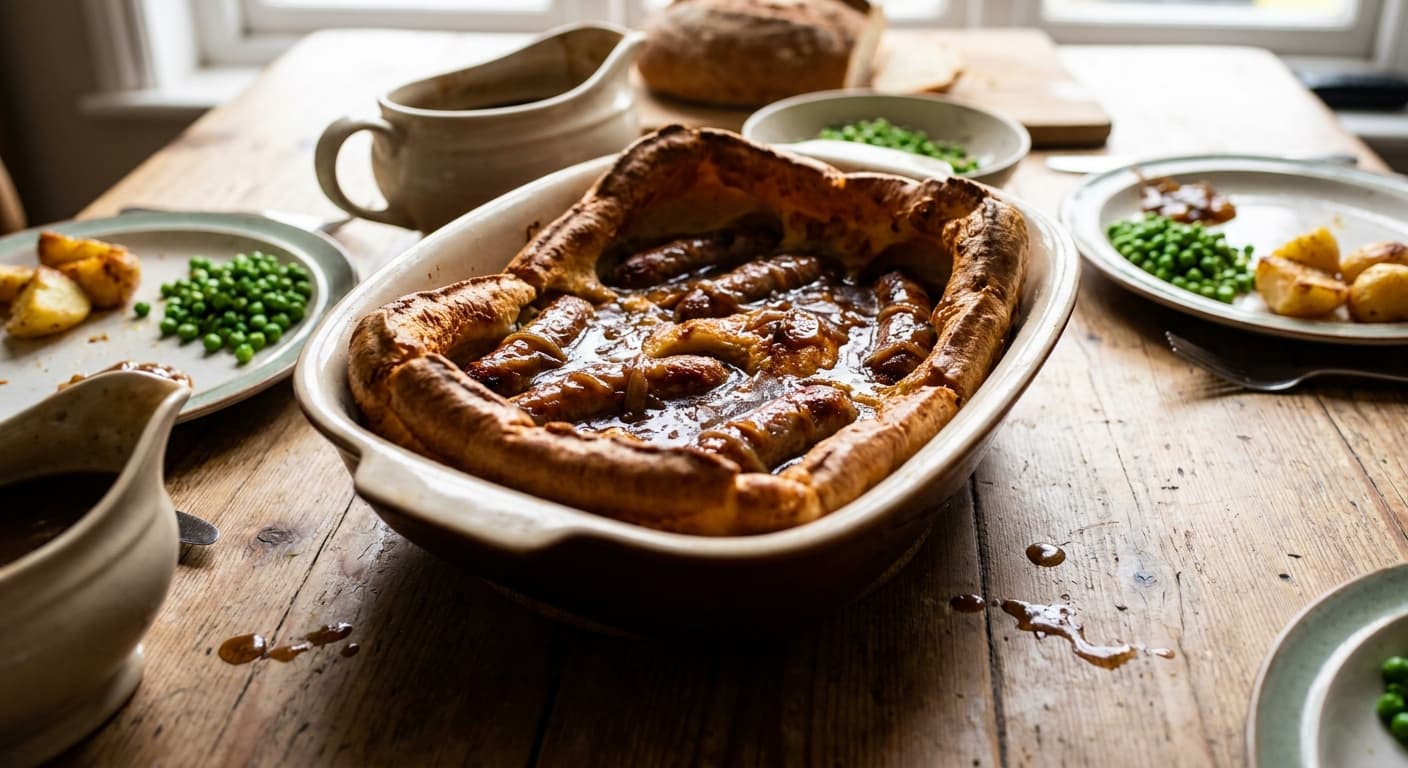
Toad in the Hole (Toad in the Hole) — Sausages Baked in Yorkshire Pudding Batter
British · Main Courses · 65 min
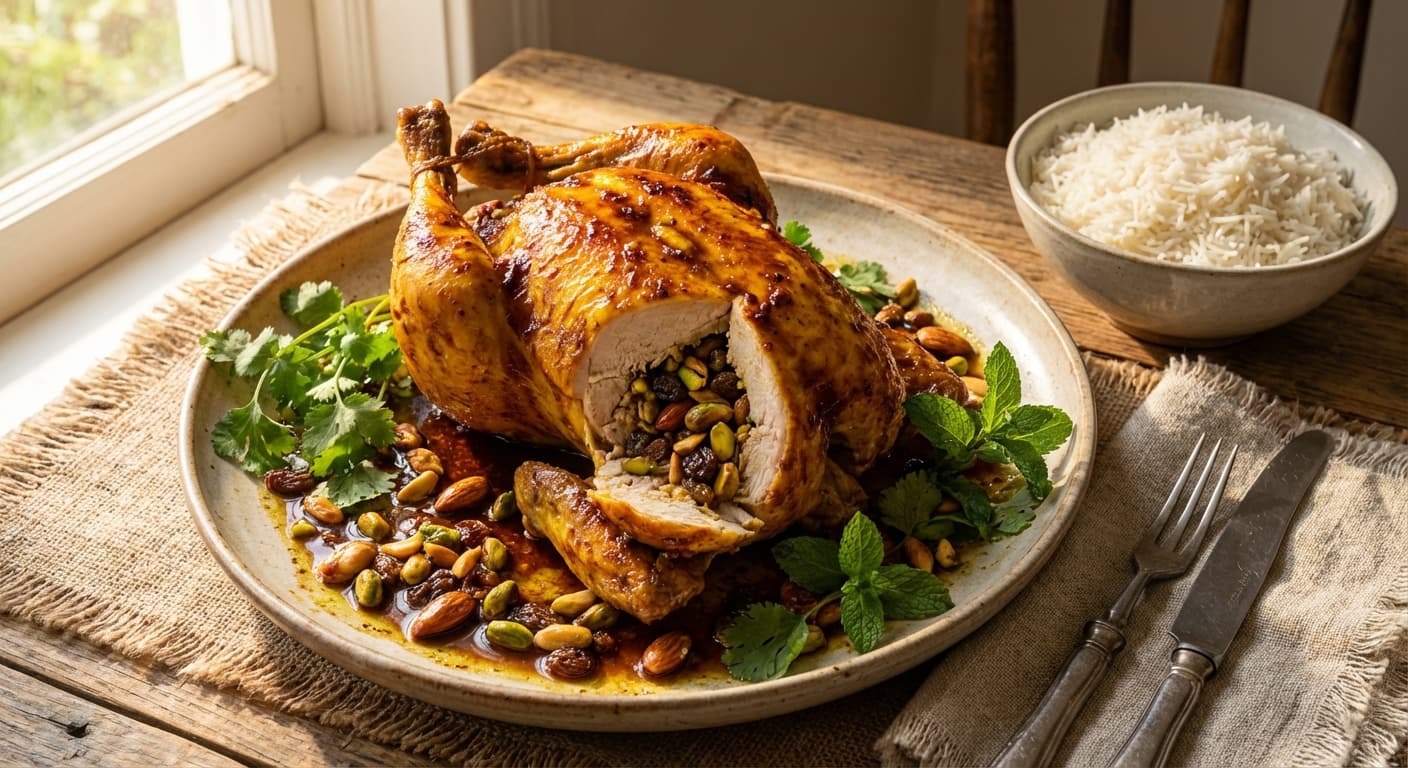
Lawang (لاونگ) — Afghan Stuffed Chicken with Raisins, Nuts, and Warm Spices
Afghan · Main Courses · 120 min
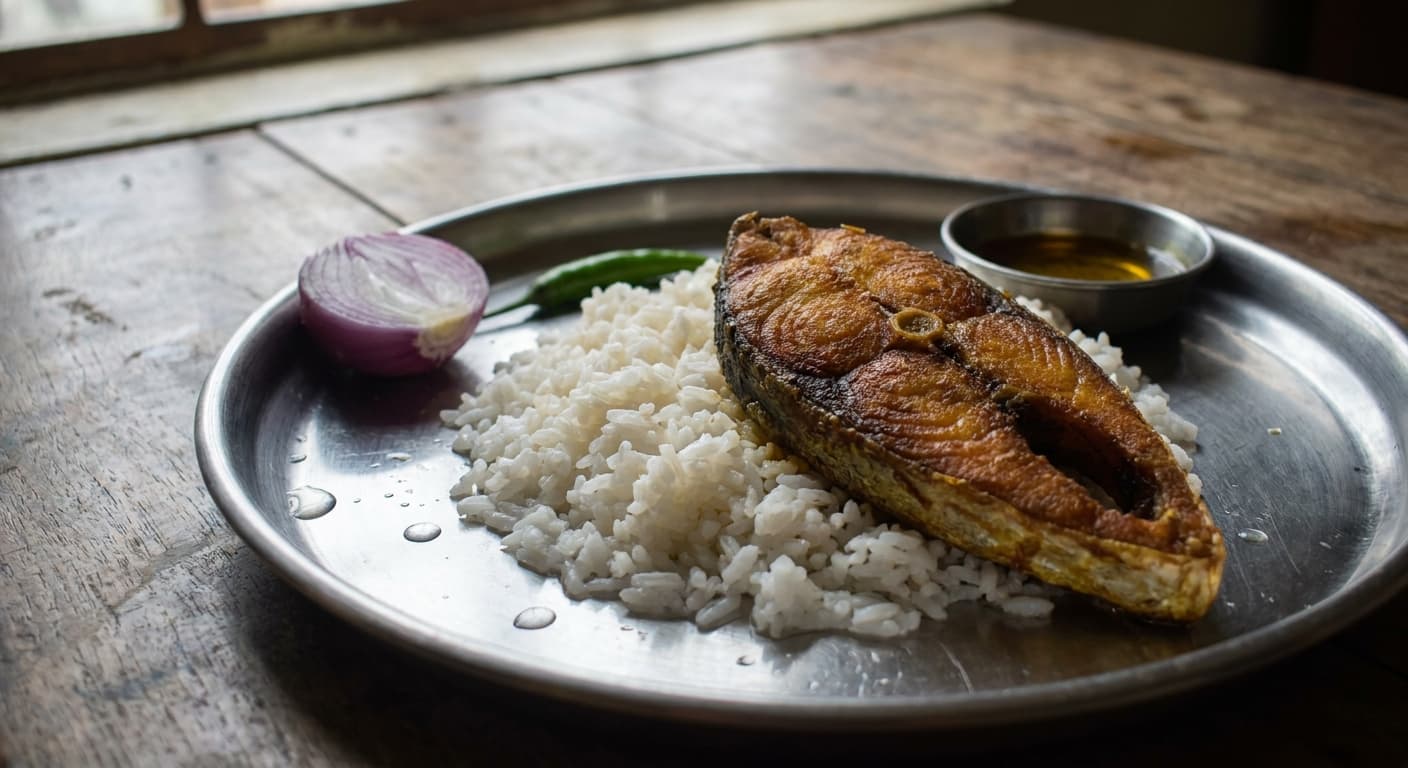
Panta Bhat (পান্তা ভাত) — Overnight Fermented Rice with Fried Ilish
Bangladeshi · Rice Dishes · 35 min
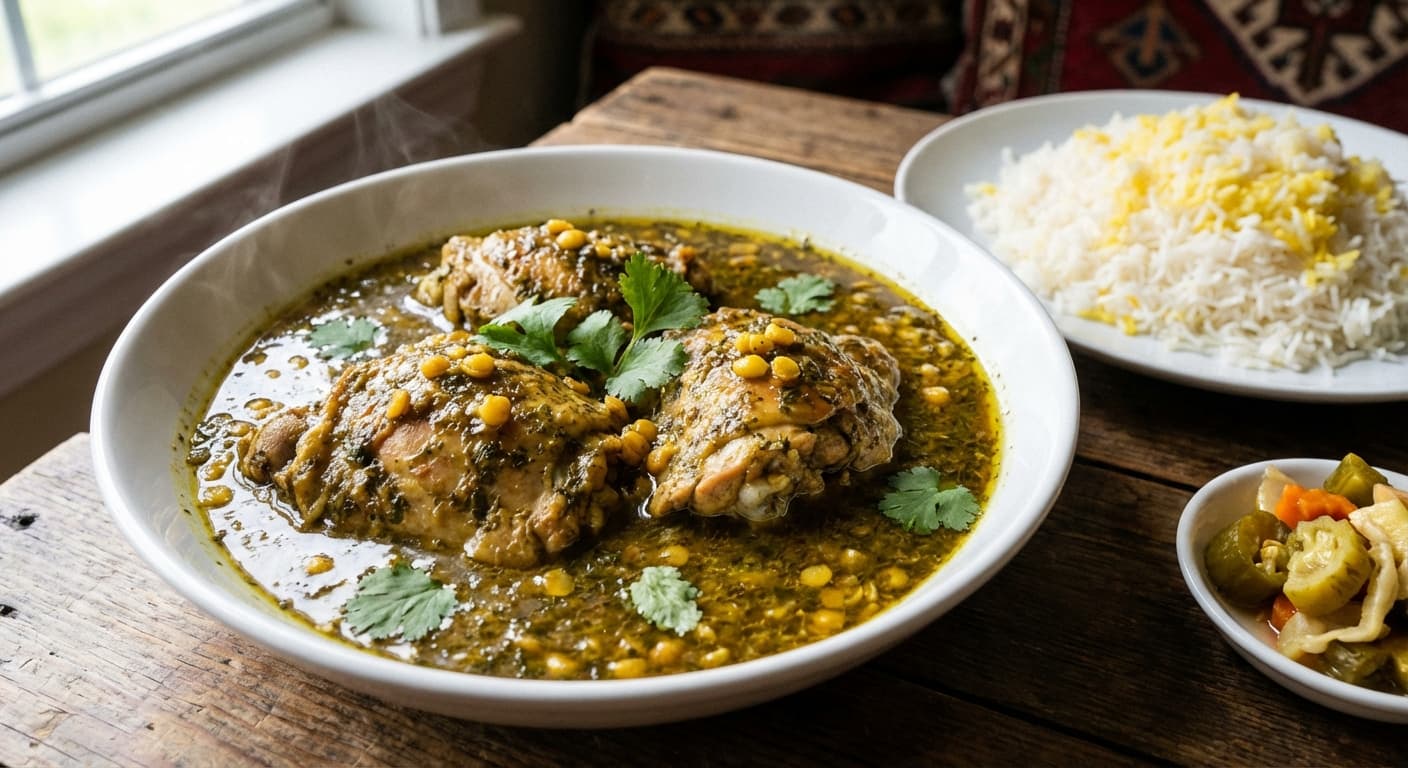
Sour Herb Chicken Stew (خورش مرغ ترش) — Caspian verjuice-and-herb khoresht with split peas
Persian · Stews · 110 min
Reviews
Cooked this recipe?
Tap the stars to rate it — that's all it takes. A few words are welcome but optional.
No ratings yet. Cooked this one? Be the first to rate it — it takes one tap.