Haleem (حلیم) — Indian Slow-simmered wheat-lentil-meat porridge, spiced
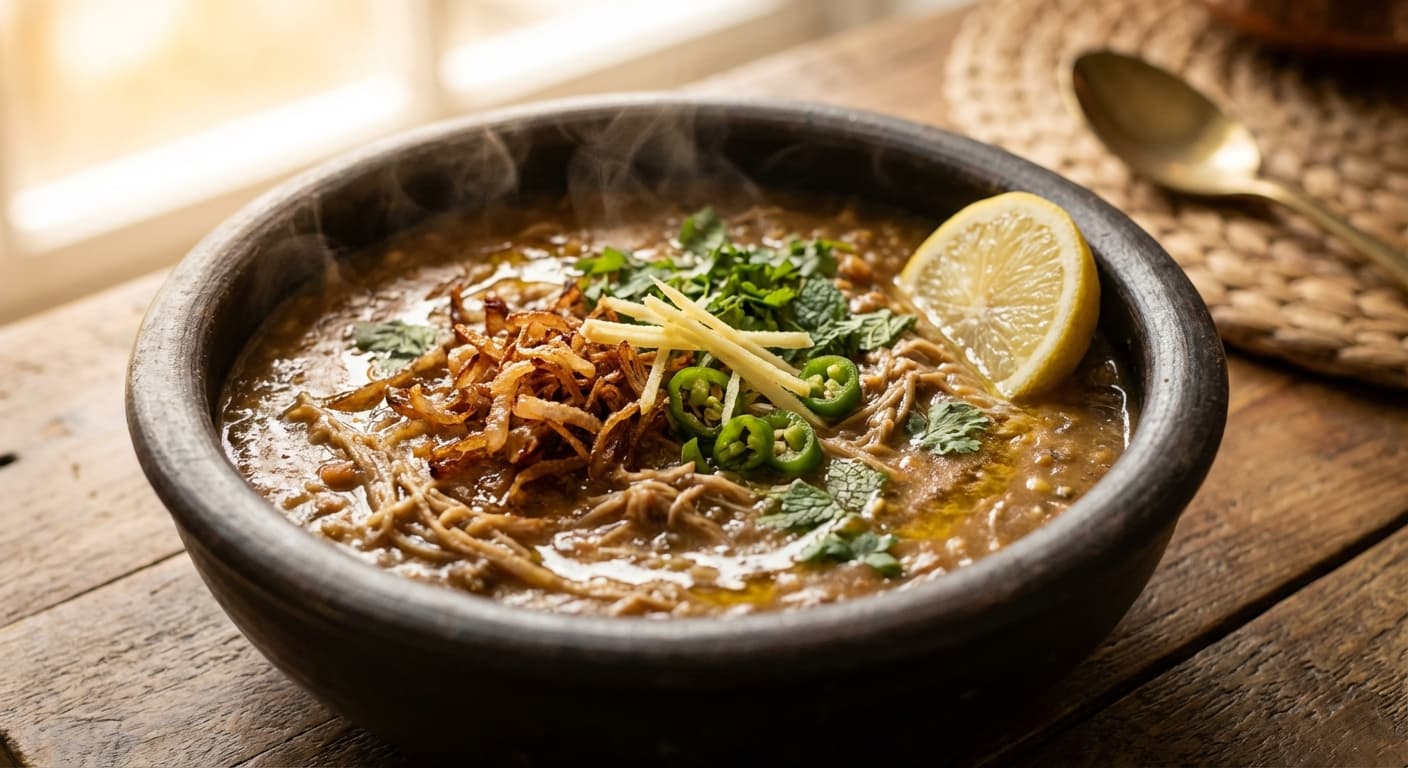
Haleem is a beloved Indo-Muslim slow-cooked porridge of wheat, lentils, and tender meat, simmered until silky and rich. Often served at iftar in Ramadan, it’s finished with fried onions, herbs, lemon, and warming spices.
Printable Recipe Card
Servings: 6 · Total: 250 min · Difficulty: hard
Ingredients (quick list)
- 700 g boneless lamb shoulder (cut into 3 cm cubes)
- 180 g whole wheat (cracked wheat/dalia) (rinsed well)
- 80 g chana dal (split chickpeas) (rinsed)
- 60 g masoor dal (red lentils) (rinsed)
- 60 g moong dal (split yellow mung) (rinsed)
- 40 g urad dal (split black gram, skinned) (rinsed)
- 350 g yellow onion (thinly sliced)
- 25 g ginger (finely grated)
- 20 g garlic (finely grated)
- 200 g plain yogurt (whisked until smooth)
- 45 g ghee (divided)
- 30 ml neutral oil (for frying onions)
+ 17 more in the full ingredients section below.
Steps (summary)
- Rinse the cracked wheat and all lentils until the water runs mostly clear, then drain well. Soak them together in 800 ml water…
- Heat 30 ml neutral oil in a wide pan over medium-high heat and fry the sliced onions, stirring often, until deep golden-brown,…
- In a heavy pot or pressure cooker, heat 30 g ghee over medium heat and add cardamom, cloves, cinnamon, and bay leaves for 30 se…
- Add lamb cubes and 1.5 tsp salt, then raise heat to medium-high and sear for 6–8 minutes, stirring, until the meat loses its ra…
- Drain the soaked wheat and lentils and add them to the pot along with 2000 ml water. Bring to a strong simmer, then cover and c…
- Remove the whole spices if you can find them, then shred and emulsify the haleem for its signature texture. Use an immersion bl…
+ 2 more steps in the full instructions section below.
Cultural Background
Across Hyderabad, Lucknow, and old Delhi, haleem is a communal comfort food tied to Ramadan evenings and charitable kitchens. Its long simmer symbolizes patience and generosity, and the garnish ritual—onion, herbs, lemon—lets each person tailor the bowl to taste.
Equipment
💡 Tips
- Beat the haleem vigorously for at least 4 minutes after blending; this is what gives the signature stretchy, cohesive texture.
- Keep the simmer gentle and stir on a schedule (every 10–12 minutes) to prevent scorching; a heavy-bottom pot makes a major difference.
- For a deeper restaurant-style finish, drizzle 1 tsp ghee per bowl right before serving so the aroma hits first.
⚠️ Common Mistakes
❌ Haleem scorches at the bottom and tastes bitter.
✅ Fix: Lower to a gentle simmer, stir every 10–12 minutes, and add 200 ml hot water when the mixture starts to look dry.
❌ Yogurt curdles and the masala looks grainy.
✅ Fix: Whisk yogurt smooth, add it in 3 portions over low heat, and stir continuously; avoid boiling hard right after adding yogurt.
❌ Texture is gritty or the grains feel separate.
✅ Fix: Cook longer until wheat fully breaks down, then blend briefly and beat vigorously to emulsify and distribute meat fibers.
🧊 How to Store
Cool haleem to room temperature within 90 minutes, then refrigerate in an airtight container for up to 4 days. Reheat gently on the stovetop with 150–250 ml water per 1 kg haleem, stirring often to prevent sticking. Freeze up to 2 months; thaw overnight in the fridge before reheating.
📅 Make Ahead
Fry the onions up to 2 days ahead and refrigerate airtight. You can also cook the meat and lentil-wheat base a day ahead; chill overnight, then reheat with measured water and finish with garam masala, ghee, and fresh garnishes.
🍽️ Pairs Well With
- Naan
- paratha
- lemon wedges
- extra fried onions
- sliced green chilies
- cucumber-onion salad.
Regional Variations
- Hyderabadi haleem often uses a richer fried-onion base and a more pronounced garam masala finish, sometimes with extra ghee drizzled on top.
- Lucknow-style versions can be milder and more aromatic, leaning on whole spices and black pepper rather than heavy chili heat.
- Some households add 50 g barley alongside wheat for a slightly nuttier body and thicker set.
Ingredients
- 700 gboneless lamb shoulder (cut into 3 cm cubes)
- 180 gwhole wheat (cracked wheat/dalia) (rinsed well)
- 80 gchana dal (split chickpeas) (rinsed)
- 60 gmasoor dal (red lentils) (rinsed)
- 60 gmoong dal (split yellow mung) (rinsed)
- 40 gurad dal (split black gram, skinned) (rinsed)
- 350 gyellow onion (thinly sliced)
- 25 gginger (finely grated)
- 20 ggarlic (finely grated)
- 200 gplain yogurt (whisked until smooth)
- 45 gghee (divided)
- 30 mlneutral oil (for frying onions)
- 2 tspKashmiri chili powder (for color and mild heat)
- 1 tspground turmeric
- 2 tspground coriander
- 1.5 tspground cumin
- 2 tspgaram masala
- 1 tspblack pepper (freshly ground)
- 6 podwhole green cardamom pods (lightly crushed)
- 6whole cloves
- 1 stickcinnamon stick (about 7 cm)
- 2 leafbay leaf
- 2.25 tspsalt (about 14 g total)
- 2000 mlwater (plus extra as needed during simmering)
- 20 gfresh cilantro (finely chopped)
- 10 gfresh mint leaves (finely chopped)
- 6 wedgelemon wedges
- 20 gfresh ginger (cut into fine julienne)
- 2green chili (thinly sliced)
🔄 Substitutions
- boneless lamb shoulder→ boneless beef chuck
- plain yogurt→ 200 ml canned coconut milk
- ghee→ 45 ml neutral oil
Instructions
- 1
Rinse the cracked wheat and all lentils until the water runs mostly clear, then drain well. Soak them together in 800 ml water for 30 minutes; this short soak helps them break down into a smoother haleem. Meanwhile, slice the onions and whisk the yogurt so it is lump-free.
- 2
Heat 30 ml neutral oil in a wide pan over medium-high heat and fry the sliced onions, stirring often, until deep golden-brown, 12–15 minutes. Remove the onions to a plate and reserve 60 g for garnish; keep the remaining fried onions for the haleem base. Pour off and reserve 1 tbsp of the onion frying oil to boost flavor later.
- 3
In a heavy pot or pressure cooker, heat 30 g ghee over medium heat and add cardamom, cloves, cinnamon, and bay leaves for 30 seconds until fragrant. Add the grated ginger and garlic and cook for 60–90 seconds, stirring constantly, until the raw smell fades. Stir in the remaining fried onions (not the garnish portion) and cook for 2 minutes to build a sweet, roasted base.
- 4
Add lamb cubes and 1.5 tsp salt, then raise heat to medium-high and sear for 6–8 minutes, stirring, until the meat loses its raw color and picks up light browning. Lower the heat and add turmeric, ground coriander, ground cumin, Kashmiri chili powder, and black pepper; cook for 60 seconds to bloom the spices. Add the whisked yogurt in 3 additions, stirring well each time so it doesn’t split, and cook for 3 minutes until the masala looks cohesive.
- 5
Drain the soaked wheat and lentils and add them to the pot along with 2000 ml water. Bring to a strong simmer, then cover and cook until the meat is very tender and the grains and lentils are collapsing, about 120 minutes on the stovetop at a gentle simmer. Stir every 10–12 minutes and add 200–400 ml extra water if the bottom looks dry; haleem should remain loose enough to stir without sticking.
- 6
Remove the whole spices if you can find them, then shred and emulsify the haleem for its signature texture. Use an immersion blender for 30–60 seconds, then switch to a sturdy spoon and beat vigorously for 4–5 minutes; this agitation helps the wheat release starch and turns the pot glossy and thick. If using a countertop blender, blend 2 cups at a time and return to the pot, then beat again so the meat fibers distribute evenly.
- 7
Simmer uncovered for 25–35 minutes, stirring frequently, until the haleem is thick, spoon-coating, and smooth with visible fine meat strands. Stir in garam masala, the reserved 1 tbsp onion frying oil, and the remaining 0.75 tsp salt, then cook 3 more minutes to round out the flavor. Adjust consistency with 100–200 ml hot water if needed; haleem should slowly mound on a spoon but still flow.
- 8
In a small pan, warm the remaining 15 g ghee until shimmering, 45–60 seconds, and drizzle it over the haleem for a rich finish. Ladle into bowls and top each serving with 10 g reserved fried onions, cilantro, mint, ginger julienne, and a few slices of green chili. Serve immediately with a lemon wedge per bowl and instruct diners to squeeze in 1 wedge (about 1 tbsp juice) for the classic tangy lift.
🪪 Recipe Passport
Cultural Background
Across Hyderabad, Lucknow, and old Delhi, haleem is a communal comfort food tied to Ramadan evenings and charitable kitchens. Its long simmer symbolizes patience and generosity, and the garnish ritual—onion, herbs, lemon—lets each person tailor the bowl to taste.
Regional Variations
Researched from multiple sources and validated by the Zaffaron editorial team. Every recipe is tested for accuracy, measurements, and cultural authenticity.
Nutrition per serving
Pairs well with
If you enjoyed this recipe, here are a few related Zaffaron recipes to try next.
Does your family make this differently?
Every family has their own version. Maybe your grandmother adds a secret ingredient, or your aunt has a completely different technique. Preserve your family's version — with their name on it, forever.
You Might Also Like

Kozhukattai (मोदक) — Indian Steamed Rice Dumplings with Sweet Coconut
Indian · Desserts · 65 min

Pesarattu (పెసరట్టు) — Indian Green Moong Dal Crepe with Ginger
Indian · Main Courses · 515 min
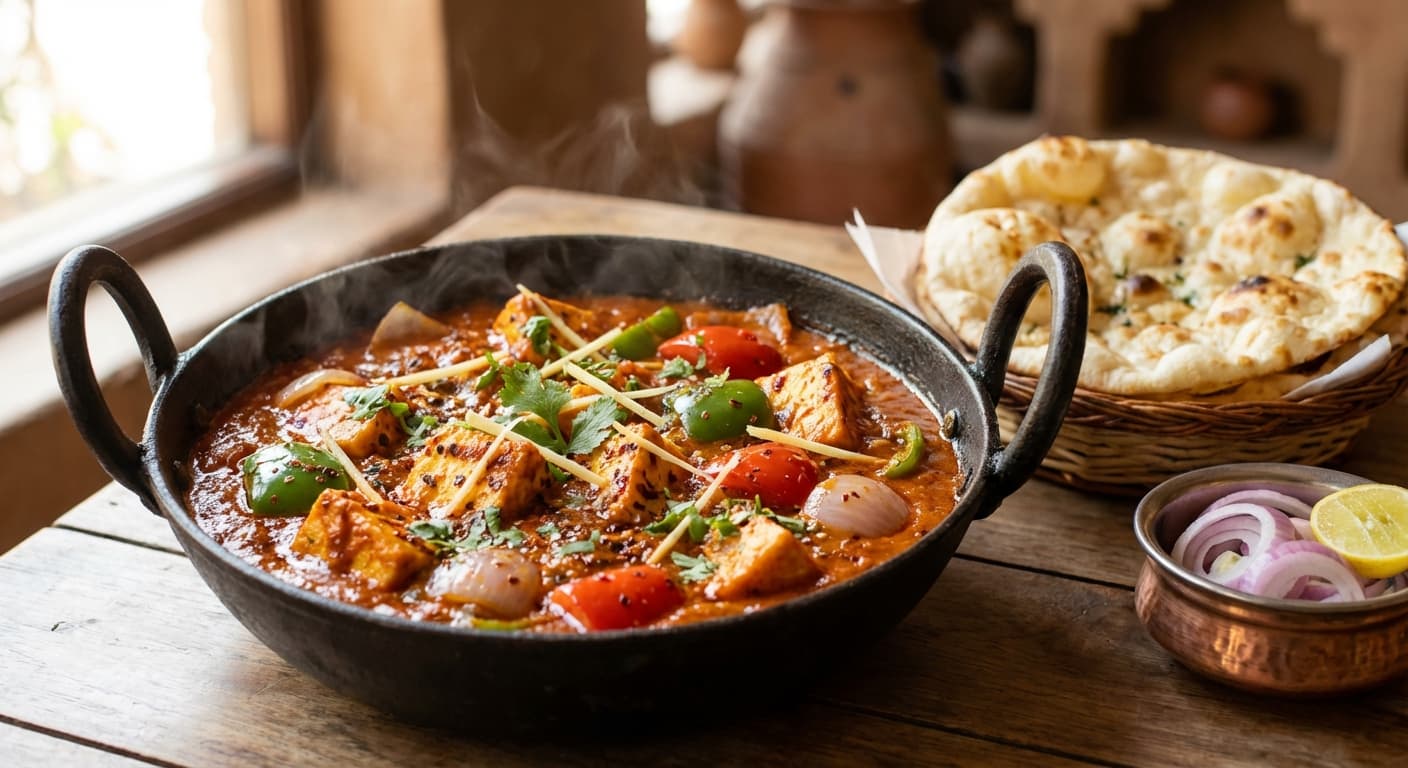
Kadai Paneer (कड़ाही पनीर) — Indian Paneer in Spicy Bell-Pepper Tomato Gravy
Indian · Main Courses · 45 min
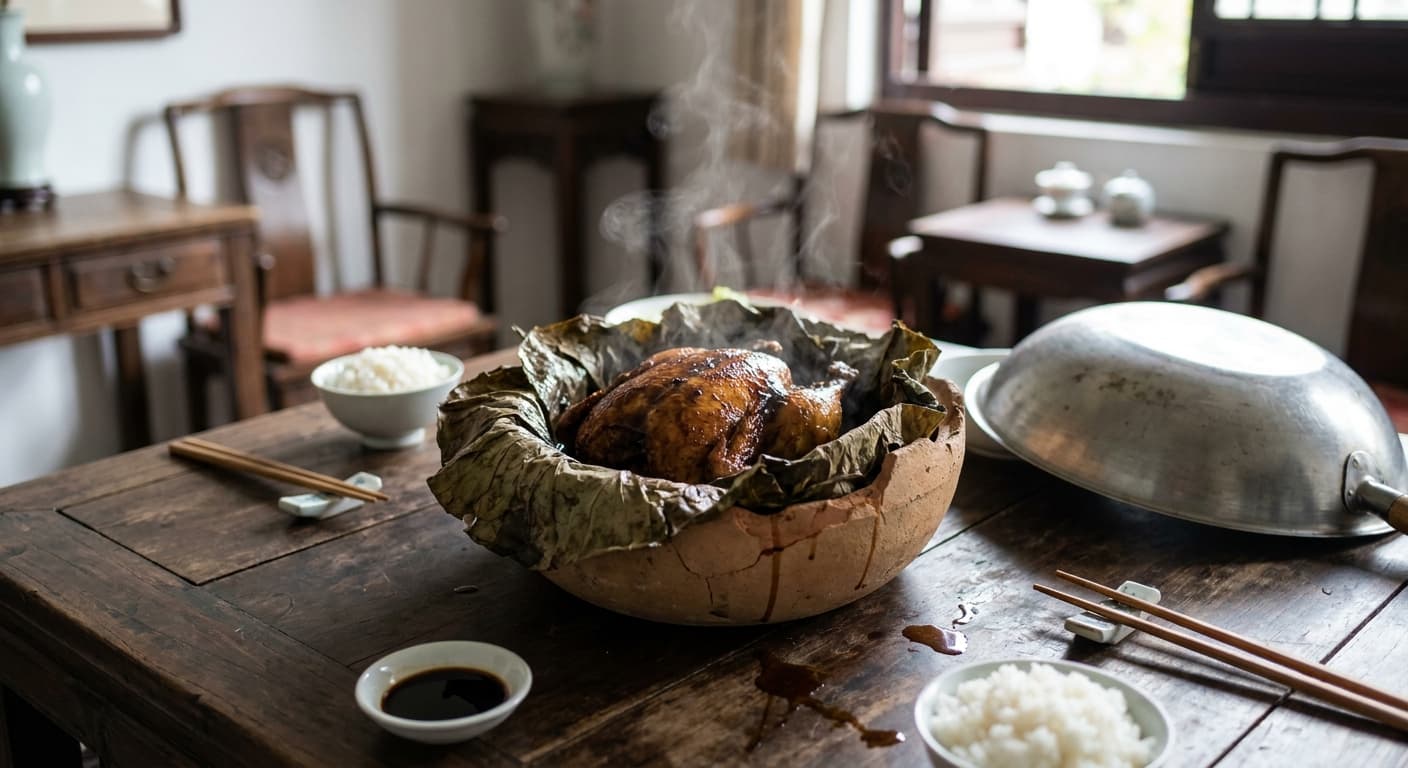
Beggar's Chicken (叫化鸡) — Lotus-Wrapped Clay-Baked Jiangnan Chicken
Chinese · Main Courses · 240 min

Chorrillana (Chorrillana) — Chilean Loaded Fries with Beef and Eggs
Chilean · Main Courses · 60 min

Bhapa Pitha (ভাপা পিঠা) — Steamed Rice Cakes with Coconut and Date Palm Jaggery
Bangladeshi · Desserts · 67 min
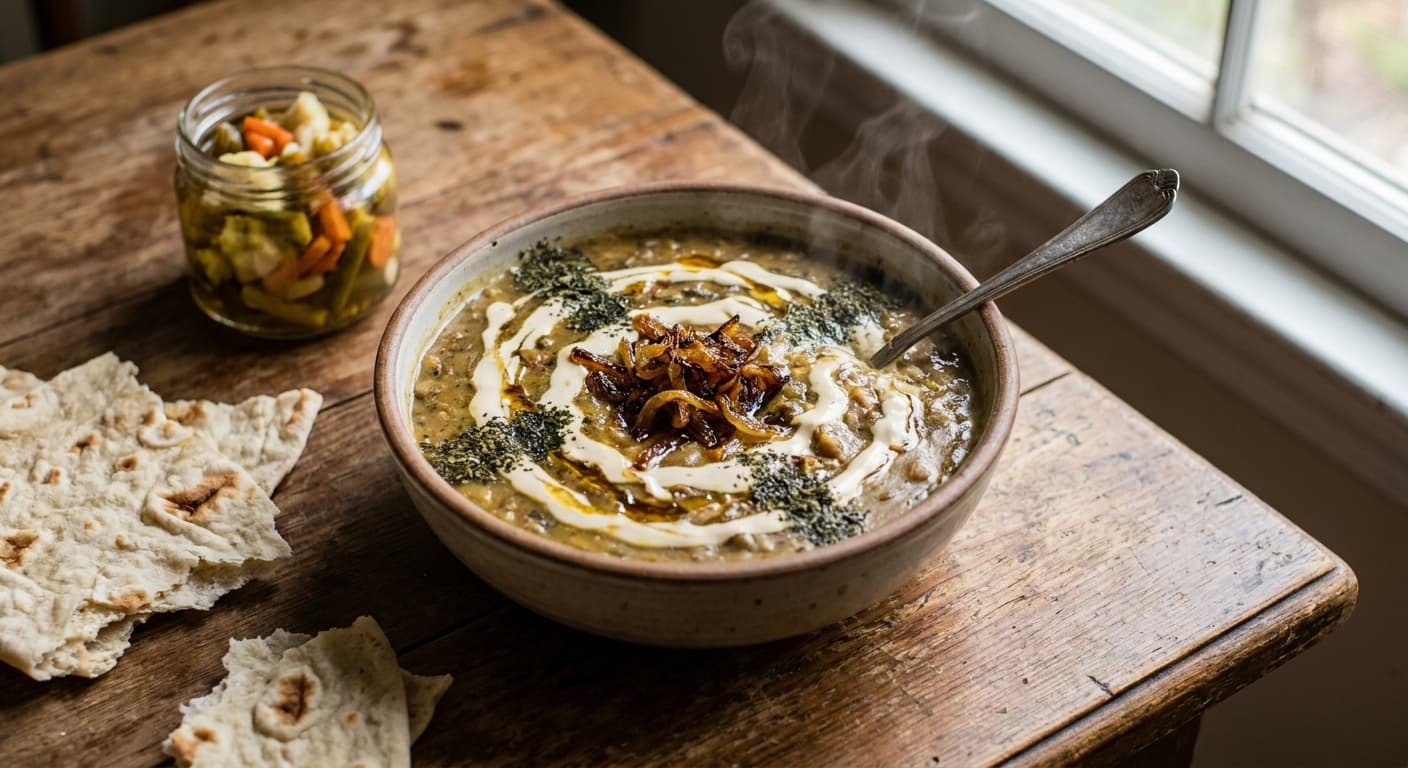
Ash-e Sak (آش ساک) — Gorgani Spinach and Lamb Ash
Persian · Soups · 175 min
Biangbiang Noodles (油泼扯面) — Xi'an Hand-Pulled Belt Noodles
Chinese · Main Courses · 65 min
Reviews
Cooked this recipe?
Tap the stars to rate it — that's all it takes. A few words are welcome but optional.
No ratings yet. Cooked this one? Be the first to rate it — it takes one tap.