Yatimcheh (یتیمچه) — Persian Slow-Cooked Vegetable Stew
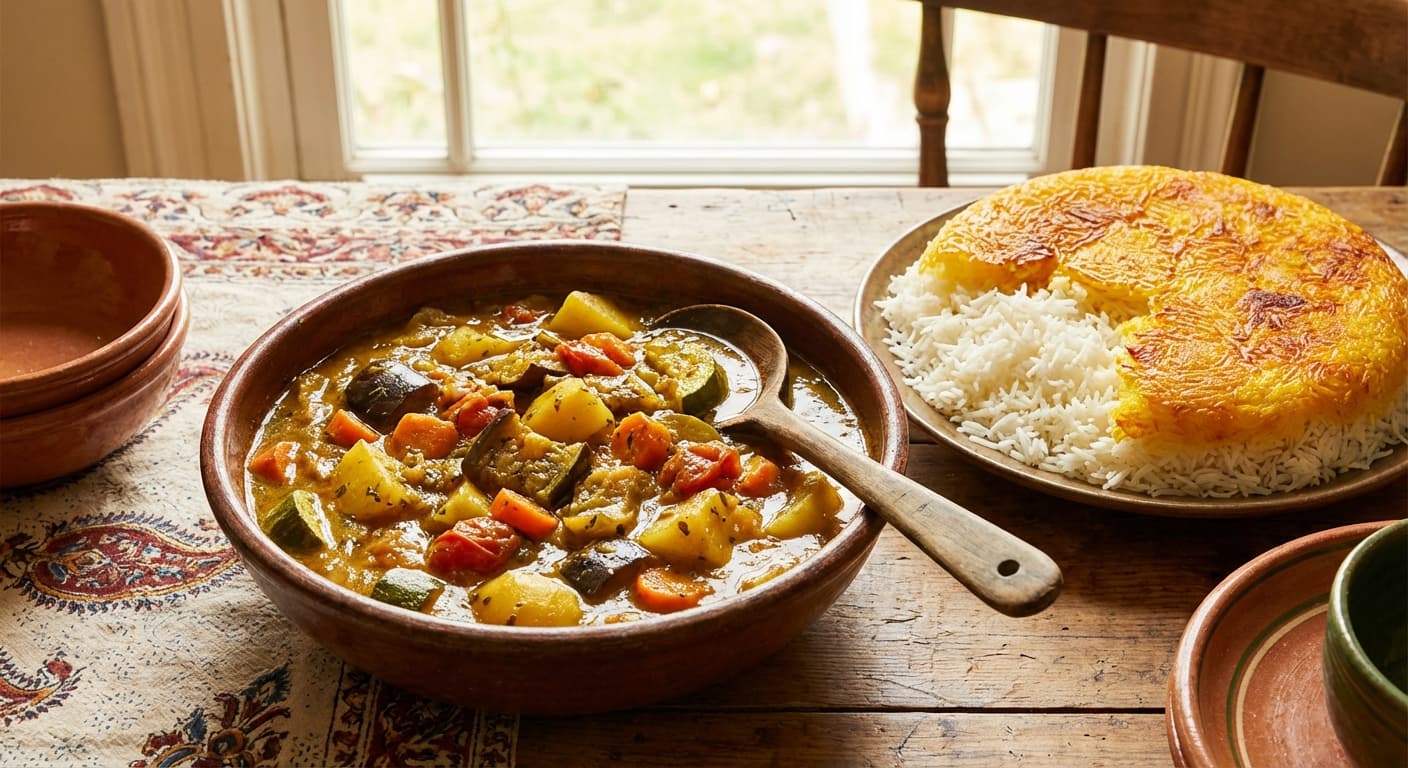
Yatimcheh is a rustic Persian vegetable stew where eggplant, zucchini, potato, and summer peppers slowly simmer with tomatoes, turmeric, and tomato paste until silky, rich, and naturally sweet.
Printable Recipe Card
Servings: 4 · Total: 100 min · Difficulty: easy
Ingredients (quick list)
- 500 g Eggplant (cut into 3 cm cubes)
- 300 g Zucchini (cut into 2.5 cm half-moons)
- 250 g Potato (peeled and cut into 2.5 cm cubes)
- 200 g Onion (thinly sliced)
- 500 g Tomato (grated or finely chopped (about 4 medium))
- 150 g Carrot (cut into 1 cm half-moons)
- 150 g Green bell pepper (seeded and cut into 2 cm pieces)
- 30 g Tomato paste (about 2 tablespoons)
- 2 tsp Turmeric (ground)
- 1.5 tsp Salt (plus more to taste)
- 0.5 tsp Black pepper (freshly ground)
- 45 ml Neutral oil (such as sunflower or canola)
+ 1 more in the full ingredients section below.
Steps (summary)
- Prepare all vegetables so they cook evenly: cube the eggplant and potato, slice the onion, and cut zucchini, carrot, and green…
- Heat a heavy pot over medium heat for 2 minutes, then add the oil. Add sliced onion and cook 10–12 minutes, stirring every minu…
- Stir in tomato paste and cook 2 minutes, scraping the bottom of the pot, until it darkens slightly and smells sweet rather than…
- Add carrot and potato first, stirring to coat in the tomato base. Pour in 120 ml water, bring to a gentle simmer, then reduce t…
- Add eggplant and green bell pepper, gently folding so the eggplant is coated and starts releasing moisture. Cover and cook on l…
- Add zucchini last to keep it from turning mushy. Cover and cook 15–20 minutes on low until eggplant is silky and potatoes are t…
Cultural Background
Yatimcheh is a home-style Persian vegetable stew often associated with warm-weather produce, when eggplant, tomatoes, and peppers are at their best. It is commonly cooked slowly so the vegetables concentrate into a thick, comforting dish served with rice or bread across many regions.
Equipment
💡 Tips
- Use a heavy-bottomed pot or Dutch oven; slow-cooked vegetable stews stick easily in thin cookware.
- Grating tomatoes creates a smoother, naturally thick sauce without needing flour or starch.
- Keep the heat low once the tomatoes go in; a slow simmer helps eggplant turn silky instead of breaking apart.
- Add water gradually only if needed; Yatimcheh is meant to be thick, not soupy.
- If your eggplant is bitter, salt the cubes with 1 teaspoon salt for 20 minutes, then rinse and pat dry; reduce added salt slightly.
⚠️ Common Mistakes
❌ Cooking on high heat after adding tomatoes
💡 Why: High heat can scorch the tomato paste and make the stew taste bitter while the bottom sticks.
✅ Fix: Once tomatoes are added, keep a gentle simmer on low and stir periodically; add small splashes of water only if necessary.
❌ Adding zucchini too early
💡 Why: Zucchini cooks quickly and can turn watery and mushy, thinning the stew.
✅ Fix: Add zucchini in the final 15–20 minutes so it stays tender and the stew remains thick.
❌ Overstirring the eggplant
💡 Why: Eggplant becomes delicate as it cooks and can break down into paste if handled roughly.
✅ Fix: Fold gently and stir only every 7–8 minutes; use a wide spatula and keep the heat low.
❌ Adding too much water at the start
💡 Why: Yatimcheh is meant to cook in the vegetables’ juices; excess water makes it soupy and dilutes flavor.
✅ Fix: Start with a small amount (about 120 ml) and add more only if the pot looks dry or begins to stick.
🧊 How to Store
Cool to room temperature within 2 hours, then refrigerate in an airtight container for up to 4 days. Reheat gently over low heat with 30–60 ml water if needed. Freeze up to 2 months; thaw overnight in the refrigerator for best texture.
📅 Make Ahead
Cook up to 2 days ahead; the flavor deepens as it rests. Cool completely, refrigerate, then reheat on low for 10–15 minutes, adding 30–60 ml water if needed to loosen. Add a small pinch of salt only after reheating and tasting.
🍽️ Pairs Well With
- Steamed basmati rice
- Flatbread and fresh herbs
- Plain yogurt or a cucumber-yogurt side
- Pickled vegetables
Regional Variations
- Northern Iran (Caspian-influenced home cooking)Some cooks include more tomato and keep the stew slightly looser, sometimes finishing with a small splash of sour grape juice or lemon for brightness while maintaining a mild spice profile.
- Central and southern Iranian home stylesThe stew is often cooked thicker with more onion and turmeric, and the vegetables may be layered and gently simmered with minimal stirring to keep distinct pieces while still achieving a silky eggplant texture.
Ingredients
- 500 gEggplant (cut into 3 cm cubes)
- 300 gZucchini (cut into 2.5 cm half-moons)
- 250 gPotato (peeled and cut into 2.5 cm cubes)
- 200 gOnion (thinly sliced)
- 500 gTomato (grated or finely chopped (about 4 medium))
- 150 gCarrot (cut into 1 cm half-moons)
- 150 gGreen bell pepper (seeded and cut into 2 cm pieces)
- 30 gTomato paste (about 2 tablespoons)
- 2 tspTurmeric (ground)
- 1.5 tspSalt (plus more to taste)
- 0.5 tspBlack pepper (freshly ground)
- 45 mlNeutral oil (such as sunflower or canola)
- 240 mlWater (as needed to prevent sticking)
🔄 Substitutions
- Neutral oil→ Olive oil
- Green bell pepper→ Red bell pepper
- Fresh tomatoes→ Canned crushed tomatoes
Instructions
- 1
Prepare all vegetables so they cook evenly: cube the eggplant and potato, slice the onion, and cut zucchini, carrot, and green bell pepper as directed. Grate or finely chop the tomatoes to release their juices. Measure spices and tomato paste in advance so you can add them quickly once the pot is hot.
- 2
Heat a heavy pot over medium heat for 2 minutes, then add the oil. Add sliced onion and cook 10–12 minutes, stirring every minute, until softened and lightly golden. Sprinkle in turmeric and black pepper and stir for 30 seconds to bloom the spices without letting them scorch.
- 3
Stir in tomato paste and cook 2 minutes, scraping the bottom of the pot, until it darkens slightly and smells sweet rather than raw. Add the grated tomatoes and salt, then simmer uncovered 8–10 minutes over medium heat until the mixture looks saucy and the oil begins to separate at the edges.
- 4
Add carrot and potato first, stirring to coat in the tomato base. Pour in 120 ml water, bring to a gentle simmer, then reduce to low. Cover and cook 15 minutes, stirring once halfway through, until the potato edges begin to soften but are not fully tender.
- 5
Add eggplant and green bell pepper, gently folding so the eggplant is coated and starts releasing moisture. Cover and cook on low 20 minutes, stirring carefully every 7–8 minutes to prevent sticking. If the pot looks dry, add up to 60 ml more water, 1 tablespoon at a time.
- 6
Add zucchini last to keep it from turning mushy. Cover and cook 15–20 minutes on low until eggplant is silky and potatoes are tender. Uncover for the final 5 minutes to thicken, stirring gently. Taste and adjust salt; the stew should be thick, glossy, and rich from the vegetables’ own juices.
🪪 Recipe Passport
Cultural Background
Yatimcheh is a home-style Persian vegetable stew often associated with warm-weather produce, when eggplant, tomatoes, and peppers are at their best. It is commonly cooked slowly so the vegetables concentrate into a thick, comforting dish served with rice or bread across many regions.
Regional Variations
Researched from multiple sources and validated by the Zaffaron editorial team. Every recipe is tested for accuracy, measurements, and cultural authenticity.
Nutrition per serving
Pairs well with
If you enjoyed this recipe, here are a few related Zaffaron recipes to try next.
- Ash-e Torsh (آش ترش) — Sour Herb and Legume Soup
- Aabgoosht-e Giahi (آبگوشت گیاهی) — Persian Vegetarian Stone Soup
- Agha Koocooloo (آقا کوچولو) — Whimsical Persian Garden Vegetable Characters
- Aromatic Garlic and Fresh Herb Macaroni (مکارونی سیر و سبزی معطر) — Mediterranean-style herb-garlic pasta with tomatoes
Does your family make this differently?
Every family has their own version. Maybe your grandmother adds a secret ingredient, or your aunt has a completely different technique. Preserve your family's version — with their name on it, forever.
You Might Also Like
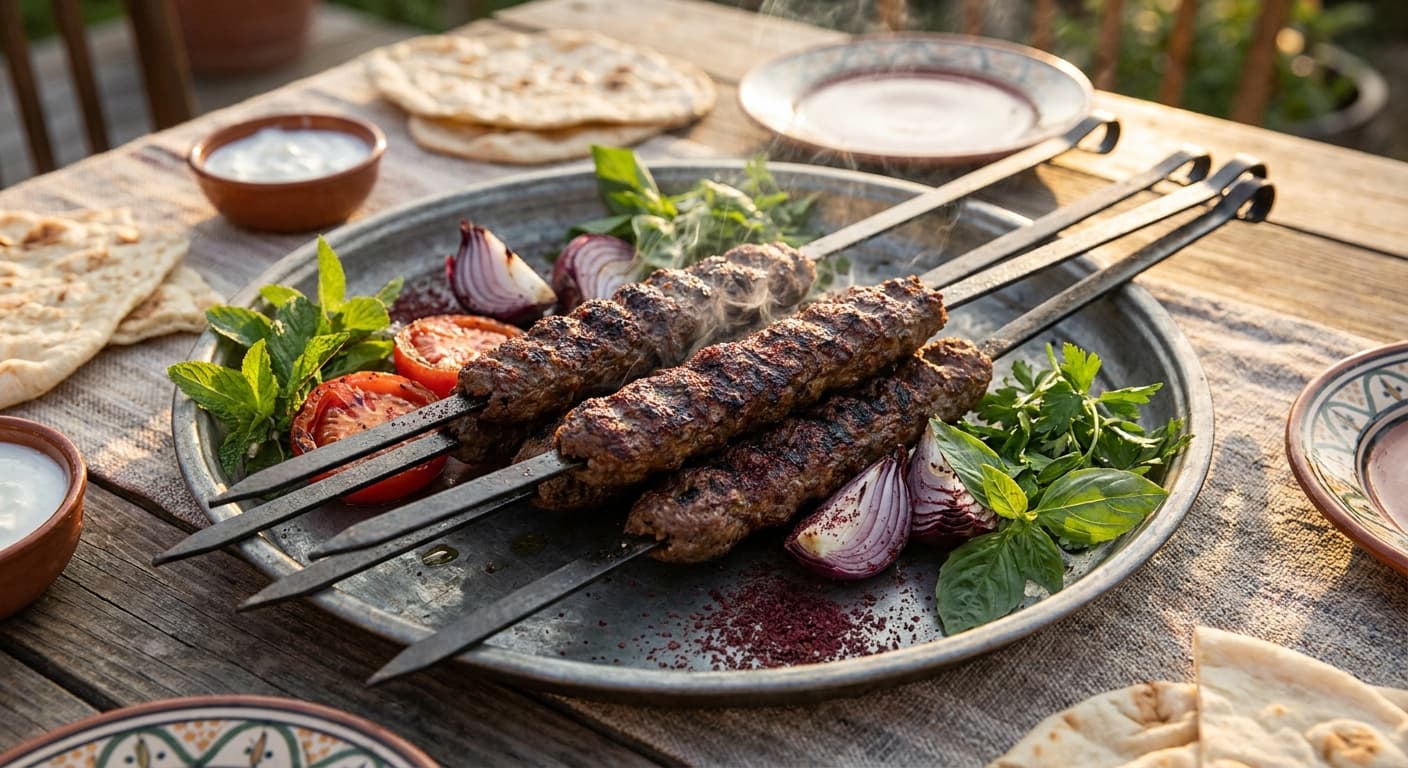
Authentic Kabab Koobideh (کباب کوبیده) — Persian Minced Lamb Skewers
Persian · Kebabs · 40 min
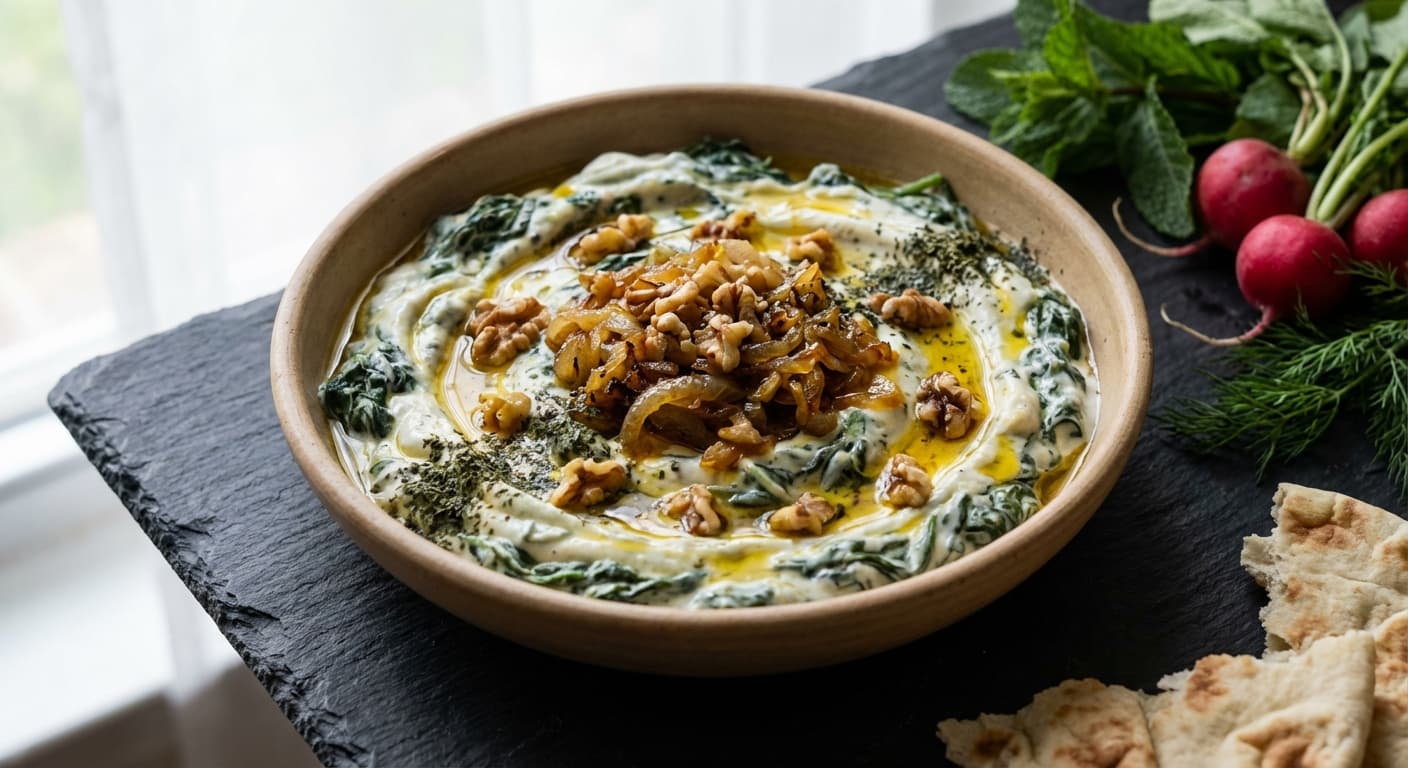
Borani Esfenaj (بورانی اسفناج) — Persian Spinach and Yogurt Dip with Saffron and Walnuts
Persian · Appetizers · 40 min
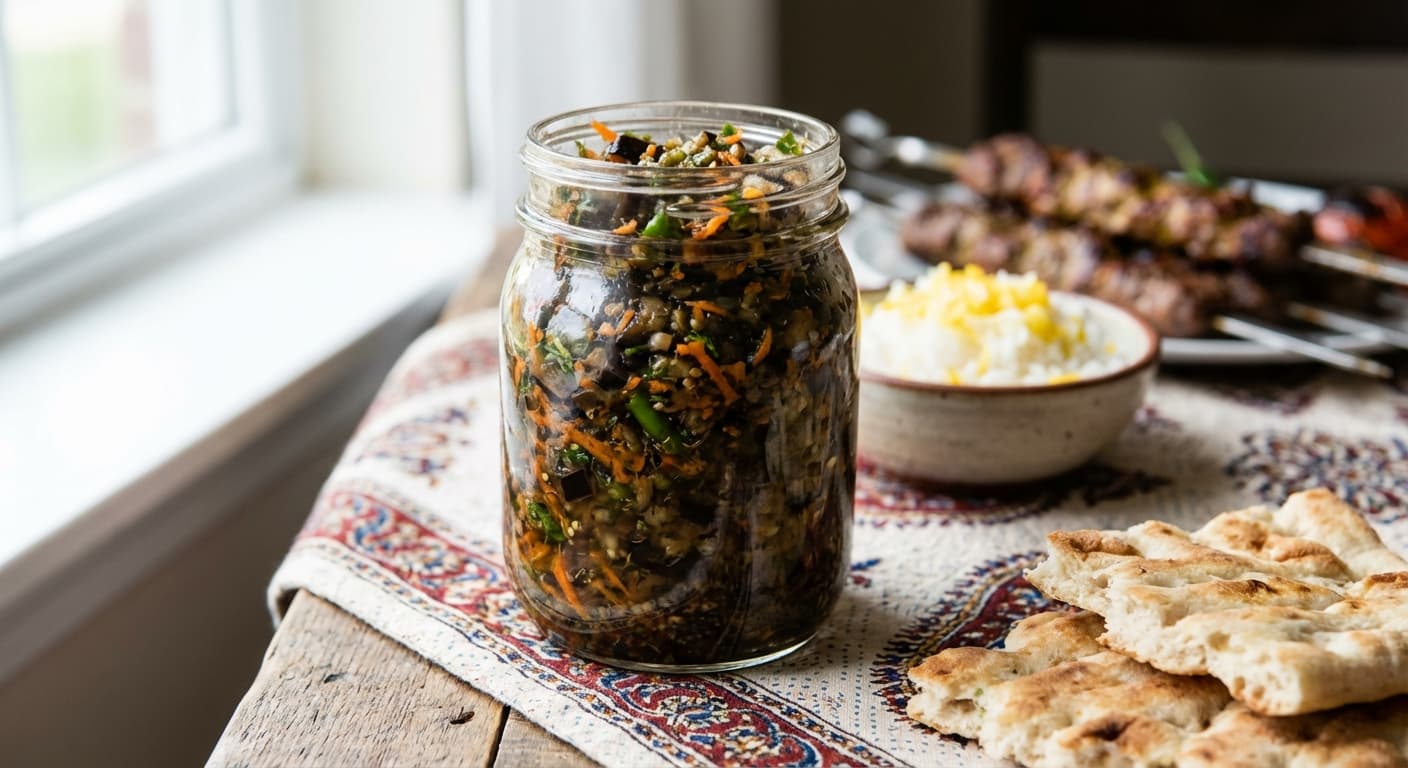
Persian Smoked Torshi Liteh (ترشی لیته) — Caspian-style smoky mixed vegetable pickle
Persian · Side Dishes · 60 min
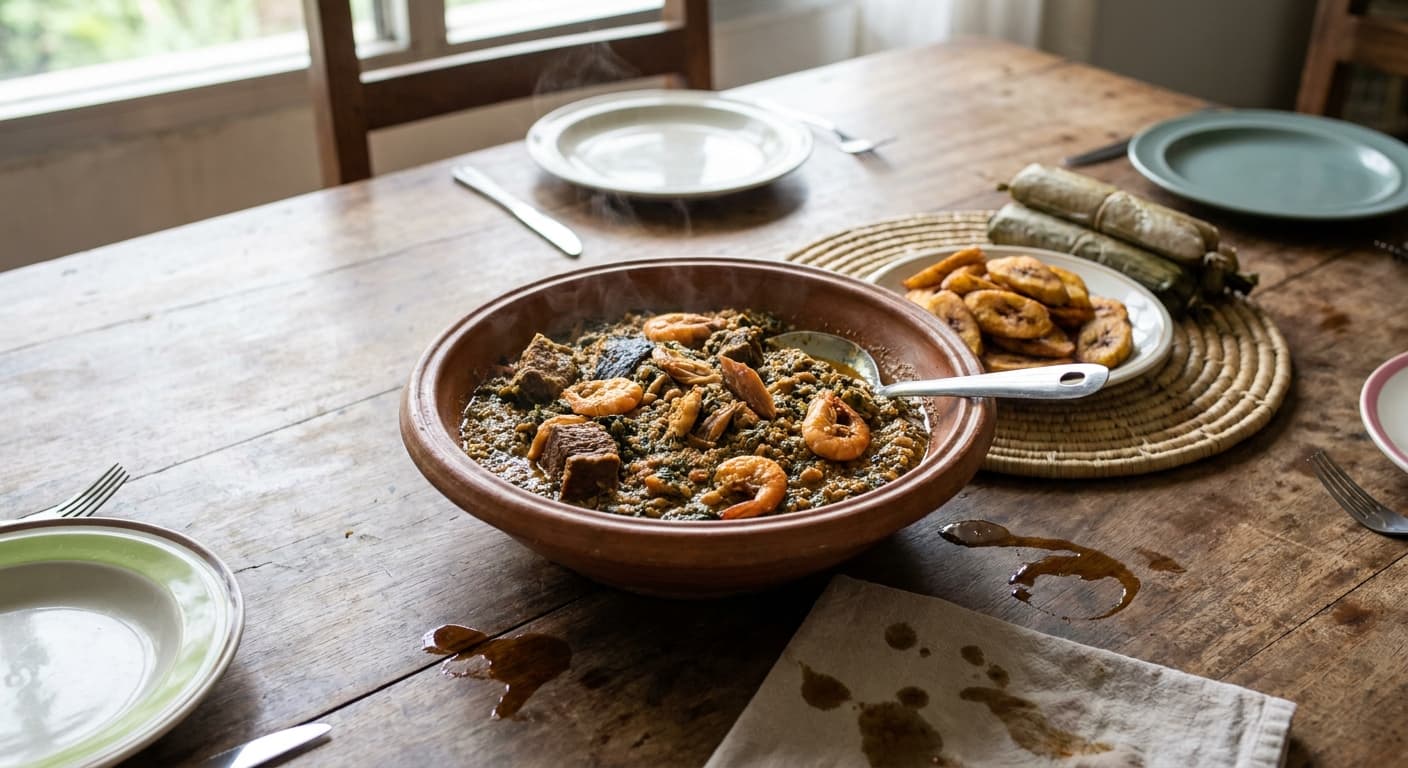
Cameroonian Ndolé (Ndolé) — Bitterleaf Peanut Stew with Beef and Seafood
West african · Stews · 140 min
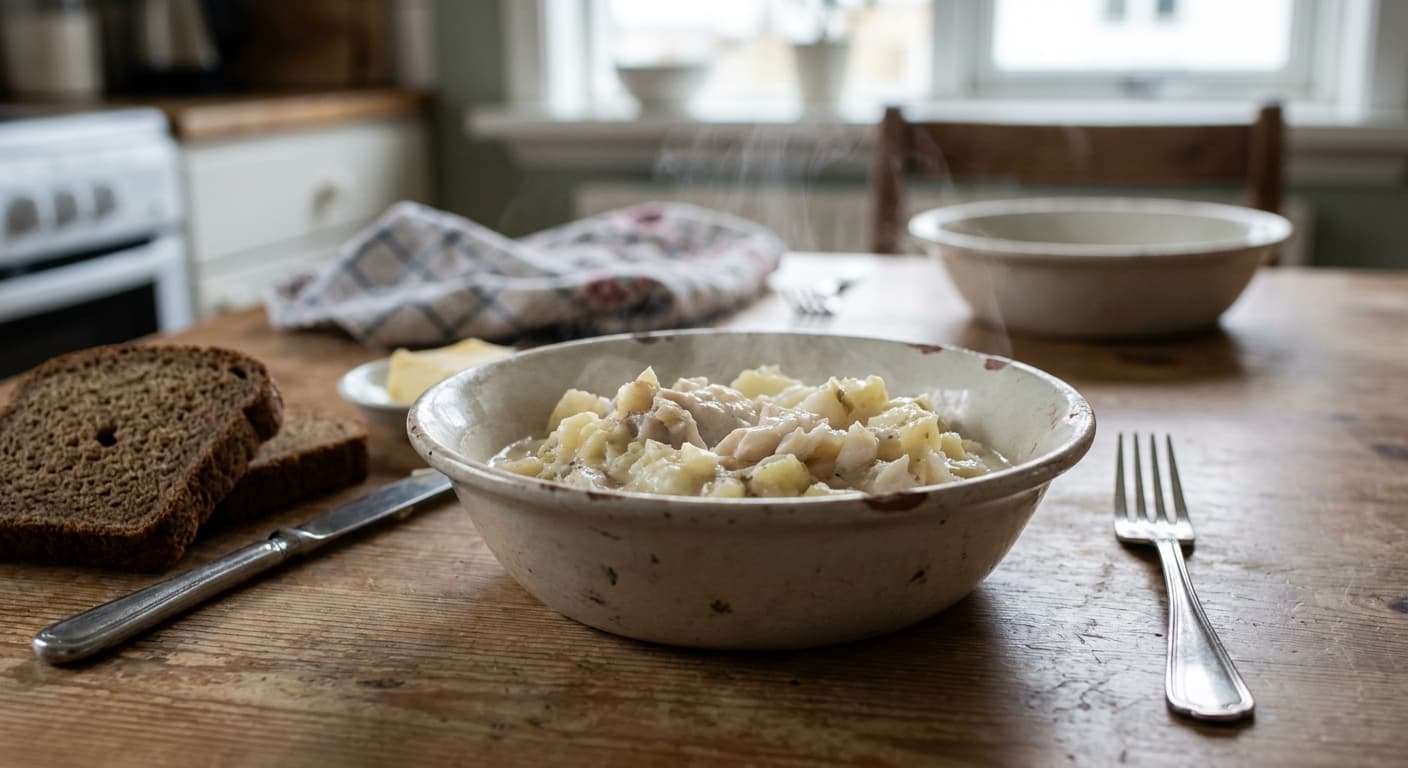
Icelandic Fish Stew (Plokkfiskur) — Creamy Cod and Potato Mash
Icelandic · Stews · 55 min
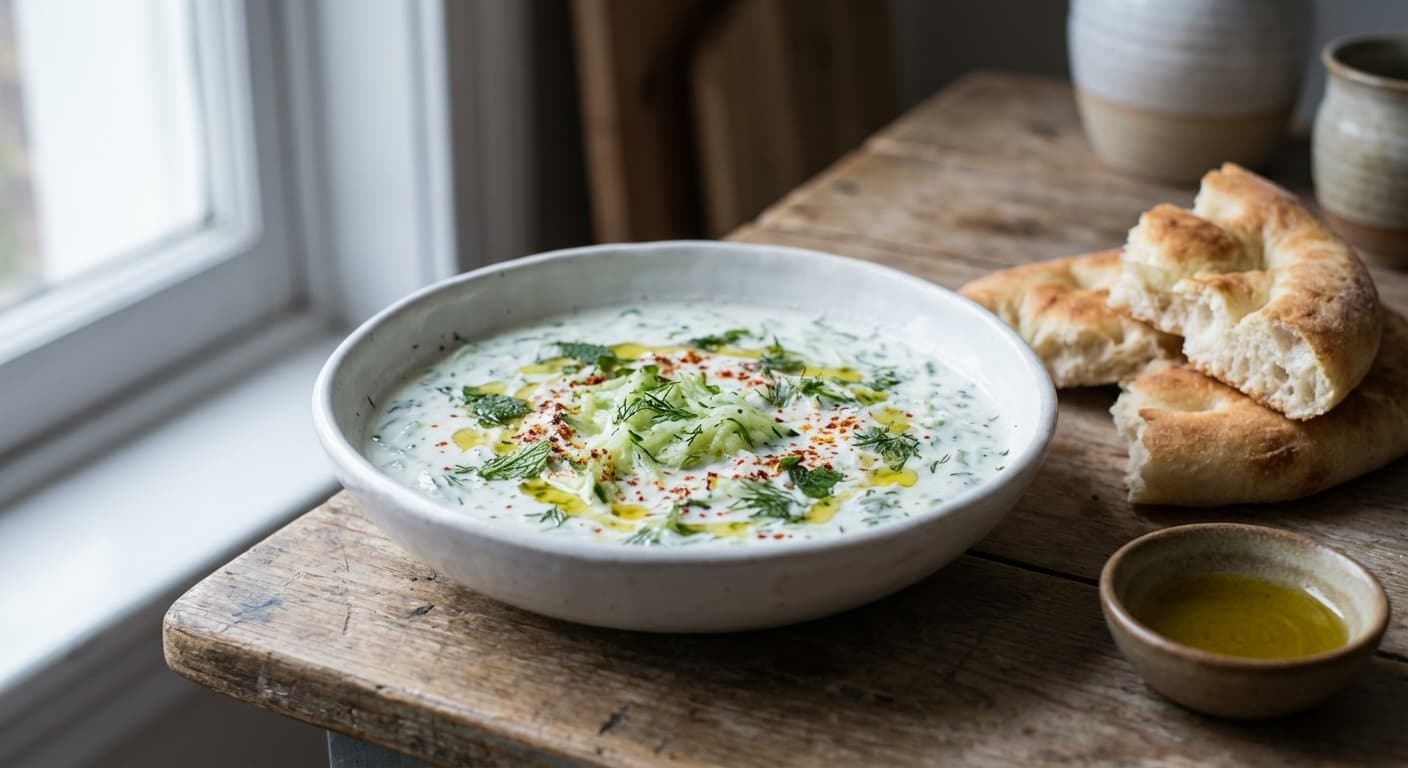
Cacık (Yoğurtlu Salatalık Mezesi) — Chilled Turkish Yogurt, Cucumber & Mint Dip
Turkish · Appetizers · 15 min
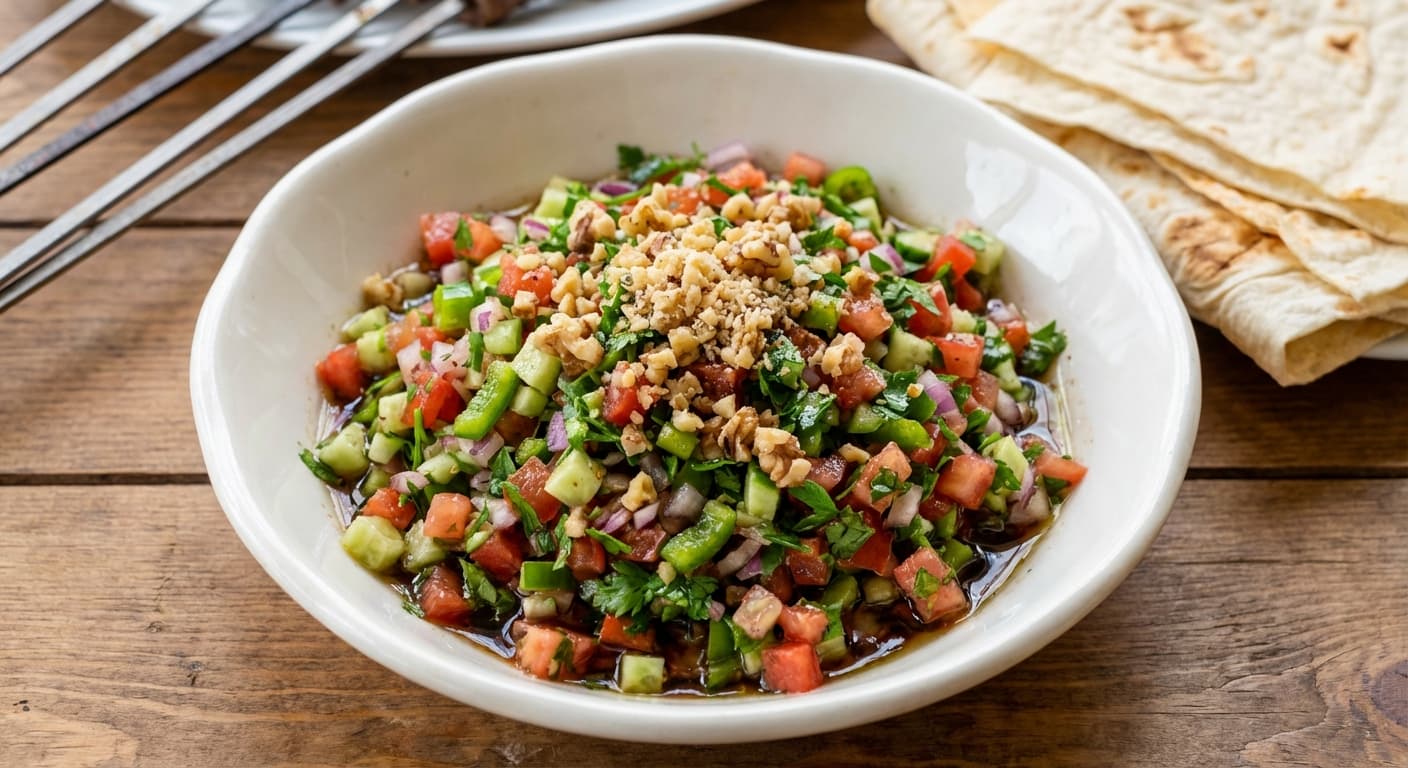
Gavurdağı Salad (Gavurdağı Salatası) — Finely Chopped Walnut & Pomegranate Salad
Turkish · Salads · 20 min
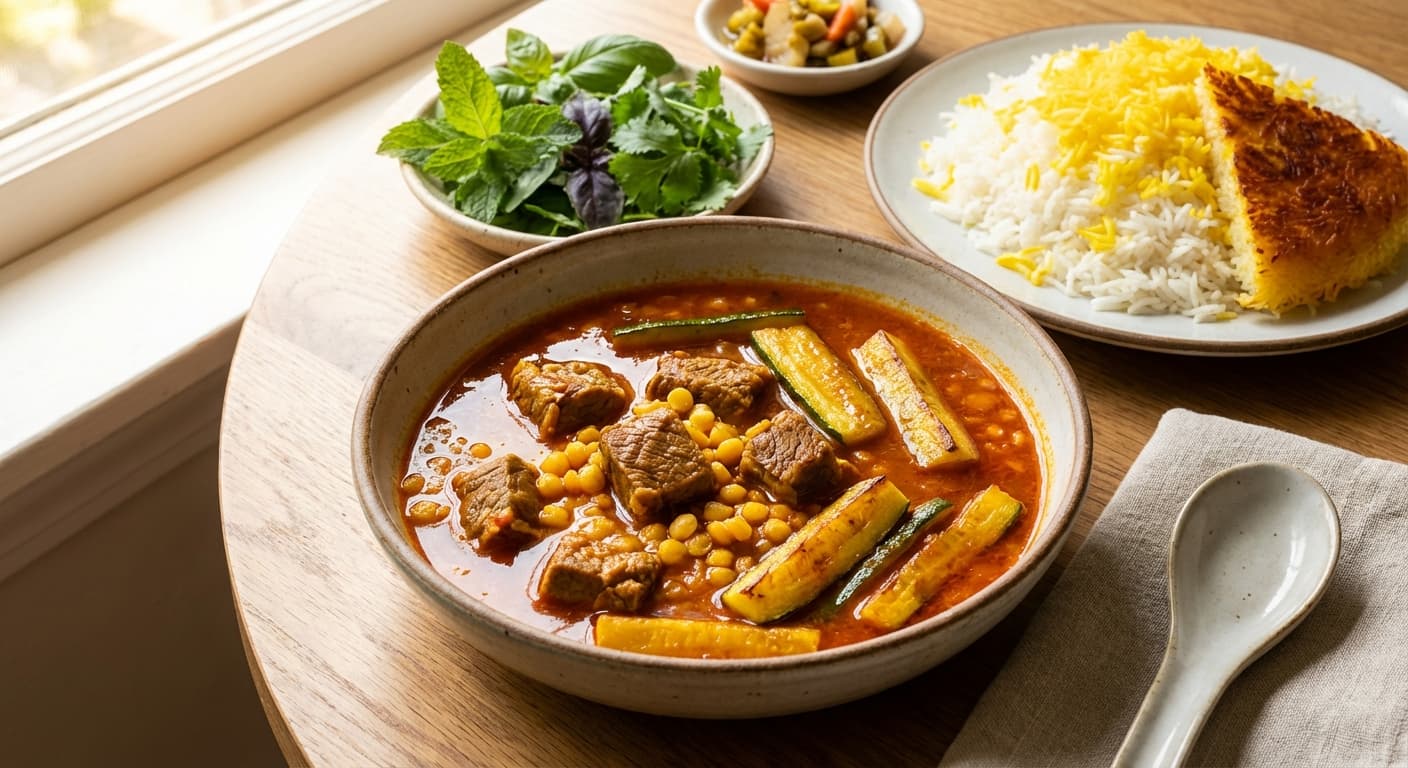
Zucchini Gheymeh Stew (خورش قیمه کدو) — Lamb, split pea, and saffron-tomato khoresh
Persian · Stews · 135 min
Reviews
Cooked this recipe?
Tap the stars to rate it — that's all it takes. A few words are welcome but optional.
No ratings yet. Cooked this one? Be the first to rate it — it takes one tap.