Baghali Polo (باقالی پلو) – Persian Fava Bean and Dill Rice
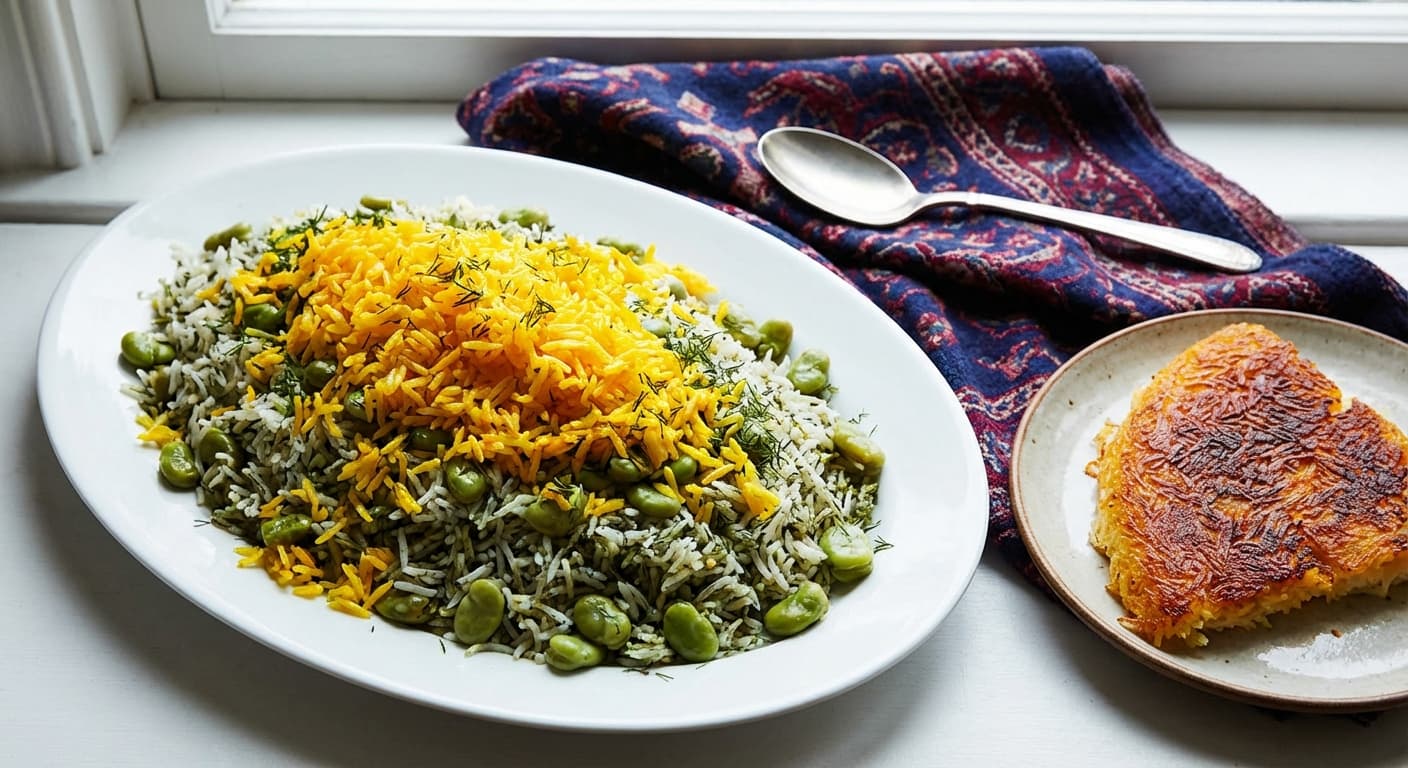
Baghali Polo is a celebratory Persian rice layered with tender fava beans and fragrant dill, finished with saffron-tinted grains and a crisp tahdig. Fluffy, aromatic, and vibrant, it is a wedding and Nowruz classic served alongside rich stews or roasted meats.
Printable Recipe Card
Servings: 6 · Total: 180 min · Difficulty: medium
Ingredients (quick list)
- 600 g Basmati rice (aged basmati preferred)
- 3500 g Boiling water (for parboiling the rice)
- 24 g Fine sea salt (divided; includes salting soak water and parboil water)
- 2500 g Cold water (for rinsing and soaking)
- 350 g Fava beans (peeled, fresh or frozen; if frozen, thawed)
- 120 g Fresh dill (finely chopped (leaves and tender stems))
- 2 tsp Ground turmeric
- 1 tsp Black pepper (freshly ground)
- 0.5 tsp Saffron threads (crushed)
- 60 ml Hot water (for blooming saffron (about 1/4 cup))
- 60 ml Vegetable oil (divided (about 1/4 cup))
- 60 g Unsalted butter (divided)
+ 2 more in the full ingredients section below.
Steps (summary)
- Rinse the basmati rice in cold water 5–6 times until the water runs mostly clear. Dissolve 12 g of the salt in 2500 g cold wate…
- Bring 3500 g boiling water to a rolling boil in a large nonstick pot. Add the remaining 12 g salt. Drain the soaked rice and ad…
- Add the fava beans to the pot during the last 2 minutes of parboiling so they turn bright green and just tender. Immediately dr…
- In a bowl, mix yogurt, egg yolk, 30 ml vegetable oil, 20 g melted butter, 1 tsp turmeric, and 1/4 tsp black pepper into a smoot…
- Layer the drained rice and beans with dill: add one-third of the rice/beans, sprinkle one-third of the chopped dill, then repea…
- Drizzle 15 ml vegetable oil and 30 g butter (melted) over the top. Wrap the lid with a clean kitchen towel and cover tightly. S…
+ 1 more steps in the full instructions section below.
Cultural Background
Baghali Polo is one of Iran’s most iconic festive rices, prized for its green-and-gold colors and luxurious aroma. It commonly appears at Nowruz tables and wedding feasts, where saffron and tahdig symbolize abundance, hospitality, and culinary pride.
Equipment
💡 Tips
- Use aged basmati and a full 60-minute soak for longer, fluffier grains that resist breaking during parboil.
- If using frozen fava beans, thaw and rinse first; add them only in the final 2 minutes of parboil to keep them green and intact.
- For maximum dill aroma, keep the lid closed during steaming; trapped steam perfumes the rice.
- If you prefer a lighter tahdig, skip the egg yolk and use only yogurt plus oil; extend low steaming by 5 minutes for crispness.
⚠️ Common Mistakes
❌ Overboiling the rice during parboil
💡 Why: If the grain is fully cooked before steaming, it breaks and turns sticky, and the final texture becomes mushy.
✅ Fix: Boil only until the outside is tender and the center is firm (6–8 minutes). Taste a grain: it should have a slight chalky core.
❌ Adding fava beans too early
💡 Why: Beans overcook, turn dull, and can split, tinting the rice and muddying the fresh green look.
✅ Fix: Add beans only for the last 2 minutes of parboil, then drain immediately and rinse briefly to stop cooking.
❌ Steaming on high heat for too long
💡 Why: Excess heat scorches the bottom before the rice steams through, producing bitter tahdig and unevenly cooked grains.
✅ Fix: Use medium heat for 10 minutes to build steam, then low heat for 45 minutes; keep the lid towel-wrapped to control condensation.
❌ Skipping vent holes in the rice mound
💡 Why: Steam cannot circulate, leading to wet patches and uneven dill aroma distribution.
✅ Fix: Poke 5–6 holes to the bottom after layering; this channels steam and helps the rice cook evenly.
🧊 How to Store
Cool leftovers within 2 hours. Refrigerate airtight for up to 3 days. Reheat covered with 2–3 tbsp water on low heat 10–15 minutes, or microwave covered until hot. Tahdig softens in storage; re-crisp in a dry skillet over medium heat 3–5 minutes.
📅 Make Ahead
Rinse and soak the rice up to 2 hours ahead at cool room temperature. Chop dill and refrigerate in a sealed container up to 24 hours. Bloom saffron up to 24 hours ahead and refrigerate; bring to room temperature before mixing into rice.
🍽️ Pairs Well With
- Persian braised lamb shank (Mahicheh)
- Zereshk (barberry) salad or Shirazi salad
- Mast-o-Khiar (yogurt with cucumber and herbs)
- Torshi (Persian pickles)
Regional Variations
- TehranOften served with braised lamb shank (mahicheh) and a generous saffron finish; tahdig is commonly yogurt-based for a thick, golden crust.
- Shiraz (Fars)Frequently made with extra fresh dill for a greener, more aromatic rice; some cooks use a lighter tahdig and drizzle more saffron water over the top before serving.
- Caspian North (Gilan/Mazandaran)May include more herbs and be paired with local pickles and smoked fish; the rice is sometimes steamed slightly longer for a softer, more moist texture.
Ingredients
- 600 gBasmati rice (aged basmati preferred)
- 3500 gBoiling water (for parboiling the rice)
- 24 gFine sea salt (divided; includes salting soak water and parboil water)
- 2500 gCold water (for rinsing and soaking)
- 350 gFava beans (peeled, fresh or frozen; if frozen, thawed)
- 120 gFresh dill (finely chopped (leaves and tender stems))
- 2 tspGround turmeric
- 1 tspBlack pepper (freshly ground)
- 0.5 tspSaffron threads (crushed)
- 60 mlHot water (for blooming saffron (about 1/4 cup))
- 60 mlVegetable oil (divided (about 1/4 cup))
- 60 gUnsalted butter (divided)
- 120 gPlain yogurt (for yogurt tahdig; use full-fat for best crust)
- 1 largeEgg yolk (for yogurt tahdig (optional but traditional for extra crispness))
🔄 Substitutions
- Fresh dill (120 g)→ Dried dill (30 g)
- Fava beans (350 g)→ Lima beans (350 g), peeled if possible
- Yogurt tahdig base→ Plain rice tahdig (no yogurt/egg) using 30 ml oil + 30 g butter
Instructions
- 1
Rinse the basmati rice in cold water 5–6 times until the water runs mostly clear. Dissolve 12 g of the salt in 2500 g cold water, add the rice, and soak for 60 minutes at room temperature. Meanwhile, crush saffron threads and steep them in 60 ml hot water for 15 minutes, covered.
- 2
Bring 3500 g boiling water to a rolling boil in a large nonstick pot. Add the remaining 12 g salt. Drain the soaked rice and add it to the boiling water; stir gently for 30 seconds to prevent sticking. Boil 6–8 minutes, until the grains are tender on the outside but still firm in the center.
- 3
Add the fava beans to the pot during the last 2 minutes of parboiling so they turn bright green and just tender. Immediately drain rice and beans in a colander and rinse briefly with 300–400 g cold water to stop cooking and wash off excess surface starch, helping the grains stay separate.
- 4
In a bowl, mix yogurt, egg yolk, 30 ml vegetable oil, 20 g melted butter, 1 tsp turmeric, and 1/4 tsp black pepper into a smooth paste. Return the pot to medium heat and add 15 ml oil plus 10 g butter, swirling to coat. Spread the yogurt mixture evenly on the bottom for a crisp tahdig base.
- 5
Layer the drained rice and beans with dill: add one-third of the rice/beans, sprinkle one-third of the chopped dill, then repeat twice more. Sprinkle the remaining 1 tsp turmeric and 3/4 tsp black pepper evenly between layers. Using the handle of a spoon, poke 5–6 holes down to the bottom to vent steam.
- 6
Drizzle 15 ml vegetable oil and 30 g butter (melted) over the top. Wrap the lid with a clean kitchen towel and cover tightly. Steam on medium heat for 10 minutes to build strong steam, then reduce to low and steam 45 minutes. Do not lift the lid during the low-heat steaming phase.
- 7
To finish, gently fluff the rice with a wide spatula. Spoon 3–4 tablespoons of rice into a small bowl and mix with the bloomed saffron to create golden grains. Mound the rice on a platter, crown with saffron rice, and unmold the tahdig onto a separate plate. Rest 5 minutes before serving for best texture.
🪪 Recipe Passport
Cultural Background
Baghali Polo is one of Iran’s most iconic festive rices, prized for its green-and-gold colors and luxurious aroma. It commonly appears at Nowruz tables and wedding feasts, where saffron and tahdig symbolize abundance, hospitality, and culinary pride.
Regional Variations
Researched from multiple sources and validated by the Zaffaron editorial team. Every recipe is tested for accuracy, measurements, and cultural authenticity.
Nutrition per serving
Pairs well with
If you enjoyed this recipe, here are a few related Zaffaron recipes to try next.
- Cheese-Stuffed Beef Rolls (رولت گوشت با پنیر) — Persian-style beef roulades with Gouda and spinach
- Chelow Khoresht Jegar Morgh (چلو خورش جگر مرغ) — Persian Chicken Liver Stew with Saffron Rice
- Beef Fillet Skillet (خوراک فیله گوشت) — Persian pan-seared fillet with peppers and potatoes
- Joojeh Kebab-e Za'farani (جوجه کباب زعفرانی بدون استخوان)
Does your family make this differently?
Every family has their own version. Maybe your grandmother adds a secret ingredient, or your aunt has a completely different technique. Preserve your family's version — with their name on it, forever.
You Might Also Like
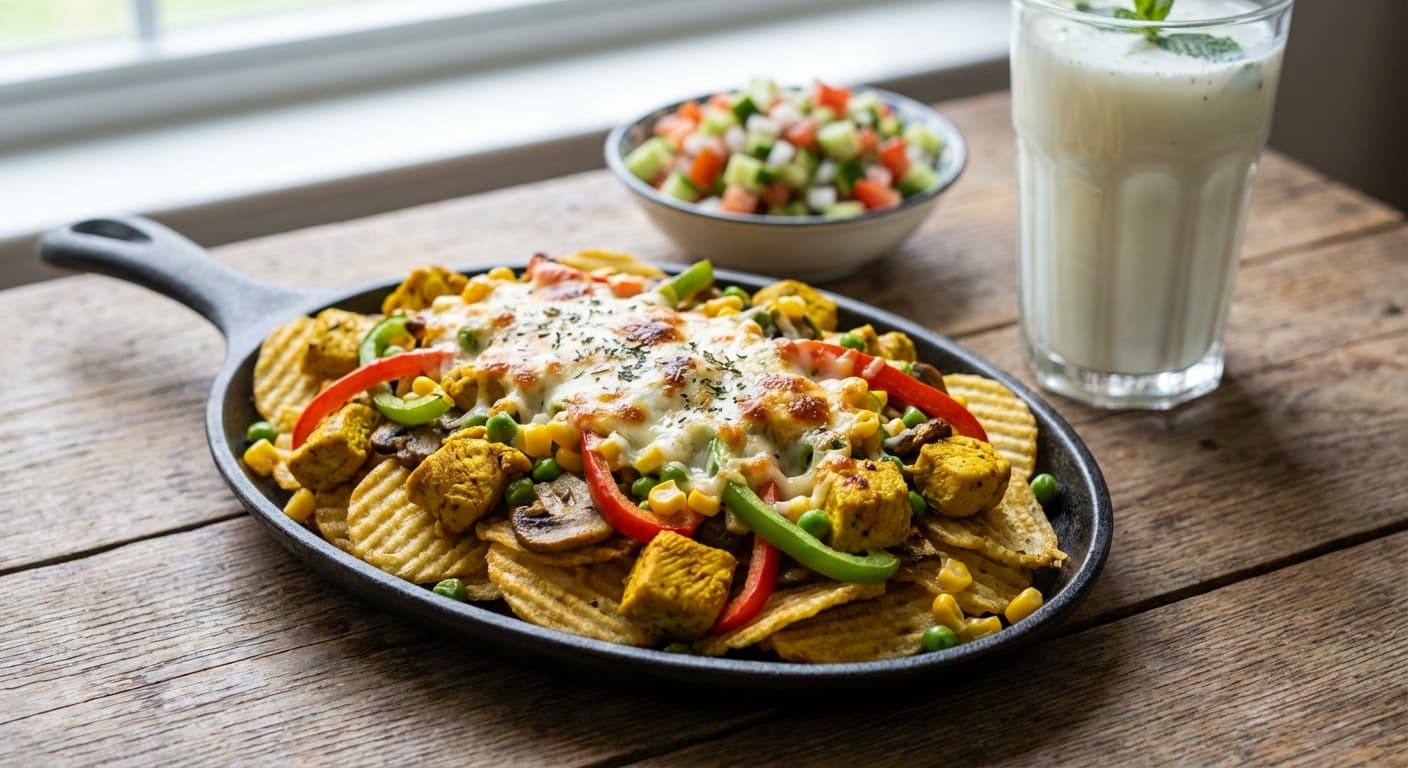
Persian-Style Pizza-Chips (خوراک چیپس و پنیر) — Street-Food Chip Bake with Chicken and Mozzarella
Persian · Main Courses · 45 min
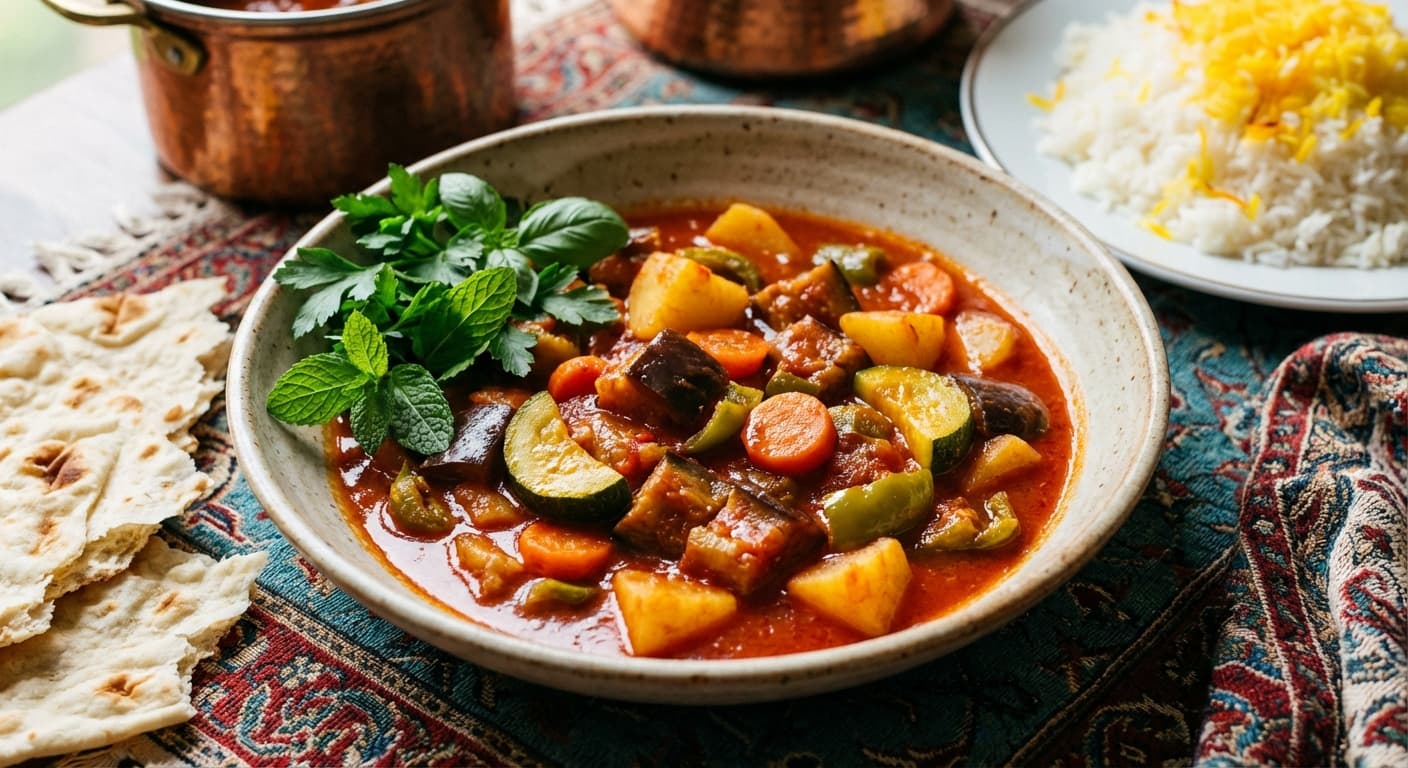
Yatimcheh (یتیمچه) — Persian Slow-Cooked Summer Vegetable Stew
Persian · Stews · 100 min
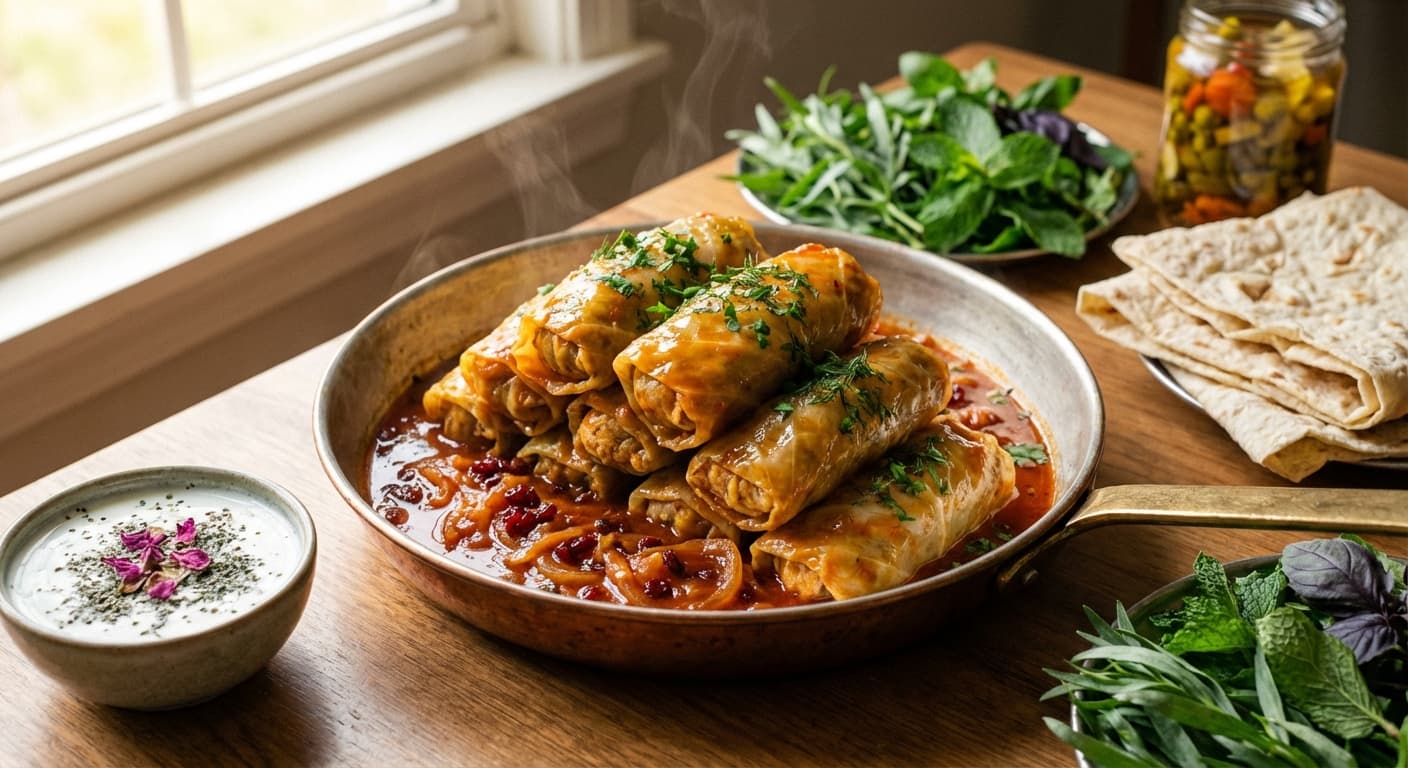
Chicken Stuffed Cabbage Rolls (دلمه کلم با مرغ) — Herb-Scented Persian Dolmeh in Tomato Saffron Sauce
Persian · Main Courses · 90 min
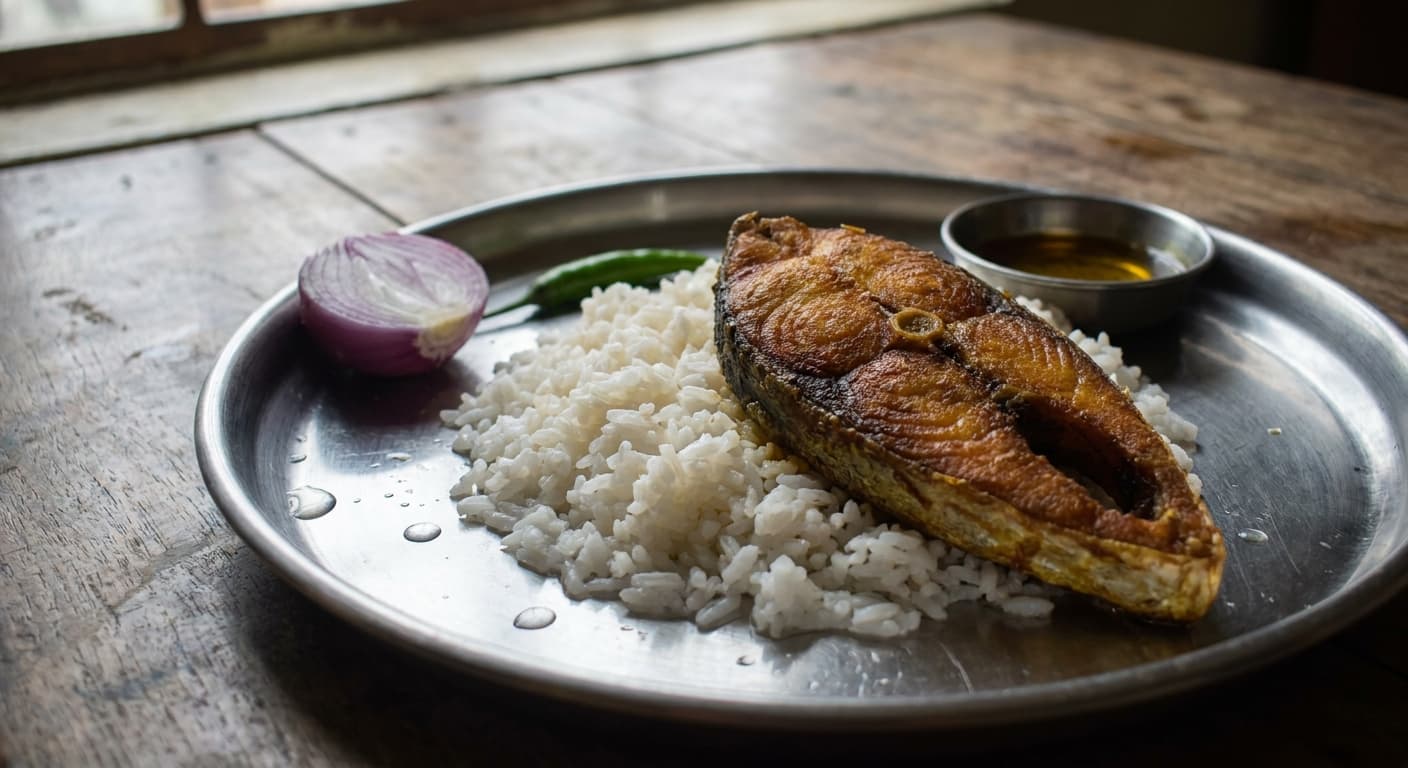
Panta Bhat (পান্তা ভাত) — Overnight Fermented Rice with Fried Ilish
Bangladeshi · Rice Dishes · 35 min
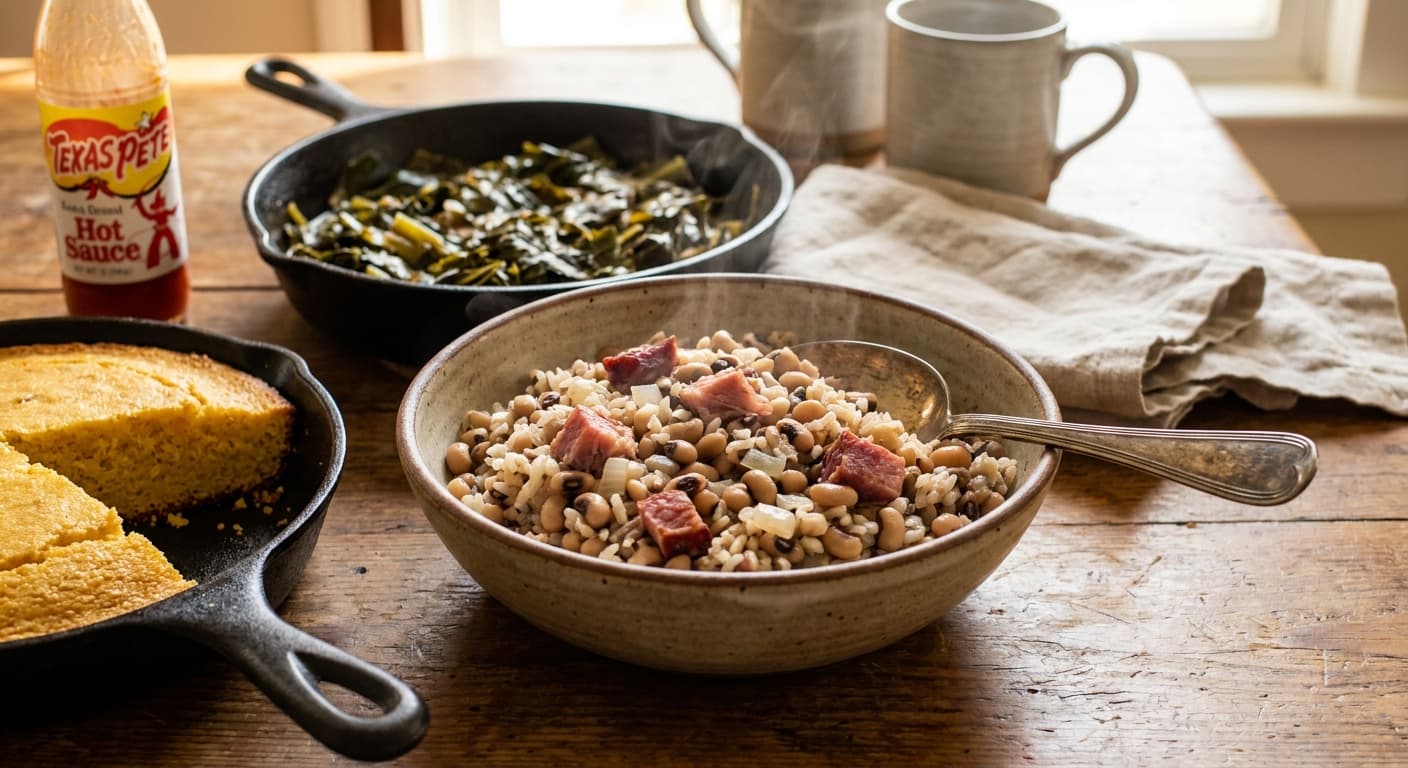
Hoppin' John (Hoppin' John) — Southern Black-Eyed Peas and Rice
American · Rice Dishes · 115 min
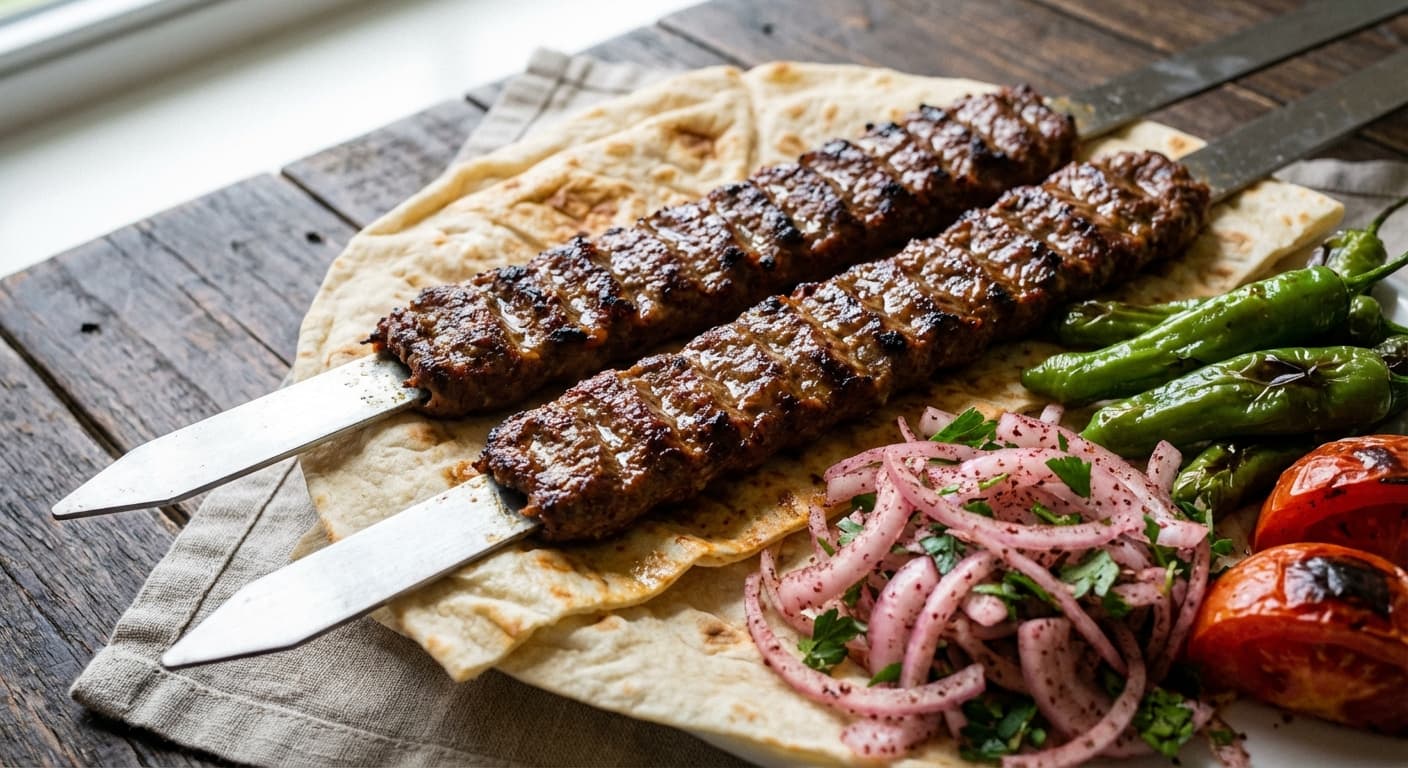
Urfa Kebab (اورفا کباب) — Mild Turkish minced skewer with sumac onions
Turkish · Kebabs · 37 min
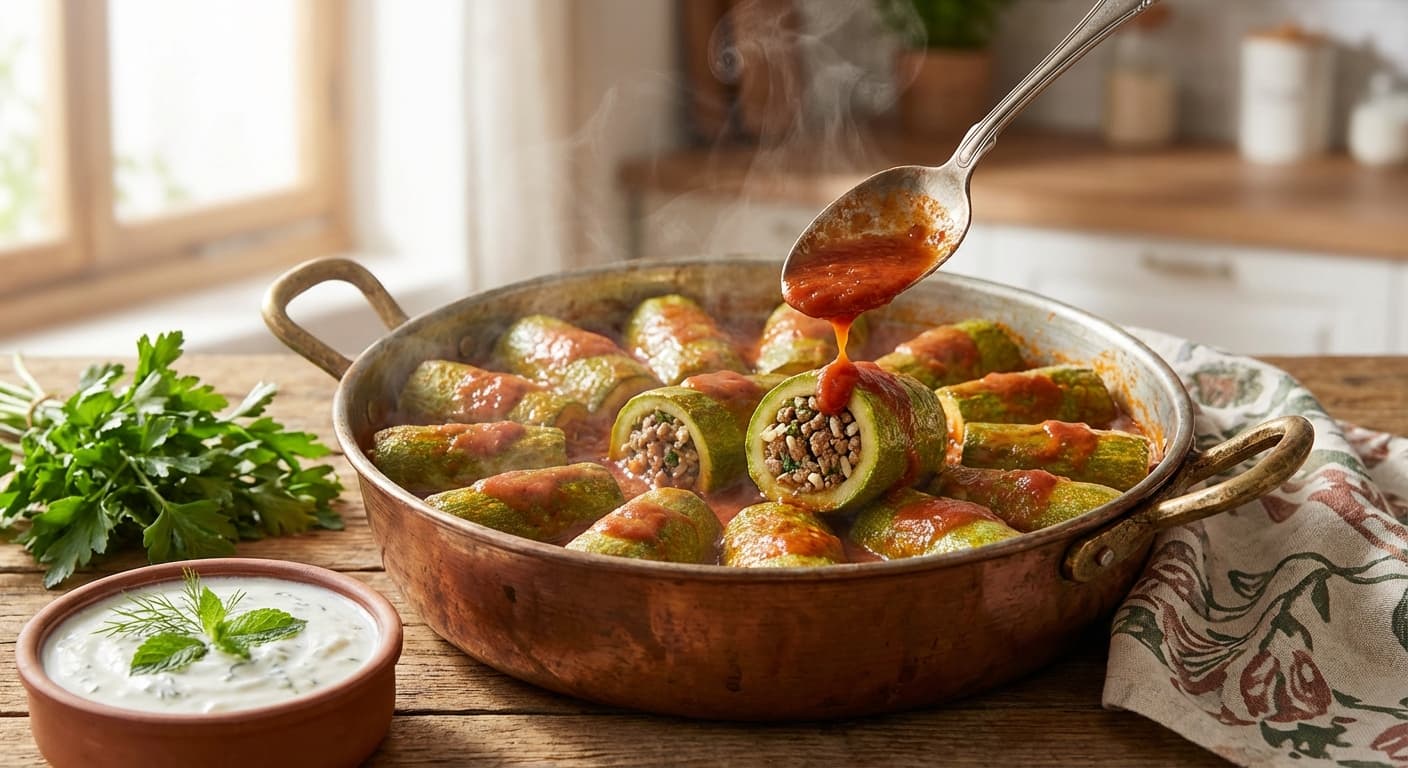
Stuffed Zucchini (Kabak Dolması) — Hollowed zucchini filled with spiced minced meat and rice
Turkish · Main Courses · 90 min
Buckwheat Žganci (Ajdovi žganci) — Slovenian Buckwheat Crumbs with Cracklings
Slovenian · Side Dishes · 45 min
Reviews
Cooked this recipe?
Tap the stars to rate it — that's all it takes. A few words are welcome but optional.
No ratings yet. Cooked this one? Be the first to rate it — it takes one tap.