How to Build the Perfect Lebanese Mezze Platter
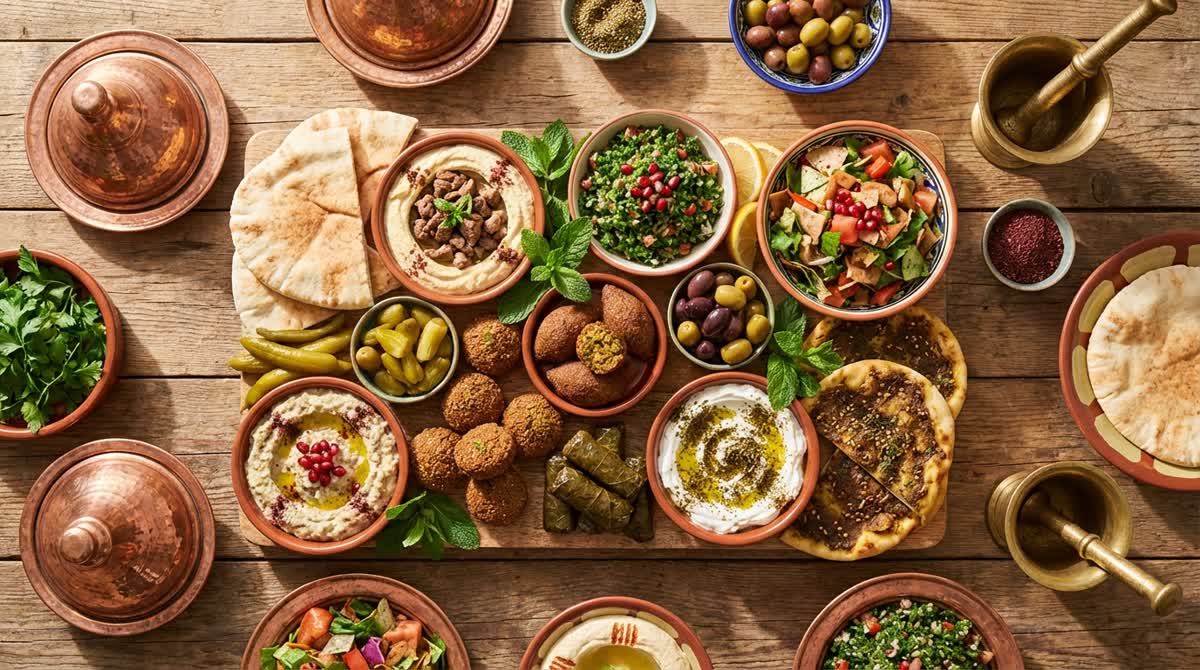
Lebanese hospitality has a flavor all its own: generous, abundant, and designed for sharing. A proper mezze table isn’t just “snacks before dinner”—it is the event. It’s the clink of small plates, the tear of warm bread, the way smoky eggplant and bright lemon keep you reaching for “just one more bite.” If you’ve ever sat down at a Lebanese restaurant and wondered how they create that effortless spread, you’re in the right place.
This guide will show you exactly how to build the perfect lebanese mezze experience at home—balanced, beautiful, and practical—whether you’re feeding four friends or hosting a full-on family gathering. Along the way, you’ll get reliable mezze platter ideas, smart prep strategies, and a mix of classic lebanese appetizers you can pull from Zaffaron’s recipe collection.
What Lebanese Mezze Really Is (and Why It Works)
At its core, lebanese mezze is a collection of small dishes served together—some dips, some salads, some pastries, some grilled items—meant for grazing and sharing. The magic is in the contrast:
- Creamy + crunchy (tahini dips with toasted pita)
- Bright + rich (lemony greens next to spiced meats)
- Hot + cold (fresh salads alongside warm pies)
- Herby + smoky (za’atar and charred eggplant playing together)
A good mezze spread feels abundant without being chaotic. Think of it like composing music: you want different instruments, but they should still sound like one song.
The Mezze Formula: Build a Platter That Feels “Complete”
When people ask for mezze platter ideas, I like to give them a simple structure you can repeat every time. Aim for 6–10 items for a small gathering, 10–15 for a crowd.
The 5 Essential Categories
- Dips & spreads (2–3)
- Fresh & crunchy (1–2 salads or pickled elements)
- Pastries/hand pies or bread (1–2)
- Hearty bites (2–3: stuffed leaves, croquettes, stews served small)
- A “centerpiece” warm protein (optional but impressive)
If you hit these categories, your lebanese mezze table will feel intentional—like it came from a great home kitchen, not a random grocery haul.
Choose Your Star Dips (Because Everyone Starts Here)
Dips are the heart of many lebanese appetizers. They’re also the easiest way to make your platter feel abundant fast.
1) Smoky Eggplant: the Mezze MVP
Go for a bold, smoky eggplant dip as your anchor. It’s rich, savory, and instantly “Lebanese” in aroma and taste.
Serving tip: Create a swoosh with the back of a spoon, then finish with olive oil and a pinch of sumac or toasted seeds if you have them.
2) Add a Second Dip with Extra Depth
If you want something that feels a little more complex and conversation-worthy, add a second eggplant-based dip with a tangy twist:
This gives you “two eggplants, two personalities”—and guests will notice.
3) Don’t Forget the Bread (It’s Part of the Dip Course)
A mezze spread without warm bread is like a soup without a spoon. Add a flatbread that can act as both scoop and snack:
- Bake: Manoushe (منقوشة) — Lebanese Za'atar Flatbread with Olive Oil
- Or go thinner and snackier: Zaatar Saj (زعتر صاج) — Lebanese Thyme-Sesame Flatbread Cooked on Saj
Practical tip: Cut flatbreads into wedges before serving so people can grab-and-go without hovering awkwardly over the board.
Bring in Freshness: Salads and Greens That Wake Everything Up
One of the most overlooked mezze platter ideas is to treat freshness as a “dish,” not a garnish. Lebanese mezze is at its best when there’s something crisp and bright to cut through rich dips and fried bites.
Fattoush: The Crunchy, Tangy Classic
If you make only one salad for your lebanese mezze, make it this:
Serving tip: Keep the toasted bread separate until the last moment if you’re prepping ahead—then mix right before guests arrive to preserve the crunch.
A Warm Greens Dish for Contrast
Mezze doesn’t have to be all cold items. A warm, olive-oil-silky greens plate adds depth and makes the table feel “home-cooked.”
Personal touch: In many Lebanese homes, greens like hindbeh are served with lemon on the side so each person can brighten their plate to taste. Put lemon wedges right on the platter—people will use them.
Add Handheld Bites: Pastries and “One-in-the-Hand” Foods
This is where your mezze becomes a party. Handheld items create movement—people mingle, they reach, they compare bites. And they’re some of the most beloved lebanese appetizers.
Spinach Fatayer: Tangy, Savory, and Crowd-Friendly
Platter tip: Arrange fatayer in a ring around a dip bowl to make the spread look abundant without extra effort.
Sfiha: A Meat Pastry That Feels Special
Sfiha instantly upgrades your mezze from “snack board” to “feast.”
Lahm bi Ajeen: The Flatbread Cousin Worth Inviting
Hosting hack: These reheat well—warm them in the oven for a few minutes and serve sliced into small squares for easy grabbing.
Include Hearty Classics: Stuffed Leaves, Croquettes, and Comfort Plates
This is the satisfying middle of the mezze table—the dishes that make guests say, “Okay, this is why I came.”
Stuffed Vine Leaves (Warak Enab / Dolma)
Stuffed leaves are iconic in lebanese mezze. They’re also ideal for prepping ahead.
- Classic option: Warak Enab (ورق عنب) — Lebanese Stuffed Grape Leaves with Rice and Lamb
- A fun twist: Dolma Mahshi with Macaroni (ورق عنب محشي) — Savory Stuffed Vine Leaves with Pasta
Serving tip: Plate them in tight rows or concentric circles—stuffed leaves look gorgeous when they’re neatly arranged. Add lemon slices for color and function.
Kibbeh: The Showstopper Bite
Kibbeh is one of the most famous lebanese appetizers for a reason: crisp outside, savory inside, and deeply spiced.
Pairing idea: Kibbeh loves something acidic nearby—fattoush, pickles, lemon wedges, even a tangy dip.
A Veggie Comfort Plate (Served “Mezze-Style”)
Don’t underestimate the power of a warm vegetable dish served at room temperature. It rounds out the table and gives non-meat eaters something hearty.
- Add: Loubieh bil Zeit (لوبيا بالزيت) — Lebanese Green Beans Braised in Olive Oil and Tomato
- Or: Bamya bil Zeit (بامية بالزيت) — Lebanese Okra Braised in Olive Oil with Tomato
Mezze trick: Serve these in smaller bowls with a spoon, not as a big “main.” They function like a rich side—exactly what mezze needs.
Consider a Warm Centerpiece (When You Want the “Wow” Factor)
Not every mezze night needs a centerpiece, but if you’re hosting and want your lebanese mezze to feel like a full dinner, add one warm protein.
Shish Taouk: Grilled, Garlicky, Always a Hit
Serving tip: Slide the chicken off the skewers and pile it onto a platter so guests can take pieces easily. Garnish with lemon.
Shawarma Djaj: The Crowd-Collecting Aroma
This turns mezze into a full-on feast—especially if you already have breads and salads on the table.
Seafood Option: Samkeh Harra
If you want something a little different (and very Lebanese coastal), go for spicy fish with tahini and nuts:
How to Arrange a Mezze Platter So It Looks Effortless (Not Messy)
A mezze table should feel abundant, but not cluttered. Here’s a layout that works every time:
The Simple Layout Blueprint
- Center: 1–2 dips (in low bowls)
- Around the dips: breads and pastries (manoushe, saj, fatayer, sfiha)
- Outer ring: salads/greens and hearty items (fattoush, hindbeh, stuffed leaves, kibbeh)
- One edge: warm centerpiece protein (shish taouk or shawarma)
Plating Tips That Make a Big Difference
- Use odd numbers of bowls (3 or 5) for a natural look.
- Keep colors separated: don’t put two “brown” dishes next to each other.
- Add height with a small plate stand or stacked bread wedges.
- Leave negative space—a little breathing room makes everything look more intentional.
If you’re looking for mezze platter ideas that photograph well, this layout is your best friend.
Timing & Prep: A Stress-Free Mezze Game Plan
The biggest mistake people make with lebanese appetizers is trying to cook everything at the last minute. Mezze is meant to be staged.
Make-Ahead (1–2 Days Before)
- Dips (baba ghanoush/muttabal)
- Braised veggie dishes (loubieh/bamya)
- Stuffed leaves (warak enab/dolma)
- Dressings (fattoush dressing; keep bread separate)
Day-Of (2–3 Hours Before)
- Bake pastries (fatayer, sfiha, lahm bi ajeen)
- Prep salad vegetables
- Set the table: plates, napkins, small forks, serving spoons
Last Minute (30–45 Minutes Before)
- Grill shish taouk / warm shawarma
- Toss fattoush with crispy bread
- Warm breads briefly
- Plate everything and finish with olive oil + lemon wedges
This approach keeps your lebanese mezze relaxed—the way it’s supposed to feel.
Build-Your-Own Mezze Menus (Pick One)
Here are three ready-to-go spreads using Zaffaron recipes—easy to scale up or down.
Mezze Platter Ideas: “Classic & Balanced” (Great for First-Timers)
- Baba Ghanoush (بابا غنّوج) — Lebanese Smoky Eggplant Dip with Tahini
- Fattoush (فتوش) — Lebanese Crispy Bread Salad with Sumac Dressing
- Fatayer bil Sabanekh (فطاير بالسبانخ) — Lebanese Spinach Hand Pies with Tangy Sumac
- Warak Enab (ورق عنب) — Lebanese Stuffed Grape Leaves with Rice and Lamb
- Shish Taouk (شيش طاووق) — Lebanese Garlic-Marinated Chicken Skewers
- Manoushe (منقوشة) — Lebanese Za'atar Flatbread with Olive Oil
“Vegetarian Mezze Night” (Hearty, Not an Afterthought)
- Smoky Muttabal Ba Badenjan with Kashk (متبل باذنجان) — Charred Eggplant Dip with Tangy Fermented Depth
- Hindbeh b Zeit (هندبة بزيت) — Lebanese dandelion greens with onions and olive oil
- Loubieh bil Zeit (لوبيا بالزيت) — Lebanese Green Beans Braised in Olive Oil and Tomato
- Bamya bil Zeit (بامية بالزيت) — Lebanese Okra Braised in Olive Oil with Tomato
- Zaatar Saj (زعتر صاج) — Lebanese Thyme-Sesame Flatbread Cooked on Saj
- Fatayer bil Sabanekh (فطاير بالسبانخ) — Lebanese Spinach Hand Pies with Tangy Sumac
“Weekend Feast Mezze” (When You Want Maximum Wow)
- Kibbeh (كبة) — Lebanese Stuffed Bulgur and Lamb Croquettes
- Sfiha (صفيحة) — Lebanese Open-Faced Lamb Pastries with Tangy Spices
- Lahm bi Ajeen (لحم بعجين) — Lebanese Lamb-Topped Flatbread with Spiced Tomato
- Dolma Mahshi with Macaroni (ورق عنب محشي) — Savory Stuffed Vine Leaves with Pasta
- Shawarma Djaj (شاورما دجاج) — Lebanese Chicken Shawarma with Toum
- Fattoush (فتوش) — Lebanese Crispy Bread Salad with Sumac Dressing
Don’t Skip Drinks and Dessert (They Complete the Story)
A mezze gathering often lingers—people talk, nibble, and then suddenly someone says, “Tea? Something sweet?” Plan for it.
A Traditional Drink
A Light Dessert Option
- Chill: Mhalabiyeh (مهلبية) — Lebanese Milk Pudding with Orange Blossom
Or Go Big with a Classic Pastry
Dessert doesn’t have to be complicated—just intentional.
Common Mezze Mistakes (and How to Avoid Them)
Even experienced cooks can trip up on mezze because it’s a system, not a single recipe.
- Too many heavy items: Balance fried/roasted foods with salads and greens.
- Not enough bread: If dips are the star, bread is the stage.
- Everything beige: Add fattoush, herbs, lemon wedges, and greens for color.
- All cold dishes: Include at least one warm element for contrast.