Manoushe (مناقيش) — Lebanese Za'atar Flatbread with Olive Oil
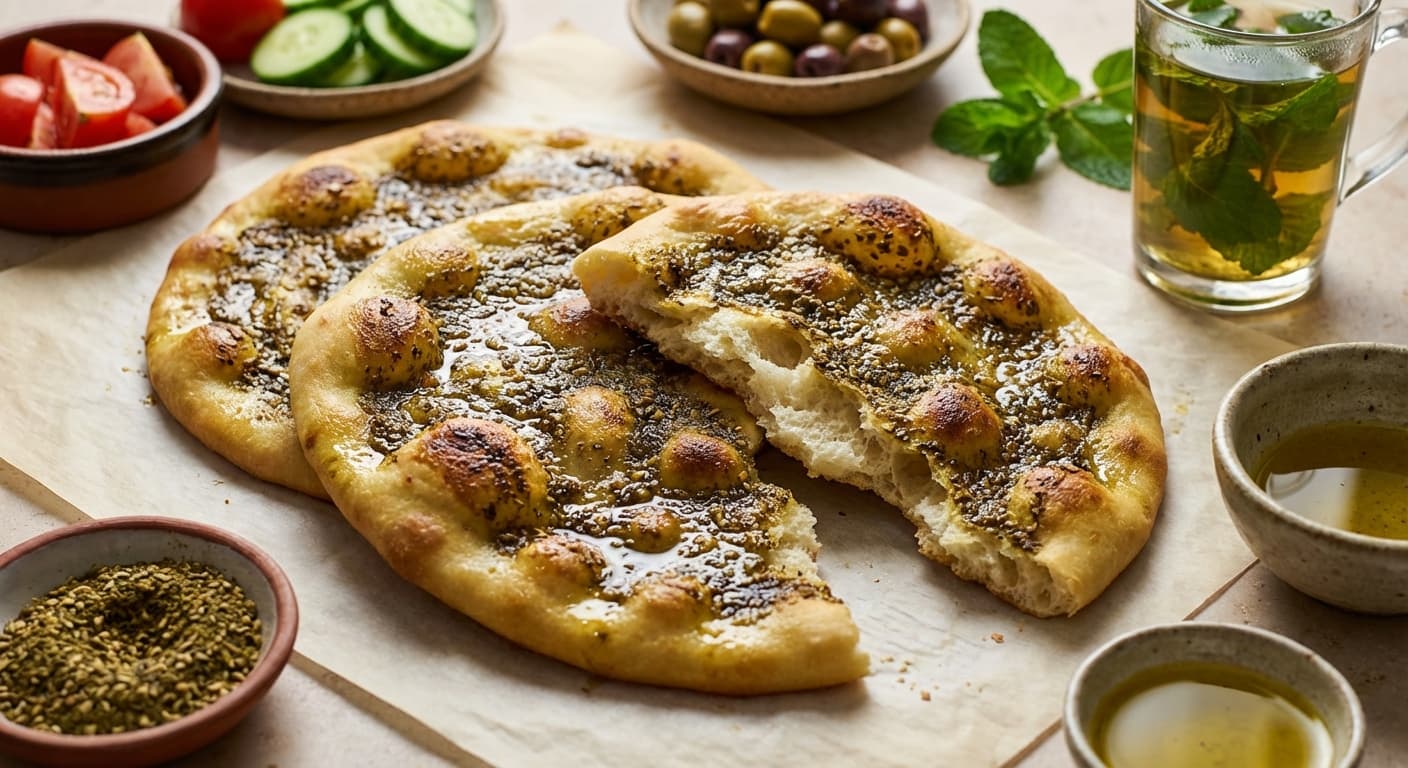
Manoushe is a beloved Lebanese street bread baked to order and topped with za’atar and olive oil. It’s a breakfast staple across the Levant, eaten hot with fresh vegetables, olives, and tea.
Printable Recipe Card
Servings: 6 · Total: 37 min · Difficulty: medium
Ingredients (quick list)
- 420 g bread flour (plus 20 g for dusting)
- 270 ml warm water (about 38–40°C)
- 7 g instant yeast (1 standard packet)
- 6 g granulated sugar (helps yeast activity)
- 8 g fine sea salt
- 20 ml extra-virgin olive oil (for tenderness)
- 60 g za'atar blend (thyme/sumac/sesame blend)
- 20 g all-purpose flour (for dusting the work surface)
Steps (summary)
- Make the dough base by combining the warm water, instant yeast, and sugar in a mixing bowl. Whisk for 10 seconds, then rest for…
- Add the bread flour and salt to the bowl, then drizzle in 20 ml olive oil. Mix until a shaggy dough forms, then knead for 8–10…
- Form the dough into a tight ball and place it in a lightly oiled bowl. Cover and let rise for 60–75 minutes at warm room temper…
- Prepare the za’atar topping by stirring the za’atar blend with 90 ml extra-virgin olive oil until it becomes a loose, spreadabl…
- Preheat the oven to 260°C and place a baking stone or inverted heavy sheet pan inside to heat for at least 20 minutes. High hea…
- Divide the risen dough into 6 equal pieces (about 120 g each) and shape into tight balls. Cover and rest 10 minutes so the glut…
+ 2 more steps in the full instructions section below.
Cultural Background
In Lebanon, manoushe is a daily ritual—bought from neighborhood bakeries early in the morning and eaten on the go. The za’atar topping reflects Levantine pantry staples and the region’s love of olive oil, herbs, and sumac’s bright tang.
Equipment
💡 Tips
- For a softer, bakery-style manoushe, avoid overbaking: pull it as soon as the edges turn light golden and the center is set.
- If your za’atar blend is very salty, reduce dough salt to 6 g so the finished bread stays balanced.
- For a crispier base, bake directly on the stone without parchment for the last 2 minutes, but watch closely to prevent scorching.
⚠️ Common Mistakes
❌ Baking at low heat, which dries the bread before it puffs and sets.
✅ Fix: Preheat to 260°C with a stone or inverted pan for at least 20 minutes, then bake each round quickly (5–7 minutes).
❌ Using too much topping, causing soggy centers and oily pooling.
✅ Fix: Limit topping to about 25 g per 18–20 cm round and spread it thinly, leaving a small border.
❌ Rolling the dough too thin so it turns cracker-like.
✅ Fix: Aim for 4–5 mm thickness; rest the dough 10 minutes if it resists stretching.
🧊 How to Store
Cool completely, then store in an airtight container at room temperature for up to 1 day or refrigerate up to 3 days. Reheat in a 220°C oven for 3–5 minutes directly on a rack to refresh the crust and reawaken the za’atar aroma.
📅 Make Ahead
Mix and knead the dough, then refrigerate covered for up to 24 hours for deeper flavor. Bring to room temperature for 45 minutes before dividing and shaping, and keep the za’atar-oil topping ready in a jar for up to 7 days.
🍽️ Pairs Well With
- Cucumbers
- tomatoes
- olives
- labneh
- mint tea
- pickled turnips.
Regional Variations
- Manoushe bi jibneh: top with 90–120 g akkawi or mozzarella (well-drained) instead of za’atar, baked until bubbly.
- Kishk manoushe: spread a thin layer of fermented bulgur-yogurt kishk mixture for a tangy, creamy topping (common in mountain villages).
- Mixed topping: combine za’atar with finely chopped tomatoes and onions for a juicier, pizza-like style found in some bakeries.
Ingredients
- 420 gbread flour (plus 20 g for dusting)
- 270 mlwarm water (about 38–40°C)
- 7 ginstant yeast (1 standard packet)
- 6 ggranulated sugar (helps yeast activity)
- 8 gfine sea salt
- 20 mlextra-virgin olive oil (for tenderness)
- 60 gza'atar blend (thyme/sumac/sesame blend)
- 20 gall-purpose flour (for dusting the work surface)
🔄 Substitutions
- bread flour→ all-purpose flour
- instant yeast→ active dry yeast
- za'atar blend→ dried thyme + sumac + toasted sesame seeds
Instructions
- 1
Make the dough base by combining the warm water, instant yeast, and sugar in a mixing bowl. Whisk for 10 seconds, then rest for 5 minutes until lightly foamy, which confirms the yeast is active.
- 2
Add the bread flour and salt to the bowl, then drizzle in 20 ml olive oil. Mix until a shaggy dough forms, then knead for 8–10 minutes by hand (or 6 minutes in a mixer) until smooth and elastic.
- 3
Form the dough into a tight ball and place it in a lightly oiled bowl. Cover and let rise for 60–75 minutes at warm room temperature until doubled, because good fermentation gives manoushe its soft chew.
- 4
Prepare the za’atar topping by stirring the za’atar blend with 90 ml extra-virgin olive oil until it becomes a loose, spreadable paste. Let it sit 10 minutes so the herbs hydrate and the sesame releases aroma.
- 5
Preheat the oven to 260°C and place a baking stone or inverted heavy sheet pan inside to heat for at least 20 minutes. High heat is essential for fast baking, which keeps the bread tender while lightly blistering the surface.
- 6
Divide the risen dough into 6 equal pieces (about 120 g each) and shape into tight balls. Cover and rest 10 minutes so the gluten relaxes, making the rounds easier to stretch without springing back.
- 7
Dust the work surface with a measured amount of flour and roll or stretch one dough ball into a 18–20 cm round, about 4–5 mm thick. Transfer it to a piece of parchment, then spread about 1 1/2 tbsp (roughly 25 g) of the za’atar-oil mixture evenly, leaving a 1 cm border.
- 8
Slide the topped round (on parchment) onto the hot stone or pan and bake 5–7 minutes until the edges are golden and the topping is fragrant and bubbling. Remove and rest 1 minute before serving, then repeat with the remaining dough to keep each manoushe hot and fresh.
🪪 Recipe Passport
Cultural Background
In Lebanon, manoushe is a daily ritual—bought from neighborhood bakeries early in the morning and eaten on the go. The za’atar topping reflects Levantine pantry staples and the region’s love of olive oil, herbs, and sumac’s bright tang.
Regional Variations
Researched from multiple sources and validated by the Zaffaron editorial team. Every recipe is tested for accuracy, measurements, and cultural authenticity.
Nutrition per serving
Pairs well with
If you enjoyed this recipe, here are a few related Zaffaron recipes to try next.
Does your family make this differently?
Every family has their own version. Maybe your grandmother adds a secret ingredient, or your aunt has a completely different technique. Preserve your family's version — with their name on it, forever.
You Might Also Like
Malfouf Mahshi (ملفوف محشي) — Lebanese Stuffed Cabbage Rolls in Lemon-Garlic Broth
Lebanese · Main Courses · 120 min
Kousa Mahshi (كوسا محشي) — Lebanese Stuffed Zucchini in Tangy Tomato Broth
Lebanese · Main Courses · 105 min
Shish Barak (شيش برك) — Lebanese Lamb Dumplings in Warm Yogurt Sauce
Lebanese · Main Courses · 105 min
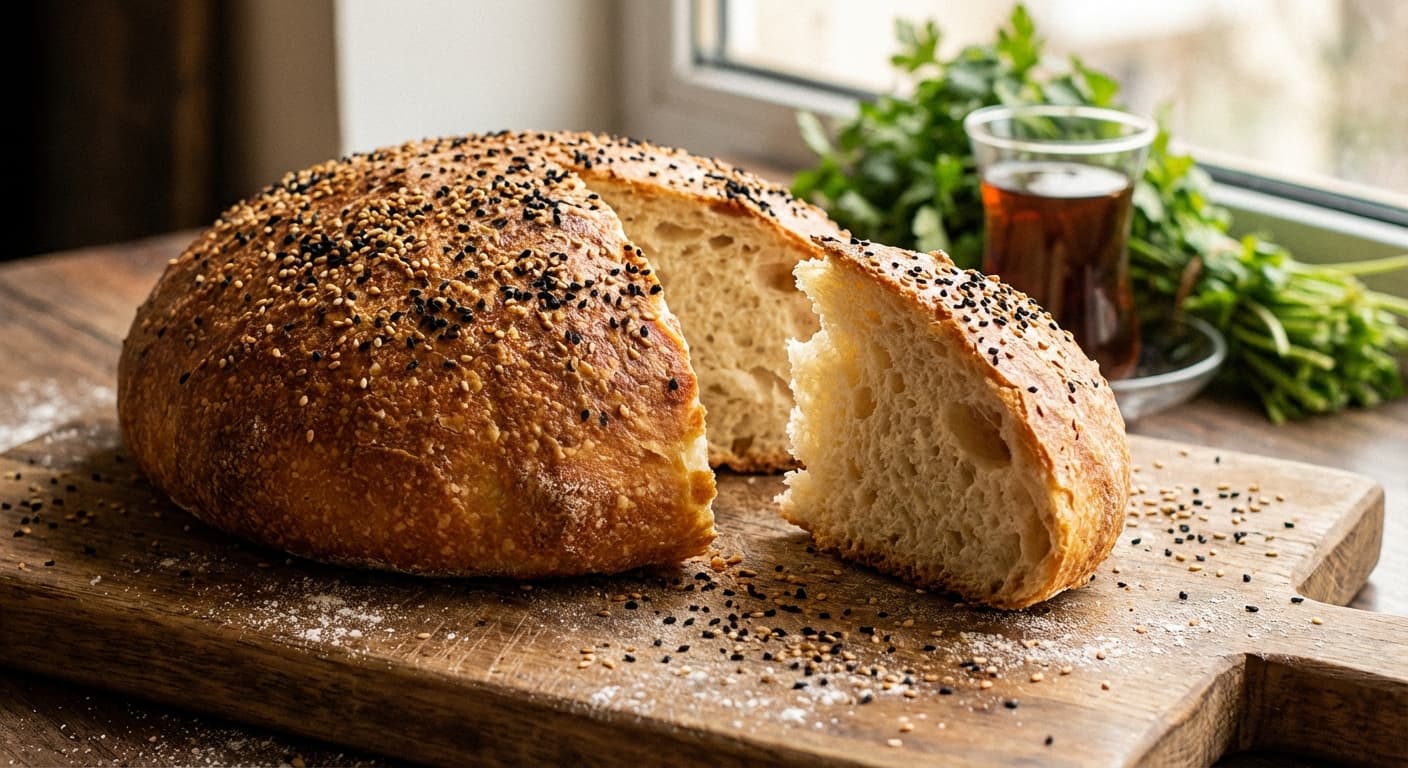
Baku Bread (Bakı Çörəyi) — Fragrant thick-crusted Azerbaijani oven bread
Azerbaijani · Breads · 43 min
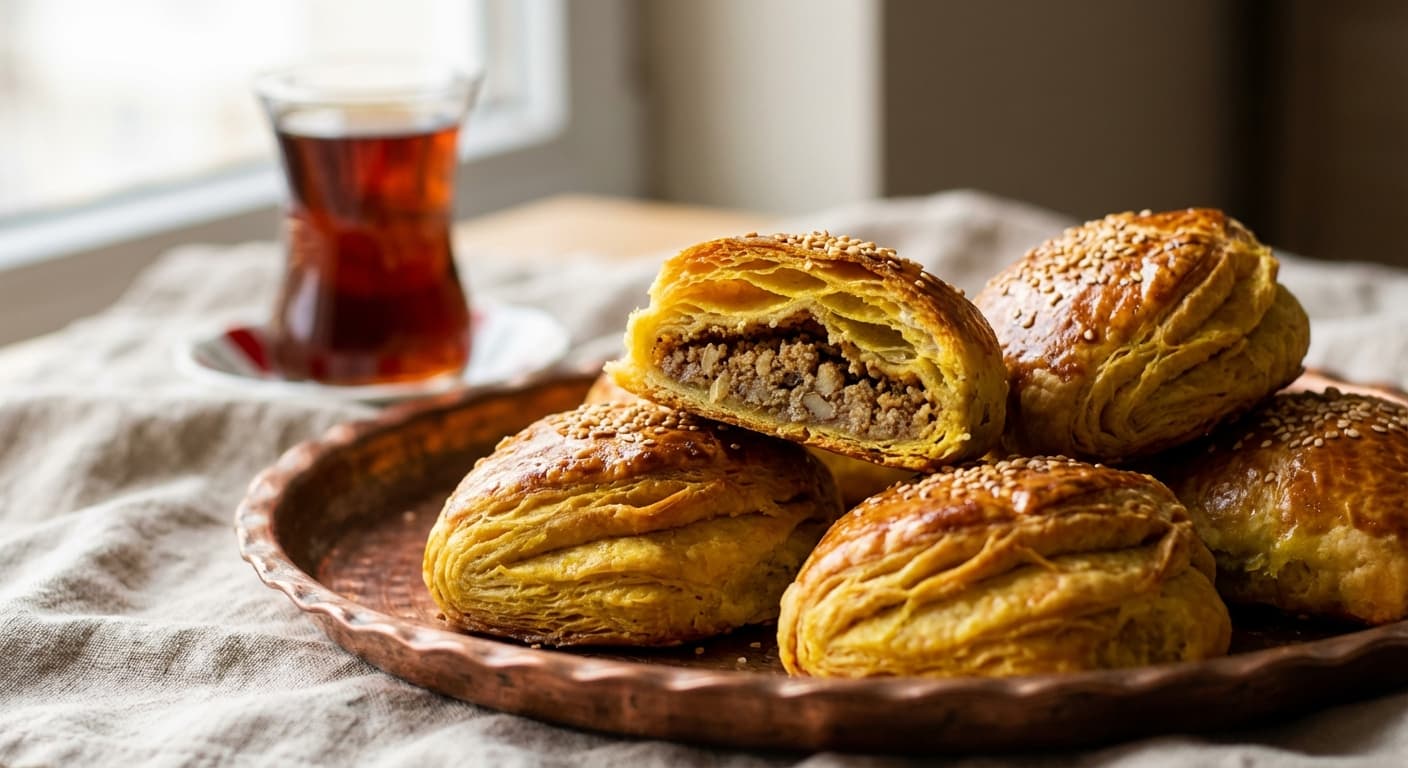
Shor Gogal (Şorqoğal) — Azerbaijani turmeric-layered pastry with spiced filling
Azerbaijani · Breads · 105 min
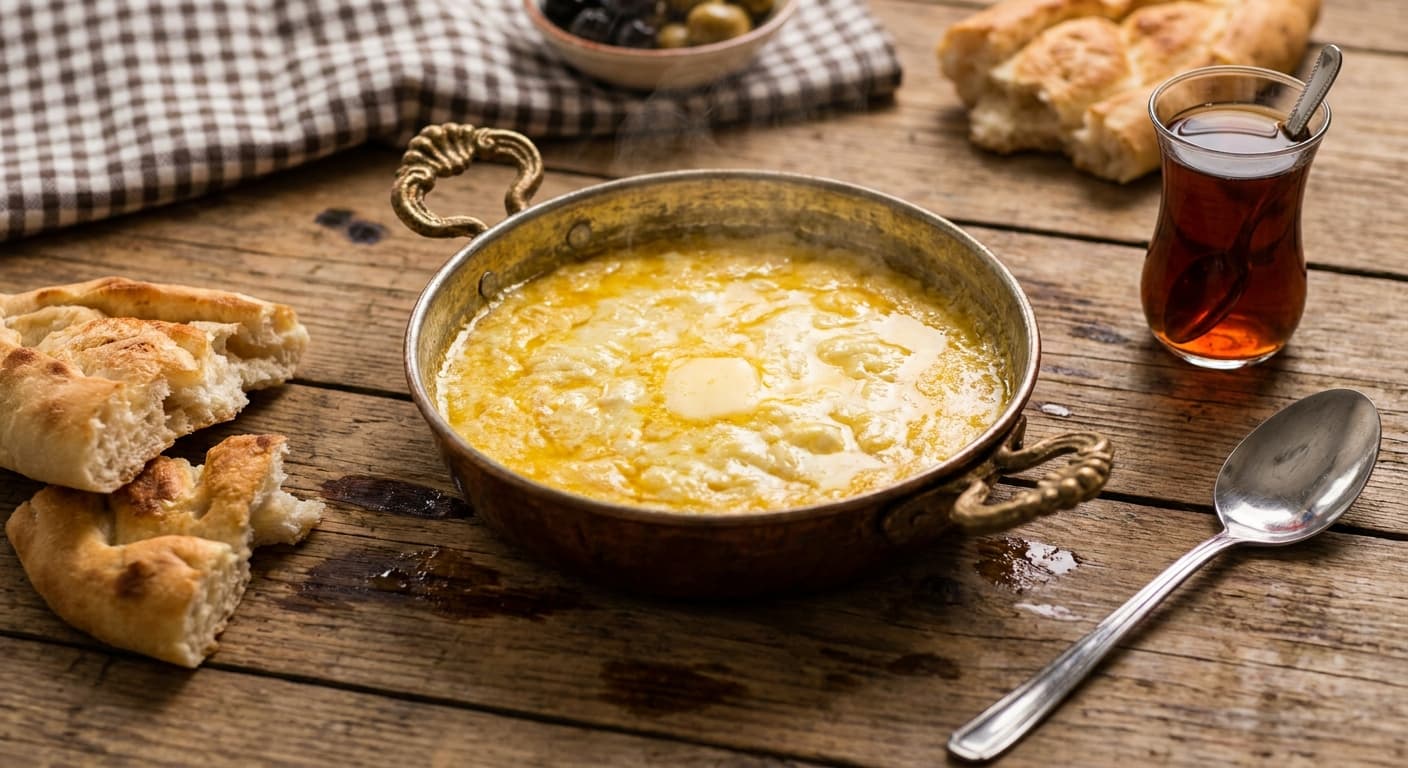
Mıhlama (Mıhlama) — Black Sea Cornmeal and Cheese Skillet
Turkish · Main Courses · 25 min
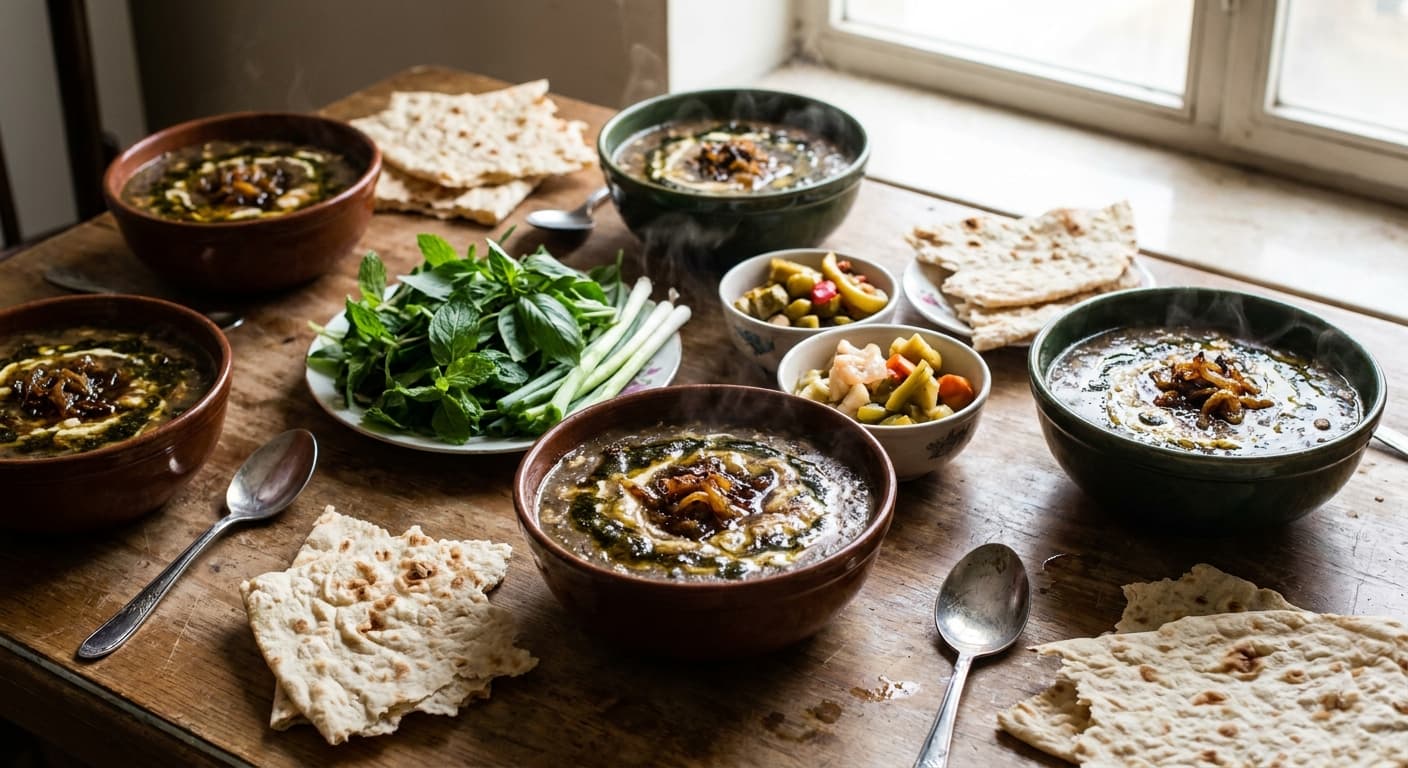
Ash-e Torsh (آش ترش) — Sour Herb and Legume Soup
Persian · Soups · 145 min
Beghrir (بغرير) — Moroccan Thousand-Hole Semolina Pancakes with Honey-Butter
Moroccan · Desserts · 40 min
Reviews
Cooked this recipe?
Tap the stars to rate it — that's all it takes. A few words are welcome but optional.
No ratings yet. Cooked this one? Be the first to rate it — it takes one tap.