Ramadan Iftar Recipes from 8 Different Cuisines
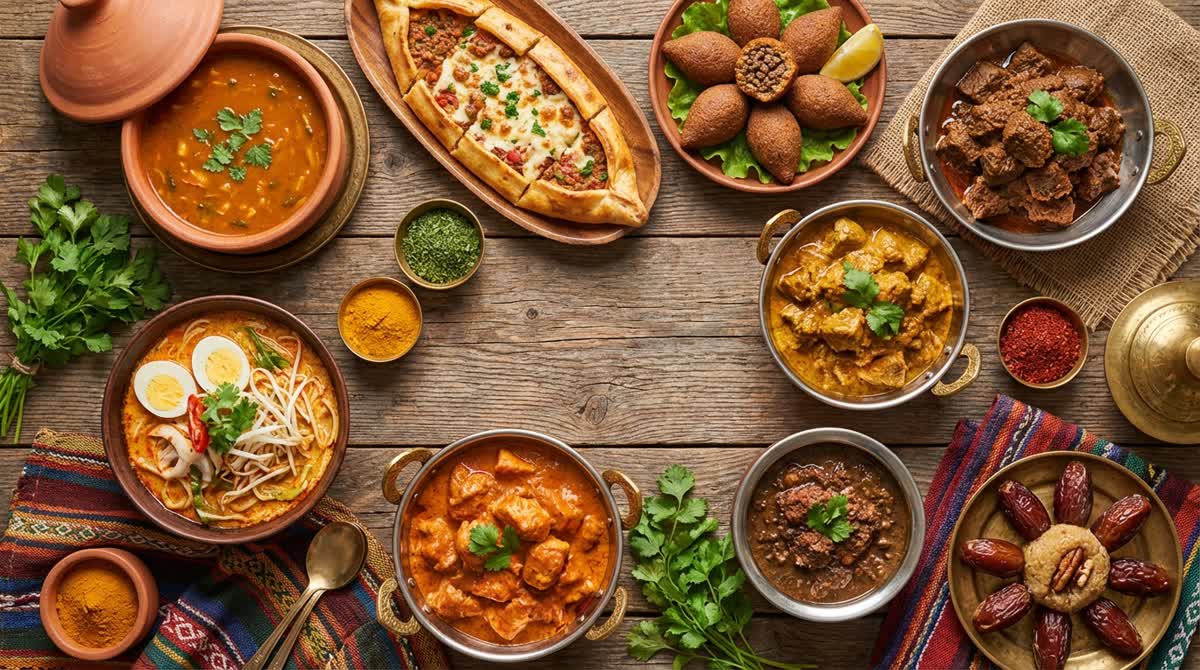
Ramadan has a special kind of hunger—one that’s not just about food, but about comfort, community, and the joy of that first sip of water at maghrib. If you’re hosting family, feeding roommates, or simply trying to make weeknights feel a little more meaningful, a great iftar spread doesn’t need to be complicated. It needs to be thoughtful: something warming, something crisp, something hearty enough for a ramadan dinner, and something that makes everyone reach for “just one more bite.”
In this guide, I’m sharing Ramadan iftar recipes from 8 different cuisines, with practical planning tips and a mix-and-match approach that keeps your table exciting all month long. You’ll find plenty of iftar food ideas—from soups and dips to rice dishes and mains—plus easy ways to build a balanced plate after a day of fasting. Along the way, I’ll also link you to Zaffaron favorites you can cook right away.
How to Build a Balanced Iftar Plate (Without Overthinking It)
Before we travel across cuisines, here’s a simple formula that works for most ramadan recipes and schedules:
The “3-Part Iftar” Formula
- Gentle opener: water + dates, then soup or a light bite
- Main plate: protein + starch (often rice/bread) + vegetables
- Something bright: herbs, pickles, lemony salad, or a tangy condiment
Timing Tip (Especially for Busy Weeknights)
- 0–10 minutes after adhan: break fast, hydrate, small bowl of soup
- 10–40 minutes: pray/rest, then serve the main
- After: tea + fruit (save sweets for later so you don’t crash)
A lot of people search for iftar food ideas that feel festive but doable—this structure makes it easy to rotate cuisines while keeping the rhythm of your evenings calm.
Cuisine 1: Persian (Iranian) — Saffron Comfort for the Iftar Table
Persian food is practically designed for Ramadan: fragrant rice, slow-cooked stews, herb-forward sides, and dishes that hold well for guests.
Start with a gentle soup
A warm bowl at iftar is a small mercy to your stomach after fasting.
- Try Soup Tokhm Morgh (سوپ تخم مرغ) — Persian-Style Silky Egg Drop Soup for something light, quick, and soothing.
Build your main around rice (polow)
Persian rice dishes are ideal for ramadan dinner because they’re filling, aromatic, and easy to scale.
- Gol Kalam Polo (گل کلم پلو) — Saffron Cauliflower Rice with Spiced Minced Meat is a beautiful “one platter” option with spice and texture.
- Shushtari Polo (شوشترى پلو) — Black-Eyed Pea and Dill Layered Rice with Chicken brings dill freshness and protein in one dish.
- For a lighter, veggie-forward table: Polo va Sabzijat (پلو و سبزیجات) — Persian Saffron Vegetable Rice.
Add a shareable side or appetizer
- Smoky dips are perfect with warm bread: Persian Moutabal with Kashk (متبل با کشک) — Smoky Roasted Eggplant Dip.
Personal hosting note: If I’m cooking Persian-style iftar for guests, I always choose one “hero rice” plus one dip. People naturally graze while you finish the last details—and it keeps the table feeling abundant without doubling your workload.
Cuisine 2: Levantine — Crispy, Herby, and Perfect for Sharing
Levantine iftar tables often shine with mezze: small plates, crunchy bites, fresh herbs, and lemony flavors. These are crowd-pleasing iftar food ideas because they encourage sharing.
The must-have: falafel
Falafel is classic iftar food—crispy outside, tender inside, and easy to serve with salad, pickles, and tahini.
- Make a batch of Authentic Falafel Khaneghi (فلافل خانگی) — Crispy Herb-Flecked Chickpea Fritters and keep them warm in a low oven.
Stuffed leaves for a special night
If you want something that feels celebratory (and makes the kitchen smell incredible), stuffed grape leaves are a timeless choice.
- Dolmeh-ye Barg-e Mo (دلمه برگ مو) — Persian Stuffed Grape Leaves with Chicken fits beautifully into a Levantine-inspired spread too.
Practical tip: For weeknights, make falafel mixture ahead and fry/bake right before iftar. For weekends, do stuffed leaves—everyone remembers them.
Cuisine 3: Turkish & Ottoman-Inspired — Rice, Tomato, and Warm Spices
Turkish iftar menus often feature soups, rice pilafs, and tomato-rich dishes that feel both cozy and bright.
Tomato rice as the anchor
- Eslamboli Polo (اسلامبولی پلو) — Persian Tomato Rice with Tender Beef gives you that tomato-forward, hearty comfort that fits right into an Ottoman-inspired table.
Add something crisp on the side
Pair tomato rice with a crunchy salad (cucumber, onion, sumac, lemon). That contrast—warm rice + cool salad—is the kind of balance that makes ramadan recipes feel satisfying rather than heavy.
Cuisine 4: South Asian — Bold Spices, Comforting Curries, and Iftar Energy
South Asian Ramadan food is famous for its color and intensity: spices, fried snacks, chutneys, and curries that taste even better after a long day.
Go for a curry-style main
If you want a dish that feels like a warm hug (and stretches well for guests):
- Khoresh Kari ba Mahi (خورش کاری با ماهی) — Persian-Style Coconut Fish Curry brings coconut richness and gentle heat—perfect with rice.
- For a soup-like curry vibe: Aromatic Coconut Chicken Curry Soup (سوپ کاری مرغ با نارگیل) — Velvety coastal-style coconut curry broth can be your opener or your main with bread.
Make it feel like a “real iftar”
South Asian-inspired iftar food ideas often include something fried or crispy. If you don’t want to deep-fry nightly, keep one crunchy element (papad, toasted bread, oven fries) and let the curry do the heavy lifting.
Cuisine 5: Arab Gulf & Southern Iranian Coastal — Seafood, Tamarind, and Big Flavor
Coastal tables around the Gulf often lean into seafood, tangy sauces, and spice blends that wake up your palate.
A seafood main that feels special
- Khorak Meygoo (خوراک میگو) — Persian Spiced Shrimp Stew from Southern Iran is fast enough for a weeknight but impressive enough for guests.
Add a bold, shareable protein
- Crispy Persian-Style Peanut Glazed Chicken Wings (بال مرغ با سس بادامزمینی) — Herb-crusted baked wings with tamarind-ginger peanut glaze bring sweet-sour depth and a sticky glaze that disappears quickly at iftar.
Hosting tip: Seafood + wings sounds like a lot, but it works when you keep portions small. Think “tasting table,” not “three full mains.”
Cuisine 6: Mediterranean & Continental Fusion — Lighter Plates That Still Satisfy
Some nights you want ramadan dinner to feel lighter—especially in the last third of the month when you’ve had plenty of heavy meals. Mediterranean-style cooking can be your reset button.
A fusion pilaf that feels festive
- Polo Europaei (پلو اروپایی) — Continental Fusion Pilaf with Curry Ragout is a fun twist: familiar comfort, but with a gently spiced ragout vibe.
Add a veggie-forward bake
- Khorak Ghalebi Sabzijat (خوراک قالبی سبزیجات) — Persian Molded Vegetable Casserole is great when you want something sliceable, make-ahead, and not too heavy.
Meal-prep note: Molded casseroles and pilafs are excellent ramadan recipes for batch cooking—tomorrow’s suhoor or next day’s lunch is handled.
Cuisine 7: East & Southeast Asian-Inspired — Noodles, Stir-Fries, and Fast Weeknight Wins
Not every iftar needs to be traditional to be meaningful. Sometimes the best iftar food ideas are the ones you can actually cook after work—fast, spicy, and satisfying.
Noodles for a quick iftar main
- Noodles with Soy and Peppers (نودل با سویا و فلفل) — Persian-Style Spicy Tomato Soy Noodle Stir-Fry is weeknight gold: big flavor, minimal fuss.
Indonesian-inspired rice for a change of pace
- Polo Andonezi va Kabab (پلو اندونزی و کباب) — Indonesian-Style Rice with Savory Meatballs brings a completely different profile to your Ramadan table while still feeling comforting and communal.
Practical tip: If you’re doing noodles, keep a simple soup on the side (even broth). That combination feels more “iftar-like” and easier on digestion.
Cuisine 8: North African-Inspired — Warm Spices, Tang, and Hearty Comfort
North African flavors often feature warming spices and bright acidic notes (think cumin, coriander, lemon, and chili). For iftar, that translates to food that feels energizing without being overwhelming.
Tangy chicken with a bold seasoning profile
- Khorak Morgh ba Chashni-ye Somagh (خوراک مرغ با چاشنی سماق) — Tangy Persian Sumac-Braised Chicken delivers that tangy, lively flavor that pairs perfectly with rice or bread.
A rich, structured centerpiece
If you want something that slices beautifully and looks like you planned all day (even if you didn’t):
- Tahchin Goosht va Bademjan (تهچین گوشت و بادمجان) — Saffron Rice Cake with Meat and Eggplant is a showstopper for a weekend ramadan dinner.
Personal touch: Tahchin is one of those dishes that makes people gather in the kitchen just to see the “flip.” That moment—everyone waiting for the unmolding—is pure Ramadan joy.
Mix-and-Match Iftar Menus (So You’re Not Starting From Scratch Every Night)
Here are a few ready-to-go menus built from the dishes above. Use them as templates for your own ramadan recipes plan.
Menu A: The Cozy Classic
- Opener: Soup Tokhm Morgh
- Main: Shushtari Polo
- Side: Persian Moutabal with Kashk + bread and herbs
Menu B: The Shareable Mezze Night
- Main bites: Authentic Falafel Khaneghi
- Special plate: Dolmeh-ye Barg-e Mo
- Add-ons: chopped salad, pickles, tahini/yogurt sauce
Menu C: The Seafood & Spice Evening
- Main: Khorak Meygoo
- Side protein: Crispy Persian-Style Peanut Glazed Chicken Wings
- Starch: simple rice (or Traditional Persian Kateh if you want a reliable base)
Menu D: The Weeknight Noodle Win
- Main: Noodles with Soy and Peppers
- Optional soup: Aromatic Coconut Chicken Curry Soup (small bowls)
- Fresh side: cucumber + lemon + salt
Menu E: The Weekend “Wow”
- Centerpiece: Tahchin Goosht va Bademjan
- Rice/veg companion: Polo va Sabzijat
- Bright note: sumac onions, herbs, and citrus
These menus keep your iftar food ideas fresh without requiring a brand-new shopping list every day.
Practical Ramadan Cooking Tips (That Actually Help)
1) Hydration > heaviness
A lot of “why do I feel awful after iftar?” comes down to eating too fast and skipping hydration. Start with water, then soup, then main.
2) Choose one “project dish” per week
Save the more elaborate recipes (like Tahchin Goosht va Bademjan) for weekends. Weeknights can be soups, noodles, stews, and simple rice.
3) Batch-cook a neutral base
Make a pot of rice you can reinvent:
- Traditional Persian Kateh (کته) — Everyday Caspian-Style Absorption Rice is ideal as a flexible side for curries, stews, wings, or shrimp.
4) Plan for leftovers on purpose
Many ramadan recipes taste even better the next day. Tomato rice, pilafs, and stews reheat beautifully—meaning tomorrow’s ramadan dinner becomes dramatically easier.
5) Keep one “bright” condiment ready
Pickled onions, lemon wedges, sumac, chopped herbs, or a quick yogurt sauce can transform the same main dish into a new experience.
Cultural Context: Why Iftar Tables Love Variety
Across cultures, iftar is both a reset and a reunion. Some families keep the same staples every night; others treat Ramadan as a month-long tasting tour. Either way, variety isn’t about showing off—it’s about hospitality and care. Different cuisines also help you meet different needs:
- lighter nights when you’re tired
- hearty nights when you need comfort
- shareable nights when guests drop by
That’s why rotating iftar food ideas across cuisines can make Ramadan feel expansive, not repetitive.
Your Next Iftar Starts Here
If you’re building your Ramadan menu right now, pick one soup, one centerpiece, and one bright side, then rotate cuisines through the week. The recipes linked above are a strong foundation—whether you’re craving saffron rice, crispy falafel, tangy sumac chicken, or fast noodles.
Explore more on Zaffaron and save your favorites for the month ahead—your future self (and your guests) will thank you.