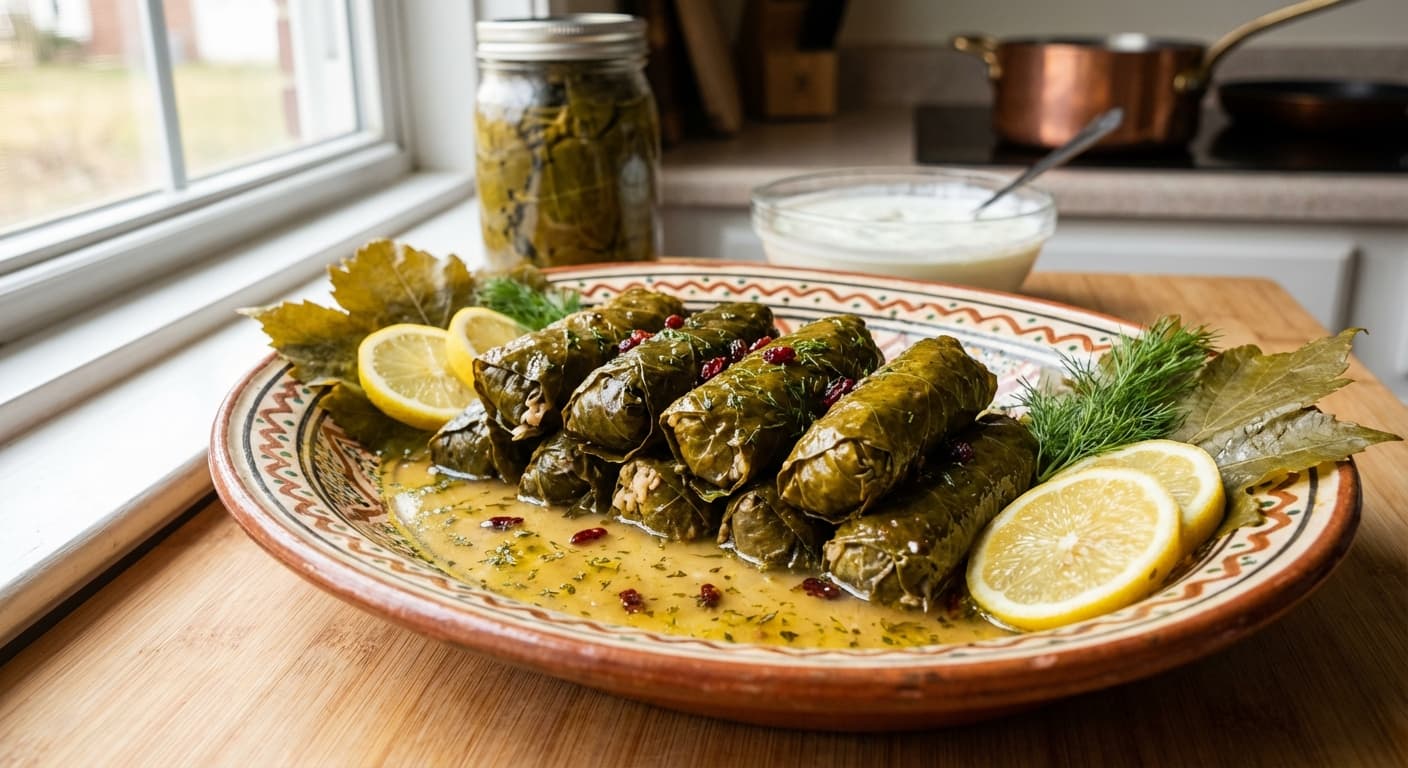
Dolmeh Barg-e Mo (دلمه برگ مو) — Persian Stuffed Grape Leaves with Chicken
Tender grape leaves stuffed with saffron-scented chicken, rice, chickpeas, and fresh herbs, then gently simmered in a bright lemon–olive oil broth. A refined Persian dolmeh with balanced acidity, aroma, and richness.
Printable Recipe Card
Servings: 6 · Total: 165 min · Difficulty: hard
Ingredients (quick list)
- 60 leaves Grape leaves, jarred in brine (about 500 g drained; choose whole, un-torn leaves)
- 2000 ml Water (for blanching and soaking leaves)
- 30 ml Olive oil (for greasing the pot base)
- 500 g Chicken breast fillet (cut into 6 mm dice for even cooking)
- 220 g Onion (finely diced)
- 30 ml Neutral oil (such as sunflower or grapeseed)
- 30 g Tomato paste (about 2 tablespoons)
- 2 g Ground turmeric (about 1 teaspoon)
- 9 g Fine sea salt (about 1 1/2 teaspoons, divided)
- 1 g Black pepper (about 1/2 teaspoon)
- 180 g Basmati rice (rinsed until water runs mostly clear)
- 180 g Chickpeas, cooked and drained (canned is fine; rinse well)
+ 7 more in the full ingredients section below.
Steps (summary)
- Prepare the grape leaves: bring 2000 ml water to a boil. Add brined grape leaves and blanch 2 minutes to soften and reduce salt…
- Bloom saffron twice for maximum aroma: in two small cups, crush saffron threads with the back of a spoon, then add the measured…
- Par-cook the rice: combine rinsed basmati rice with 720 ml water and 3 g of the measured salt in a small pot. Bring to a boil,…
- Build the filling base: heat 30 ml neutral oil in a wide skillet over medium heat (about 175°C surface temp). Add diced onion a…
- Cook the chicken briefly: add diced chicken fillet to the skillet and cook 4–5 minutes, stirring, until the outside turns opaqu…
- Finish the filling: in a large bowl, combine par-cooked rice, chicken mixture, parsley, dill, and cilantro. Add the bloomed saf…
+ 4 more steps in the full instructions section below.
Cultural Background
Stuffed grape leaves are a long-established home and celebration dish across West Asia and the Eastern Mediterranean, with many local approaches to fillings and souring agents. In Persian cooking, generous herbs and aromatic saffron are common signatures, and dolmeh is often served as a shared platter for family gatherings.
Equipment
💡 Tips
- If the leaves taste very salty after soaking, soak an additional 10 minutes in fresh water, then drain well; excess salt can overpower saffron and herbs.
- Dice chicken small and cook only until just opaque; it will finish cooking during the long simmer and stay tender.
- Packing the pot tightly and using a plate weight prevents unraveling and keeps the dolmeh evenly shaped.
- For a brighter broth, add 15 ml extra lemon juice at the end after resting, not during the simmer.
- Chop herbs finely and mix after the chicken mixture cools; heat can dull the green color and aroma.
⚠️ Common Mistakes
❌ Overcooking the rice before stuffing
💡 Why: Fully cooked rice turns mushy during the long simmer and can split the grape leaves.
✅ Fix: Simmer rice only 6 minutes until firm in the center, then drain and cool on a tray before mixing.
❌ Skipping the plate weight while simmering
💡 Why: Dolmeh can float, loosen, and unravel, leading to uneven cooking and broken rolls.
✅ Fix: Place a heatproof plate directly on the rolls before adding broth and keep it in place for the entire simmer.
❌ Boiling aggressively instead of gentle simmering
💡 Why: Hard bubbling tears leaves, makes filling leak, and can toughen chicken.
✅ Fix: After the broth reaches a simmer, reduce heat to low and maintain only occasional small bubbles for 55–60 minutes.
❌ Using brined leaves without blanching and soaking
💡 Why: Excess salt can dominate the dish and dull the saffron-herb balance.
✅ Fix: Blanch 2 minutes, rinse, and soak 10 minutes; extend soaking if needed, then drain thoroughly.
🧊 How to Store
Cool to room temperature within 2 hours. Refrigerate in an airtight container with a little broth up to 4 days. Reheat covered with 2–3 tablespoons broth or water at 150°C oven for 15–20 minutes or on low stovetop until hot. Freeze up to 2 months; thaw overnight in the refrigerator before reheating.
📅 Make Ahead
You can roll the dolmeh up to 24 hours in advance: arrange in the pot, cover tightly, and refrigerate. Bring to room temperature for 20 minutes, then add hot broth and simmer as directed. Cooked dolmeh tastes even better the next day as the saffron and herbs perfume the filling.
🍽️ Pairs Well With
- Plain strained yogurt or yogurt with cucumber and dried mint
- Fresh herbs
- radishes
- and spring onions
- Lavash or flatbread
- A simple Shirazi-style cucumber and tomato salad (English name: cucumber-tomato salad)
Regional Variations
- Tehran-style home cookingOften emphasizes a clean herb aroma with a brighter sour note; lemon juice is used generously and the rolls are kept small and uniform for neat presentation.
- Northwestern Iran (Azerbaijan region)May include additional aromatics such as dried herbs and a slightly richer filling; some households add more legumes and reduce the sourness for a rounder profile.
Ingredients
- 60 leavesGrape leaves, jarred in brine (about 500 g drained; choose whole, un-torn leaves)
- 2000 mlWater (for blanching and soaking leaves)
- 30 mlOlive oil (for greasing the pot base)
- 500 gChicken breast fillet (cut into 6 mm dice for even cooking)
- 220 gOnion (finely diced)
- 30 mlNeutral oil (such as sunflower or grapeseed)
- 30 gTomato paste (about 2 tablespoons)
- 2 gGround turmeric (about 1 teaspoon)
- 9 gFine sea salt (about 1 1/2 teaspoons, divided)
- 1 gBlack pepper (about 1/2 teaspoon)
- 180 gBasmati rice (rinsed until water runs mostly clear)
- 180 gChickpeas, cooked and drained (canned is fine; rinse well)
- 60 gParsley (finely chopped leaves and tender stems)
- 25 gDill (finely chopped)
- 35 gCilantro (finely chopped)
- 0.2 gSaffron threads (about 1/4 teaspoon)
- 45 mlHot water (to bloom saffron)
- 90 mlFresh lemon juice (about 2–3 lemons, strained)
- 600 mlChicken stock, low-sodium (or water, but stock is preferred)
🔄 Substitutions
- Chickpeas, cooked and drained→ Cooked white beans (cannellini) or cooked pinto beans, 180 g
- Chicken breast fillet→ Boneless skinless chicken thigh, 500 g
- Jarred grape leaves in brine→ Fresh grape leaves, 60 leaves
Instructions
- 1
Prepare the grape leaves: bring 2000 ml water to a boil. Add brined grape leaves and blanch 2 minutes to soften and reduce salt. Drain, then rinse under cool water. Soak the leaves in fresh cool water for 10 minutes, drain again, and pat dry. Keep covered with a damp towel to prevent drying.
- 2
Bloom saffron twice for maximum aroma: in two small cups, crush saffron threads with the back of a spoon, then add the measured hot water (45 ml for filling, 30 ml for broth). Let each stand 10 minutes. This step extracts color and flavor evenly, preventing bitter saffron specks in the filling and broth.
- 3
Par-cook the rice: combine rinsed basmati rice with 720 ml water and 3 g of the measured salt in a small pot. Bring to a boil, then reduce to a gentle simmer for 6 minutes until the grains are lengthened but still firm. Drain well and spread on a tray for 5 minutes to release steam and stop cooking.
- 4
Build the filling base: heat 30 ml neutral oil in a wide skillet over medium heat (about 175°C surface temp). Add diced onion and cook 8–10 minutes until translucent with light golden edges. Stir in turmeric and black pepper for 30 seconds, then add tomato paste and cook 2 minutes to remove raw taste.
- 5
Cook the chicken briefly: add diced chicken fillet to the skillet and cook 4–5 minutes, stirring, until the outside turns opaque but the center is not fully cooked. This prevents dry chicken after simmering. Stir in chickpeas for 1 minute, then remove from heat and cool 10 minutes so herbs stay bright.
- 6
Finish the filling: in a large bowl, combine par-cooked rice, chicken mixture, parsley, dill, and cilantro. Add the bloomed saffron for the filling and the remaining 6 g salt. Mix gently with a spatula for 30–45 seconds so rice grains stay intact. Taste a tiny spoonful and adjust salt if needed.
- 7
Roll the dolmeh: place one leaf shiny-side down, stem end toward you. Add 18–22 g filling (about 1 heaped tablespoon) near the stem. Fold the bottom up over filling, fold in both sides, then roll tightly into a small cigar. Repeat, keeping rolls uniform so they cook evenly; avoid overfilling to prevent bursting.
- 8
Arrange for simmering: grease the bottom of a heavy pot (24–26 cm) with 30 ml olive oil. Pack dolmeh seam-side down in snug concentric circles, making 1–2 layers. Place a heatproof plate on top to weigh them down. This keeps rolls from floating and unwrapping during simmering and helps even cooking.
- 9
Make and add the lemon broth: whisk together 600 ml stock, 90 ml lemon juice, 45 ml olive oil, 3 g salt, and the bloomed saffron for the broth. Pour gently down the side of the pot until liquid reaches about 2/3 up the dolmeh stack (not fully submerged). Bring to a low simmer over medium heat, 8–10 minutes.
- 10
Slow-simmer and rest: reduce heat to low, cover tightly, and simmer 55–60 minutes, maintaining very gentle bubbling. Check once at 40 minutes and add 60–120 ml hot water only if the pot looks dry. Turn off heat and rest covered 15 minutes to set the rolls. Uncover, remove plate, and serve warm with spooned broth.
🪪 Recipe Passport
Cultural Background
Stuffed grape leaves are a long-established home and celebration dish across West Asia and the Eastern Mediterranean, with many local approaches to fillings and souring agents. In Persian cooking, generous herbs and aromatic saffron are common signatures, and dolmeh is often served as a shared platter for family gatherings.
Regional Variations
Researched from multiple sources and validated by the Zaffaron editorial team. Every recipe is tested for accuracy, measurements, and cultural authenticity.
Nutrition per serving
Pairs well with
If you enjoyed this recipe, here are a few related Zaffaron recipes to try next.
- Kuku-ye Sibzamini (کوکو سیبزمینی) — Persian Golden Potato & Root Vegetable Galettes
- Persian Kachi (کاچی) — Saffron Rosewater Pudding
- Macaroni ba Sose Gherona (ماکارونی با سس گهرونا) — Persian Cold Pasta with Herb-Garlic Cream Sauce
- Omelet-e Tokhm-e Morgh (املت تخم مرغ) — Persian Creamy Vegetable Omelette
Does your family make this differently?
Every family has their own version. Maybe your grandmother adds a secret ingredient, or your aunt has a completely different technique. Preserve your family's version — with their name on it, forever.
You Might Also Like
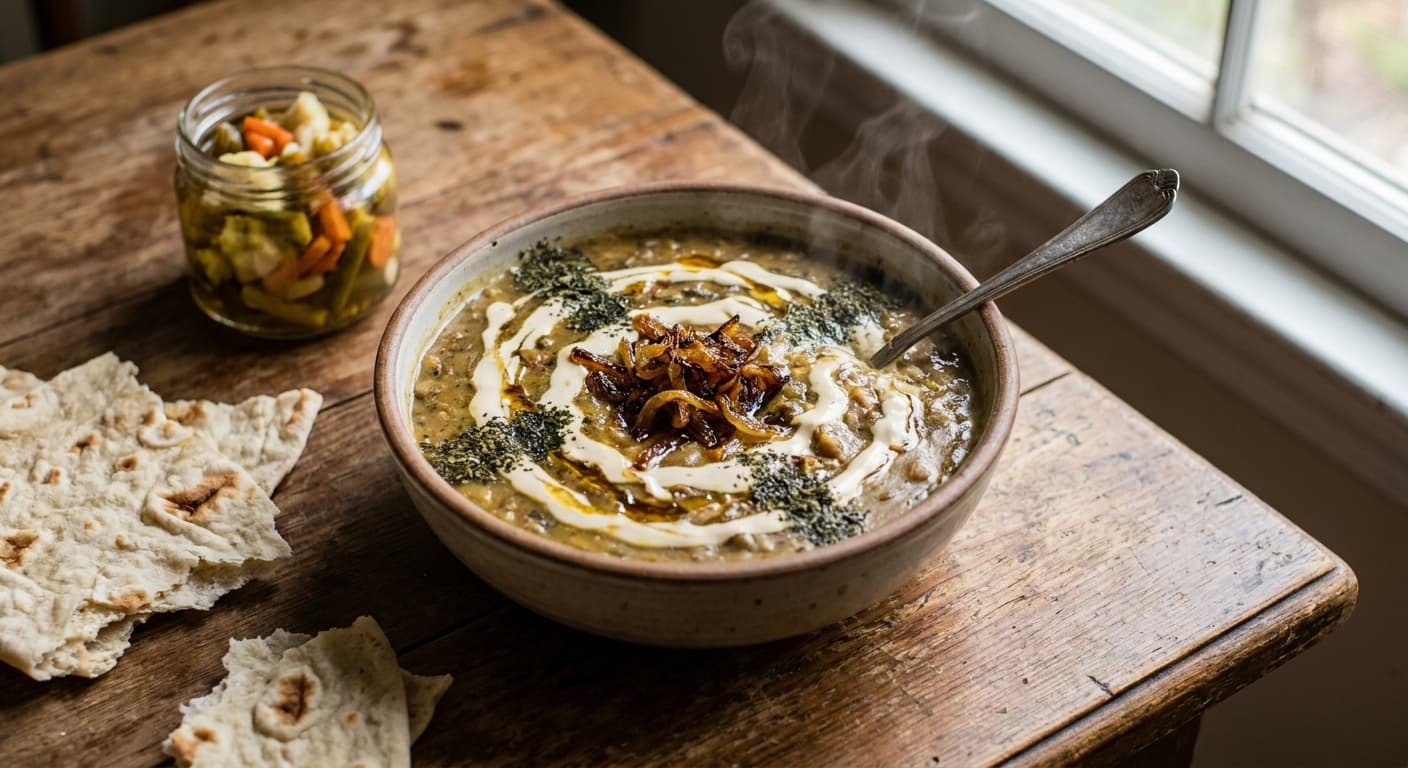
Ash-e Sak (آش ساک) — Gorgani Spinach and Lamb Ash
Persian · Soups · 175 min
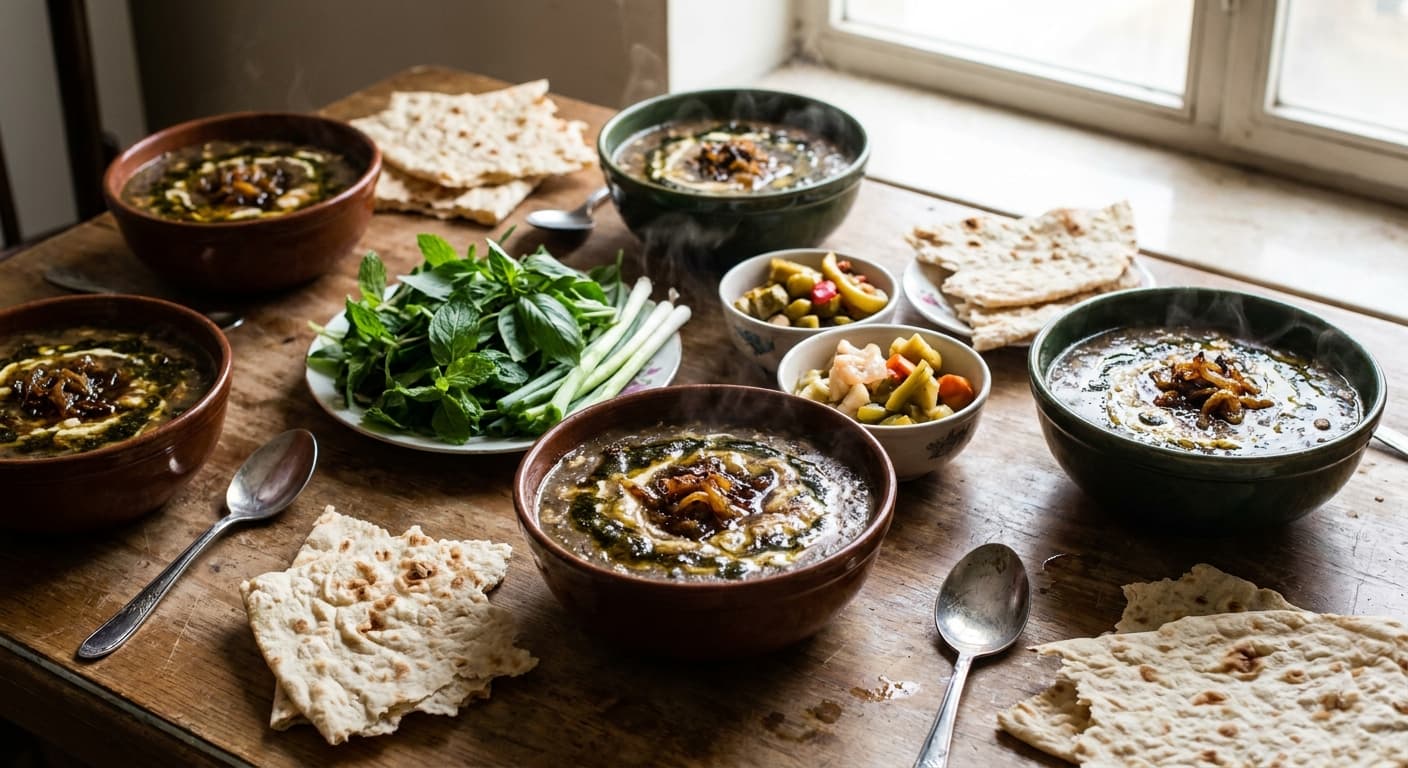
Ash-e Torsh (آش ترش) — Sour Herb and Legume Soup
Persian · Soups · 145 min
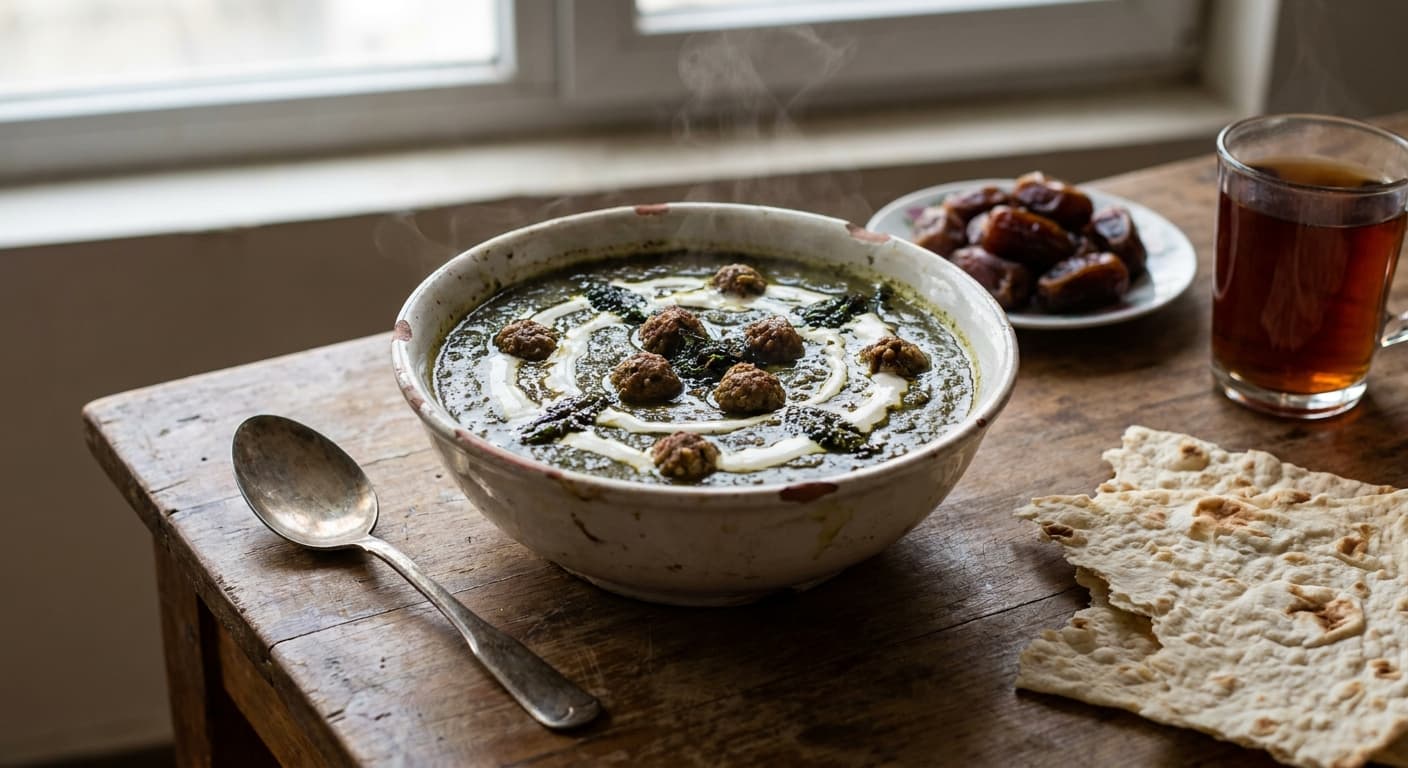
Ash-e Sak (آش ساک) — Golestani Spinach, Legume, and Meatball Soup
Persian · Soups · 175 min
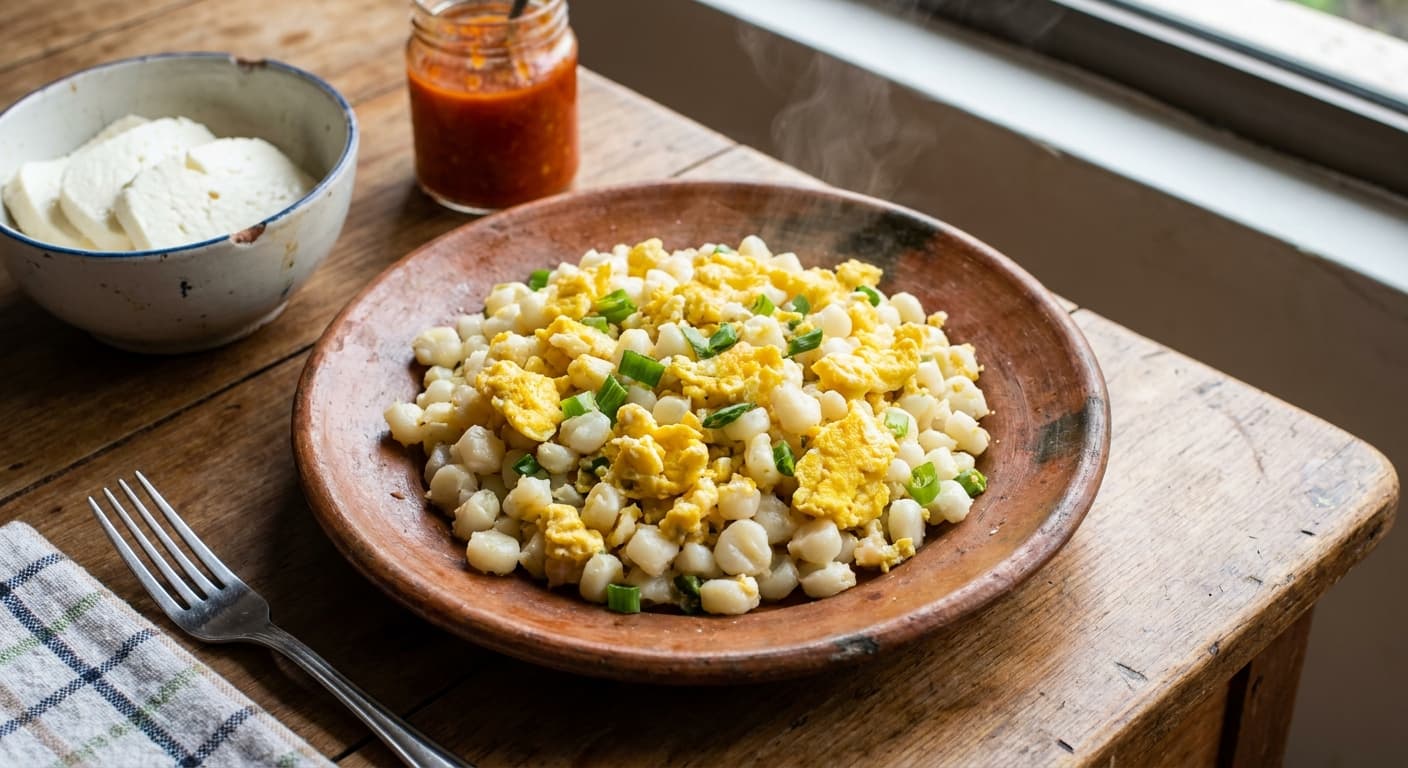
Scrambled Hominy and Eggs (Mote pillo) — Ecuadorian Highland Breakfast
Ecuadorian · Main Courses · 25 min
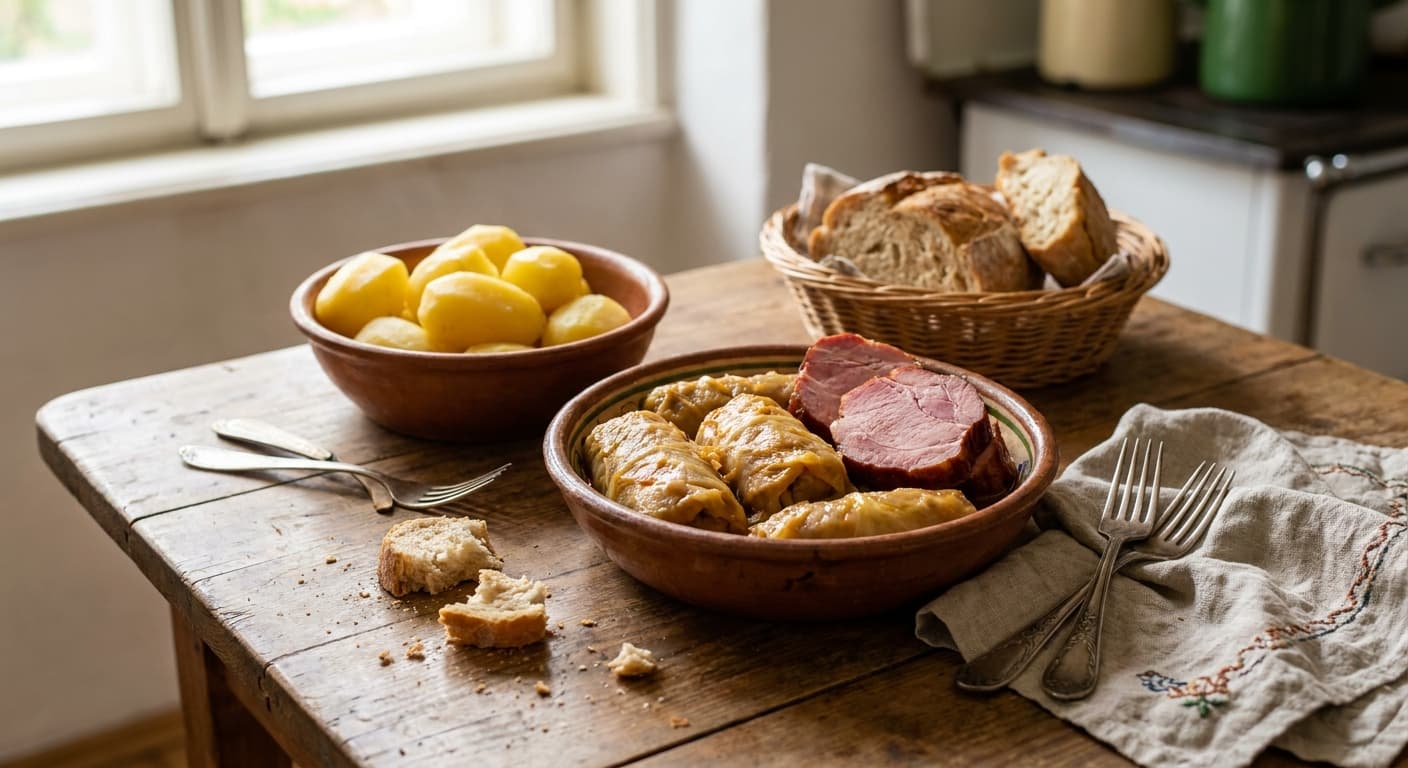
Sinj Stuffed Cabbage Rolls (Sinjski arambaši) — Hand-Chopped Meat in Sour Cabbage
Croatian · Main Courses · 245 min
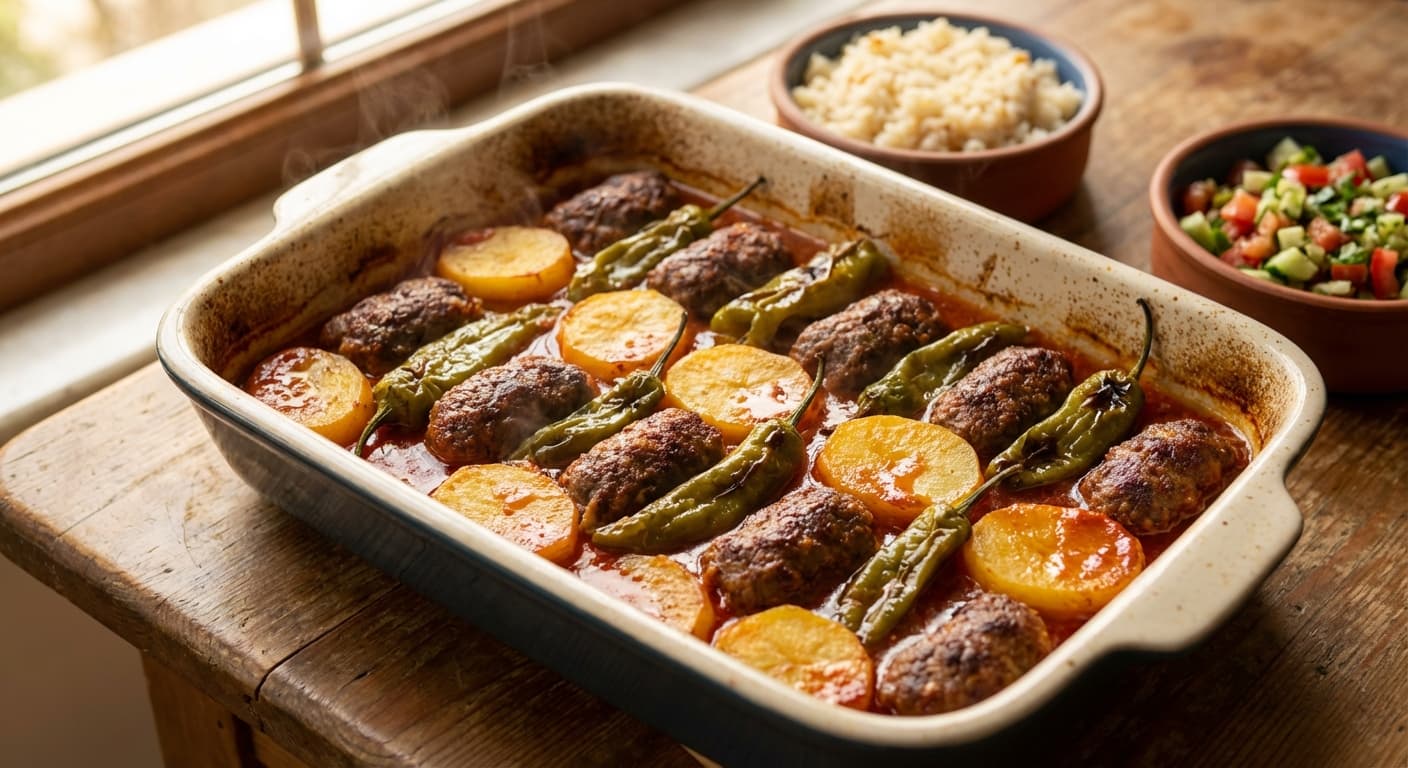
Izmir Kofte (İzmir Köfte) — Oven-Baked Meatballs with Tomato Sauce and Potatoes
Turkish · Main Courses · 70 min
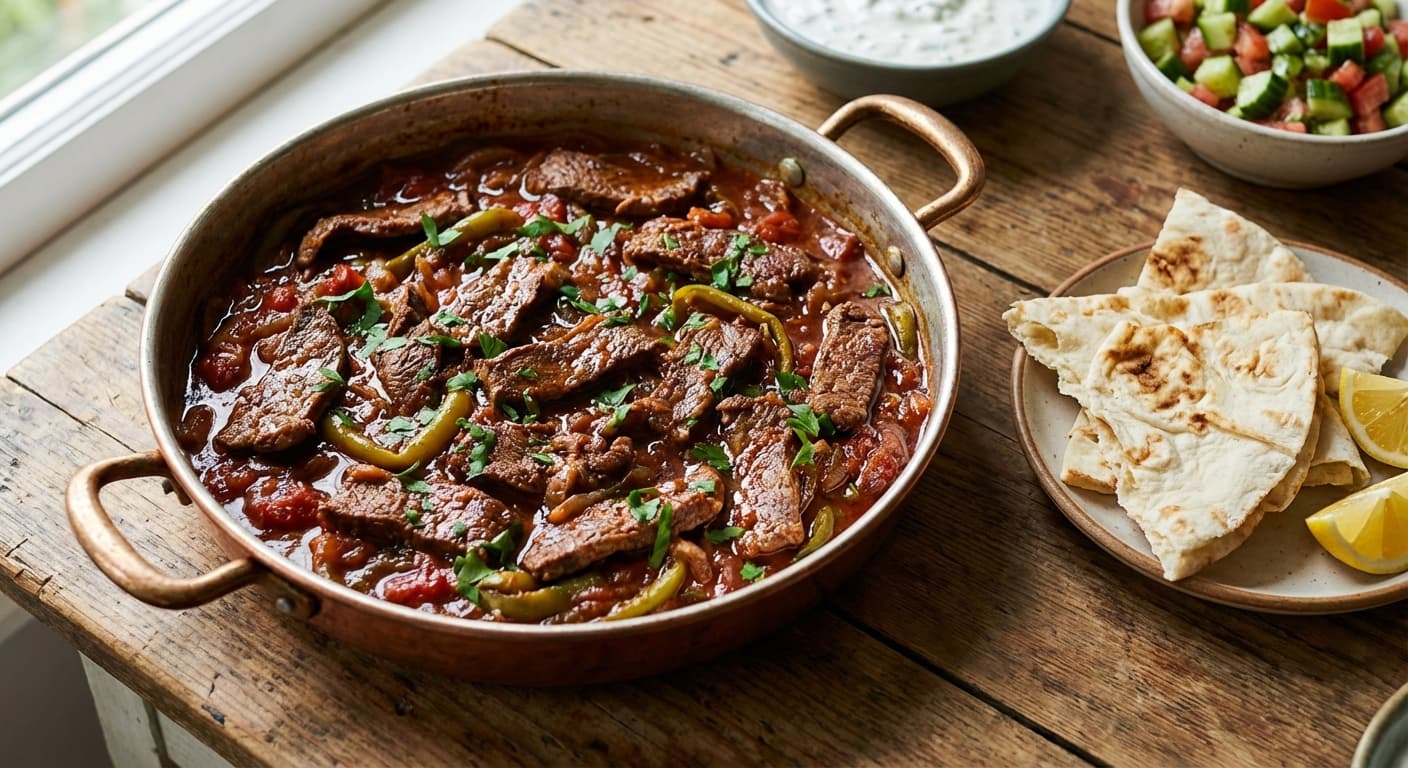
Sac Kavurma (Saç Kavurma) — Thin-Sliced Turkish Meat Sautéed with Onions
Turkish · Main Courses · 38 min
Khashil (Xəşil) — Azerbaijani wheat porridge with butter and grape molasses
Azerbaijani · Main Courses · 65 min
Reviews
Cooked this recipe?
Tap the stars to rate it — that's all it takes. A few words are welcome but optional.
No ratings yet. Cooked this one? Be the first to rate it — it takes one tap.