Traditional Persian Kateh (کته) — Everyday Caspian-Style Absorption Rice
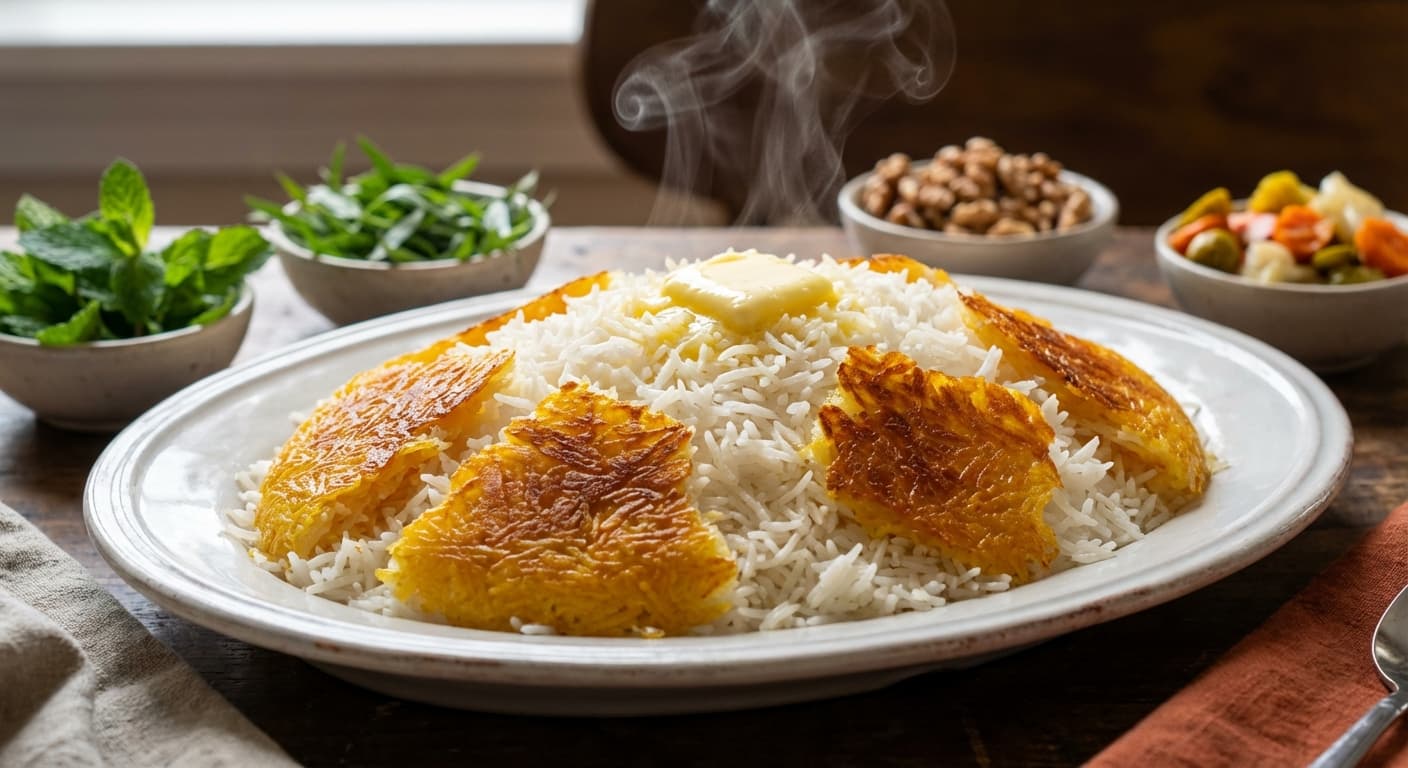
Kateh is Northern Iran’s beloved everyday rice, cooked by absorption for a soft, comforting texture and a lightly crisp bottom. It’s simpler than chelow yet deeply satisfying, especially with butter and saffron.
Printable Recipe Card
Servings: 4 · Total: 55 min · Difficulty: easy
Ingredients (quick list)
- 300 g Basmati rice (or long-grain rice) (about 1.5 cups)
- 600 ml Water (2:1 water-to-rice by volume for a tender kateh)
- 6 g Fine sea salt (about 1 tsp)
- 30 g Unsalted butter (or substitute 30 ml neutral oil)
- 15 ml Neutral oil (optional, for a more reliable crust) (about 1 tbsp; use with or instead of part of the butter)
Steps (summary)
- Rinse the rice in a bowl with cold water, swirling gently, then drain; repeat 4 times until the water is mostly clear. This rem…
- Add the rinsed rice to a medium nonstick or heavy pot and pour in 600 ml water. Stir in the salt and let the rice sit for 10 mi…
- Set the pot over medium-high heat and bring it to a lively simmer, stirring 2 or 3 times to prevent sticking on the bottom. Con…
- Reduce the heat to low and add the butter (and the optional oil if using), then gently fold once to distribute the fat without…
- Cover the lid with a clean kitchen towel and place it tightly on the pot to catch condensation. Steam on very low heat for 30 m…
- Turn off the heat and rest the pot, covered, for 5 minutes to let the steam redistribute and set the texture. Fluff the top gen…
Cultural Background
In Northern Iran, kateh is the daily rice—prized for its simplicity and comforting softness, often cooked without draining. It’s a practical, home-style method that pairs naturally with herb-forward stews and pickles common to the Caspian table.
Equipment
💡 Tips
- For a softer, more traditional Caspian-style kateh, keep the water at 600 ml; for slightly more separate grains, reduce water to 540 ml.
- A heavy-bottomed pot and very low heat are the easiest way to avoid scorching while still getting a crisp bottom.
- If your lid is loose, seal the rim with a folded towel under the lid to trap steam and prevent the rice from drying out.
⚠️ Common Mistakes
❌ Rice turns mushy and clumps together.
✅ Fix: Rinse 4 times and keep the simmer uncovered only until the water is just below the rice surface; reduce water by 60 ml next time if your rice is very absorbent.
❌ Bottom burns before the rice steams through.
✅ Fix: Use a heavier pot and lower the heat; add 15 ml oil with the butter and make sure the lid is tightly covered with a towel to trap steam.
❌ Rice is undercooked in the center.
✅ Fix: Rest the rinsed rice in salted water for 10 minutes before cooking and steam 5–10 minutes longer on very low heat.
🧊 How to Store
Cool leftovers within 1 hour, then refrigerate in an airtight container for up to 3 days. Reheat with 30 ml water in a covered pan over low heat for 8–10 minutes, or microwave covered for 2–3 minutes; add 5 g butter to refresh aroma.
📅 Make Ahead
Rinse and drain the rice up to 6 hours ahead, then keep it covered in the refrigerator. Measure water and salt in advance; cook fresh for best texture, but leftovers reheat well with a splash of water.
🍽️ Pairs Well With
- Khoresh-e fesenjan
- ghormeh sabzi
- torshi
- mast-o-khiar
- grilled tomatoes
- fresh herbs (sabzi khordan).
Regional Variations
- Gilan-style kateh often leans softer and is served with smoked fish, olives, and garlic-heavy sides.
- Some households add 1 tbsp bloomed saffron water (15 ml) near the end for aroma and color, especially when serving guests.
Ingredients
- 300 gBasmati rice (or long-grain rice) (about 1.5 cups)
- 600 mlWater (2:1 water-to-rice by volume for a tender kateh)
- 6 gFine sea salt (about 1 tsp)
- 30 gUnsalted butter (or substitute 30 ml neutral oil)
- 15 mlNeutral oil (optional, for a more reliable crust) (about 1 tbsp; use with or instead of part of the butter)
🔄 Substitutions
- Unsalted butter→ Neutral oil (sunflower or grapeseed)
- Basmati rice→ Other long-grain rice
Instructions
- 1
Rinse the rice in a bowl with cold water, swirling gently, then drain; repeat 4 times until the water is mostly clear. This removes excess surface starch so the grains cook tender without turning gummy.
- 2
Add the rinsed rice to a medium nonstick or heavy pot and pour in 600 ml water. Stir in the salt and let the rice sit for 10 minutes to hydrate evenly, which helps the center of each grain cook through without breaking.
- 3
Set the pot over medium-high heat and bring it to a lively simmer, stirring 2 or 3 times to prevent sticking on the bottom. Continue simmering uncovered for 8–10 minutes, until the water level drops to just below the surface of the rice and small steam holes begin to appear.
- 4
Reduce the heat to low and add the butter (and the optional oil if using), then gently fold once to distribute the fat without smashing the grains. Use the back of a spoon to mound the rice slightly toward the center, which encourages even steaming and a better tahdig-like crust.
- 5
Cover the lid with a clean kitchen towel and place it tightly on the pot to catch condensation. Steam on very low heat for 30 minutes; during this time the rice finishes by absorption and the bottom develops a light golden crust.
- 6
Turn off the heat and rest the pot, covered, for 5 minutes to let the steam redistribute and set the texture. Fluff the top gently with a fork, then spoon out the rice; if you want the crust, loosen the edges with a spatula and lift out the bottom layer in pieces.
🪪 Recipe Passport
Cultural Background
In Northern Iran, kateh is the daily rice—prized for its simplicity and comforting softness, often cooked without draining. It’s a practical, home-style method that pairs naturally with herb-forward stews and pickles common to the Caspian table.
Regional Variations
Researched from multiple sources and validated by the Zaffaron editorial team. Every recipe is tested for accuracy, measurements, and cultural authenticity.
Nutrition per serving
Pairs well with
If you enjoyed this recipe, here are a few related Zaffaron recipes to try next.
Does your family make this differently?
Every family has their own version. Maybe your grandmother adds a secret ingredient, or your aunt has a completely different technique. Preserve your family's version — with their name on it, forever.
You Might Also Like
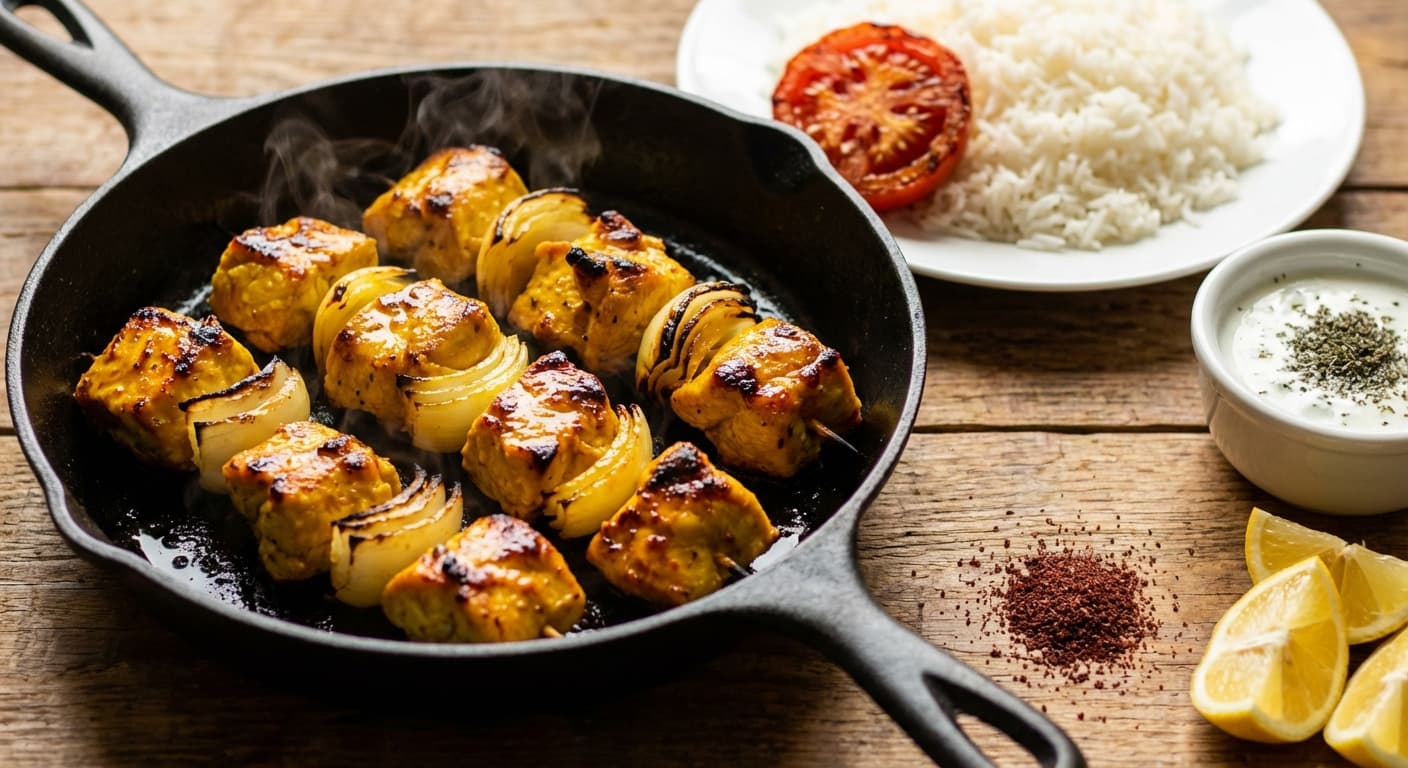
Pan-Seared Joojeh Kebab (جوجه کباب تابهای) — Persian Saffron Skillet Chicken
Persian · Kebabs · 34 min
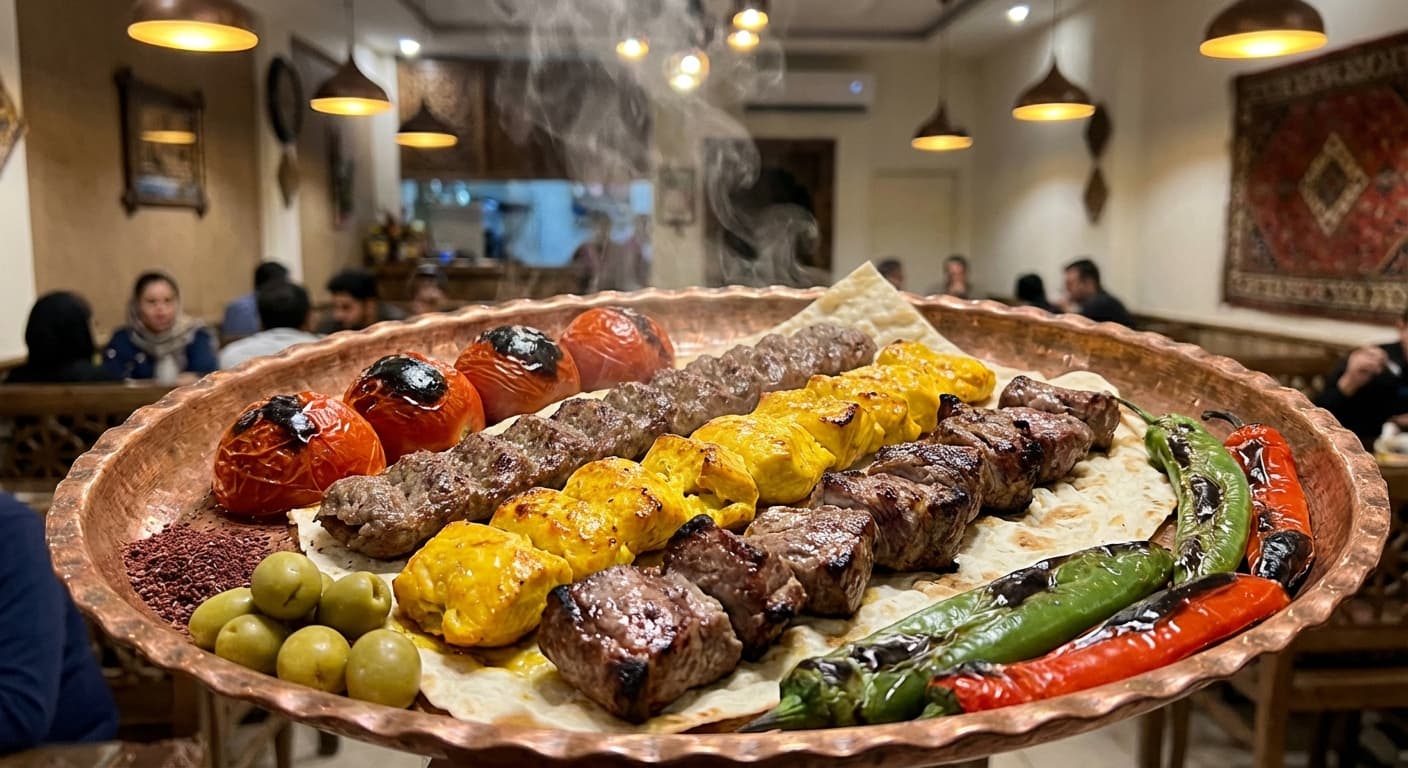
Kabab Vijeh (کباب ویژه) — Royal Persian Mixed Grill Platter
Persian · Kebabs · 70 min
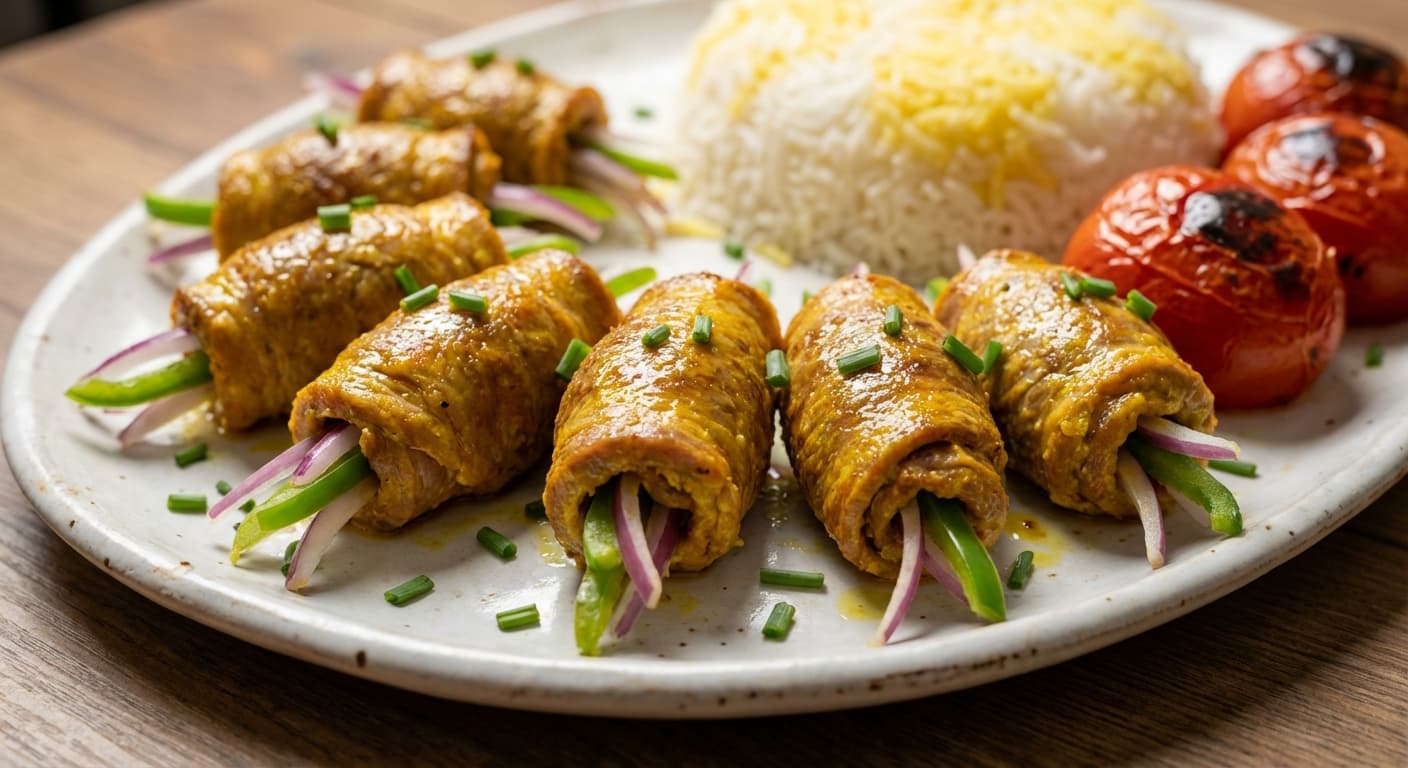
Bulgar Kabab (کباب بلغار) — Persian Rolled Saffron Fillets
Persian · Kebabs · 37 min
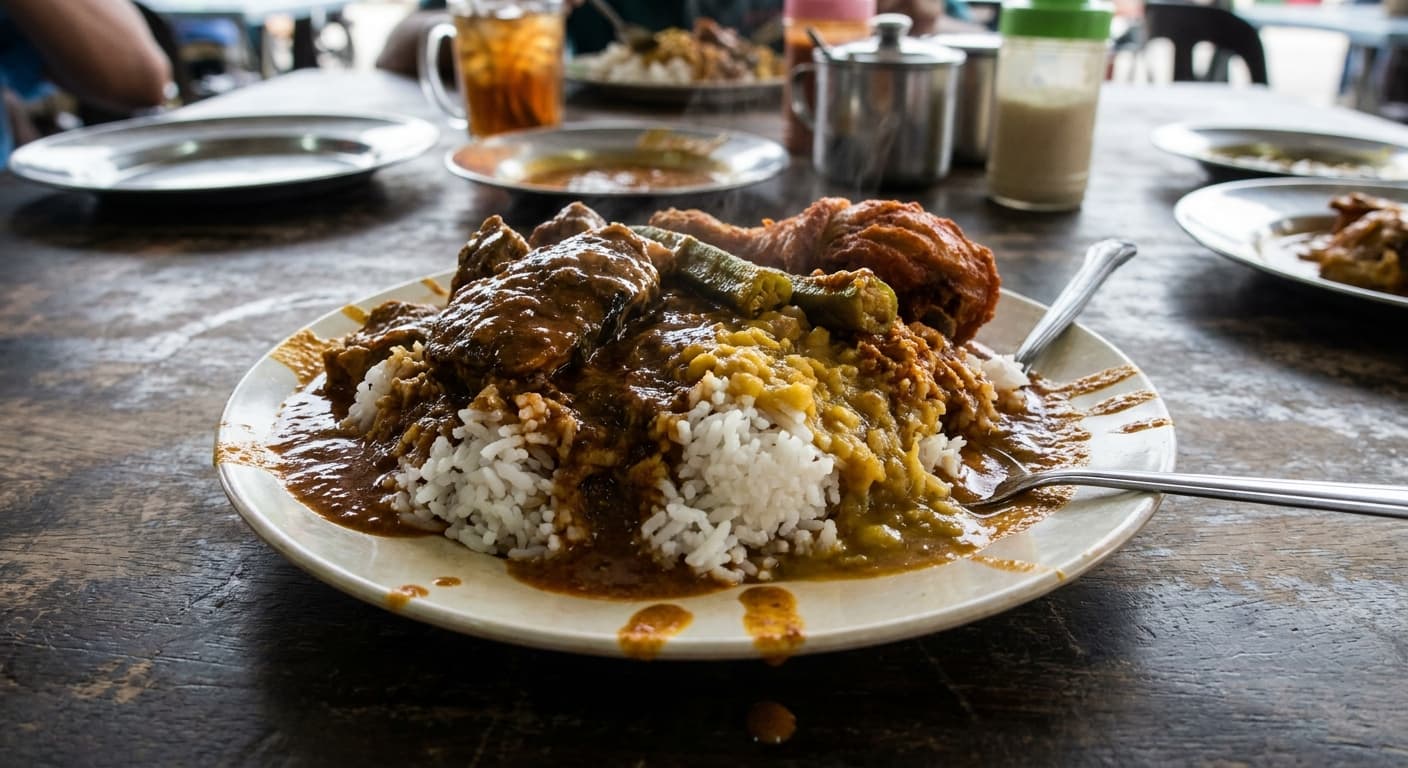
Nasi Kandar (Nasi Kandar) — Penang Mamak Curry Rice Plate
Malaysian · Rice Dishes · 110 min
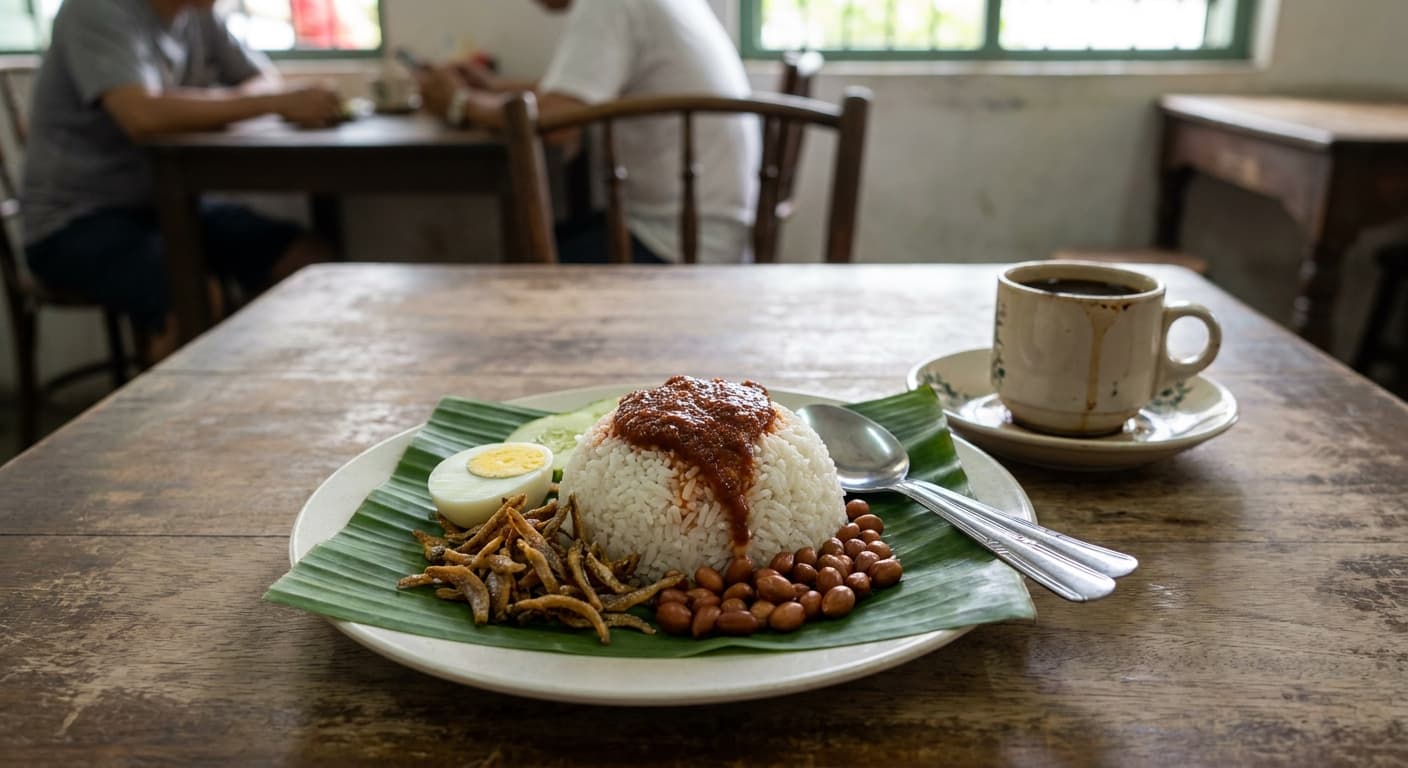
Nasi Lemak (Nasi Lemak) — Coconut Rice with Sambal and Classic Garnishes
Malaysian · Rice Dishes · 90 min
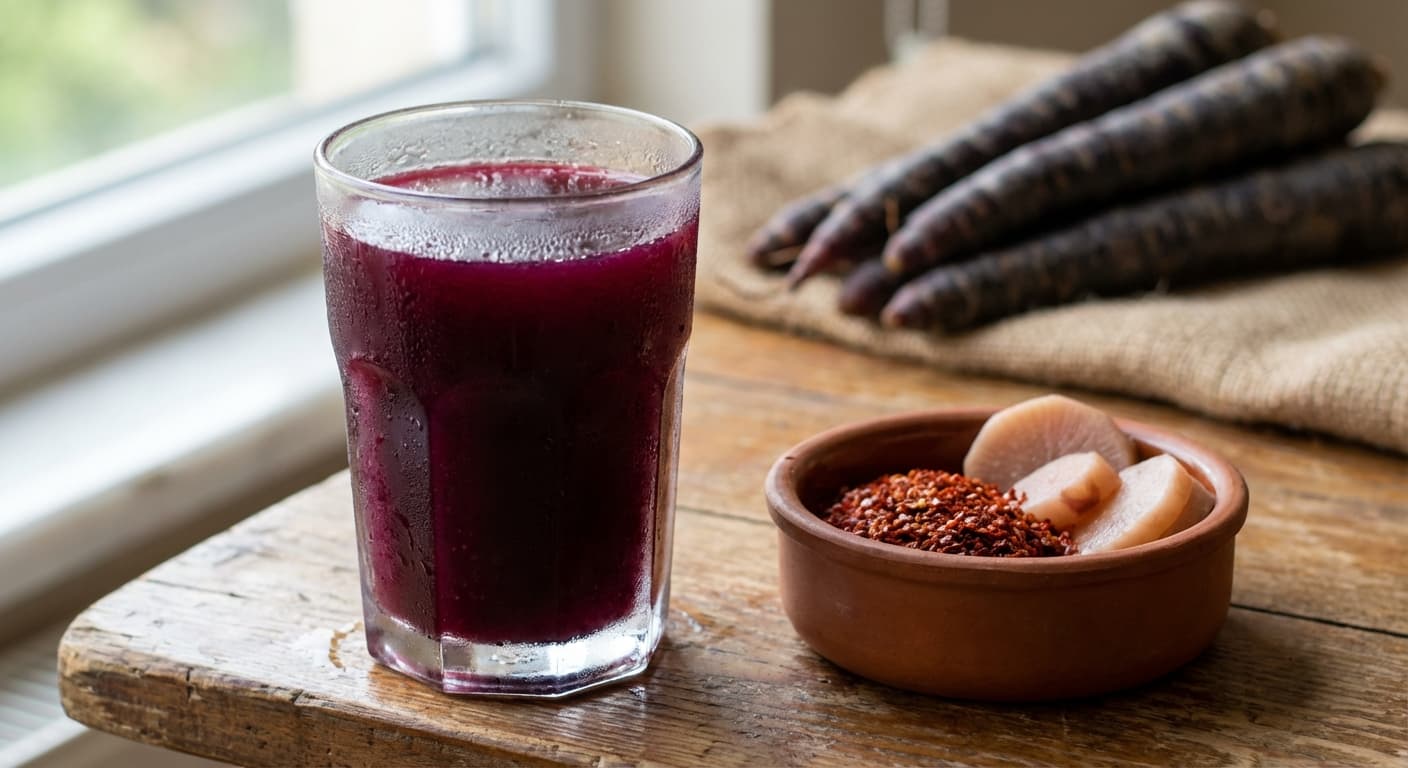
Salgam Juice (Şalgam) — Spicy, tangy fermented black-carrot drink
Turkish · Drinks · 25 min
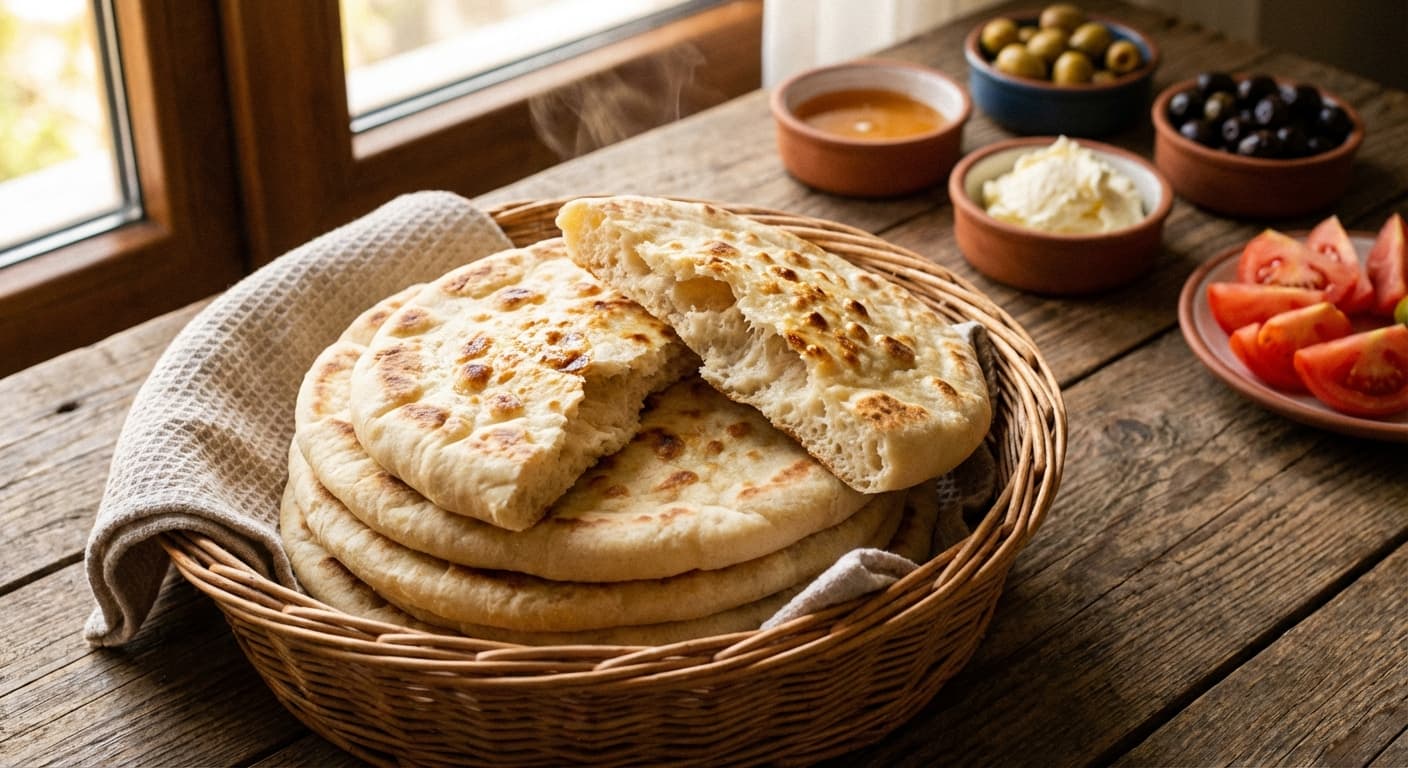
Bazlama (بازلاما) — Puffy Turkish Village Flatbread Cooked on a Saj
Turkish · Breads · 38 min
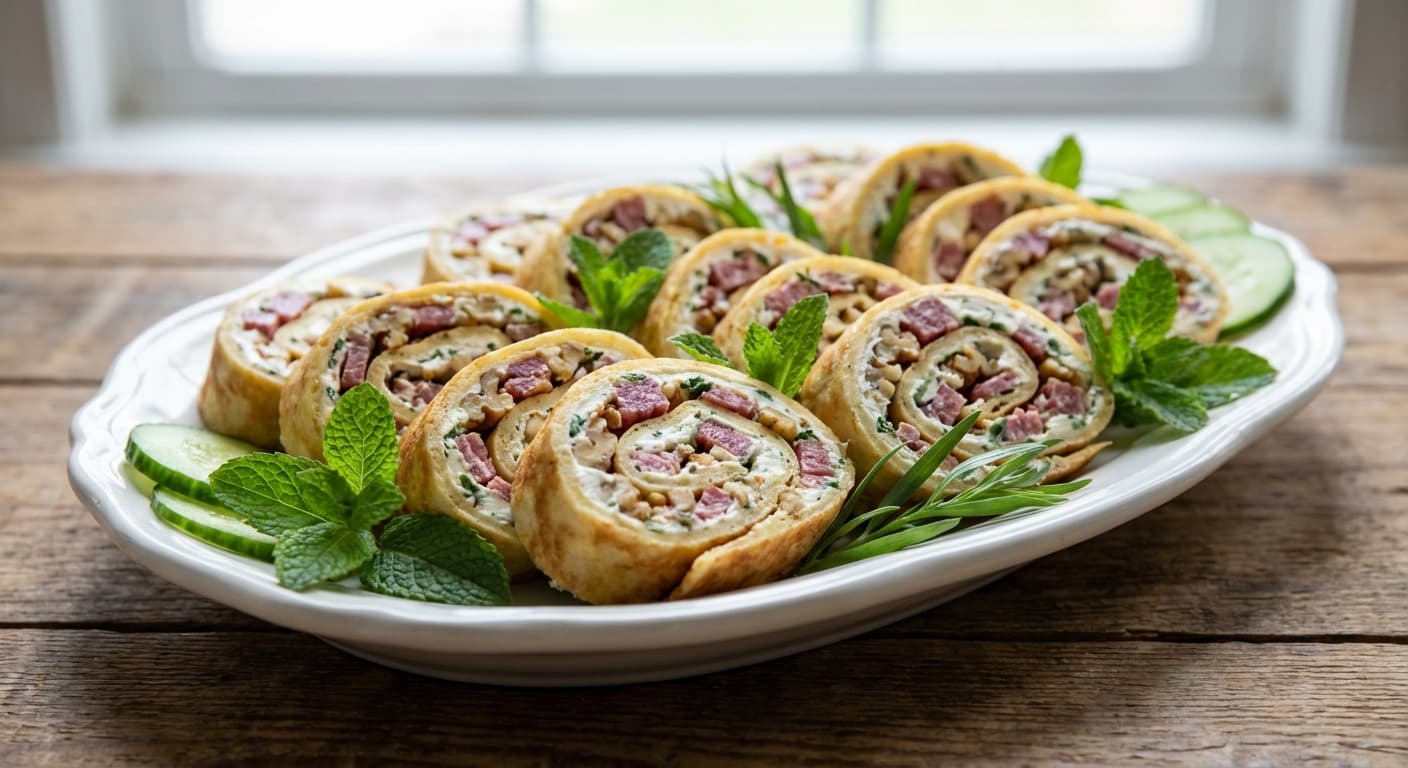
Roulat Panir (رولت پنیر) — Persian Savory Cheese & Walnut Crepe Rolls
Persian · Appetizers · 80 min
Reviews
Cooked this recipe?
Tap the stars to rate it — that's all it takes. A few words are welcome but optional.
No ratings yet. Cooked this one? Be the first to rate it — it takes one tap.