Asareh Mahi (عصاره ماهی) — Persian Fish Stock
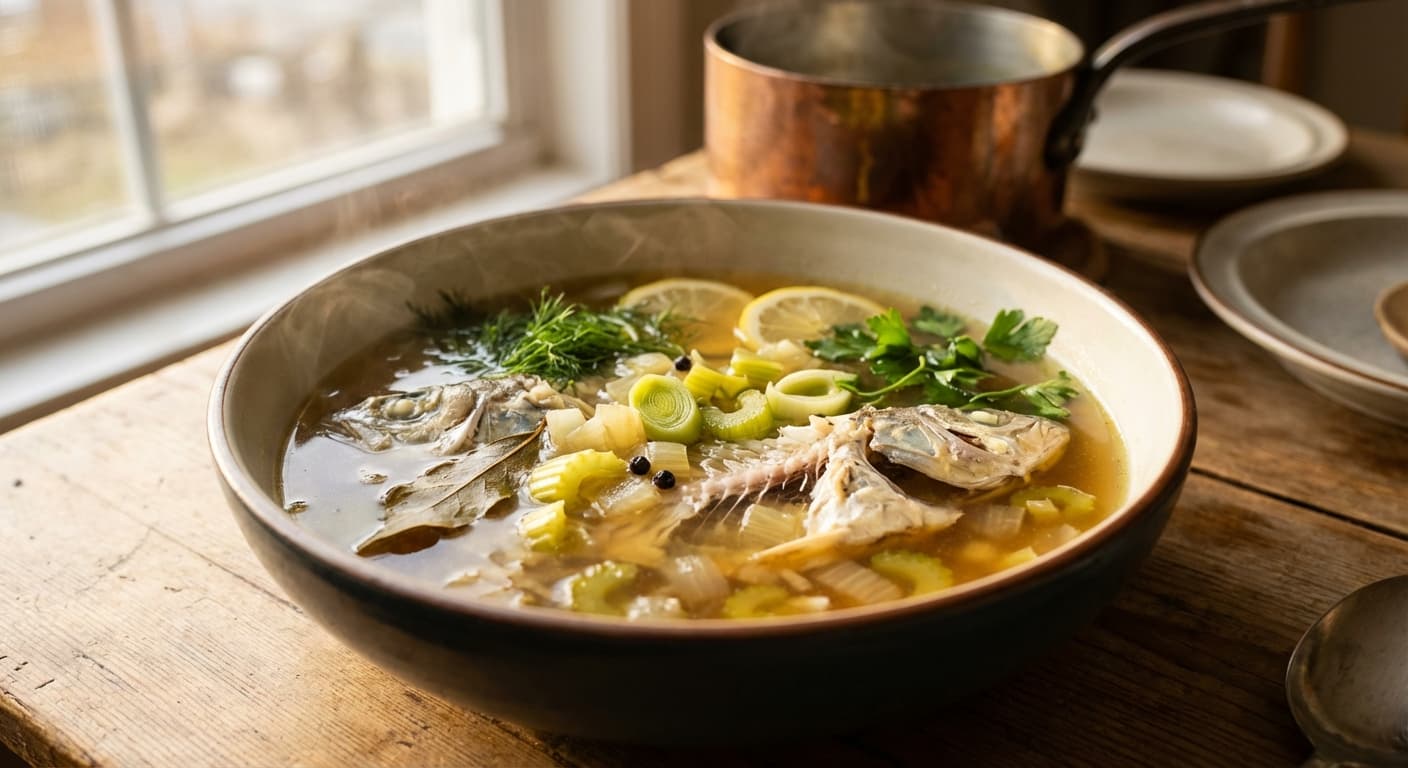
A clear, aromatic Persian coastal fish stock made with mild white fish, onion, celery, leek, bay leaf, peppercorns, and fresh lemon. Clean, umami-rich, and ideal for seafood stews and rice dishes.
Printable Recipe Card
Servings: 8 · Total: 75 min · Difficulty: easy
Ingredients (quick list)
- 1200 g White fish heads and frames (bones) (from mild white fish such as cod, haddock, or grouper; gills removed; rinsed well)
- 2500 ml Cold water (plus extra as needed to keep bones submerged)
- 200 g Yellow onion (1 medium, sliced 5 mm thick)
- 120 g Celery (2 stalks, sliced 1 cm; include leaves if available)
- 120 g Leek (white and light-green parts only, split lengthwise and rinsed; sliced 1 cm)
- 1.5 tsp Whole black peppercorns (about 6 g)
- 2 leaf Dried bay leaf (whole)
- 1.5 tsp Sea salt (about 9 g; add gradually, then adjust after straining)
- 45 ml Fresh lemon juice (3 tbsp, added off-heat to keep the stock bright)
Steps (summary)
- Prepare the fish base: remove and discard any gills from the fish heads (they can make the stock bitter). Rinse heads and frame…
- Build the pot: place the fish bones in a large heavy pot (at least 5 liters). Add the cold water (2,500 ml), then add onion, ce…
- Bring up slowly: set the pot over medium heat and warm gradually for 20–25 minutes until you see small bubbles around the edges…
- Season and simmer: add peppercorns, bay leaves, and sea salt. Reduce heat to low and maintain a bare simmer (tiny bubbles, no r…
- Strain carefully: turn off the heat and rest the pot 10 minutes so particles settle. Strain through a fine-mesh sieve into a cl…
- Finish and cool safely: while still warm (not boiling), stir in the fresh lemon juice. Taste and adjust salt in 1/4 tsp increme…
Cultural Background
Fish stock is a practical foundation in southern Iranian coastal kitchens, where seafood is often paired with bright citrus and gentle aromatics. This clear broth is commonly used to build layered flavor in seafood stews and rice dishes, providing depth without heaviness.
Equipment
💡 Tips
- For the cleanest flavor, use very fresh mild white fish; strong oily fish can overpower the stock.
- Never let fish stock boil; boiling emulsifies fats and proteins, turning the broth cloudy and fishy.
- If you want deeper body without heaviness, simmer 10 minutes longer but keep the temperature below a boil.
- Add lemon juice off-heat; high heat can dull citrus aroma and add bitterness.
- If you plan to reduce the stock later, season lightly now and adjust salt after reduction.
⚠️ Common Mistakes
❌ Letting the stock boil vigorously
💡 Why: Boiling breaks bones and emulsifies proteins and fats, making the stock cloudy and stronger-smelling.
✅ Fix: Heat slowly and keep a bare simmer around 85–90°C / 185–194°F; reduce heat immediately if bubbles become active.
❌ Not removing gills or rinsing away blood
💡 Why: Gills and residual blood can add bitterness and muddy flavors.
✅ Fix: Trim out gills completely and rinse thoroughly under cold water before starting.
❌ Pressing solids while straining
💡 Why: Pressing forces fine sediment into the liquid, dulling clarity and creating a gritty mouthfeel.
✅ Fix: Strain gently and let gravity do the work; use cheesecloth if you want a clearer result.
❌ Adding lemon juice while boiling
💡 Why: High heat can mute citrus aroma and introduce a slightly bitter edge.
✅ Fix: Stir in lemon juice off-heat or once the stock is below a simmer.
🧊 How to Store
Refrigerate in a sealed container for up to 3 days. For longer storage, freeze in 250–500 ml portions for up to 3 months. Thaw overnight in the refrigerator and reheat gently to a bare simmer; avoid boiling to preserve clarity and aroma.
📅 Make Ahead
Make up to 3 days ahead and refrigerate, or freeze up to 3 months. For best aroma, add the lemon juice after thawing and reheating to a bare simmer, rather than before freezing.
🍽️ Pairs Well With
- Persian seafood stew made with herbs and tamarind
- Rice dishes that benefit from a light seafood broth
- Noodle soups or vegetable soups needing clean umami
Regional Variations
- Persian Gulf coast (southern Iran)Often finished with a brighter citrus profile and used as a base for herb-forward seafood stews; cooks may keep the stock very light to avoid overpowering tamarind or herbs in the final dish.
- Caspian Sea region (northern Iran)Fish broths may be made slightly richer with more vegetables and sometimes finished with a touch of souring agent; the stock is commonly paired with local fish and used in lighter soups.
Ingredients
- 1200 gWhite fish heads and frames (bones) (from mild white fish such as cod, haddock, or grouper; gills removed; rinsed well)
- 2500 mlCold water (plus extra as needed to keep bones submerged)
- 200 gYellow onion (1 medium, sliced 5 mm thick)
- 120 gCelery (2 stalks, sliced 1 cm; include leaves if available)
- 120 gLeek (white and light-green parts only, split lengthwise and rinsed; sliced 1 cm)
- 1.5 tspWhole black peppercorns (about 6 g)
- 2 leafDried bay leaf (whole)
- 1.5 tspSea salt (about 9 g; add gradually, then adjust after straining)
- 45 mlFresh lemon juice (3 tbsp, added off-heat to keep the stock bright)
🔄 Substitutions
- White fish heads and frames (bones)→ Whole white fish fillets plus 1 sheet kombu (10 g)
- Leek→ Green onions (scallions), 6 stalks (about 90 g)
- Fresh lemon juice→ Lime juice, 30 ml
Instructions
- 1
Prepare the fish base: remove and discard any gills from the fish heads (they can make the stock bitter). Rinse heads and frames under cold running water for 1–2 minutes, rubbing away any blood spots. Drain well. Keep everything cold; starting cold helps the stock stay clear and clean-tasting.
- 2
Build the pot: place the fish bones in a large heavy pot (at least 5 liters). Add the cold water (2,500 ml), then add onion, celery, and leek. Let the pot stand 10 minutes before heating; this short cold soak helps draw out soluble proteins gently, which improves flavor without clouding the broth.
- 3
Bring up slowly: set the pot over medium heat and warm gradually for 20–25 minutes until you see small bubbles around the edges (target 85–90°C / 185–194°F). Do not boil. As foam rises, skim with a spoon every 2–3 minutes for about 10 minutes to keep the stock clear.
- 4
Season and simmer: add peppercorns, bay leaves, and sea salt. Reduce heat to low and maintain a bare simmer (tiny bubbles, no rolling boil) for 30 minutes. Keep the fish bones submerged; add 100–200 ml cold water if needed. Avoid stirring, which can break bones and cloud the stock.
- 5
Strain carefully: turn off the heat and rest the pot 10 minutes so particles settle. Strain through a fine-mesh sieve into a clean bowl; for extra clarity, line the sieve with a damp cheesecloth. Do not press on solids. Discard solids and bay leaves; pressing forces sediment into the stock.
- 6
Finish and cool safely: while still warm (not boiling), stir in the fresh lemon juice. Taste and adjust salt in 1/4 tsp increments. Cool quickly by placing the bowl in an ice bath and stirring for 5–8 minutes, then refrigerate uncovered until cold (within 2 hours) before covering.
🪪 Recipe Passport
Cultural Background
Fish stock is a practical foundation in southern Iranian coastal kitchens, where seafood is often paired with bright citrus and gentle aromatics. This clear broth is commonly used to build layered flavor in seafood stews and rice dishes, providing depth without heaviness.
Regional Variations
Researched from multiple sources and validated by the Zaffaron editorial team. Every recipe is tested for accuracy, measurements, and cultural authenticity.
Nutrition per serving
Pairs well with
If you enjoyed this recipe, here are a few related Zaffaron recipes to try next.
- Black-Eyed Pea Rice with Mini Meatballs (پلو چشم بلبلی با کوفته ریزه) — Saffron rice layered with peas and spiced meatballs
- Ash-e Eskatlandi (آش اسکاتلندی) — Persian-Style Scottish Beef & Barley Soup
- Astarayi Tareh (آستارایی تره) — Caspian Herb and Feta Flatbread
- Baghali Polo (باقالی پلو) — Persian Dill and Broad Bean Rice with Saffron
Does your family make this differently?
Every family has their own version. Maybe your grandmother adds a secret ingredient, or your aunt has a completely different technique. Preserve your family's version — with their name on it, forever.
You Might Also Like
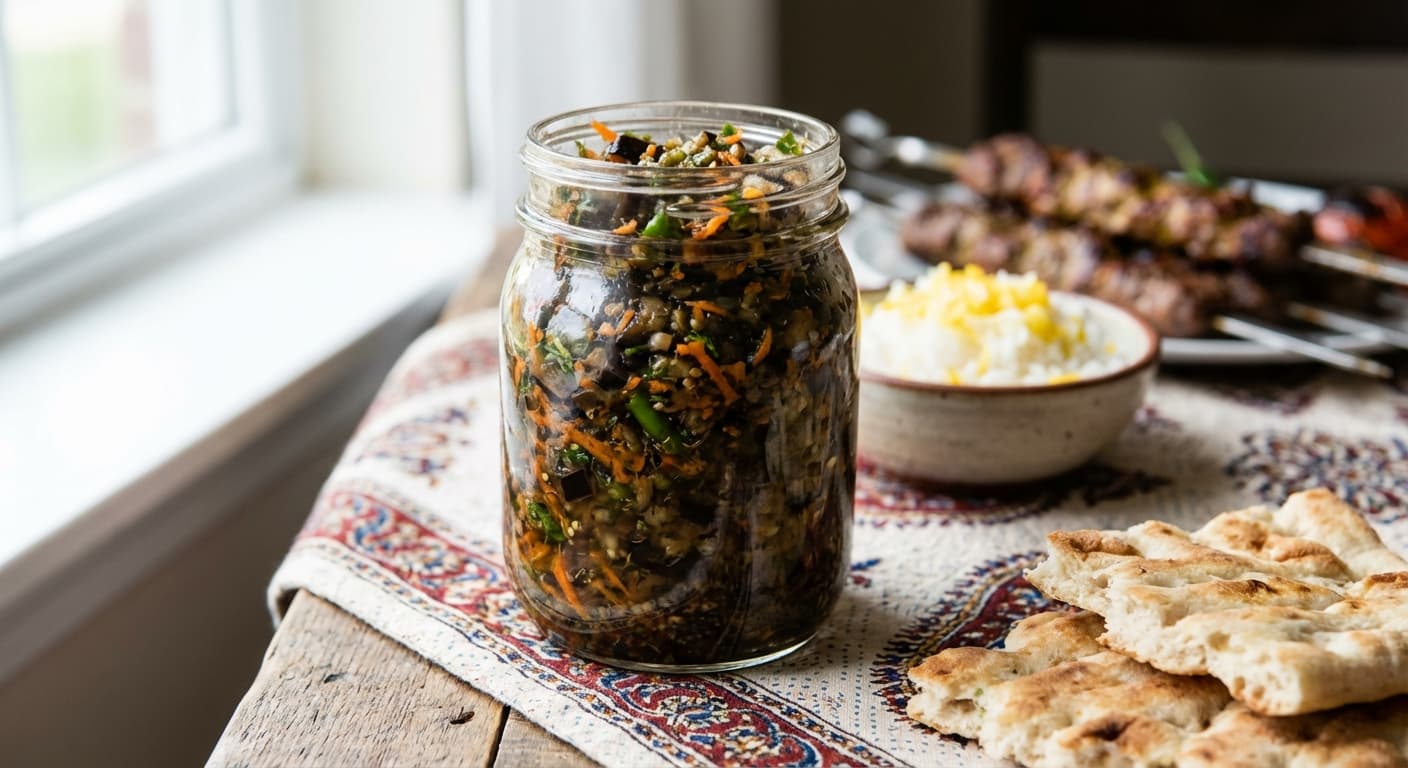
Persian Smoked Torshi Liteh (ترشی لیته) — Caspian-style smoky mixed vegetable pickle
Persian · Side Dishes · 60 min
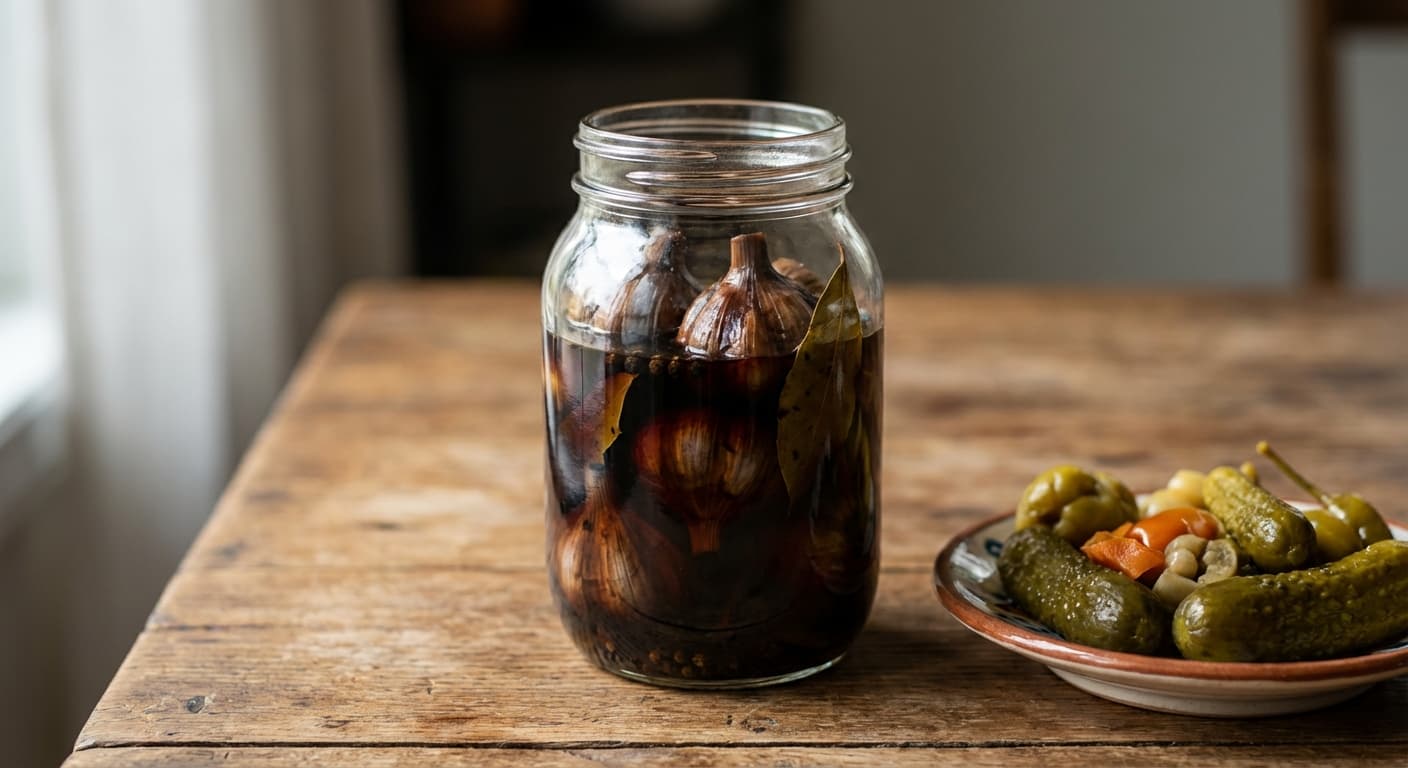
Aged Garlic Pickle (سیر ترشی) — Gilan’s seven-year-style black garlic torshi
Persian · Side Dishes · 45 min
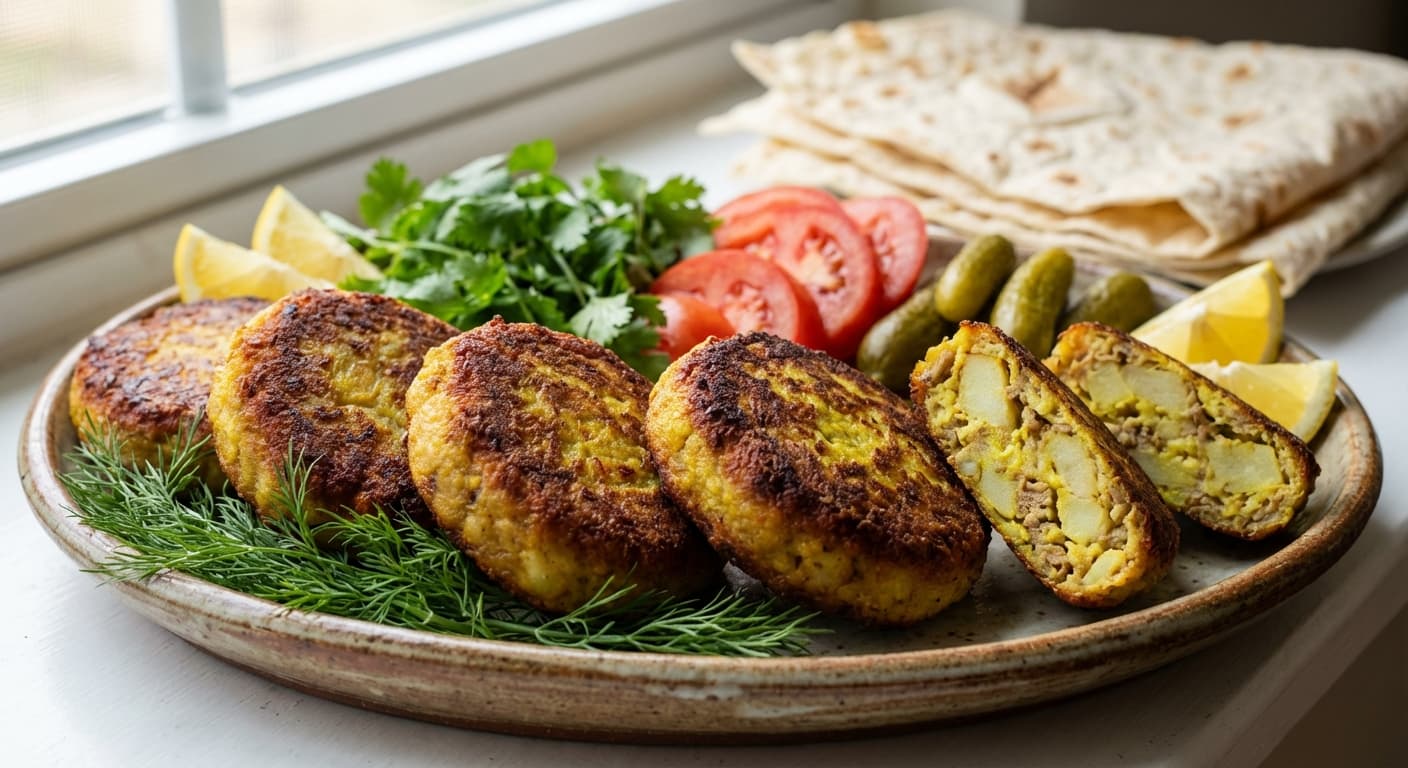
Persian Kotlet (کتلت) — Saffron-Infused Meat & Potato Patties
Persian · Main Courses · 55 min
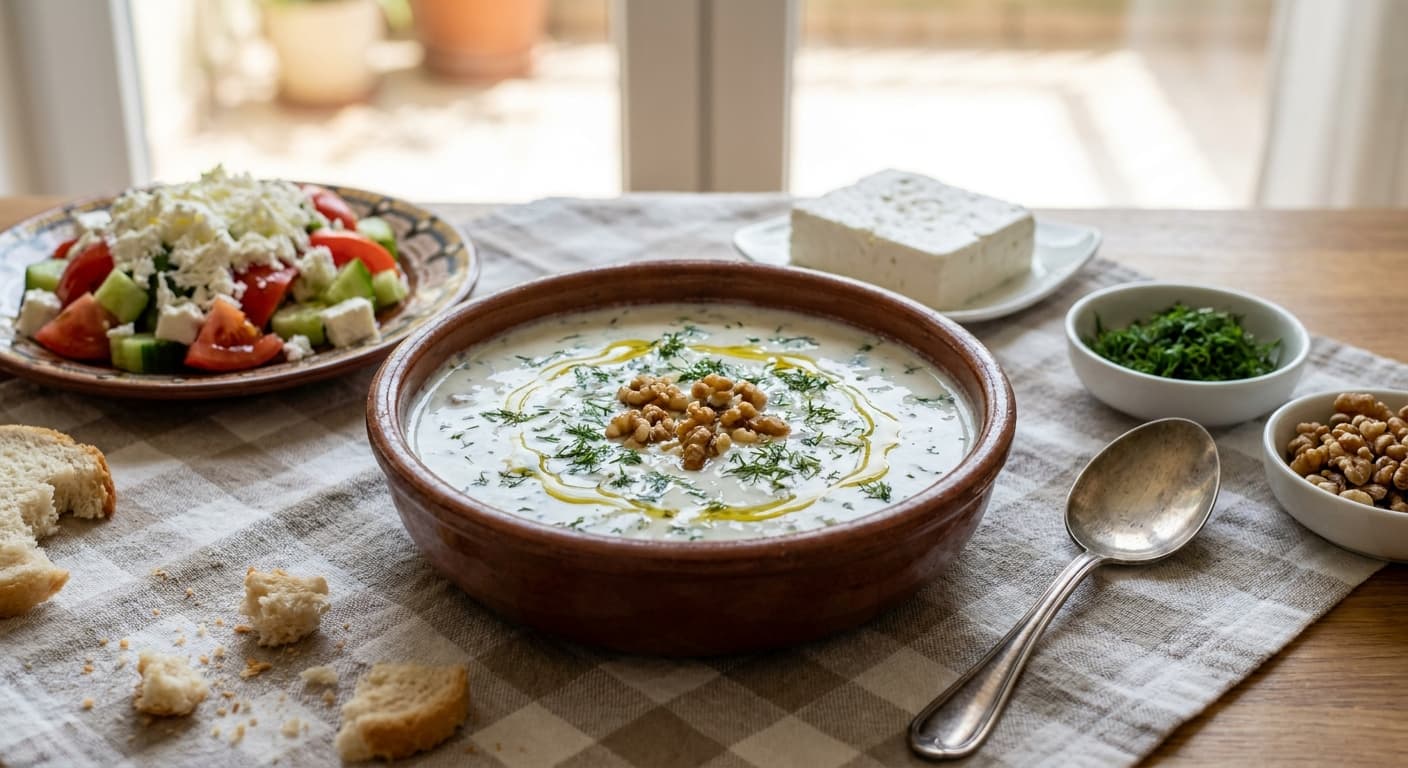
Bulgarian Tarator (Таратор) — Cold Yogurt Cucumber Soup
Bulgarian · Soups · 15 min
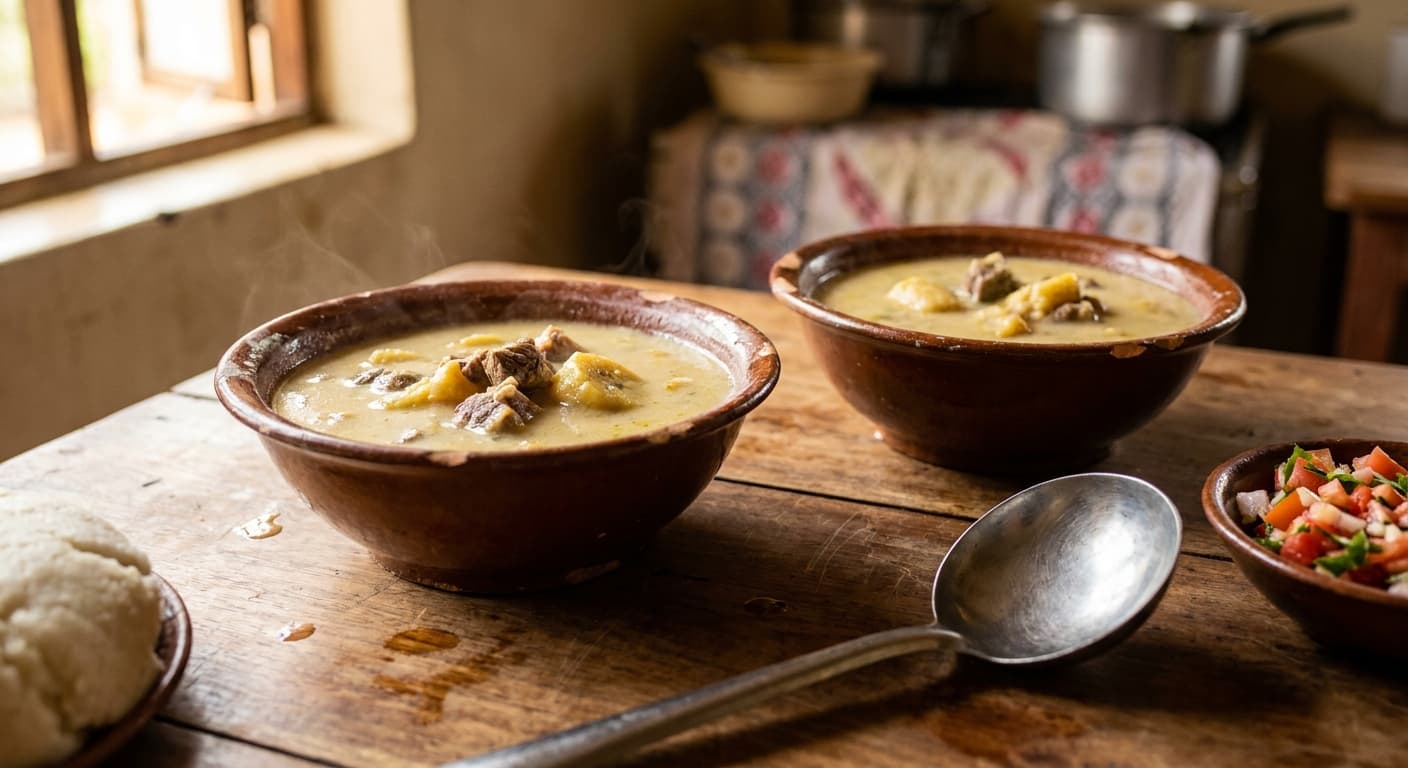
Mtori (Mtori) — Tanzanian Banana-Beef Soup
Tanzanian · Soups · 175 min
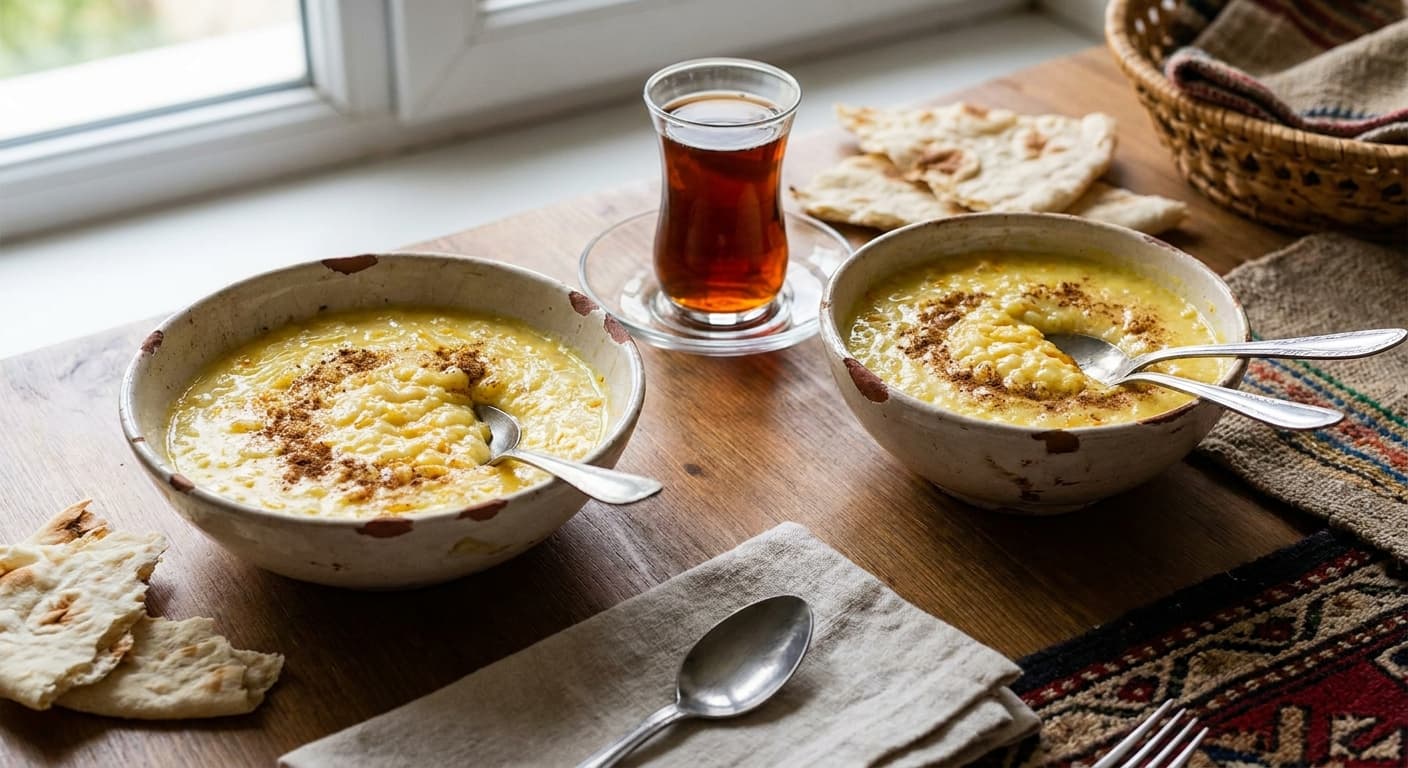
Azerbaijani Milk-Rice Porridge (Südlü Sıyıq) — Creamy Breakfast Rice with Saffron
Azerbaijani · Rice Dishes · 50 min
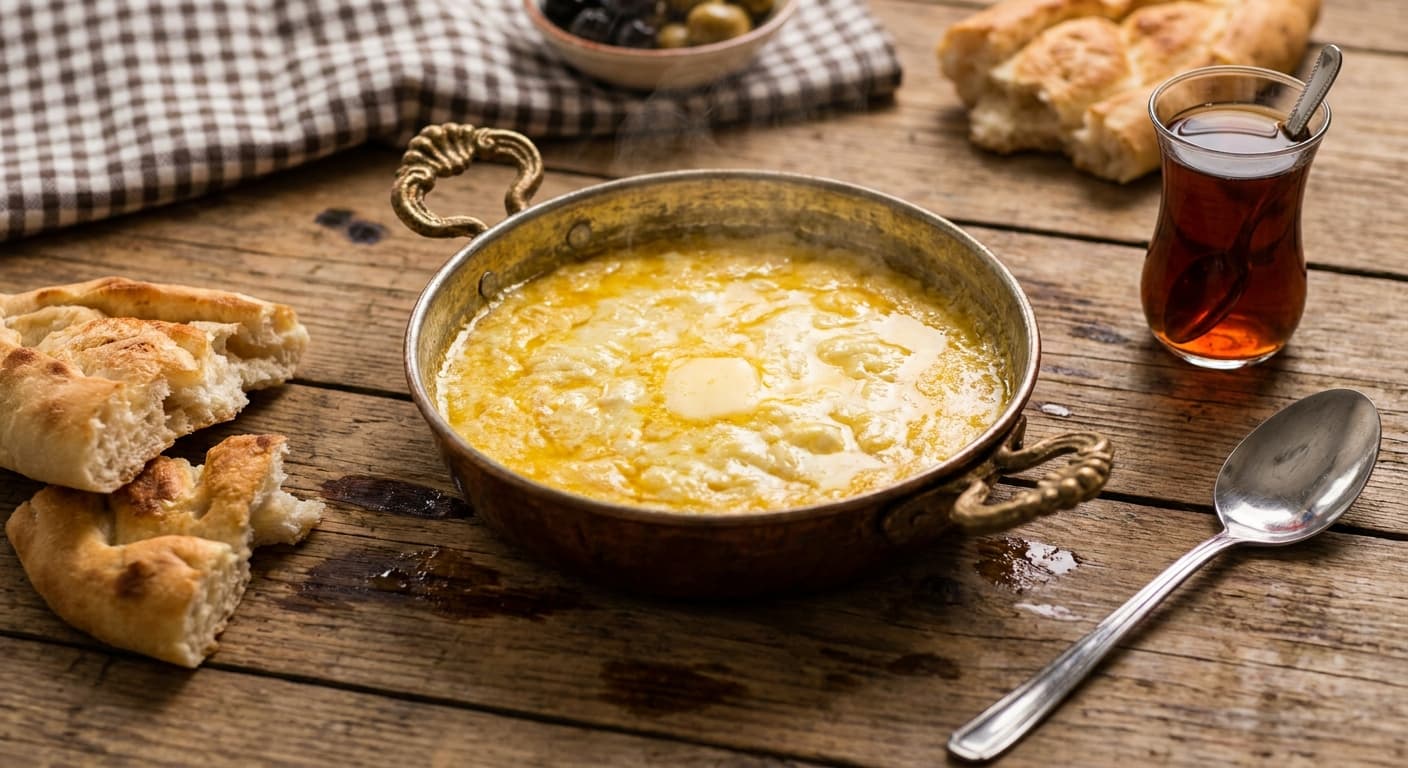
Mıhlama (Mıhlama) — Black Sea Cornmeal and Cheese Skillet
Turkish · Main Courses · 25 min
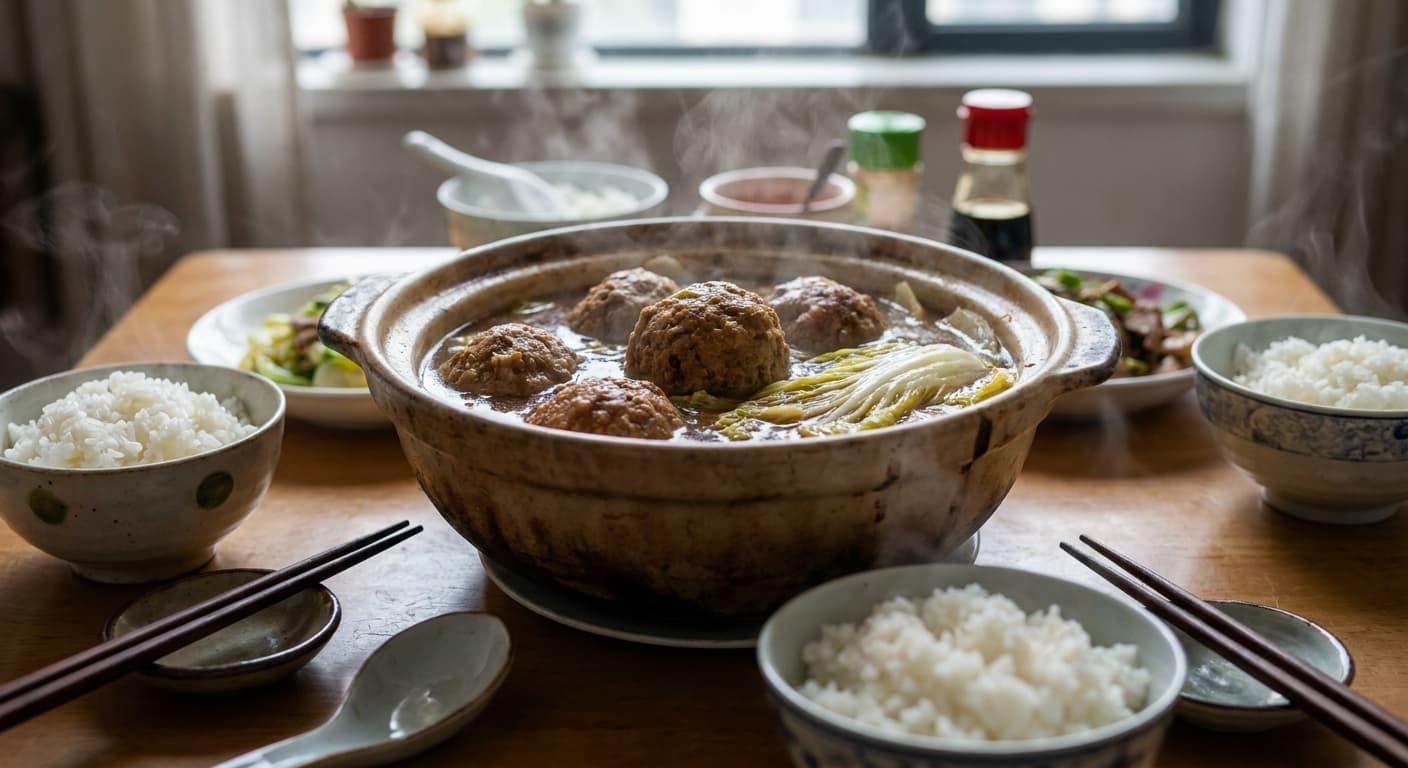
Lion's Head Meatballs (狮子头) — Braised Huaiyang Pork Meatballs
Chinese · Main Courses · 110 min
Reviews
Cooked this recipe?
Tap the stars to rate it — that's all it takes. A few words are welcome but optional.
No ratings yet. Cooked this one? Be the first to rate it — it takes one tap.