Baghali Ghatogh (باقالی قاتق) — Gilani Fava Bean & Dill Stew
Baghali Ghatogh is a classic Northern Iranian stew of tender fava beans simmered with garlic, turmeric, and dill, then finished with gently poached eggs. Creamy, aromatic, and comforting, it’s traditionally enjoyed with rice and smoked fish.
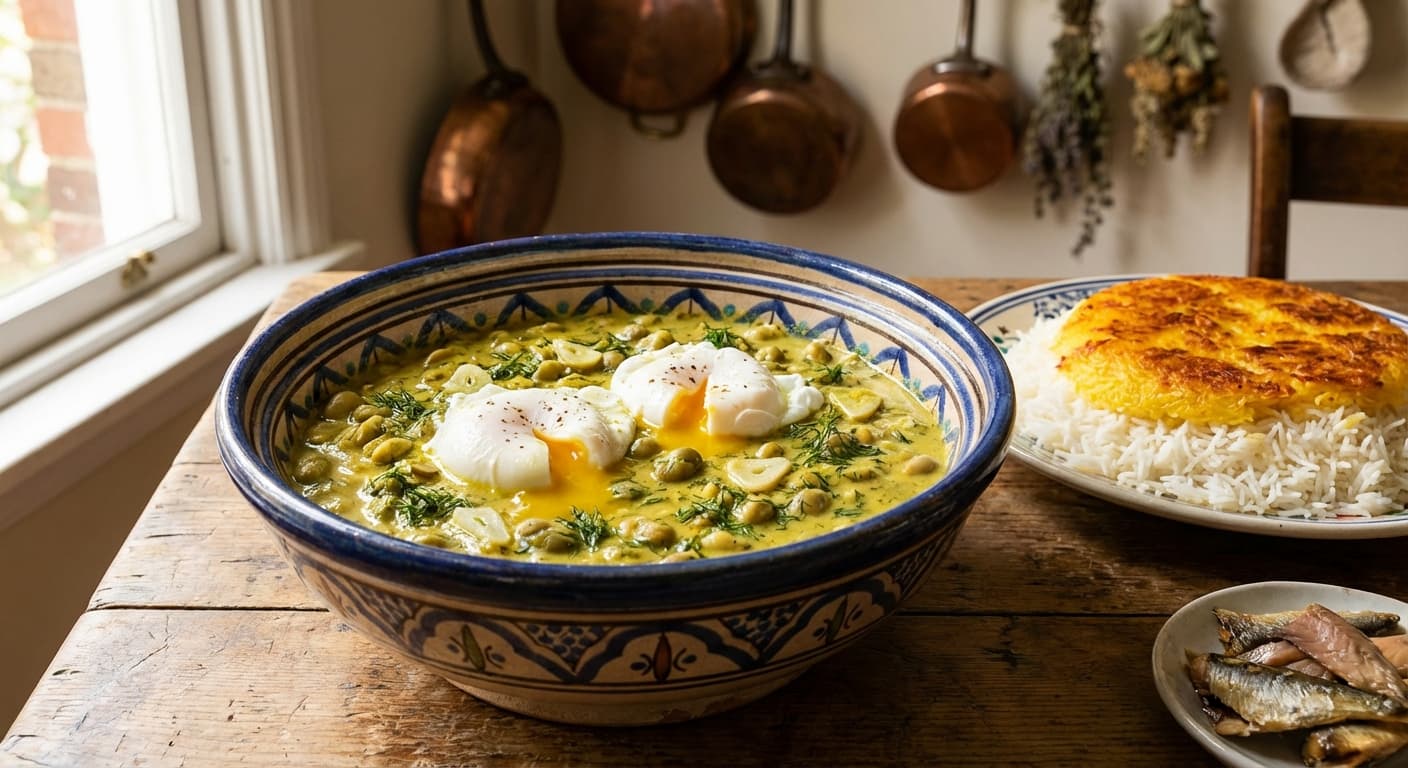
Printable Recipe Card
Servings: 4 · Total: 65 min · Difficulty: medium
Ingredients (quick list)
- 300 g Dried peeled fava beans (Rashti-style, small) (Rinse well; pick out any stones)
- 1200 ml Water (Plus more as needed during simmering)
- 20 g Garlic (Finely minced (about 6 medium cloves))
- 60 g Fresh dill (Finely chopped; tender stems included)
- 2 tsp Ground turmeric (For color and earthy warmth)
- 1.25 tsp Fine sea salt (Add gradually; adjust to taste at the end)
- 0.75 tsp Ground black pepper (Freshly ground preferred)
- 30 ml Neutral oil (Such as sunflower or grapeseed)
- 15 g Unsalted butter (Optional but traditional for richness; use with or instead of part of the oil)
- 4 Large eggs (Crack into small bowls before adding)
Steps (summary)
- Rinse the dried peeled fava beans under cool running water for 30–45 seconds, then drain. In a medium pot, add beans and 1200 m…
- Cover partially and simmer the beans for 20 minutes, stirring every 5 minutes to prevent sticking. The beans should begin to so…
- Meanwhile, warm the oil and butter (if using) in a small skillet over medium-low heat. Add the minced garlic and cook 2–3 minut…
- Add the garlic-turmeric mixture to the simmering beans along with the chopped dill, salt, and black pepper. Stir well, then sim…
- Taste and adjust seasoning. Reduce heat to the lowest setting so the surface barely trembles. Use a spoon to make 4 shallow wel…
- Turn off the heat and rest the pot, covered, for 5 minutes so the eggs finish gently and the flavors meld. Serve hot, spooning…
Cultural Background
Baghali Ghatogh is a well-known home-style stew associated with Gilan in Northern Iran, where herbs and garlic are used generously in everyday cooking. It is commonly served with rice and seasonal accompaniments, and many households finish it with gently poached eggs for added richness and protein.
Equipment
💡 Tips
- For the signature silky texture, let some beans break down naturally and lightly mash a portion near the end rather than blending.
- Keep garlic on medium-low heat; if it browns deeply, it can turn bitter and dominate the stew.
- Fresh dill gives the brightest aroma; if using dried dill, add it earlier so it rehydrates fully.
- Poach eggs on the lowest heat possible to avoid tough whites and to keep yolks creamy.
- If your beans are older and take longer, simmer them until fully tender before adding dill so the herb stays green and fragrant.
⚠️ Common Mistakes
❌ Adding dill too early and boiling it hard
💡 Why: High heat and long cooking dull the green color and mute dill’s fragrance
✅ Fix: Add dill after beans begin to soften, then keep the stew at a low simmer for the final 10–12 minutes.
❌ Browning or burning the garlic
💡 Why: Overcooked garlic becomes bitter and can overwhelm the delicate bean flavor
✅ Fix: Cook garlic on medium-low for 2–3 minutes until pale golden, then bloom turmeric briefly and remove from heat.
❌ Poaching eggs at too high a heat
💡 Why: Rapid bubbling toughens whites and can break yolks, making the stew look curdled
✅ Fix: Lower heat to the gentlest simmer, create wells, add eggs, and cover; cook 6–9 minutes for soft yolks.
❌ Letting the beans stick and scorch on the bottom
💡 Why: Fava beans release starch as they soften, which can burn and add a smoky bitterness
✅ Fix: Stir every 5 minutes during the first simmer and add small splashes of water to keep a loose, moving consistency.
🧊 How to Store
Refrigerate cooled stew (without eggs if possible) in an airtight container for up to 3 days. Reheat gently over low heat with 60–120 ml water to loosen, stirring often. For best texture, poach fresh eggs during reheating rather than storing cooked eggs. Freezing is not ideal due to egg and herb texture, but the bean base can be frozen up to 2 months.
📅 Make Ahead
Cook the bean base (through the end of Step 4) up to 2 days ahead and refrigerate. Reheat gently with 60–120 ml water, then poach eggs fresh just before serving for the best texture and presentation.
🍽️ Pairs Well With
- Steamed basmati rice
- Smoked fish (served on the side)
- Flatbread and fresh herbs
- Pickled vegetables
Regional Variations
- Gilan (coastal areas)Often served alongside smoked fish and rice; some cooks keep the stew slightly looser so it can be spooned over rice more easily.
- Tehran and other large citiesCommonly made with widely available peeled split fava beans and sometimes finished with a bit more black pepper; texture may be thicker to serve as a hearty main dish.
Ingredients
- 300 gDried peeled fava beans (Rashti-style, small) (Rinse well; pick out any stones)
- 1200 mlWater (Plus more as needed during simmering)
- 20 gGarlic (Finely minced (about 6 medium cloves))
- 60 gFresh dill (Finely chopped; tender stems included)
- 2 tspGround turmeric (For color and earthy warmth)
- 1.25 tspFine sea salt (Add gradually; adjust to taste at the end)
- 0.75 tspGround black pepper (Freshly ground preferred)
- 30 mlNeutral oil (Such as sunflower or grapeseed)
- 15 gUnsalted butter (Optional but traditional for richness; use with or instead of part of the oil)
- 4Large eggs (Crack into small bowls before adding)
🔄 Substitutions
- Dried peeled fava beans (Rashti-style, small)→ Dried peeled split fava beans
- Fresh dill→ Dried dill
- Neutral oil + unsalted butter→ All neutral oil
Instructions
- 1
Rinse the dried peeled fava beans under cool running water for 30–45 seconds, then drain. In a medium pot, add beans and 1200 ml water. Bring to a boil over high heat, then reduce to a gentle simmer. Skim any foam for the first 5 minutes to keep the stew clean-tasting.
- 2
Cover partially and simmer the beans for 20 minutes, stirring every 5 minutes to prevent sticking. The beans should begin to soften and some will start to break down, which is desirable for a velvety texture. If the pot looks dry, add 60–120 ml water to maintain a loose stew consistency.
- 3
Meanwhile, warm the oil and butter (if using) in a small skillet over medium-low heat. Add the minced garlic and cook 2–3 minutes, stirring constantly, until fragrant and just turning pale golden. Stir in the turmeric for 20–30 seconds to bloom it, then immediately remove from heat to avoid burning.
- 4
Add the garlic-turmeric mixture to the simmering beans along with the chopped dill, salt, and black pepper. Stir well, then simmer uncovered for 10–12 minutes over low heat. The stew should thicken slightly; mash a few beans against the side of the pot to deepen the creamy body.
- 5
Taste and adjust seasoning. Reduce heat to the lowest setting so the surface barely trembles. Use a spoon to make 4 shallow wells. Gently slide one egg into each well. Cover and cook 6–9 minutes, until whites are set but yolks are still soft, or 10–12 minutes for firmer yolks.
- 6
Turn off the heat and rest the pot, covered, for 5 minutes so the eggs finish gently and the flavors meld. Serve hot, spooning one egg per bowl with plenty of beans and dill broth. If the stew thickens too much, loosen with 2–4 tablespoons hot water before serving.
🪪 Recipe Passport
Cultural Background
Baghali Ghatogh is a well-known home-style stew associated with Gilan in Northern Iran, where herbs and garlic are used generously in everyday cooking. It is commonly served with rice and seasonal accompaniments, and many households finish it with gently poached eggs for added richness and protein.
Regional Variations
Researched from multiple sources and validated by the Zaffaron editorial team. Every recipe is tested for accuracy, measurements, and cultural authenticity.
Nutrition per serving
Pairs well with
If you enjoyed this recipe, here are a few related Zaffaron recipes to try next.
Does your family make this differently?
Every family has their own version. Maybe your grandmother adds a secret ingredient, or your aunt has a completely different technique. Preserve your family's version — with their name on it, forever.
You Might Also Like
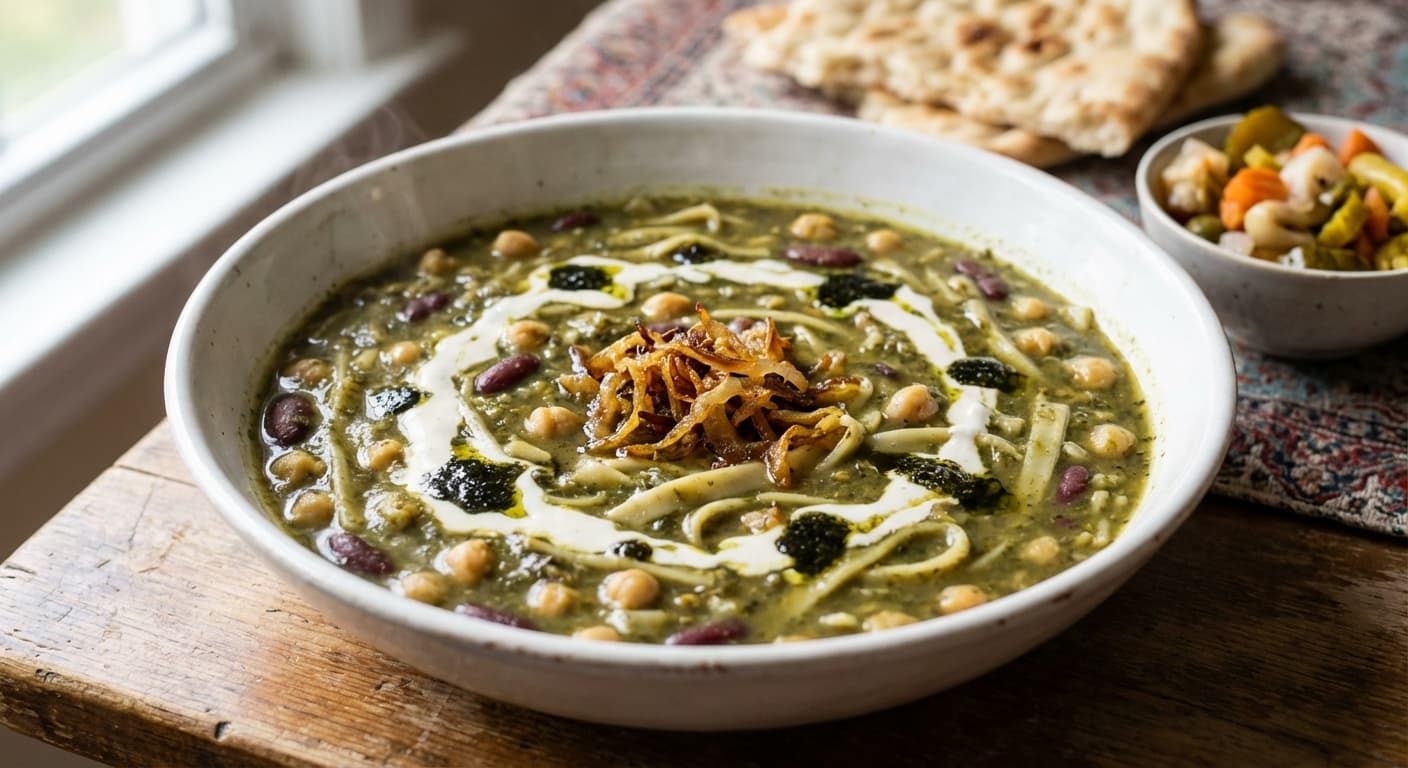
Ash Reshteh (آش رشته) — Persian Herb, Bean, and Noodle Soup
Persian · Soups · 145 min
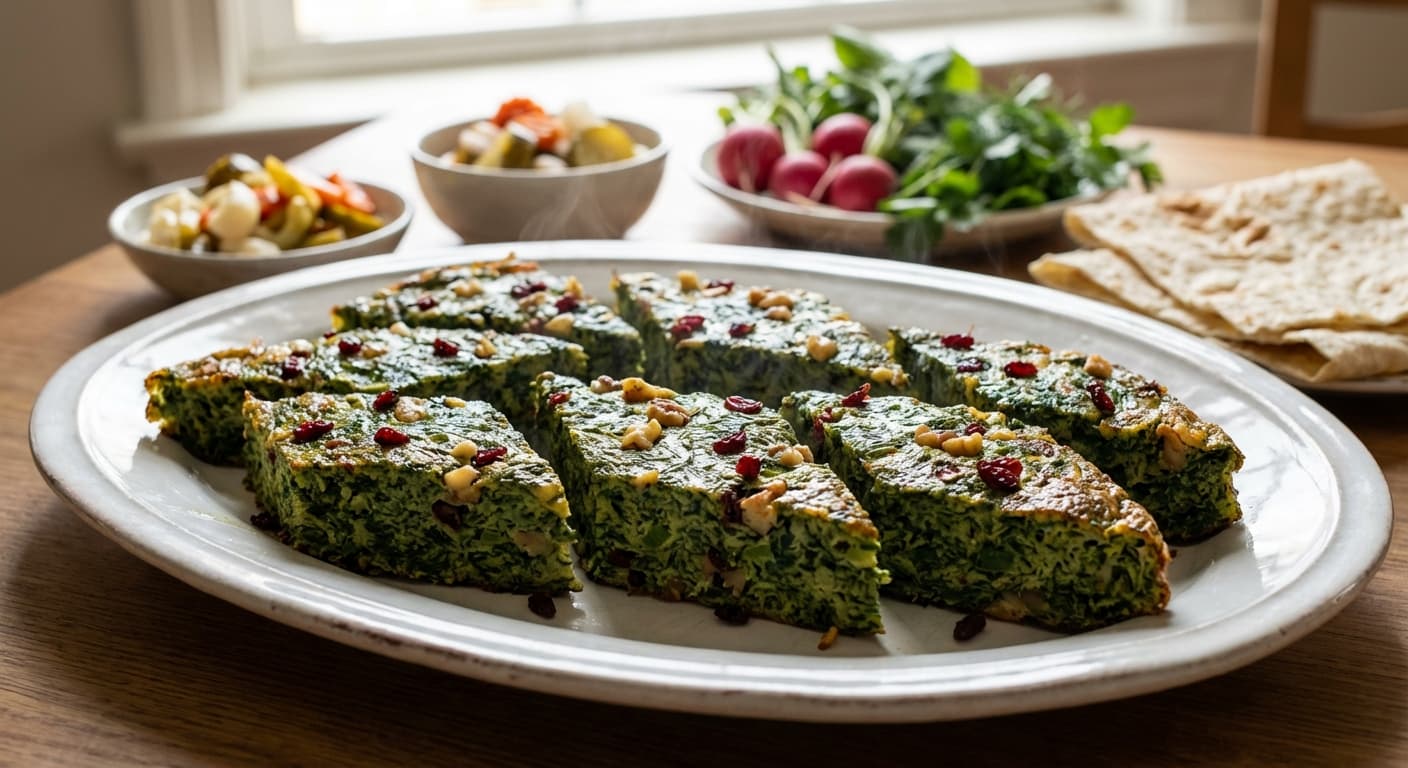
Kuku Sabzi (کوکو سبزی) — Emerald Persian Herb Frittata
Persian · Main Courses · 38 min
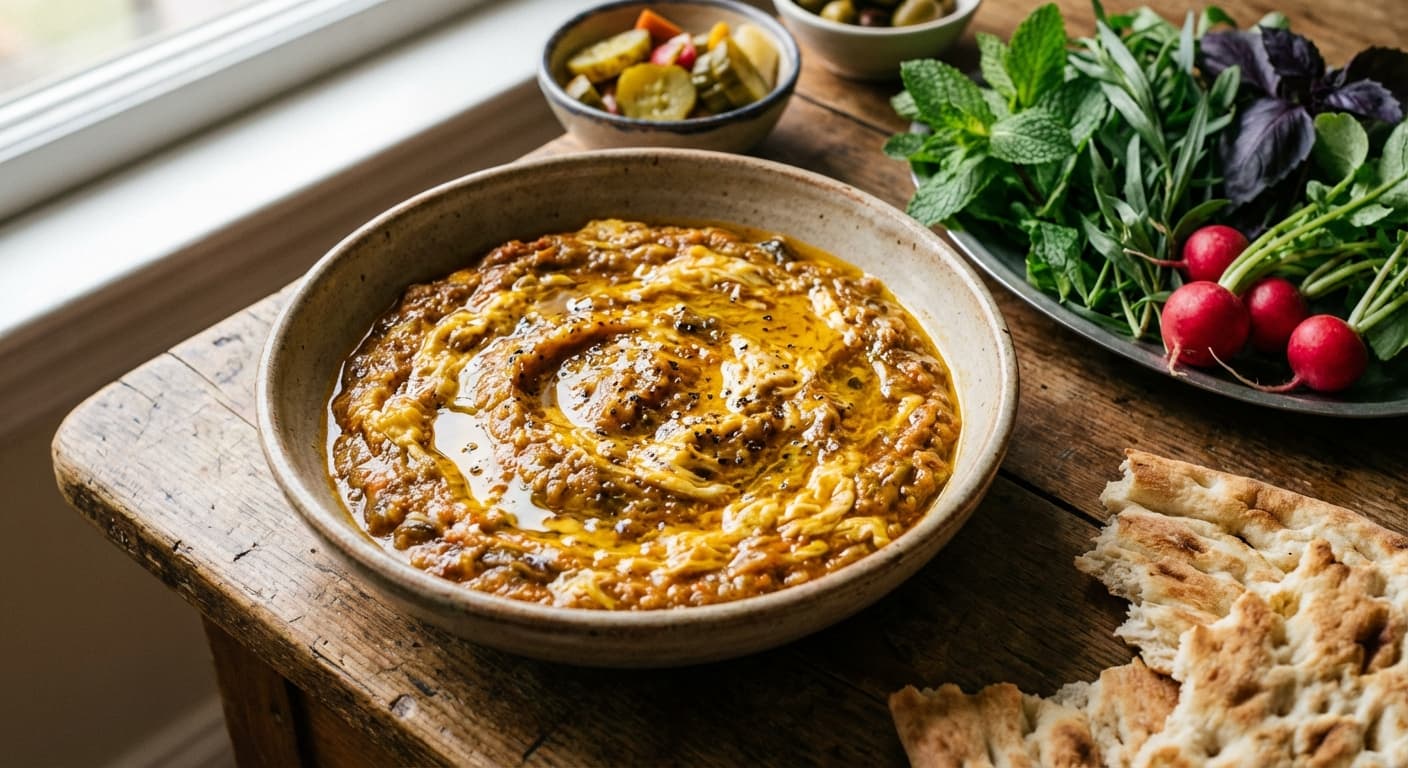
Smoked Silk Mirza Ghasemi (میرزا قاسمی) — Silky smoked eggplant with tomato, garlic, and eggs
Persian · Appetizers · 60 min
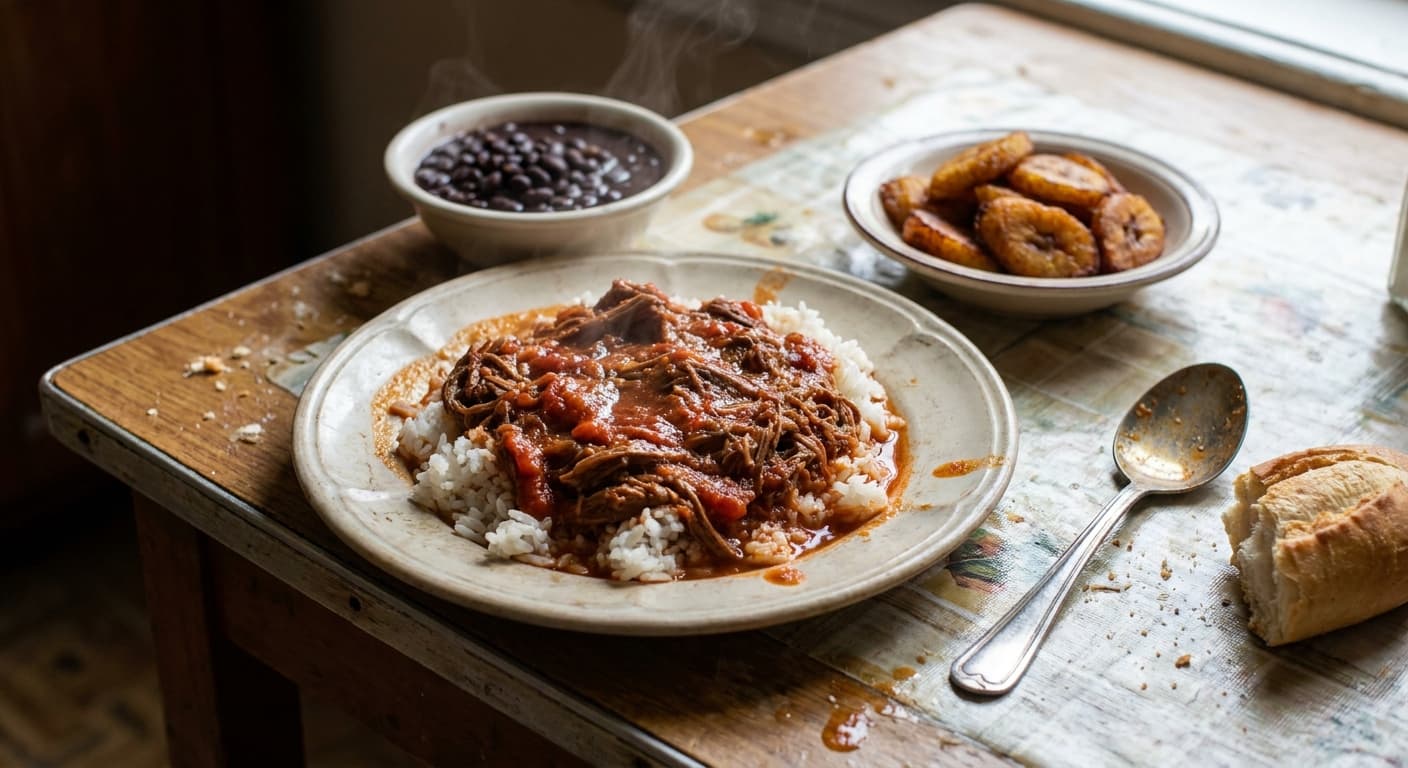
Cuban Ropa Vieja (Ropa Vieja) — Shredded Beef in Tomato-Pepper Sauce
Cuban · Stews · 190 min
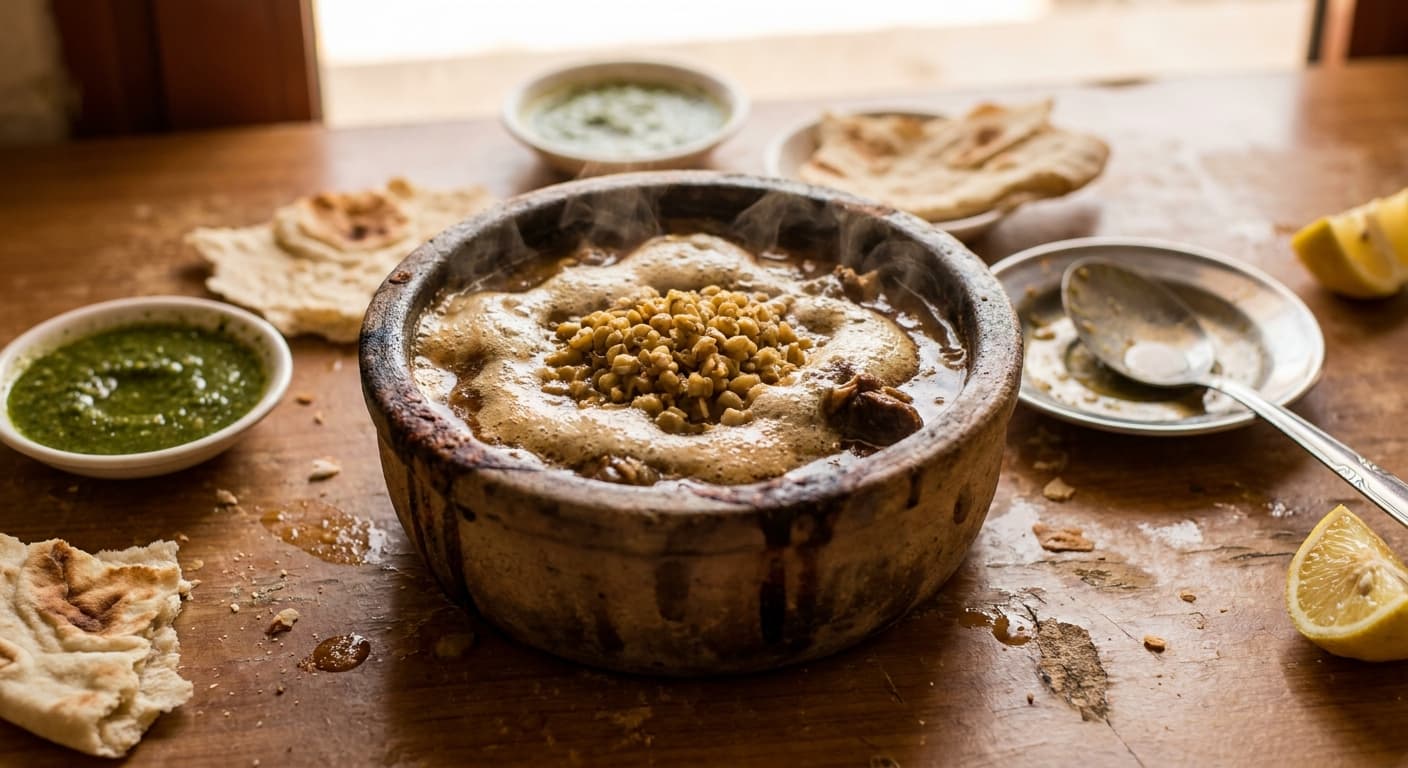
Yemeni Saltah (سلتة) — Bubbling Fenugreek Lamb Stew
Yemeni · Stews · 130 min
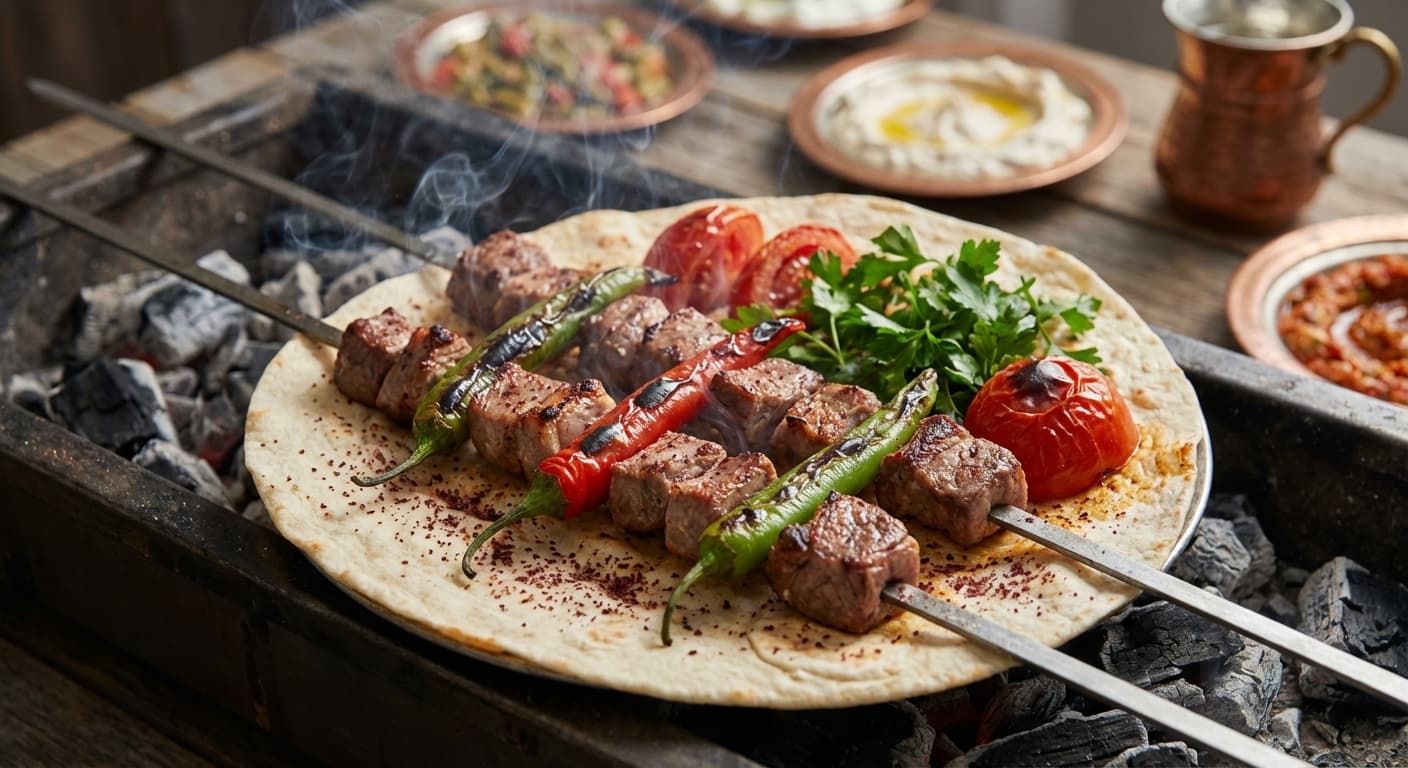
Turkish Shish Kebab (Şiş Kebap) — Charcoal-Grilled Marinated Lamb Skewers
Turkish · Kebabs · 37 min
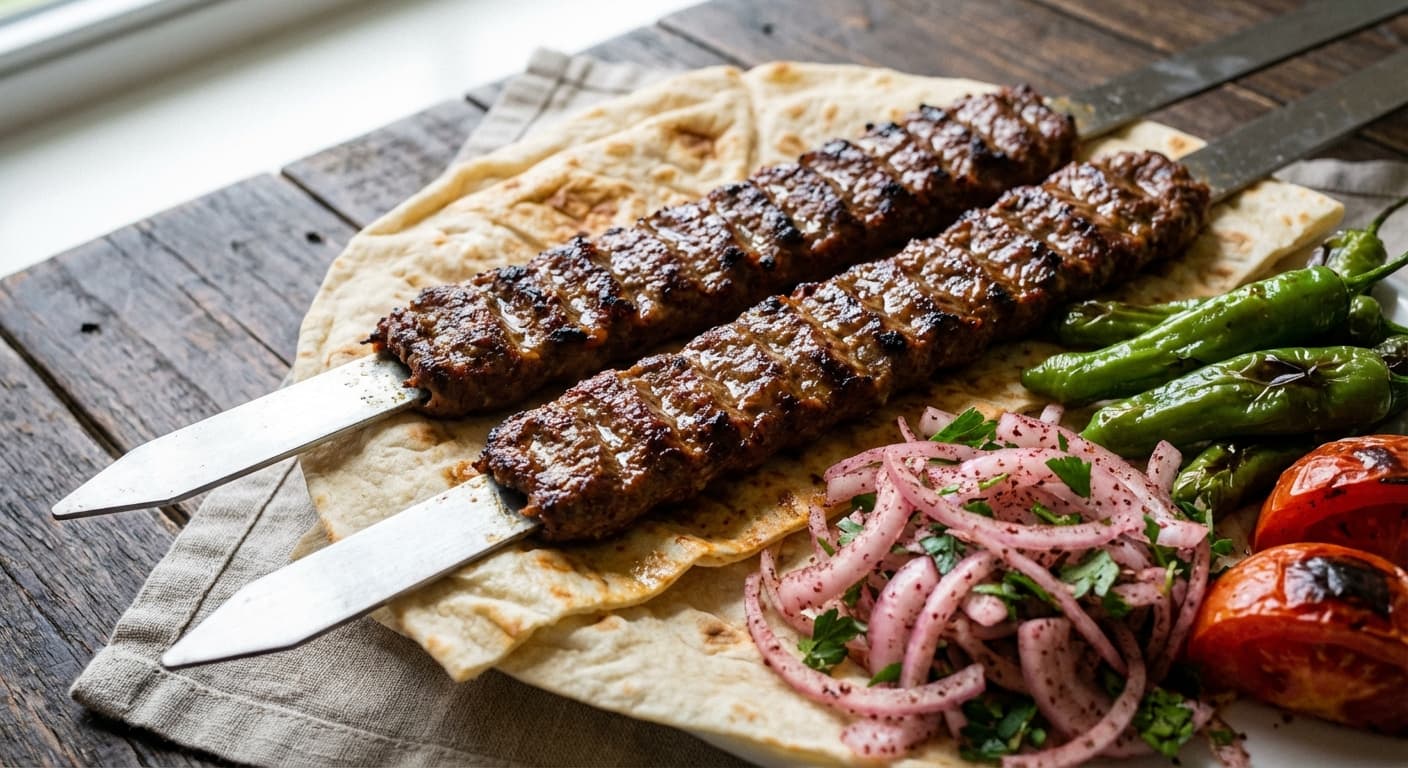
Urfa Kebab (اورفا کباب) — Mild Turkish minced skewer with sumac onions
Turkish · Kebabs · 37 min
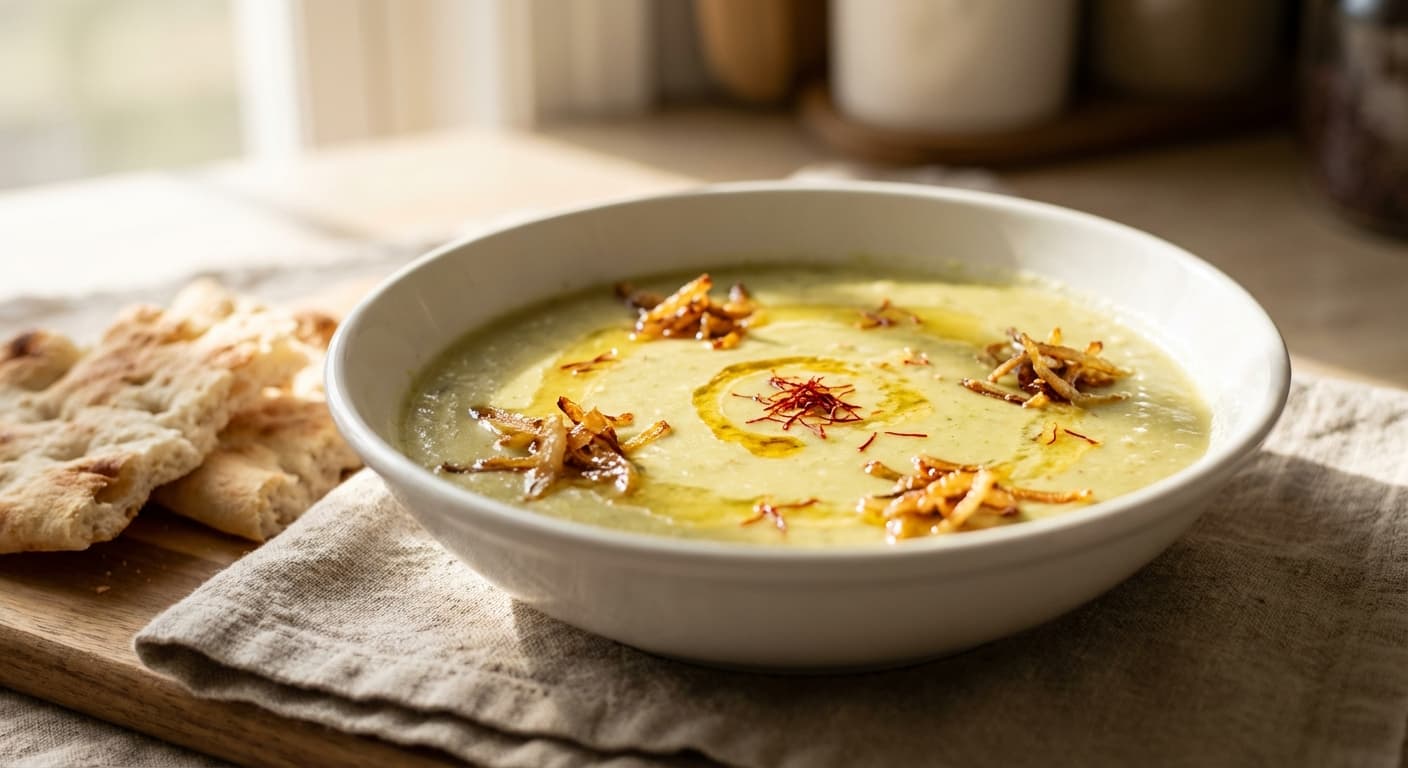
Green Fava Bean Potage (پتاژ باقالی سبز) — Velvety Persian fava bean soup with beef broth
Persian · Soups · 75 min
Reviews
Cooked this recipe?
Tap the stars to rate it — that's all it takes. A few words are welcome but optional.
No ratings yet. Cooked this one? Be the first to rate it — it takes one tap.