Man’oushe Jebneh (منقوشة بالجبنة) — Lebanese Flatbread with stretchy Akkawi cheese
Man’oushe Jebneh is a beloved Lebanese street-bakery flatbread topped with stretchy white cheese. Traditionally baked fast in a very hot oven, it’s a breakfast staple enjoyed with fresh herbs, olives, and tea.
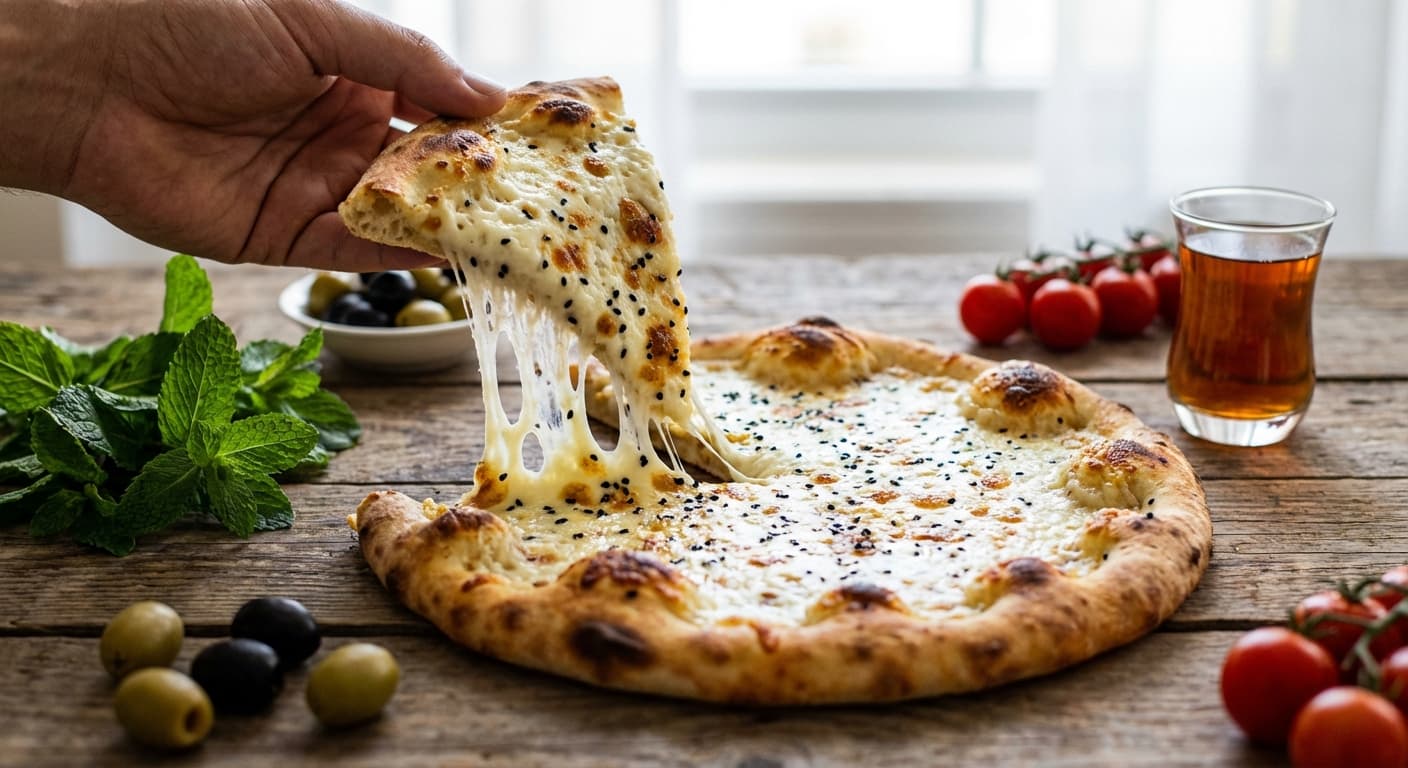
Printable Recipe Card
Servings: 4 · Total: 43 min · Difficulty: medium
Ingredients (quick list)
- 360 g all-purpose flour
- 240 ml warm water (about 38–40°C)
- 7 g instant yeast
- 6 g granulated sugar
- 7 g fine sea salt
- 30 ml extra-virgin olive oil
- 320 g akkawi cheese (desalted if packed in brine)
- 80 g mozzarella cheese (low-moisture, grated (optional but helps stretch))
- 2 tsp nigella seeds (optional)
- 10 ml olive oil (for brushing the crust)
Steps (summary)
- Make the dough base by mixing the flour, instant yeast, sugar, and salt in a large bowl until evenly combined. Add the warm wat…
- Knead the dough for 8 minutes by hand (or 6 minutes in a mixer on medium-low) until smooth and elastic. If the dough feels stic…
- Lightly oil the bowl, place the dough inside, and cover tightly. Let it rise at warm room temperature for 60 minutes, or until…
- Prepare the cheese topping while the dough rises by shredding the akkawi and placing it in a bowl of cold water for 20 minutes…
- Preheat the oven to 260°C and place a baking steel/stone on the middle rack for at least 20 minutes to heat thoroughly. Line a…
- Divide the risen dough into 4 equal pieces (about 160 g each) and shape each into a tight ball. Cover the balls and rest for 10…
+ 3 more steps in the full instructions section below.
Cultural Background
Man’oushe is a cornerstone of Lebanese bakery culture, sold early mornings from neighborhood furns and eaten on the go. The jebneh version highlights local white cheeses and the Levant’s love of fast, high-heat breads shared at breakfast.
Equipment
💡 Tips
- For the most authentic bakery-style blistering, bake directly on a fully preheated stone/steel at 260°C for at least 20 minutes.
- Desalt brined akkawi for 20 minutes in cold water, then drain very well; excess water can make the topping steam instead of brown.
- Keep a 1 cm border free of cheese and brush it with 2.5 ml olive oil per flatbread for a crisp, fragrant rim.
⚠️ Common Mistakes
❌ Cheese turns watery and the center stays pale.
✅ Fix: Drain and squeeze the desalted akkawi thoroughly, then bake on a fully preheated stone/steel to drive off moisture quickly.
❌ Flatbread is tough and shrinks when stretching.
✅ Fix: Rest the divided dough balls for 10 minutes before shaping, and avoid adding extra flour during kneading beyond a light dusting.
❌ Cheese burns on the edges and smokes.
✅ Fix: Leave a clean 1 cm border, spread cheese evenly, and reduce bake time by 1 minute if your oven runs hot.
🧊 How to Store
Cool leftovers completely, then wrap and refrigerate up to 3 days. Reheat on a preheated sheet pan at 220°C for 4–6 minutes until the base crisps and the cheese re-melts; avoid microwaving longer than 20 seconds or the bread turns chewy.
📅 Make Ahead
Mix and knead the dough, then refrigerate covered for up to 24 hours for deeper flavor; bring to room temperature for 45 minutes before shaping. Shred and desalt the cheese up to 1 day ahead and keep refrigerated, well drained.
🍽️ Pairs Well With
- Mint and cucumber
- black olives
- sliced tomatoes
- labneh
- Lebanese tea
- pickled turnips.
Regional Variations
- Beirut-style: slightly thinner dough and a lighter cheese layer for faster street-style baking.
- North Lebanon: mix akkawi with a small portion of kishk or add nigella and sesame for a more aromatic finish.
- Home-oven style: bake on an oiled sheet pan at 240°C for a softer base and gentler browning.
Ingredients
- 360 gall-purpose flour
- 240 mlwarm water (about 38–40°C)
- 7 ginstant yeast
- 6 ggranulated sugar
- 7 gfine sea salt
- 30 mlextra-virgin olive oil
- 320 gakkawi cheese (desalted if packed in brine)
- 80 gmozzarella cheese (low-moisture, grated (optional but helps stretch))
- 2 tspnigella seeds (optional)
- 10 mlolive oil (for brushing the crust)
🔄 Substitutions
- akkawi cheese→ halloumi cheese (desalted 15 minutes) mixed with mozzarella
- instant yeast→ active dry yeast (7 g) bloomed in the warm water for 10 minutes
- baking stone/steel→ inverted heavy sheet pan preheated for 15 minutes
Instructions
- 1
Make the dough base by mixing the flour, instant yeast, sugar, and salt in a large bowl until evenly combined. Add the warm water and olive oil, then stir until a shaggy dough forms and no dry flour remains.
- 2
Knead the dough for 8 minutes by hand (or 6 minutes in a mixer on medium-low) until smooth and elastic. If the dough feels sticky, rest it for 5 minutes and continue kneading; it should end up soft but not wet.
- 3
Lightly oil the bowl, place the dough inside, and cover tightly. Let it rise at warm room temperature for 60 minutes, or until roughly doubled in size.
- 4
Prepare the cheese topping while the dough rises by shredding the akkawi and placing it in a bowl of cold water for 20 minutes to reduce saltiness. Drain well, squeeze gently, then mix with the grated mozzarella so the topping melts evenly and stretches.
- 5
Preheat the oven to 260°C and place a baking steel/stone on the middle rack for at least 20 minutes to heat thoroughly. Line a sheet pan with parchment for shaping, or prepare a floured peel if you will launch onto the stone.
- 6
Divide the risen dough into 4 equal pieces (about 160 g each) and shape each into a tight ball. Cover the balls and rest for 10 minutes so the gluten relaxes and the dough stretches without tearing.
- 7
Flatten one dough ball and stretch it into a round about 18–20 cm wide, keeping a slightly thicker rim for a tender chew. Transfer to parchment, then spread 100 g of the cheese mixture evenly, leaving a 1 cm border so the cheese does not spill and burn.
- 8
Sprinkle 1/2 tsp nigella seeds over the cheese if using, then brush the exposed rim with about 1/4 of the olive oil. Bake for 4–6 minutes on the hot stone/steel (or 7–9 minutes on a preheated sheet pan) until the cheese is bubbling and the edges are deeply golden.
- 9
Repeat shaping and baking with the remaining dough and topping, keeping the dough covered between rounds so it does not dry out. Serve immediately while the cheese is stretchy; if needed, rest each man’oushe for 1 minute before slicing so the topping sets slightly.
🪪 Recipe Passport
Cultural Background
Man’oushe is a cornerstone of Lebanese bakery culture, sold early mornings from neighborhood furns and eaten on the go. The jebneh version highlights local white cheeses and the Levant’s love of fast, high-heat breads shared at breakfast.
Regional Variations
Researched from multiple sources and validated by the Zaffaron editorial team. Every recipe is tested for accuracy, measurements, and cultural authenticity.
Nutrition per serving
Pairs well with
If you enjoyed this recipe, here are a few related Zaffaron recipes to try next.
Does your family make this differently?
Every family has their own version. Maybe your grandmother adds a secret ingredient, or your aunt has a completely different technique. Preserve your family's version — with their name on it, forever.
You Might Also Like
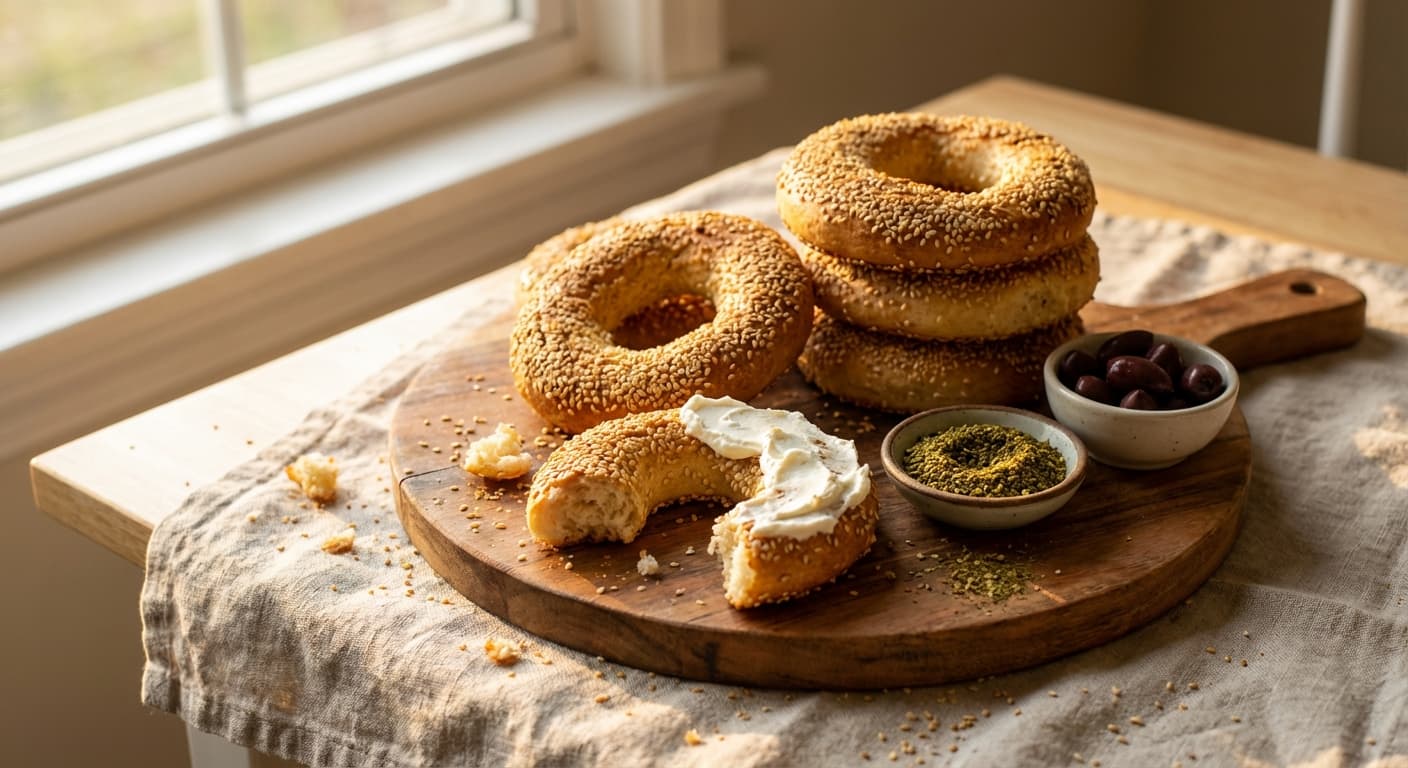
Kaak (كعك) — Lebanese Sesame Bread Rings with a Crisp Crust
Lebanese · Breads · 43 min
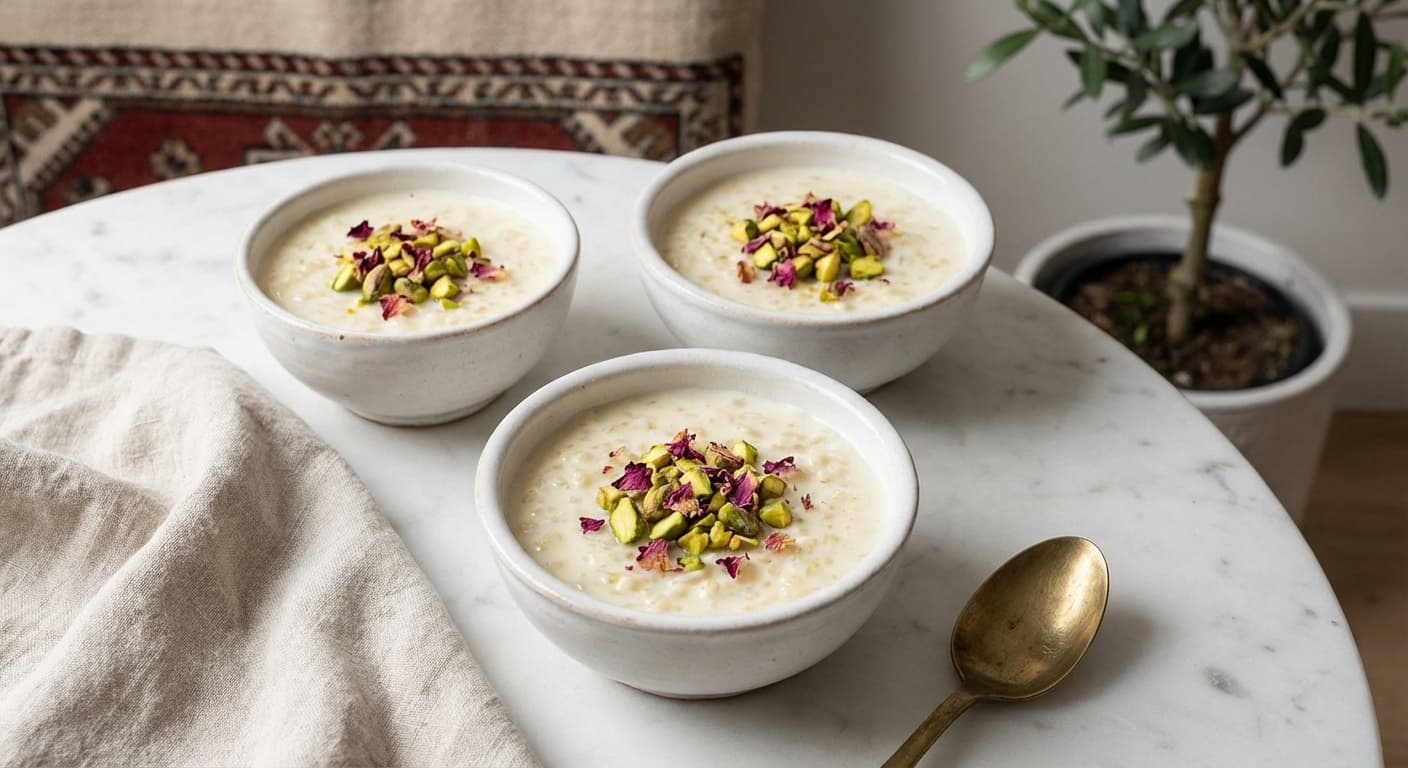
Riz bi Haleeb (رز بحليب) — Lebanese Rice Pudding with Rose Water and Pistachio
Lebanese · Desserts · 45 min
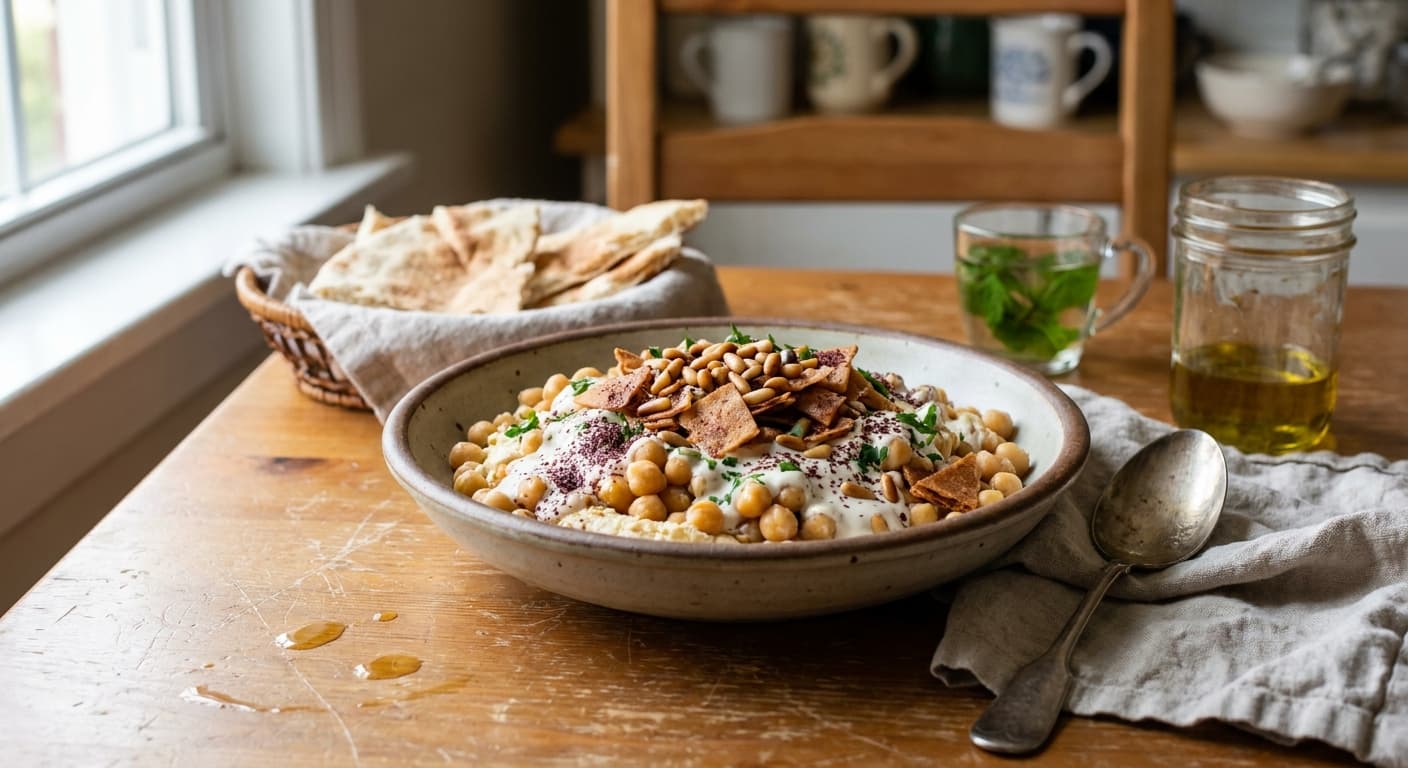
Fattet Hummus (فتة حمص) — Chickpeas with Yogurt and Crisp Bread
Lebanese · Main Courses · 30 min
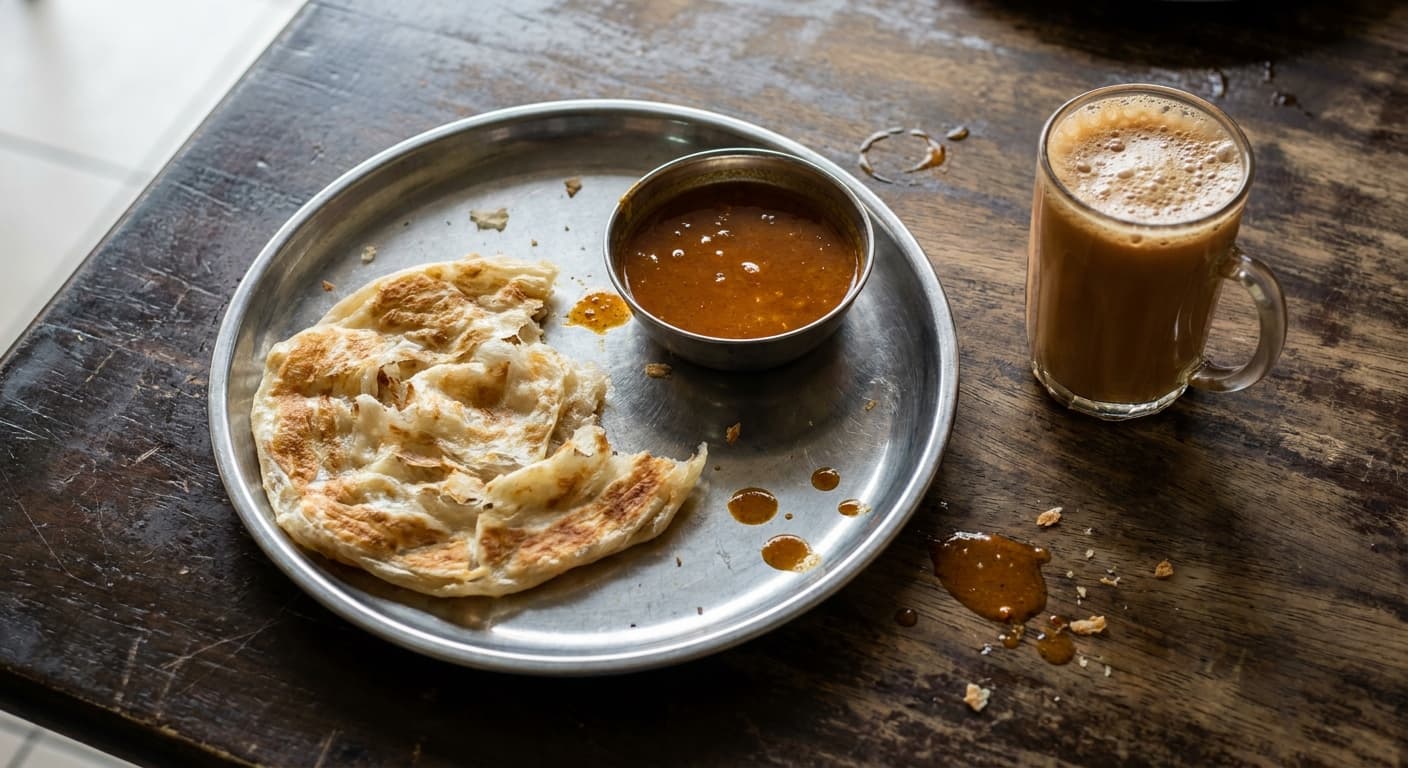
Roti Canai (Roti Canai) — Flaky Malaysian Griddle Flatbread
Malaysian · Breads · 330 min
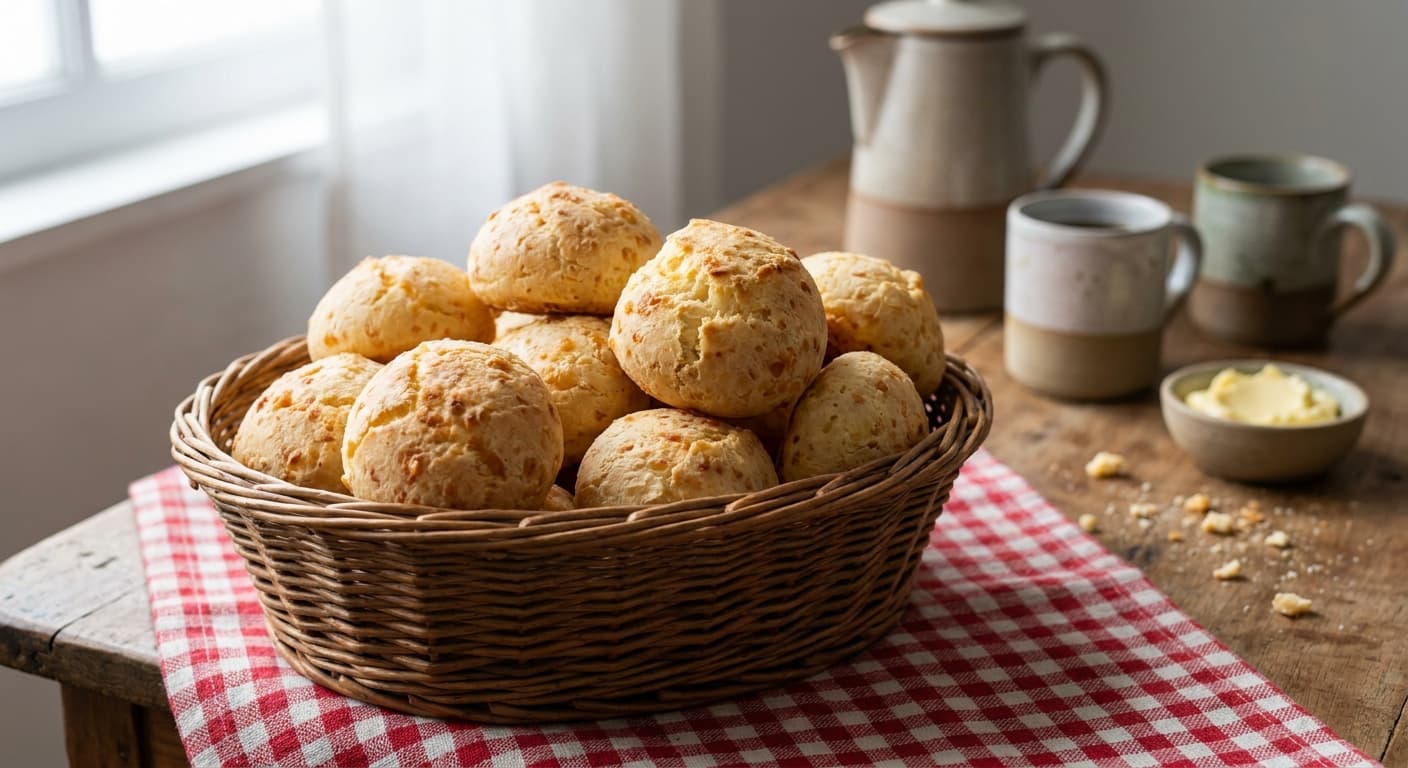
Brazilian Cheese Breads (Pão de Queijo) — Chewy Tapioca Cheese Rolls
Brazilian · Breads · 45 min
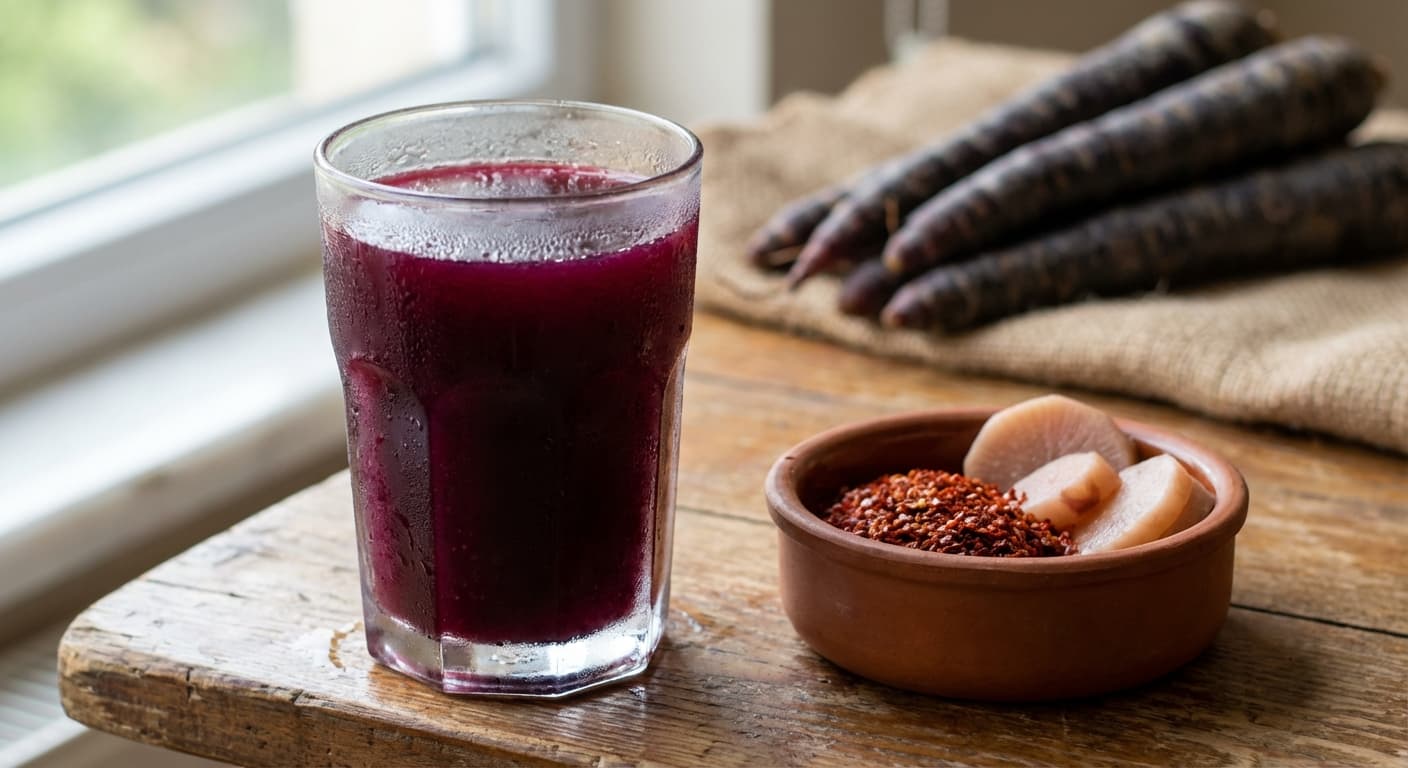
Salgam Juice (Şalgam) — Spicy, tangy fermented black-carrot drink
Turkish · Drinks · 25 min
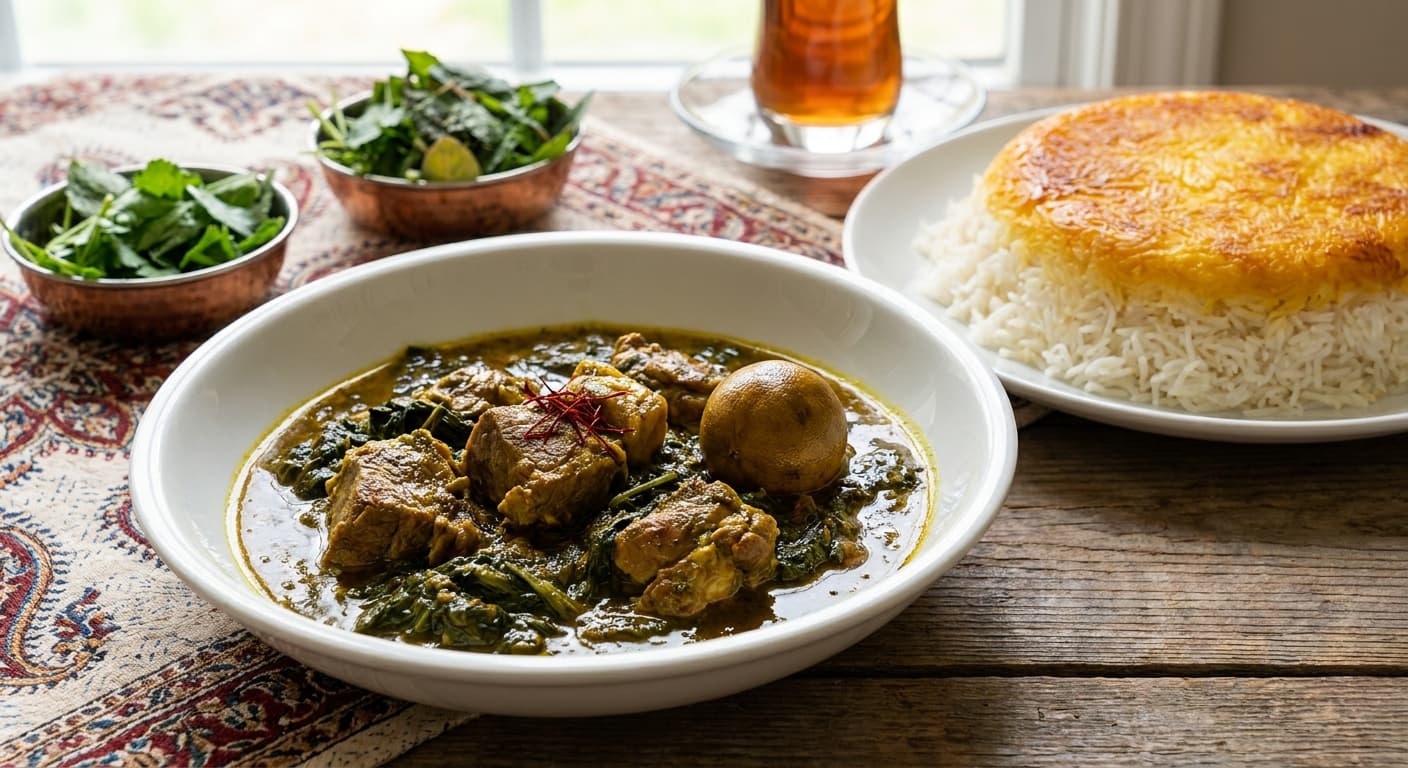
Persian Khoresht Saak (خورش ساک) — Saffron-Cardamom Lamb Stew with Saak Greens
Persian · Stews · 145 min
Bulgarian Banitsa (Баница) — Flaky Sirene-Filled Phyllo Pie
Bulgarian · Breads · 68 min
Reviews
Cooked this recipe?
Tap the stars to rate it — that's all it takes. A few words are welcome but optional.
No ratings yet. Cooked this one? Be the first to rate it — it takes one tap.