Dami Gojeh Farangi (دمی گوجه فرنگی) — Persian Tomato Rice
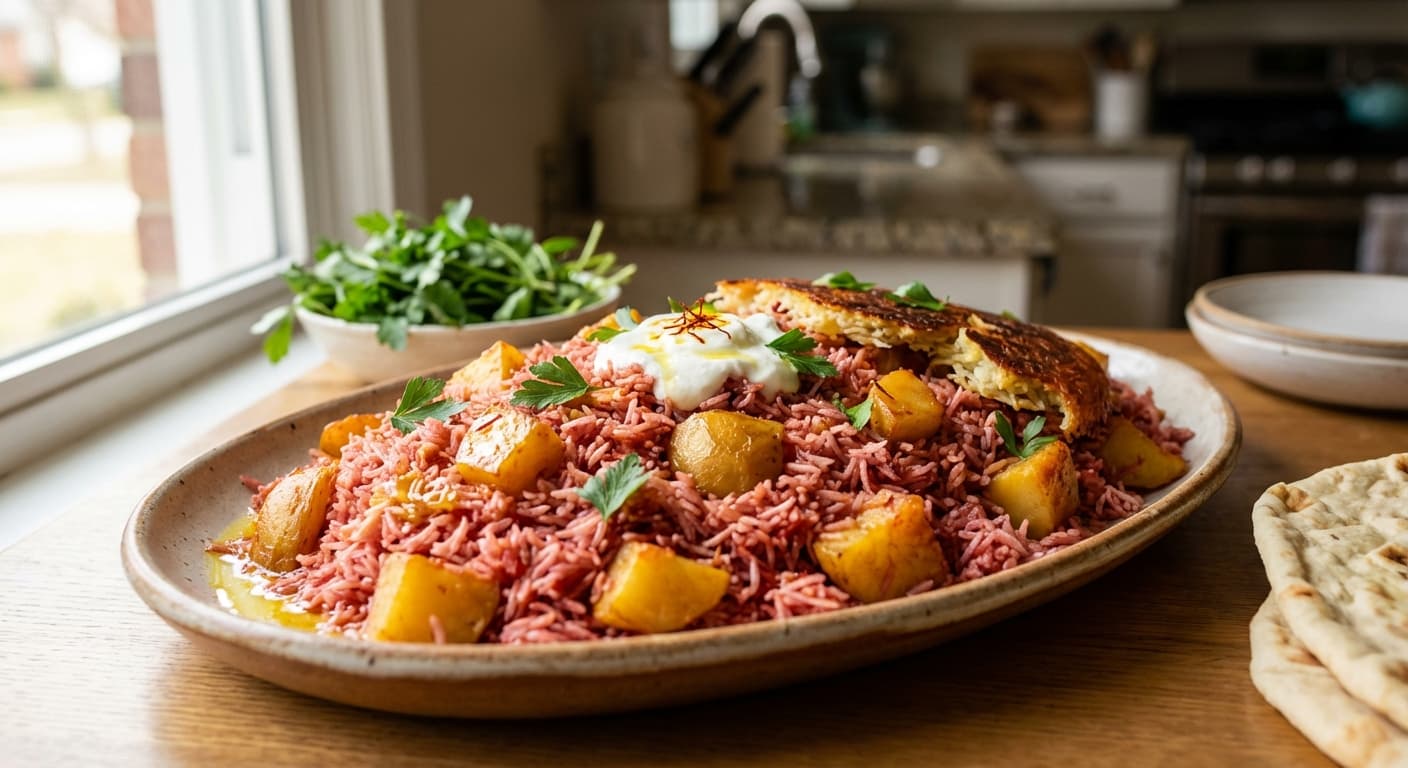
Dami Gojeh Farangi is a classic Persian one-pot tomato rice with tender potatoes and a deep, savory tomato aroma. Fluffy basmati steams in tomato broth for a ruby color and comforting, home-style taste.
Printable Recipe Card
Servings: 4 · Total: 110 min · Difficulty: easy
Ingredients (quick list)
- 300 g Basmati rice (rinsed until water runs mostly clear, then soaked)
- 720 ml Water (for soaking the rice)
- 10 g Fine sea salt (divided: 6 g for soaking, 4 g for cooking (adjust to broth saltiness))
- 350 g Yukon Gold potatoes (peeled and cut into 2 cm cubes)
- 30 g Unsalted butter (or use olive oil for dairy-free)
- 15 ml Olive oil (helps prevent butter from browning too fast; may replace butter with 45 ml oil total)
- 60 g Tomato paste (about 4 tablespoons; sautéed to remove raw taste)
- 500 ml Tomato juice (unsalted if possible)
- 350 ml Meat broth (beef or lamb broth; low-sodium preferred)
- 1 g Ground black pepper (about 1/2 teaspoon)
- 2 g Ground turmeric (about 1 teaspoon)
- 0.15 g Saffron threads (optional; finely crushed)
+ 1 more in the full ingredients section below.
Steps (summary)
- Rinse the basmati rice in several changes of cool water until it runs mostly clear. Soak the rice in 720 ml water with 6 g salt…
- Meanwhile, heat a 24–26 cm heavy pot over medium heat for 2 minutes. Add butter and olive oil. When the butter melts and foams,…
- Push potatoes to the sides. Add tomato paste to the center and sauté 2–3 minutes over medium heat, stirring constantly, until i…
- Pour in tomato juice and meat broth. Scrape the bottom well to dissolve any caramelized tomato paste. Bring to a steady boil ov…
- Drain the soaked rice thoroughly for 1 minute. Add rice to the boiling tomato-broth mixture and stir gently once to distribute…
- Reduce heat to low. Using the handle of a spoon, poke 5–6 holes down to the bottom to help steam circulate. If using saffron, b…
+ 1 more steps in the full instructions section below.
Cultural Background
Dami Gojeh Farangi is a home-style Persian rice dish often cooked as an everyday meal because it is economical, filling, and made in one pot. It is commonly associated with family cooking and is frequently served with yogurt, fresh herbs, and simple salads.
Equipment
💡 Tips
- Sautéing the tomato paste until brick red is key for deep flavor and less acidity.
- If your tomato juice is very thick, add 30–60 ml water so the rice has enough liquid to steam properly.
- For a crisp bottom crust, increase butter to 45 g and keep the pot on very low heat for the final 10 minutes of steaming.
- If using salted broth, hold back the final salt until after the liquid boils and you can taste it.
⚠️ Common Mistakes
❌ Skipping the tomato paste sauté (frying) step
💡 Why: Raw tomato paste can taste metallic and overly acidic, and it will not develop depth.
✅ Fix: Cook the paste in fat for 2–3 minutes until brick red and fragrant before adding liquids.
❌ Adding rice before the liquid reaches a full boil
💡 Why: Rice can release excess starch and cook unevenly, leading to gummy grains.
✅ Fix: Bring tomato juice and broth to a steady boil first, then add drained rice and return to a lively simmer.
❌ Steaming on heat that is too high
💡 Why: The bottom can scorch before the center finishes steaming, and potatoes may break down.
✅ Fix: After absorption, reduce to low heat and steam 35 minutes; use a heat diffuser if your stove runs hot.
❌ Over-stirring after adding rice
💡 Why: Frequent stirring breaks grains and potatoes, making the dish dense.
✅ Fix: Stir gently once when adding rice and once halfway through absorption, then stop stirring and steam.
🧊 How to Store
Cool to room temperature within 2 hours, then refrigerate in an airtight container for up to 4 days. Reheat covered with 1–2 tablespoons water in a saucepan over low heat for 10–12 minutes, or microwave covered in 1-minute bursts, fluffing between bursts.
📅 Make Ahead
Rinse and soak the rice up to 1 hour ahead at room temperature. You can peel and cube potatoes up to 6 hours ahead; store submerged in cold water in the refrigerator, then drain and pat dry before sautéing. Leftovers reheat well and are often used for quick lunches.
🍽️ Pairs Well With
- Plain yogurt or cucumber-yogurt salad
- Shirazi-style salad (tomato
- cucumber
- onion
- citrus)
- Pickled vegetables
- Fresh herbs and radishes
Regional Variations
- Tehran-style home cookingOften kept simple with tomato paste, potatoes, and turmeric, and served with yogurt and pickles; some cooks add a small amount of saffron for aroma.
- Northern Iran (Caspian-influenced kitchens)May include more tomato and a slightly tangier profile, sometimes served alongside fresh herbs and fish or with extra crispy bottom crust.
- Iranian diaspora (international kitchens)Commonly made with boxed tomato juice and store-bought broth for convenience; olive oil is frequently used instead of butter for dietary preferences.
Ingredients
- 300 gBasmati rice (rinsed until water runs mostly clear, then soaked)
- 720 mlWater (for soaking the rice)
- 10 gFine sea salt (divided: 6 g for soaking, 4 g for cooking (adjust to broth saltiness))
- 350 gYukon Gold potatoes (peeled and cut into 2 cm cubes)
- 30 gUnsalted butter (or use olive oil for dairy-free)
- 15 mlOlive oil (helps prevent butter from browning too fast; may replace butter with 45 ml oil total)
- 60 gTomato paste (about 4 tablespoons; sautéed to remove raw taste)
- 500 mlTomato juice (unsalted if possible)
- 350 mlMeat broth (beef or lamb broth; low-sodium preferred)
- 1 gGround black pepper (about 1/2 teaspoon)
- 2 gGround turmeric (about 1 teaspoon)
- 0.15 gSaffron threads (optional; finely crushed)
- 30 mlHot water (for blooming saffron, if using)
🔄 Substitutions
- Meat broth→ Vegetable broth
- Unsalted butter→ Olive oil
- Tomato juice→ Crushed tomatoes + water
Instructions
- 1
Rinse the basmati rice in several changes of cool water until it runs mostly clear. Soak the rice in 720 ml water with 6 g salt for 30 minutes at room temperature. This seasons the grains and helps them cook evenly for a fluffy, separate texture.
- 2
Meanwhile, heat a 24–26 cm heavy pot over medium heat for 2 minutes. Add butter and olive oil. When the butter melts and foams, add the potato cubes and sauté 6–8 minutes, stirring every minute, until edges look slightly translucent and lightly glossy (not fully browned).
- 3
Push potatoes to the sides. Add tomato paste to the center and sauté 2–3 minutes over medium heat, stirring constantly, until it darkens from bright red to brick red and smells sweet. Stir in turmeric and black pepper for 15 seconds to bloom the spices.
- 4
Pour in tomato juice and meat broth. Scrape the bottom well to dissolve any caramelized tomato paste. Bring to a steady boil over medium-high heat (about 6–8 minutes). Taste the liquid and add up to 4 g remaining salt only if needed, considering broth saltiness.
- 5
Drain the soaked rice thoroughly for 1 minute. Add rice to the boiling tomato-broth mixture and stir gently once to distribute potatoes and prevent sticking. Keep at a lively simmer, uncovered, for 8–12 minutes, stirring once halfway, until the liquid is mostly absorbed and small steam holes appear.
- 6
Reduce heat to low. Using the handle of a spoon, poke 5–6 holes down to the bottom to help steam circulate. If using saffron, bloom crushed saffron in 30 ml hot water for 5 minutes, then drizzle over the top. Cover with a tight lid (or lid plus a clean towel) and steam 35 minutes.
- 7
Turn off the heat and rest, covered, for 10 minutes to finish steaming and set the grains. Fluff gently with a fork, lifting from the sides to avoid breaking potatoes. Serve hot, ensuring each portion includes tender potato and richly colored tomato rice.
🪪 Recipe Passport
Cultural Background
Dami Gojeh Farangi is a home-style Persian rice dish often cooked as an everyday meal because it is economical, filling, and made in one pot. It is commonly associated with family cooking and is frequently served with yogurt, fresh herbs, and simple salads.
Regional Variations
Researched from multiple sources and validated by the Zaffaron editorial team. Every recipe is tested for accuracy, measurements, and cultural authenticity.
Nutrition per serving
Pairs well with
If you enjoyed this recipe, here are a few related Zaffaron recipes to try next.
- Dampokhtak-e Adas (دمپختک عدس) — Persian One-Pot Lentil Rice
- Dolmeh Bareh (دلمه بره) — Persian Stuffed Lamb Roast
- Dolmeh Gojeh Farangi (دلمه گوجه فرنگی) — Persian Stuffed Tomatoes with Herbs and Rice
- Spinach-Wrapped Fish with Creamy Cheese Sauce (دلمه ماهی با سس پنیر) — Citrus-garlic marinated fish dolmeh in spinach with silky paneer-style sauce
Does your family make this differently?
Every family has their own version. Maybe your grandmother adds a secret ingredient, or your aunt has a completely different technique. Preserve your family's version — with their name on it, forever.
You Might Also Like
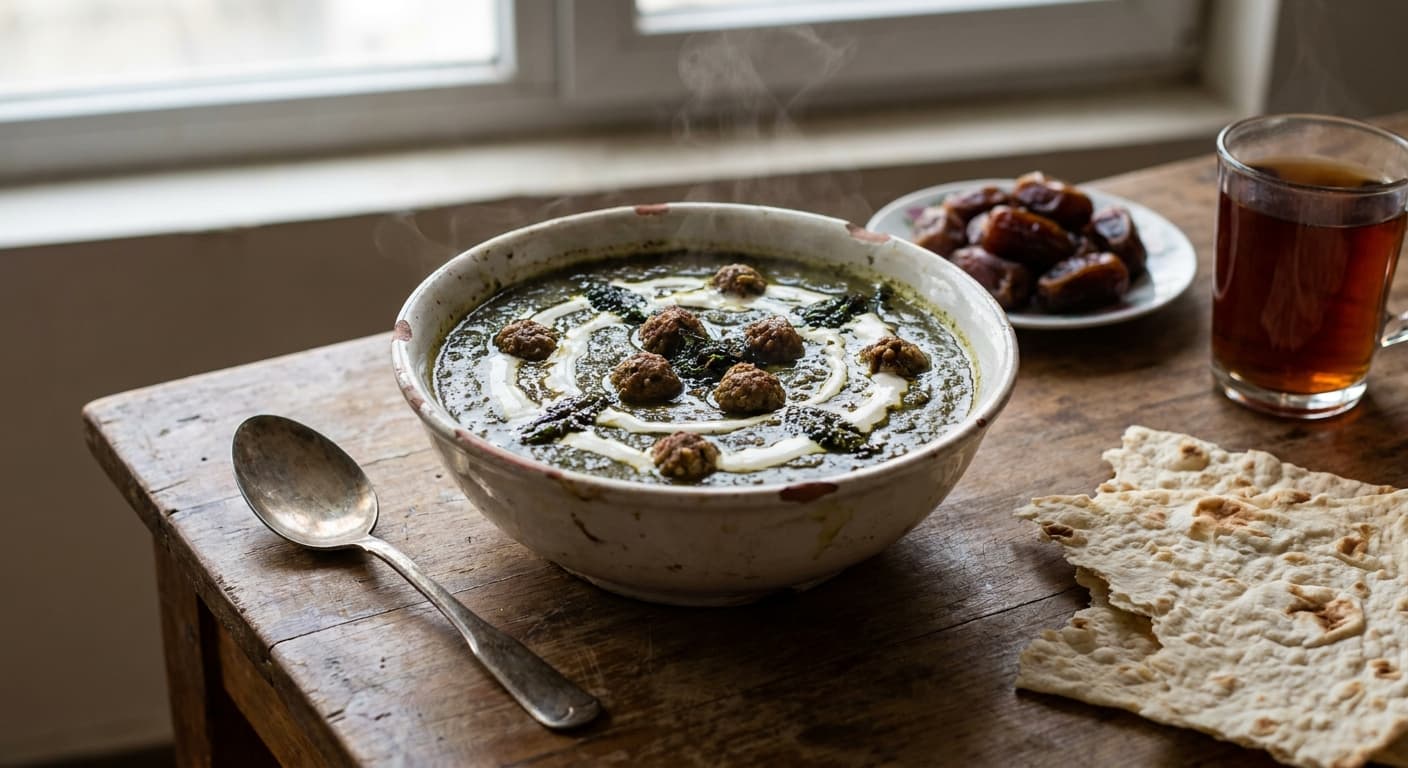
Ash-e Sak (آش ساک) — Golestani Spinach, Legume, and Meatball Soup
Persian · Soups · 175 min
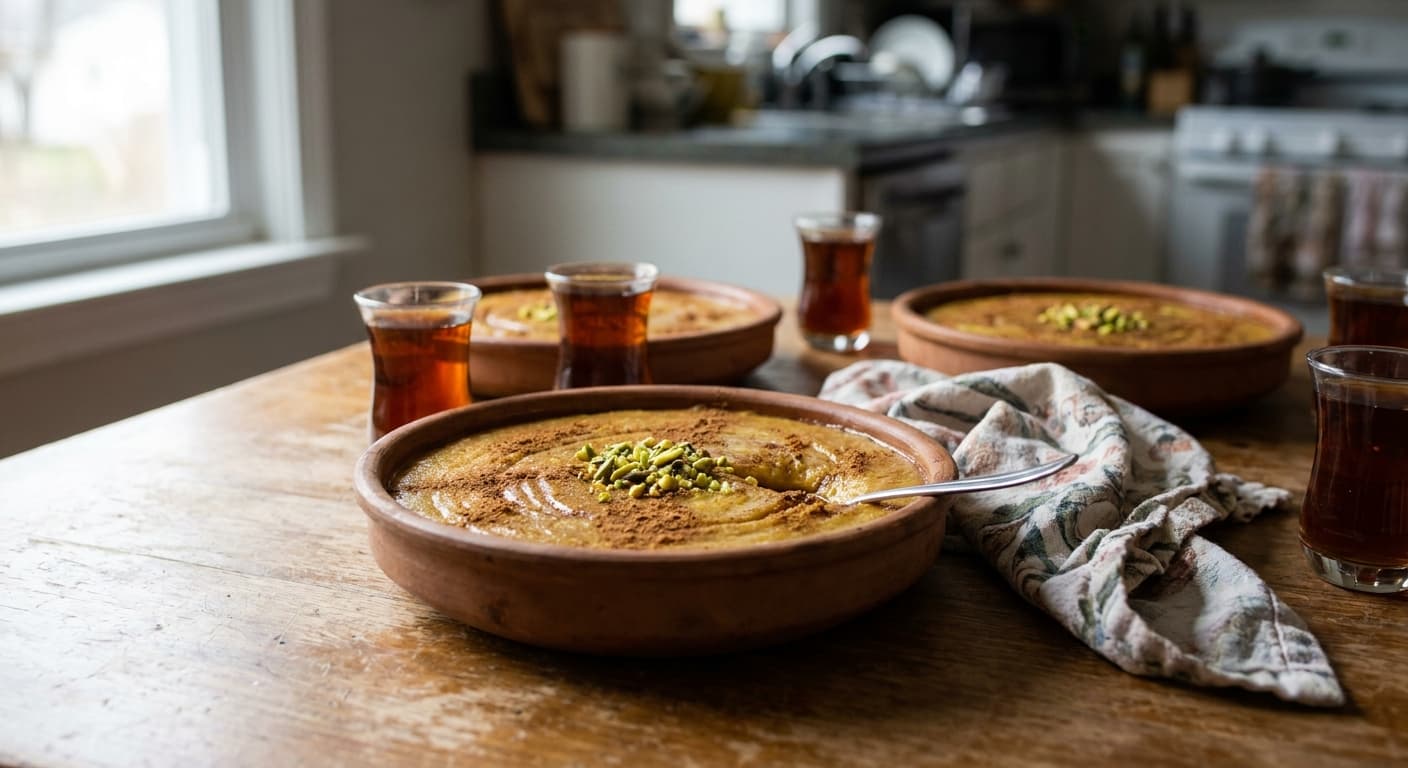
Persian Kachi (کاچی) — Saffron Rosewater Pudding
Persian · Desserts · 45 min
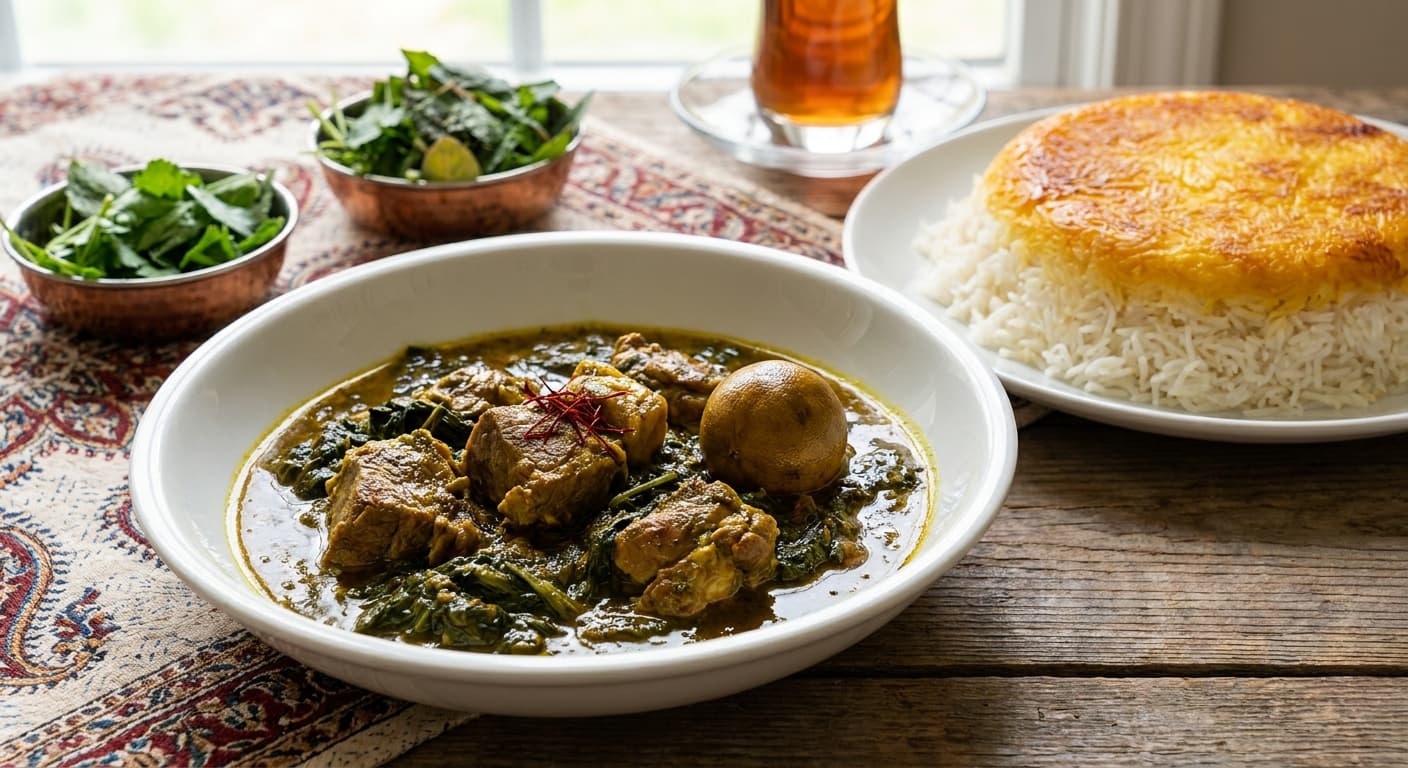
Persian Khoresht Saak (خورش ساک) — Saffron-Cardamom Lamb Stew with Saak Greens
Persian · Stews · 145 min
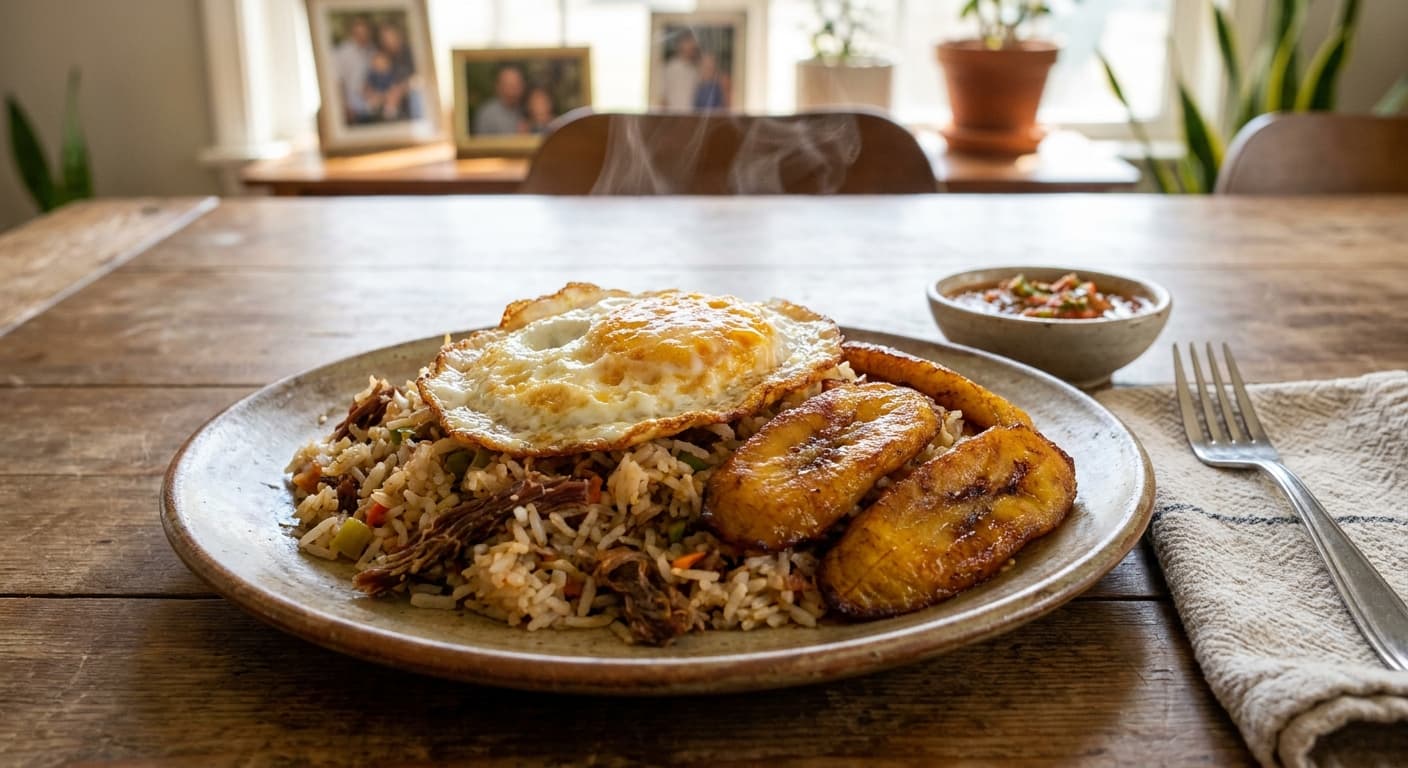
Majadito (Majadito) — Bolivian Rice with Charque and Fried Egg
Bolivian · Rice Dishes · 90 min
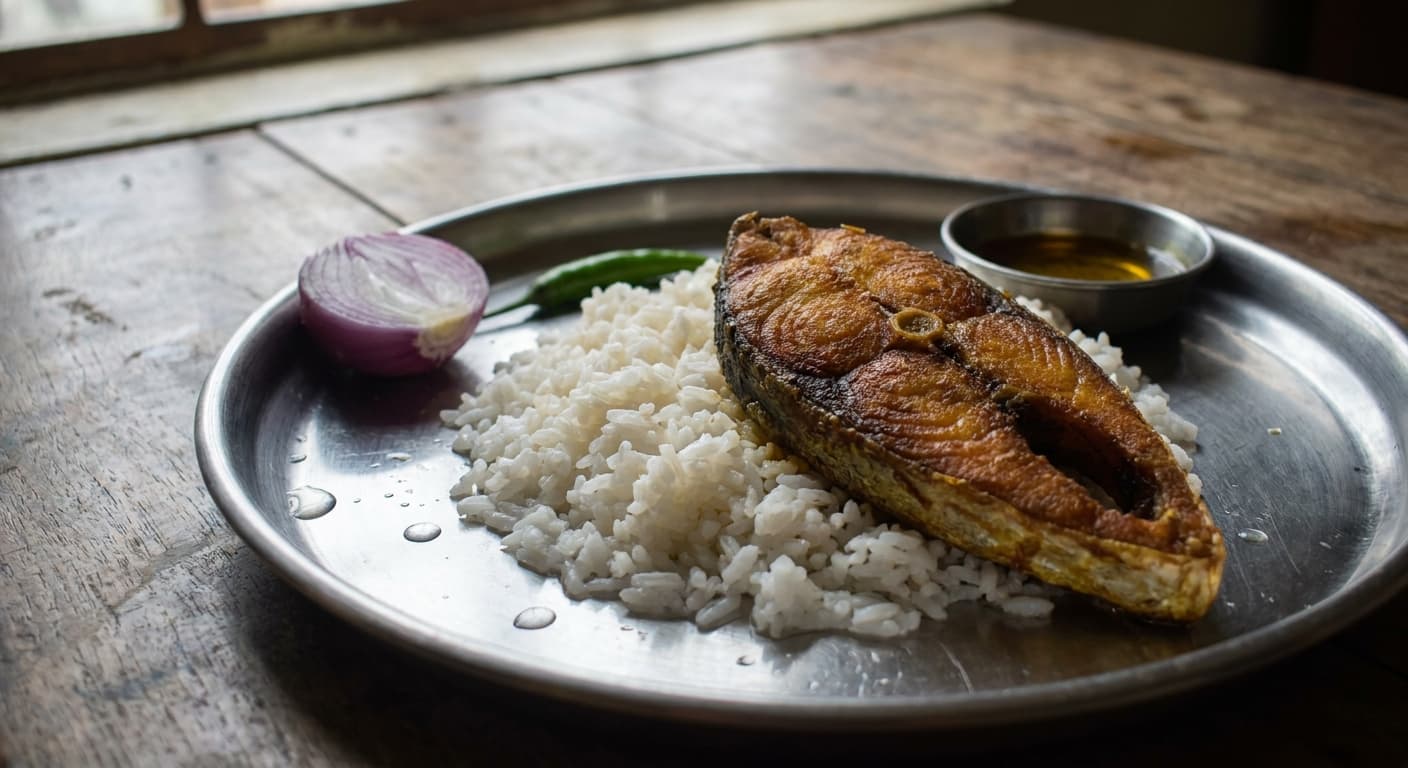
Panta Bhat (পান্তা ভাত) — Overnight Fermented Rice with Fried Ilish
Bangladeshi · Rice Dishes · 35 min
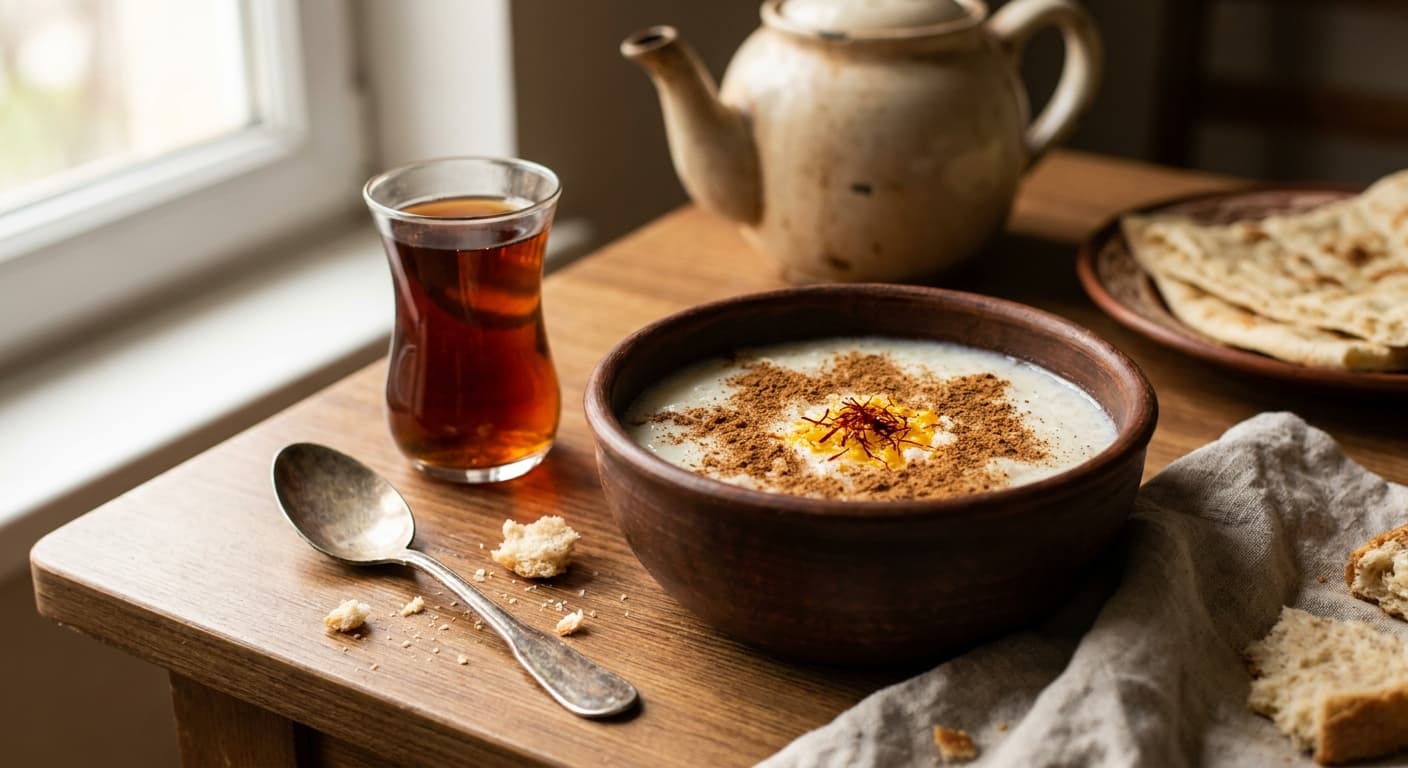
Azerbaijani Milk Rice Porridge (Südlü Sıyıq) — Creamy Breakfast Bowl
Azerbaijani · Rice Dishes · 40 min
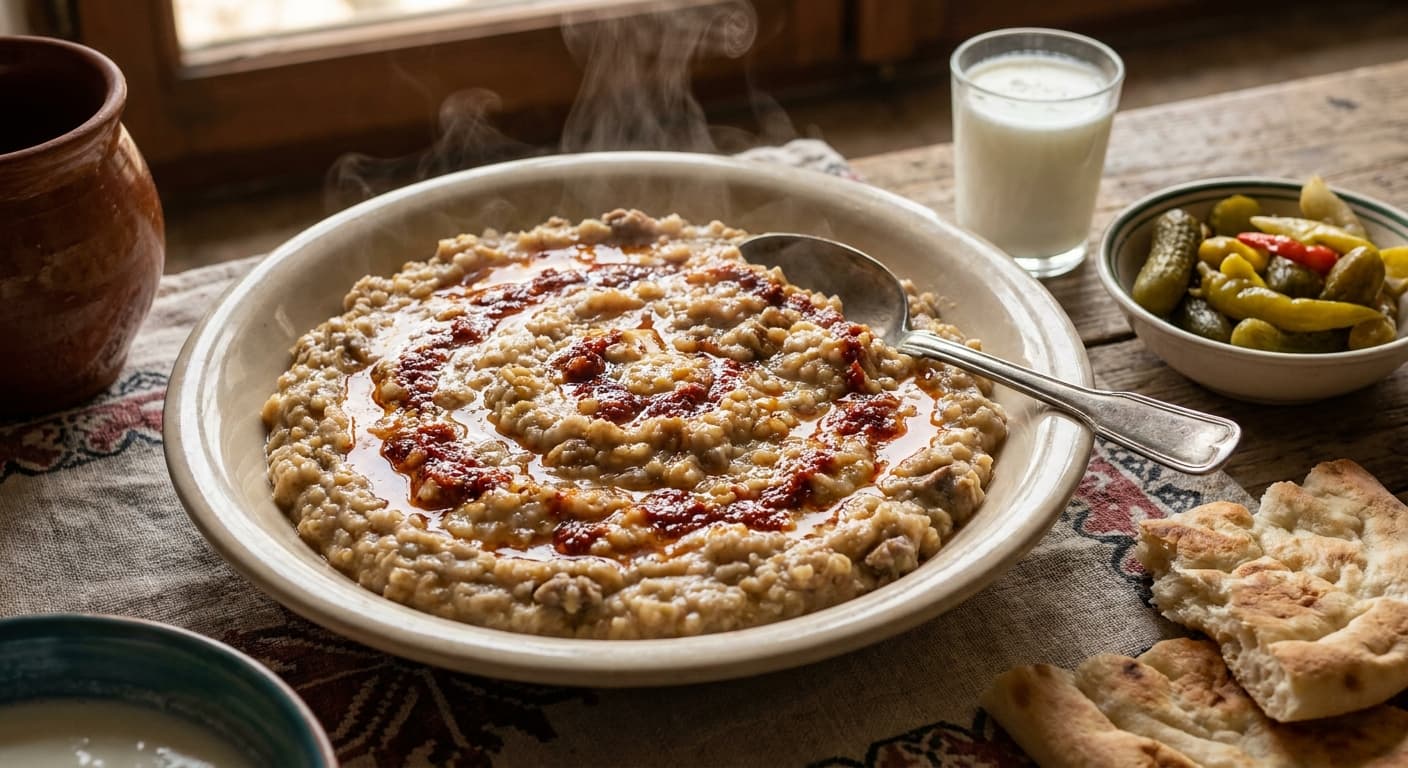
Keshkek (Keşkek) — Creamy Ceremonial Wheat and Lamb Stew
Turkish · Stews · 240 min
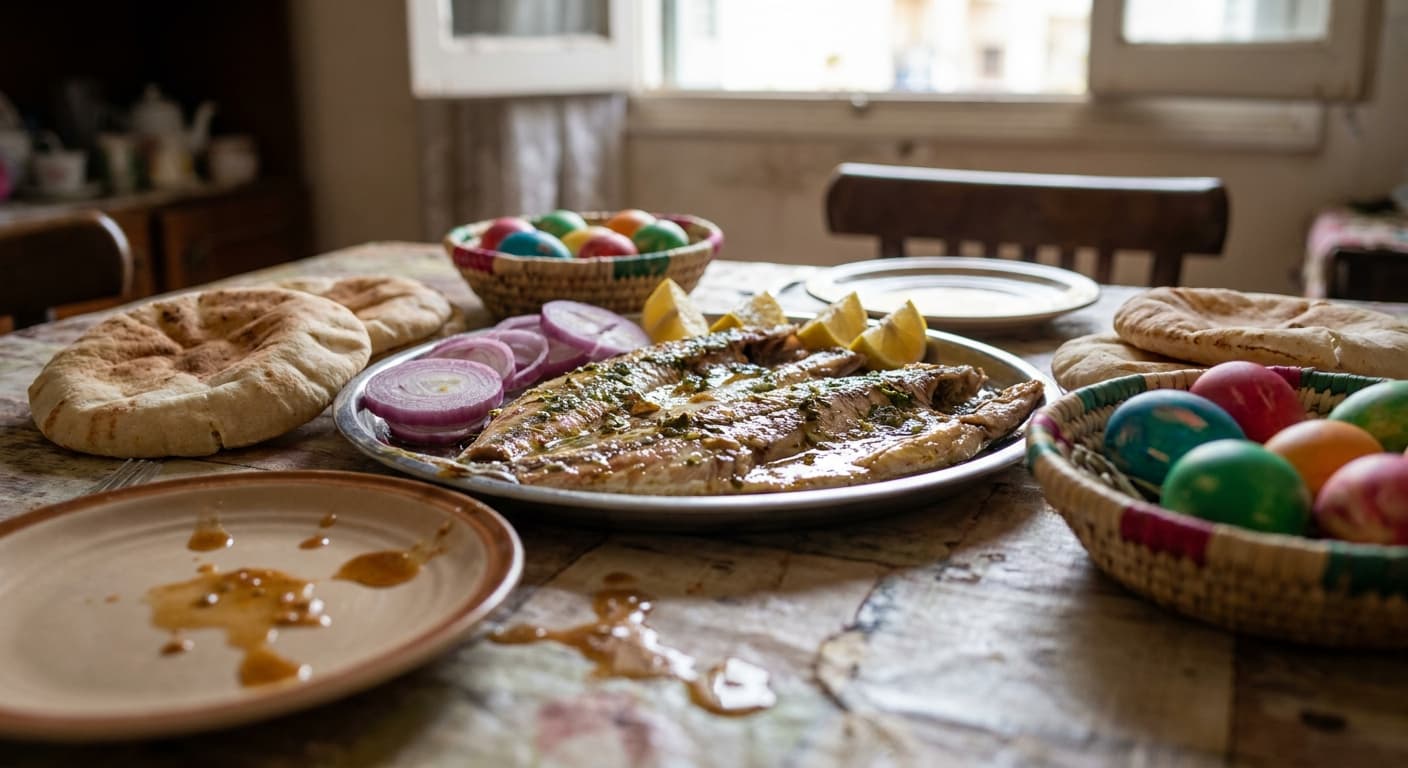
Feseekh (فسيخ) — Egyptian Salt-Cured Mullet for Sham el-Nessim
Egyptian · Main Courses · 30 min
Reviews
Cooked this recipe?
Tap the stars to rate it — that's all it takes. A few words are welcome but optional.
No ratings yet. Cooked this one? Be the first to rate it — it takes one tap.