Leaf Bread (Laufabrauð) — Crisp Icelandic Christmas Flatbread
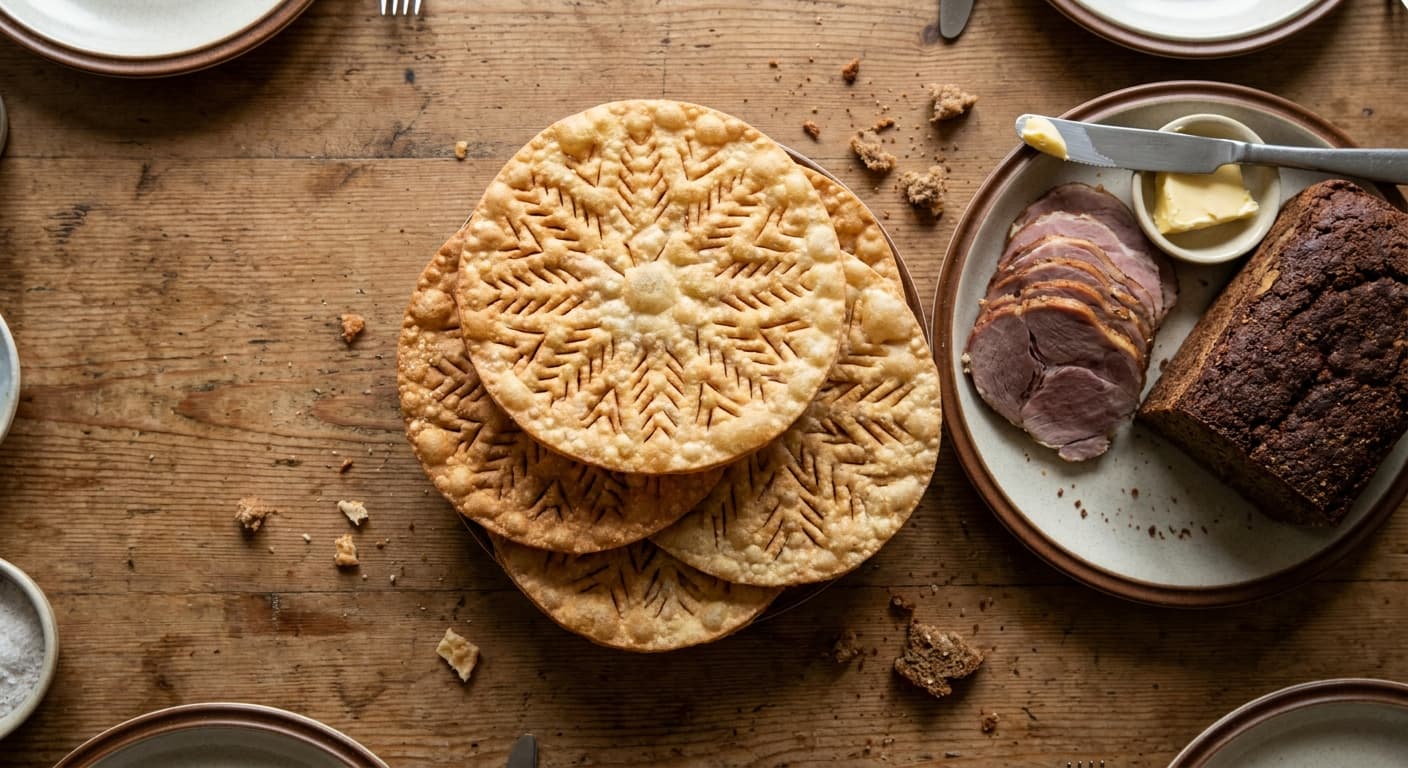
Laufabrauð is a paper-thin Icelandic Christmas bread cut with delicate leaf patterns and fried until crisp. Families often make stacks together in Advent, serving them with hangikjöt and rúgbrauð on the holiday table.
Printable Recipe Card
Servings: 12 · Total: 100 min · Difficulty: medium
Ingredients (quick list)
- 500 g all-purpose flour
- 2 tsp baking powder
- 1.25 tsp fine sea salt
- 1 tsp granulated sugar
- 300 ml whole milk
- 45 g unsalted butter
- 1.5 l neutral rapeseed oil (nutrition estimate assumes about 120 g is absorbed during frying)
Steps (summary)
- Whisk 500 g flour, baking powder, salt, and sugar in a large bowl until the leavening is evenly dispersed. Warm the milk and bu…
- Pour the warm milk mixture into the dry ingredients and stir with a wooden spoon until a firm dough forms. Knead on the counter…
- Divide the dough into 24 equal portions of about 36 g each and shape them into small balls. Cover them with a clean kitchen tow…
- Dust the counter lightly from the measured 50 g rolling flour and roll one dough ball into a circle 18 to 20 cm wide and about…
- Cut traditional leaf patterns into the round with a laufabrauð iron, a sharp paring knife, or a small pastry wheel. Lift every…
- Heat the rapeseed oil in a wide heavy pot to 180 C, using a thermometer to keep the temperature steady. Fry one bread at a time…
+ 2 more steps in the full instructions section below.
Cultural Background
Laufabrauð is both food and family craft, especially associated with northern Iceland and Christmas preparations. Gunnar Karl Gíslason frames Icelandic cuisine around preservation, season, and gathering, values echoed in this shared Advent ritual.
Equipment
💡 Tips
- Roll each round as thin as possible; a 1 mm sheet fries crisp, while thicker dough becomes tough and bready.
- Keep the oil between 175 C and 185 C; cooler oil makes greasy bread, and hotter oil scorches the cut edges.
- Cut all the rounds before frying if you have help, but keep them covered with parchment and towels so they do not dry out.
⚠️ Common Mistakes
❌ Rolling the dough too thick
✅ Fix: Aim for 1 mm thickness and 18 to 20 cm rounds; the dough should be thin enough to look slightly translucent before cutting.
❌ Letting shaped rounds dry before frying
✅ Fix: Cover cut rounds with parchment and a towel, and fry them within 45 minutes of rolling.
❌ Browning the bread deeply
✅ Fix: Keep oil at 180 C and fry for seconds, not minutes; authentic laufabrauð should be pale golden and crisp.
🧊 How to Store
Store fully cooled laufabrauð in an airtight tin at room temperature for up to 2 weeks. If it softens, place breads on a rack in a 120 C oven for 4 minutes, then cool completely before stacking again.
📅 Make Ahead
The dough can be mixed, portioned, and refrigerated for 8 hours; bring it to room temperature for 45 minutes before rolling. Fried laufabrauð keeps well in tins, making it ideal for Advent preparation.
🍽️ Pairs Well With
- Hangikjöt
- butter
- rúgbrauð
- pickled red cabbage
- boiled potatoes
- Icelandic Christmas buffet.
Regional Variations
- Northern Icelandic families are especially known for elaborate hand-cut leaf and snowflake patterns.
- Some households use a special patterned roller, while others cut every slit by hand with a small knife.
- Older recipes may fry in animal fat, while many modern Icelandic homes use neutral vegetable oil for a cleaner flavor.
Ingredients
- 500 gall-purpose flour
- 2 tspbaking powder
- 1.25 tspfine sea salt
- 1 tspgranulated sugar
- 300 mlwhole milk
- 45 gunsalted butter
- 1.5 lneutral rapeseed oil (nutrition estimate assumes about 120 g is absorbed during frying)
🔄 Substitutions
- whole milk→ 300 ml 2% milk plus 15 g extra unsalted butter
- unsalted butter→ 45 g baking margarine
- laufabrauð iron→ sharp paring knife or small pastry wheel
Instructions
- 1
Whisk 500 g flour, baking powder, salt, and sugar in a large bowl until the leavening is evenly dispersed. Warm the milk and butter in a small saucepan to 45 C, stirring until the butter melts, then remove it from the heat before the milk simmers.
- 2
Pour the warm milk mixture into the dry ingredients and stir with a wooden spoon until a firm dough forms. Knead on the counter for 4 minutes, using no more than 15 g of the measured dusting flour at this stage, until the dough is smooth but still slightly tight.
- 3
Divide the dough into 24 equal portions of about 36 g each and shape them into small balls. Cover them with a clean kitchen towel and rest for 20 minutes so the gluten relaxes and the rounds can be rolled very thin.
- 4
Dust the counter lightly from the measured 50 g rolling flour and roll one dough ball into a circle 18 to 20 cm wide and about 1 mm thick. Keep the remaining dough covered at all times because dry edges crack when the laufabrauð is cut and fried.
- 5
Cut traditional leaf patterns into the round with a laufabrauð iron, a sharp paring knife, or a small pastry wheel. Lift every other slit carefully with the knife tip and fold it back to create the woven leaf effect, then place the finished round on parchment while you shape the rest.
- 6
Heat the rapeseed oil in a wide heavy pot to 180 C, using a thermometer to keep the temperature steady. Fry one bread at a time for 8 to 12 seconds per side, turning once, until pale golden with small blistered spots rather than dark brown patches.
- 7
Lift each bread out with a slotted spoon and drain it on a rack set over a tray for 2 minutes. While still warm, press it gently between two clean trays or baking sheets for 20 seconds so it cools flat and crisp.
- 8
Cool the breads completely before stacking, because trapped steam will soften the crisp texture. Serve laufabrauð with hangikjöt and rúgbrauð; if your Icelandic Christmas baking day also includes kleinur, fry the leaf bread first so its delicate flavor stays clean.
🪪 Recipe Passport
Cultural Background
Laufabrauð is both food and family craft, especially associated with northern Iceland and Christmas preparations. Gunnar Karl Gíslason frames Icelandic cuisine around preservation, season, and gathering, values echoed in this shared Advent ritual.
Regional Variations
Researched from multiple sources and validated by the Zaffaron editorial team. Every recipe is tested for accuracy, measurements, and cultural authenticity.
📚 Sources & Cultural References
- Níelsína Larsen — Icelandic Food and Cookery
- Gunnar Karl Gíslason — North: The New Nordic Cuisine of Iceland — (2014)
Sources cited by the Zaffaron editorial team during recipe research. Cultural and culinary references supporting authenticity claims.
Nutrition per serving
Pairs well with
If you enjoyed this recipe, here are a few related Zaffaron recipes to try next.
Does your family make this differently?
Every family has their own version. Maybe your grandmother adds a secret ingredient, or your aunt has a completely different technique. Preserve your family's version — with their name on it, forever.
You Might Also Like
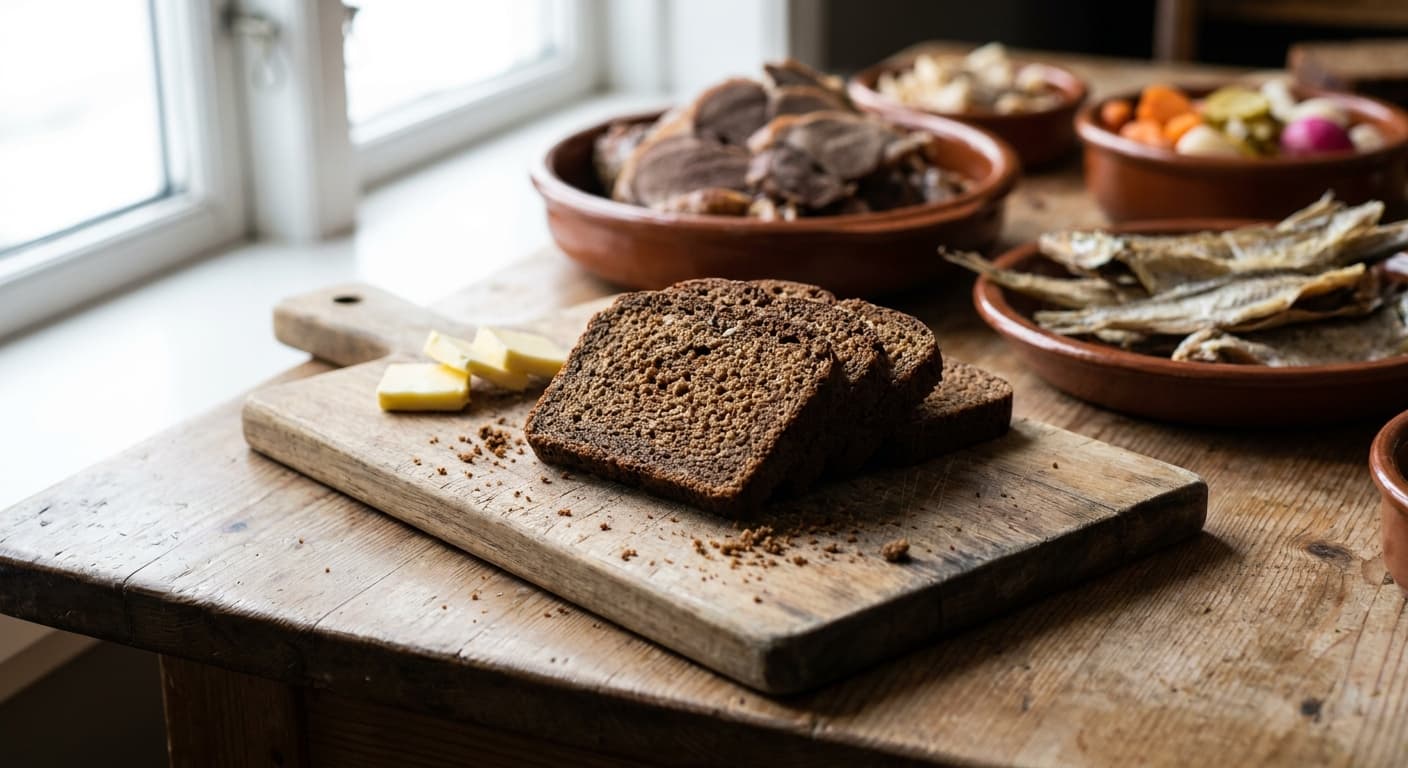
Icelandic Rye Bread (Rúgbrauð) — Dense Geothermal-Style Rye Loaf
Icelandic · Breads · 440 min
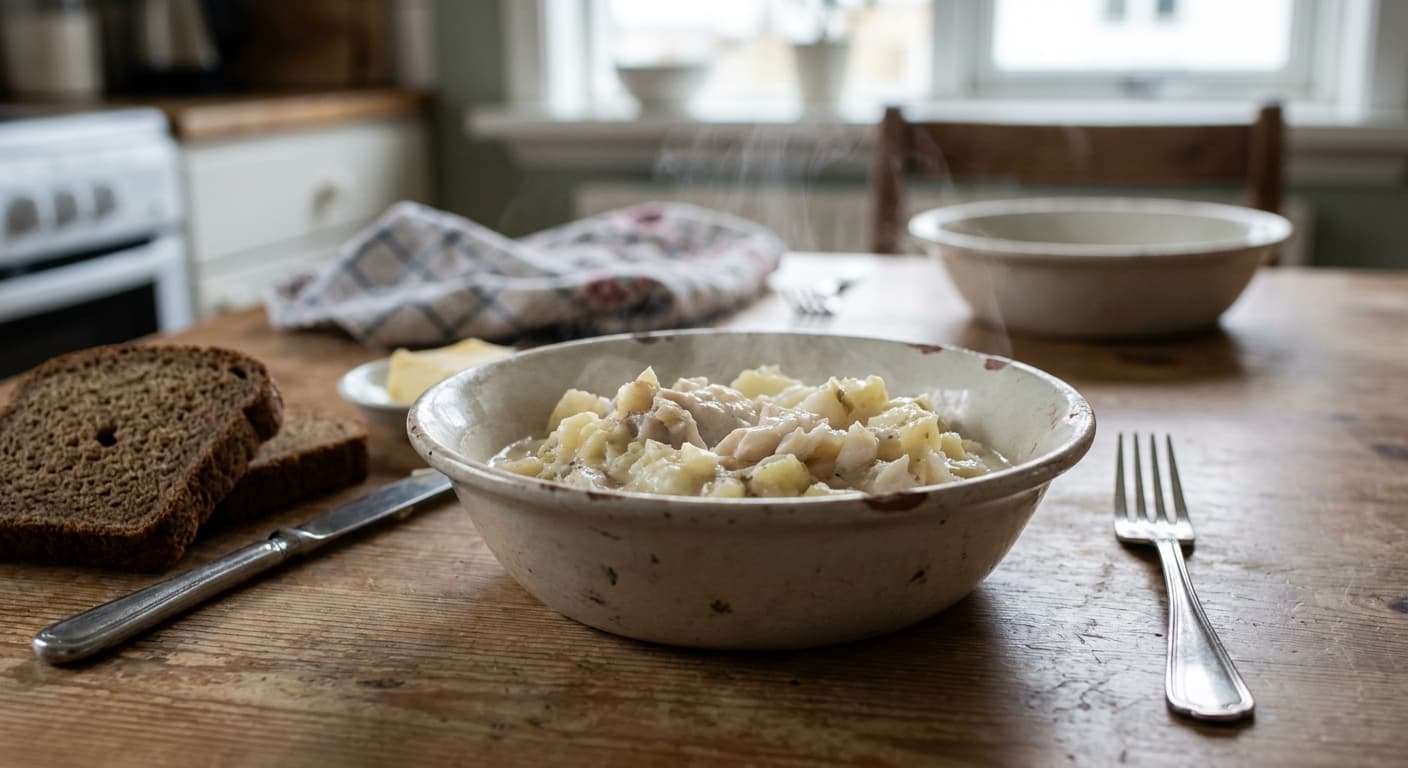
Icelandic Fish Stew (Plokkfiskur) — Creamy Cod and Potato Mash
Icelandic · Stews · 55 min
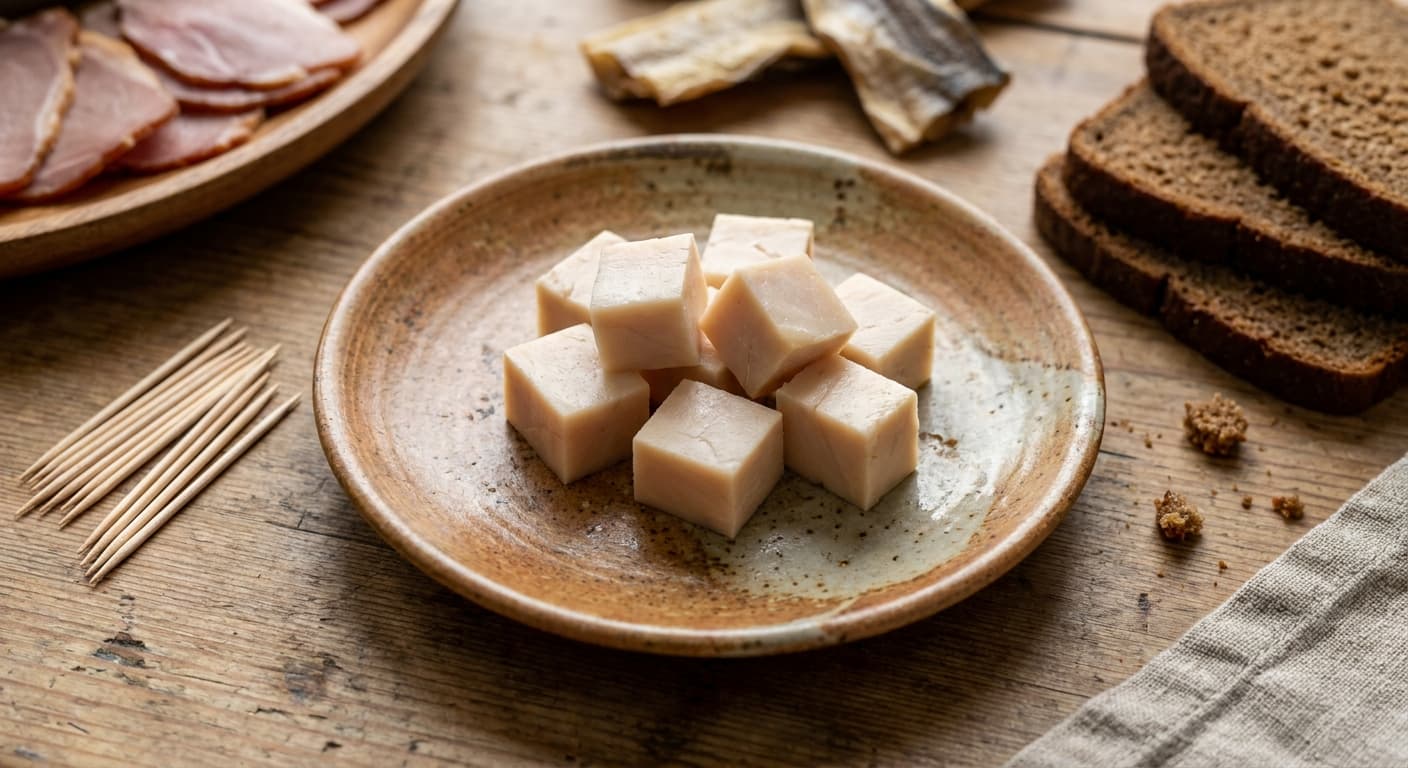
Hákarl (Hákarl) — Icelandic Fermented Shark Bites
Icelandic · Appetizers · 15 min
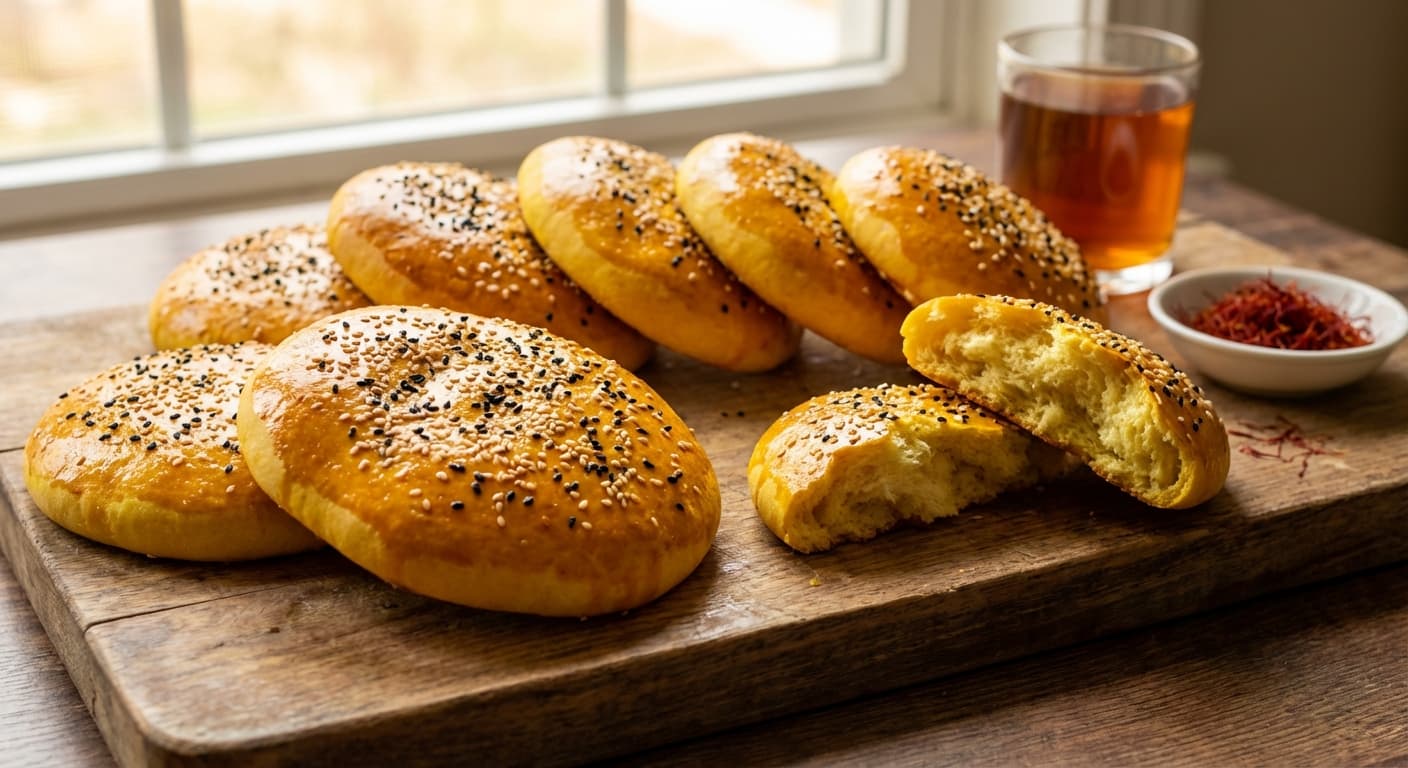
Sheermal (شیرمال) — Afghan Saffron Milk Bread with a Gentle Sweetness
Afghan · Breads · 43 min
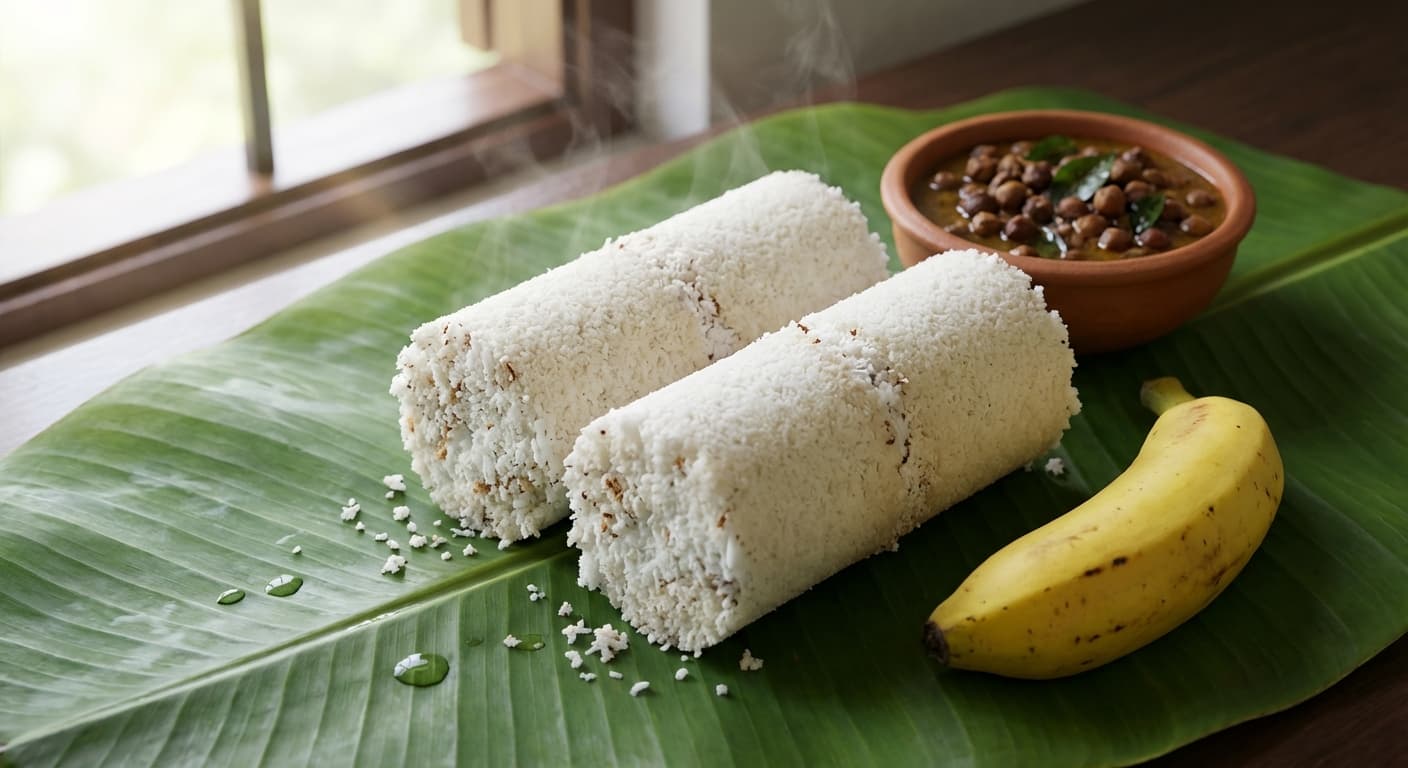
Puttu (പുട്ട്) — Steamed rice flour cylinders layered with coconut
Indian · Breads · 35 min
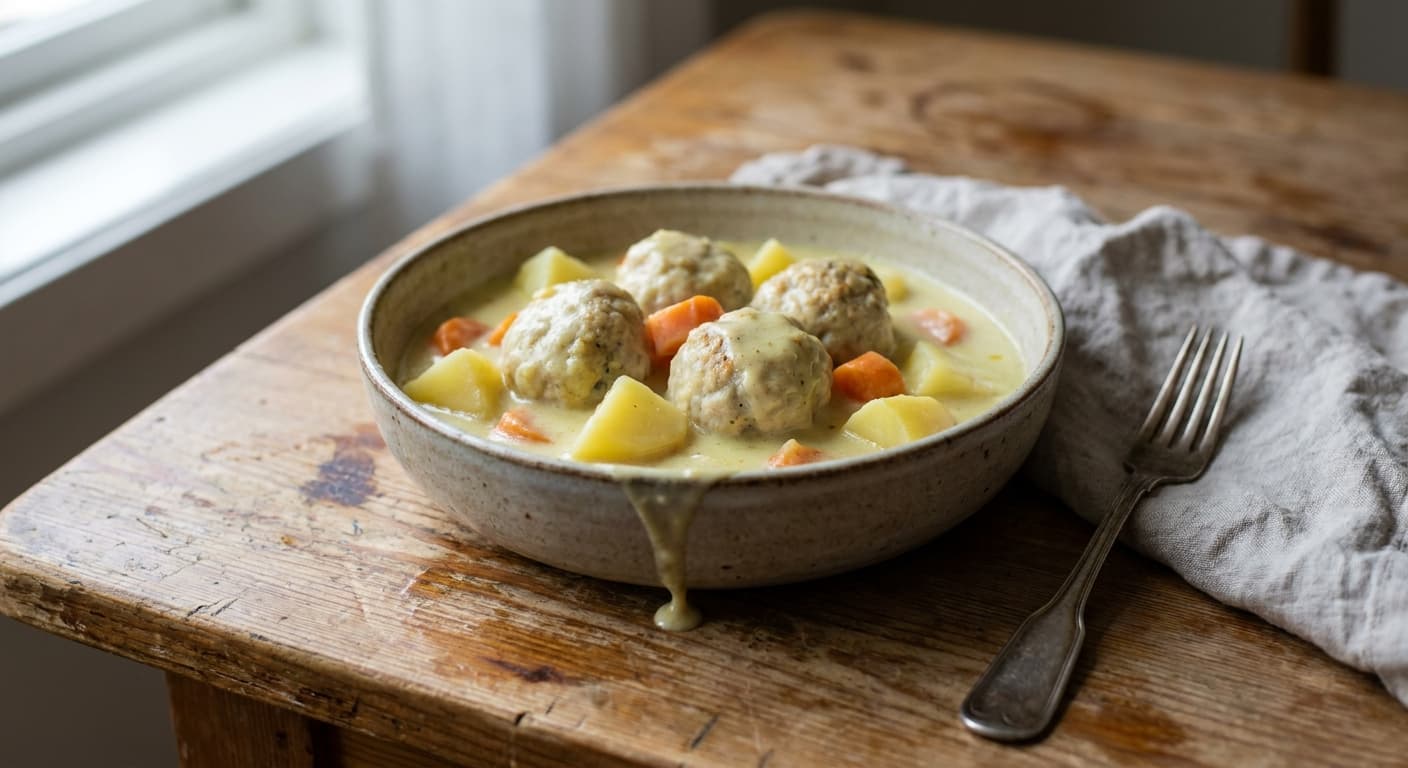
Norwegian Fish Balls (Fiskeboller) — Tender whitefish dumplings in curry cream sauce
Norwegian · Main Courses · 70 min
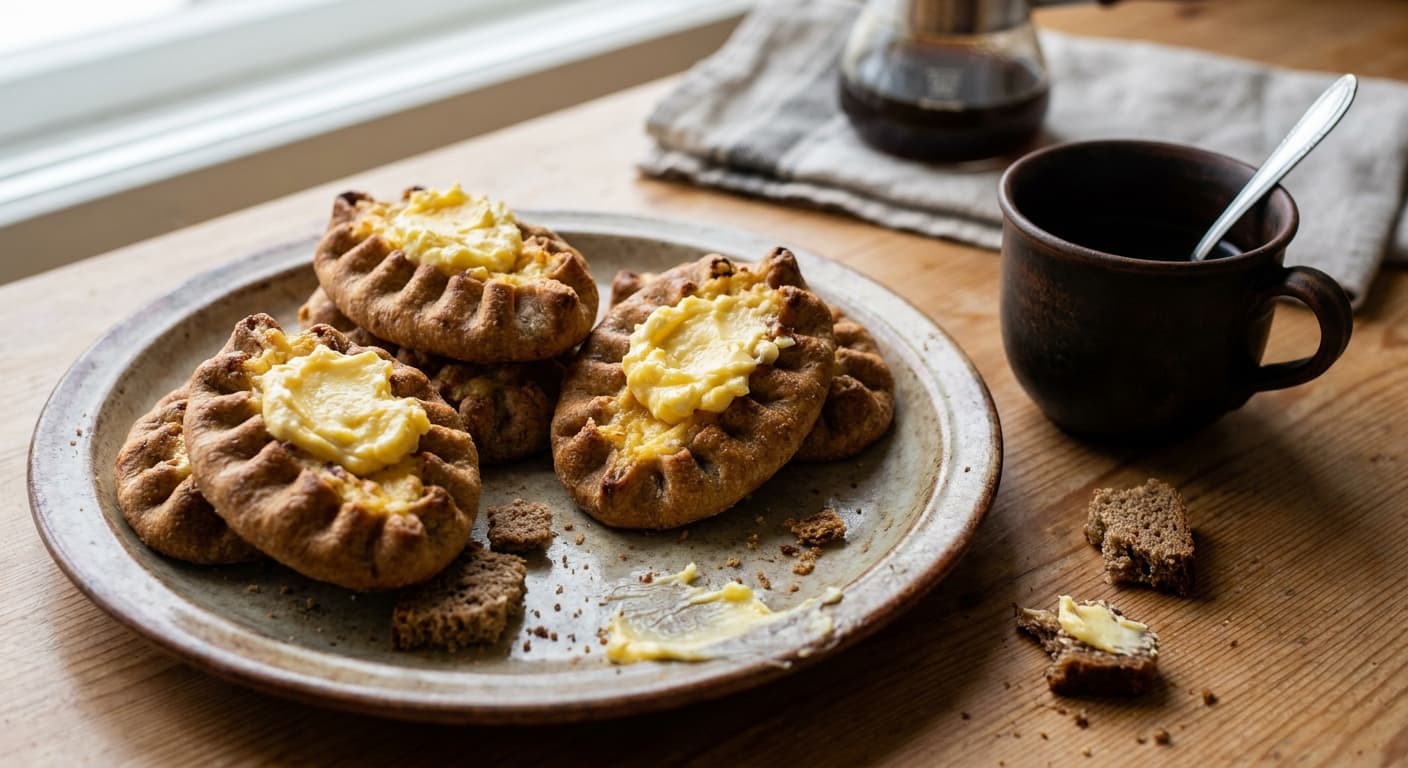
Karelian Pasties (Karjalanpiirakka) — Rye Crusts Filled with Rice Porridge
Finnish · Breads · 115 min
Finnish Oven-Baked Squeaky Cheese (Leipäjuusto) — Warm Bread Cheese with Cloudberry Jam
Finnish · Desserts · 85 min
Reviews
Cooked this recipe?
Tap the stars to rate it — that's all it takes. A few words are welcome but optional.
No ratings yet. Cooked this one? Be the first to rate it — it takes one tap.