Chelo & Polow (چلو و پلو) — Persian Steamed Rice with Tahdig
A master guide to Persian rice: Chelo (plain) and Polow (mixed). Learn soaking, parboiling, steaming, and creating crisp golden tahdig for long, separate grains every time.
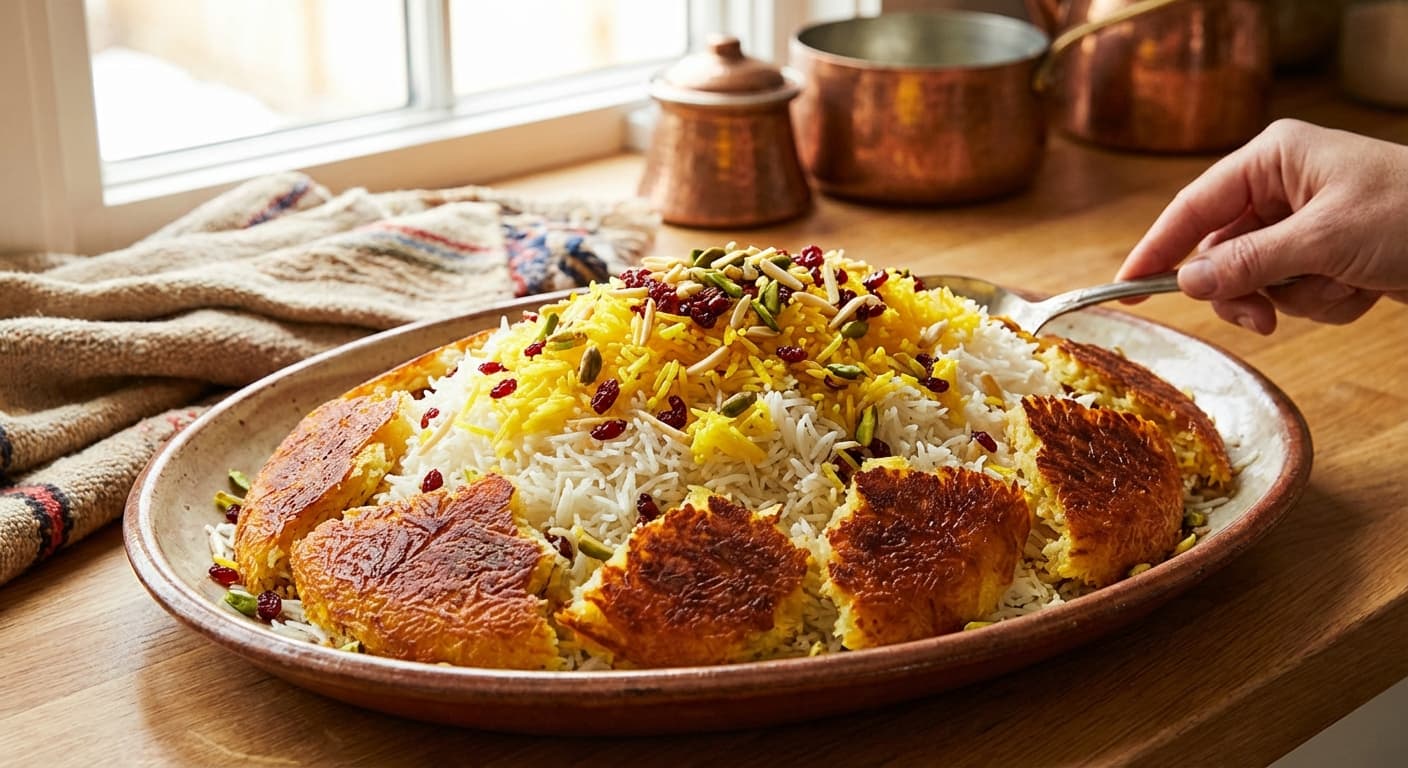
Printable Recipe Card
Servings: 6 · Total: 150 min · Difficulty: medium
Ingredients (quick list)
- 500 g Basmati rice (aged preferred) (Rinse until water runs mostly clear)
- 1500 ml Lukewarm water (For soaking (about 35–40°C / 95–104°F))
- 24 g Fine sea salt (About 4 tsp; divided for soaking and boiling)
- 3000 ml Water (For parboiling; use more if needed to keep rice freely moving)
- 60 ml Neutral oil (About 4 tbsp; divided between pot and finishing)
- 120 g Plain yogurt (For yogurt tahdig; full-fat gives best browning)
- 30 ml Brewed saffron water (Optional; for color and aroma in tahdig)
- 1 large Egg yolk (Optional; increases crispness and color)
- 1 large sheet Lavash bread (About 50 g; cut to fit pot base)
- 250 g Potatoes (About 2 medium; peeled and sliced 5 mm thick)
Steps (summary)
- Rinse the rice in a bowl with cool water 4–6 times, gently stirring with your fingers, until the water is mostly clear. Drain w…
- Bring 3000 ml water to a rolling boil in a large pot over high heat. Add the remaining 12 g salt. Drain the soaked rice and add…
- Drain the rice in a fine-mesh colander. Rinse quickly with 250 ml cool water to stop cooking and wash away excess surface starc…
- Choose your tahdig base. For yogurt tahdig: mix 120 g yogurt, 30 ml saffron water (optional), 1 egg yolk (optional), and 2 tbsp…
- In a nonstick or well-seasoned pot (24–26 cm), heat 45 ml oil over medium heat for 60–90 seconds until shimmering. Add your tah…
- Use the handle of a wooden spoon to poke 5–7 steam holes down through the rice to the bottom. Drizzle 15 ml oil and 60 ml water…
+ 2 more steps in the full instructions section below.
Cultural Background
Steamed rice with tahdig is a central technique in Persian home cooking and is often treated as a measure of kitchen skill. Chelo is commonly served alongside stews and kebabs, while Polow variations incorporate herbs, legumes, dried fruits, or meats for festive meals and family gatherings.
Equipment
💡 Tips
- Use aged basmati if available; it tends to produce longer, drier grains that separate well after steaming.
- Do not overboil during parboil: the center should remain slightly firm; steaming finishes the cook without breaking grains.
- A towel-wrapped lid prevents water droplets from falling back onto the rice, which can make the top layer gummy.
- For stronger tahdig, keep the final 10 minutes on slightly higher low heat, but monitor to avoid burning.
- If making Polow, ensure mix-ins are fully cooked and not watery; excess moisture can collapse the grain structure.
⚠️ Common Mistakes
❌ Skipping the soak or using cold water only
💡 Why: Insufficient hydration can lead to uneven cooking and shorter grains that break during parboiling.
✅ Fix: Soak 60 minutes in lukewarm salted water; if short on time, soak 30 minutes and reduce parboil agitation to protect grains.
❌ Overboiling during the parboil step
💡 Why: If the center is fully cooked, grains turn fragile and can mash during steaming, especially when adding mix-ins for Polow.
✅ Fix: Boil until the outside is tender but the center remains slightly firm (typically 6–8 minutes for basmati), then drain immediately.
❌ Condensation dripping onto rice during steaming
💡 Why: Water droplets reintroduce surface starch and create gummy patches on the top layer.
✅ Fix: Wrap the lid with a towel and keep the pot tightly covered; avoid lifting the lid during the first 25 minutes of steaming.
❌ Burning tahdig while trying to make it darker
💡 Why: High heat scorches the bottom before the rice finishes steaming, producing bitter flavors.
✅ Fix: Use medium-high heat only for the first 10 minutes, then low heat for 35–45 minutes; adjust slightly upward only at the very end if needed.
🧊 How to Store
Cool rice within 1 hour, then refrigerate in an airtight container up to 4 days. Reheat covered with 1–2 tbsp water in a pan over low heat 8–12 minutes, or microwave covered 2–3 minutes, stirring once. Tahdig is best fresh; re-crisp in a dry skillet 2–4 minutes per side.
📅 Make Ahead
Parboil and drain the rice up to 6 hours ahead; spread on a tray to cool, then refrigerate covered. Bring to room temperature 30 minutes, then proceed with tahdig and steaming; add 5–10 minutes to the low-heat steam time if rice is cold.
🍽️ Pairs Well With
- Persian-style grilled kebabs
- Herb stew or tomato-based stews
- Yogurt-cucumber salad
- Pickled vegetables and fresh herbs
Regional Variations
- Tehran and central IranChelo is often served very fluffy with a pronounced tahdig, sometimes using yogurt and saffron for a deeper golden crust.
- Caspian region (northern Iran)Polow is frequently paired with herb-forward or fish-based meals; cooks may prefer a lighter crust and slightly moister rice to complement rich stews.
- Iranian diaspora kitchensElectric rice cookers are commonly used to simplify steaming; tahdig is still emphasized, often made with oil-only or bread to reduce sticking and increase reliability.
Ingredients
- 500 gBasmati rice (aged preferred) (Rinse until water runs mostly clear)
- 1500 mlLukewarm water (For soaking (about 35–40°C / 95–104°F))
- 24 gFine sea salt (About 4 tsp; divided for soaking and boiling)
- 3000 mlWater (For parboiling; use more if needed to keep rice freely moving)
- 60 mlNeutral oil (About 4 tbsp; divided between pot and finishing)
- 120 gPlain yogurt (For yogurt tahdig; full-fat gives best browning)
- 30 mlBrewed saffron water (Optional; for color and aroma in tahdig)
- 1 largeEgg yolk (Optional; increases crispness and color)
- 1 large sheetLavash bread (About 50 g; cut to fit pot base)
- 250 gPotatoes (About 2 medium; peeled and sliced 5 mm thick)
🔄 Substitutions
- Basmati rice (aged preferred)→ Jasmine rice
- Neutral oil→ Ghee (clarified butter)
- Plain yogurt (for yogurt tahdig)→ Dairy-free unsweetened yogurt alternative
Instructions
- 1
Rinse the rice in a bowl with cool water 4–6 times, gently stirring with your fingers, until the water is mostly clear. Drain well. Add 1500 ml lukewarm water and 12 g salt, stir once, and soak 60 minutes at room temperature to help grains elongate and cook evenly.
- 2
Bring 3000 ml water to a rolling boil in a large pot over high heat. Add the remaining 12 g salt. Drain the soaked rice and add it to the boiling water, stirring once to prevent sticking. Boil 6–8 minutes, until grains are longer and soft on the outside but still firm in the center.
- 3
Drain the rice in a fine-mesh colander. Rinse quickly with 250 ml cool water to stop cooking and wash away excess surface starch (skip the rinse if you prefer a slightly stickier result). Let the rice drain 5 minutes, shaking the colander gently so water does not pool.
- 4
Choose your tahdig base. For yogurt tahdig: mix 120 g yogurt, 30 ml saffron water (optional), 1 egg yolk (optional), and 2 tbsp of the drained parboiled rice until smooth. For bread tahdig: cut lavash to fit the pot. For potato tahdig: pat slices dry for better browning.
- 5
In a nonstick or well-seasoned pot (24–26 cm), heat 45 ml oil over medium heat for 60–90 seconds until shimmering. Add your tahdig base: spread yogurt mixture evenly, or lay bread, or arrange potato slices in a single layer. Immediately add the remaining parboiled rice, building it into a loose mound.
- 6
Use the handle of a wooden spoon to poke 5–7 steam holes down through the rice to the bottom. Drizzle 15 ml oil and 60 ml water over the rice. Wrap the lid with a clean kitchen towel (to catch condensation), cover tightly, and steam 10 minutes over medium-high heat.
- 7
Reduce heat to low and continue steaming 35–45 minutes. Listen for a gentle crackle near the end, which signals tahdig browning. For Chelo (plain), do not stir. For Polow (mixed rice), fold in your pre-cooked mix-ins after parboiling and before steaming, layering them with the rice to keep grains separate.
- 8
To release tahdig, turn off heat and rest the pot covered for 5 minutes. For easier unmolding, place the pot base in 1 cm cold water for 30–45 seconds (avoid splashing into the rice). Fluff the rice with a fork, then invert onto a platter or lift tahdig out in pieces.
🪪 Recipe Passport
Cultural Background
Steamed rice with tahdig is a central technique in Persian home cooking and is often treated as a measure of kitchen skill. Chelo is commonly served alongside stews and kebabs, while Polow variations incorporate herbs, legumes, dried fruits, or meats for festive meals and family gatherings.
Regional Variations
Researched from multiple sources and validated by the Zaffaron editorial team. Every recipe is tested for accuracy, measurements, and cultural authenticity.
Nutrition per serving
Pairs well with
If you enjoyed this recipe, here are a few related Zaffaron recipes to try next.
- Tokhme Morgh ba Khomeer-e Sib Zamini (تخم مرغ با خمیر سیب زمینی) — Persian Eggs with Potato Dough
- Shorba-ye Kari-ye Narjil (شوربا کاری نارگیل) — Persian-Inspired Coconut Chicken Curry Soup
- Persian Chicken and Beef Roulade (رولت مرغ و گوشت) — Marbled baked roulade with herbs
- Macaroni ba Saws-e Gherona (ماکارونی با سس قِرونا) — Persian Cold Pasta with Green Garlic Herb Sauce
Does your family make this differently?
Every family has their own version. Maybe your grandmother adds a secret ingredient, or your aunt has a completely different technique. Preserve your family's version — with their name on it, forever.
You Might Also Like
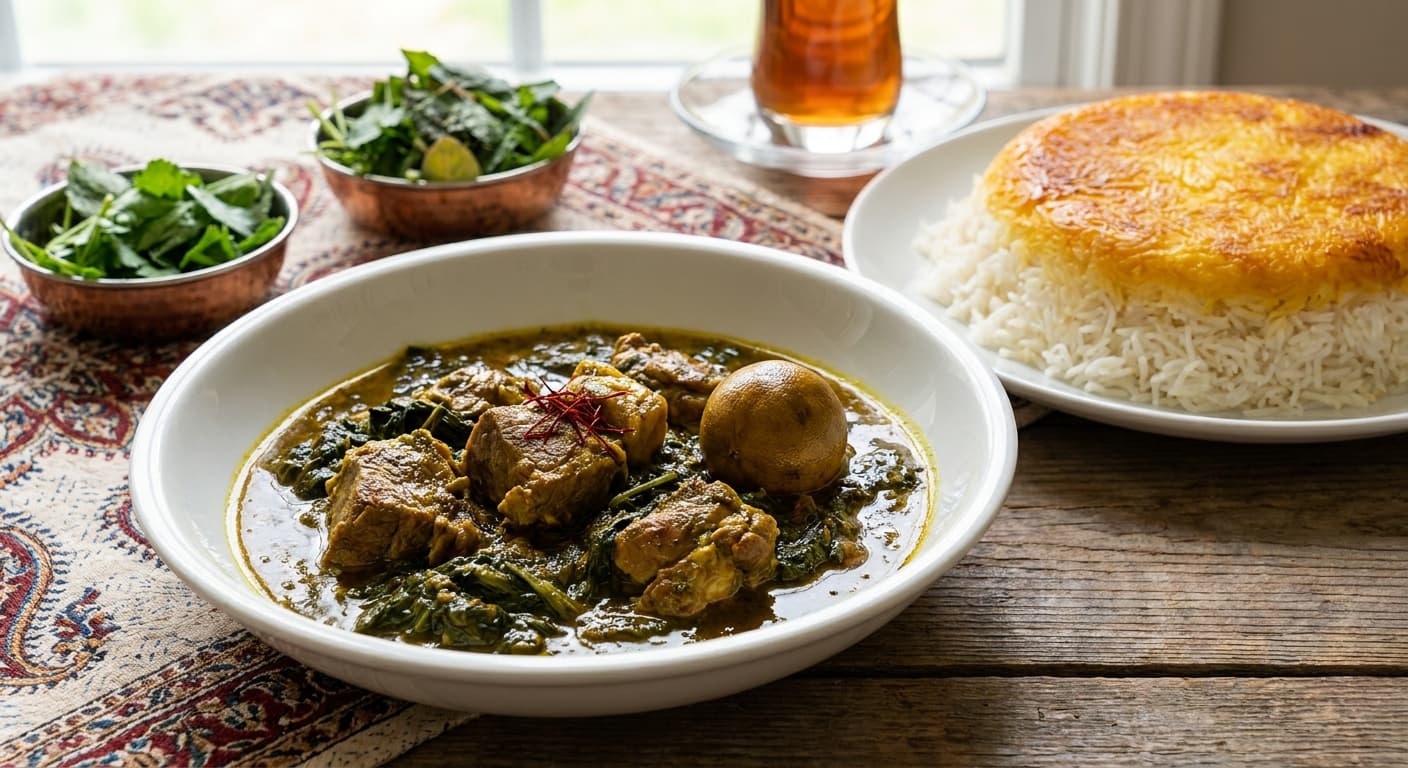
Persian Khoresht Saak (خورش ساک) — Saffron-Cardamom Lamb Stew with Saak Greens
Persian · Stews · 145 min
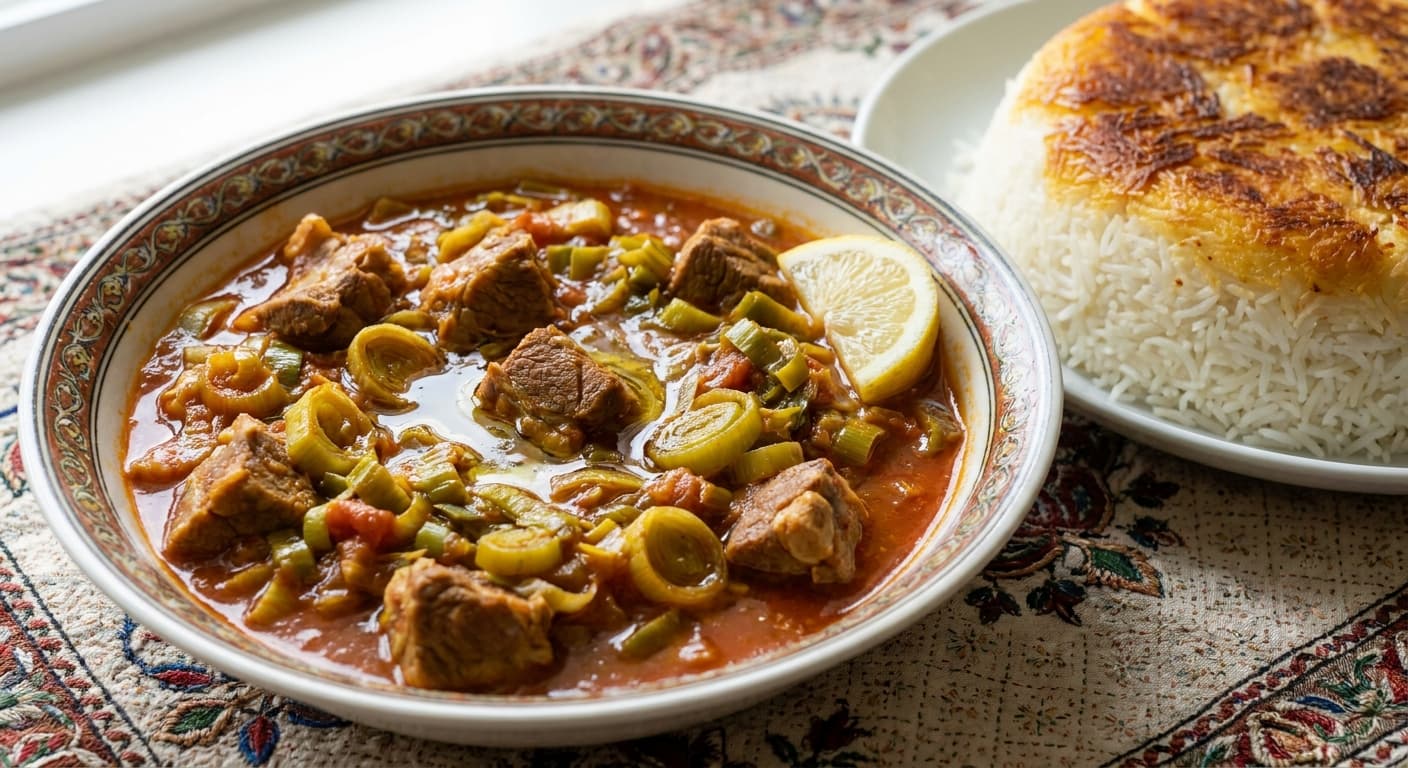
Khoresh Tareh Farangi (خورش تره فرنگی) — Persian Leek and Lamb Stew
Persian · Stews · 130 min
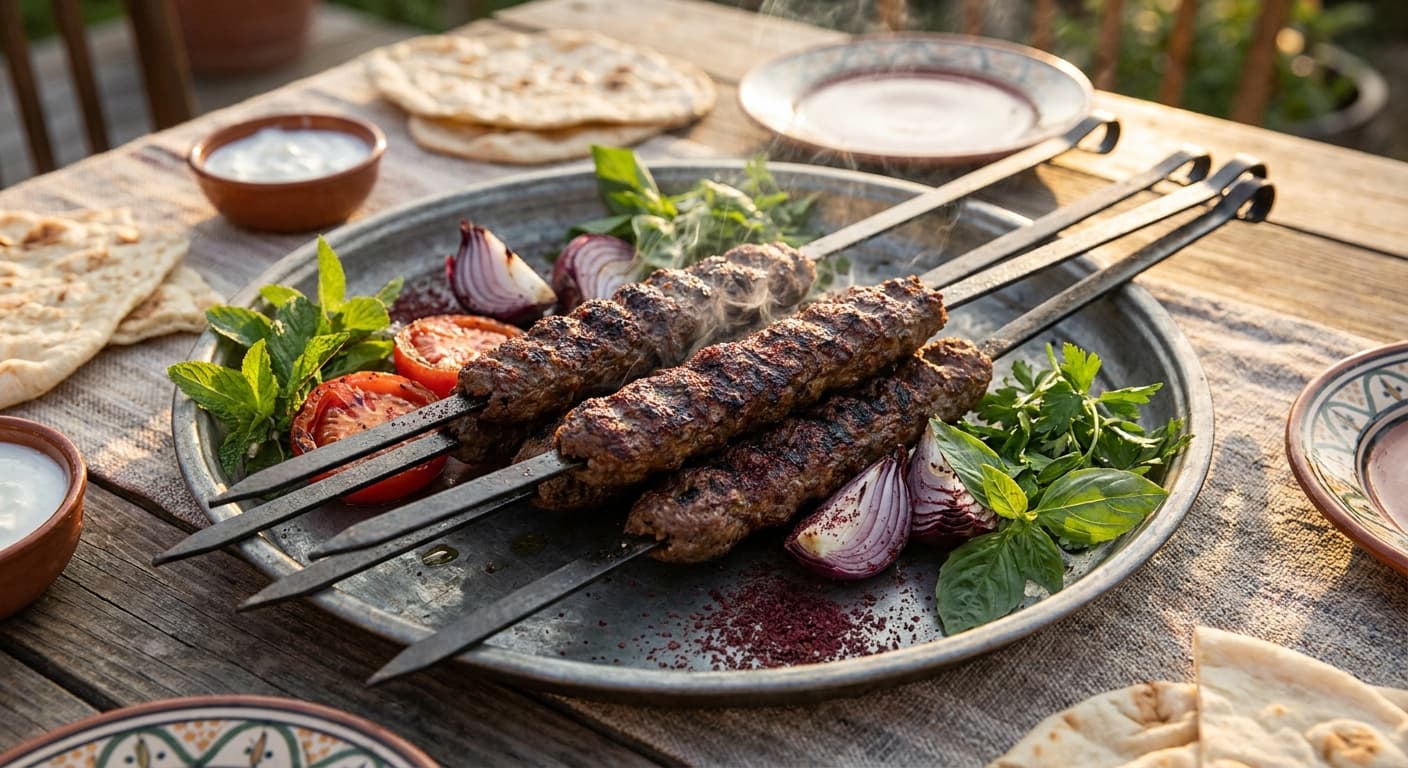
Authentic Kabab Koobideh (کباب کوبیده) — Persian Minced Lamb Skewers
Persian · Kebabs · 40 min
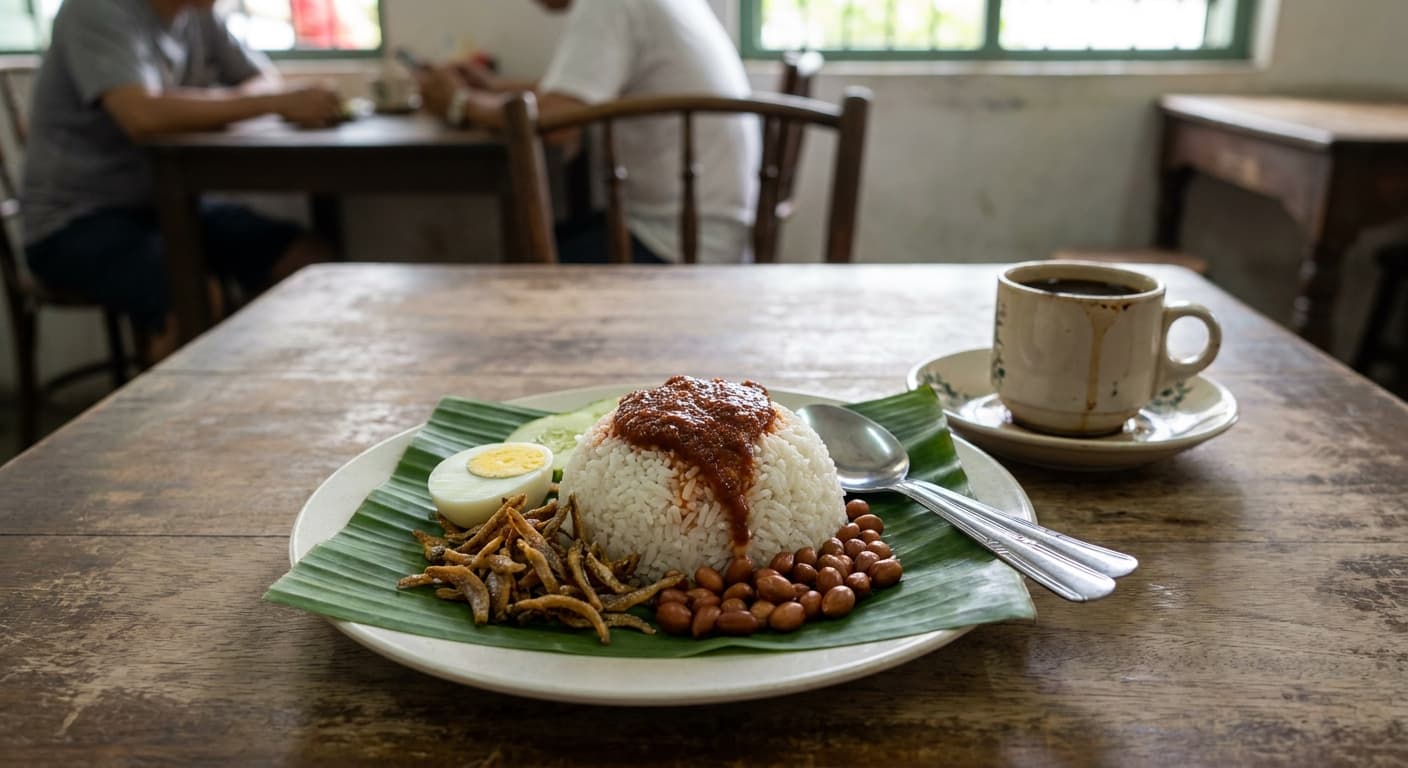
Nasi Lemak (Nasi Lemak) — Coconut Rice with Sambal and Classic Garnishes
Malaysian · Rice Dishes · 90 min
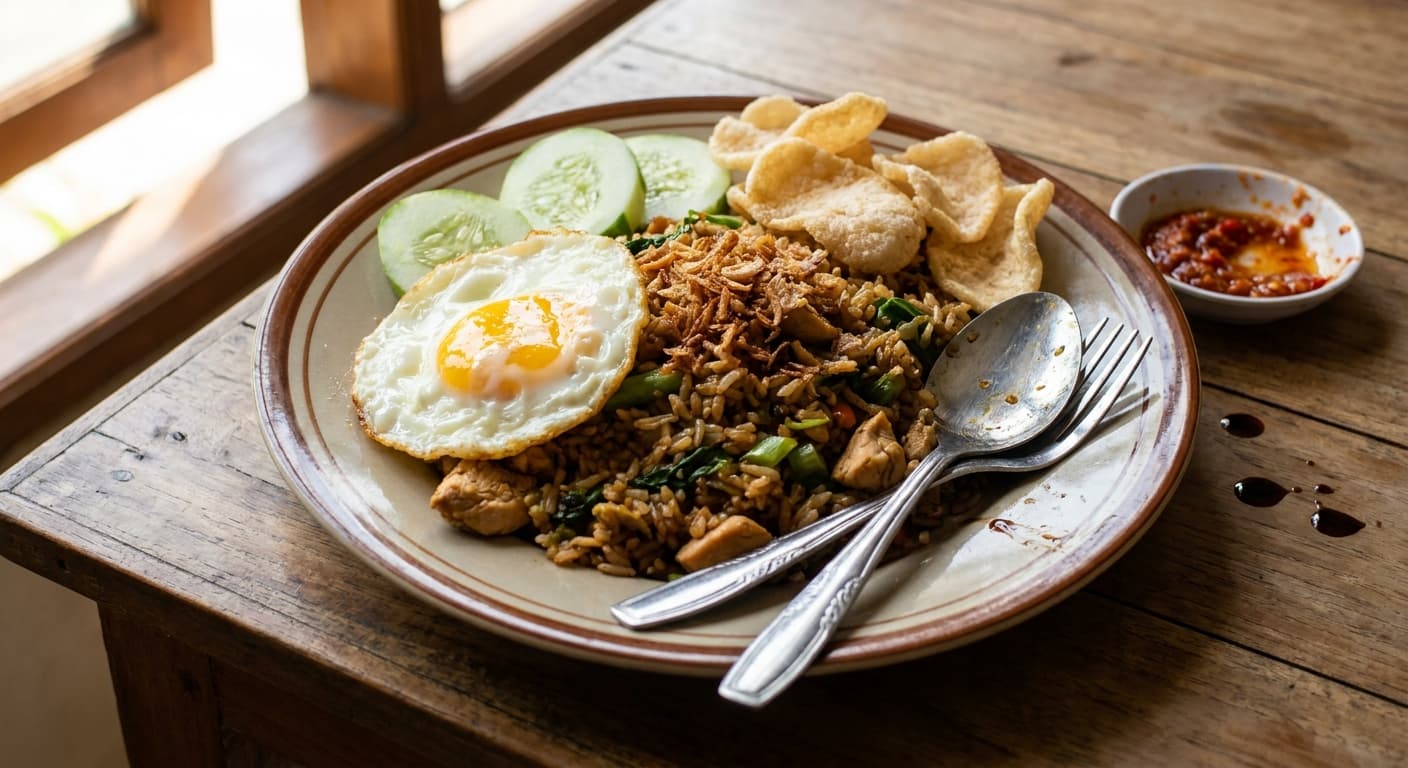
Indonesian Fried Rice (Nasi Goreng) — Sweet Soy Street-Style Rice
Indonesian · Rice Dishes · 35 min
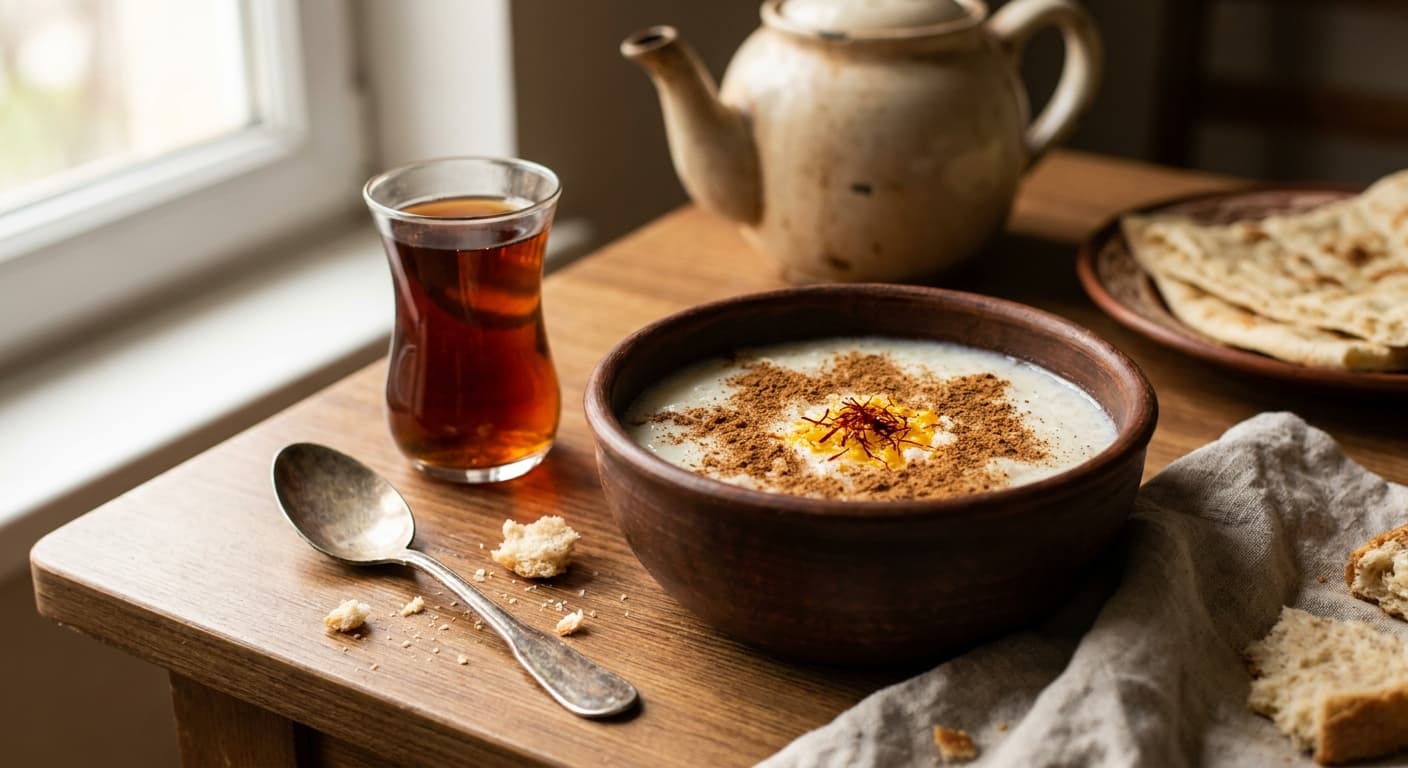
Azerbaijani Milk Rice Porridge (Südlü Sıyıq) — Creamy Breakfast Bowl
Azerbaijani · Rice Dishes · 40 min
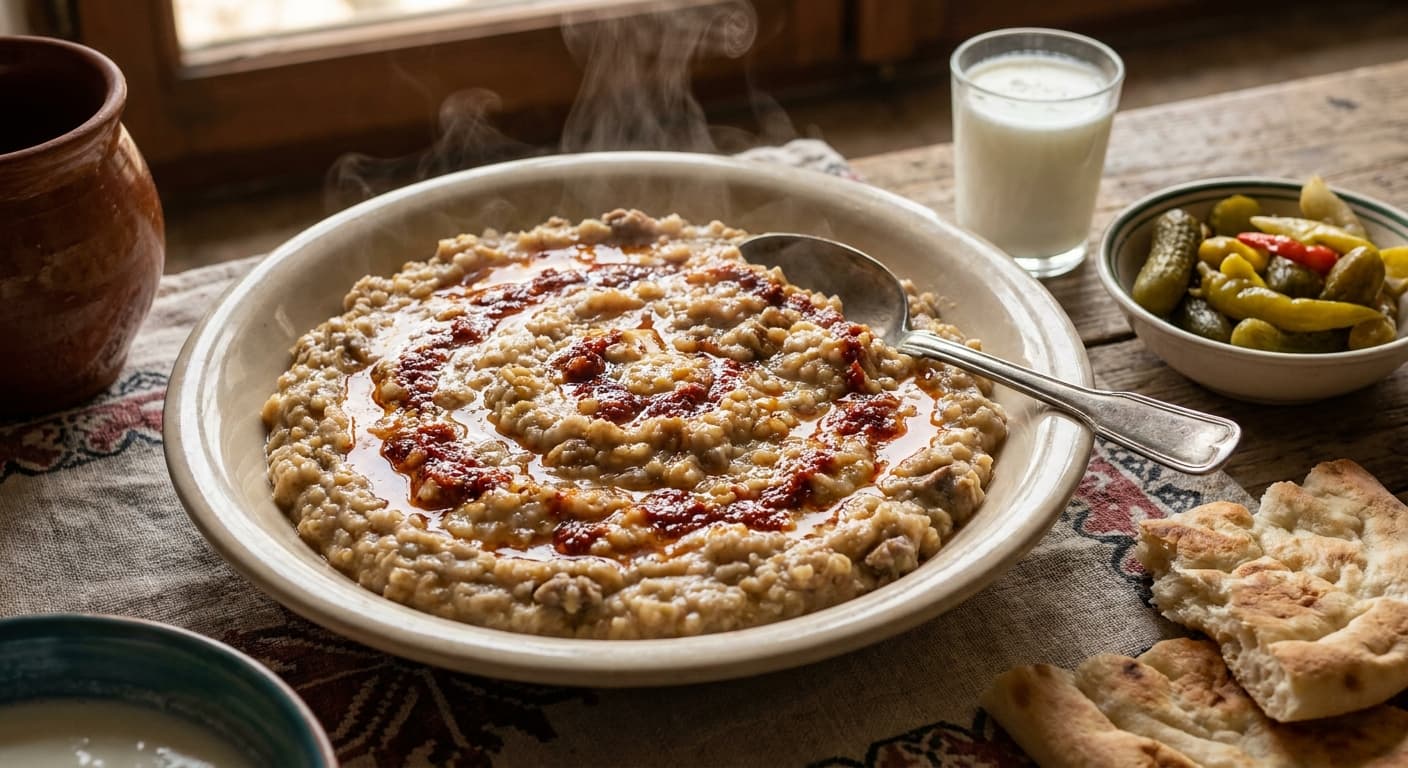
Keshkek (Keşkek) — Creamy Ceremonial Wheat and Lamb Stew
Turkish · Stews · 240 min
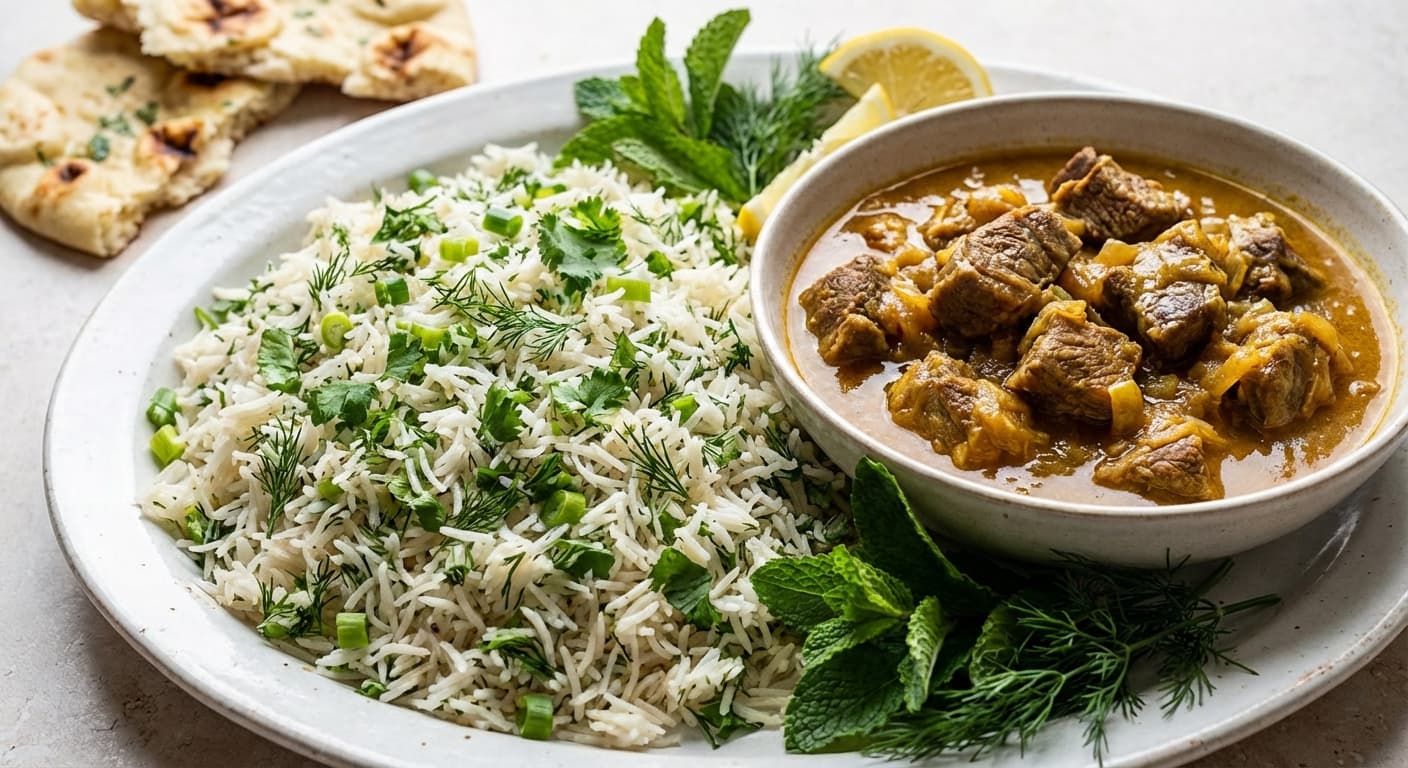
Sabzi Chalaw (سبزی چلو) — Afghan Herb Rice with Meat Stew
Afghan · Rice Dishes · 130 min
Reviews
Cooked this recipe?
Tap the stars to rate it — that's all it takes. A few words are welcome but optional.
No ratings yet. Cooked this one? Be the first to rate it — it takes one tap.