Tomato Soup (Domates Çorbası) — Silky butter-finished grated tomato soup
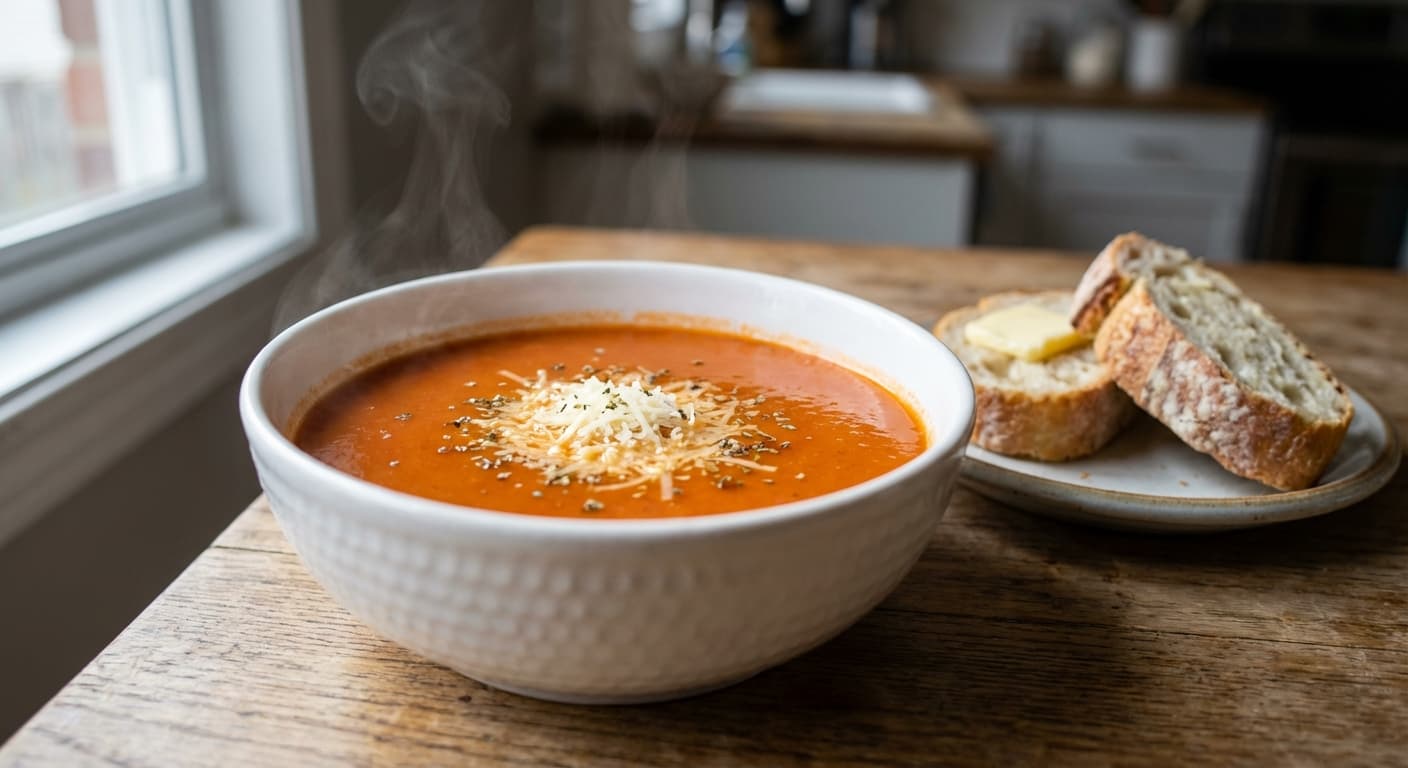
Domates Çorbası is a beloved Turkish comfort soup, often served in lokantas with crusty bread and a sprinkle of cheese. Grated ripe tomatoes create a naturally smooth body, finished with butter for a glossy, velvety texture.
Printable Recipe Card
Servings: 4 · Total: 35 min · Difficulty: easy
Ingredients (quick list)
- 800 g Ripe tomatoes, grated (skin discarded) (About 5–6 medium tomatoes)
- 30 g Unsalted butter
- 20 g All-purpose flour (About 2 tbsp)
- 20 g Tomato paste (About 1 tbsp)
- 700 ml Water
- 250 ml Whole milk
- 6 g Fine sea salt (About 1 tsp)
- 1 tsp Black pepper, freshly ground
- 4 g Granulated sugar (About 1 tsp, balances acidity)
- 1 tsp Dried oregano (Traditional in many homes)
- 40 g Kashar cheese, finely grated (Or mild mozzarella)
Steps (summary)
- Grate the tomatoes on the large holes of a box grater into a bowl, stopping when you reach the skins. Discard the skins and set…
- Melt the butter in a medium pot over medium heat until it foams but does not brown. Add the flour and whisk constantly for 2 mi…
- Whisk in the tomato paste and cook for 1 minute, stirring so it dissolves into the roux. Add the grated tomatoes gradually, whi…
- Pour in the water and bring the soup to a gentle boil, then reduce to a steady simmer. Simmer for 12 minutes, stirring every co…
- Add the milk, salt, black pepper, and sugar, then return the soup to a very gentle simmer. Cook for 6 minutes, keeping the heat…
- Blend the soup until completely smooth using an immersion blender, or carefully in a countertop blender in batches. Pass throug…
+ 1 more steps in the full instructions section below.
Cultural Background
A staple in Turkish home kitchens and lokanta lunch counters, Domates Çorbası showcases peak-season tomatoes and simple technique. It is commonly served before kebabs or pilav, often finished with melting kaşar for comfort and warmth.
Equipment
💡 Tips
- Use very ripe, fragrant tomatoes; if they taste watery, simmer the grated tomatoes 3 extra minutes before adding water to concentrate flavor.
- Keep the roux pale: if the butter browns, the soup will taste nutty rather than clean and tomato-forward; lower the heat and restart if needed.
- For extra silkiness without more flour, blend longer and then rest the soup 5 minutes off-heat so bubbles dissipate before serving.
⚠️ Common Mistakes
❌ Adding milk at a hard boil, causing a grainy or split texture.
✅ Fix: Lower the heat to a gentle simmer before adding milk, and keep the soup below a boil afterward.
❌ Lumpy soup from flour clumping when tomatoes are added.
✅ Fix: Whisk continuously and add grated tomatoes gradually; if lumps form, blend and then strain through a fine sieve.
❌ Flat flavor from undercooked tomato paste and tomatoes.
✅ Fix: Cook the tomato paste 1 full minute in the butter-flour base and simmer the soup long enough to mellow acidity.
🧊 How to Store
Cool leftovers to room temperature within 1 hour, then refrigerate in a sealed container for up to 3 days. Reheat gently over low heat, stirring often; do not boil to avoid dairy splitting. Add 30–60 ml water if it thickens.
📅 Make Ahead
Grate the tomatoes up to 12 hours ahead and refrigerate tightly covered. Cook the soup fully up to 2 days ahead; reheat slowly and blend briefly again if it thickens or separates slightly.
🍽️ Pairs Well With
- Crusty bread
- toasted pide
- grilled cheese toast
- a squeeze of lemon
- simple shepherd salad.
Regional Variations
- Lokanta-style: strain the blended soup and serve with a generous kashar topping and croutons.
- Creamier version: replace 100 ml of the milk with 100 ml light cream for a richer mouthfeel.
- Spiced version: add 1 tsp sweet paprika with the tomato paste for a warmer, Anatolian profile.
Ingredients
- 800 gRipe tomatoes, grated (skin discarded) (About 5–6 medium tomatoes)
- 30 gUnsalted butter
- 20 gAll-purpose flour (About 2 tbsp)
- 20 gTomato paste (About 1 tbsp)
- 700 mlWater
- 250 mlWhole milk
- 6 gFine sea salt (About 1 tsp)
- 1 tspBlack pepper, freshly ground
- 4 gGranulated sugar (About 1 tsp, balances acidity)
- 1 tspDried oregano (Traditional in many homes)
- 40 gKashar cheese, finely grated (Or mild mozzarella)
🔄 Substitutions
- Whole milk→ Evaporated milk (250 ml) plus water (50 ml, deducted from the 700 ml water)
- Kashar cheese→ Mild mozzarella, finely grated (40 g)
- All-purpose flour→ Cornstarch (12 g) mixed with cold milk (50 ml, deducted from the 250 ml milk)
Instructions
- 1
Grate the tomatoes on the large holes of a box grater into a bowl, stopping when you reach the skins. Discard the skins and set the grated tomato pulp aside so it is ready to add quickly to the pot.
- 2
Melt the butter in a medium pot over medium heat until it foams but does not brown. Add the flour and whisk constantly for 2 minutes to cook out the raw flour taste while keeping the roux pale and smooth.
- 3
Whisk in the tomato paste and cook for 1 minute, stirring so it dissolves into the roux. Add the grated tomatoes gradually, whisking as you pour to prevent lumps and to build a glossy base.
- 4
Pour in the water and bring the soup to a gentle boil, then reduce to a steady simmer. Simmer for 12 minutes, stirring every couple of minutes so the flour thickener does not catch on the bottom.
- 5
Add the milk, salt, black pepper, and sugar, then return the soup to a very gentle simmer. Cook for 6 minutes, keeping the heat low so the dairy stays smooth and the soup remains silky.
- 6
Blend the soup until completely smooth using an immersion blender, or carefully in a countertop blender in batches. Pass through a fine sieve if you want a lokanta-style ultra-velvety texture, then rewarm for 1 minute without boiling.
- 7
Ladle into warm bowls and top each serving with 10 g grated kashar cheese and a pinch of oregano from the measured amount. Let the cheese melt for 30 seconds, then serve immediately while the soup is glossy and hot.
🪪 Recipe Passport
Cultural Background
A staple in Turkish home kitchens and lokanta lunch counters, Domates Çorbası showcases peak-season tomatoes and simple technique. It is commonly served before kebabs or pilav, often finished with melting kaşar for comfort and warmth.
Regional Variations
Researched from multiple sources and validated by the Zaffaron editorial team. Every recipe is tested for accuracy, measurements, and cultural authenticity.
Nutrition per serving
Pairs well with
If you enjoyed this recipe, here are a few related Zaffaron recipes to try next.
Does your family make this differently?
Every family has their own version. Maybe your grandmother adds a secret ingredient, or your aunt has a completely different technique. Preserve your family's version — with their name on it, forever.
You Might Also Like
Turkish Menemen (Menemen) — Soft Eggs with Tomatoes and Peppers
Turkish · Main Courses · 37 min
Turkish Cağ Kebab (Cağ Kebabı) — Erzurum Slow-Roasted Charcoal Lamb Skewer
Turkish · Kebabs · 160 min
Salgam Juice (Şalgam) — Spicy, tangy fermented black-carrot drink
Turkish · Drinks · 25 min
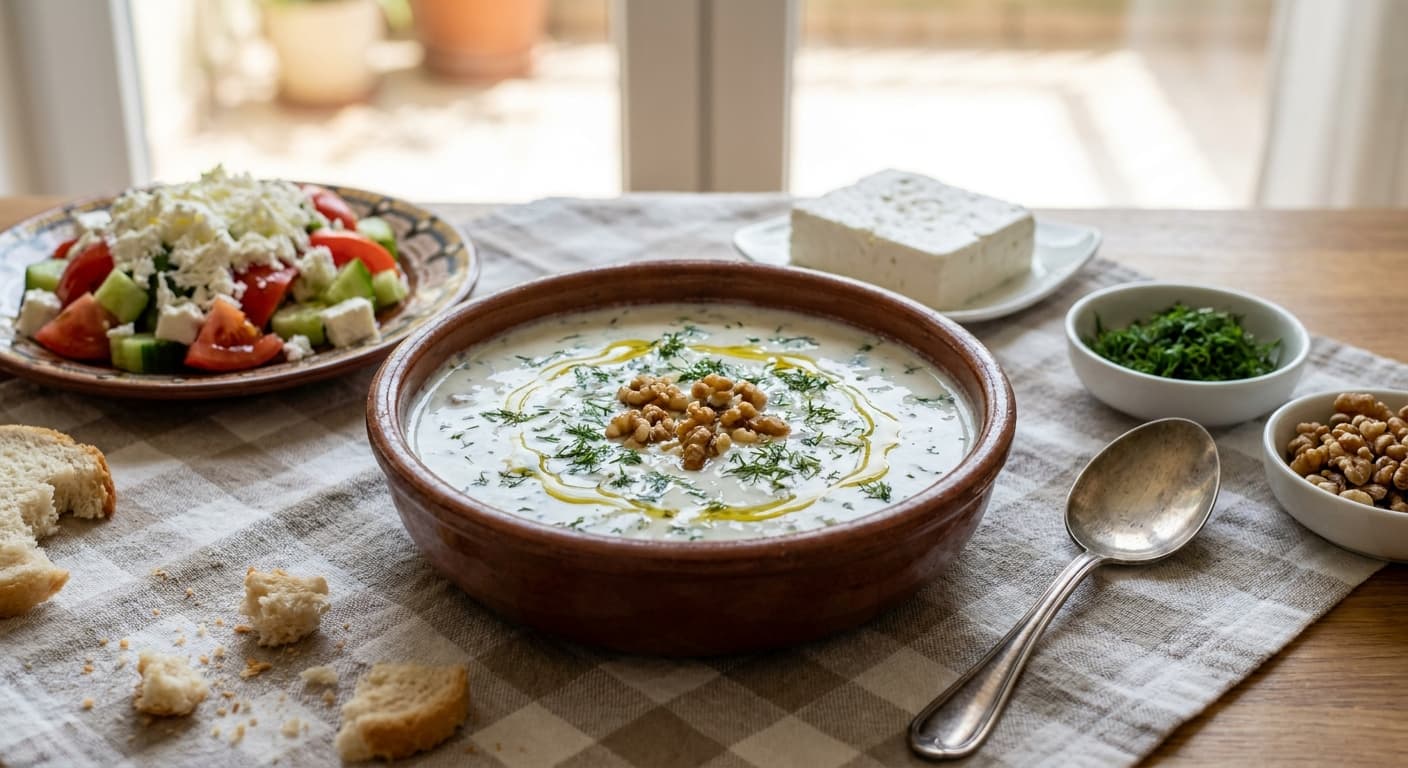
Bulgarian Tarator (Таратор) — Cold Yogurt Cucumber Soup
Bulgarian · Soups · 15 min
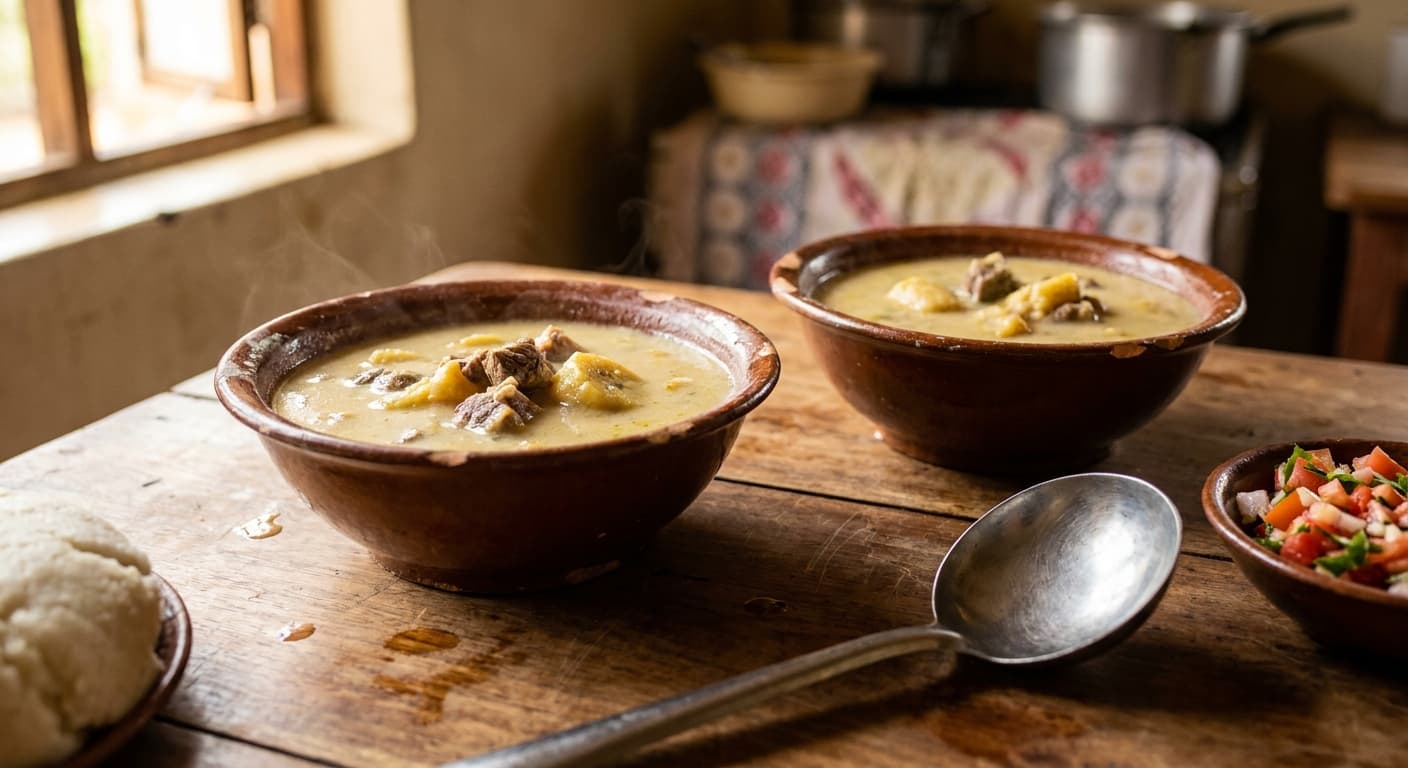
Mtori (Mtori) — Tanzanian Banana-Beef Soup
Tanzanian · Soups · 175 min
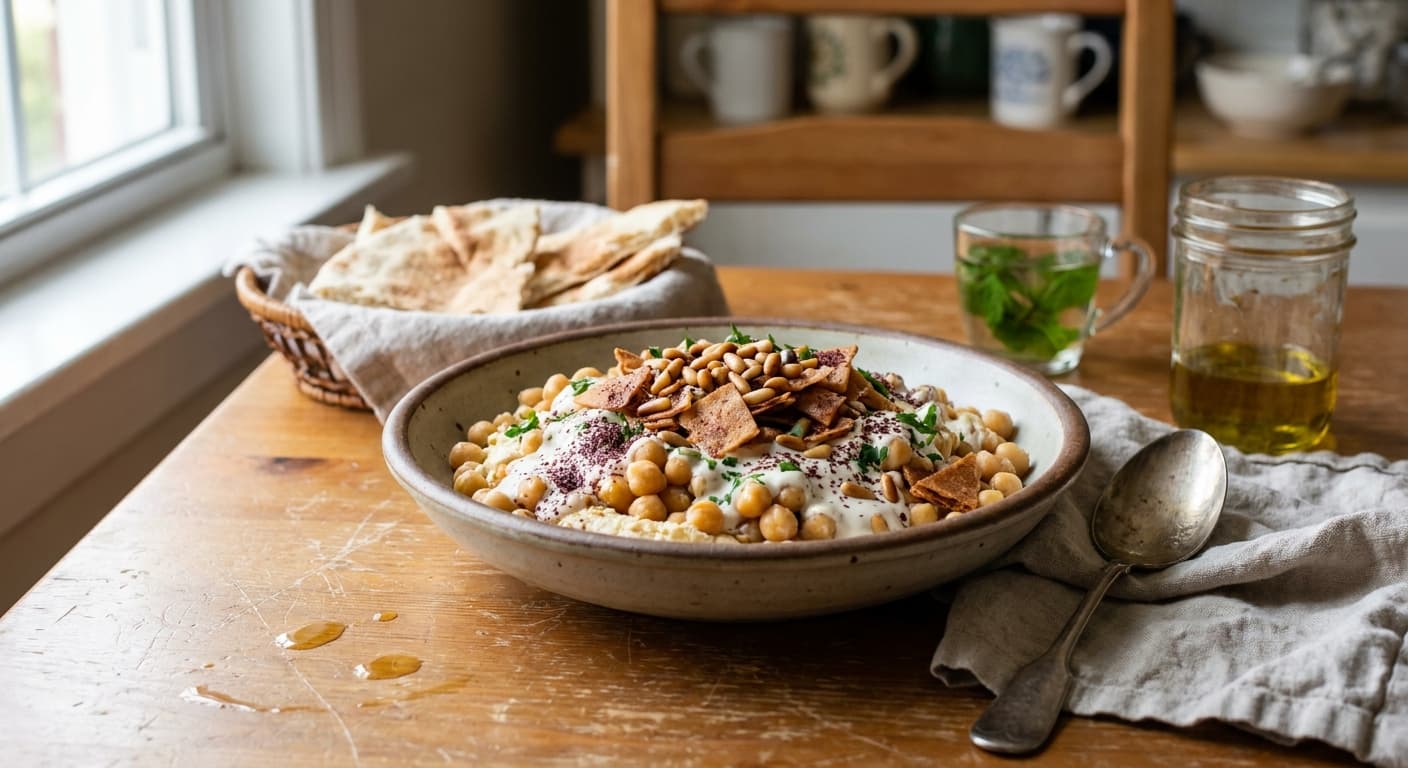
Fattet Hummus (فتة حمص) — Chickpeas with Yogurt and Crisp Bread
Lebanese · Main Courses · 30 min
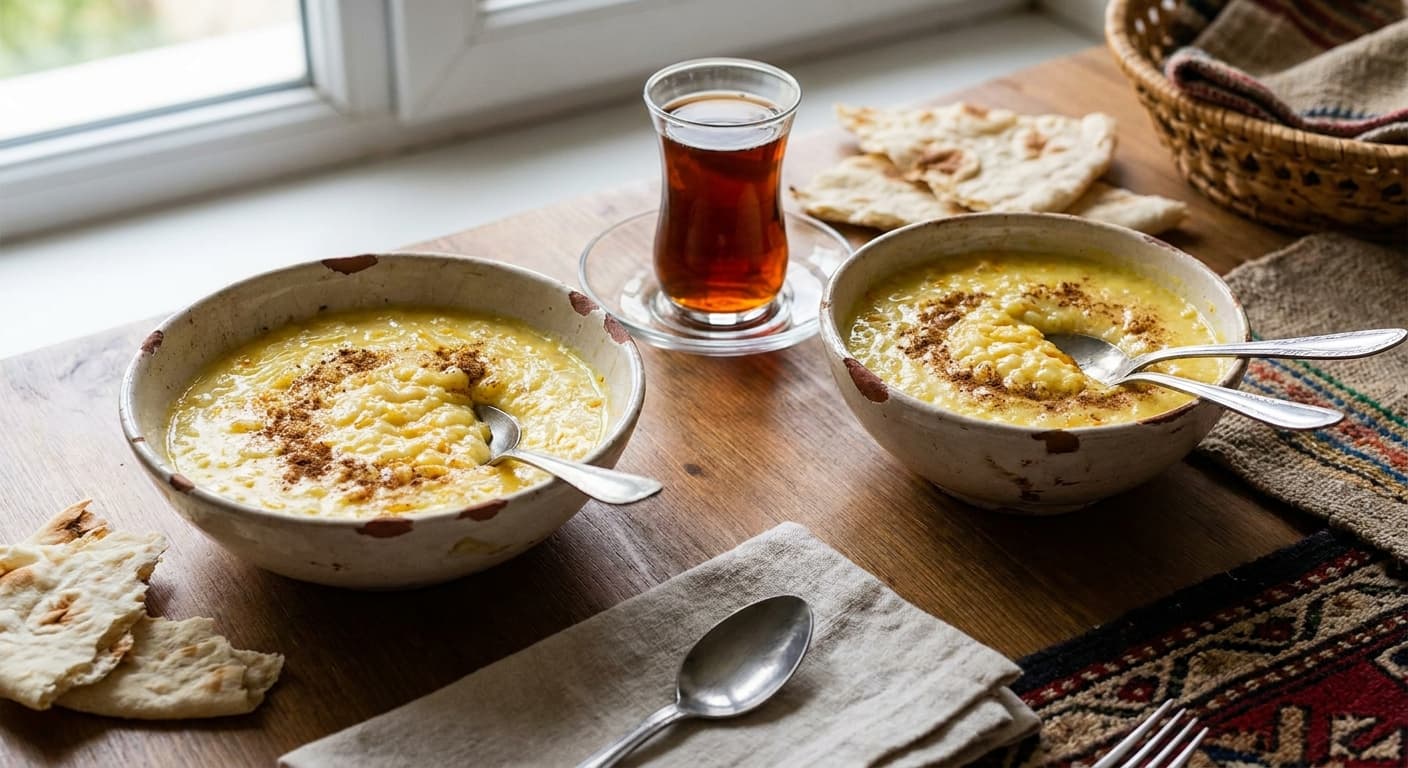
Azerbaijani Milk-Rice Porridge (Südlü Sıyıq) — Creamy Breakfast Rice with Saffron
Azerbaijani · Rice Dishes · 50 min
Varenyky (Вареники) — Ukrainian Potato-Cheese Dumplings
Ukrainian · Main Courses · 95 min
Reviews
Cooked this recipe?
Tap the stars to rate it — that's all it takes. A few words are welcome but optional.
No ratings yet. Cooked this one? Be the first to rate it — it takes one tap.