Bessara (البسارة) — Moroccan Dried Fava Bean Soup with Cumin and Olive Oil
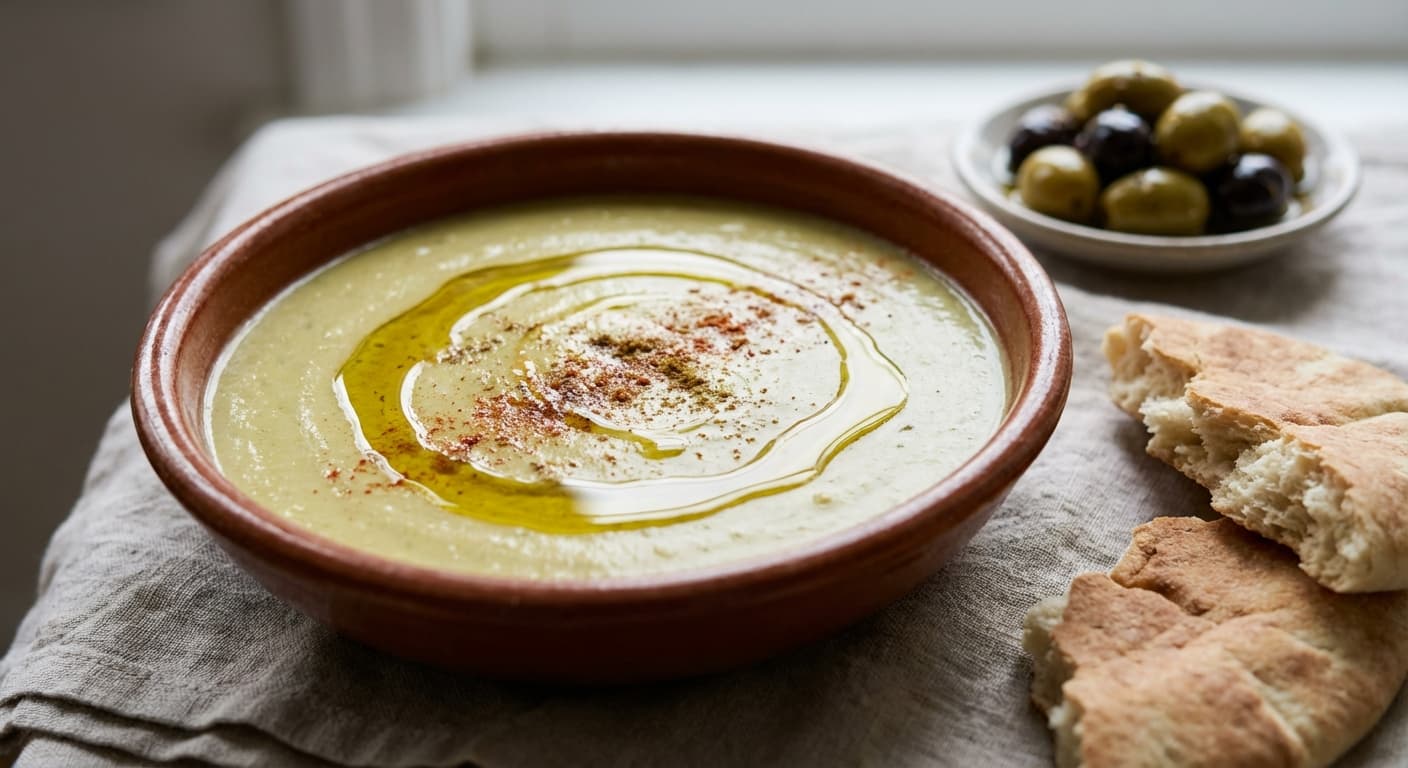
Bessara is a beloved Moroccan comfort soup made from dried fava beans, simmered until creamy and finished with cumin and olive oil. It’s especially popular in cooler months and often served simply with bread for a hearty, humble meal.
Printable Recipe Card
Servings: 6 · Total: 85 min · Difficulty: easy
Ingredients (quick list)
- 400 g dried split fava beans (peeled) (also sold as split broad beans)
- 1600 ml water (plus more if needed for thinning)
- 20 g garlic (about 4 large cloves, finely grated)
- 6 tsp ground cumin (4 tsp in the soup, 2 tsp for serving)
- 2 tsp sweet paprika (for serving)
- 90 ml extra-virgin olive oil (60 ml for serving, 30 ml stirred in)
- 2 tsp salt (about 12 g fine salt)
- 0.5 tsp ground black pepper
- 1 tsp ground turmeric (optional but traditional in many homes)
- 15 ml lemon juice (optional, for a brighter finish)
- 6 flatbread (for serving, such as Moroccan khobz)
Steps (summary)
- Rinse the dried split fava beans under cold water until the water runs mostly clear. Pick through briefly to remove any small s…
- Add the beans and 1600 ml water to a heavy pot and bring to a boil over medium-high heat. Skim off any foam for the cleanest fl…
- Stir in the grated garlic, 4 tsp ground cumin, salt, black pepper, and turmeric if using. Simmer gently for 55–65 minutes, stir…
- Blend the soup until completely smooth using an immersion blender, or carefully transfer to a blender in batches and return it…
- Stir 30 ml olive oil into the hot soup and simmer 2 minutes to emulsify and round out the flavor. Turn off the heat and add the…
- Ladle the bessara into warm bowls and level the surface with the back of a spoon. Top each bowl with a drizzle of the remaining…
Cultural Background
Bessara is a staple across Morocco, often enjoyed as a warming breakfast or simple lunch in winter, especially in working-class cafés and homes. Its cumin-and-olive-oil finish reflects the Maghrebi love of bold aromatics over humble legumes.
Equipment
💡 Tips
- For the smoothest bessara, use peeled split fava beans; if yours are not peeled, expect a slightly earthier color and thicker texture.
- Keep the simmer gentle and stir regularly so the beans don’t catch on the bottom; a heavy pot helps prevent scorching.
- If serving later, thin the soup with 50–100 ml hot water while reheating, because bessara thickens as it cools.
⚠️ Common Mistakes
❌ Soup tastes flat even with salt.
✅ Fix: Add the full cumin amount and finish with fresh olive oil; a measured 15 ml lemon juice also lifts the flavor without making it sour.
❌ Bessara scorches on the bottom of the pot.
✅ Fix: Lower the heat to a gentle simmer and stir every 8–10 minutes; if needed, add 50 ml water and use a heavier-bottomed pot.
❌ Texture is gritty or not fully smooth.
✅ Fix: Simmer 10–15 minutes longer until the beans are collapsing, then blend thoroughly; peeled split favas produce the silkiest result.
🧊 How to Store
Cool completely, then refrigerate in an airtight container for up to 4 days. Reheat gently on the stove with 50–150 ml water to loosen, stirring often; finish with fresh olive oil and a pinch of cumin so the aroma tastes newly made.
📅 Make Ahead
Cook and blend the soup up to 3 days ahead and refrigerate; it will thicken noticeably. Reheat with measured water to loosen, then add fresh olive oil and the cumin-paprika topping right before serving for the best aroma.
🍽️ Pairs Well With
- Moroccan khobz
- olives
- preserved lemon
- harissa on the side
- chopped parsley salad.
Regional Variations
- Northern Morocco: often heavier on cumin and served very thick, almost like a puree, with generous olive oil pools on top.
- Some households add 1 tsp ground ginger or 1 tsp ground coriander for extra warmth alongside cumin.
- Café-style serving: topped simply with cumin and olive oil, with paprika optional, and eaten by scooping with bread.
Ingredients
- 400 gdried split fava beans (peeled) (also sold as split broad beans)
- 1600 mlwater (plus more if needed for thinning)
- 20 ggarlic (about 4 large cloves, finely grated)
- 6 tspground cumin (4 tsp in the soup, 2 tsp for serving)
- 2 tspsweet paprika (for serving)
- 90 mlextra-virgin olive oil (60 ml for serving, 30 ml stirred in)
- 2 tspsalt (about 12 g fine salt)
- 0.5 tspground black pepper
- 1 tspground turmeric (optional but traditional in many homes)
- 15 mllemon juice (optional, for a brighter finish)
- 6flatbread (for serving, such as Moroccan khobz)
🔄 Substitutions
- dried split fava beans (peeled)→ dried split yellow peas
- sweet paprika→ smoked paprika
- lemon juice→ white wine vinegar
Instructions
- 1
Rinse the dried split fava beans under cold water until the water runs mostly clear. Pick through briefly to remove any small stones or debris, then drain well so the pot doesn’t foam excessively.
- 2
Add the beans and 1600 ml water to a heavy pot and bring to a boil over medium-high heat. Skim off any foam for the cleanest flavor, then reduce to a steady simmer and partially cover the pot.
- 3
Stir in the grated garlic, 4 tsp ground cumin, salt, black pepper, and turmeric if using. Simmer gently for 55–65 minutes, stirring every 10 minutes, until the beans are very soft and begin to break down on their own.
- 4
Blend the soup until completely smooth using an immersion blender, or carefully transfer to a blender in batches and return it to the pot. If the soup is thicker than a creamy porridge, add 50–150 ml water and simmer 3 minutes to reach a spoonable, velvety texture.
- 5
Stir 30 ml olive oil into the hot soup and simmer 2 minutes to emulsify and round out the flavor. Turn off the heat and add the lemon juice if using, then taste and adjust by adding 0.25 tsp salt at a time if needed.
- 6
Ladle the bessara into warm bowls and level the surface with the back of a spoon. Top each bowl with a drizzle of the remaining 60 ml olive oil, then dust with the remaining 2 tsp cumin and the sweet paprika before serving with bread.
🪪 Recipe Passport
Cultural Background
Bessara is a staple across Morocco, often enjoyed as a warming breakfast or simple lunch in winter, especially in working-class cafés and homes. Its cumin-and-olive-oil finish reflects the Maghrebi love of bold aromatics over humble legumes.
Regional Variations
Researched from multiple sources and validated by the Zaffaron editorial team. Every recipe is tested for accuracy, measurements, and cultural authenticity.
Nutrition per serving
Pairs well with
If you enjoyed this recipe, here are a few related Zaffaron recipes to try next.
Does your family make this differently?
Every family has their own version. Maybe your grandmother adds a secret ingredient, or your aunt has a completely different technique. Preserve your family's version — with their name on it, forever.
You Might Also Like
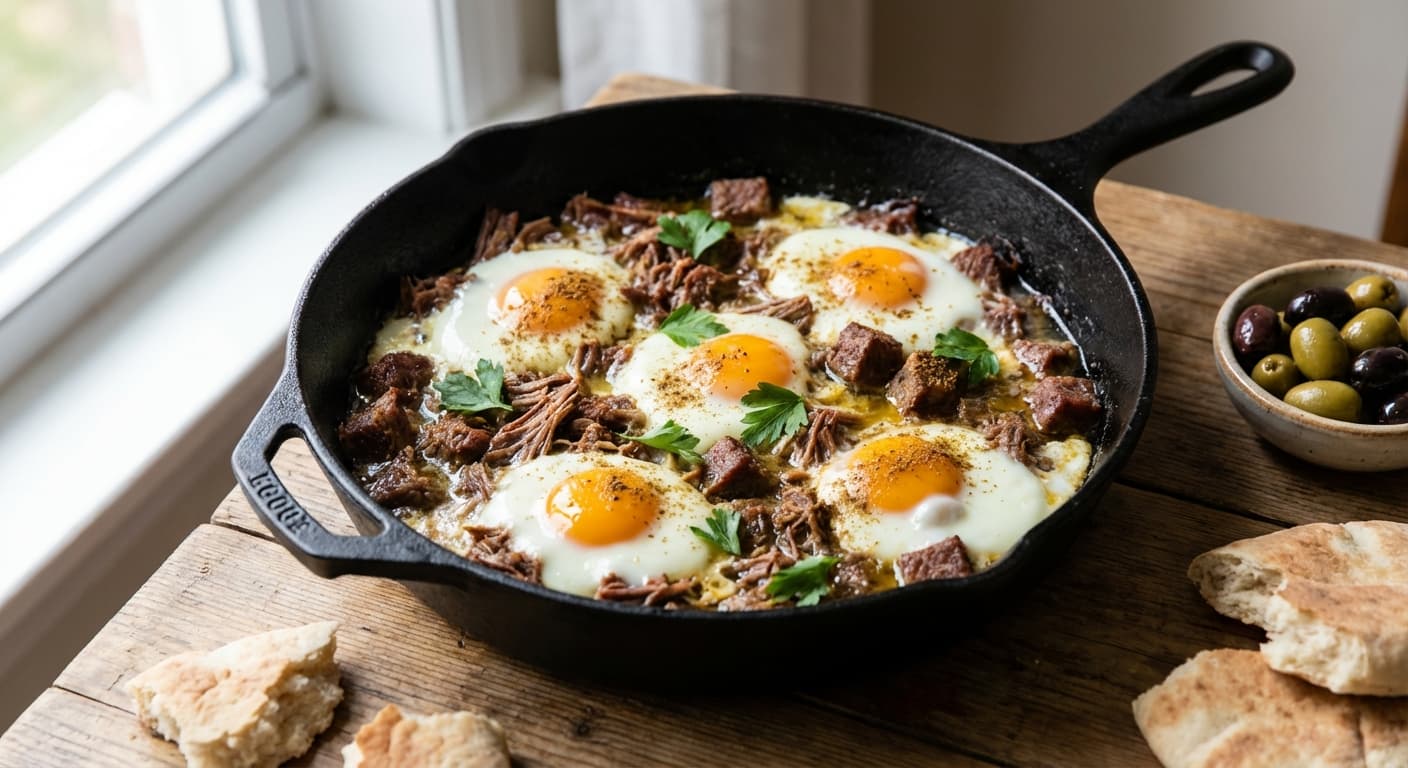
Khlea (خليع) — Moroccan Preserved Spiced Beef with Eggs
Moroccan · Main Courses · 285 min
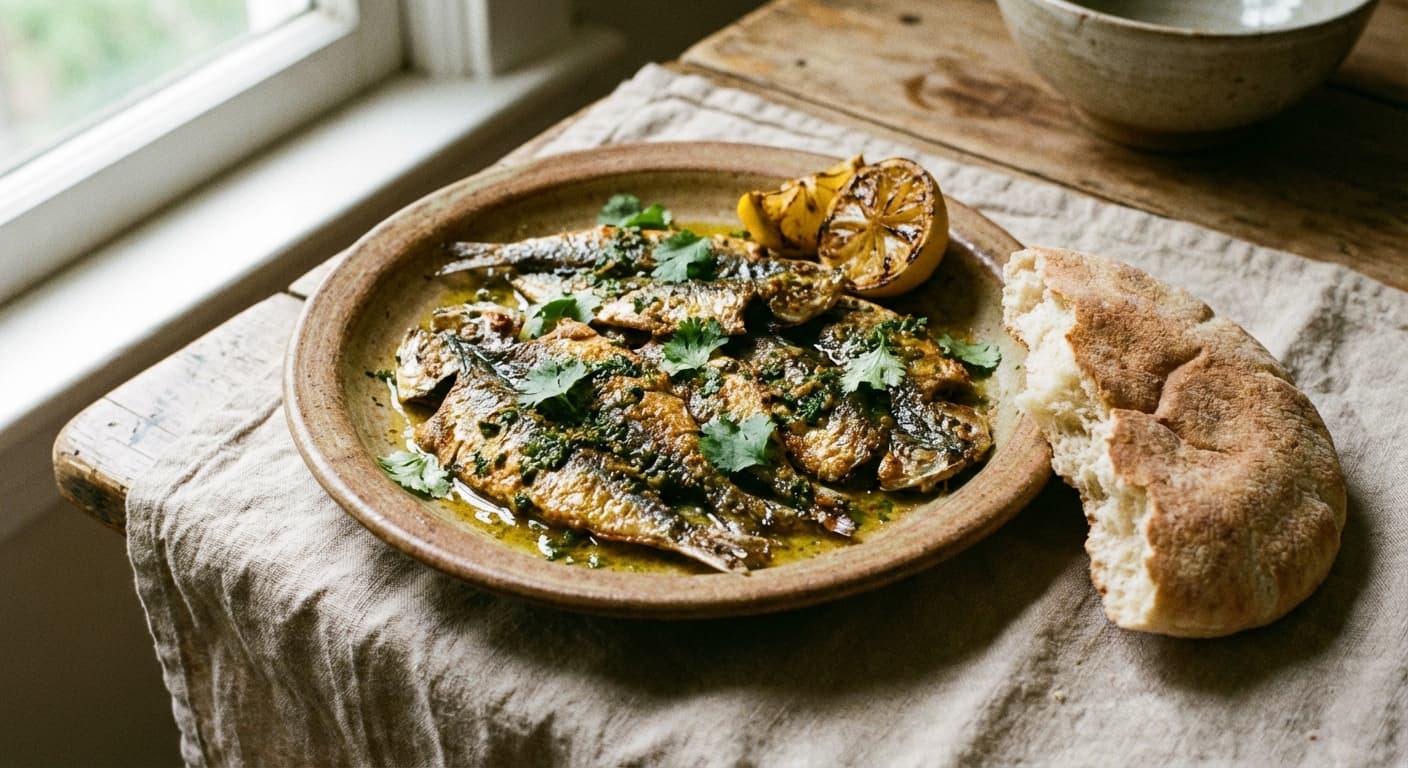
Sardines Chermoula (سردين شرمولة) — Moroccan chermoula-marinated sardines, pan-fried
Moroccan · Main Courses · 37 min
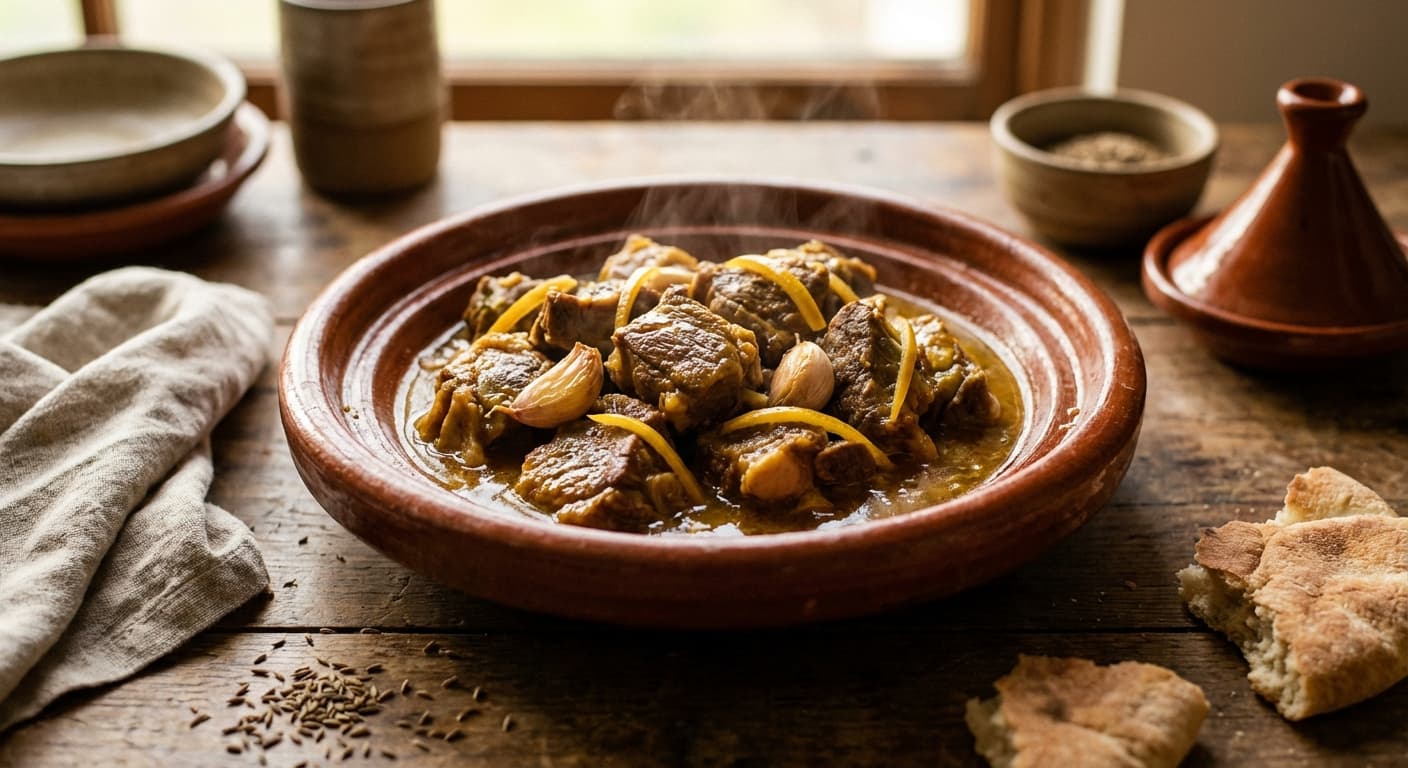
Tanjia Marrakchia (طنجية مراكشية) — Moroccan Slow-cooked lamb in clay urn
Moroccan · Main Courses · 260 min
Begova Corba (Begova čorba) — Bosnian Chicken and Okra Soup
Bosnian · Soups · 110 min
Tinolang Manok (Tinolang Manok) — Filipino Ginger Chicken Soup
Filipino · Soups · 65 min
Djej Bi Batata (دجاج ببطاطا) — Lebanese Chicken Stew with Potatoes and Garlic
Lebanese · Stews · 75 min
Patatas Bravas (Patatas bravas) — Crisp Spanish Tapas Potatoes with Spicy Brava Sauce
Spanish · Appetizers · 55 min
Koofteh Havij (کوفته هویج) — Persian Carrot Meatballs in Saffron-Tomato Broth
Persian · Main Courses · 120 min
Reviews
Cooked this recipe?
Tap the stars to rate it — that's all it takes. A few words are welcome but optional.
No ratings yet. Cooked this one? Be the first to rate it — it takes one tap.