Yemeni Saltah (سلتة) — Bubbling Fenugreek Lamb Stew
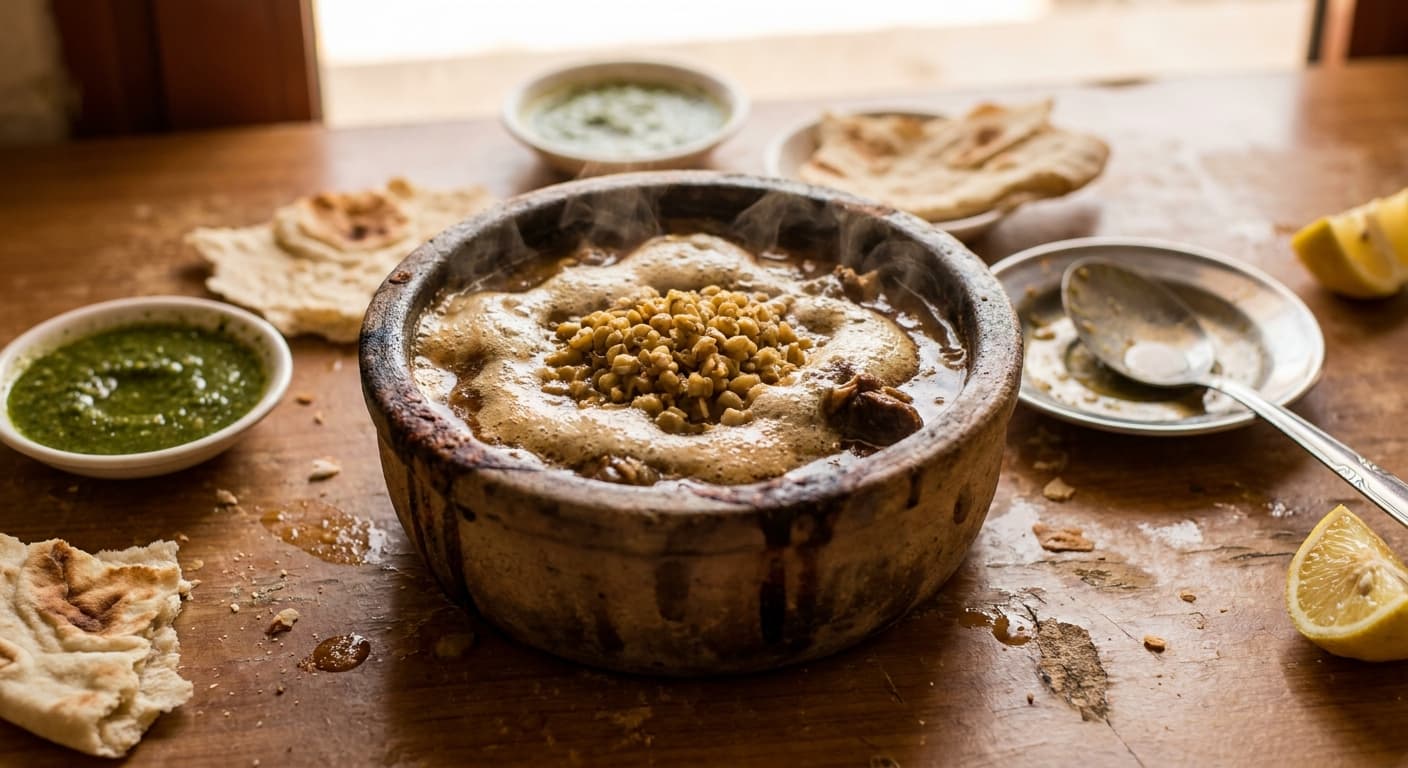
Saltah is Yemen’s beloved communal stew, served fiercely hot in a stone or clay bowl. A savory lamb broth, vegetables, whipped fenugreek hilbeh, and spicy sahawiq come together for a hearty midday meal.
Printable Recipe Card
Servings: 4 · Total: 130 min · Difficulty: medium
Ingredients (quick list)
- 30 g ground fenugreek
- 240 ml cold water (for soaking and whipping)
- 2 tbsp lemon juice
- 0.5 tsp fine sea salt
- 250 g ripe tomatoes (roughly chopped)
- 3 green chiles (stemmed; use serrano or similar hot green chiles)
- 2 clove garlic
- 0.5 bunch fresh cilantro (tender stems included)
- 1 tsp ground cumin
- 2 tbsp vegetable oil
- 1 large onion (finely chopped)
- 450 g lamb shoulder (cut into 2.5 cm cubes)
+ 9 more in the full ingredients section below.
Steps (summary)
- Place the ground fenugreek in a bowl and cover it with 240 ml cold water. Let it soak for 30 minutes so the bitterness mellows…
- While the fenugreek soaks, make the sahawiq by blending the tomatoes, green chiles, garlic, cilantro, cumin, and salt into a ro…
- Heat the vegetable oil in a heavy pot over medium-high heat and add the chopped onion. Cook for 7 to 8 minutes, stirring often,…
- Add the minced garlic and lamb cubes to the pot, then cook for 6 minutes until the meat loses its raw color and begins to brown…
- Pour in 1.2 l water and scrape the bottom of the pot to lift the browned bits into the broth. Bring to a boil, reduce the heat…
- Add the potatoes, chopped tomatoes, and okra to the pot, then simmer uncovered for 20 to 25 minutes. The potatoes should be sof…
+ 4 more steps in the full instructions section below.
Cultural Background
Saltah is widely regarded as Yemen’s national dish, especially associated with hearty communal lunches. Its hot stone bowl, fenugreek hilbeh, and chile-rich sahawiq reflect Yemen’s love of bold, shared food.
Equipment
💡 Tips
- Whip the soaked fenugreek longer than you think; proper hilbeh should become pale, foamy, and noticeably lighter in texture.
- A preheated stone bowl gives the most authentic bubbling presentation, but a small cast-iron skillet is a practical home substitute.
- Serve the sahawiq separately if diners have different heat preferences, since the chile level can vary widely between Yemeni households.
⚠️ Common Mistakes
❌ Adding dry fenugreek directly to the stew
✅ Fix: Soak and whip the fenugreek separately; otherwise it tastes harsh and will not form the signature hilbeh foam.
❌ Serving the stew lukewarm
✅ Fix: Heat the serving bowl before ladling in the stew so the saltah arrives bubbling, aromatic, and properly dramatic.
❌ Blending sahawiq until completely smooth
✅ Fix: Pulse it briefly or pound it by hand so it keeps a fresh, rustic texture.
🧊 How to Store
Store stew, hilbeh, and sahawiq separately in airtight containers. Refrigerate the stew for up to 3 days and reheat gently until bubbling; whip the hilbeh again before serving, and use sahawiq within 2 days.
📅 Make Ahead
Cook the lamb broth and vegetables 1 day ahead, then refrigerate them separately from the hilbeh and sahawiq. Soak the fenugreek ahead, but whip it just before serving for the best foam.
🍽️ Pairs Well With
- Malooga bread
- lahoh
- tandoor flatbread
- lemon wedges
- extra sahawiq.
Regional Variations
- Some Sanaa-style versions are thickened with cooked rice and served especially hot in a stone madara bowl.
- Adeni households may make the sahawiq sharper and hotter, sometimes with more tomato and fresh green chile.
- Meatless weekday versions use vegetable broth and extra potatoes, while festive versions may be built from a richer lamb or beef maraq.
Ingredients
- 30 gground fenugreek
- 240 mlcold water (for soaking and whipping)
- 2 tbsplemon juice
- 0.5 tspfine sea salt
- 250 gripe tomatoes (roughly chopped)
- 3green chiles (stemmed; use serrano or similar hot green chiles)
- 2 clovegarlic
- 0.5 bunchfresh cilantro (tender stems included)
- 1 tspground cumin
- 2 tbspvegetable oil
- 1large onion (finely chopped)
- 450 glamb shoulder (cut into 2.5 cm cubes)
- 1 tspground coriander
- 0.75 tspground turmeric
- 0.5 tspblack pepper (freshly ground)
- 1.2 lwater
- 300 gpotatoes (peeled and cut into 2 cm cubes)
- 300 gtomatoes (finely chopped)
- 150 gokra (trimmed; optional but traditional in many homes)
- 120 gcooked white rice (optional thickener)
- 4lemon wedges
🔄 Substitutions
- lamb shoulder→ beef chuck
- okra→ zucchini
- green chiles→ jalapeño chiles
Instructions
- 1
Place the ground fenugreek in a bowl and cover it with 240 ml cold water. Let it soak for 30 minutes so the bitterness mellows and the fenugreek hydrates enough to whip into the classic pale foam.
- 2
While the fenugreek soaks, make the sahawiq by blending the tomatoes, green chiles, garlic, cilantro, cumin, and salt into a rough sauce. Keep it slightly coarse rather than completely smooth, because Yemeni sahawiq should taste fresh, sharp, and lively against the rich stew.
- 3
Heat the vegetable oil in a heavy pot over medium-high heat and add the chopped onion. Cook for 7 to 8 minutes, stirring often, until the onion is golden at the edges and sweetened but not burnt.
- 4
Add the minced garlic and lamb cubes to the pot, then cook for 6 minutes until the meat loses its raw color and begins to brown in spots. Stir in the cumin, coriander, turmeric, black pepper, and salt, coating the lamb thoroughly so the spices bloom in the hot fat.
- 5
Pour in 1.2 l water and scrape the bottom of the pot to lift the browned bits into the broth. Bring to a boil, reduce the heat to low, cover, and simmer for 60 minutes until the lamb is tender and the liquid has become a fragrant maraq-style broth.
- 6
Add the potatoes, chopped tomatoes, and okra to the pot, then simmer uncovered for 20 to 25 minutes. The potatoes should be soft enough to crush lightly against the side of the pot, and the broth should look thick but still spoonable.
- 7
Drain off any excess soaking water from the fenugreek, leaving the swollen paste behind. Whip the fenugreek vigorously with a whisk for 5 to 7 minutes, adding the lemon juice and 0.5 tsp salt, until it becomes pale, airy, and slightly elastic.
- 8
Stir the cooked rice into the stew if you want the thicker, home-style texture often served at lunch tables. Mash a few potato pieces into the broth to bind it, then taste and adjust only with the measured sahawiq or lemon at serving rather than adding unmeasured salt.
- 9
Heat a stone, clay, or heavy oven-safe serving bowl in a 220°C oven for 10 minutes, or warm a small cast-iron skillet over low heat. Carefully ladle the bubbling stew into the hot vessel so the edges sizzle in the traditional saltah style.
- 10
Spoon the whipped hilbeh over the center of the stew and add 3 to 4 tbsp of sahawiq on top or alongside. Serve immediately with lemon wedges and flatbread, because saltah is best when the broth is still bubbling and the fenugreek foam is fresh.
🪪 Recipe Passport
Cultural Background
Saltah is widely regarded as Yemen’s national dish, especially associated with hearty communal lunches. Its hot stone bowl, fenugreek hilbeh, and chile-rich sahawiq reflect Yemen’s love of bold, shared food.
Regional Variations
Researched from multiple sources and validated by the Zaffaron editorial team. Every recipe is tested for accuracy, measurements, and cultural authenticity.
📚 Sources & Cultural References
- Claudia Roden — The New Book of Middle Eastern Food — (2000)
Sources cited by the Zaffaron editorial team during recipe research. Cultural and culinary references supporting authenticity claims.
Nutrition per serving
Pairs well with
If you enjoyed this recipe, here are a few related Zaffaron recipes to try next.
Does your family make this differently?
Every family has their own version. Maybe your grandmother adds a secret ingredient, or your aunt has a completely different technique. Preserve your family's version — with their name on it, forever.
You Might Also Like
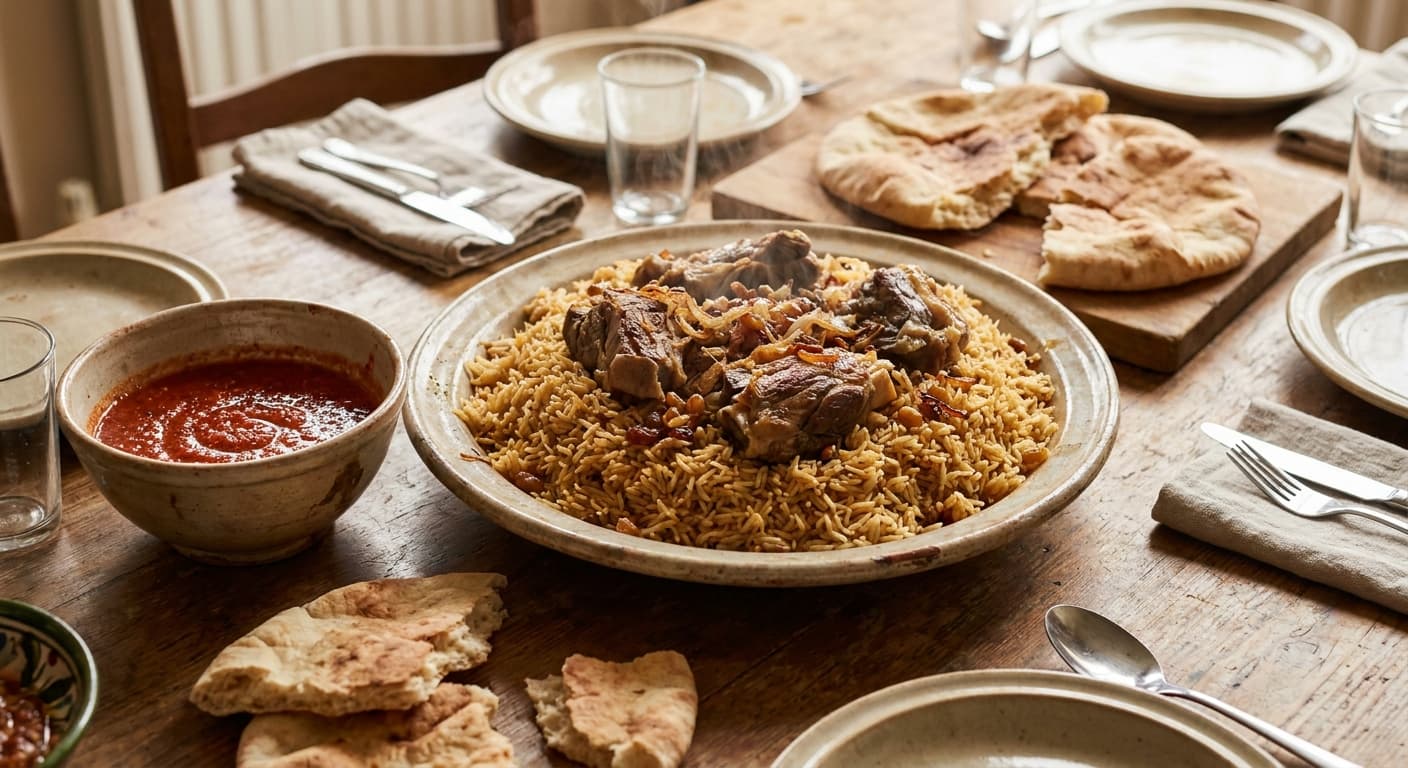
Yemeni Mandi (مندي) — Smoke-Scented Spiced Rice and Lamb
Yemeni · Main Courses · 170 min
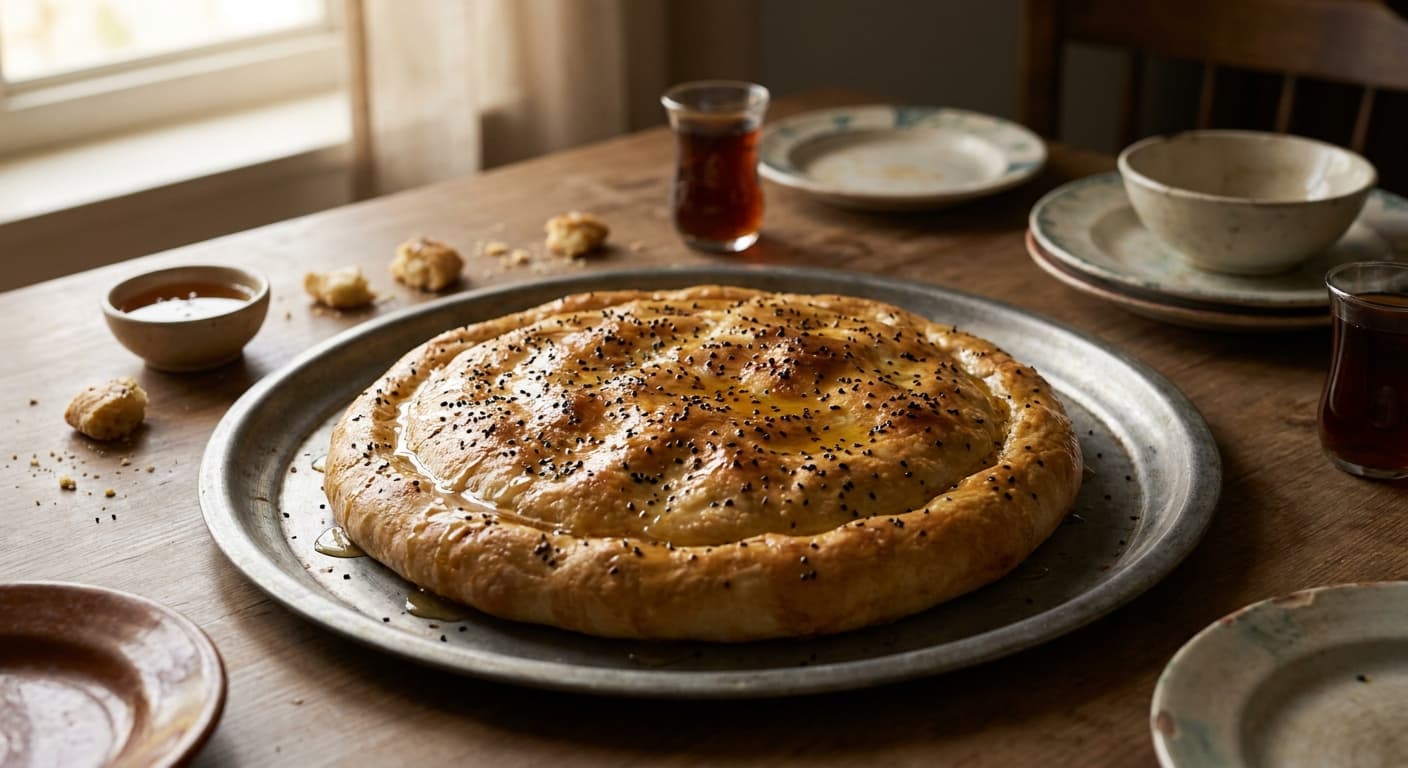
Bint al-Sahn (بنت الصحن) — Yemeni Honey Layer Bread
Yemeni · Desserts · 70 min
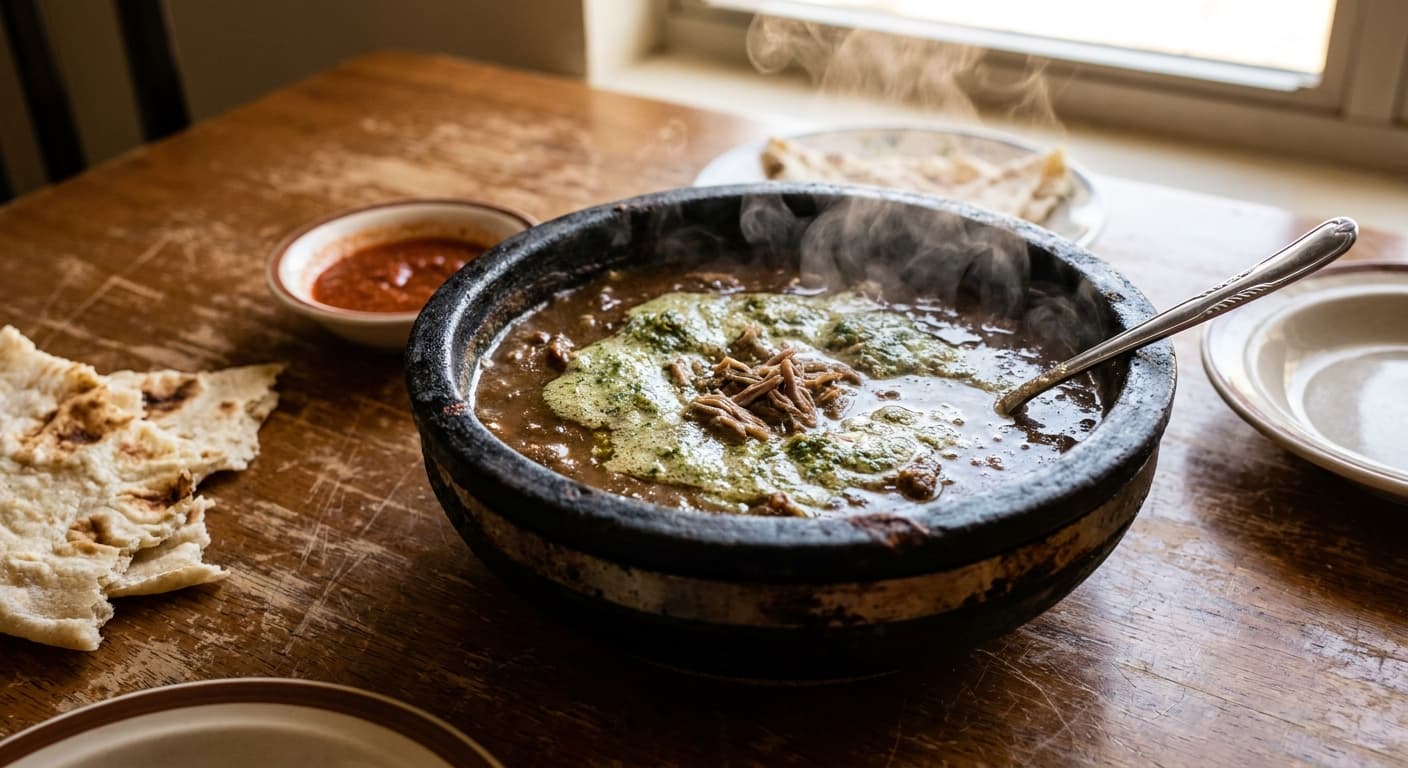
Fahsa (فحسة) — Bubbling Yemeni Shredded Lamb Stew
Yemeni · Stews · 140 min
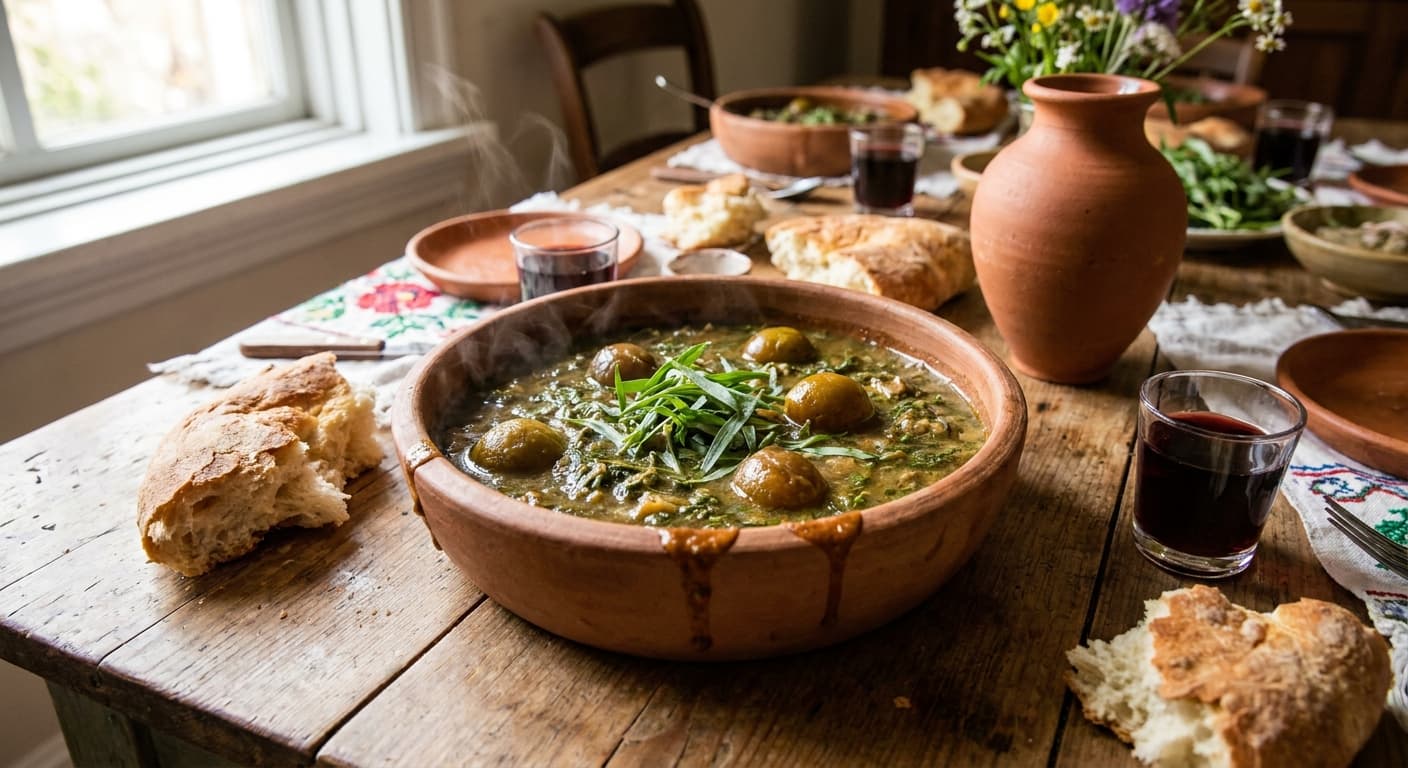
Chakapuli (ჩაქაფული) — Georgian Spring Lamb, Tarragon, and Sour Plum Stew
Georgian · Stews · 135 min
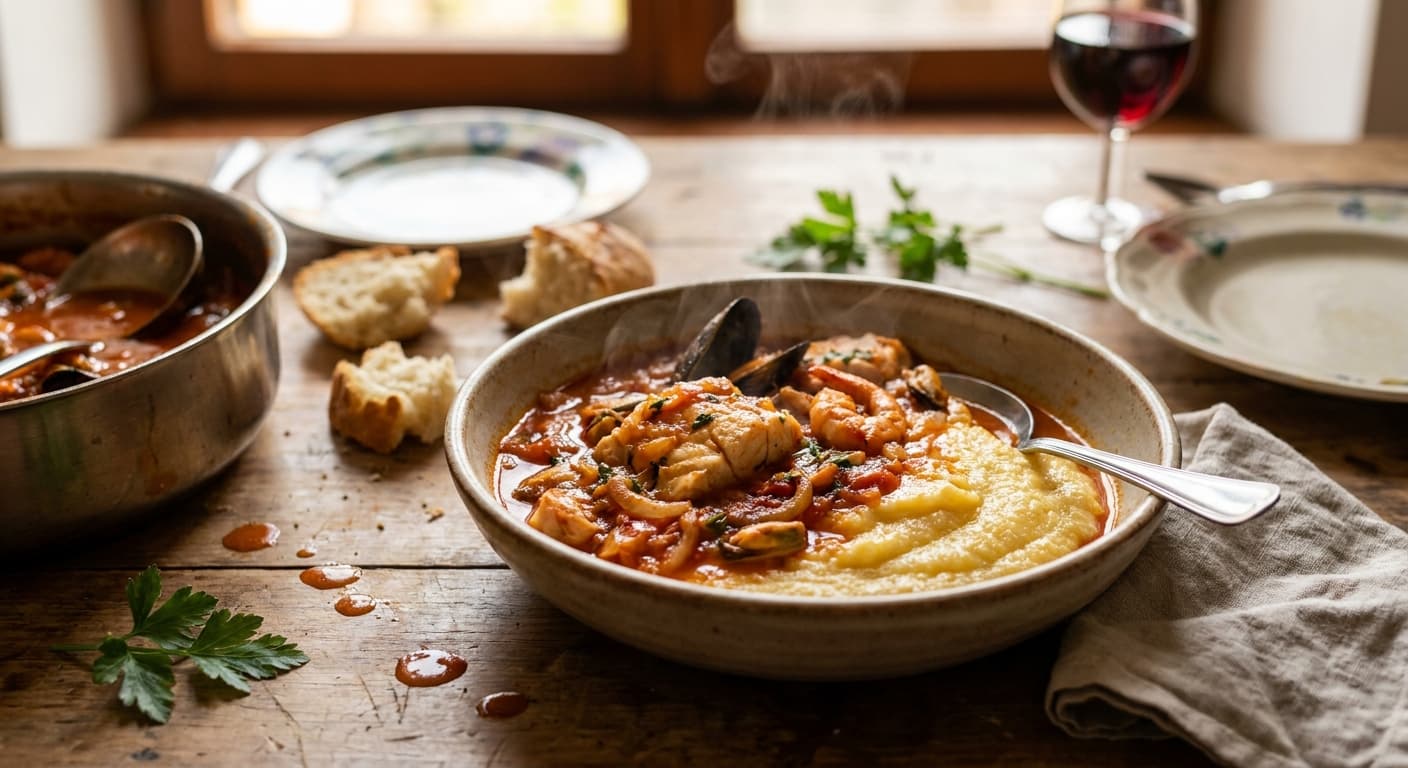
Brodet (Brodet) — Croatian Adriatic Fish Stew with Tomato and White Wine
Croatian · Stews · 70 min
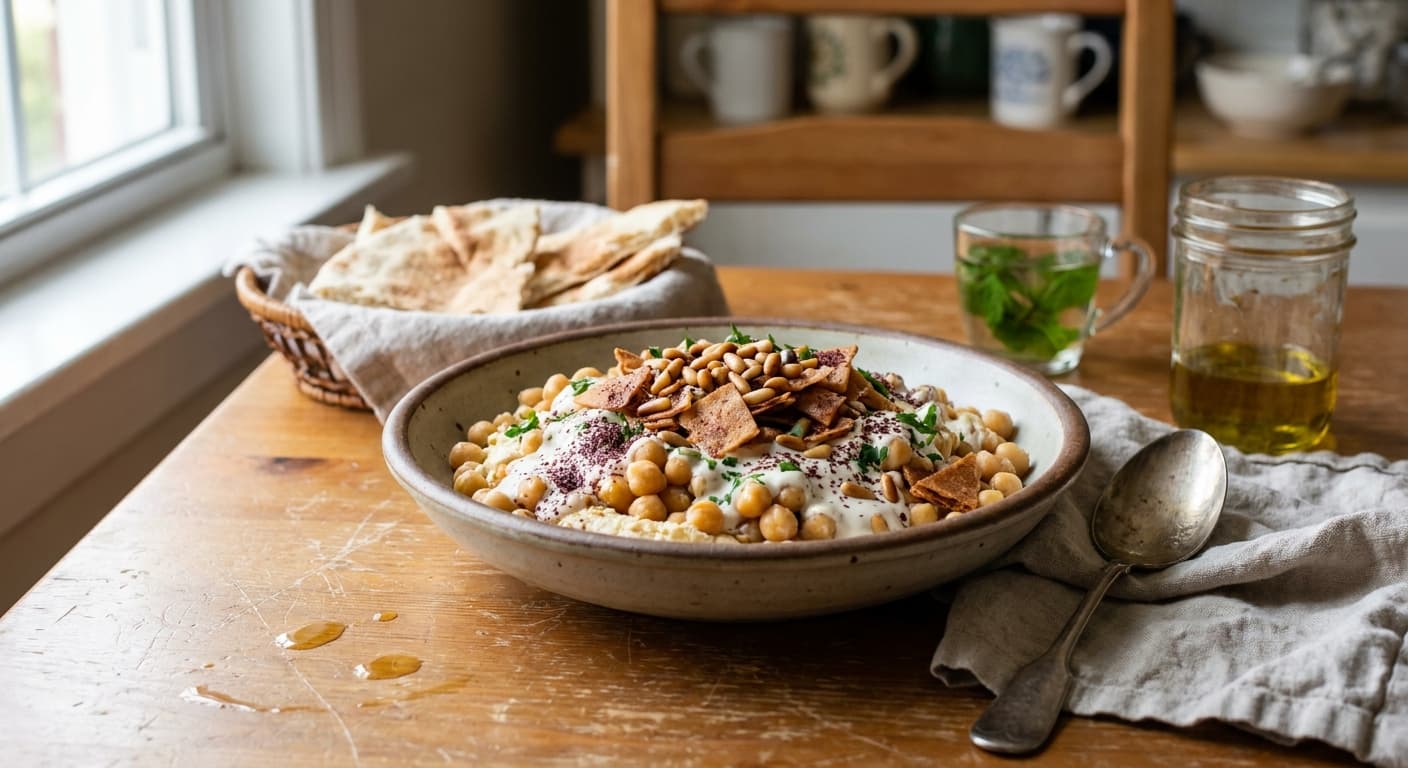
Fattet Hummus (فتة حمص) — Chickpeas with Yogurt and Crisp Bread
Lebanese · Main Courses · 30 min
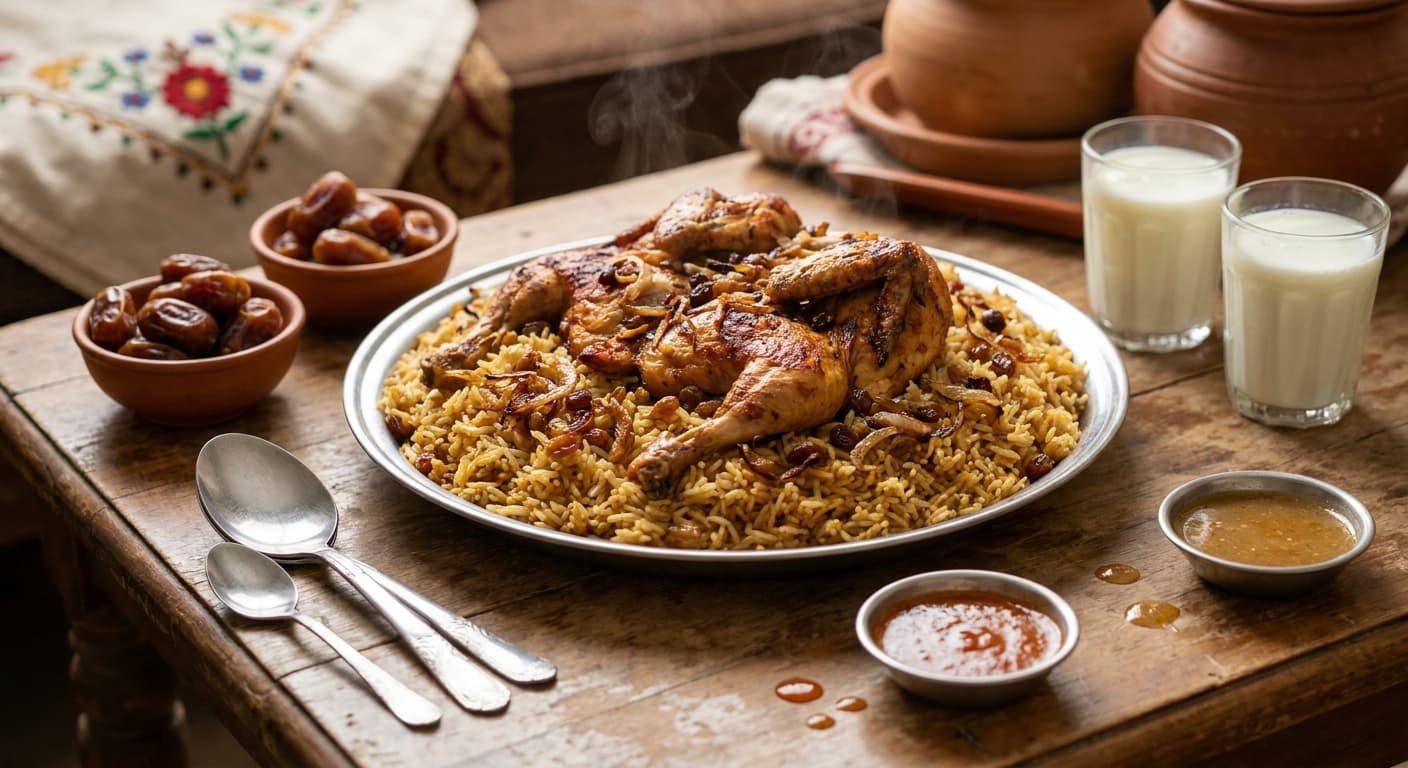
Emirati Machboos (مكبوس إماراتي) — Spiced Chicken Rice with Dried Lime
Gulf arabian · Rice Dishes · 110 min
Bulgarian Banitsa (Баница) — Flaky Sirene-Filled Phyllo Pie
Bulgarian · Breads · 68 min
Reviews
Cooked this recipe?
Tap the stars to rate it — that's all it takes. A few words are welcome but optional.
No ratings yet. Cooked this one? Be the first to rate it — it takes one tap.