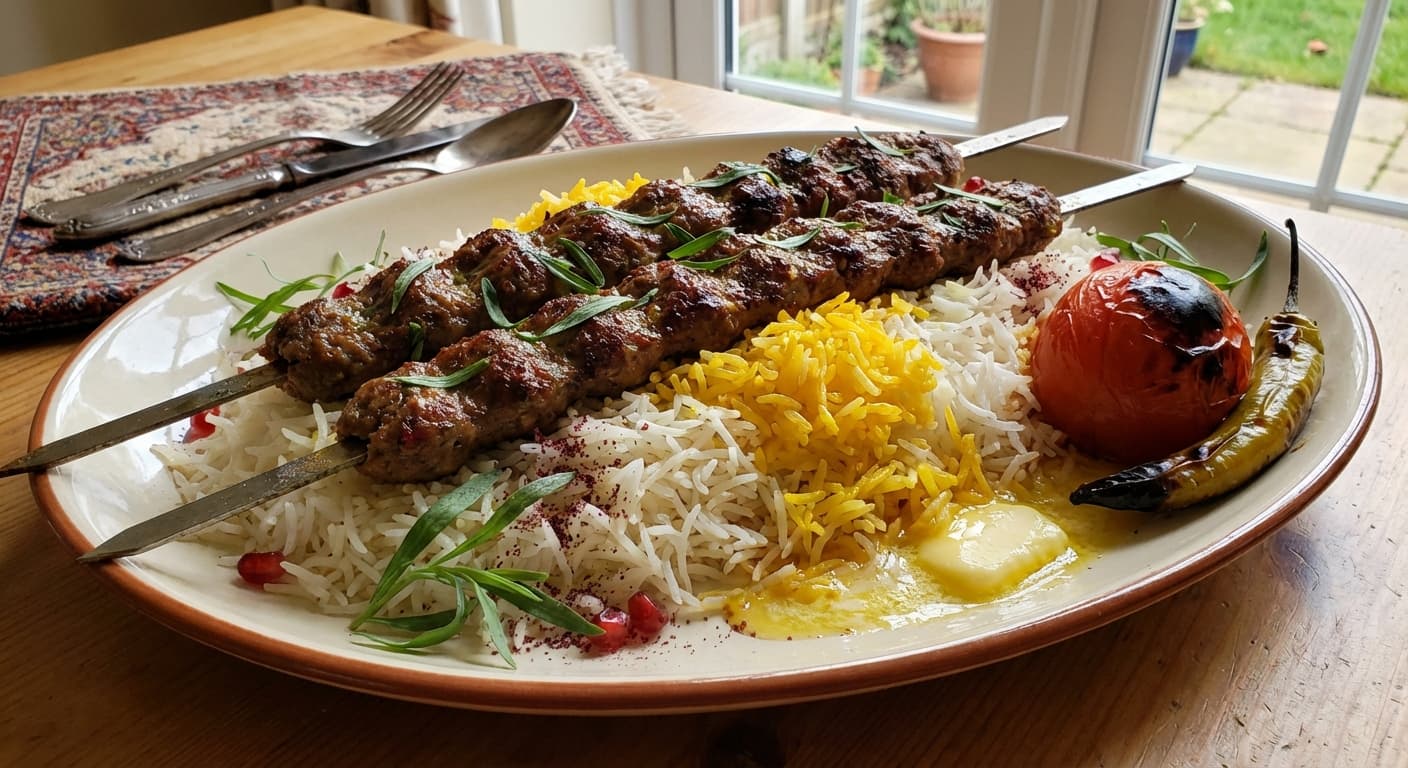
Chelow Kebab Tarkhooni (چلو کباب ترخونی) — Persian Tarragon Minced Kebab with Saffron Rice
A fragrant Persian minced kebab scented with fresh tarragon, served with buttery saffron basmati rice. Juicy, lightly spiced meat and aromatic herb notes make this a refined take on classic chelow kebab.
Printable Recipe Card
Servings: 4 · Total: 150 min · Difficulty: medium
Ingredients (quick list)
- 400 g Basmati rice (rinsed until water runs mostly clear)
- 2400 ml Water (for parboiling rice)
- 24 g Fine sea salt (about 4 tsp, for salting parboil water)
- 0.25 tsp Saffron threads (ground, then bloomed)
- 60 ml Hot water (for blooming saffron)
- 60 g Unsalted butter (divided)
- 15 ml Olive oil (1 tbsp, for the pot base)
- 120 g Plain yogurt (for a soft tahdig base)
- 1 tsp Ground turmeric (for tahdig color and aroma)
- 600 g Ground lamb (or ground beef; ideally 15–20% fat)
- 250 g Yellow onion (1 large, grated on the fine side)
- 25 g Fresh tarragon leaves (finely chopped; stems removed)
+ 1 more in the full ingredients section below.
Steps (summary)
- Prepare the saffron: grind the saffron threads to a powder, then stir with 60 ml hot water (not boiling, about 80–90°C). Cover…
- Make the kebab mixture: grate the onion, then squeeze very firmly in a clean towel to remove as much juice as possible (this pr…
- Parboil the rice: bring 2400 ml water to a boil in a large pot. Add 24 g salt, then add the drained rice. Boil 6–8 minutes, sti…
- Build the pot for tahdig: return the pot to medium heat. Add 1 tbsp olive oil and 30 g butter. In a small bowl, mix yogurt with…
- Steam the rice (chelow): wrap the lid in a clean towel and cover tightly. Cook 10 minutes over medium heat until you see strong…
- Shape the kebabs: preheat a grill to medium-high (about 230–260°C) or set an oven broiler to high with a rack 10–12 cm from the…
+ 2 more steps in the full instructions section below.
Cultural Background
Chelow kebab is a widely recognized Iranian meal centered on steamed rice and grilled meat, commonly served in homes and restaurants. Tarragon-forward versions reflect the Persian preference for aromatic herbs to add freshness and complexity without heavy heat.
Equipment
💡 Tips
- Squeezing onion thoroughly is the single biggest factor for kebabs that hold together on skewers.
- Choose meat with 15–20% fat; very lean meat tends to turn dry and crumble.
- Chill the mixed meat at least 45 minutes so the proteins bind and the mixture firms up for shaping.
- If using wooden skewers, soak them 60 minutes and cook over a grill pan; wide metal skewers give the best results.
- For deeper saffron color, bloom saffron in hot water and keep it covered to protect aroma.
⚠️ Common Mistakes
❌ Not squeezing the grated onion enough
💡 Why: Excess onion juice loosens the mixture, causing kebabs to fall apart and steam instead of sear.
✅ Fix: Squeeze onion in a towel until very dry; if the mixture still feels loose, chill longer and knead again to develop bind.
❌ Overboiling the rice during parboil
💡 Why: If the grain fully cooks before steaming, it breaks and turns sticky rather than fluffy.
✅ Fix: Boil only until the outside is tender and the center is slightly firm (6–8 minutes), then drain immediately.
❌ Cooking kebabs on low heat or moving them too soon
💡 Why: Weak heat prevents a quick crust, and early flipping tears the meat before it sets.
✅ Fix: Use medium-high heat and wait 3–4 minutes before the first flip; the kebab should release cleanly once a crust forms.
❌ Letting saffron boil hard
💡 Why: High heat can dull saffron aroma and bitterness may appear.
✅ Fix: Bloom saffron in hot (not boiling) water and add it near the end for maximum fragrance.
🧊 How to Store
Refrigerate cooked rice and kebabs separately in airtight containers for up to 3 days. Reheat rice with 1–2 tbsp water, covered, in a saucepan over low heat 10–12 minutes; reheat kebabs in a 180°C oven 8–10 minutes. Freeze cooked kebabs up to 2 months; thaw overnight in the fridge.
📅 Make Ahead
Mix and knead the kebab meat up to 24 hours ahead; keep covered and refrigerated. Rinse the rice and measure ingredients up to 12 hours ahead. Cooked rice is best fresh, but parboiled-and-drained rice can be held 1 hour at room temperature before steaming.
🍽️ Pairs Well With
- Grilled tomatoes and onions
- Fresh herbs platter (mint
- basil
- radishes
- scallions)
- Plain yogurt or cucumber-yogurt
- Pickles and lemon wedges
Regional Variations
- Tehran-style restaurant platingOften served with generous saffron rice on top, grilled tomatoes, and a pronounced tahdig, with kebabs brushed lightly with fat or oil for sheen.
- Caspian-influenced herb emphasisUses a heavier hand with fresh herbs, sometimes combining tarragon with parsley or chives for a greener aroma while keeping spices minimal.
Ingredients
- 400 gBasmati rice (rinsed until water runs mostly clear)
- 2400 mlWater (for parboiling rice)
- 24 gFine sea salt (about 4 tsp, for salting parboil water)
- 0.25 tspSaffron threads (ground, then bloomed)
- 60 mlHot water (for blooming saffron)
- 60 gUnsalted butter (divided)
- 15 mlOlive oil (1 tbsp, for the pot base)
- 120 gPlain yogurt (for a soft tahdig base)
- 1 tspGround turmeric (for tahdig color and aroma)
- 600 gGround lamb (or ground beef; ideally 15–20% fat)
- 250 gYellow onion (1 large, grated on the fine side)
- 25 gFresh tarragon leaves (finely chopped; stems removed)
- 1 tspGround black pepper (freshly ground)
🔄 Substitutions
- Ground lamb→ Ground beef (15–20% fat) or a 50/50 lamb-beef mix
- Fresh tarragon→ Fresh parsley plus a small amount of fresh dill
- Plain yogurt (tahdig base)→ Thinly sliced potato for tahdig
Instructions
- 1
Prepare the saffron: grind the saffron threads to a powder, then stir with 60 ml hot water (not boiling, about 80–90°C). Cover and steep 15 minutes to fully bloom. Meanwhile, rinse the basmati rice in several changes of cool water until mostly clear, then drain well for 10 minutes.
- 2
Make the kebab mixture: grate the onion, then squeeze very firmly in a clean towel to remove as much juice as possible (this prevents kebabs from sliding off skewers). In a bowl, combine ground meat, squeezed onion, chopped tarragon, 10 g salt, black pepper, and 1/2 tsp turmeric. Knead 5 minutes until tacky, cover, and chill 45 minutes.
- 3
Parboil the rice: bring 2400 ml water to a boil in a large pot. Add 24 g salt, then add the drained rice. Boil 6–8 minutes, stirring gently once or twice, until the grains are tender on the outside but still firm in the center. Drain immediately and rinse quickly with 250 ml cool water to stop cooking.
- 4
Build the pot for tahdig: return the pot to medium heat. Add 1 tbsp olive oil and 30 g butter. In a small bowl, mix yogurt with 1 tsp turmeric and 2 tbsp of the bloomed saffron liquid. Spread this mixture over the pot bottom. Spoon in the drained rice, mounding it slightly, and poke 5–6 steam holes with a chopstick.
- 5
Steam the rice (chelow): wrap the lid in a clean towel and cover tightly. Cook 10 minutes over medium heat until you see strong steam, then reduce to low and steam 35 minutes. Melt the remaining 30 g butter and combine with the remaining saffron liquid; drizzle over the rice, cover again, and steam 10 more minutes.
- 6
Shape the kebabs: preheat a grill to medium-high (about 230–260°C) or set an oven broiler to high with a rack 10–12 cm from the heat. Divide chilled meat into 8 portions (about 95–100 g each). With wet hands, press each portion into a long sausage and flatten to about 2 cm thick on wide metal skewers, forming shallow ridges along the length.
- 7
Cook the kebabs: grill skewers 3–4 minutes on the first side, then flip carefully and grill 3–4 minutes more, brushing lightly with olive oil after flipping. Cook until browned with slight charring and the center reaches 71°C for beef or 74°C for lamb. Rest skewers 3 minutes so juices redistribute.
- 8
Serve: gently fluff the rice, reserving the crisp tahdig. Plate a mound of rice and spoon a little extra saffron butter over the top. Add two kebabs per person, then break the tahdig into pieces and serve alongside for crunch. Serve immediately while the rice is steaming and the kebabs are juicy.
🪪 Recipe Passport
Cultural Background
Chelow kebab is a widely recognized Iranian meal centered on steamed rice and grilled meat, commonly served in homes and restaurants. Tarragon-forward versions reflect the Persian preference for aromatic herbs to add freshness and complexity without heavy heat.
Regional Variations
Researched from multiple sources and validated by the Zaffaron editorial team. Every recipe is tested for accuracy, measurements, and cultural authenticity.
Nutrition per serving
Pairs well with
If you enjoyed this recipe, here are a few related Zaffaron recipes to try next.
- Dami Adas va Havij (دمی عدس و هویج) — Persian Lentil & Carrot Rice
- Dampokhtak (دمپختک) — Persian Turmeric Rice with Yellow Split Peas
- Chicken & Almond Salad (سالاد مرغ و بادام) — Creamy Persian hors d’oeuvre with lemon and toasted nuts
- Consomeh Gharch (کنسومه قارچ) — Persian Creamy Mushroom and Chicken Soup
Does your family make this differently?
Every family has their own version. Maybe your grandmother adds a secret ingredient, or your aunt has a completely different technique. Preserve your family's version — with their name on it, forever.
You Might Also Like
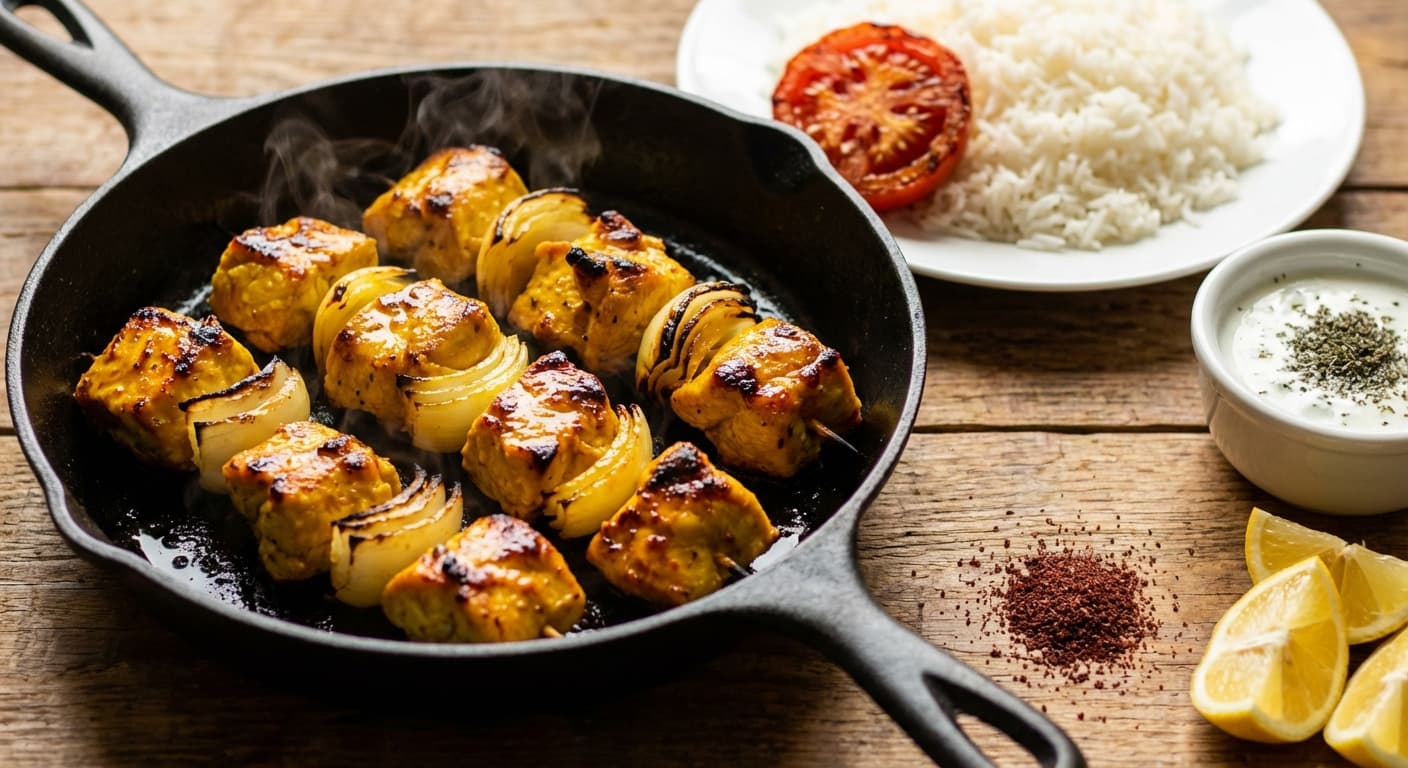
Pan-Seared Joojeh Kebab (جوجه کباب تابهای) — Persian Saffron Skillet Chicken
Persian · Kebabs · 34 min
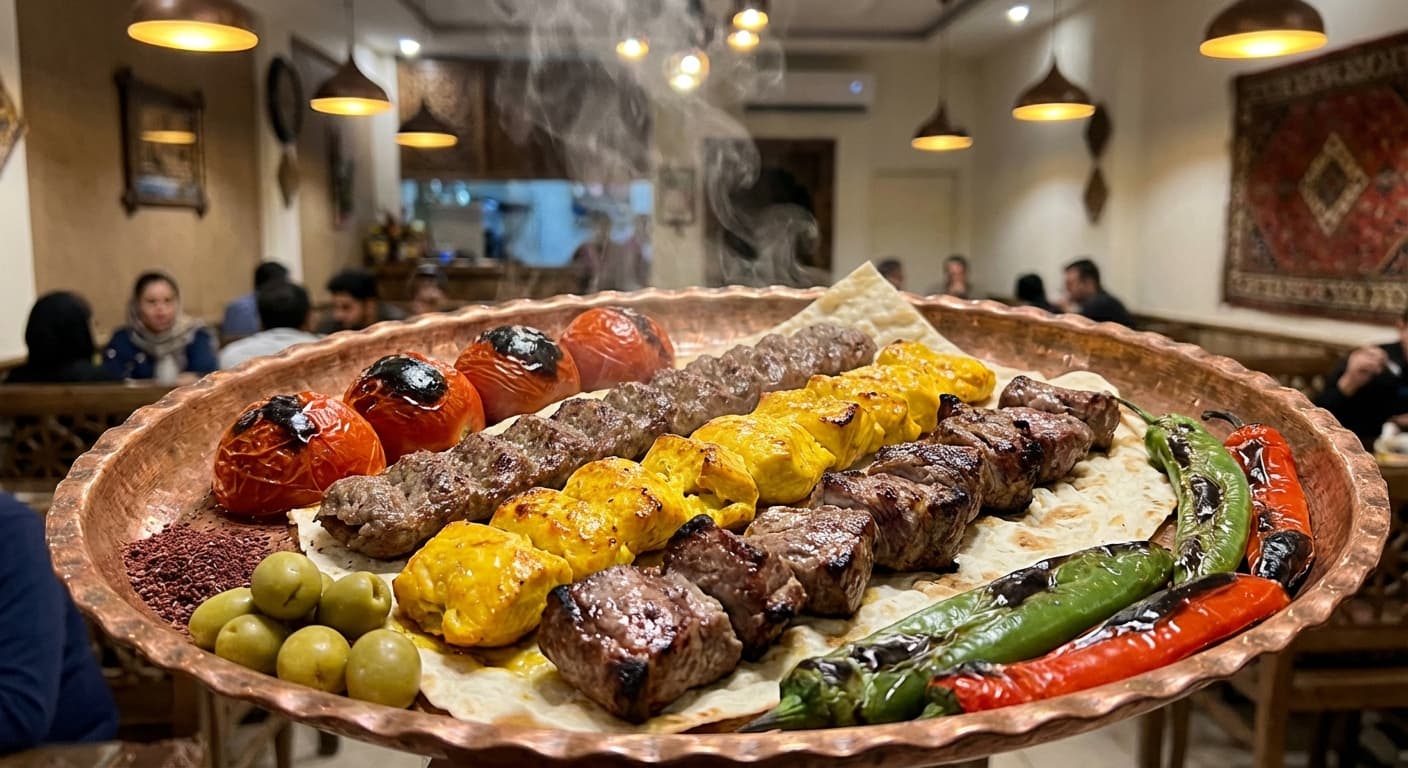
Kabab Vijeh (کباب ویژه) — Royal Persian Mixed Grill Platter
Persian · Kebabs · 70 min
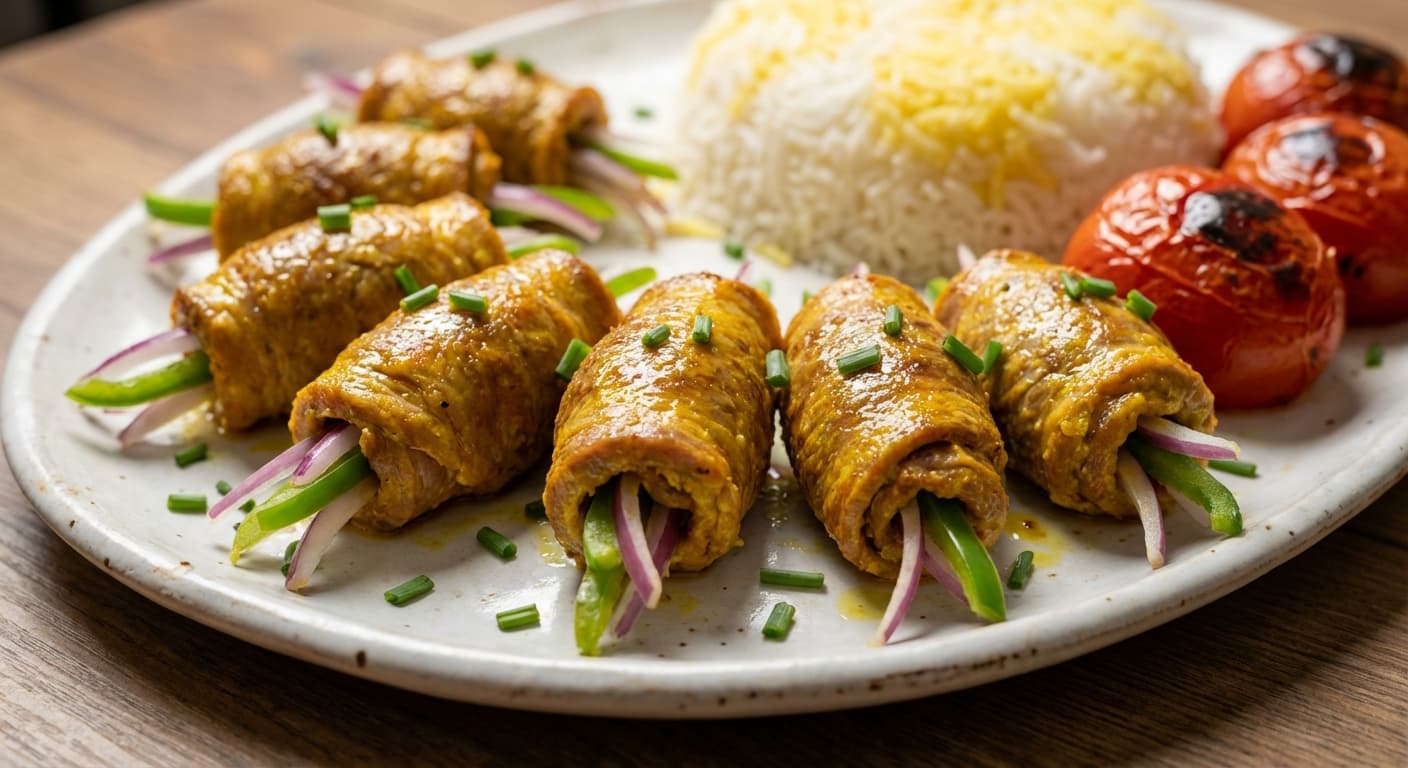
Bulgar Kabab (کباب بلغار) — Persian Rolled Saffron Fillets
Persian · Kebabs · 37 min
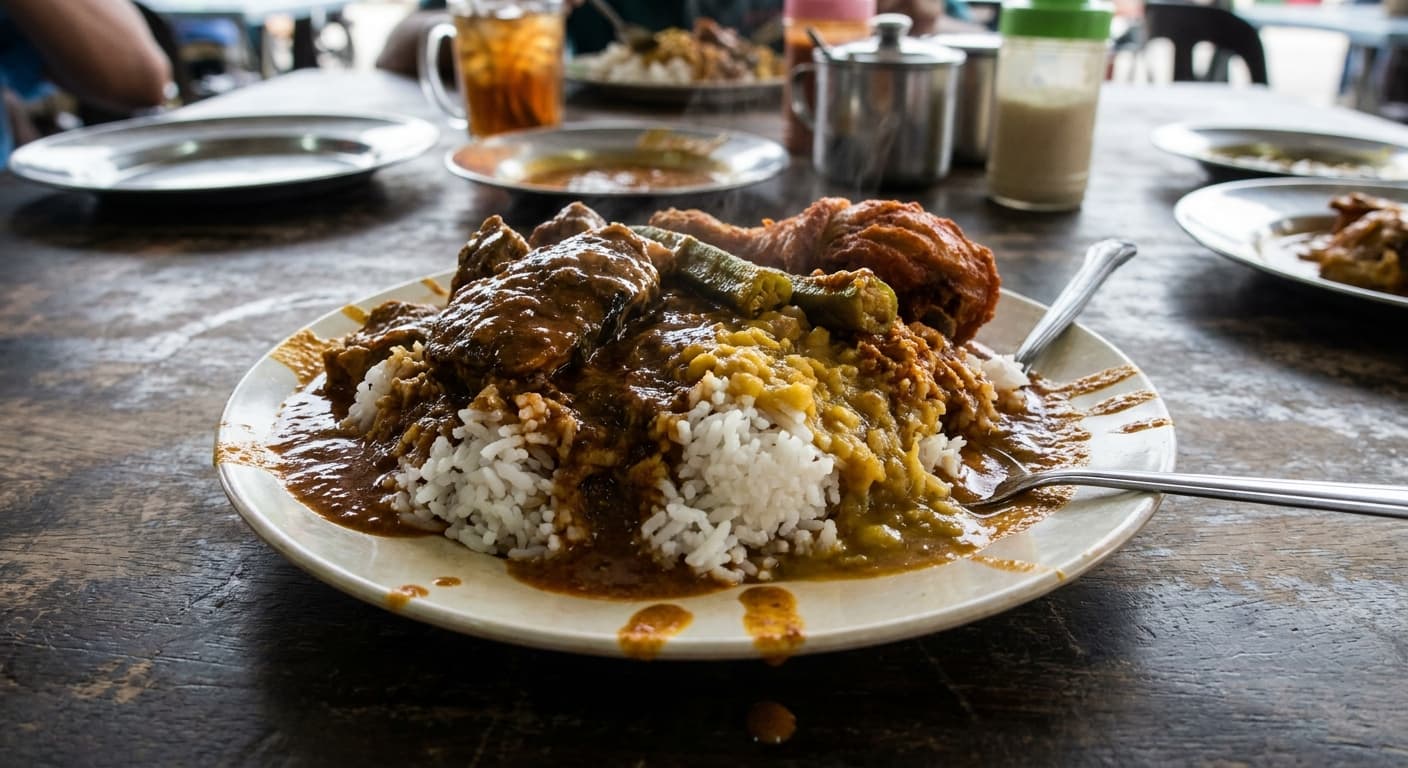
Nasi Kandar (Nasi Kandar) — Penang Mamak Curry Rice Plate
Malaysian · Rice Dishes · 110 min
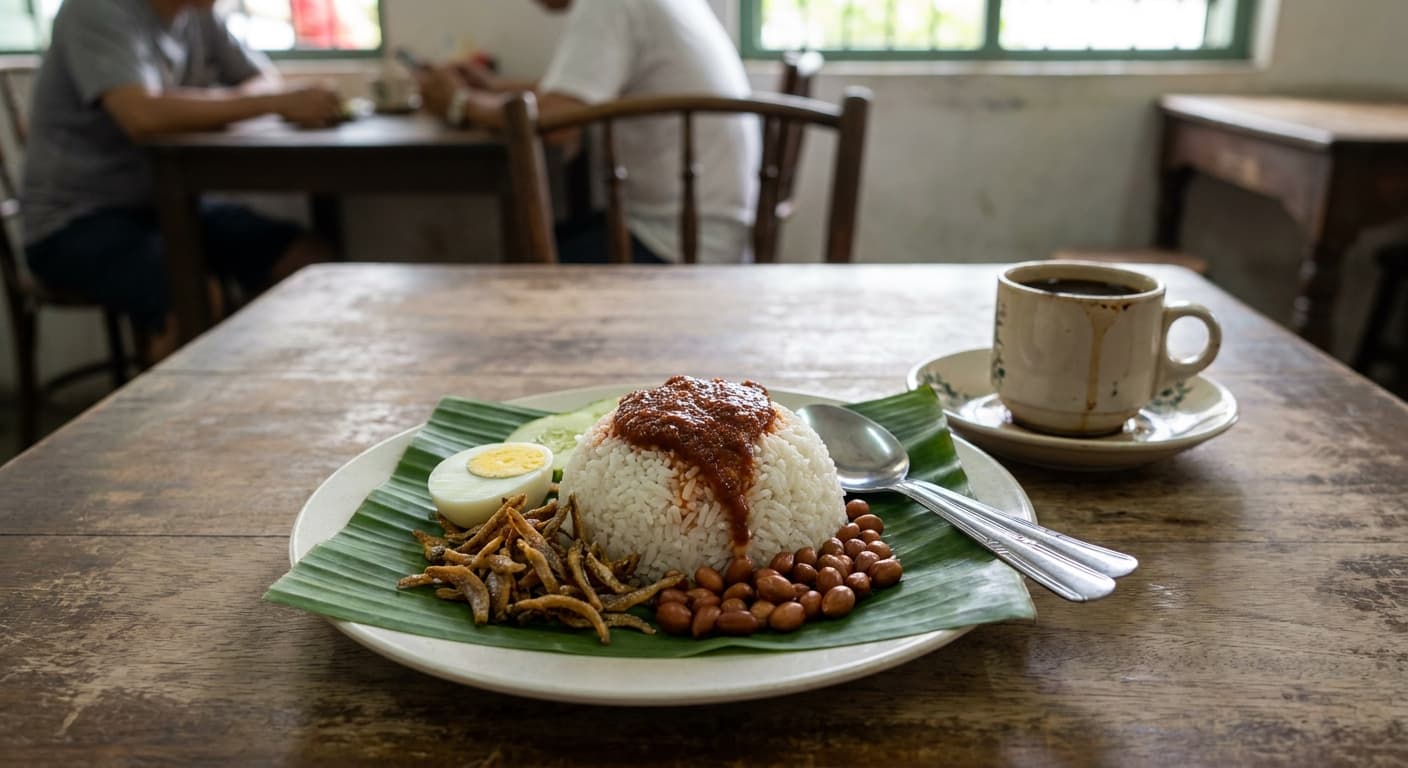
Nasi Lemak (Nasi Lemak) — Coconut Rice with Sambal and Classic Garnishes
Malaysian · Rice Dishes · 90 min
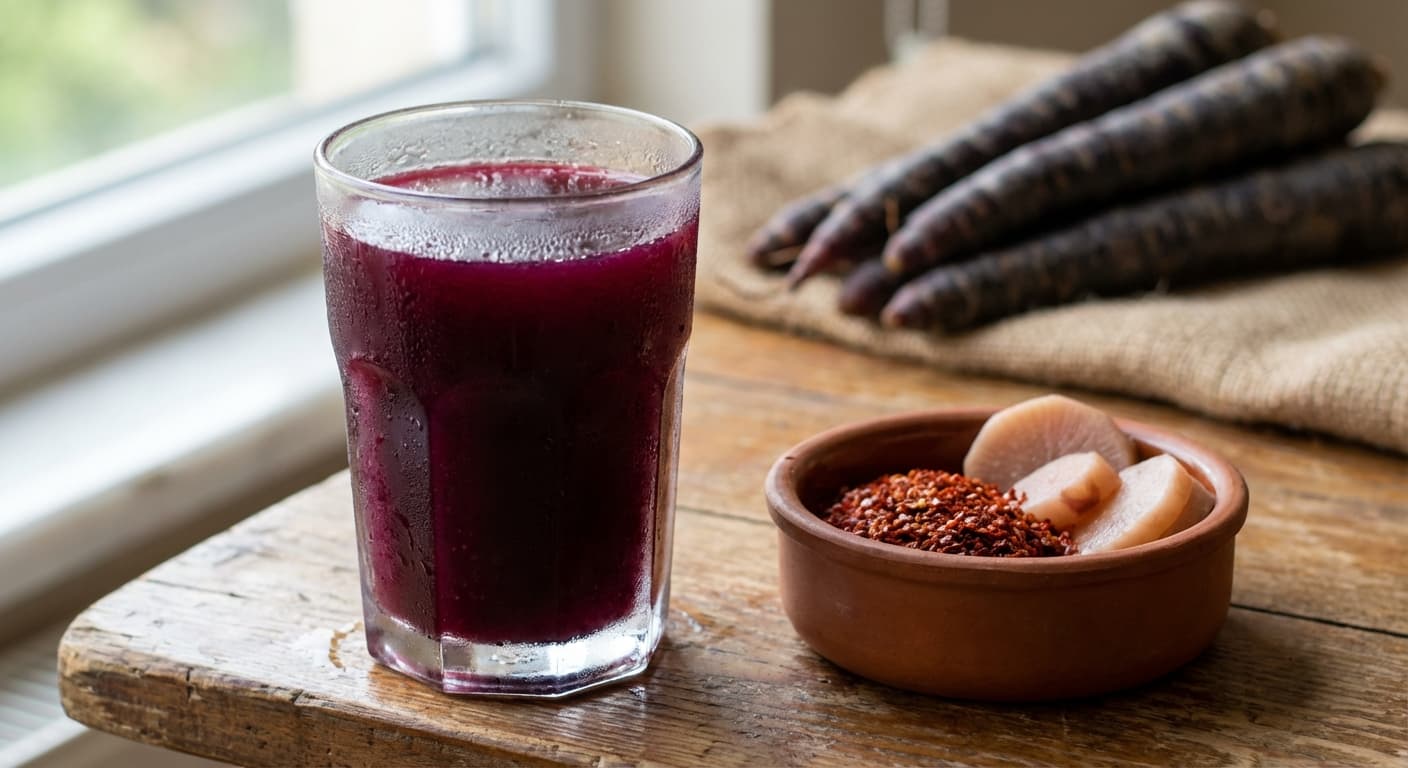
Salgam Juice (Şalgam) — Spicy, tangy fermented black-carrot drink
Turkish · Drinks · 25 min
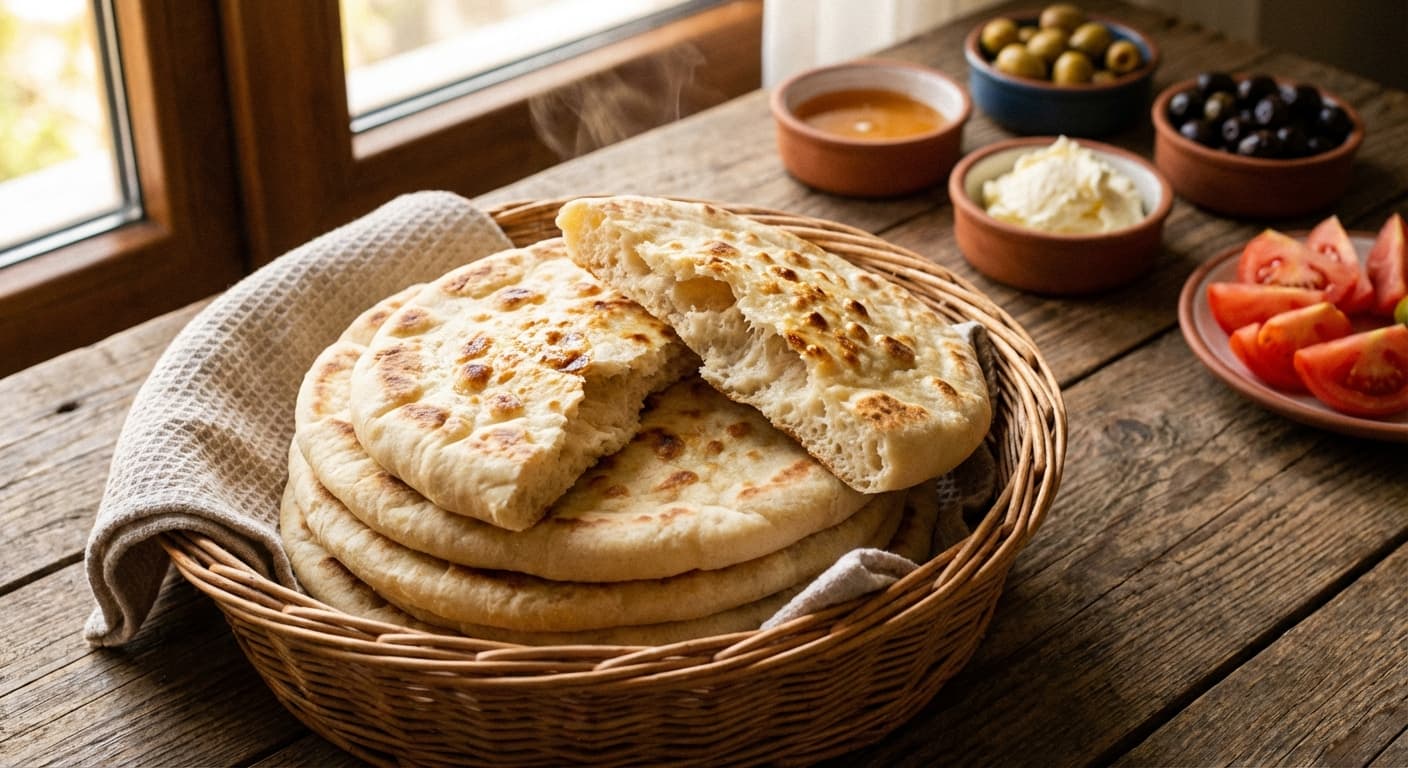
Bazlama (بازلاما) — Puffy Turkish Village Flatbread Cooked on a Saj
Turkish · Breads · 38 min
Azerbaijani Milk Rice Porridge (Südlü Sıyıq) — Creamy Breakfast Bowl
Azerbaijani · Rice Dishes · 40 min
Reviews
Cooked this recipe?
Tap the stars to rate it — that's all it takes. A few words are welcome but optional.
No ratings yet. Cooked this one? Be the first to rate it — it takes one tap.