Bulgarian Banitsa (Баница) — Flaky Sirene-Filled Phyllo Pie
Banitsa is Bulgaria’s beloved savory phyllo pie, layered or coiled with briny sirene cheese, eggs, yogurt, and butter. It is eaten for breakfast, family gatherings, and especially at New Year with fortune slips tucked inside.
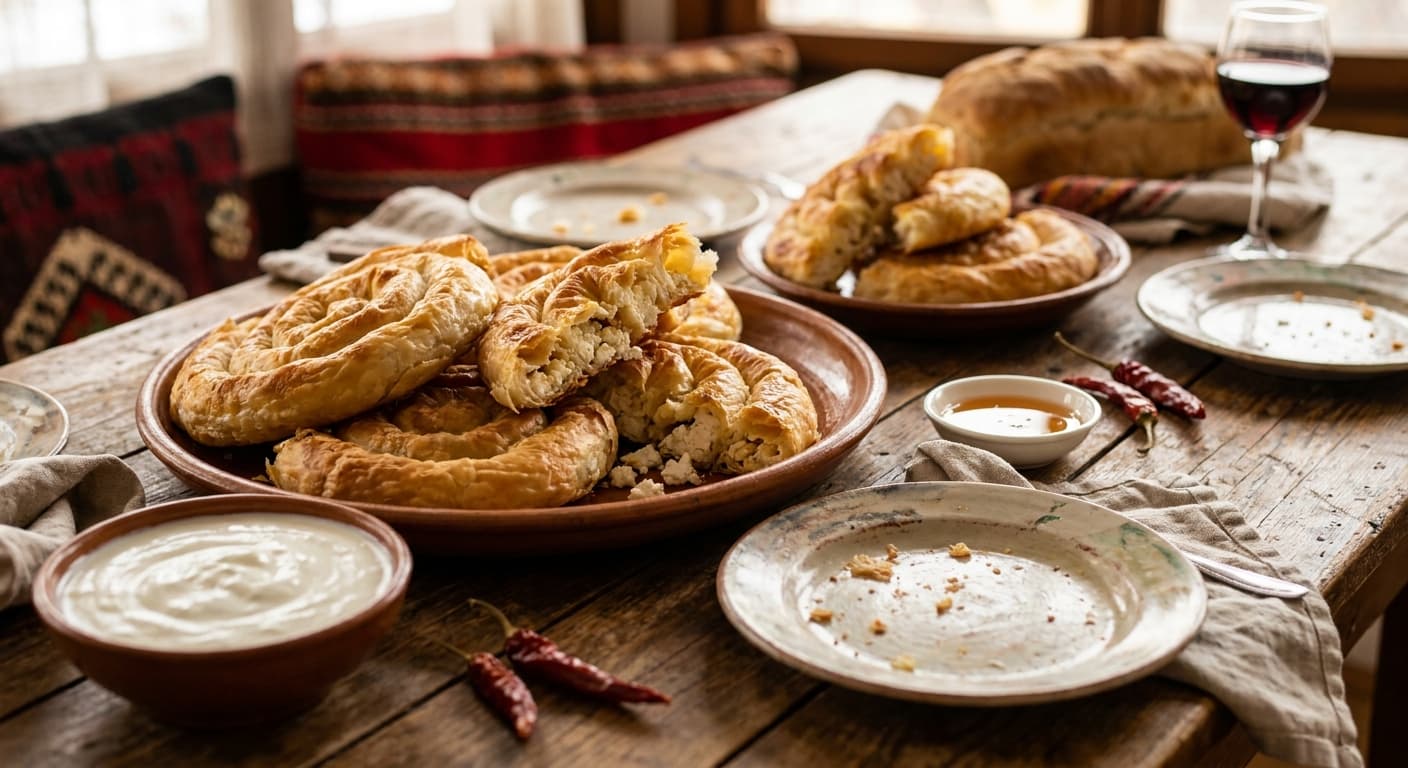
Printable Recipe Card
Servings: 8 · Total: 68 min · Difficulty: medium
Ingredients (quick list)
- 500 g phyllo pastry sheets (12 large sheets, fully thawed but kept covered)
- 400 g Bulgarian sirene cheese (crumbled; use halal-certified or vegetarian-rennet cheese if required)
- 5 large eggs
- 240 g plain whole-milk yogurt
- 0.5 tsp baking soda
- 115 g unsalted butter (melted; 15 g for greasing the pan and 100 g for brushing)
- 30 ml sunflower oil
- 120 ml sparkling water
Steps (summary)
- Heat the oven to 190°C and place a rack in the center. Grease a 30 cm round baking pan with 15 g of the melted butter, making s…
- Crumble the sirene into pea-size pieces and leave a few larger nuggets for texture. In a large bowl, whisk the eggs, yogurt, an…
- Reserve 80 g of the cheese-and-egg filling in a small bowl for the top. In a separate bowl, mix the remaining 100 g melted butt…
- Lay 1 phyllo sheet on the work surface with the long side facing you, and brush it with 8 ml of the butter-oil mixture. Place a…
- Roll the filled phyllo into a loose rope, avoiding a tight roll because the eggs need room to puff. Coil the rope in the center…
- Brush the top of the spiral with all remaining butter-oil mixture, getting fat into the seams between the coils. Whisk the rese…
+ 2 more steps in the full instructions section below.
Cultural Background
Banitsa is a central Bulgarian comfort food, served at bakeries, home breakfasts, name-day tables, and New Year celebrations. For Nova Godina, families often tuck written fortunes or cornel twigs into the pie before serving.
Equipment
💡 Tips
- Keep unused phyllo covered with a barely damp towel because uncovered sheets dry and crack within minutes.
- Do not over-salt the filling; authentic sirene is already briny and usually supplies enough seasoning.
- Roll the phyllo loosely rather than tightly so the egg-yogurt mixture can expand and create a light interior.
⚠️ Common Mistakes
❌ Letting phyllo dry out before rolling
✅ Fix: Keep the stack covered with a barely damp towel and expose only the sheets you are filling.
❌ Rolling the coils too tightly
✅ Fix: Roll loosely so steam and the egg mixture can expand, creating a lighter banitsa.
❌ Using a very wet cheese without adjusting
✅ Fix: Drain wet feta or sirene for 20 minutes before mixing so the bottom pastry does not become soggy.
🧊 How to Store
Cool completely, then refrigerate slices in an airtight container for up to 4 days. Reheat uncovered in a 180°C oven for 10 minutes to restore crisp edges, or microwave for 45 seconds for a softer breakfast-style texture.
📅 Make Ahead
The filling can be mixed 1 day ahead and refrigerated in a covered container. Assemble banitsa just before baking because filled phyllo softens if held for too long.
🍽️ Pairs Well With
- Plain yogurt
- ayran
- tomato and cucumber salad
- olives
- Bulgarian lyutenitsa.
Regional Variations
- Layered banitsa is built as flat stacked sheets instead of a spiral and is common for everyday home baking.
- Zelnik-style versions include leeks, spinach, sorrel, or other greens mixed into the cheese filling.
- Tikvenik is a sweet related pastry made with grated pumpkin, sugar, walnuts, and cinnamon.
- New Year banitsa may include fortunes, known as kusmeti, hidden between the coils before baking.
Ingredients
- 500 gphyllo pastry sheets (12 large sheets, fully thawed but kept covered)
- 400 gBulgarian sirene cheese (crumbled; use halal-certified or vegetarian-rennet cheese if required)
- 5large eggs
- 240 gplain whole-milk yogurt
- 0.5 tspbaking soda
- 115 gunsalted butter (melted; 15 g for greasing the pan and 100 g for brushing)
- 30 mlsunflower oil
- 120 mlsparkling water
🔄 Substitutions
- Bulgarian sirene cheese→ Greek feta
- plain whole-milk yogurt→ strained plain kefir
- sunflower oil→ neutral grapeseed oil
Instructions
- 1
Heat the oven to 190°C and place a rack in the center. Grease a 30 cm round baking pan with 15 g of the melted butter, making sure the sides are coated so the outer coil releases cleanly.
- 2
Crumble the sirene into pea-size pieces and leave a few larger nuggets for texture. In a large bowl, whisk the eggs, yogurt, and baking soda for 45 seconds, then fold in the cheese until the mixture is evenly combined.
- 3
Reserve 80 g of the cheese-and-egg filling in a small bowl for the top. In a separate bowl, mix the remaining 100 g melted butter with the sunflower oil, which keeps the pastry supple while still giving a buttery flavor.
- 4
Lay 1 phyllo sheet on the work surface with the long side facing you, and brush it with 8 ml of the butter-oil mixture. Place a second sheet directly on top, brush again with 8 ml of fat, then spread 135 g of filling in a thin line along the long edge nearest you.
- 5
Roll the filled phyllo into a loose rope, avoiding a tight roll because the eggs need room to puff. Coil the rope in the center of the prepared pan, then repeat with the remaining 10 sheets and 675 g filling to build a continuous spiral around the center coil.
- 6
Brush the top of the spiral with all remaining butter-oil mixture, getting fat into the seams between the coils. Whisk the reserved 80 g filling with the 120 ml sparkling water, then pour it evenly over the banitsa so it settles into the pastry.
- 7
Bake for 38 minutes, until the top is deeply golden, the center is puffed, and the edges are crisp. If the top browns faster than the center rises, cover it loosely with 1 sheet of foil for the final 10 minutes of baking.
- 8
Remove the banitsa from the oven and let it rest in the pan for 15 minutes before slicing. For a softer traditional breakfast texture, cover it with a clean kitchen towel during the rest; for a crisper crust, leave it uncovered.
🪪 Recipe Passport
Cultural Background
Banitsa is a central Bulgarian comfort food, served at bakeries, home breakfasts, name-day tables, and New Year celebrations. For Nova Godina, families often tuck written fortunes or cornel twigs into the pie before serving.
Regional Variations
Researched from multiple sources and validated by the Zaffaron editorial team. Every recipe is tested for accuracy, measurements, and cultural authenticity.
📚 Sources & Cultural References
- Alan Davidson — The Oxford Companion to Food — (2014)
Sources cited by the Zaffaron editorial team during recipe research. Cultural and culinary references supporting authenticity claims.
Nutrition per serving
Pairs well with
If you enjoyed this recipe, here are a few related Zaffaron recipes to try next.
Does your family make this differently?
Every family has their own version. Maybe your grandmother adds a secret ingredient, or your aunt has a completely different technique. Preserve your family's version — with their name on it, forever.
You Might Also Like
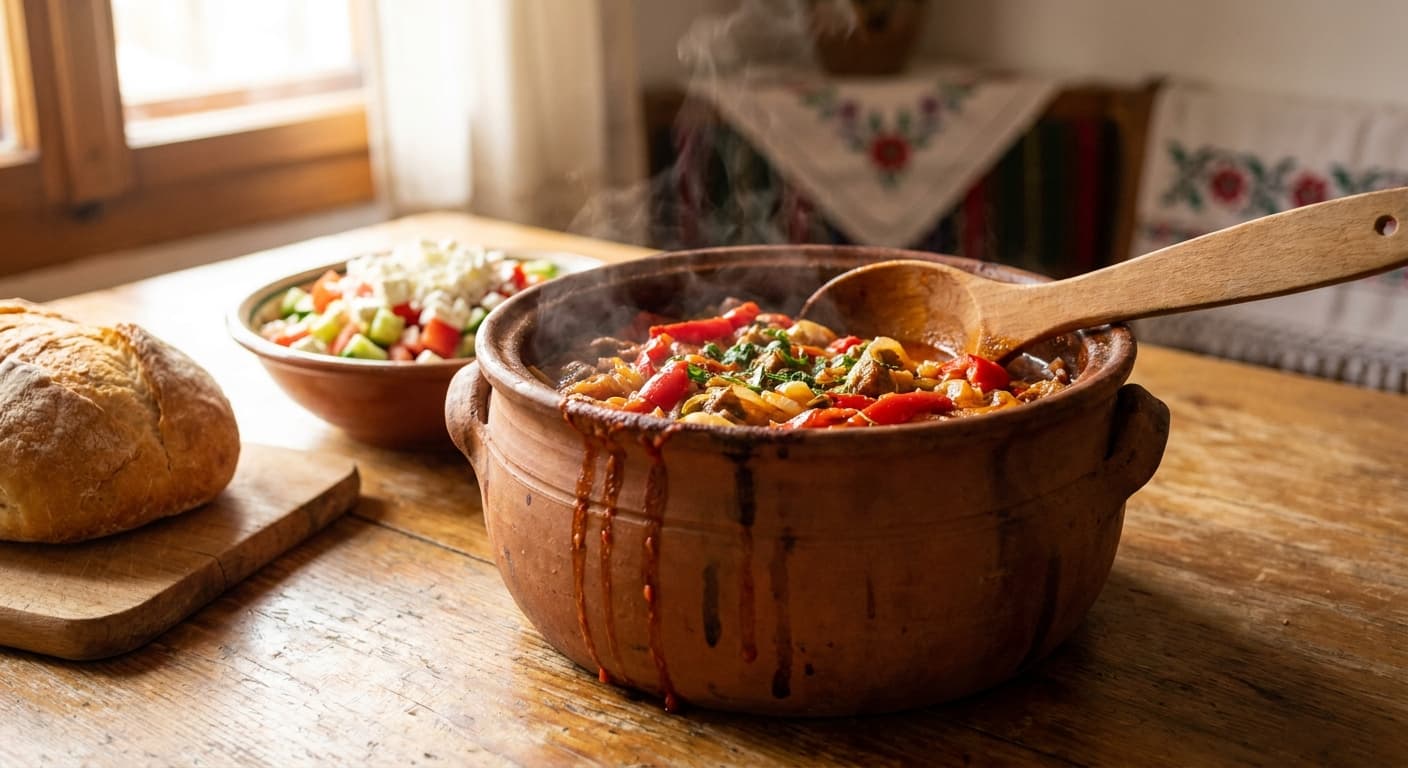
Bulgarian Pork Kavarma (Каварма) — Clay-Pot Pepper and Pork Stew
Bulgarian · Stews · 115 min
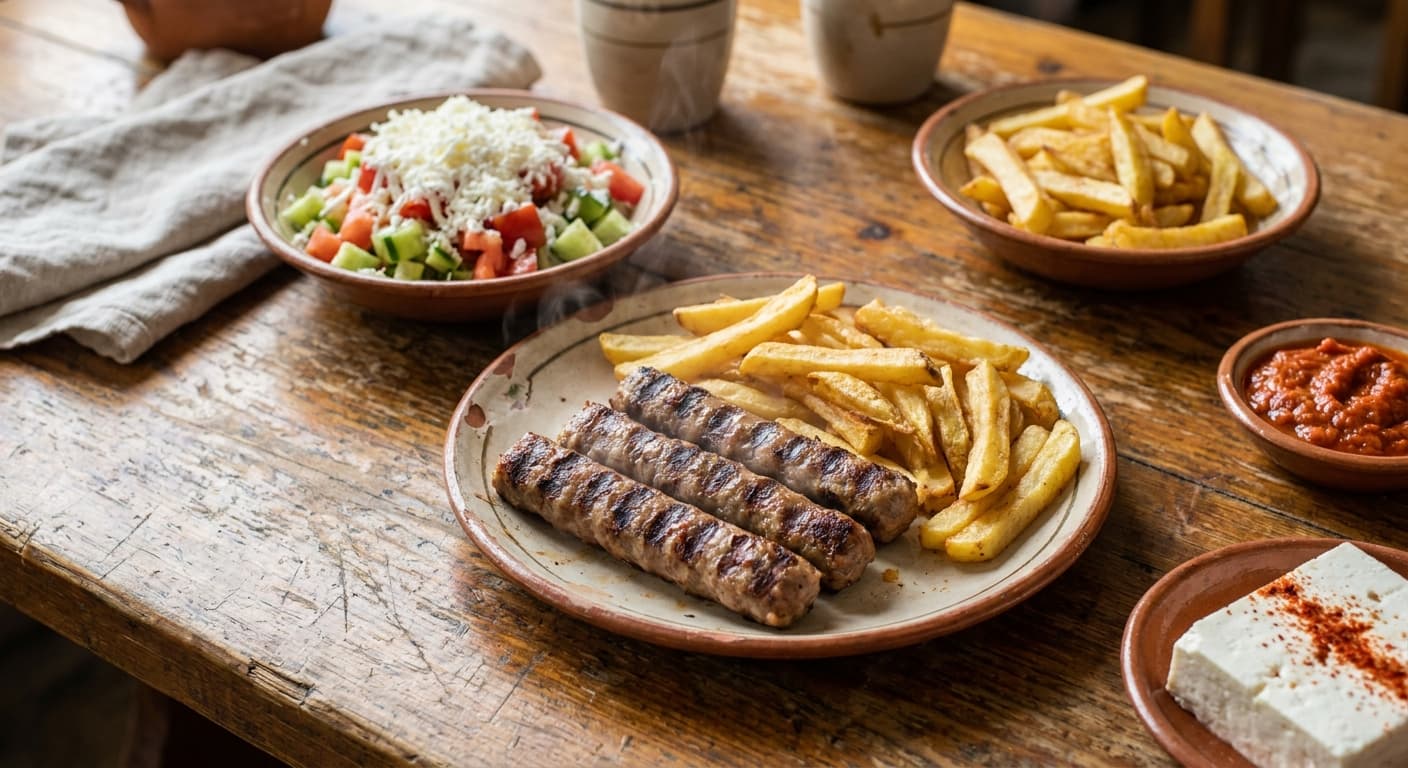
Kebapche (Кебапче) — Bulgarian Grilled Spiced Meat Sausages
Bulgarian · Kebabs · 42 min
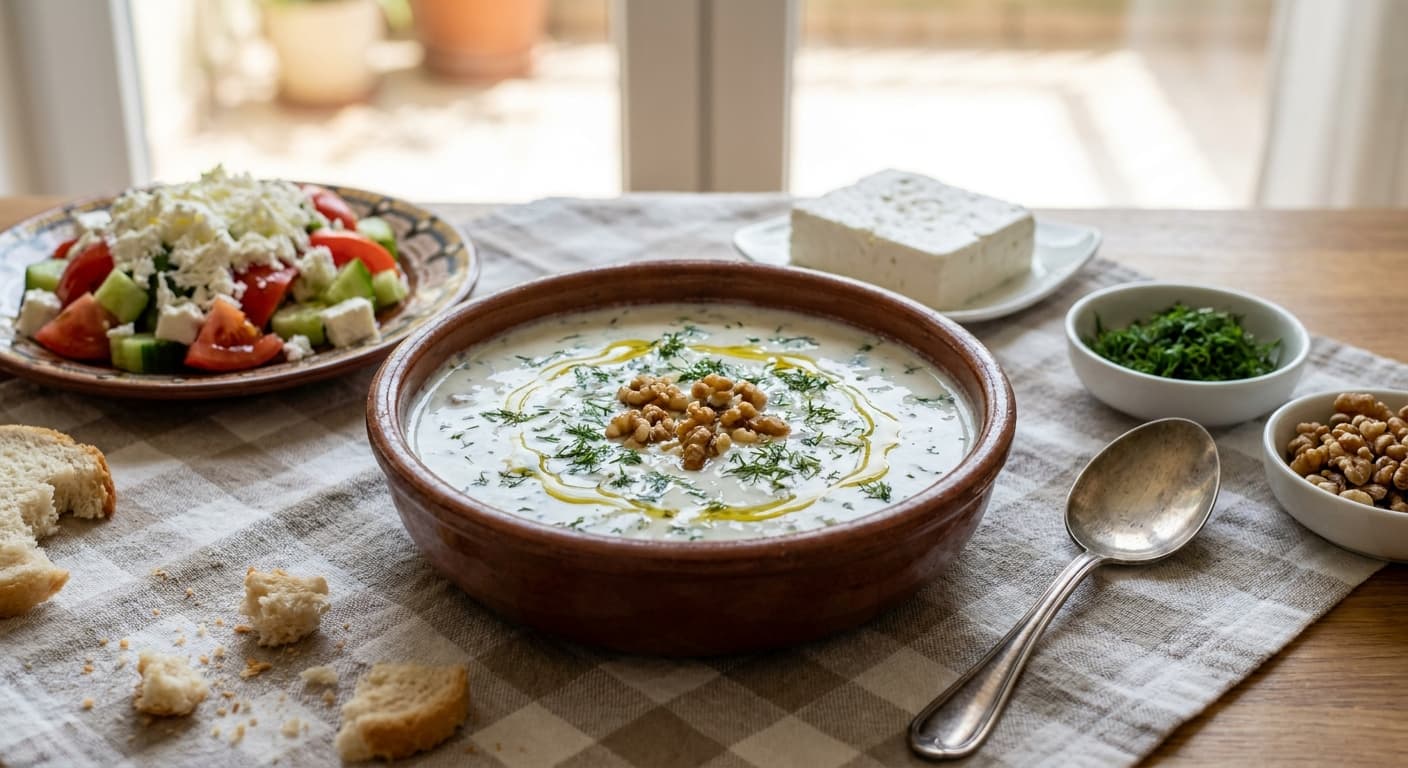
Bulgarian Tarator (Таратор) — Cold Yogurt Cucumber Soup
Bulgarian · Soups · 15 min
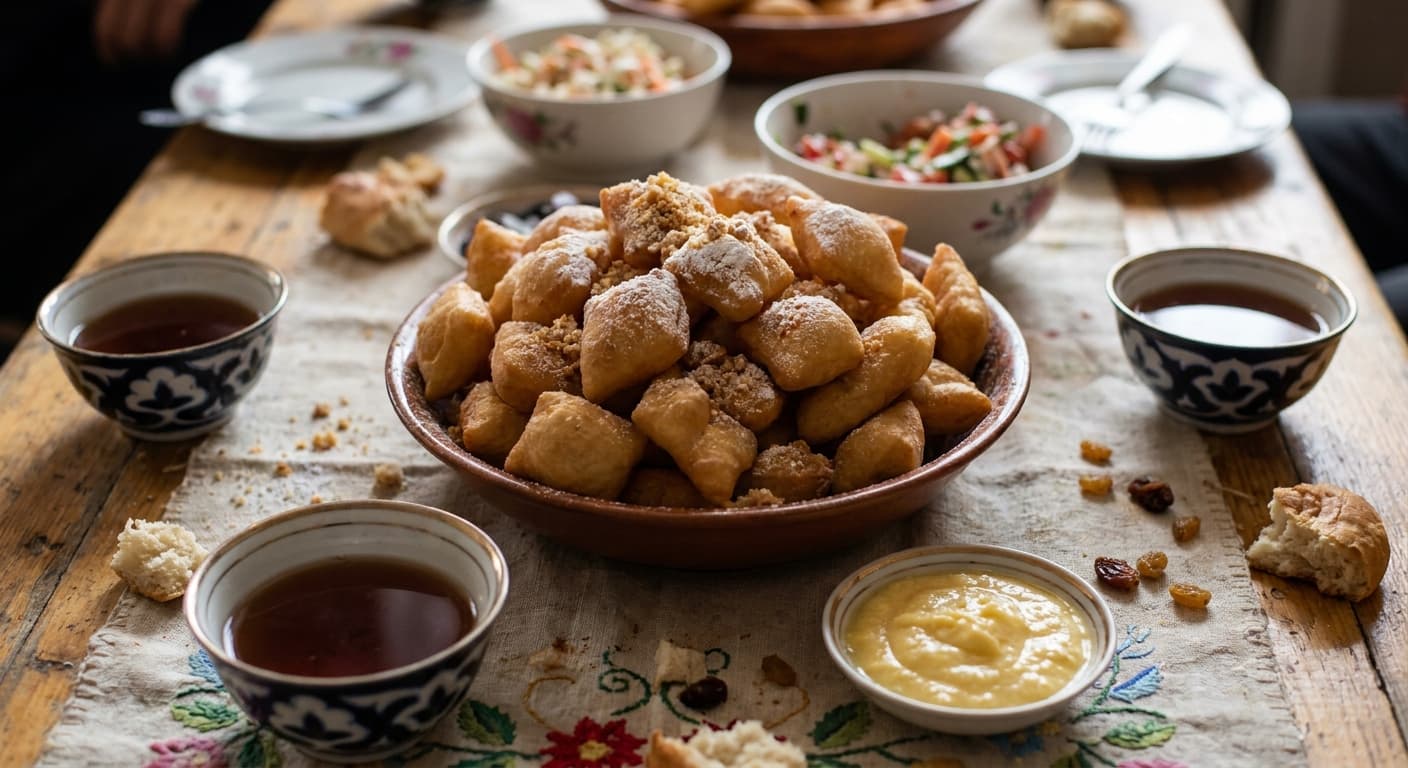
Boorsok (Боорсок) — Kyrgyz Fried Celebration Bread
Kyrgyz · Breads · 120 min
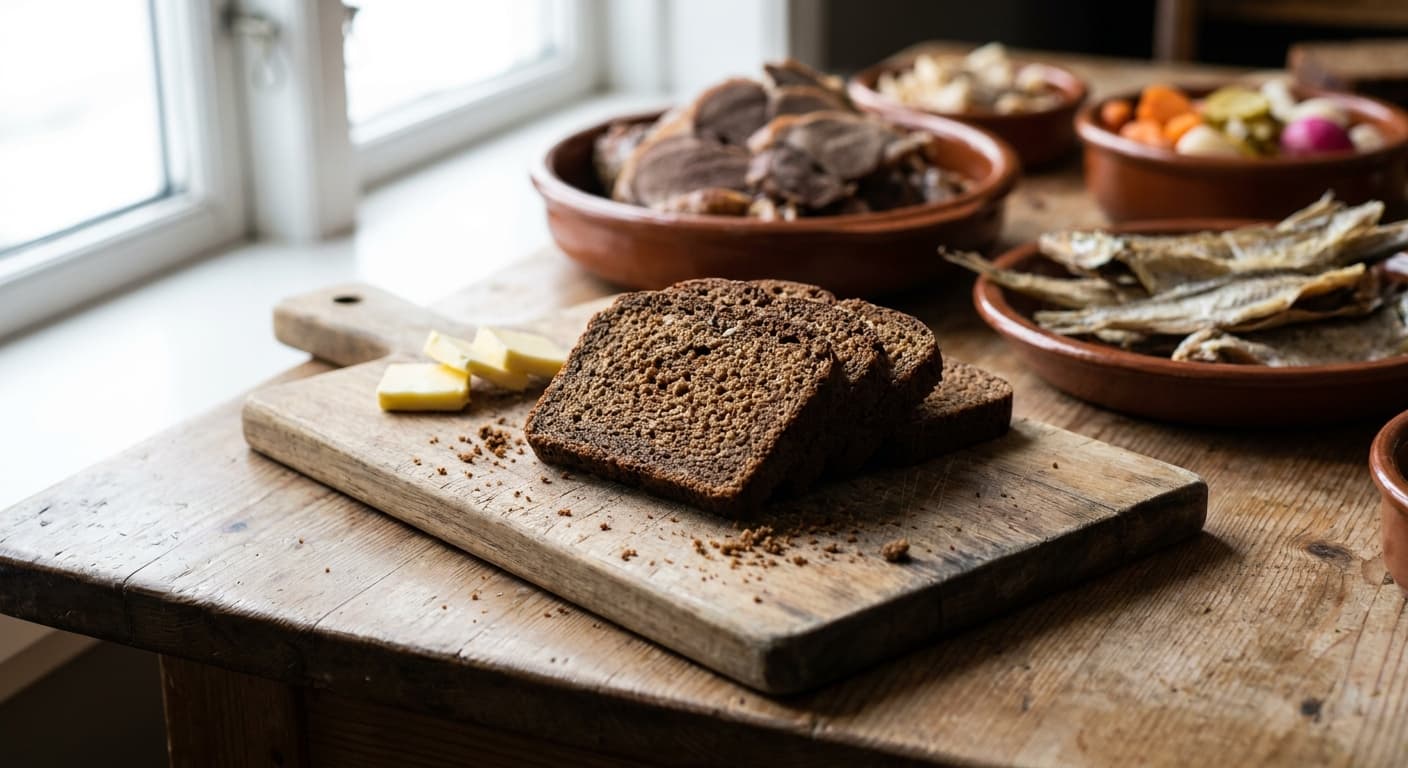
Icelandic Rye Bread (Rúgbrauð) — Dense Geothermal-Style Rye Loaf
Icelandic · Breads · 440 min
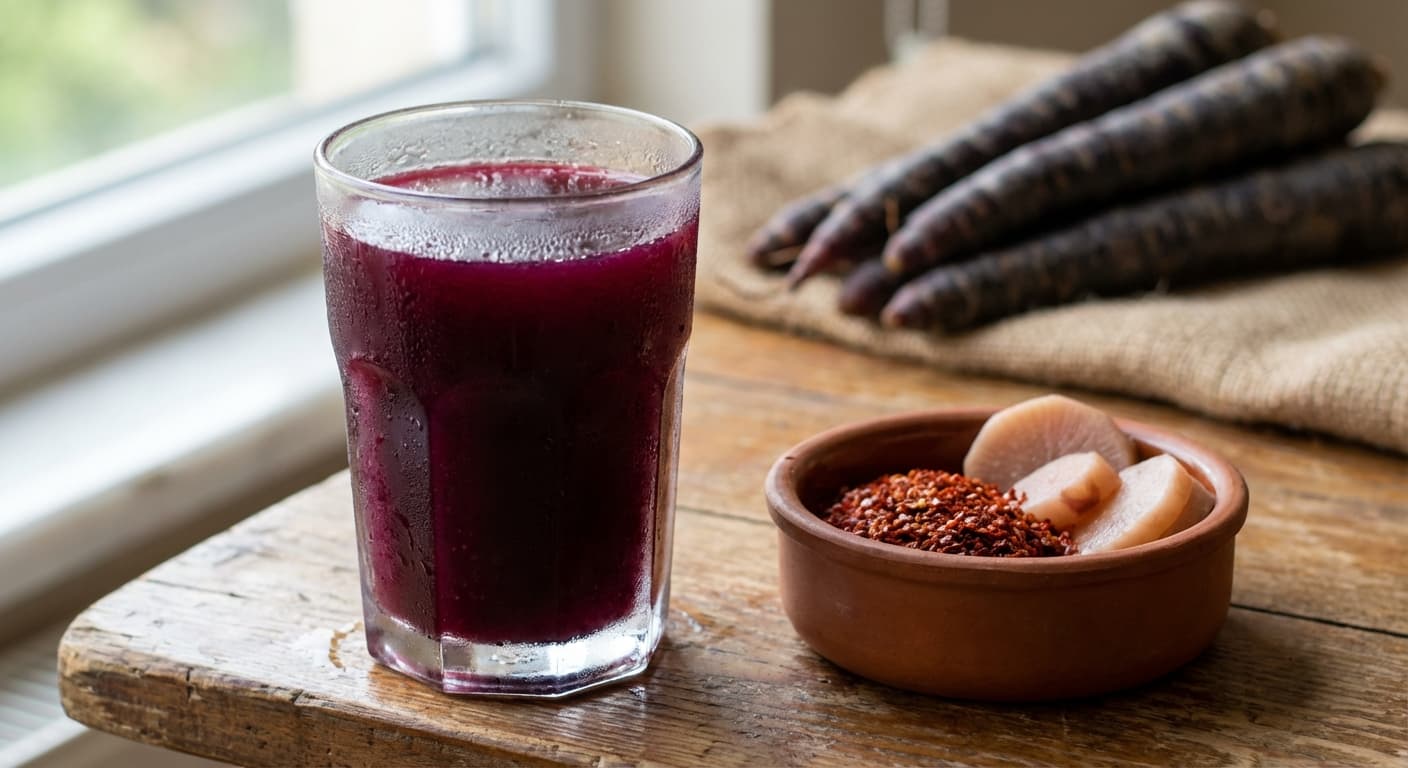
Salgam Juice (Şalgam) — Spicy, tangy fermented black-carrot drink
Turkish · Drinks · 25 min
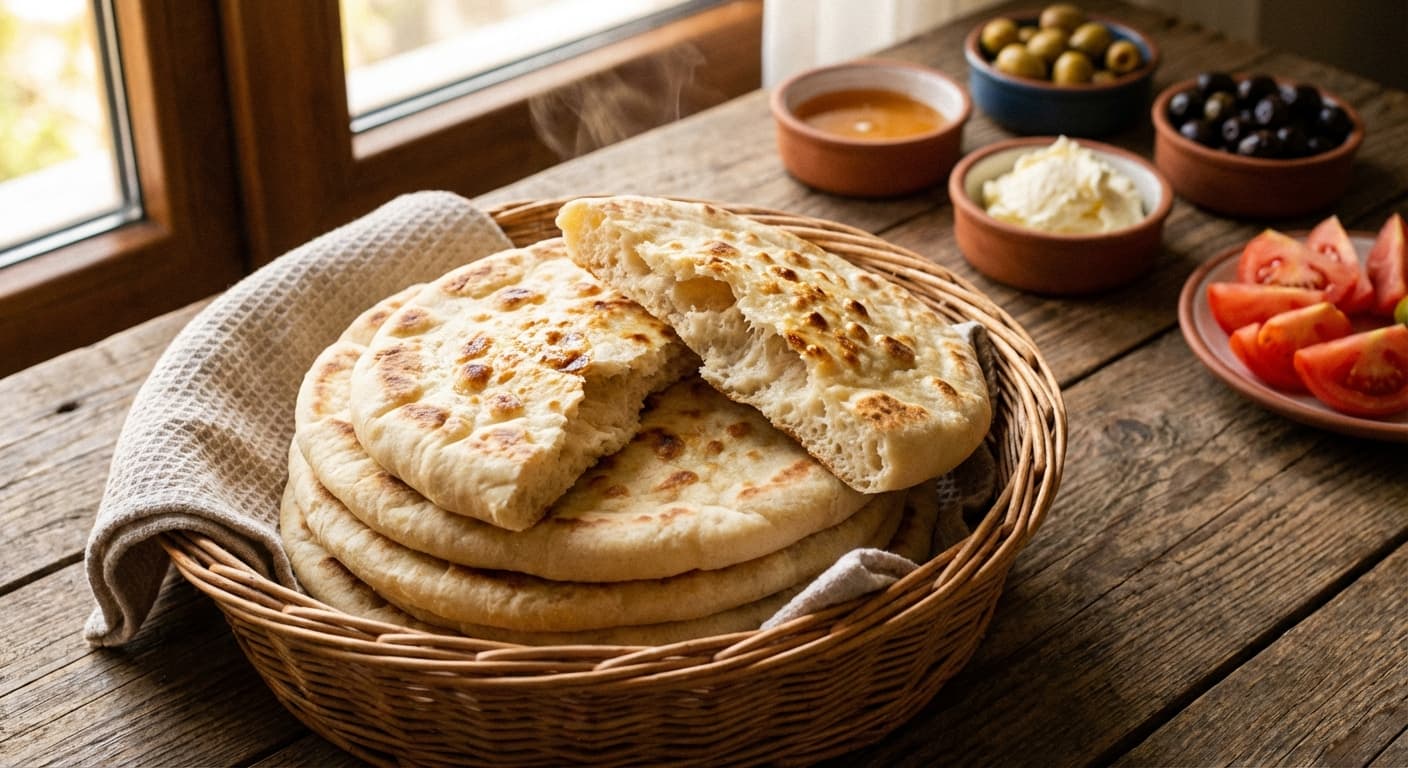
Bazlama (بازلاما) — Puffy Turkish Village Flatbread Cooked on a Saj
Turkish · Breads · 38 min
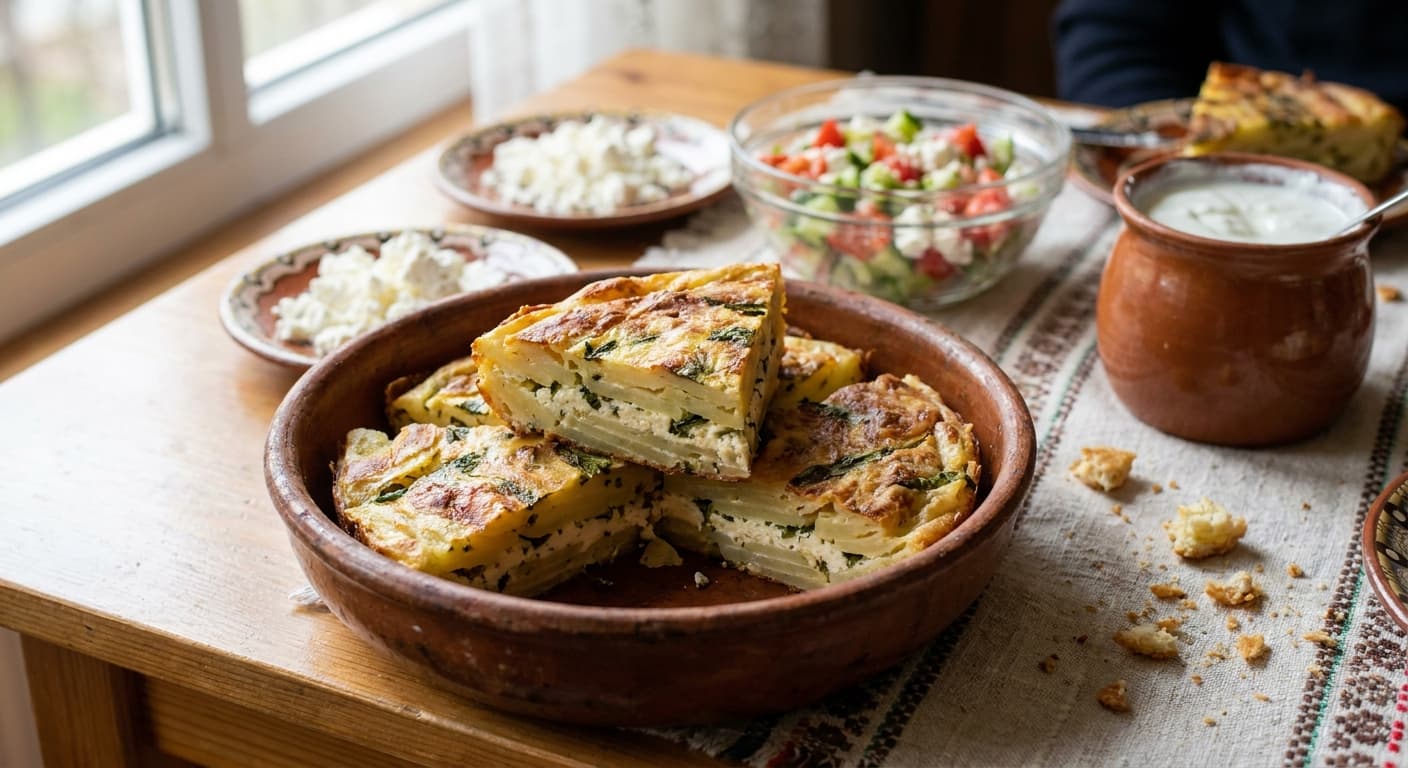
Patatnik (Пататник) — Rhodope Potato Skillet Cake
Bulgarian · Main Courses · 60 min
Reviews
Cooked this recipe?
Tap the stars to rate it — that's all it takes. A few words are welcome but optional.
No ratings yet. Cooked this one? Be the first to rate it — it takes one tap.