Dam-Pokhtak Baqali Khoshk Zard (دمپختک باقلی خشک زرد) — Persian Yellow Split Pea Pilaf
A comforting Tehrani one-pot rice pilaf colored golden with turmeric and dotted with tender yellow split peas. Finished with fresh dill, it is simple, fragrant, and especially popular in colder months.
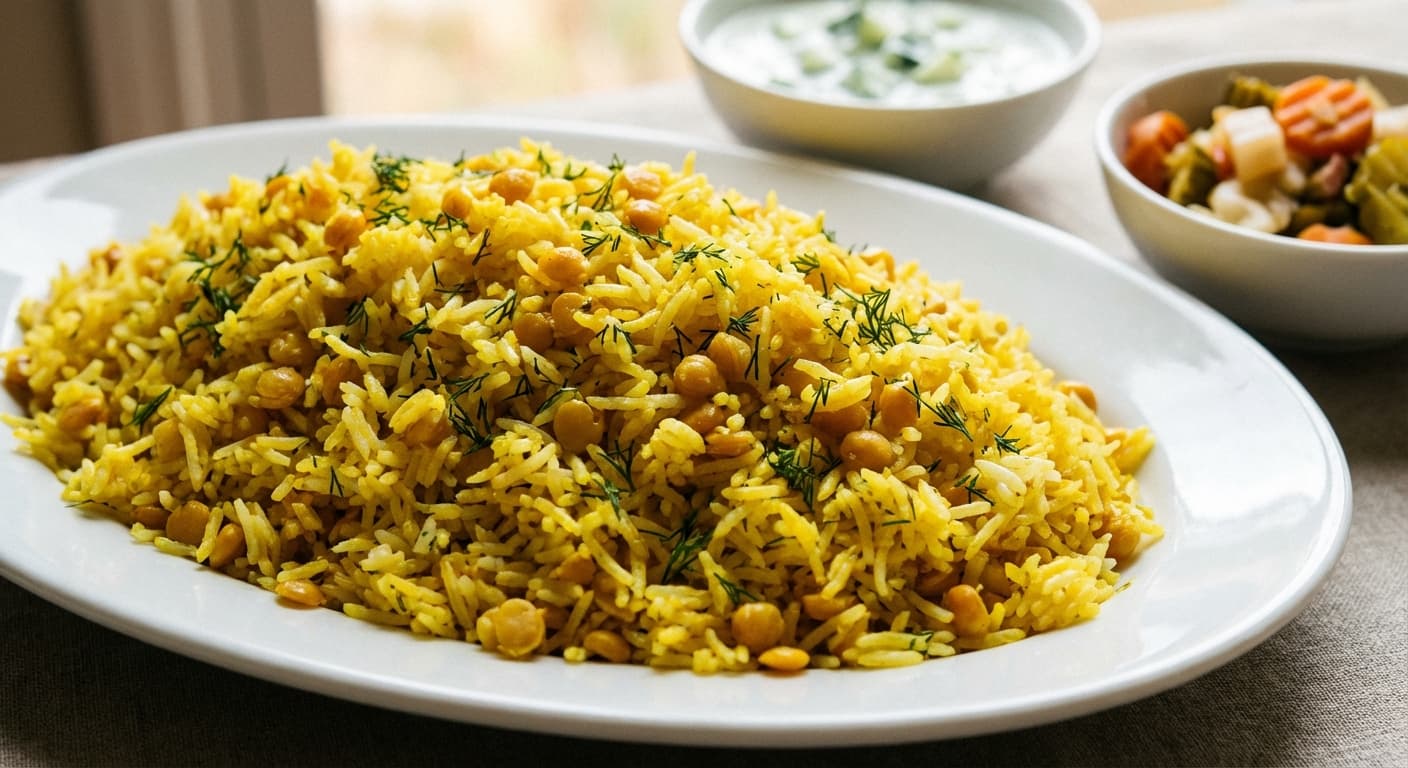
Printable Recipe Card
Servings: 4 · Total: 145 min · Difficulty: easy
Ingredients (quick list)
- 300 g Basmati rice (rinsed until water runs mostly clear)
- 1200 ml Water (for soaking rice)
- 12 g Salt (for soaking rice (about 2 tsp))
- 160 g Yellow split peas (rinsed well)
- 200 g Onion (finely diced (about 1 large))
- 45 ml Vegetable oil (plus 15 ml for the pot bottom if needed (total measured here))
- 3 g Turmeric (about 1 1/2 tsp)
- 25 g Fresh dill (finely chopped (about 1 loosely packed cup))
Steps (summary)
- Rinse the basmati rice in several changes of cool water until the water is mostly clear. Add the rice to a bowl with 1200 ml wa…
- Meanwhile, rinse the yellow split peas until the water runs clear. Add them to a small pot with 700 ml water. Bring to a boil o…
- In a medium nonstick or heavy-bottom pot (about 3–4 liters), heat 30 ml of the vegetable oil over medium heat. Add the diced on…
- Drain the soaked rice thoroughly. Add the drained rice to the pot and gently fold for 1 minute to coat the grains in the onion-…
- Boil uncovered 8–10 minutes, stirring only 2–3 times to prevent sticking, until most surface water is absorbed and small steam…
- Reduce heat to low. Using the handle of a spoon, poke 5–6 holes down to the bottom to help steam circulate. Drizzle the remaini…
+ 2 more steps in the full instructions section below.
Cultural Background
This one-pot rice and legume dish is widely associated with Tehran home cooking, valued for its simplicity and warming character in cooler seasons. It reflects everyday Persian pantry staples—rice, legumes, onion, and turmeric—prepared in a method that relies on steam to finish the grains.
Equipment
💡 Tips
- For the cleanest flavor, rinse split peas thoroughly; their starch can cloud the dish and increase sticking.
- If your pot runs hot, place a heat diffuser under it during steaming to prevent scorching.
- Fresh dill is best stirred in at the end to keep its bright aroma; prolonged cooking dulls the flavor.
- For a more pronounced golden color, increase turmeric to 4 g (2 tsp), but keep heat moderate so it does not taste bitter.
- If you want a deliberate crispy bottom, use a well-seasoned nonstick pot and keep steaming time closer to 40 minutes.
⚠️ Common Mistakes
❌ Cooking split peas until they fall apart
💡 Why: Overcooked peas break down and make the rice starchy and muddy, increasing the chance of sticking.
✅ Fix: Simmer peas only until tender but intact, then drain well; they will finish heating during the steaming stage.
❌ Adding too much water for the final cook
💡 Why: Excess water leads to gummy rice and a heavy texture because the grains overhydrate before steaming.
✅ Fix: Use the measured 480 ml, and only add 30–60 ml extra if the pot dries before steam holes appear.
❌ Steaming on heat that is too high
💡 Why: High heat can scorch the bottom before the rice finishes steaming, creating bitterness and uneven texture.
✅ Fix: Steam on low heat with a towel-wrapped lid; use a diffuser if your burner runs hot.
❌ Stirring frequently during boiling
💡 Why: Over-stirring releases starch from the rice and can break grains, making the final dish sticky.
✅ Fix: Stir only a few times during the uncovered boil, then stop once most water is absorbed.
🧊 How to Store
Cool to room temperature within 2 hours, then refrigerate in an airtight container for up to 4 days. Reheat covered with 1–2 tbsp water in a saucepan over low heat for 8–10 minutes, or microwave covered, stirring once, until hot throughout.
📅 Make Ahead
Soak the rice up to 2 hours in advance and par-cook the split peas up to 2 days ahead (refrigerated). Cook the full dish the day of serving for best aroma; leftovers reheat well with a splash of water.
🍽️ Pairs Well With
- Plain yogurt or strained yogurt
- Pickled vegetables
- Tomato and cucumber salad
- Roasted chicken or grilled fish (optional)
Regional Variations
- TehranOften kept minimal with turmeric, onion, and split peas, focusing on a clean, comforting flavor; fresh herbs like dill may be added at the end for brightness.
- Northern IranMore herbs may be used, sometimes increasing dill and adding other mild greens; the finished rice is often served with tangy sides such as yogurt or pickles.
- Central IranSome households make it slightly richer by using clarified butter instead of neutral oil and aiming for a more pronounced crisp bottom layer.
Ingredients
- 300 gBasmati rice (rinsed until water runs mostly clear)
- 1200 mlWater (for soaking rice)
- 12 gSalt (for soaking rice (about 2 tsp))
- 160 gYellow split peas (rinsed well)
- 200 gOnion (finely diced (about 1 large))
- 45 mlVegetable oil (plus 15 ml for the pot bottom if needed (total measured here))
- 3 gTurmeric (about 1 1/2 tsp)
- 25 gFresh dill (finely chopped (about 1 loosely packed cup))
🔄 Substitutions
- Basmati rice→ Jasmine rice
- Fresh dill→ Frozen dill
- Vegetable oil→ Ghee or clarified butter
Instructions
- 1
Rinse the basmati rice in several changes of cool water until the water is mostly clear. Add the rice to a bowl with 1200 ml water and 12 g salt, stir, and soak for 60 minutes at room temperature. This soaking helps the grains cook evenly and stay long and separate.
- 2
Meanwhile, rinse the yellow split peas until the water runs clear. Add them to a small pot with 700 ml water. Bring to a boil over high heat, then reduce to a steady simmer and cook 20–25 minutes, until the peas are tender but still hold their shape. Drain well and set aside.
- 3
In a medium nonstick or heavy-bottom pot (about 3–4 liters), heat 30 ml of the vegetable oil over medium heat. Add the diced onion and cook 10–12 minutes, stirring often, until soft and light golden. Add the turmeric and stir for 30–45 seconds until fragrant, without letting it burn.
- 4
Drain the soaked rice thoroughly. Add the drained rice to the pot and gently fold for 1 minute to coat the grains in the onion-turmeric mixture. Add the drained split peas, 480 ml water, and 4 g salt. Stir once to distribute, then bring to a lively boil over medium-high heat.
- 5
Boil uncovered 8–10 minutes, stirring only 2–3 times to prevent sticking, until most surface water is absorbed and small steam holes appear. Taste a few grains: the outside should be tender with a slight firm center. If the pot looks dry before this stage, add 30–60 ml water.
- 6
Reduce heat to low. Using the handle of a spoon, poke 5–6 holes down to the bottom to help steam circulate. Drizzle the remaining 15 ml vegetable oil around the edges and over the surface. Wrap the lid with a clean kitchen towel and cover tightly to trap steam.
- 7
Steam (dam) on low heat for 35–40 minutes. Avoid opening the lid during the first 25 minutes. When done, the rice should be fully tender and fluffy, and the peas evenly warmed through. Turn off the heat and rest, covered, for 10 minutes to set the texture.
- 8
Gently fluff the rice with a fork, lifting from the edges to the center to keep grains intact. Fold in the chopped fresh dill and cover for 2 minutes so the herb perfumes the rice. Serve hot, optionally scraping up any lightly crisped bottom layer if it formed.
🪪 Recipe Passport
Cultural Background
This one-pot rice and legume dish is widely associated with Tehran home cooking, valued for its simplicity and warming character in cooler seasons. It reflects everyday Persian pantry staples—rice, legumes, onion, and turmeric—prepared in a method that relies on steam to finish the grains.
Regional Variations
Researched from multiple sources and validated by the Zaffaron editorial team. Every recipe is tested for accuracy, measurements, and cultural authenticity.
Nutrition per serving
Pairs well with
If you enjoyed this recipe, here are a few related Zaffaron recipes to try next.
- Dolmeh Bademjan Baqcheh’i (دلمه بادمجان باغچهای) — Persian Stuffed Eggplant Pouches
- Dolmeh Felfel va Bademjan (دلمه فلفل و بادمجان) — Persian Stuffed Peppers and Eggplants
- Dolmeh Lavash (دلمه لواش) — Persian Stuffed Flatbread Rolls with Mozzarella
- Dami Yarmeh (دمی یارمه) — Persian Bulgur Pilaf with Meat and Vegetables
Does your family make this differently?
Every family has their own version. Maybe your grandmother adds a secret ingredient, or your aunt has a completely different technique. Preserve your family's version — with their name on it, forever.
You Might Also Like
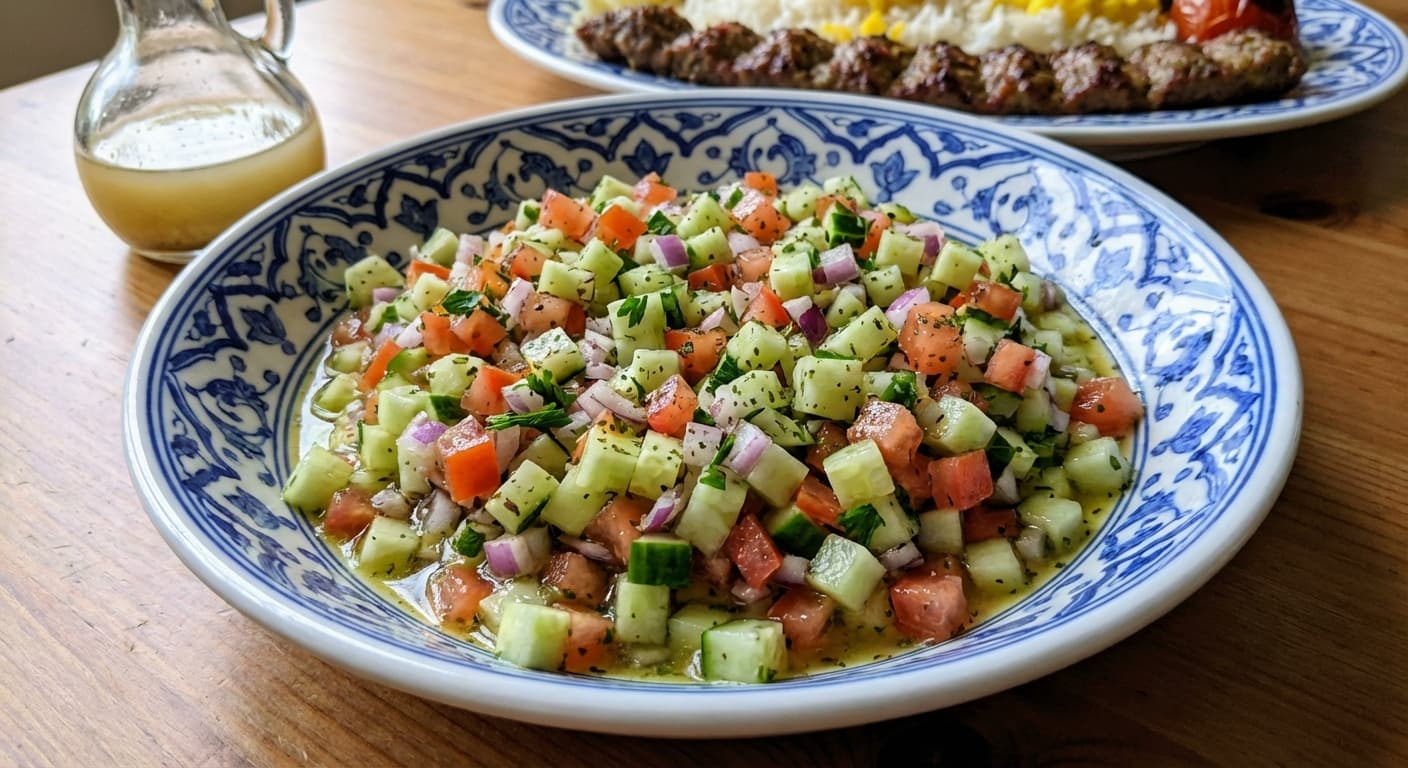
Shirazi Salad (سالاد شیرازی) — Brunoised cucumber-tomato herb salad with ab-ghooreh
Persian · Salads · 20 min
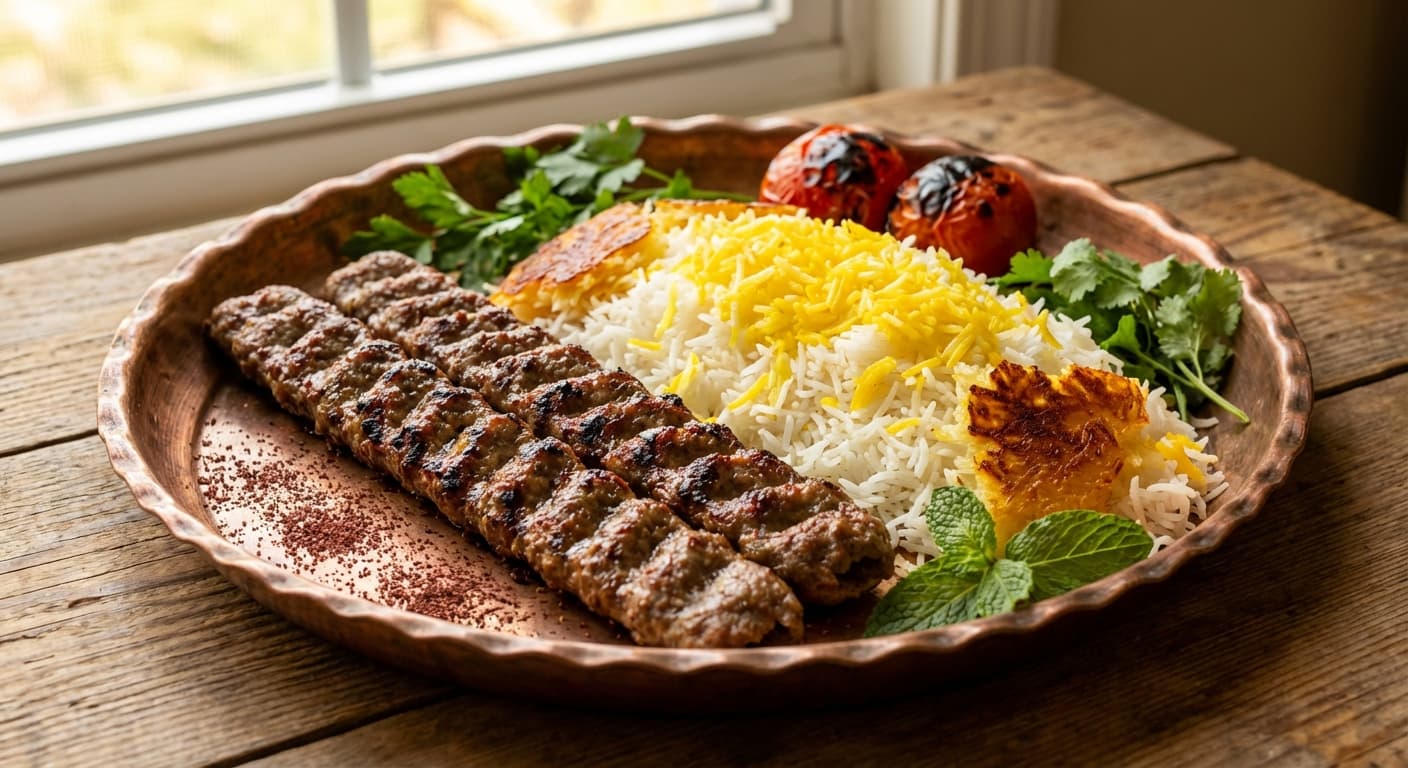
Chelo Kebab Koobideh (چلو کباب کوبیده) — Persian Minced Meat Skewers with Saffron Rice
Persian · Kebabs · 75 min
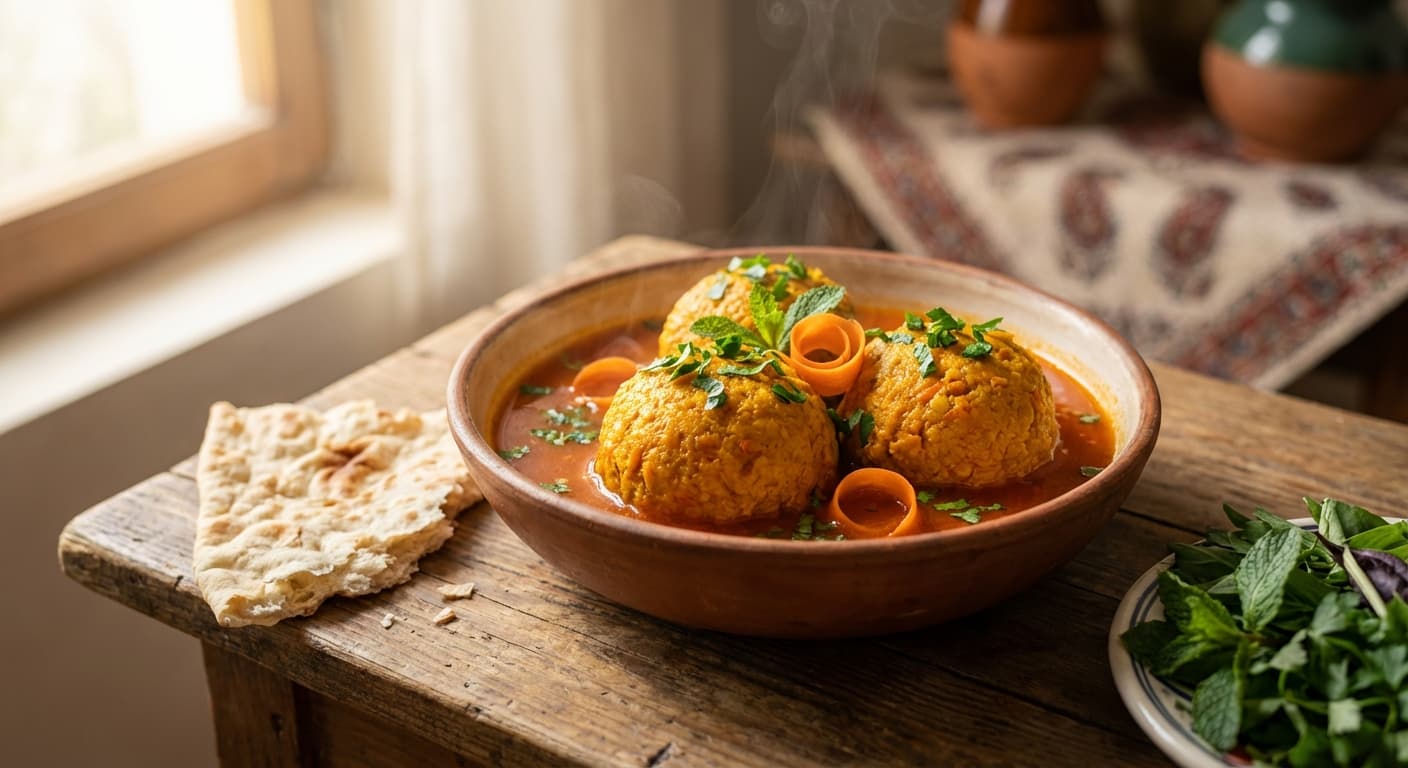
Koofteh Havij (کوفته هویج) — Persian Carrot Meatballs in Saffron-Tomato Broth
Persian · Main Courses · 120 min
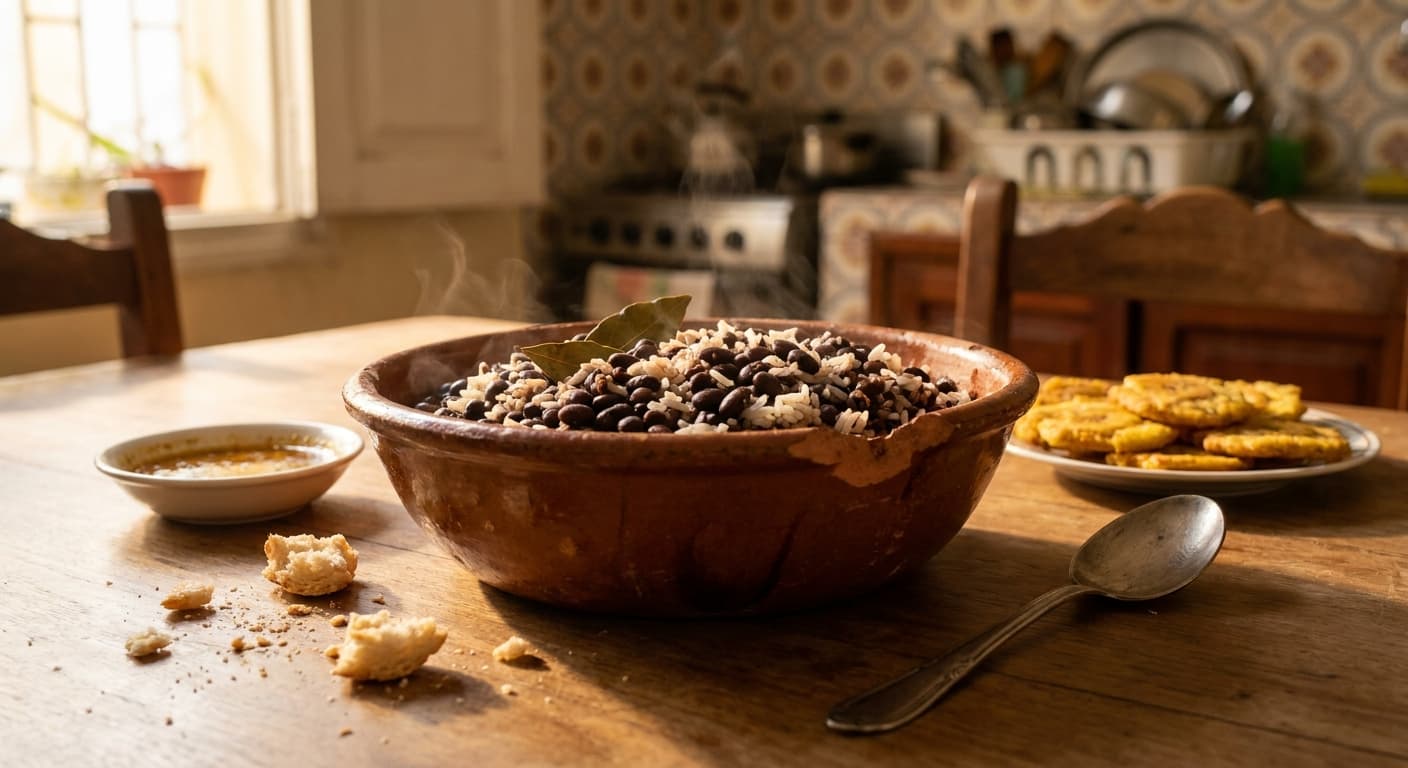
Moros y Cristianos (Moros y Cristianos) — Cuban Black Beans and Rice
Cuban · Rice Dishes · 130 min
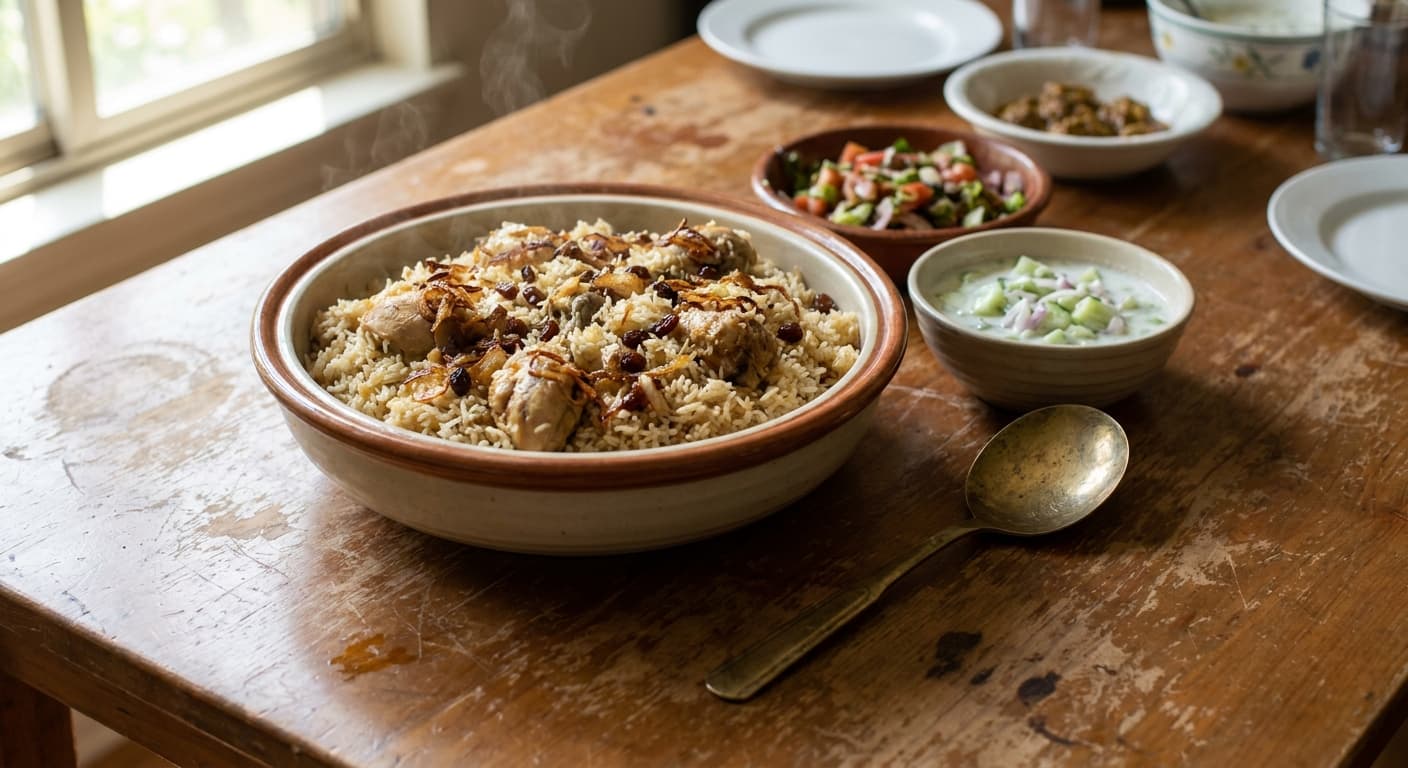
Morog Polao (মোরগ পোলাও) — Bangladeshi Chicken Pilaf
Bangladeshi · Rice Dishes · 100 min
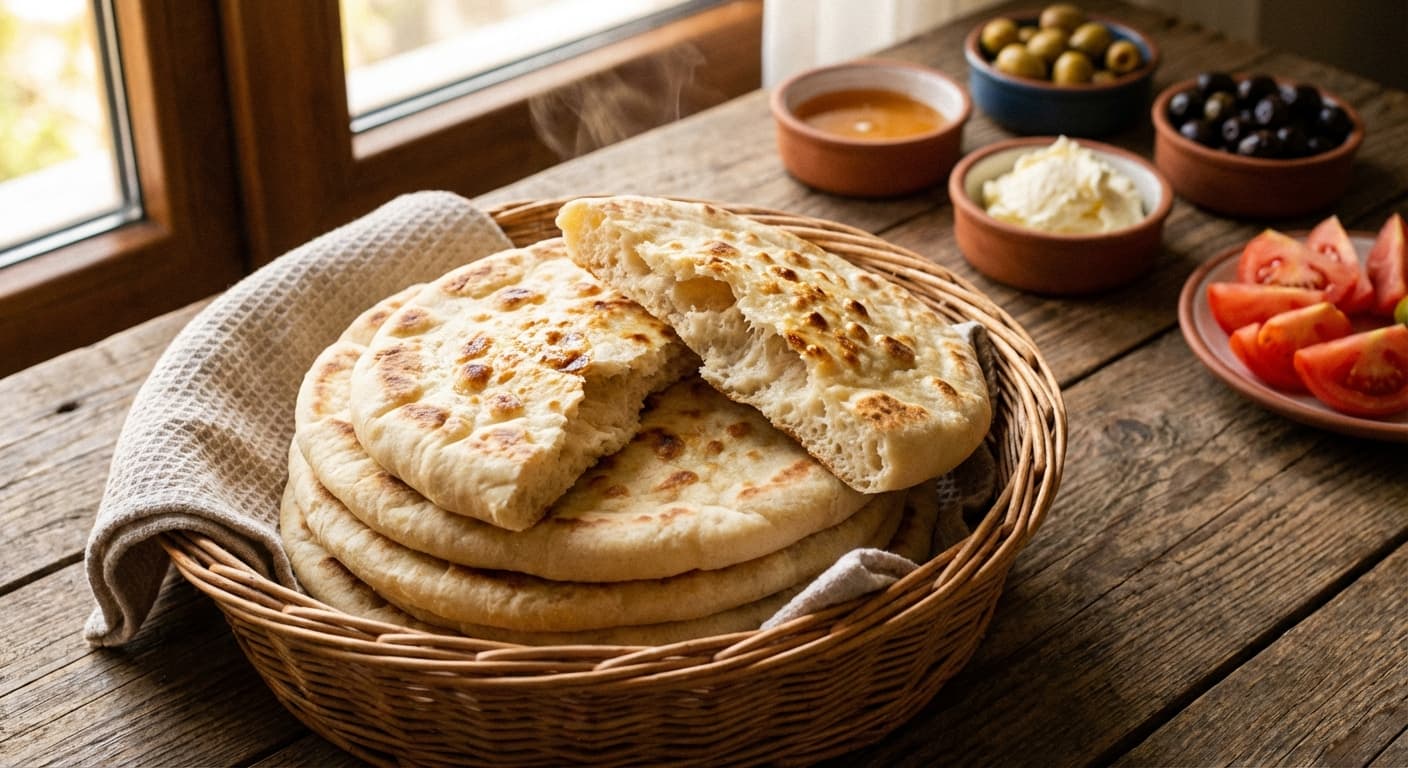
Bazlama (بازلاما) — Puffy Turkish Village Flatbread Cooked on a Saj
Turkish · Breads · 38 min
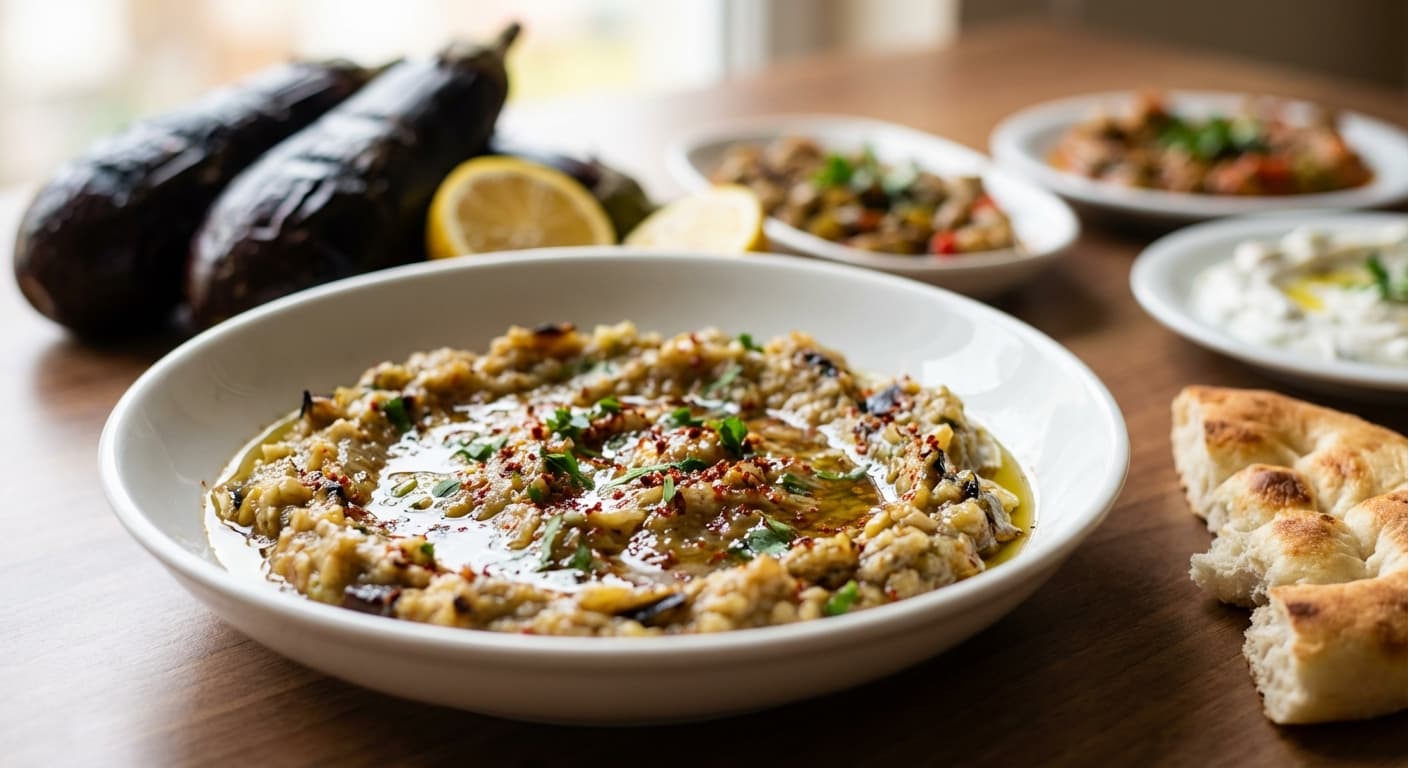
Smoky Eggplant Salad (Patlıcan Salatası) — Turkish charred eggplant with garlic and olive oil
Turkish · Salads · 40 min
Yemeni Mandi (مندي) — Smoke-Scented Spiced Rice and Lamb
Yemeni · Main Courses · 170 min
Reviews
Cooked this recipe?
Tap the stars to rate it — that's all it takes. A few words are welcome but optional.
No ratings yet. Cooked this one? Be the first to rate it — it takes one tap.