Japanese Oyakodon (親子丼) — Chicken and Egg Rice Bowl
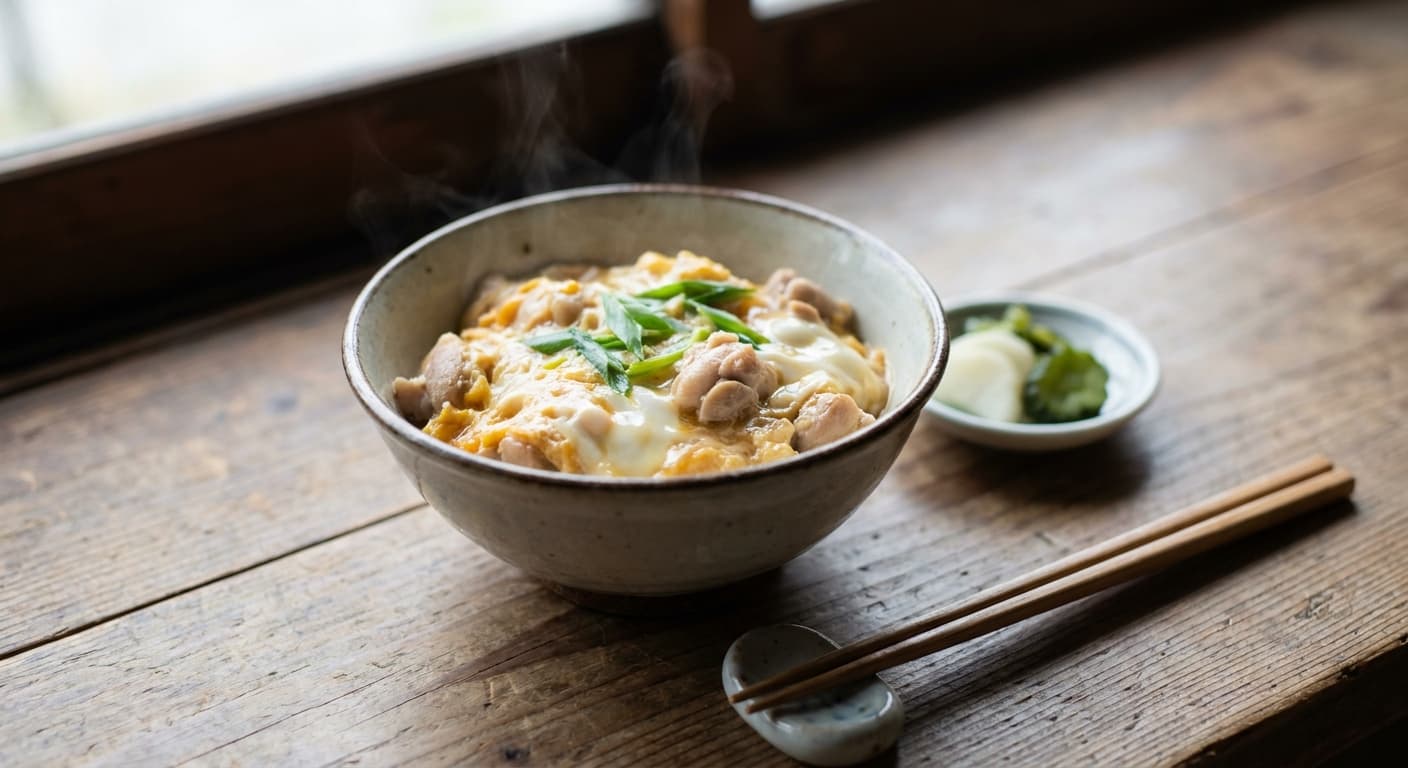
Oyakodon is a beloved Japanese donburi of chicken and egg simmered in a sweet-savory dashi sauce, then spooned over hot rice. Its name means “parent and child bowl,” a reference to chicken and egg served together.
Printable Recipe Card
Servings: 2 · Total: 29 min · Difficulty: easy
Ingredients (quick list)
- 360 g cooked Japanese short-grain rice
- 300 g boneless skinless chicken thigh meat
- 120 g yellow onion (thinly sliced)
- 4 large eggs
- 180 ml awase dashi (kombu and bonito stock)
- 3 tbsp koikuchi soy sauce
- 2 tbsp mirin
- 1 tbsp sake
- 2 tsp granulated sugar
- 6 sprig mitsuba (cut into 3 cm lengths)
- 0.5 tsp shichimi togarashi (optional, for sprinkling)
Steps (summary)
- Cut the chicken thigh meat into 2 cm bite-size pieces so it cooks quickly and stays tender. Lightly beat the eggs in a bowl wit…
- Combine the awase dashi, soy sauce, mirin, sake, and sugar in a measuring jug and stir until the sugar dissolves. Divide this s…
- For the first serving, pour half of the sauce into a small 20 cm skillet or oyakodon pan and bring it to a gentle simmer over m…
- Add half of the chicken pieces in a single layer and simmer for 4 to 5 minutes, turning once, until the chicken is cooked throu…
- Pour about two-thirds of one egg portion over the chicken and onion, circling from the outside toward the center. Cover the pan…
- Place 180 g of hot cooked rice in a donburi bowl and slide the chicken, onion, egg, and sauce directly over the rice. Garnish w…
Cultural Background
Oyakodon is a classic everyday donburi associated with Tokyo restaurant cooking and Japanese home kitchens. It reflects the washoku habit of balancing rice, stock, soy seasoning, and seasonal garnish in one comforting bowl.
Equipment
💡 Tips
- Use chicken thigh rather than breast for a juicier texture and a more traditional home-style flavor.
- Do not overbeat the eggs; streaky eggs create the soft, marbled finish associated with good oyakodon.
- Cook each serving separately so the egg sets evenly and the topping slides neatly over the rice.
⚠️ Common Mistakes
❌ Boiling the sauce too hard after adding the chicken.
✅ Fix: Keep the heat at a gentle simmer so the chicken cooks through without tightening and becoming dry.
❌ Cooking the egg until completely firm.
✅ Fix: Add the egg in two stages and stop while the top is still glossy, as residual heat will continue setting it.
❌ Using cold rice.
✅ Fix: Serve the topping over very hot rice so the sauce is absorbed properly and the bowl tastes cohesive.
🧊 How to Store
Store leftover topping and rice separately in airtight containers for up to 2 days in the refrigerator. Reheat the topping gently in a covered pan or microwave until steaming hot, and refresh rice with 1 tbsp water before reheating.
📅 Make Ahead
Cook the rice and slice the onion up to 1 day ahead. The sauce can be mixed and refrigerated for 2 days, but cook the chicken and eggs just before serving for the proper soft texture.
🍽️ Pairs Well With
- Miso soup
- cucumber sunomono
- takuan pickles
- chilled green tea.
Regional Variations
- Tokyo-style oyakodon often emphasizes a clear balance of dashi, soy sauce, mirin, and softly set egg.
- Kansai versions may taste slightly lighter and sweeter, with a softer emphasis on soy sauce intensity.
- Some home cooks add sliced shiitake mushrooms or green onion, though the essential trio remains chicken, egg, and rice.
Ingredients
- 360 gcooked Japanese short-grain rice
- 300 gboneless skinless chicken thigh meat
- 120 gyellow onion (thinly sliced)
- 4large eggs
- 180 mlawase dashi (kombu and bonito stock)
- 3 tbspkoikuchi soy sauce
- 2 tbspmirin
- 1 tbspsake
- 2 tspgranulated sugar
- 6 sprigmitsuba (cut into 3 cm lengths)
- 0.5 tspshichimi togarashi (optional, for sprinkling)
🔄 Substitutions
- awase dashi→ kombu-shiitake dashi
- koikuchi soy sauce→ tamari
- sake and mirin→ 45 ml water mixed with 1 tbsp rice vinegar and 4 tsp sugar
Instructions
- 1
Cut the chicken thigh meat into 2 cm bite-size pieces so it cooks quickly and stays tender. Lightly beat the eggs in a bowl with chopsticks or a fork, leaving visible streaks of yolk and white rather than making a fully uniform mixture.
- 2
Combine the awase dashi, soy sauce, mirin, sake, and sugar in a measuring jug and stir until the sugar dissolves. Divide this sauce, the sliced onion, chicken, and beaten eggs into two equal portions because oyakodon is best cooked one bowl at a time.
- 3
For the first serving, pour half of the sauce into a small 20 cm skillet or oyakodon pan and bring it to a gentle simmer over medium heat. Add half of the onion and simmer for 2 minutes, until the slices begin to soften but still hold their shape.
- 4
Add half of the chicken pieces in a single layer and simmer for 4 to 5 minutes, turning once, until the chicken is cooked through and reaches 74 C in the thickest piece. Keep the liquid at a gentle bubble rather than a hard boil so the meat remains juicy.
- 5
Pour about two-thirds of one egg portion over the chicken and onion, circling from the outside toward the center. Cover the pan and cook for 45 seconds, then add the remaining egg and cook uncovered for 20 to 30 seconds so the surface stays softly set and glossy.
- 6
Place 180 g of hot cooked rice in a donburi bowl and slide the chicken, onion, egg, and sauce directly over the rice. Garnish with half of the mitsuba and repeat the cooking process for the second serving, then finish with a measured pinch of shichimi togarashi if desired.
🪪 Recipe Passport
Cultural Background
Oyakodon is a classic everyday donburi associated with Tokyo restaurant cooking and Japanese home kitchens. It reflects the washoku habit of balancing rice, stock, soy seasoning, and seasonal garnish in one comforting bowl.
Regional Variations
Researched from multiple sources and validated by the Zaffaron editorial team. Every recipe is tested for accuracy, measurements, and cultural authenticity.
📚 Sources & Cultural References
- Shizuo Tsuji — Japanese Cooking: A Simple Art — (1980)
- Elizabeth Andoh — Washoku: Recipes from the Japanese Home Kitchen — (2005)
Sources cited by the Zaffaron editorial team during recipe research. Cultural and culinary references supporting authenticity claims.
Nutrition per serving
Pairs well with
If you enjoyed this recipe, here are a few related Zaffaron recipes to try next.
Does your family make this differently?
Every family has their own version. Maybe your grandmother adds a secret ingredient, or your aunt has a completely different technique. Preserve your family's version — with their name on it, forever.
You Might Also Like
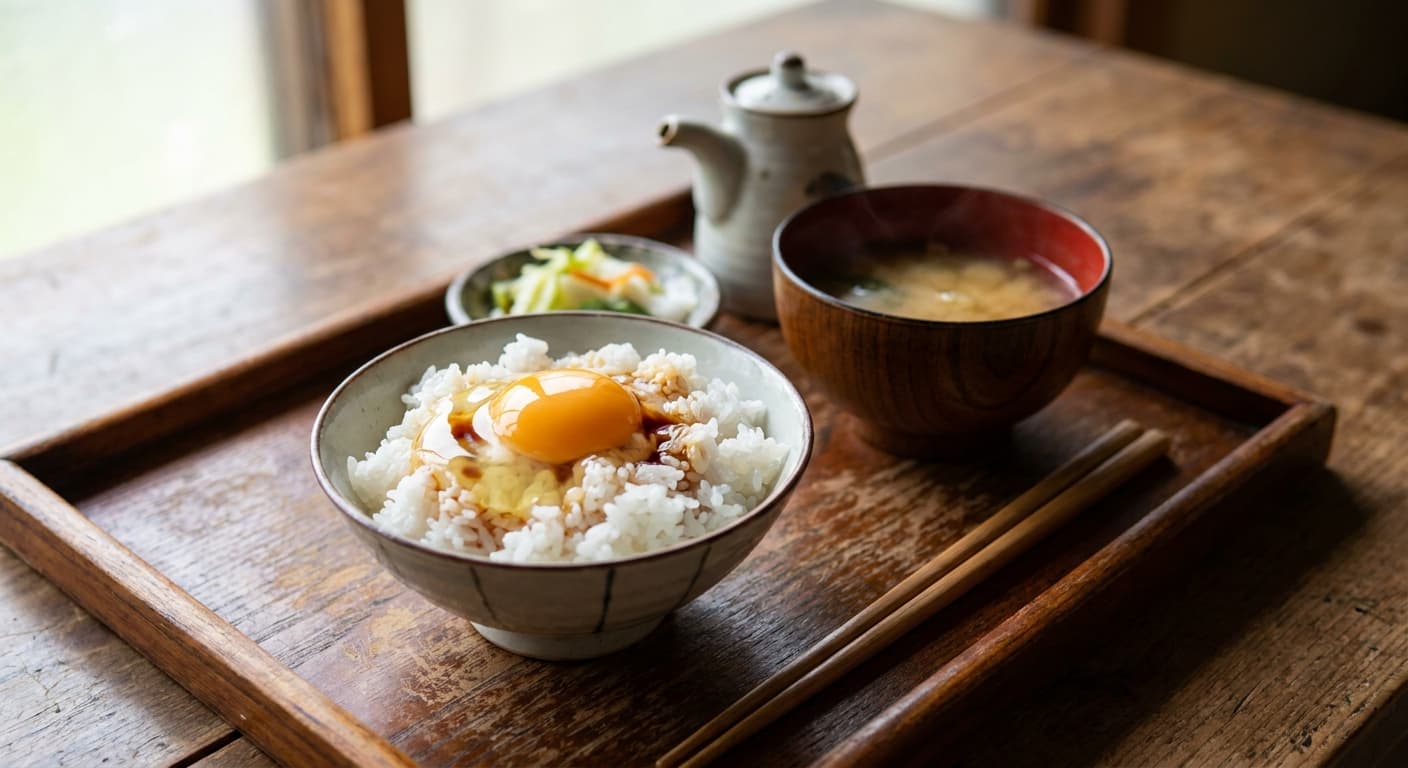
Tamago Kake Gohan (卵かけご飯) — Japanese Raw Egg Rice Breakfast
Japanese · Rice Dishes · 40 min
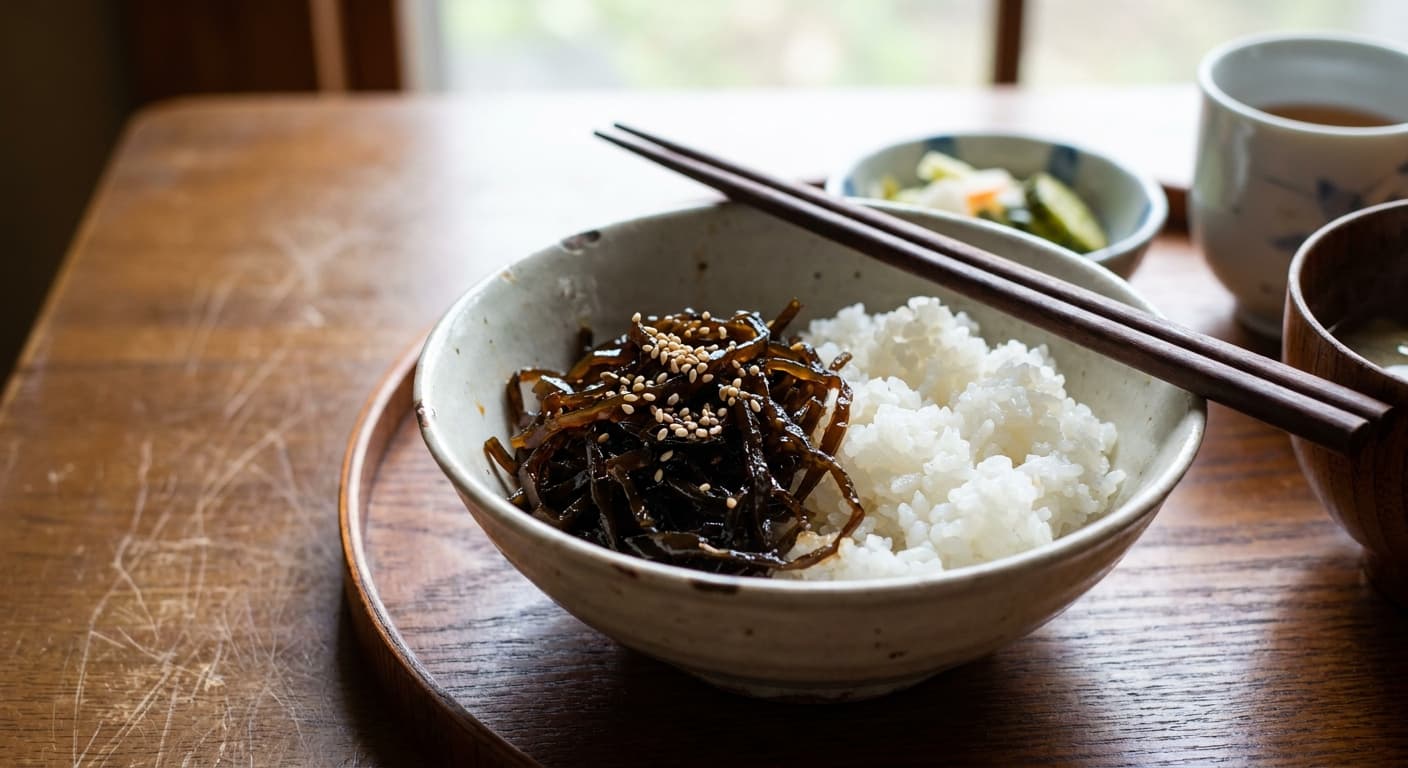
Kombu no Tsukudani (昆布の佃煮) — Soy-Simmered Kelp Relish
Japanese · Side Dishes · 65 min
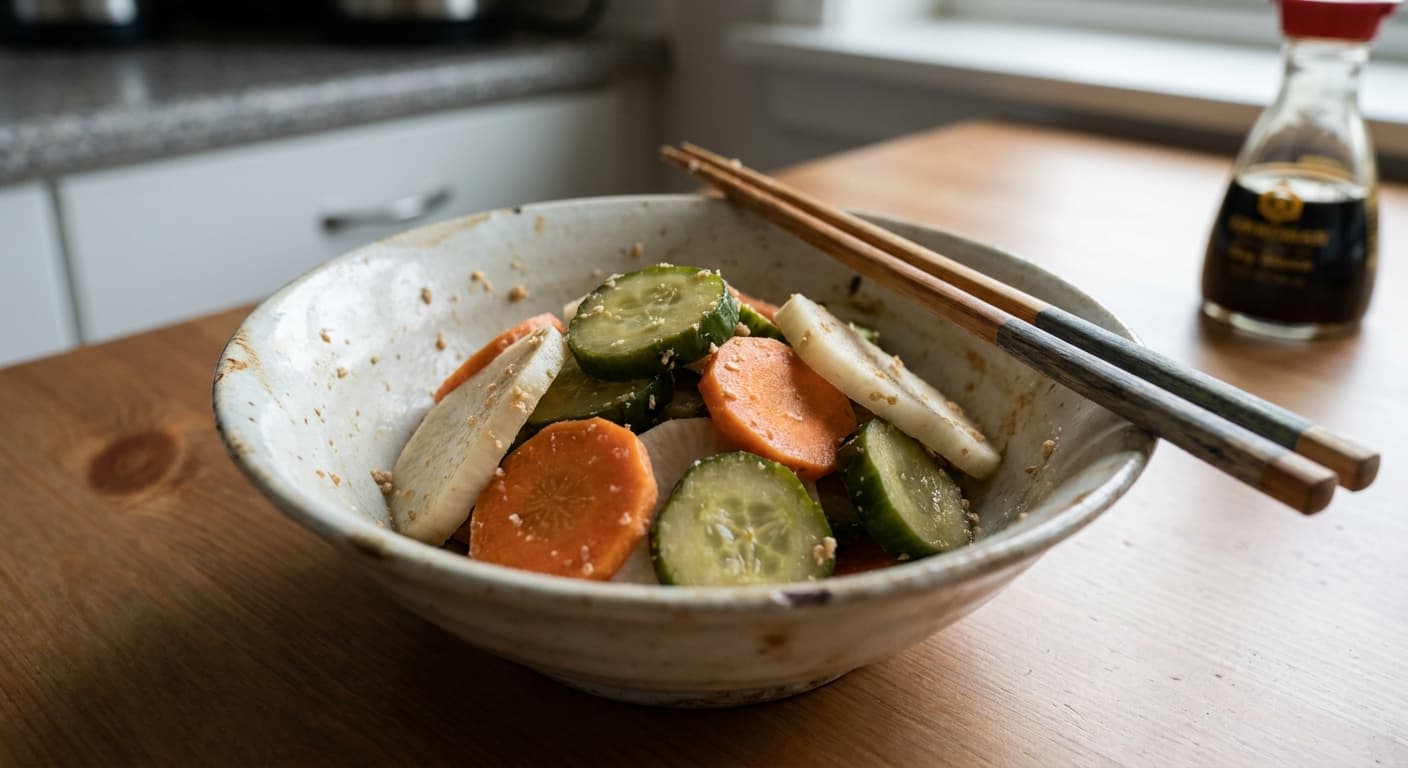
Nukazuke (糠漬け) — Japanese Rice Bran Pickles
Japanese · Side Dishes · 40 min
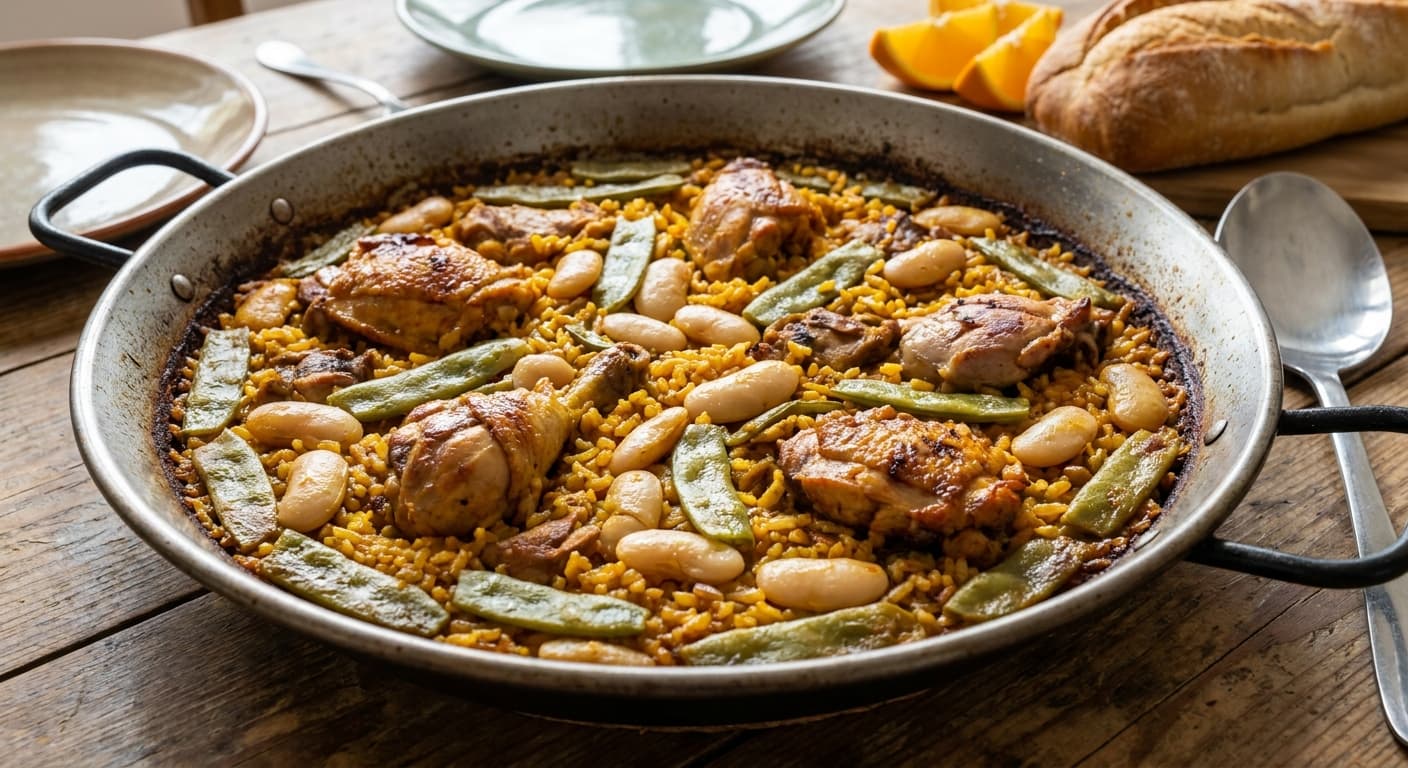
Valencian Paella (Paella Valenciana) — Saffron Rice with Rabbit, Chicken, and Beans
Spanish · Rice Dishes · 70 min
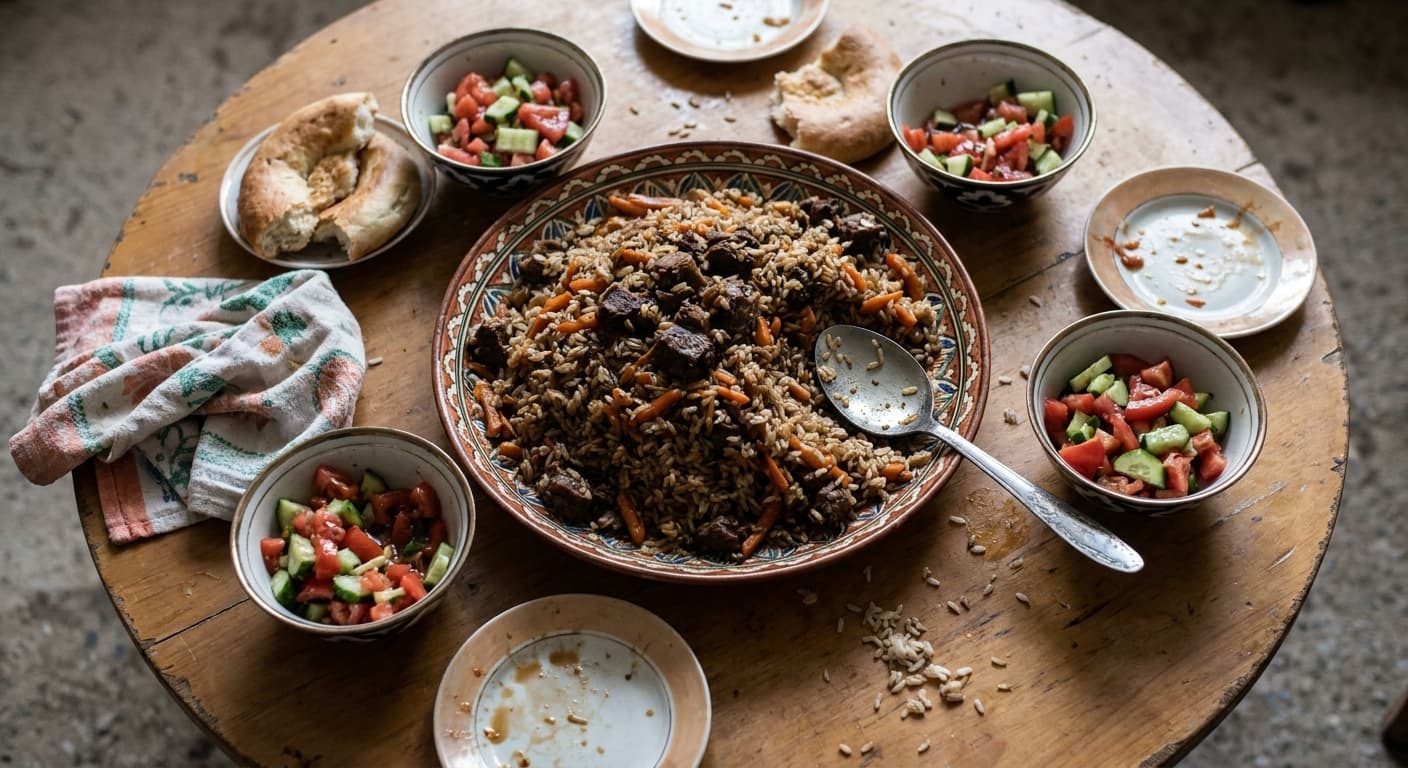
Oshi Siyoh (Оши сиёҳ) — Bukhara-Style Dark Pilaf
Tajik · Rice Dishes · 125 min
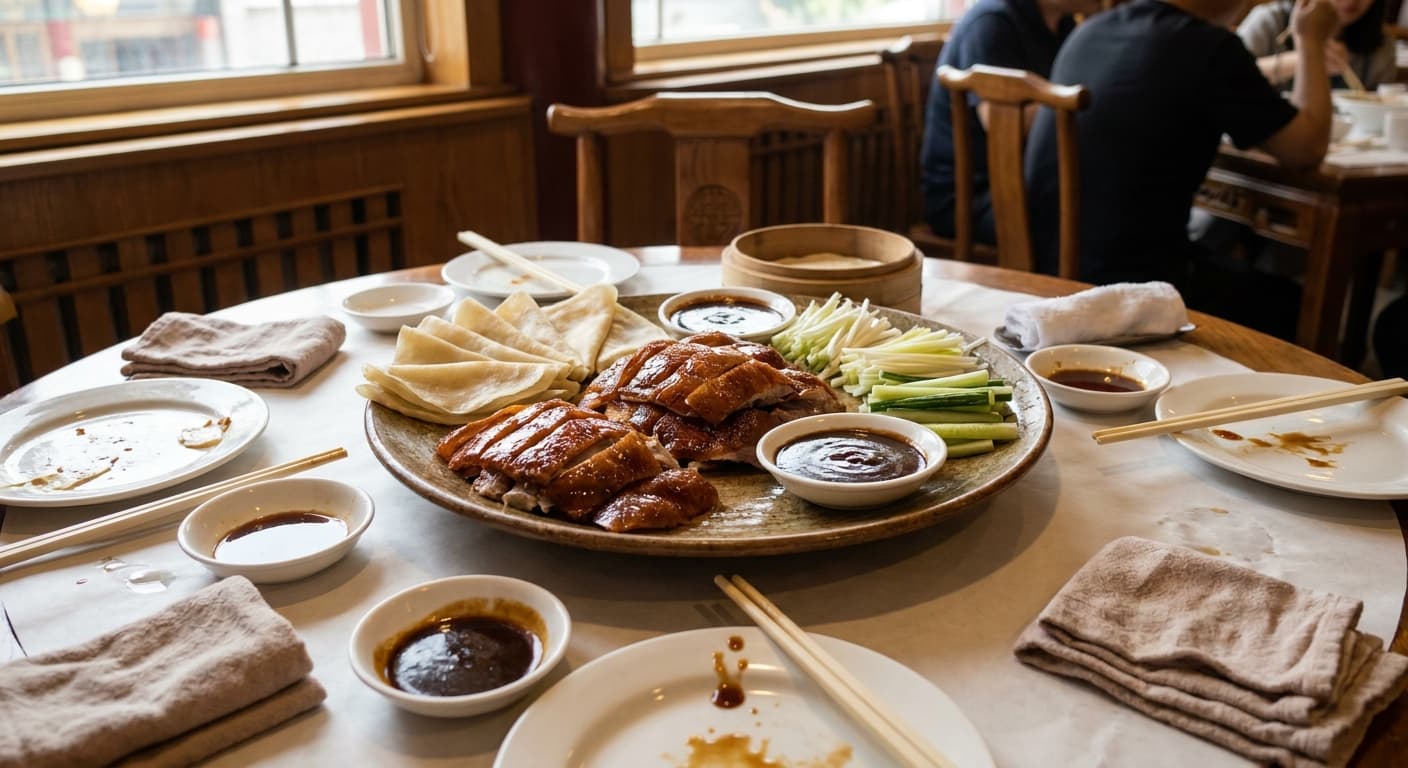
Peking Duck (北京烤鸭) — Crisp-Skinned Beijing Roast Duck
Chinese · Main Courses · 180 min
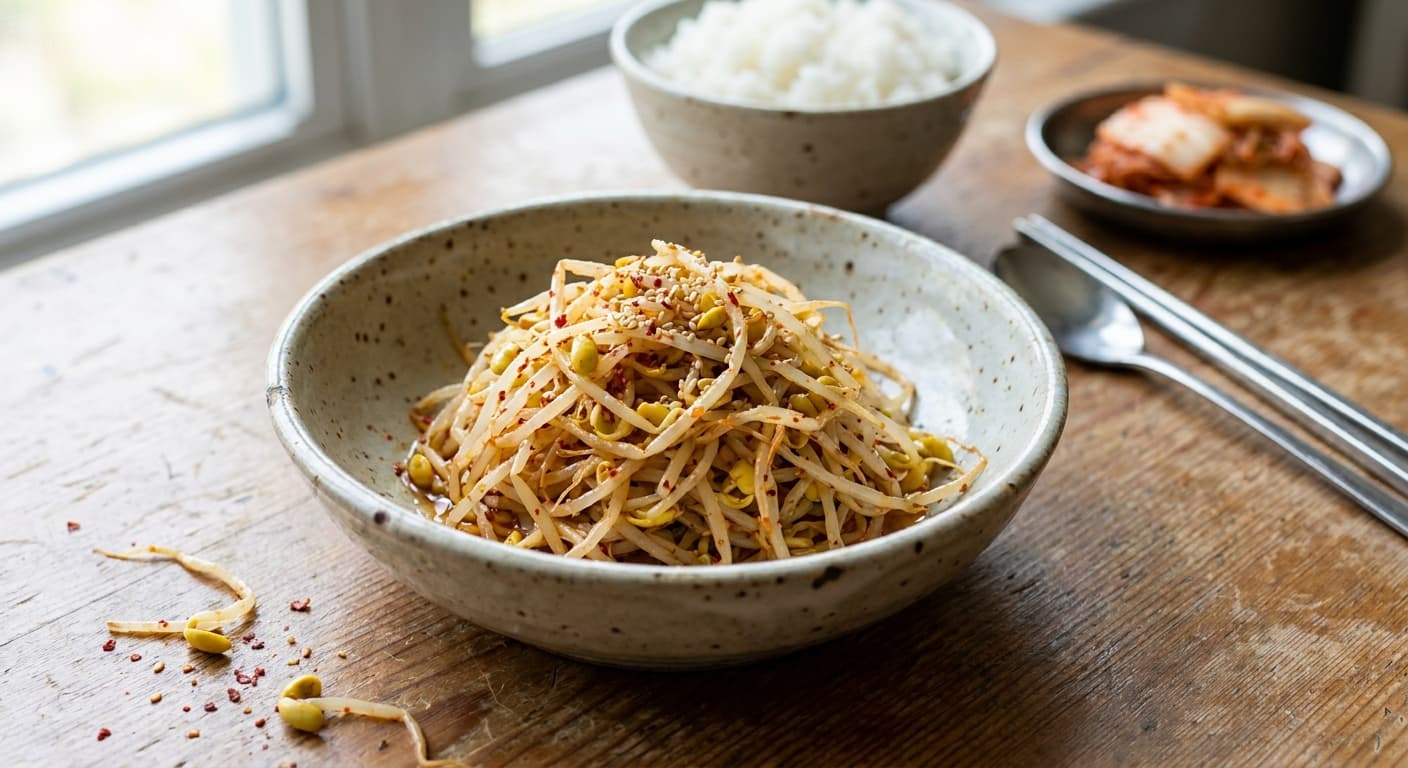
Kongnamul Muchim (콩나물무침) — Korean Seasoned Soybean Sprout Banchan
Korean · Side Dishes · 16 min
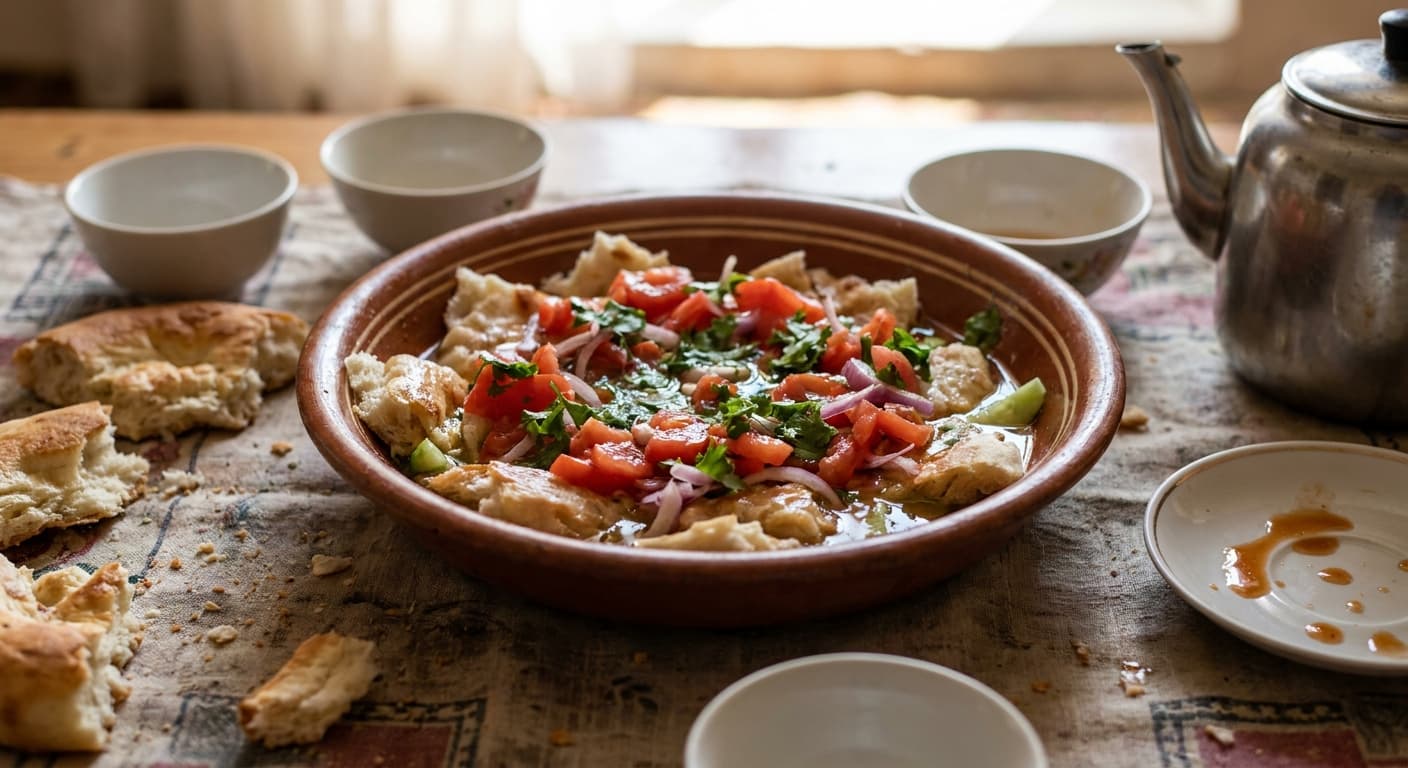
Shakarob (Шакароб) — Tajik Tomato-Onion Bread Salad
Tajik · Salads · 25 min
Reviews
Cooked this recipe?
Tap the stars to rate it — that's all it takes. A few words are welcome but optional.
No ratings yet. Cooked this one? Be the first to rate it — it takes one tap.