Dampukht (دمپخت) — Afghan Slow-Steamed Basmati Rice with Cumin and Raisins
Dampukht is a beloved Afghan method of slow-steaming rice in a sealed pot so every grain turns fluffy and fragrant. This version layers basmati with cumin, caramelized onion, and sweet raisins for a classic family-style pilaf.
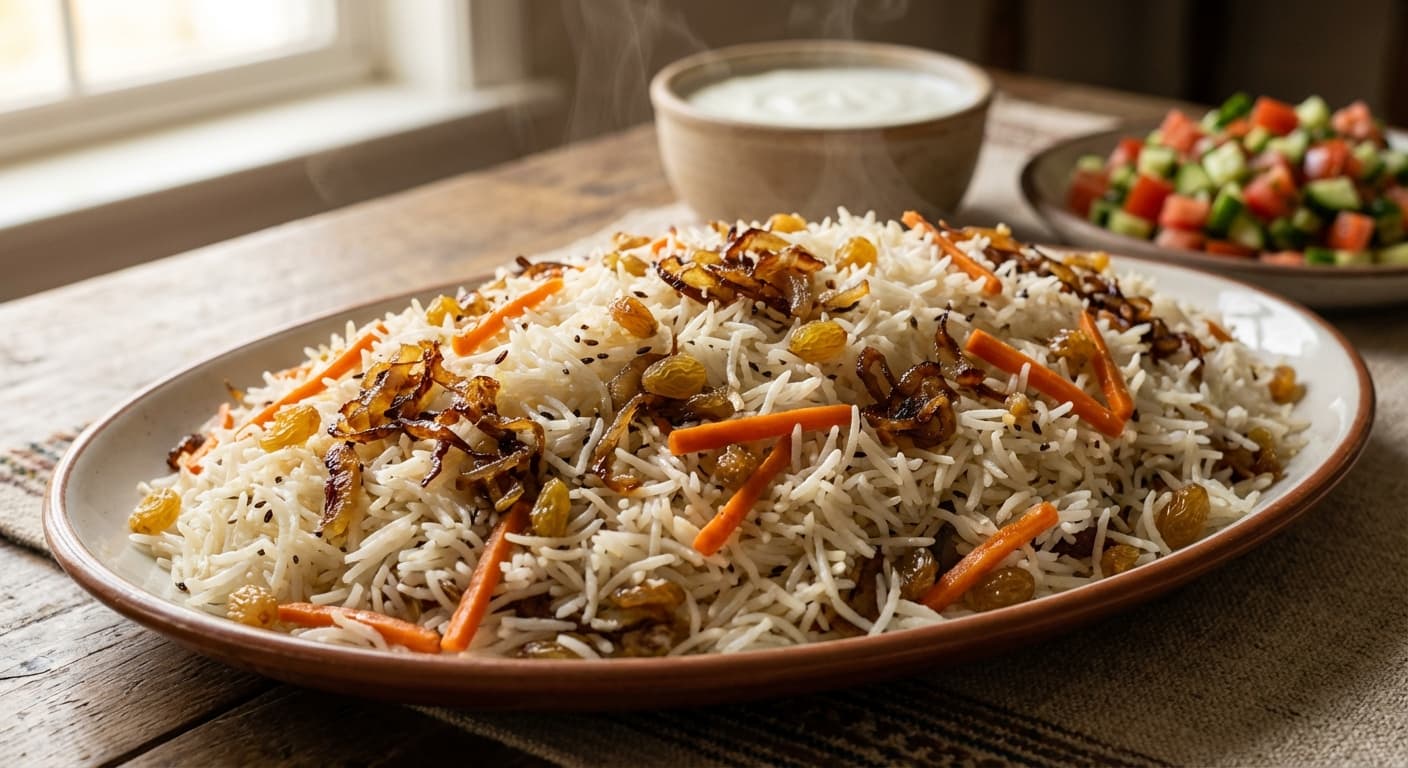
Printable Recipe Card
Servings: 6 · Total: 75 min · Difficulty: medium
Ingredients (quick list)
- 420 g Basmati rice (rinsed until water runs mostly clear)
- 1500 ml Water (for boiling the rice)
- 12 g Fine sea salt (about 2 tsp)
- 30 ml Vegetable oil (about 2 tbsp)
- 180 g Yellow onion (thinly sliced)
- 2 tsp Cumin seeds (lightly crushed)
- 1 tsp Turmeric powder
- 0.5 tsp Black pepper
- 70 g Golden raisins (rinsed and drained)
- 120 g Carrot (cut into fine matchsticks)
- 20 g Unsalted butter (optional but traditional for richness)
Steps (summary)
- Rinse the basmati rice in several changes of cool water until the water runs mostly clear. Soak the rice in fresh water for 15…
- Bring 1500 ml water to a rolling boil in a large pot and dissolve 12 g salt in it. Add the drained rice and boil for 5 to 7 min…
- Drain the parboiled rice in a fine sieve or colander and rinse quickly with 120 ml cool water to stop the cooking. Let it drain…
- In a heavy-bottomed pot with a tight lid, heat 30 ml vegetable oil over medium heat. Add the sliced onion and cook for 10 to 12…
- Add the cumin seeds, turmeric, and black pepper to the onions and stir for 30 seconds to bloom the spices. Add the carrot match…
- Stir in the rinsed raisins and cook for 1 minute so they plump and take on the spiced oil. Spread this mixture into an even lay…
+ 4 more steps in the full instructions section below.
Cultural Background
Dampukht refers to the Afghan technique of sealing a pot and slow-steaming rice so it cooks evenly in its own fragrant vapor. It is a home-table staple, often served with qorma and shared communally at family meals and gatherings.
Equipment
💡 Tips
- For extra fragrance, lightly toast the cumin seeds in a dry pan for 60 seconds before crushing and adding them to the onions.
- If your lid is not tight, seal the rim with a strip of foil under the lid to prevent steam loss during the long cook.
- To keep grains separate, avoid stirring after the rice is mounded; instead, fluff only at the end with a fork.
⚠️ Common Mistakes
❌ Overboiling the rice during parboil until fully cooked
✅ Fix: Boil only until the grain is elongated but still firm in the center, then drain immediately to finish by steaming.
❌ Steam escaping because the lid is loose
✅ Fix: Wrap the lid with a towel and/or add a foil seal so the pot stays tightly closed throughout the low-heat steaming.
❌ Rice turns wet or clumpy
✅ Fix: Drain the parboiled rice thoroughly and measure the steaming water precisely at 240 ml; keep heat very low after initial steam forms.
🧊 How to Store
Cool leftovers within 1 hour, then refrigerate in an airtight container for up to 4 days. Reheat covered with 30 ml water per serving in a pot over low heat for 8–10 minutes, or microwave covered for 2–3 minutes, fluffing halfway.
📅 Make Ahead
Slice onions, rinse raisins, and cut carrots up to 24 hours ahead and refrigerate separately. You can also parboil and drain the rice 2 hours ahead, then steam just before serving for best texture.
🍽️ Pairs Well With
- Qorma-e sabzi
- chicken korma
- Afghan salad (salata)
- yogurt
- pickles (torshi)
- grilled kebabs.
Regional Variations
- Kabul-style dampukht may include more carrots and raisins and is sometimes finished with a pinch of cardamom for a sweeter pilaf profile.
- Some home cooks add 1 tsp tomato paste to the onion base for a deeper color and gentle tang.
- In northern Afghanistan, dampukht is occasionally made with lamb drippings instead of oil for a richer, meat-forward aroma.
Ingredients
- 420 gBasmati rice (rinsed until water runs mostly clear)
- 1500 mlWater (for boiling the rice)
- 12 gFine sea salt (about 2 tsp)
- 30 mlVegetable oil (about 2 tbsp)
- 180 gYellow onion (thinly sliced)
- 2 tspCumin seeds (lightly crushed)
- 1 tspTurmeric powder
- 0.5 tspBlack pepper
- 70 gGolden raisins (rinsed and drained)
- 120 gCarrot (cut into fine matchsticks)
- 20 gUnsalted butter (optional but traditional for richness)
🔄 Substitutions
- Vegetable oil→ Ghee
- Golden raisins→ Sultanas
- Carrot→ Julienned parsnip
Instructions
- 1
Rinse the basmati rice in several changes of cool water until the water runs mostly clear. Soak the rice in fresh water for 15 minutes, then drain well so it parboils evenly and steams up fluffy.
- 2
Bring 1500 ml water to a rolling boil in a large pot and dissolve 12 g salt in it. Add the drained rice and boil for 5 to 7 minutes, stirring once or twice, until the grains are elongated but still firm in the center.
- 3
Drain the parboiled rice in a fine sieve or colander and rinse quickly with 120 ml cool water to stop the cooking. Let it drain for 2 minutes so excess water does not make the final rice gummy.
- 4
In a heavy-bottomed pot with a tight lid, heat 30 ml vegetable oil over medium heat. Add the sliced onion and cook for 10 to 12 minutes, stirring often, until golden-brown and sweet but not burnt.
- 5
Add the cumin seeds, turmeric, and black pepper to the onions and stir for 30 seconds to bloom the spices. Add the carrot matchsticks and cook for 3 minutes so they soften slightly while staying bright.
- 6
Stir in the rinsed raisins and cook for 1 minute so they plump and take on the spiced oil. Spread this mixture into an even layer on the bottom of the pot to perfume the rice as it steams.
- 7
Gently mound the drained parboiled rice over the onion mixture without compressing it. Using the handle of a wooden spoon, poke 5 to 6 holes down to the bottom of the pot so steam can travel and cook the rice evenly.
- 8
Drizzle 240 ml water evenly over the rice, then dot the top with 20 g butter if using. Cover the lid with a clean kitchen towel and place it tightly on the pot to catch condensation and keep the rice dry and fluffy.
- 9
Steam over medium heat for 8 minutes until you see steady steam, then reduce to the lowest heat. Continue steaming for 35 to 40 minutes, keeping the pot sealed, until the rice is fully tender and aromatic.
- 10
Turn off the heat and rest the pot, still covered, for 10 minutes so the moisture redistributes. Fluff the rice gently with a fork and lift some of the onion-raisin-carrot mixture up through the rice before serving.
🪪 Recipe Passport
Cultural Background
Dampukht refers to the Afghan technique of sealing a pot and slow-steaming rice so it cooks evenly in its own fragrant vapor. It is a home-table staple, often served with qorma and shared communally at family meals and gatherings.
Regional Variations
Researched from multiple sources and validated by the Zaffaron editorial team. Every recipe is tested for accuracy, measurements, and cultural authenticity.
Nutrition per serving
Pairs well with
If you enjoyed this recipe, here are a few related Zaffaron recipes to try next.
Does your family make this differently?
Every family has their own version. Maybe your grandmother adds a secret ingredient, or your aunt has a completely different technique. Preserve your family's version — with their name on it, forever.
You Might Also Like
Qabili Gosht (قابلی گوشت) — Afghan Lamb and Rice Pilaf, Aromatic and Hearty
Afghan · Rice Dishes · 130 min
Sheermal (شیرمال) — Afghan slightly sweet saffron-tinged soft bread
Afghan · Breads · 43 min
Haleem (حلیم) — Afghan Slow-cooked wheat and meat, silky and rich
Afghan · Main Courses · 240 min
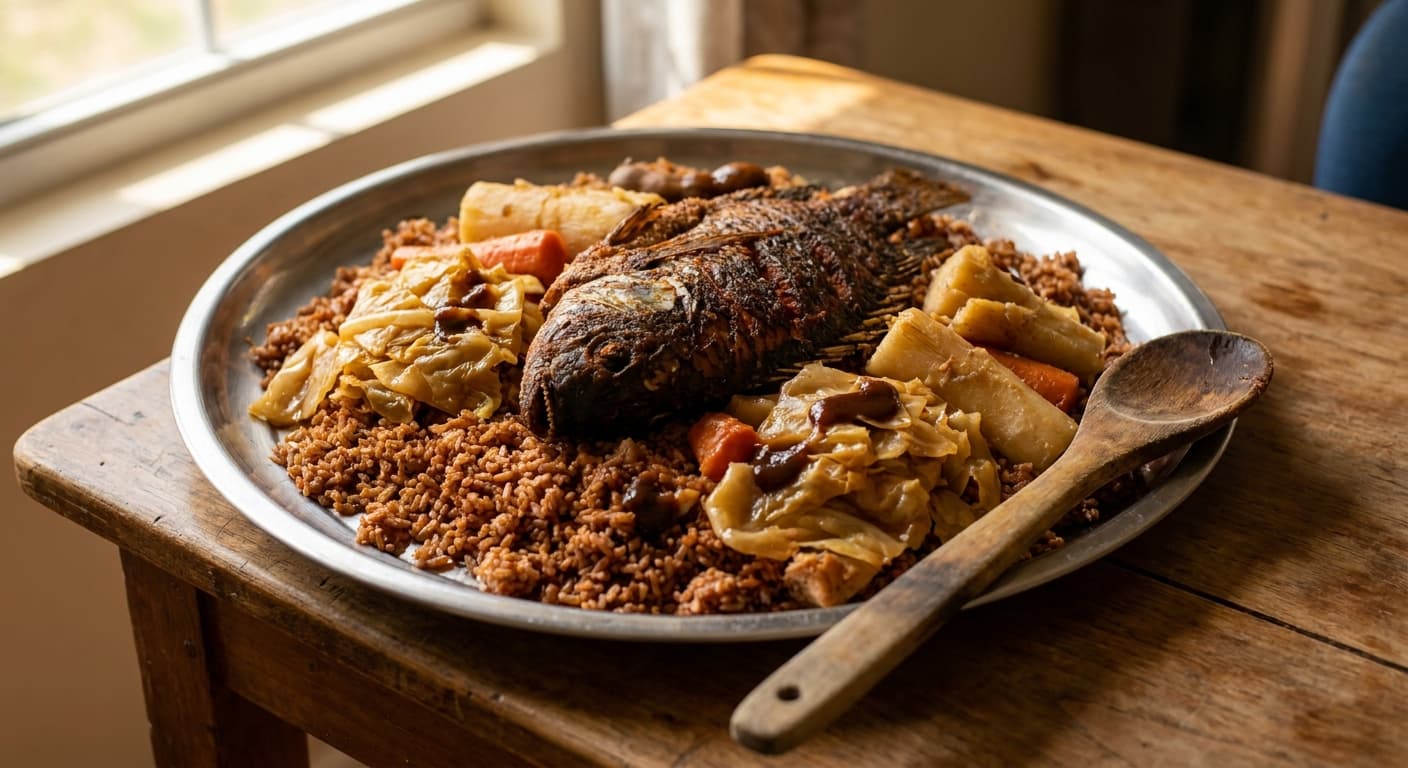
Senegalese Fish and Rice (Ceebu Jën) — Tomato-Braised National Dish
West african · Rice Dishes · 120 min
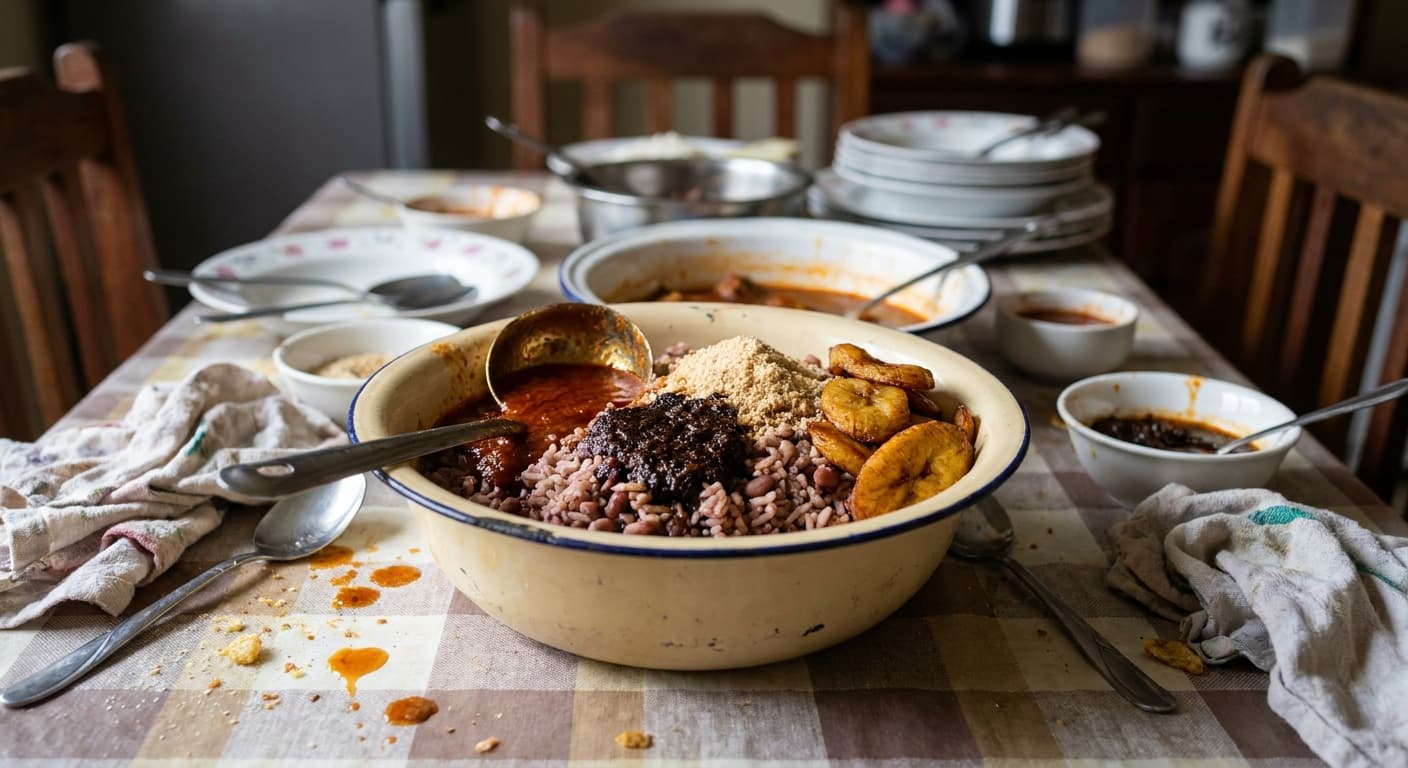
Ghanaian Waakye (Waakye) — Rice and Beans Dyed with Sorghum Leaves
West african · Rice Dishes · 85 min
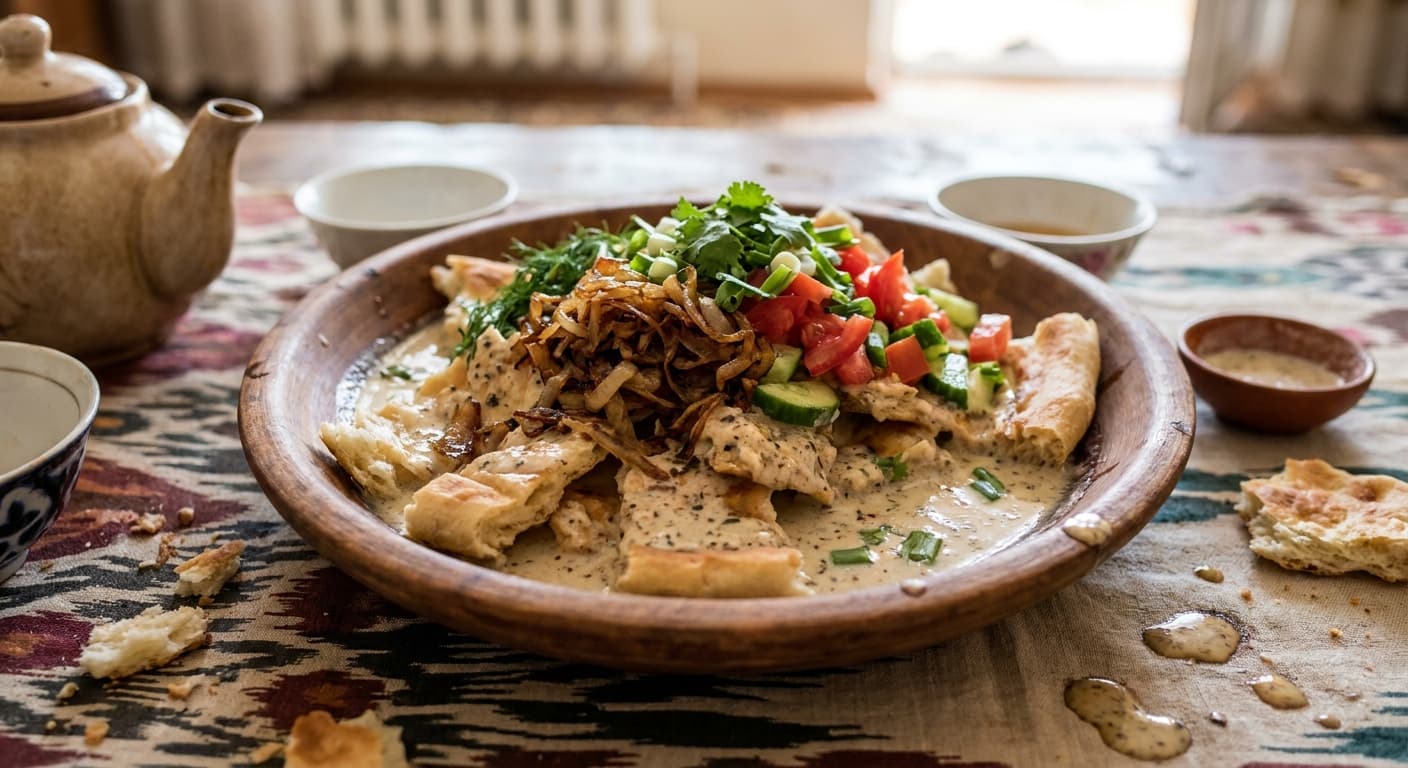
Tajik Qurutob (Қурутоб) — Tangy Bread Salad with Qurut and Fried Onions
Tajik · Main Courses · 40 min
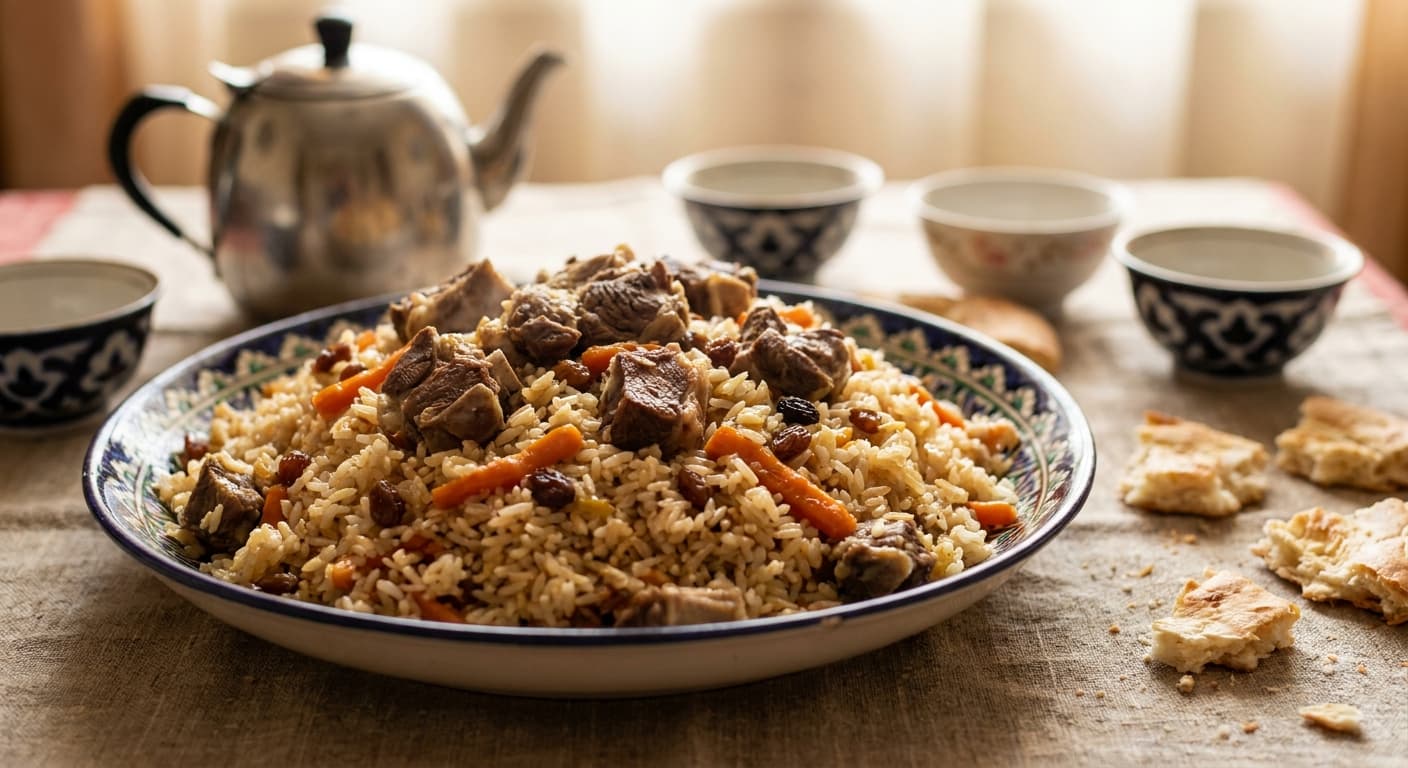
Uzbek Plov (Oʻzbek palovi) — Lamb, Rice, Carrots, and Cumin Pilaf
Uzbek · Rice Dishes · 130 min
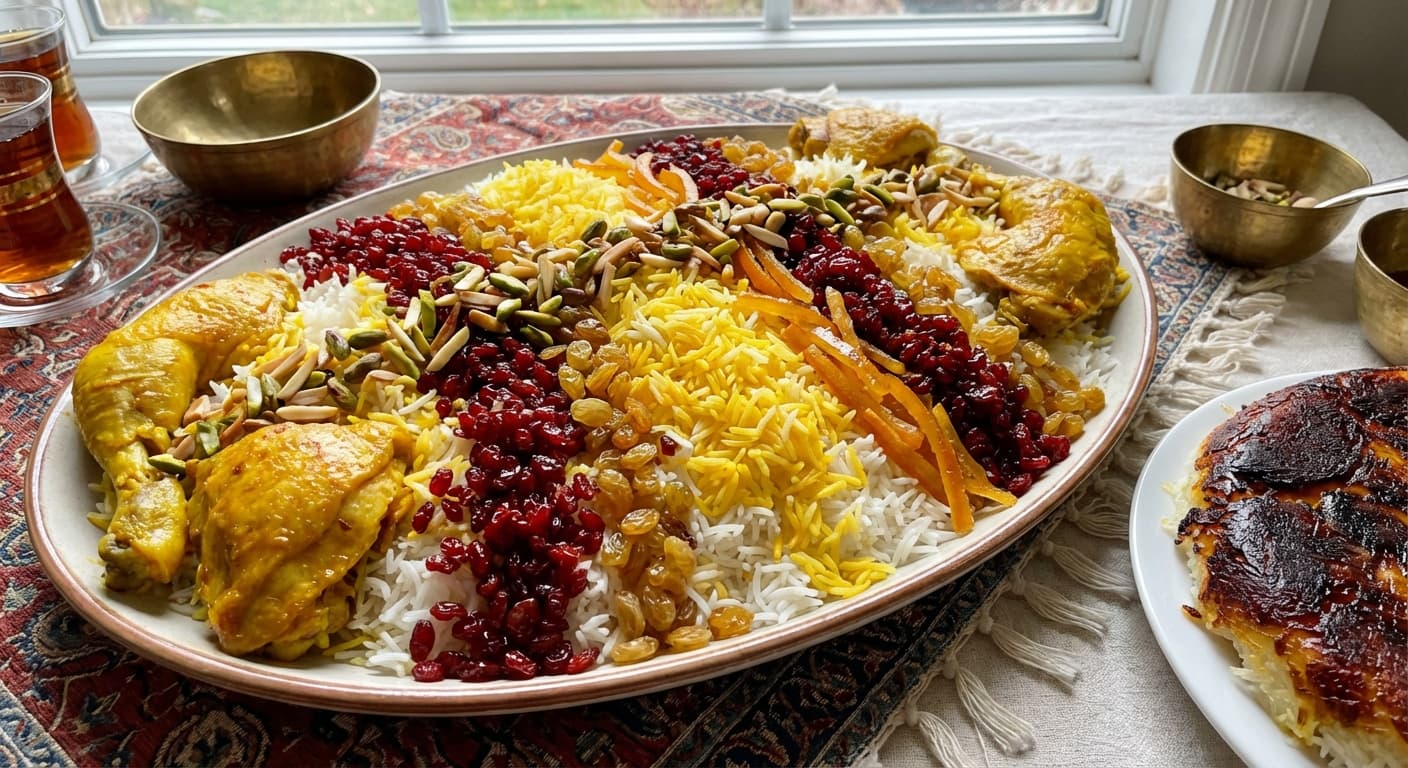
Jeweled Rice (مرصع پلو) — Festive Persian rice with saffron chicken and jeweled fruits
Persian · Rice Dishes · 135 min
Reviews
Cooked this recipe?
Tap the stars to rate it — that's all it takes. A few words are welcome but optional.
No ratings yet. Cooked this one? Be the first to rate it — it takes one tap.