Dolme Kebab (دلمه کباب) — Persian Stuffed Cabbage Rolls in Broth
Dolme Kebab is a comforting Persian-style dolmeh where cabbage leaves are wrapped around a seasoned meat filling and gently simmered in broth. It’s a homey, family-table dish that highlights Iran’s love of aromatic spices, slow cooking, and tender textures.
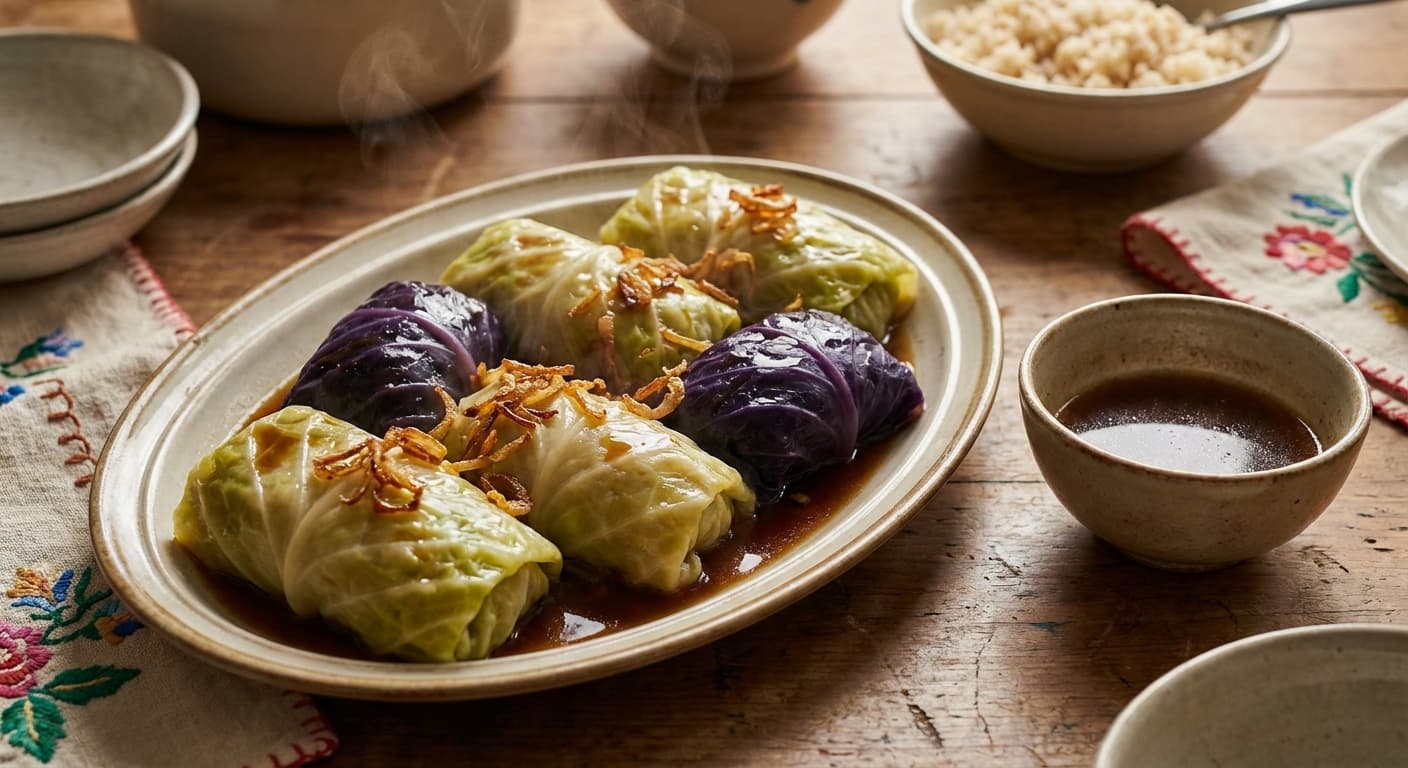
Printable Recipe Card
Servings: 6 · Total: 105 min · Difficulty: medium
Ingredients (quick list)
- 700 g White cabbage (1 medium head; leaves separated)
- 300 g Red cabbage (optional for color; leaves separated)
- 12 g Fine salt (for blanching water)
- 450 g Ground beef (80–85% lean)
- 180 g Fried onions (crispy fried onion pieces or well-fried onion)
- 70 g Sandwich bread crumbs (from plain sandwich bread, finely crumbled)
- 40 g Unsalted butter (melted)
- 2 g Black pepper (1 tsp, freshly ground)
- 900 ml Meat broth (beef or lamb broth, unsalted or low-salt)
Steps (summary)
- Bring a large pot of water to a full boil and dissolve 12 g salt in it. Separate the cabbage leaves and blanch them in batches…
- Trim the thick center rib of each leaf by shaving it down with a knife so the leaf can roll without tearing. Keep the leaves wh…
- In a mixing bowl, combine the ground beef, fried onions, sandwich bread crumbs, 40 g melted butter, 7 g salt, and 2 g black pep…
- Lay one cabbage leaf flat with the cupped side facing up and place 55–70 g of filling near the base of the leaf. Fold the sides…
- Line the bottom of a wide pot or Dutch oven with a few extra cabbage pieces to prevent sticking. Arrange the rolls seam-side do…
- Pour in 900 ml meat broth around the rolls (not directly over them) and add 20 g butter, 3 g salt, and 1 g black pepper. Bring…
+ 1 more steps in the full instructions section below.
Cultural Background
Dolmeh-style stuffed leaves are a shared heritage across Iran and the wider region, often cooked for family gatherings because they scale well and taste even better after resting. This cabbage version leans into winter comfort, using broth and butter for a warming, home-cooked finish.
Equipment
💡 Tips
- Blanch just until flexible: 2–4 minutes is enough; over-blanching makes leaves fragile and prone to tearing.
- Pack the rolls tightly in the pot so they steam-simmer in place and keep their shape.
- If your broth is salty, reduce the added 3 g salt to 1 g and finish by seasoning the broth after cooking.
⚠️ Common Mistakes
❌ Leaves tear while rolling
✅ Fix: Shave down thick ribs and blanch only until flexible; use two smaller leaves overlapped if a leaf is torn.
❌ Rolls unravel during cooking
✅ Fix: Roll tighter, place seam-side down, and pack rolls snugly so they cannot shift as they simmer.
❌ Broth reduces too much and scorches
✅ Fix: Keep heat at a gentle simmer and add 120 ml broth or water if the liquid drops below one-third of the roll height.
🧊 How to Store
Cool leftovers within 2 hours, then refrigerate in an airtight container with at least 200 ml of broth for up to 3 days. Reheat covered in a saucepan over low heat for 10–12 minutes, adding 60–90 ml broth or water to prevent drying.
📅 Make Ahead
Blanch and trim the leaves up to 24 hours ahead and refrigerate well-wrapped. You can also form the rolls, layer them in the pot, and refrigerate for up to 12 hours before adding hot broth and cooking.
🍽️ Pairs Well With
- Chelow (Persian steamed rice)
- sabzi khordan
- torshi
- mast-o-khiar.
Regional Variations
- North Iran-style: add 30 ml verjuice (or 20 ml lemon juice) to the broth for a brighter, tangier finish.
- Azerbaijani-influenced: mix 1 tsp dried mint and 1/2 tsp turmeric into the filling for a more herbal, warm-spiced profile.
- Tehran home-style: use only white cabbage and increase fried onions to 220 g for deeper sweetness.
Ingredients
- 700 gWhite cabbage (1 medium head; leaves separated)
- 300 gRed cabbage (optional for color; leaves separated)
- 12 gFine salt (for blanching water)
- 450 gGround beef (80–85% lean)
- 180 gFried onions (crispy fried onion pieces or well-fried onion)
- 70 gSandwich bread crumbs (from plain sandwich bread, finely crumbled)
- 40 gUnsalted butter (melted)
- 2 gBlack pepper (1 tsp, freshly ground)
- 900 mlMeat broth (beef or lamb broth, unsalted or low-salt)
🔄 Substitutions
- Ground beef→ Ground lamb
- Sandwich bread crumbs→ Panko bread crumbs
- Meat broth→ Chicken broth
Instructions
- 1
Bring a large pot of water to a full boil and dissolve 12 g salt in it. Separate the cabbage leaves and blanch them in batches for 2–4 minutes until pliable, then transfer to a tray to cool and drain thoroughly.
- 2
Trim the thick center rib of each leaf by shaving it down with a knife so the leaf can roll without tearing. Keep the leaves whole where possible, and reserve any torn pieces to line the pot later for extra protection against scorching.
- 3
In a mixing bowl, combine the ground beef, fried onions, sandwich bread crumbs, 40 g melted butter, 7 g salt, and 2 g black pepper. Mix for 60–90 seconds until the mixture looks cohesive and slightly tacky, which helps the rolls hold their shape during simmering.
- 4
Lay one cabbage leaf flat with the cupped side facing up and place 55–70 g of filling near the base of the leaf. Fold the sides inward and roll tightly into a neat cylinder, then set seam-side down; repeat until all filling is used.
- 5
Line the bottom of a wide pot or Dutch oven with a few extra cabbage pieces to prevent sticking. Arrange the rolls seam-side down in a snug single layer, then add a second layer if needed, keeping the rolls tightly packed so they do not unravel.
- 6
Pour in 900 ml meat broth around the rolls (not directly over them) and add 20 g butter, 3 g salt, and 1 g black pepper. Bring the pot to a gentle simmer over medium heat, then reduce to low, cover, and cook for 55–65 minutes until the cabbage is very tender and the meat is fully cooked.
- 7
Rest the pot off the heat for 10 minutes so the rolls firm up and the broth settles. Transfer the rolls carefully to a platter and spoon a few tablespoons of the buttery broth over the top before serving.
🪪 Recipe Passport
Cultural Background
Dolmeh-style stuffed leaves are a shared heritage across Iran and the wider region, often cooked for family gatherings because they scale well and taste even better after resting. This cabbage version leans into winter comfort, using broth and butter for a warming, home-cooked finish.
Regional Variations
Researched from multiple sources and validated by the Zaffaron editorial team. Every recipe is tested for accuracy, measurements, and cultural authenticity.
Nutrition per serving
Pairs well with
If you enjoyed this recipe, here are a few related Zaffaron recipes to try next.
- Dolmeh Piaz (دلمه پیاز) — Persian Stuffed Onions in Tomato Herb Sauce
- Eggplant Omelette (املت بادمجان) — Rustic Persian Egg-and-Eggplant Skillet
- Dolmeh Barg Mo (دلمه برگ مو) — Persian Grape Leaf Dolma with Herb Rice and Split Peas
- Dolmeh Kalam Barg (دلمه کلم برگ) — Persian Stuffed Cabbage Rolls with Herb Rice and Plums
Does your family make this differently?
Every family has their own version. Maybe your grandmother adds a secret ingredient, or your aunt has a completely different technique. Preserve your family's version — with their name on it, forever.
You Might Also Like
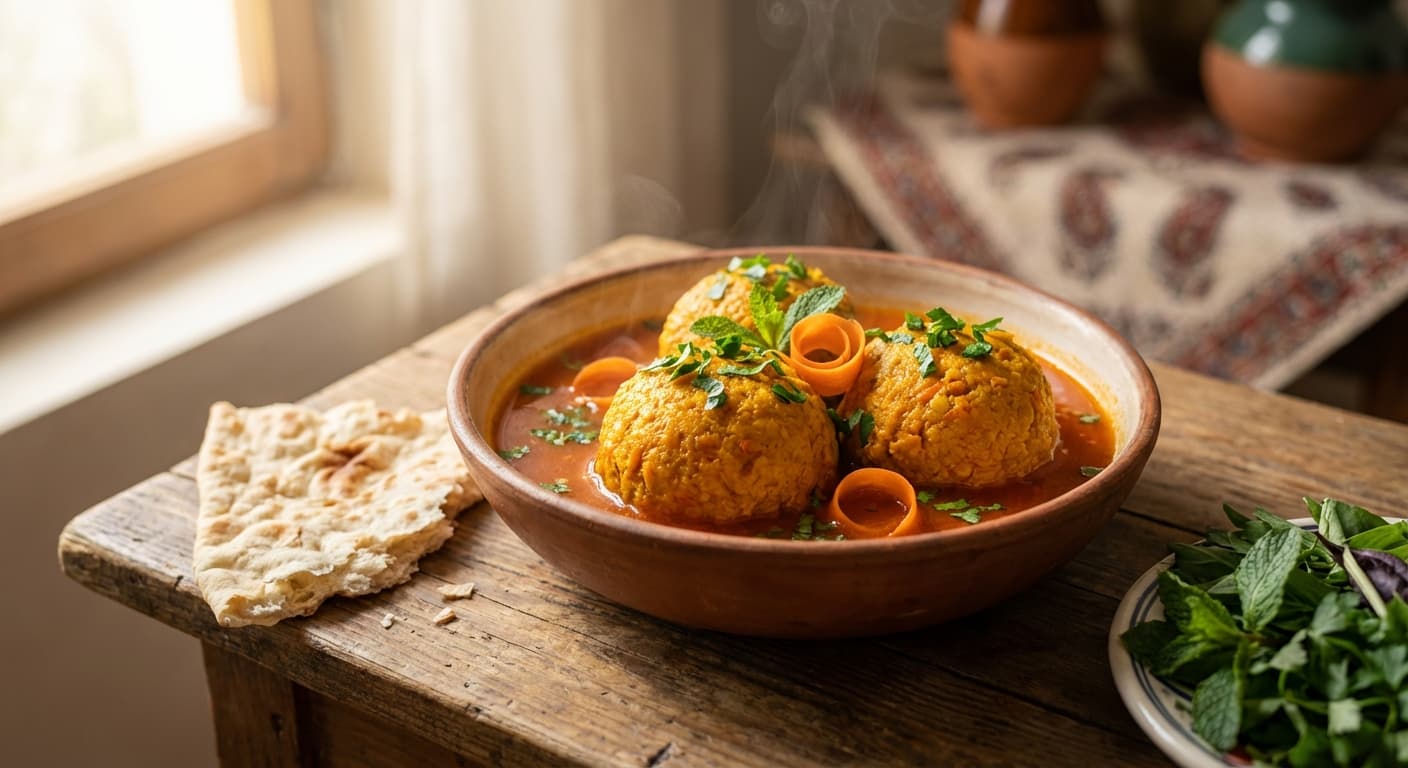
Koofteh Havij (کوفته هویج) — Persian Carrot Meatballs in Saffron-Tomato Broth
Persian · Main Courses · 120 min
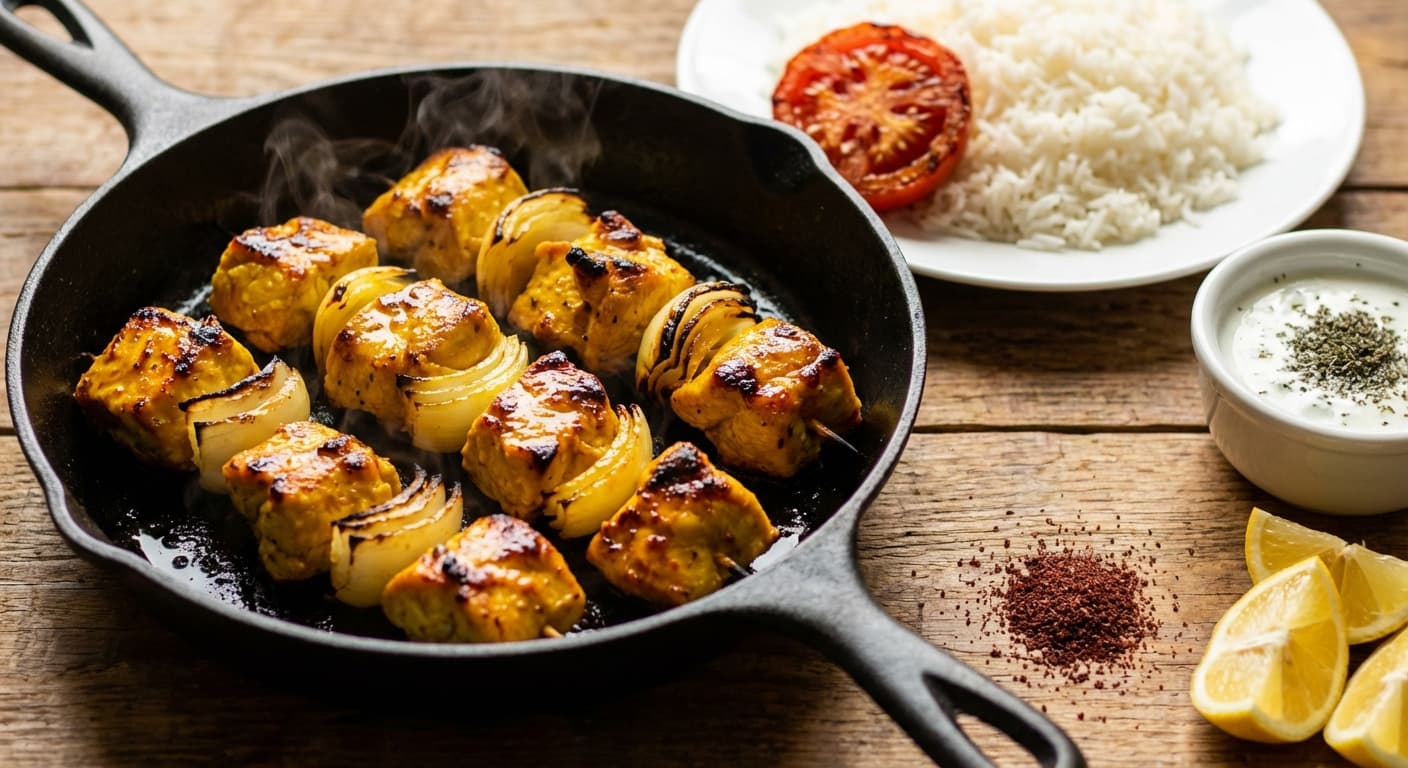
Pan-Seared Joojeh Kebab (جوجه کباب تابهای) — Persian Saffron Skillet Chicken
Persian · Kebabs · 34 min
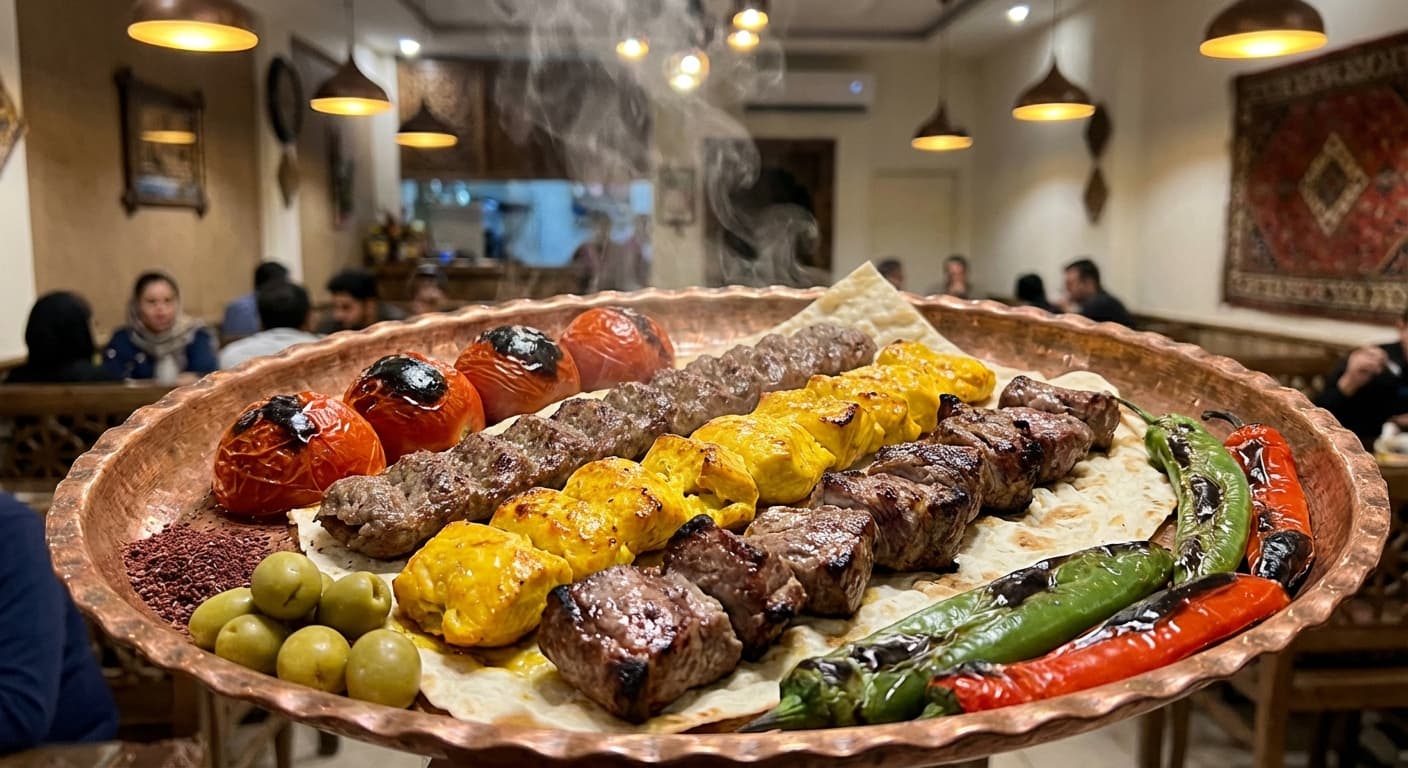
Kabab Vijeh (کباب ویژه) — Royal Persian Mixed Grill Platter
Persian · Kebabs · 70 min
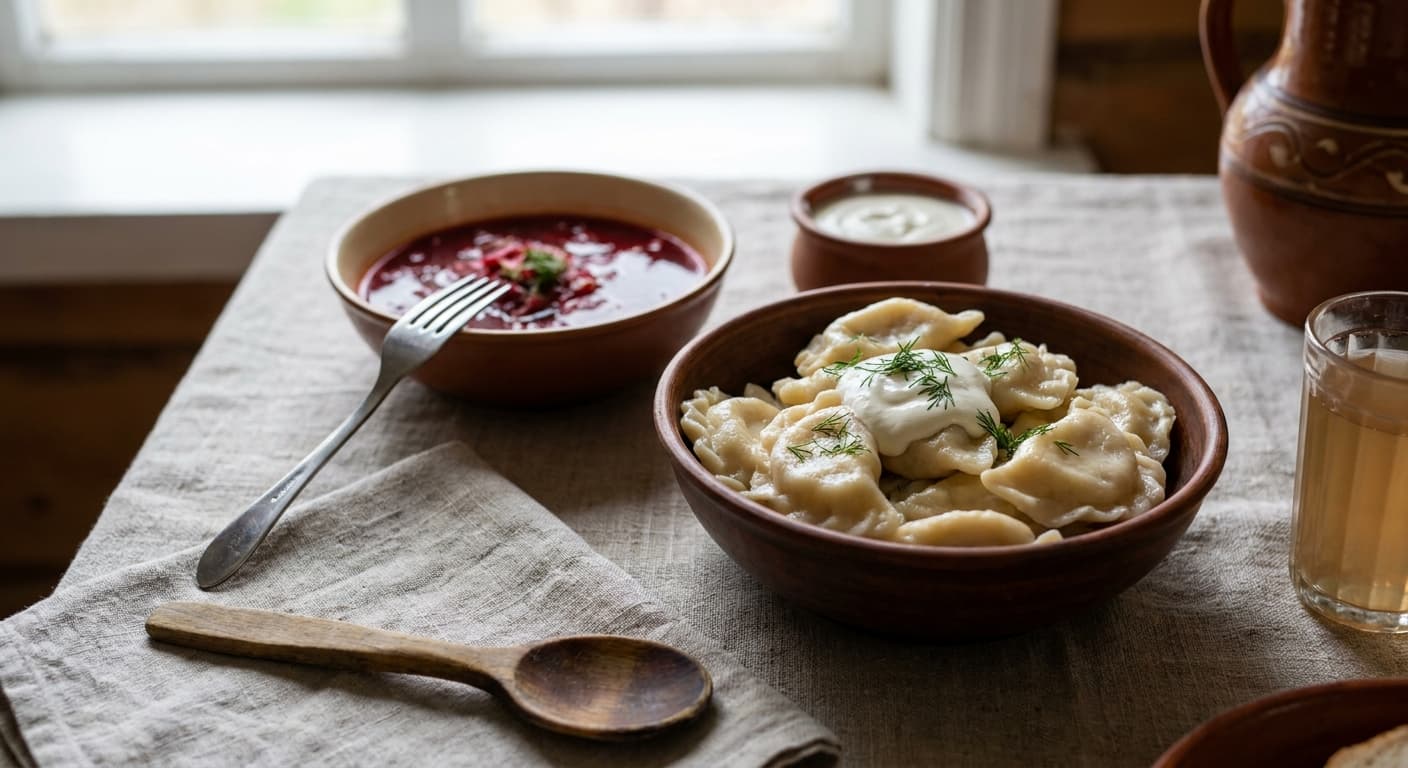
Varenyky (Вареники) — Ukrainian Potato-Cheese Dumplings
Ukrainian · Main Courses · 95 min
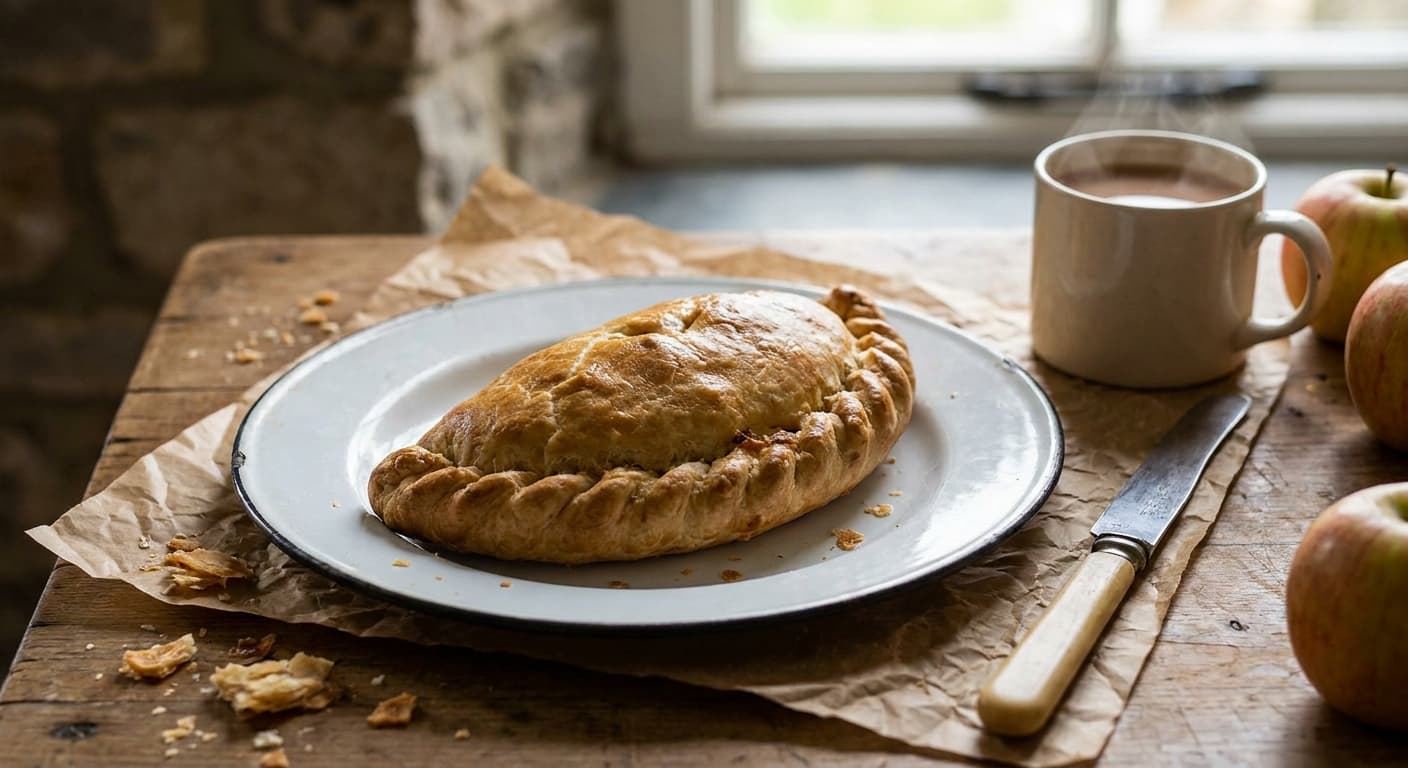
Cornish Pasty (Cornish Pasty) — Traditional Beef and Swede Hand Pie
British · Main Courses · 100 min
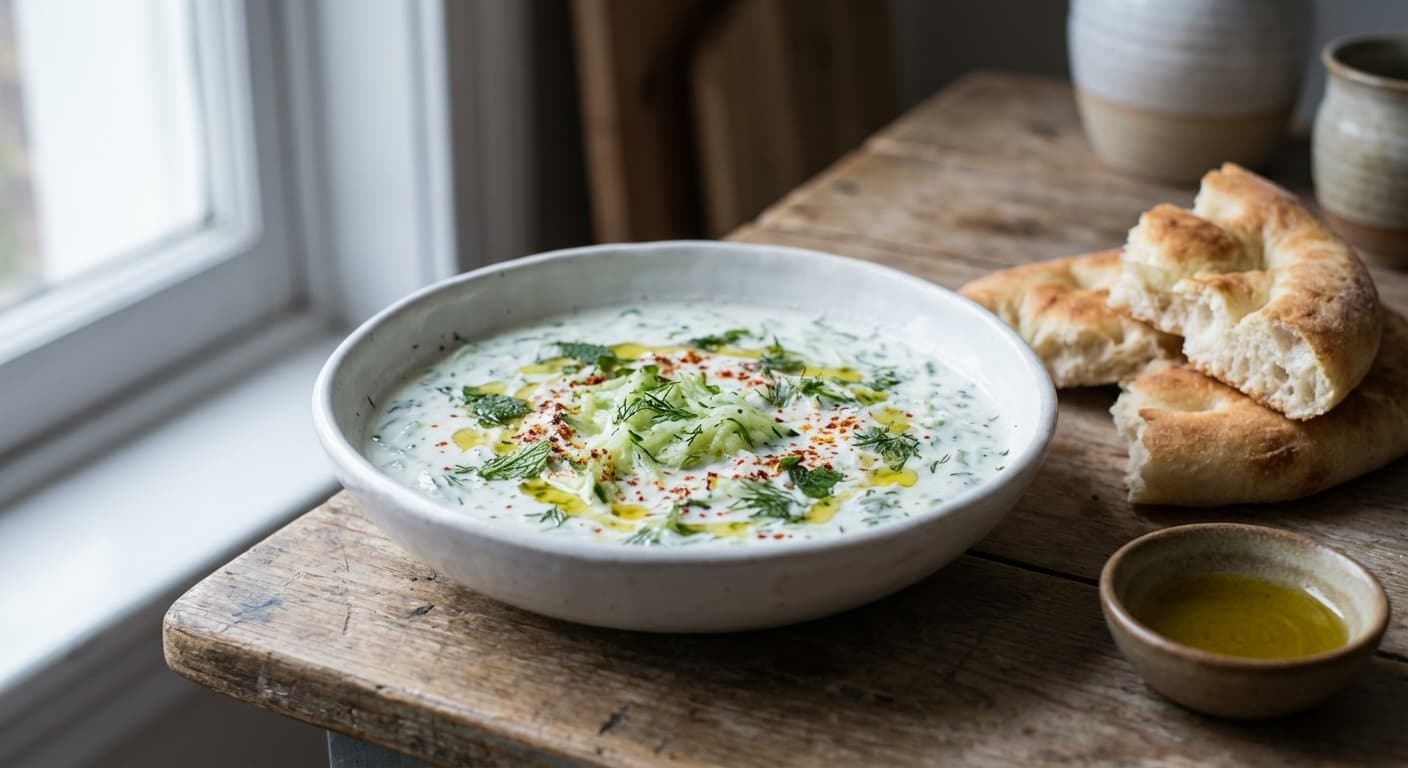
Cacık (Yoğurtlu Salatalık Mezesi) — Chilled Turkish Yogurt, Cucumber & Mint Dip
Turkish · Appetizers · 15 min
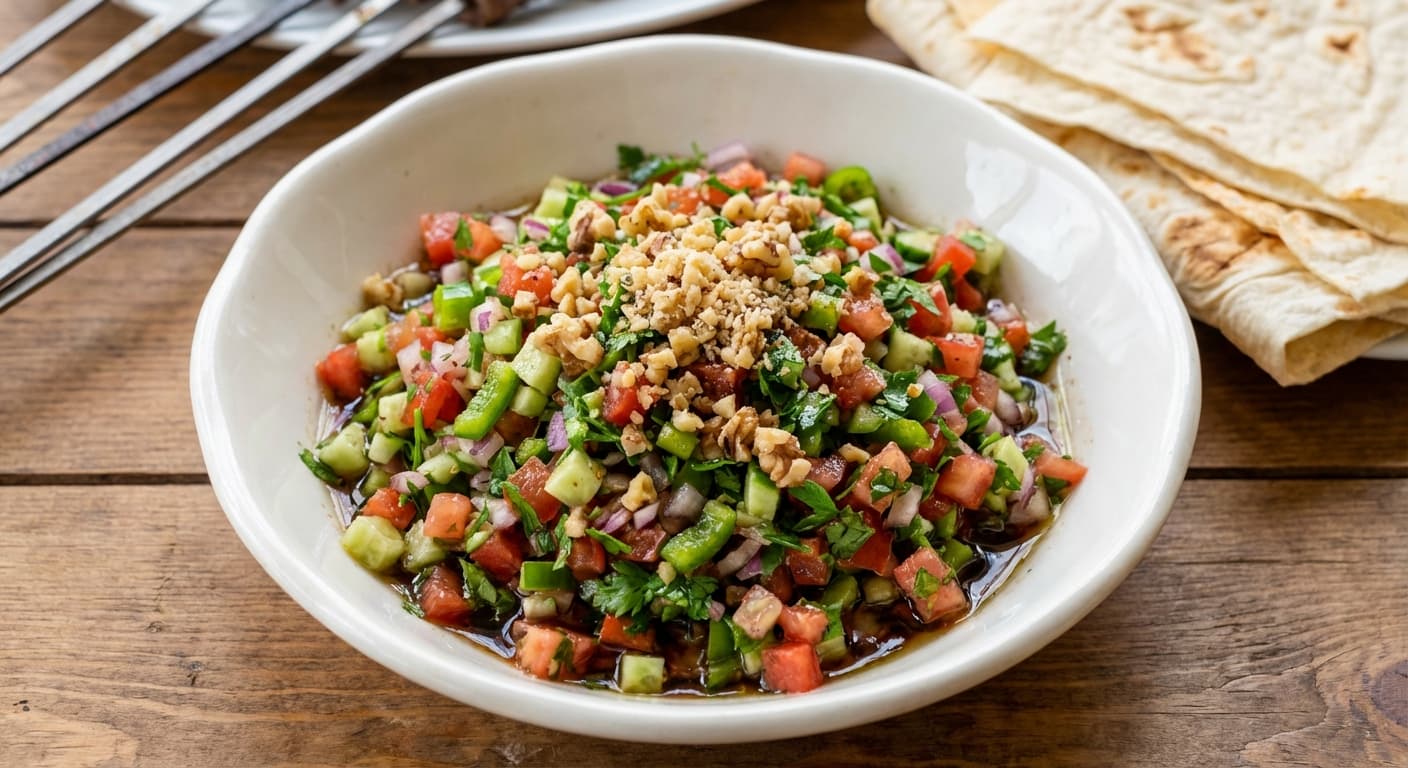
Gavurdağı Salad (Gavurdağı Salatası) — Finely Chopped Walnut & Pomegranate Salad
Turkish · Salads · 20 min
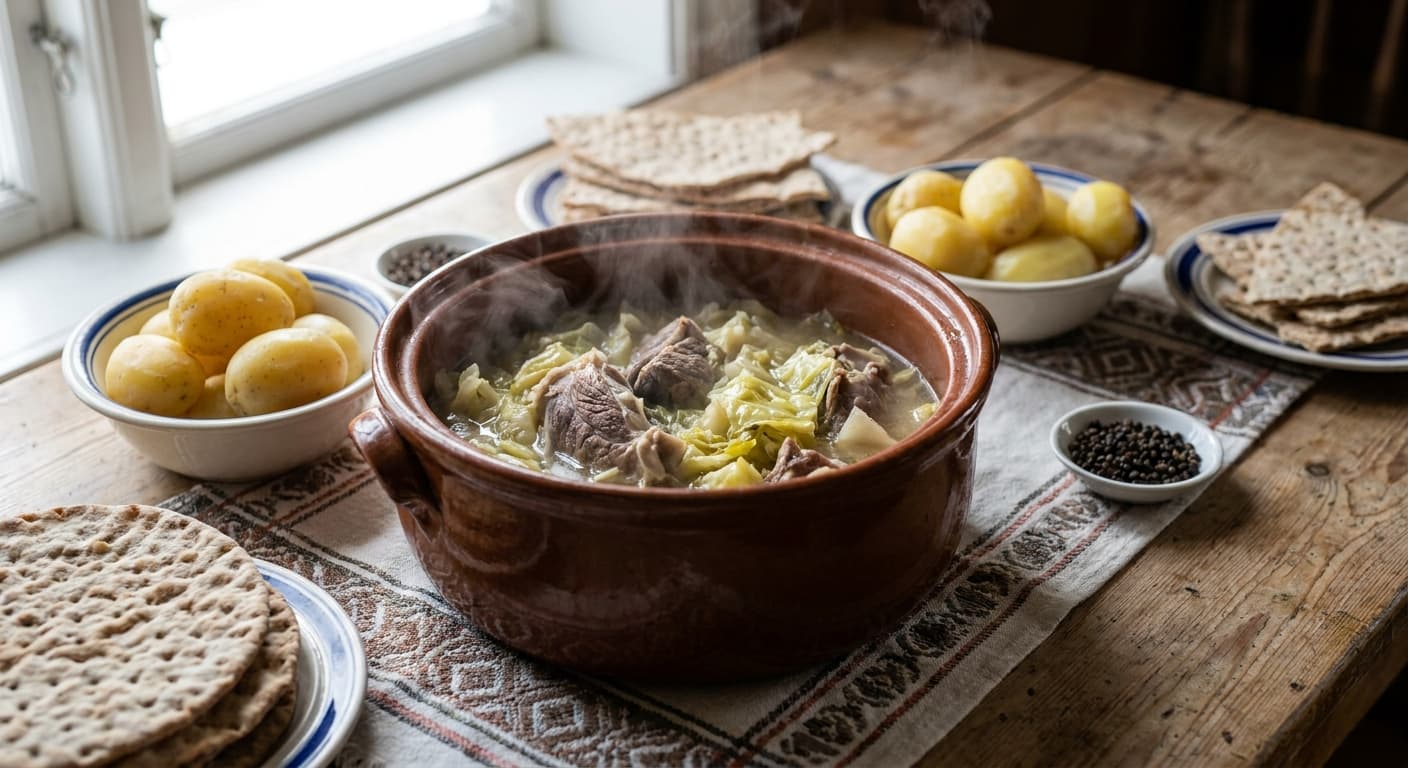
Norwegian Lamb and Cabbage Stew (Fårikål) — Peppery Autumn National Dish
Norwegian · Stews · 170 min
Reviews
Cooked this recipe?
Tap the stars to rate it — that's all it takes. A few words are welcome but optional.
No ratings yet. Cooked this one? Be the first to rate it — it takes one tap.