Ecuadorian Roast Pork (Hornado) — Slow-Roasted Achiote Pork
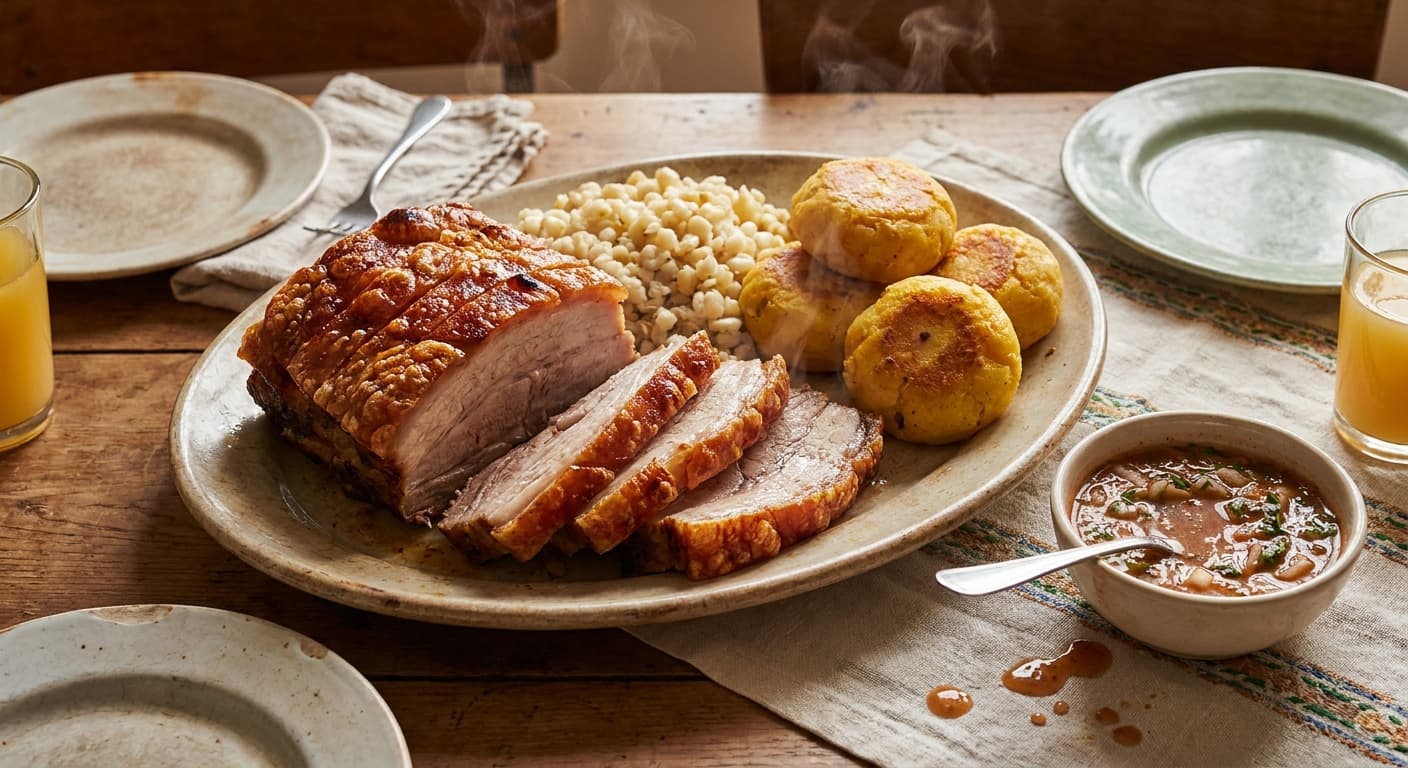
Hornado is Ecuador’s beloved slow-roasted pork, seasoned with garlic, cumin, achiote, and chicha de jora until tender with burnished edges. It is served with mote, agrio, llapingachos, and aji criollo at markets and family gatherings.
Printable Recipe Card
Servings: 8 · Total: 275 min · Difficulty: medium
Ingredients (quick list)
- 2.4 kg bone-in skin-on pork shoulder
- 18 g fine sea salt
- 10 clove garlic
- 2 tbsp ground cumin
- 2 tbsp achiote paste (annatto-based seasoning)
- 2 tsp dried oregano
- 2 tsp freshly ground black pepper
- 360 ml chicha de jora (traditional fermented corn drink)
- 180 ml sour orange juice
- 60 ml fresh lime juice
- 1 large white onion
- 2 leaf bay leaves
+ 7 more in the full ingredients section below.
Steps (summary)
- Pat the pork shoulder very dry, then score the skin and fat in a 2 cm crosshatch without cutting deeply into the meat. Rub the…
- Blend the garlic, cumin, achiote paste, oregano, black pepper, chicha de jora, sour orange juice, and lime juice until smooth.…
- Remove the pork from the refrigerator 1 hour before roasting so it loses its chill. Heat the oven to 160°C, scatter the sliced…
- Roast the hornado for 3 hours, basting with the pan juices every 60 minutes to keep the meat moist and well seasoned. If the li…
- Uncover the pan, brush the skin and fatty edges with the pork lard, and increase the oven temperature to 220°C. Roast for 35 to…
- While the pork finishes, make the agrio by rinsing the sliced red onions under cold water for 30 seconds and draining them well…
+ 2 more steps in the full instructions section below.
Cultural Background
Hornado is a centerpiece of Ecuadorian market cooking, especially in the Andean highlands. Maricel Presilla notes the importance of achiote, corn, and pork in regional Latin American traditions that shape this festive dish.
Equipment
💡 Tips
- Marinating overnight is not optional for the deepest hornado flavor; the chicha de jora and citrus tenderize while carrying the achiote and cumin into the meat.
- Keep the pan covered for the first long roast so the pork becomes spoon-tender before you crisp and brown the exterior.
- Use the pan juices in the agrio because they give the onion relish the unmistakable savory flavor served with Ecuadorian hornado.
⚠️ Common Mistakes
❌ Roasting uncovered from the start.
✅ Fix: Cover the pork for the first long stage so collagen softens and the meat becomes tender before browning.
❌ Using too little salt for a large pork shoulder.
✅ Fix: Measure the salt by weight and rub it into the scored fat and meat so the seasoning penetrates evenly.
❌ Discarding the roasting juices.
✅ Fix: Skim them instead and use them to baste the pork and season the agrio.
🧊 How to Store
Refrigerate leftover pork and juices in airtight containers for up to 4 days. Reheat covered with 45 ml juices in a 160°C oven until hot, then uncover for 8 minutes to refresh browned edges. Store agrio separately and use within 2 days.
📅 Make Ahead
Season and marinate the pork up to 24 hours ahead. The agrio can be prepared 2 hours before serving, but add the warm roasting juices just before it goes to the table.
🍽️ Pairs Well With
- Mote
- llapingachos
- agrio
- aji criollo
- avocado slices
- curtido de cebolla.
Regional Variations
- In the Ecuadorian highlands, hornado is commonly served with mote, agrio, and llapingachos for a generous market plate.
- Some cooks add more chicha de jora and roast the pork very slowly for an especially soft, almost braised texture.
- Coastal versions may lean brighter with extra citrus and serve the pork with avocado and curtido alongside the traditional aji criollo.
Ingredients
- 2.4 kgbone-in skin-on pork shoulder
- 18 gfine sea salt
- 10 clovegarlic
- 2 tbspground cumin
- 2 tbspachiote paste (annatto-based seasoning)
- 2 tspdried oregano
- 2 tspfreshly ground black pepper
- 360 mlchicha de jora (traditional fermented corn drink)
- 180 mlsour orange juice
- 60 mlfresh lime juice
- 1large white onion
- 2 leafbay leaves
- 1 tbsppork lard
- 2red onions
- 2tomatoes (ripe, seeded, and diced)
- 12 sprigcilantro (leaves and tender stems chopped)
- 120 mlroasting juices from the hornado
- 900 gcooked mote (hominy corn, kept warm)
- 180 mlaji criollo
🔄 Substitutions
- chicha de jora→ 300 ml unsweetened corn tea mixed with 60 ml mild hard cider
- sour orange juice→ 120 ml orange juice mixed with 60 ml lime juice
- achiote paste→ 1 tbsp ground annatto mixed with 1 tbsp neutral oil
Instructions
- 1
Pat the pork shoulder very dry, then score the skin and fat in a 2 cm crosshatch without cutting deeply into the meat. Rub the 18 g salt all over the pork, including into the cuts, and set it in a nonreactive roasting pan.
- 2
Blend the garlic, cumin, achiote paste, oregano, black pepper, chicha de jora, sour orange juice, and lime juice until smooth. Pour this marinade over the pork, massage it into every surface, cover tightly, and refrigerate for 12 hours.
- 3
Remove the pork from the refrigerator 1 hour before roasting so it loses its chill. Heat the oven to 160°C, scatter the sliced white onion and bay leaves under the pork, pour the marinade into the pan, and cover the pan tightly with foil.
- 4
Roast the hornado for 3 hours, basting with the pan juices every 60 minutes to keep the meat moist and well seasoned. If the liquid drops below 1 cm in the pan, add exactly 120 ml hot water so the onions do not scorch.
- 5
Uncover the pan, brush the skin and fatty edges with the pork lard, and increase the oven temperature to 220°C. Roast for 35 to 45 minutes more, basting twice, until the pork is deeply browned, the edges are crisp, and the meat registers at least 88°C in the thickest part.
- 6
While the pork finishes, make the agrio by rinsing the sliced red onions under cold water for 30 seconds and draining them well. Toss them with 4 g salt and 90 ml lime juice for 10 minutes, then fold in the tomatoes, cilantro, and 120 ml warm hornado roasting juices.
- 7
Transfer the pork to a board and rest it for 20 minutes before slicing or pulling it into large pieces. Skim excess fat from the roasting juices, spoon a measured amount over the meat, and keep the remaining juices warm for serving.
- 8
Serve the hornado hot with cooked mote, the agrio, and aji criollo, adding llapingachos if you want the classic market-style plate. The contrast of tender pork, tangy onions, mellow hominy, and chile sauce is essential to the Ecuadorian presentation.
🪪 Recipe Passport
Cultural Background
Hornado is a centerpiece of Ecuadorian market cooking, especially in the Andean highlands. Maricel Presilla notes the importance of achiote, corn, and pork in regional Latin American traditions that shape this festive dish.
Regional Variations
Researched from multiple sources and validated by the Zaffaron editorial team. Every recipe is tested for accuracy, measurements, and cultural authenticity.
📚 Sources & Cultural References
- Maricel Presilla — Gran Cocina Latina: The Food of Latin America — (2012)
Sources cited by the Zaffaron editorial team during recipe research. Cultural and culinary references supporting authenticity claims.
Nutrition per serving
Pairs well with
If you enjoyed this recipe, here are a few related Zaffaron recipes to try next.
Does your family make this differently?
Every family has their own version. Maybe your grandmother adds a secret ingredient, or your aunt has a completely different technique. Preserve your family's version — with their name on it, forever.
You Might Also Like
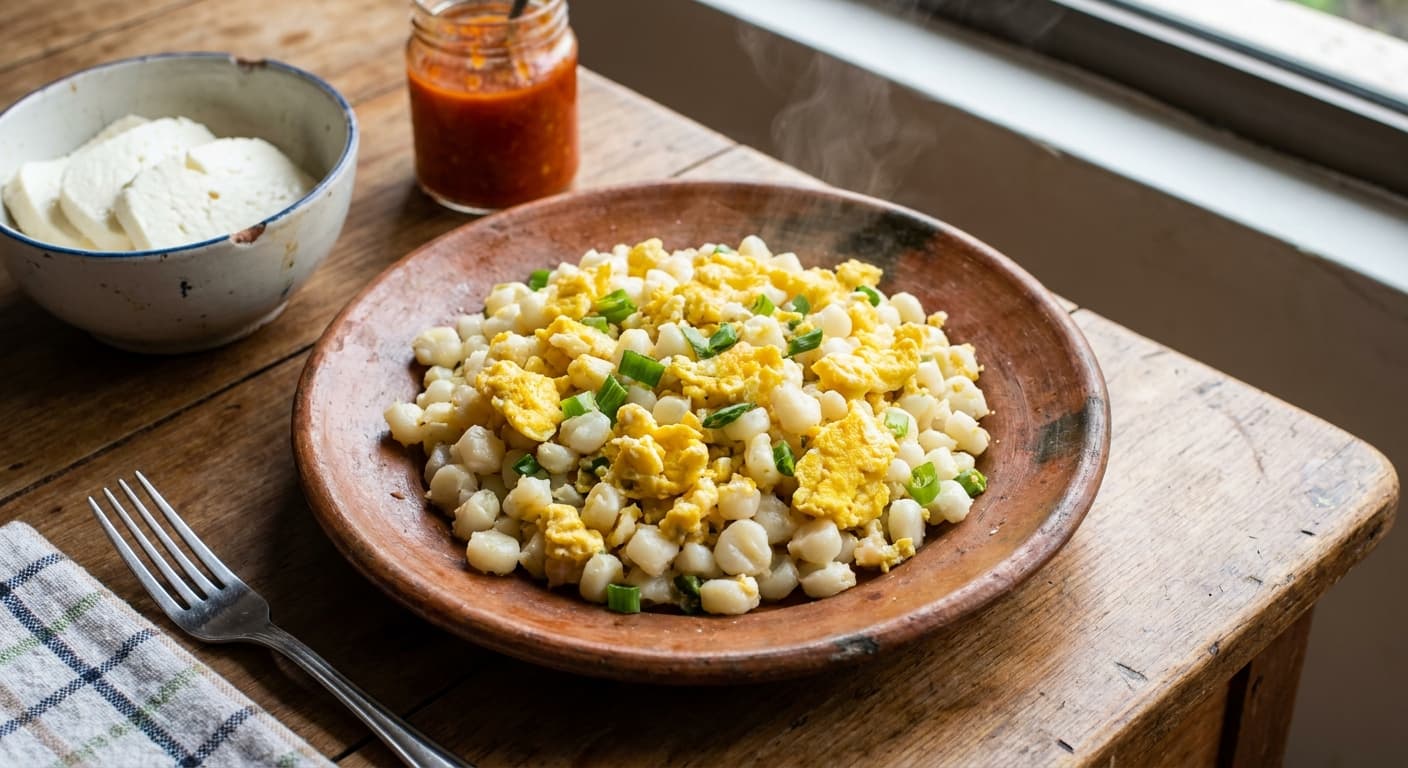
Scrambled Hominy and Eggs (Mote pillo) — Ecuadorian Highland Breakfast
Ecuadorian · Main Courses · 25 min
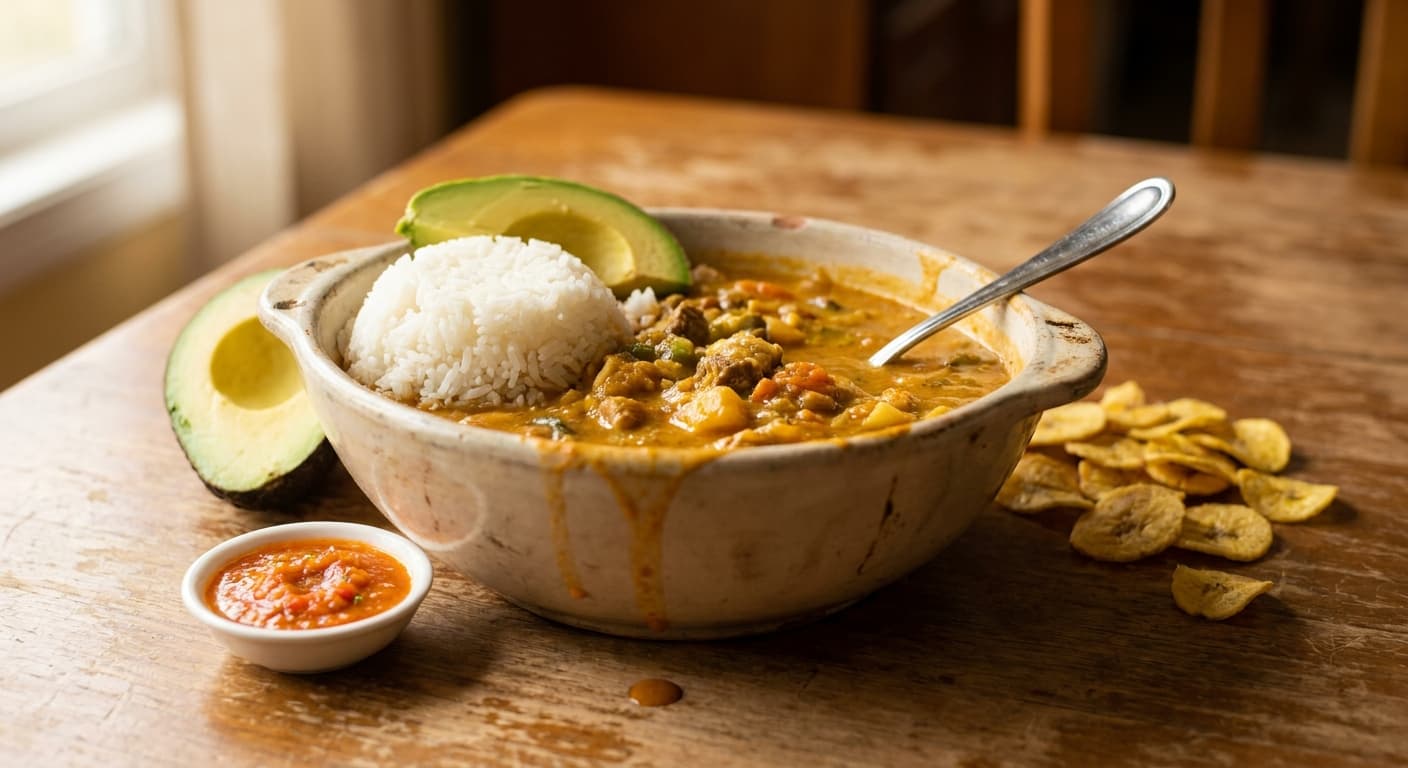
Ecuadorian Peanut Tripe Stew (Guatita) — Creamy Potato and Peanut Stew
Ecuadorian · Stews · 180 min
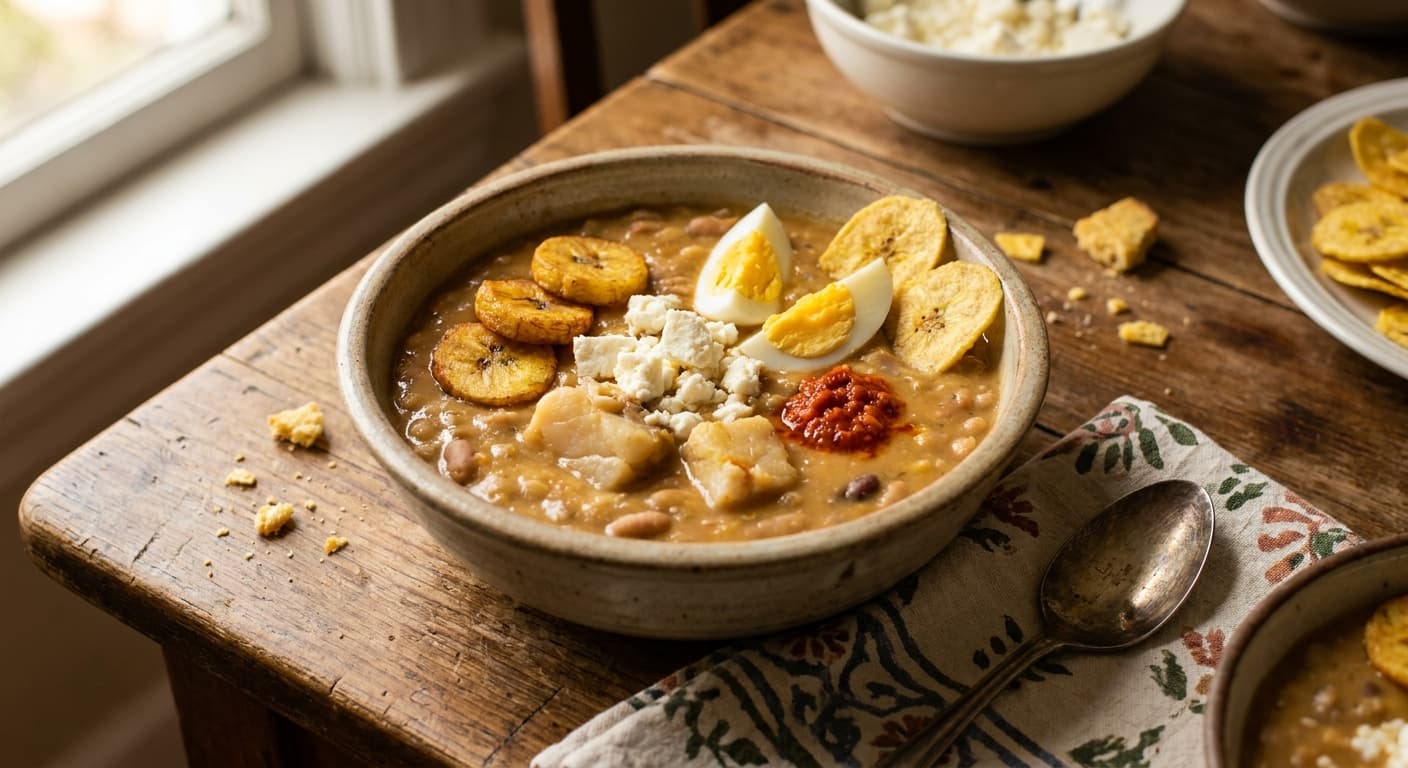
Fanesca (Fanesca) — Ecuadorian Holy Week Cod and Grain Soup
Ecuadorian · Soups · 180 min
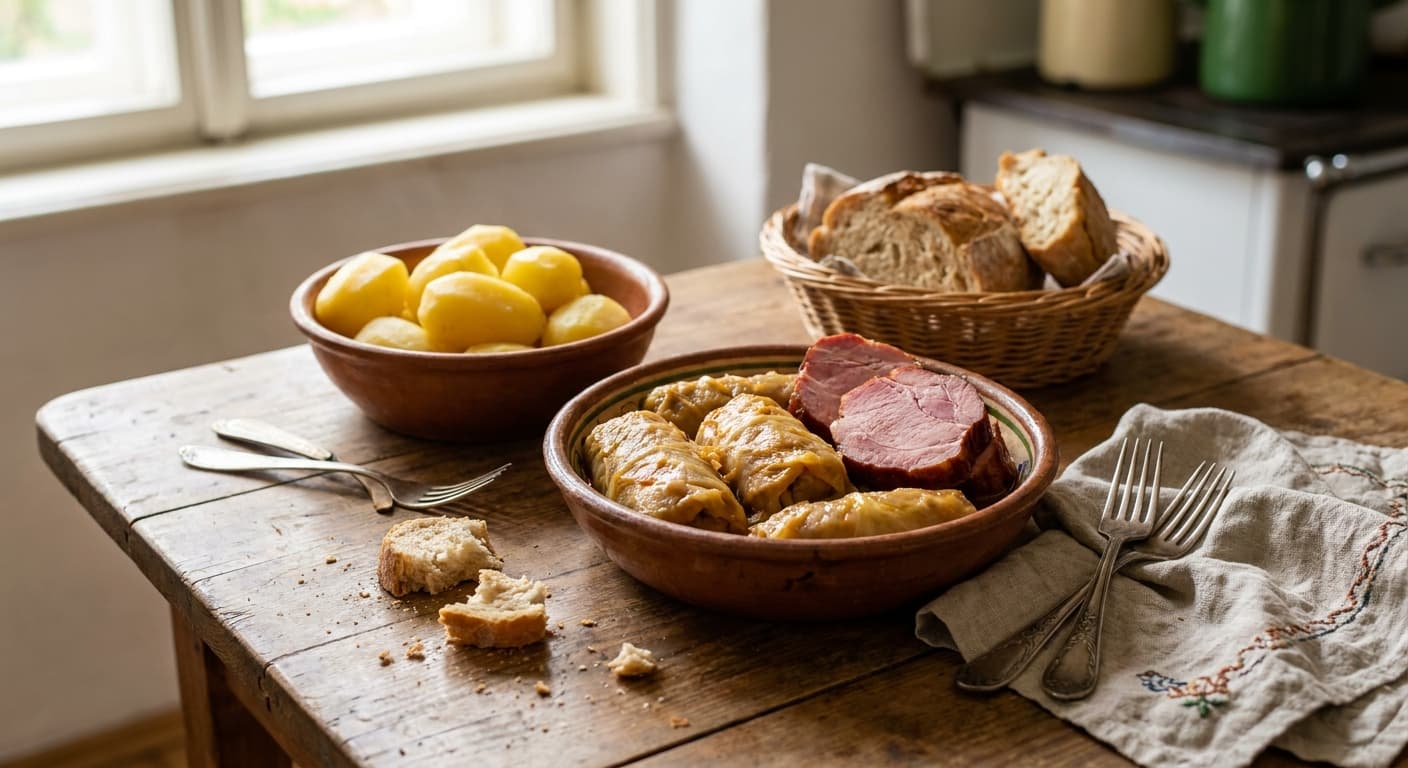
Sinj Stuffed Cabbage Rolls (Sinjski arambaši) — Hand-Chopped Meat in Sour Cabbage
Croatian · Main Courses · 245 min
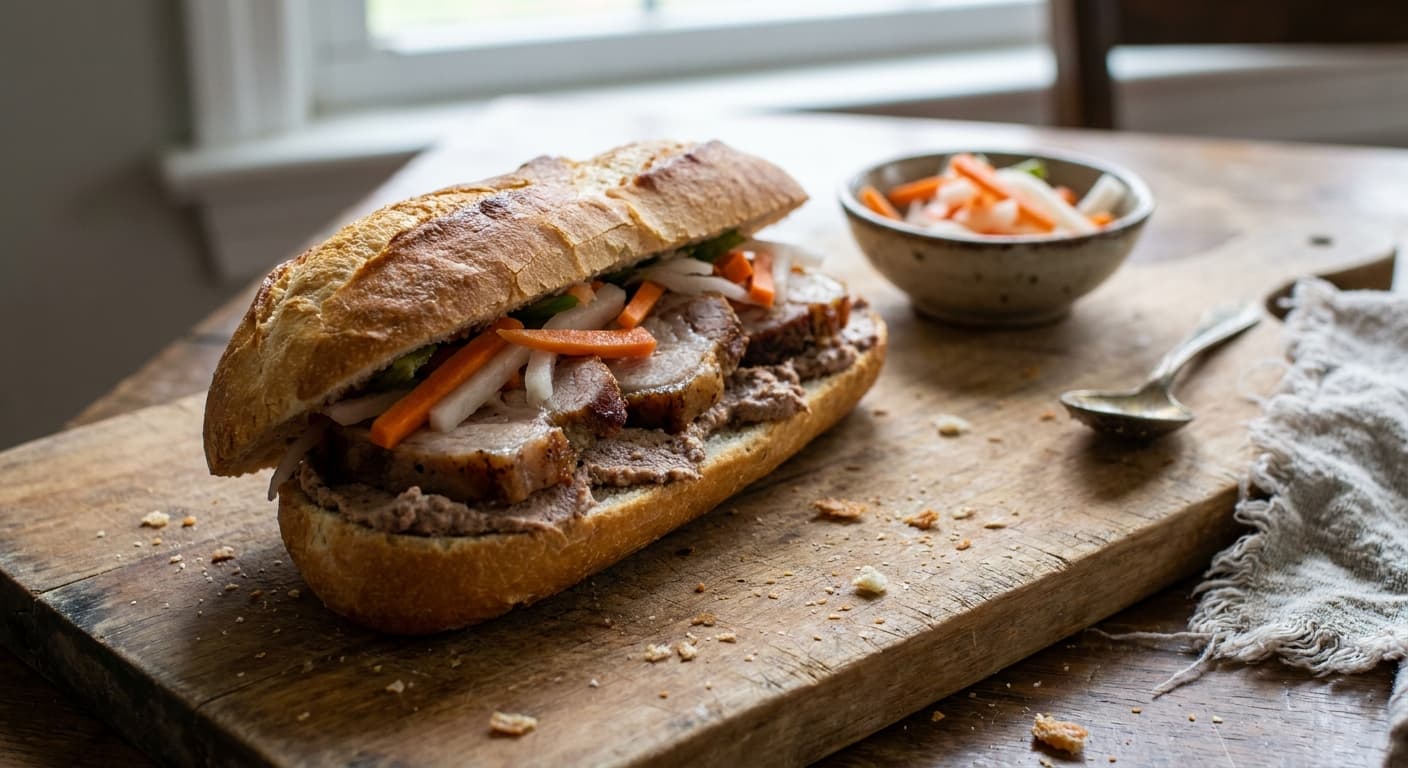
Num Pang Pate (នំប៉័ងប៉ាតេ) — Cambodian Baguette with Pate and Pickles
Cambodian · Main Courses · 60 min
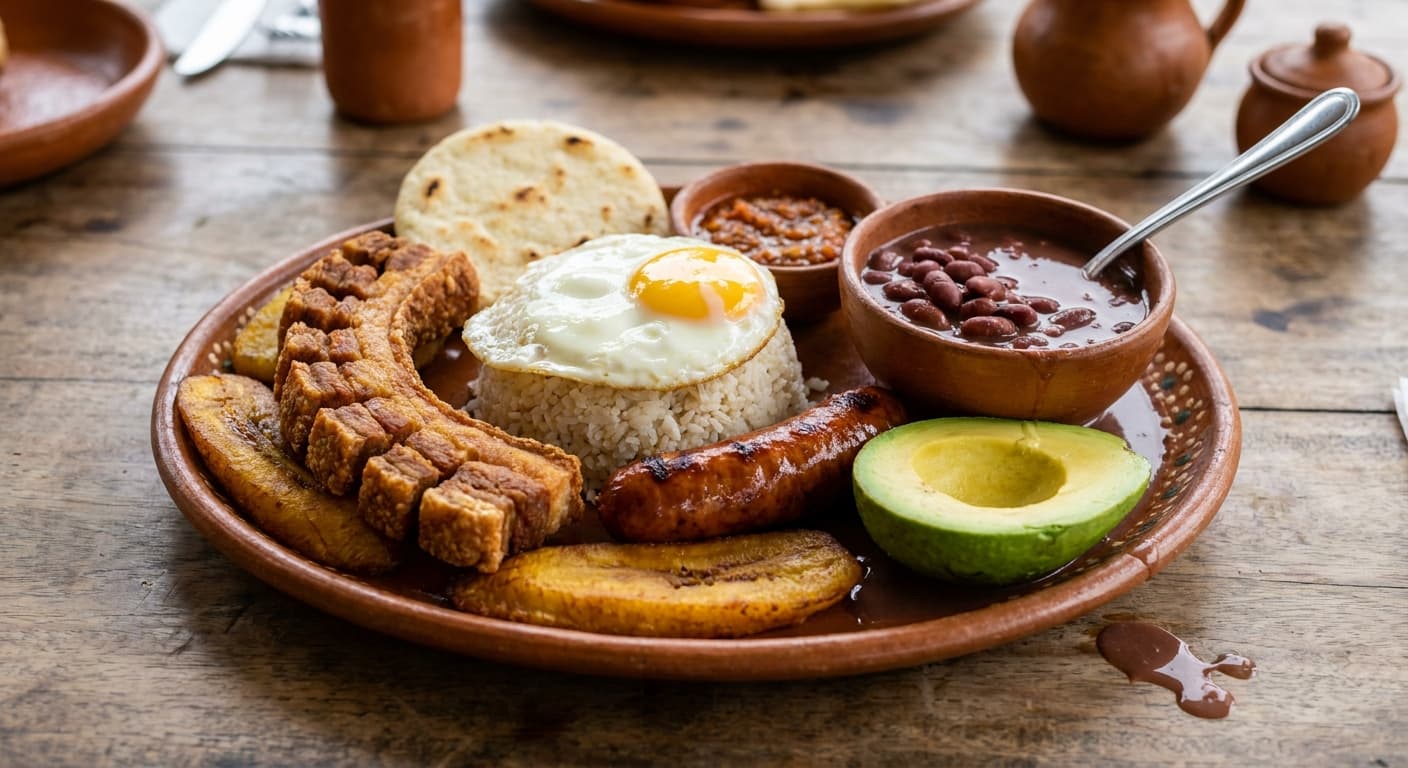
Colombian Bandeja Paisa (Bandeja paisa) — Antioquia Mountain Platter
Colombian · Main Courses · 225 min
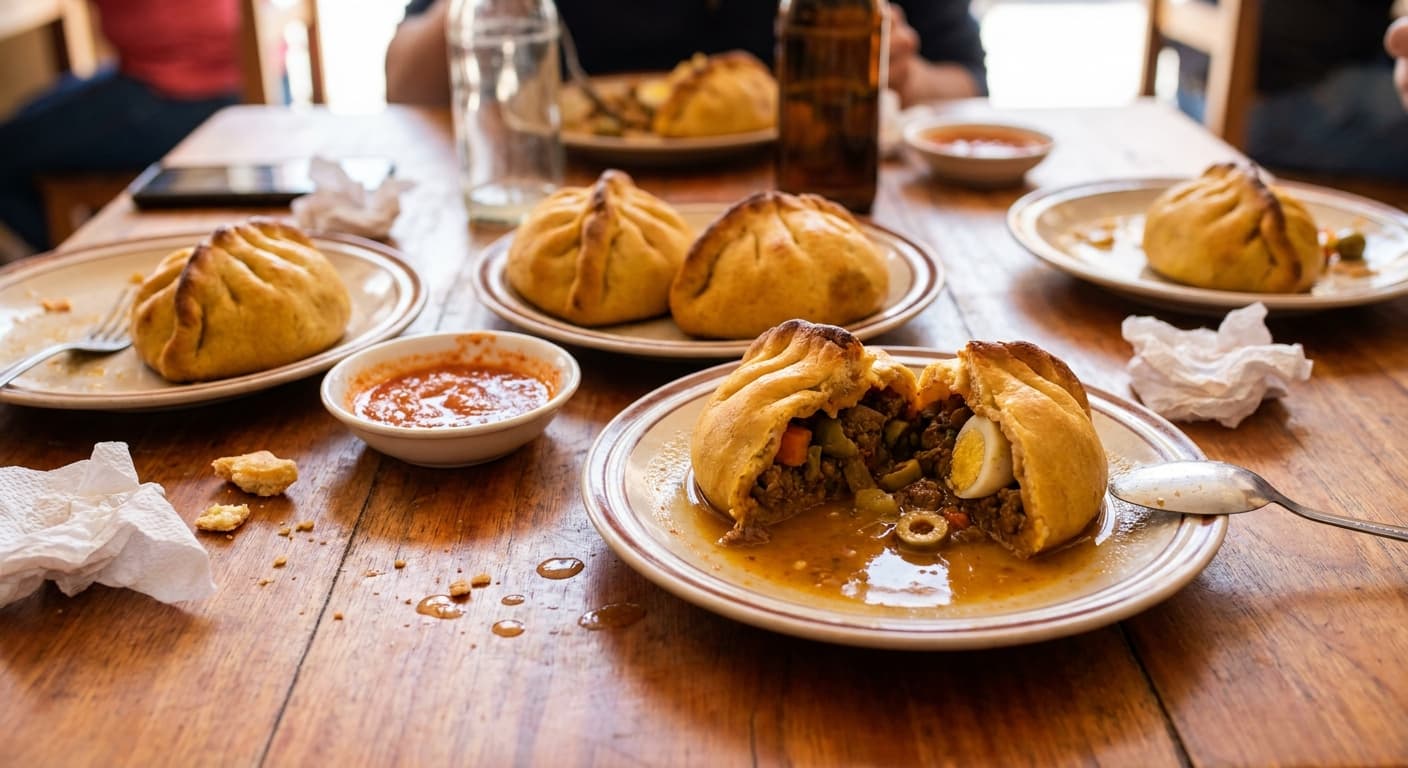
Bolivian Salteñas (Salteñas) — Juicy Baked Meat Empanadas
Bolivian · Appetizers · 120 min
Ecuadorian Tuna Encebollado (Encebollado ecuatoriano) — Coastal Yuca and Tuna Soup
Ecuadorian · Soups · 85 min
Reviews
Cooked this recipe?
Tap the stars to rate it — that's all it takes. A few words are welcome but optional.
No ratings yet. Cooked this one? Be the first to rate it — it takes one tap.