Eshkeneh Fenugreek & Egg Soup (اشکنه شنبلیله و تخممرغ)
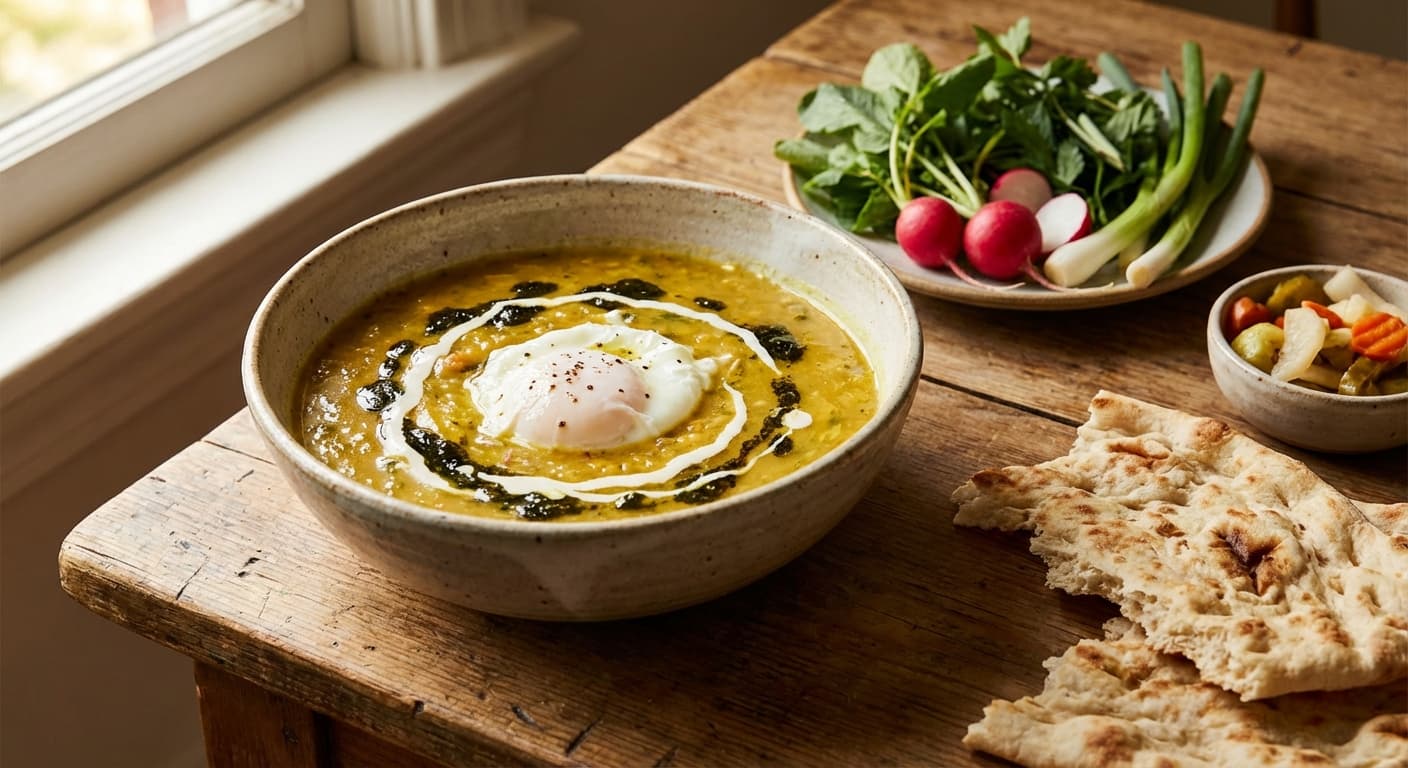
A comforting Iranian Eshkeneh made with dried fenugreek, sautéed onions, turmeric, potatoes, and gently poached eggs. Fast, nourishing, and deeply aromatic—perfect for chilly nights and simple family meals.
Printable Recipe Card
Servings: 4 · Total: 50 min · Difficulty: easy
Ingredients (quick list)
- 200 g Yellow onion (finely diced)
- 30 g Neutral oil (grapeseed or sunflower) (about 2 tbsp)
- 6 g Dried fenugreek leaves (shanbalileh) (about 2 tbsp, lightly crushed)
- 3 g Ground turmeric (about 1 tsp)
- 10 g All-purpose flour (about 1 tbsp)
- 300 g Potatoes (peeled, cut into 1.5 cm cubes)
- 1200 g Water (about 5 cups)
- 7 g Fine sea salt (about 1 1/4 tsp, plus more to taste)
- 1 g Black pepper (about 1/2 tsp)
- 4 large Eggs (at room temperature if possible)
- 2 g Dried mint (about 1 tsp)
- 60 g Whey (kashk), diluted (about 1/4 cup, optional for serving)
Steps (summary)
- Set a 4–5 liter pot over medium heat. Add the oil, then the diced onion. Sauté 8–10 minutes, stirring often, until the onion tu…
- Add turmeric and dried fenugreek to the onions. Stir constantly for 45–60 seconds to bloom the spices and lightly toast the fen…
- Add the potato cubes and stir 1 minute to coat them in the onion-spice mixture. Pour in the water, scraping the bottom to disso…
- Season with salt and black pepper, then simmer uncovered 5 minutes to slightly concentrate the broth. Taste and adjust salt if…
- Lower the heat to low so the surface barely trembles. Crack each egg into a small bowl, then slide eggs one by one into the sou…
- In a small pan, warm 1 tsp oil from the pot (or 5 g oil) over low heat and toast the dried mint 20–30 seconds until fragrant, n…
Cultural Background
Eshkeneh is a beloved, economical Iranian soup often cooked at home when time and pantry staples are all you have. Fenugreek and turmeric give it a distinctly Persian aroma, and the poached eggs make it hearty enough to be a simple dinner with bread.
Equipment
💡 Tips
- Fenugreek burns quickly; keep the toast under 60 seconds and stir constantly to avoid bitterness.
- If your fenugreek is very strong, reduce to 4 g (about 1 1/3 tbsp) and add more after simmering if needed.
- For cleaner poached eggs, crack into bowls first and slide gently into barely simmering broth.
- Dilute kashk with 1–2 tbsp warm water so it ribbons smoothly into the hot soup.
⚠️ Common Mistakes
❌ Toasting fenugreek over high heat until dark
💡 Why: Fenugreek scorches quickly and turns harshly bitter, overpowering the soup.
✅ Fix: Toast on medium-low to medium heat for under 60 seconds, stirring constantly; add water right after to stop cooking.
❌ Boiling aggressively after adding eggs
💡 Why: Rapid boiling breaks the eggs into wisps and toughens the whites.
✅ Fix: Keep the soup at a bare simmer, slide eggs in gently, and cover to set them with gentle heat.
❌ Adding dried mint directly and letting it fry too long
💡 Why: Mint burns fast and becomes acrid, leaving dark flecks and a bitter taste.
✅ Fix: Warm mint in low heat oil for 20–30 seconds only, then immediately drizzle over the soup or stir in off heat.
🧊 How to Store
Cool leftovers to room temperature within 2 hours, then refrigerate in an airtight container for up to 3 days. Reheat gently over low heat until steaming; avoid a hard boil to keep eggs tender. If making for storage, cook the soup base without eggs and poach fresh eggs when serving.
📅 Make Ahead
Make the soup base (through Step 4) up to 2 days ahead and refrigerate. Reheat to a gentle simmer, then poach eggs fresh (Step 5) right before serving. Prepare mint oil up to 1 day ahead and keep refrigerated; warm briefly before drizzling.
🍽️ Pairs Well With
- Serve hot with sangak or barbari bread
- torshi (pickles)
- and a side of fresh herbs (sabzi khordan). A squeeze of fresh lime is welcome if you like a brighter finish.
Regional Variations
- Khorasan (northeast Iran)Often enriched with a spoonful of kashk stirred in at the end and sometimes finished with a little saffron water for a warmer color. Some cooks add a small amount of dried dill alongside fenugreek for a more herbal profile.
- Central Iran (Yazd/Isfahan home-style)Commonly includes a touch more turmeric and a slightly thicker body from mashing more potato or using a bit more flour. It’s frequently served with plenty of bread for dipping, making it a full meal.
Ingredients
- 200 gYellow onion (finely diced)
- 30 gNeutral oil (grapeseed or sunflower) (about 2 tbsp)
- 6 gDried fenugreek leaves (shanbalileh) (about 2 tbsp, lightly crushed)
- 3 gGround turmeric (about 1 tsp)
- 10 gAll-purpose flour (about 1 tbsp)
- 300 gPotatoes (peeled, cut into 1.5 cm cubes)
- 1200 gWater (about 5 cups)
- 7 gFine sea salt (about 1 1/4 tsp, plus more to taste)
- 1 gBlack pepper (about 1/2 tsp)
- 4 largeEggs (at room temperature if possible)
- 2 gDried mint (about 1 tsp)
- 60 gWhey (kashk), diluted (about 1/4 cup, optional for serving)
🔄 Substitutions
- Dried fenugreek leaves (shanbalileh)→ Fresh fenugreek leaves
- All-purpose flour→ Chickpea flour
- Whey (kashk)→ Plain strained yogurt
Instructions
- 1
Set a 4–5 liter pot over medium heat. Add the oil, then the diced onion. Sauté 8–10 minutes, stirring often, until the onion turns soft and light golden at the edges. Keep the heat moderate so the onion sweetens without burning, which would make the soup bitter.
- 2
Add turmeric and dried fenugreek to the onions. Stir constantly for 45–60 seconds to bloom the spices and lightly toast the fenugreek. Immediately sprinkle in the flour and cook 60–90 seconds, stirring, until the raw flour smell fades. This brief toasting helps thicken the broth without tasting pasty.
- 3
Add the potato cubes and stir 1 minute to coat them in the onion-spice mixture. Pour in the water, scraping the bottom to dissolve any flavorful bits. Bring to a boil over high heat, then reduce to a gentle simmer. Cover partially and simmer 18–22 minutes, until potatoes are tender and easily pierced.
- 4
Season with salt and black pepper, then simmer uncovered 5 minutes to slightly concentrate the broth. Taste and adjust salt if needed. For a slightly thicker, more rustic texture, mash 3–4 potato cubes against the pot with a spoon and stir back in; keep the soup at a steady, gentle simmer.
- 5
Lower the heat to low so the surface barely trembles. Crack each egg into a small bowl, then slide eggs one by one into the soup, spacing them apart. Cover and cook 4–6 minutes for set whites and soft yolks, or 7–8 minutes for firmer yolks. Avoid boiling to prevent stringy eggs.
- 6
In a small pan, warm 1 tsp oil from the pot (or 5 g oil) over low heat and toast the dried mint 20–30 seconds until fragrant, not dark. Drizzle the mint oil over the soup. Ladle into bowls, keeping one egg per serving, and add diluted kashk on top if using.
🪪 Recipe Passport
Cultural Background
Eshkeneh is a beloved, economical Iranian soup often cooked at home when time and pantry staples are all you have. Fenugreek and turmeric give it a distinctly Persian aroma, and the poached eggs make it hearty enough to be a simple dinner with bread.
Regional Variations
Researched from multiple sources and validated by the Zaffaron editorial team. Every recipe is tested for accuracy, measurements, and cultural authenticity.
Nutrition per serving
Pairs well with
If you enjoyed this recipe, here are a few related Zaffaron recipes to try next.
Does your family make this differently?
Every family has their own version. Maybe your grandmother adds a secret ingredient, or your aunt has a completely different technique. Preserve your family's version — with their name on it, forever.
You Might Also Like

Pastay Paniri (پاستای پنیری) — Persian-Style Cheesy Pasta with Fresh Tomatoes
Persian · Main Courses · 27 min
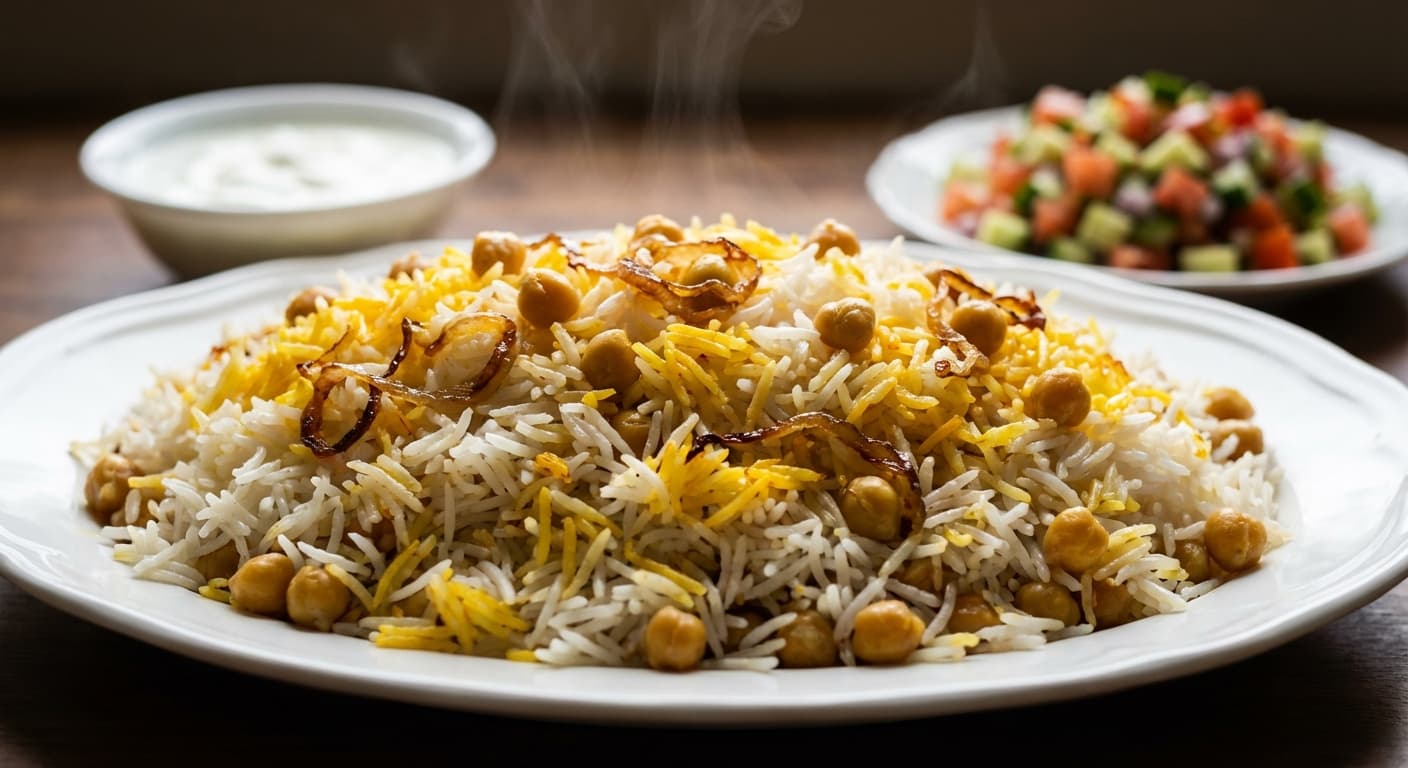
Nokhod Polo (نخود پلو) — Saffron Chickpea Rice with Warm Spices
Persian · Rice Dishes · 80 min

Golden Turmeric Potato and Spinach Casserole (غراتان سیبزمینی و اسفناج) — Mediterranean-Inspired Layered Gratin
Persian · Main Courses · 70 min
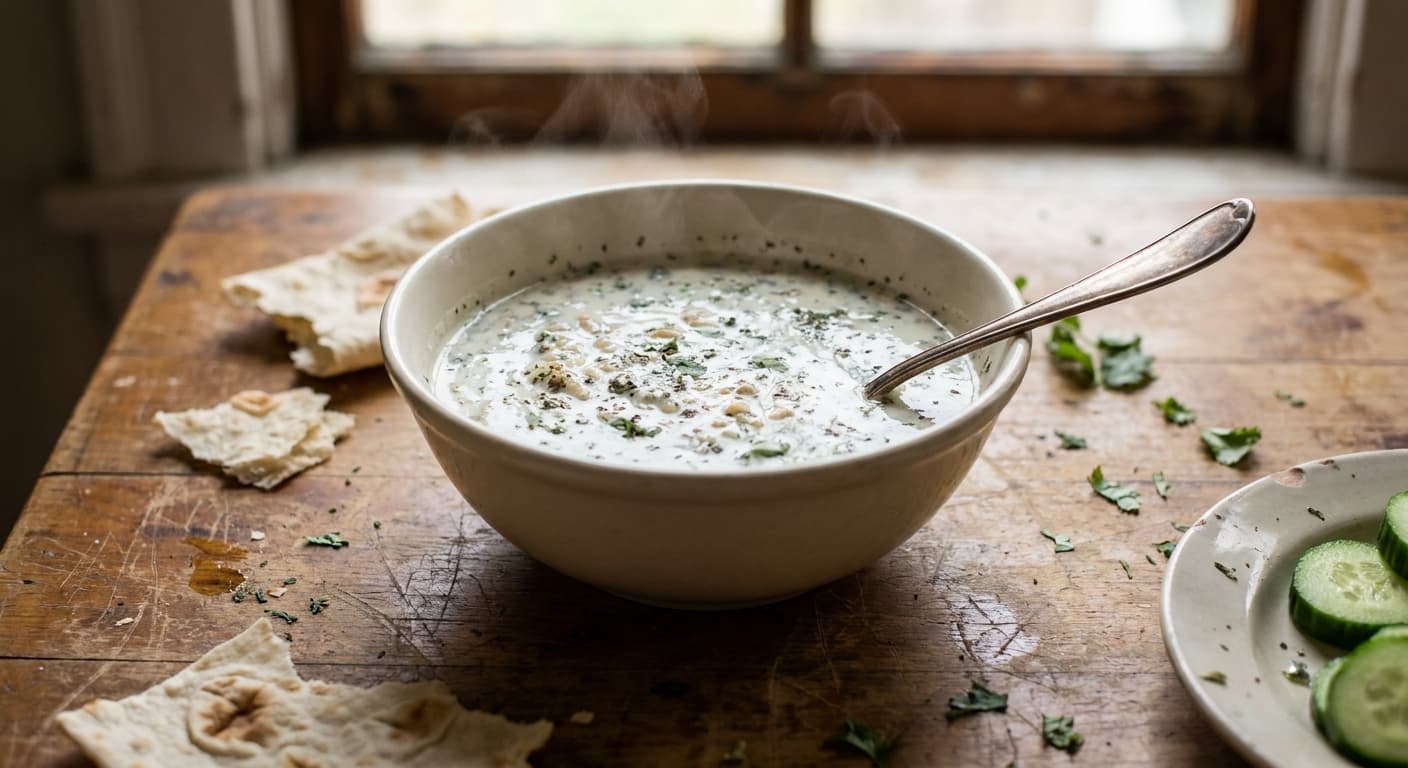
Spas (Սպաս) — Armenian Yogurt-and-Wheat Soup
Armenian · Soups · 70 min
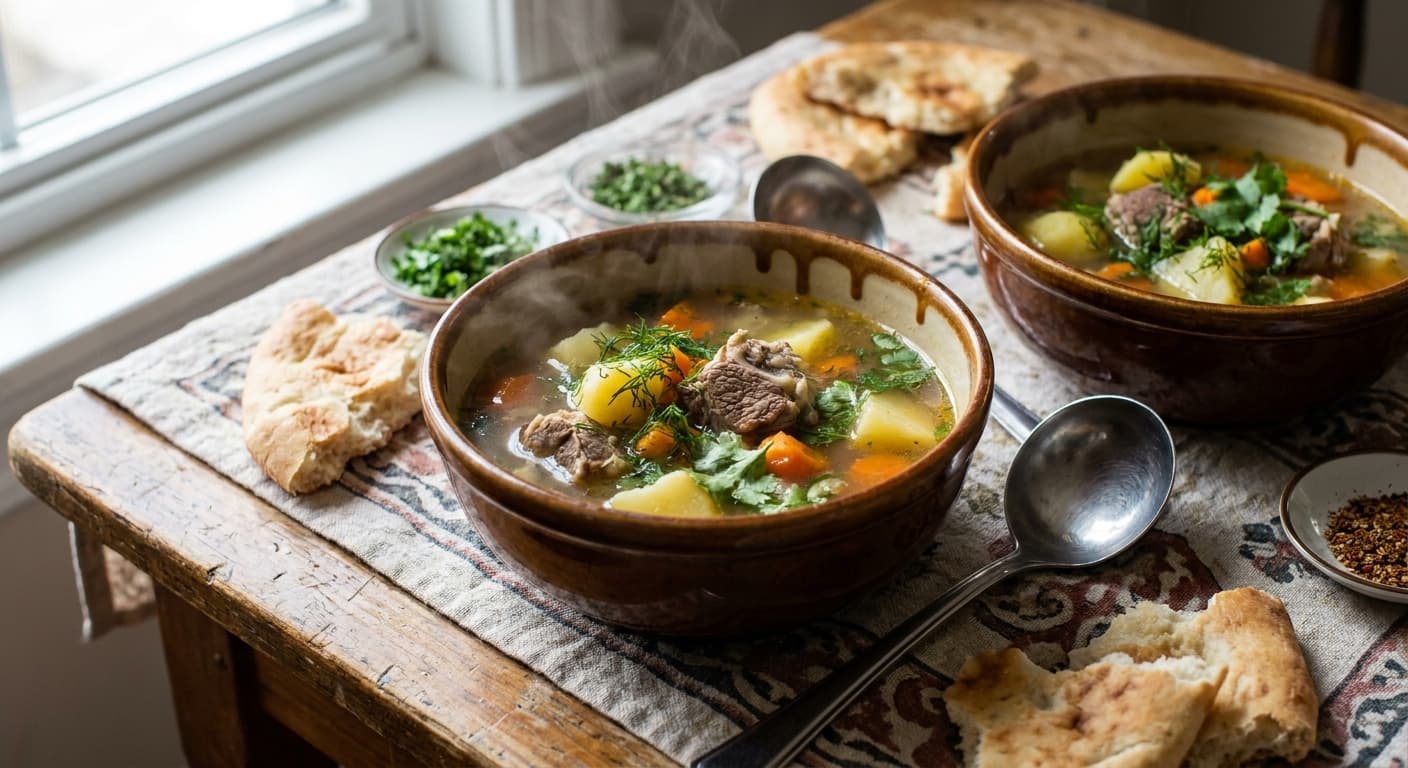
Uzbek Shurpa (Шўрпа) — Lamb and Vegetable Soup
Uzbek · Soups · 160 min
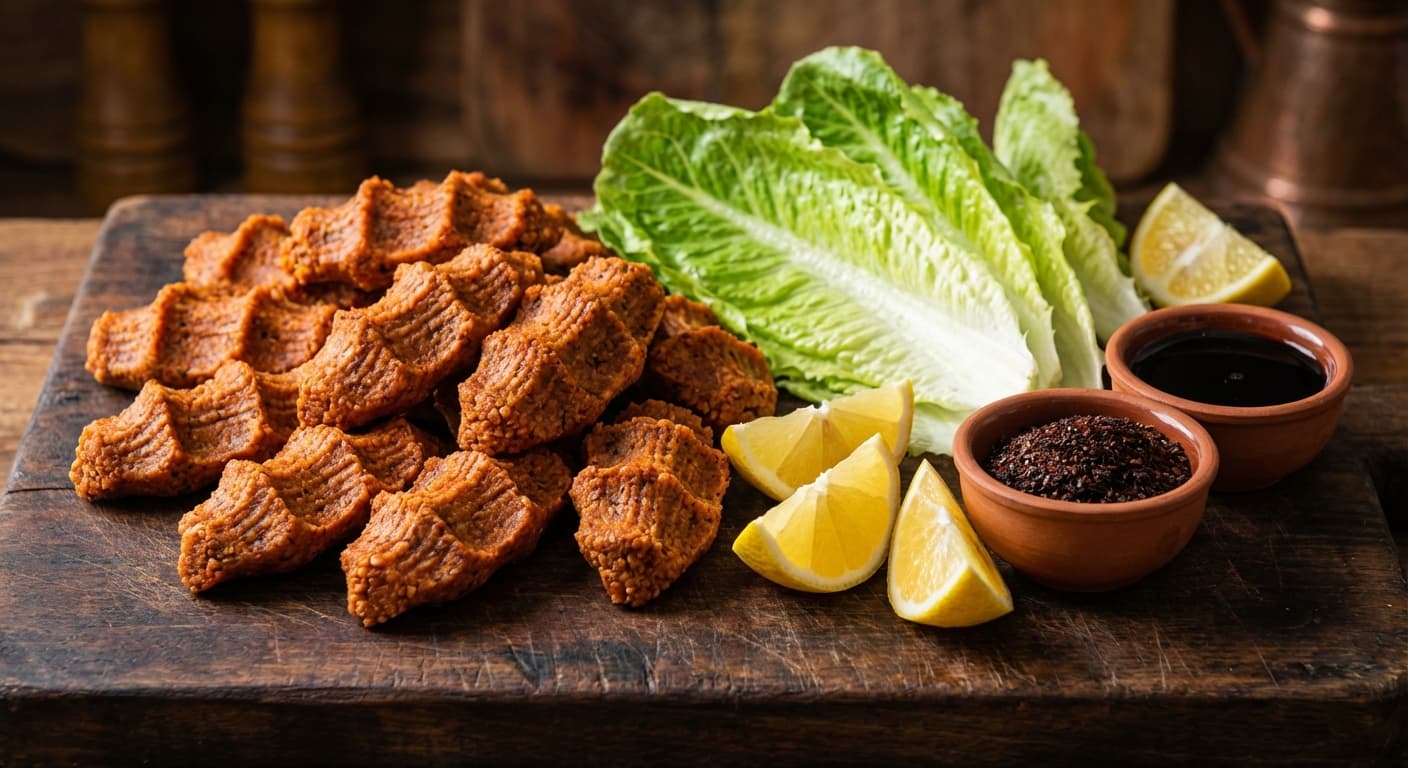
Cig Kofte (Çiğ Köfte) — Isot-kissed bulgur kneaded and served in lettuce
Turkish · Appetizers · 25 min
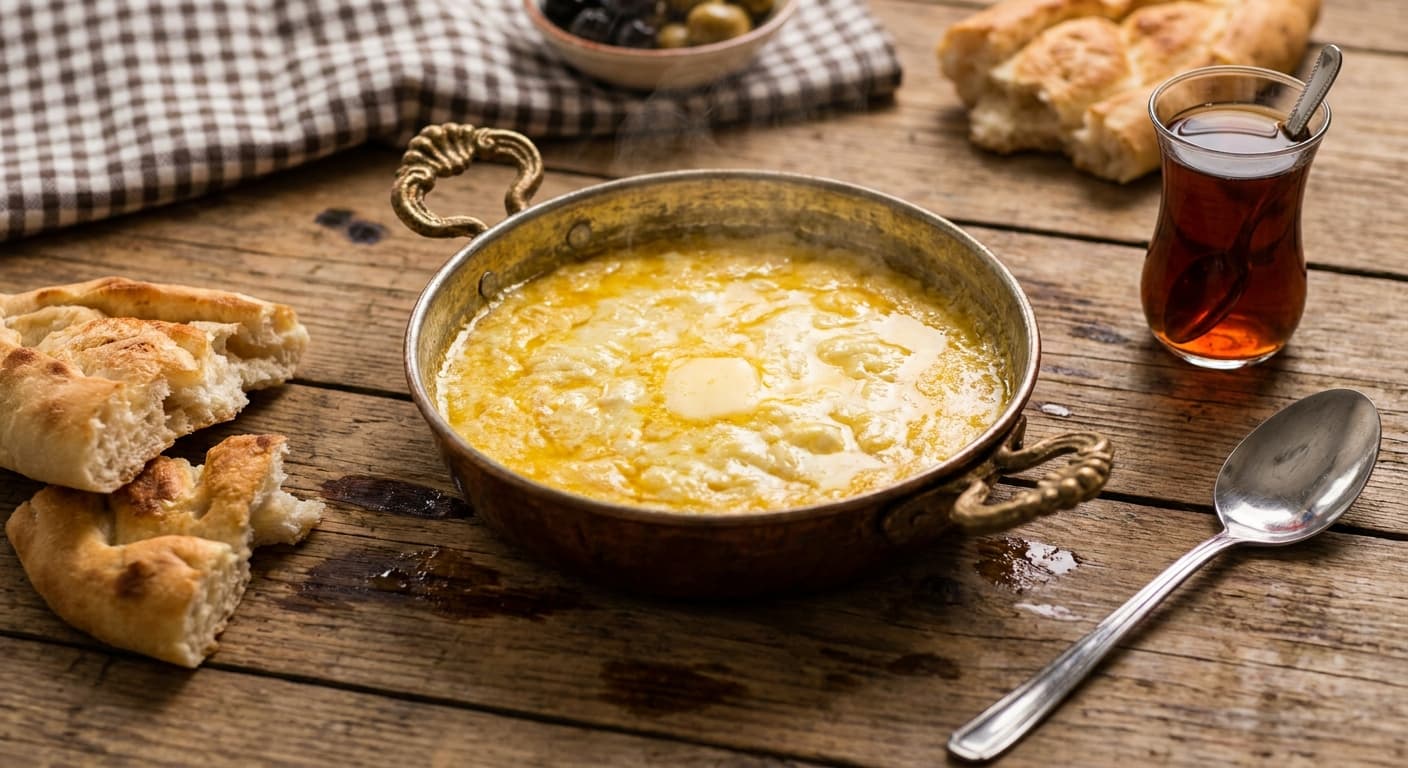
Mıhlama (Mıhlama) — Black Sea Cornmeal and Cheese Skillet
Turkish · Main Courses · 25 min
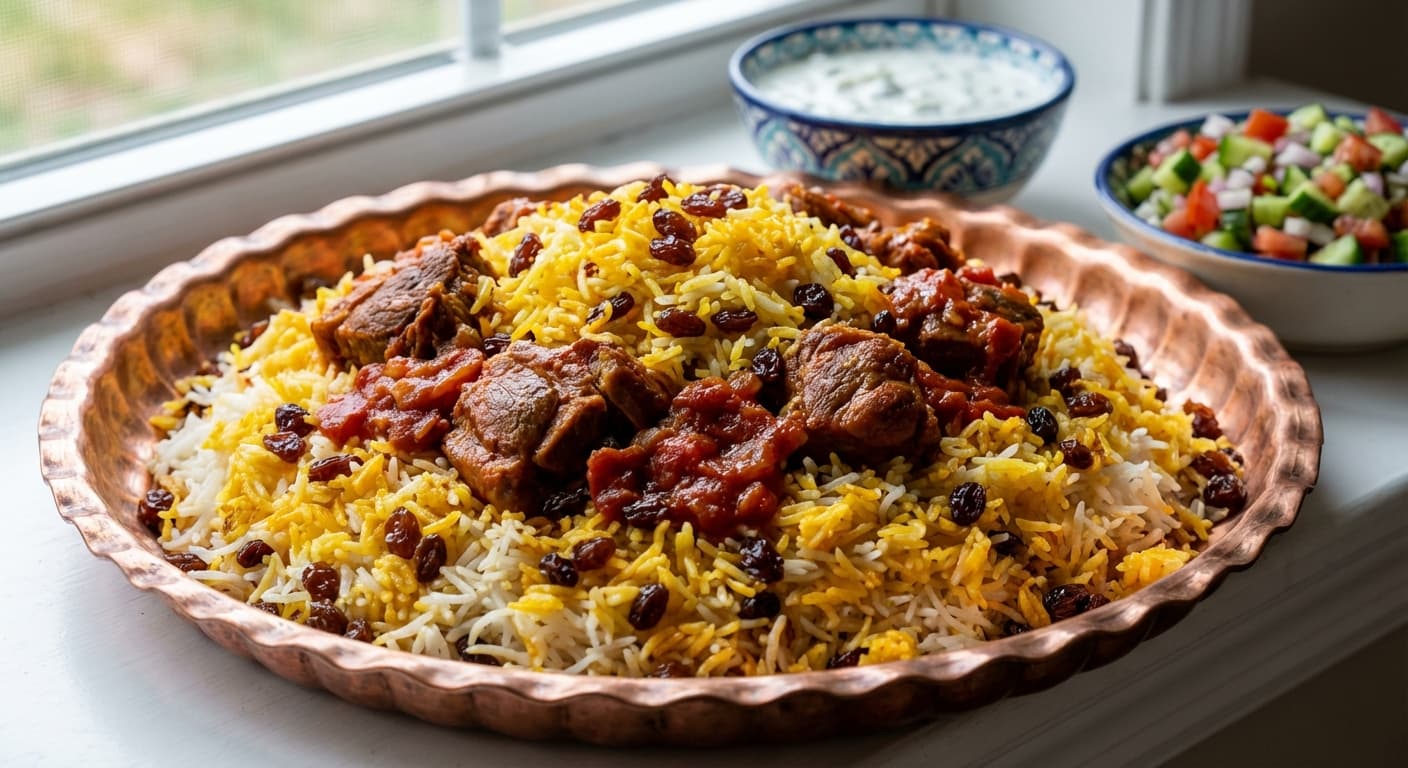
Kashmish Polow (کشمش پلو) — Persian Raisin Rice with Slow-Cooked Lamb
Persian · Rice Dishes · 155 min
Reviews
Cooked this recipe?
Tap the stars to rate it — that's all it takes. A few words are welcome but optional.
No ratings yet. Cooked this one? Be the first to rate it — it takes one tap.