Ghormeh Sabzi Polo (قورمه سبزی پلو) — Herb-Scented Persian Rice with Lamb and Dried Lime
Ghormeh Sabzi Polo layers the iconic herb-and-lime flavors of ghormeh sabzi into fluffy basmati rice. It’s a celebratory Iranian-style pilaf that brings together sautéed greens, tender lamb, and the signature tang of limoo amani.
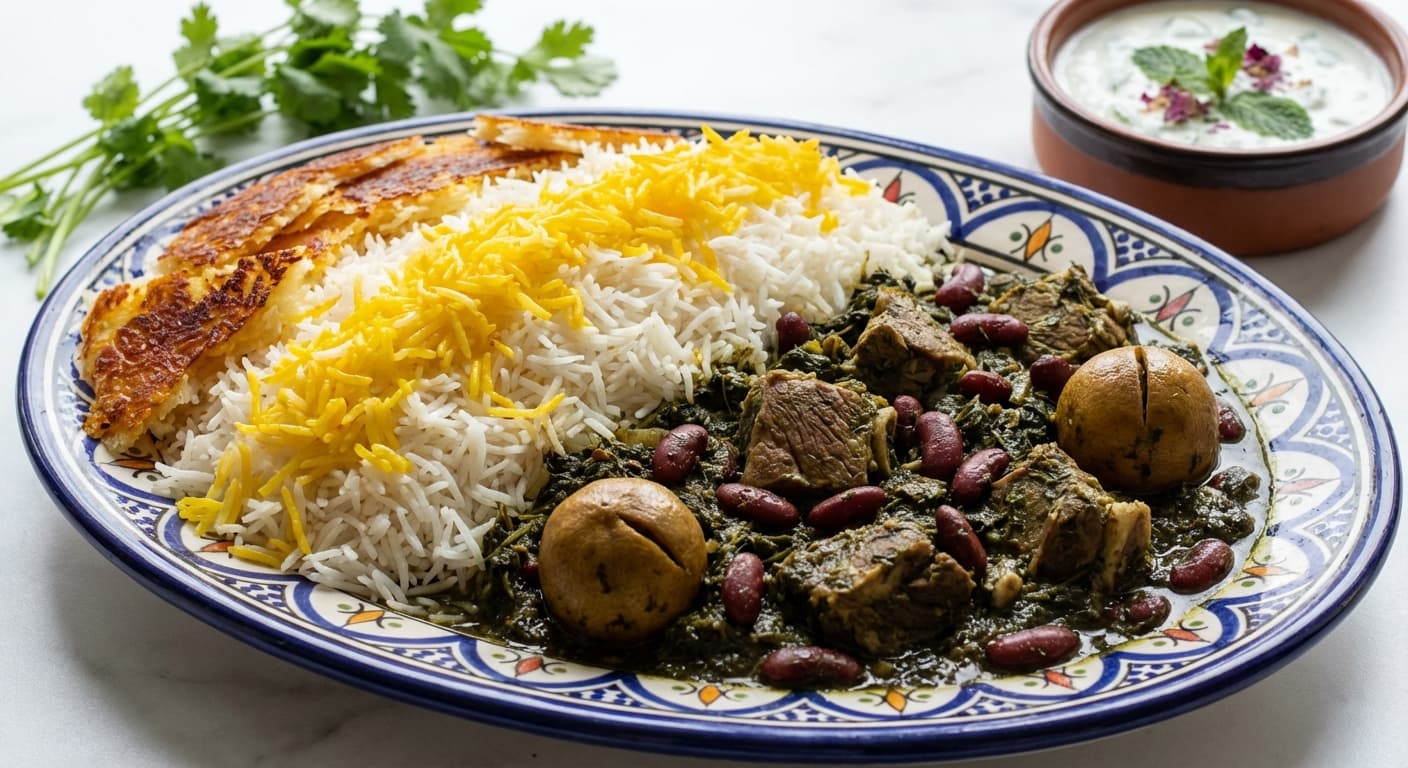
Printable Recipe Card
Servings: 6 · Total: 150 min · Difficulty: hard
Ingredients (quick list)
- 450 g Basmati rice (Rinsed until water runs mostly clear)
- 2500 ml Water (For parboiling rice)
- 18 g Kosher salt (About 3 tsp, for salting parboil water)
- 0.25 tsp Saffron threads (Optional but traditional for a golden top layer)
- 45 ml Hot water (To bloom saffron)
- 120 g Plain yogurt (For a crisp yogurt tahdig base)
- 1 Egg yolk (Helps bind tahdig)
- 75 ml Neutral oil (Such as grapeseed or sunflower)
- 700 g Lamb shoulder (Cut into 3 cm cubes (beef chuck works too))
- 220 g Yellow onion (Finely diced)
- 2 tsp Ground turmeric (Persian-style base spice)
- 150 g Fresh parsley (Finely chopped)
+ 6 more in the full ingredients section below.
Steps (summary)
- Rinse the basmati rice in several changes of cool water until the water looks mostly clear. Cover the rice with fresh water and…
- Start the stew by heating 30 ml of the neutral oil in a heavy pot over medium heat. Add the diced onion and cook for 10–12 minu…
- Add the lamb cubes and raise heat to medium-high, stirring for 6–8 minutes until the surfaces lose their raw color and pick up…
- Pour in 700 ml of the water and bring to a gentle boil, then reduce to a steady simmer and cover. Cook for 45 minutes, stirring…
- While the lamb simmers, sauté the herbs to develop the signature earthy aroma. Heat the remaining 30 ml neutral oil in a wide s…
- Add the dried fenugreek leaves to the skillet and sauté for 60–90 seconds only. Fenugreek burns quickly, so keep it moving and…
+ 9 more steps in the full instructions section below.
Cultural Background
Ghormeh sabzi is often called Iran’s national stew, prized for its slow-simmered herb base and limoo amani tang. Turning it into polo reflects Persian hosting tradition—layering flavors and textures to create a centerpiece dish for gatherings.
Equipment
💡 Tips
- Pierce each dried lime 4–5 times and keep simmering gentle; a hard boil can turn limoo amani bitter.
- Sauté herbs until they darken and smell roasted-green; under-sautéed herbs taste grassy and make the polo watery.
- For cleaner layers, cool the stew 10 minutes before layering so it doesn’t clump the rice.
⚠️ Common Mistakes
❌ Not sautéing the herbs long enough, leaving a raw, grassy flavor.
✅ Fix: Cook herbs 12–15 minutes until noticeably darker and aromatic, then add fenugreek briefly at the end.
❌ Boiling the dried limes aggressively, causing bitterness.
✅ Fix: Keep the stew at a gentle simmer and pierce the limes; remove them if bitterness develops.
❌ Overboiling rice during parboil, leading to mushy polo.
✅ Fix: Boil only until the grain is long but still firm in the center, then drain immediately and steam to finish.
🧊 How to Store
Cool leftovers within 2 hours, then refrigerate in airtight containers for up to 3 days. Reheat rice gently with 30 ml water per serving, covered, on low heat or microwave; rewarm stew separately to avoid overcooking the rice and drying the herbs.
📅 Make Ahead
Cook the ghormeh sabzi stew up to 2 days ahead and refrigerate; its flavor improves overnight. On serving day, rewarm the stew to hot and thick, then parboil and steam the rice fresh for best texture and tahdig.
🍽️ Pairs Well With
- Shirazi salad
- mast-o-khiar
- torshi
- fresh herbs (sabzi khordan)
- pickled garlic (seer torshi).
Regional Variations
- Tehran-style: slightly higher fenugreek and a thicker, darker herb base for a deeper aroma.
- South Iran: a tangier profile with an extra dried lime and a touch more oil for richer herbs.
- Home-style shortcut: mix the finished stew through the rice instead of layering, then steam briefly to marry flavors.
Ingredients
- 450 gBasmati rice (Rinsed until water runs mostly clear)
- 2500 mlWater (For parboiling rice)
- 18 gKosher salt (About 3 tsp, for salting parboil water)
- 0.25 tspSaffron threads (Optional but traditional for a golden top layer)
- 45 mlHot water (To bloom saffron)
- 120 gPlain yogurt (For a crisp yogurt tahdig base)
- 1Egg yolk (Helps bind tahdig)
- 75 mlNeutral oil (Such as grapeseed or sunflower)
- 700 gLamb shoulder (Cut into 3 cm cubes (beef chuck works too))
- 220 gYellow onion (Finely diced)
- 2 tspGround turmeric (Persian-style base spice)
- 150 gFresh parsley (Finely chopped)
- 120 gFresh cilantro (Finely chopped)
- 60 gFresh chives (Finely chopped (or Persian leek if available))
- 2 tbspDried fenugreek leaves (Crushed between fingers to release aroma)
- 240 gRed kidney beans (Cooked and drained (about 1 can, drained))
- 3Dried limes (limoo amani) (Pierced 4–5 times each with a skewer)
- 1 tspBlack pepper (Freshly ground)
🔄 Substitutions
- Lamb shoulder→ Beef chuck
- Fresh chives→ Leek (white and light green parts), finely sliced
- Red kidney beans→ Pinto beans, cooked and drained
Instructions
- 1
Rinse the basmati rice in several changes of cool water until the water looks mostly clear. Cover the rice with fresh water and let it soak for 30 minutes, then drain well so the grains parboil evenly and stay long.
- 2
Start the stew by heating 30 ml of the neutral oil in a heavy pot over medium heat. Add the diced onion and cook for 10–12 minutes until deeply golden, because that caramelized base is key to ghormeh sabzi’s depth.
- 3
Add the lamb cubes and raise heat to medium-high, stirring for 6–8 minutes until the surfaces lose their raw color and pick up light browning. Add the ground turmeric, black pepper, and 5 g of the kosher salt, then cook 60 seconds to bloom the spice without burning it.
- 4
Pour in 700 ml of the water and bring to a gentle boil, then reduce to a steady simmer and cover. Cook for 45 minutes, stirring once or twice, so the lamb begins to turn tender while you build the herb base.
- 5
While the lamb simmers, sauté the herbs to develop the signature earthy aroma. Heat the remaining 30 ml neutral oil in a wide skillet over medium heat, add parsley, cilantro, and chives, and cook for 12–15 minutes, stirring often, until the herbs darken and most moisture cooks off.
- 6
Add the dried fenugreek leaves to the skillet and sauté for 60–90 seconds only. Fenugreek burns quickly, so keep it moving and stop as soon as it smells nutty and intensely herbal.
- 7
Scrape the sautéed herb mixture into the lamb pot and stir well, then add the pierced dried limes and the remaining 200 ml water. Cover and simmer for 35–45 minutes until the lamb is fork-tender and the stew looks thick and glossy rather than soupy.
- 8
Stir in the cooked kidney beans and the remaining 5 g kosher salt, then simmer uncovered for 10 minutes to concentrate flavor. If the stew looks too tight, add 30–60 ml water; if it looks watery, keep simmering uncovered until it coats the spoon.
- 9
Bloom the saffron by grinding the threads lightly and mixing with 45 ml hot water, then set aside for 10 minutes. This small step gives you a more fragrant, evenly colored saffron for the rice’s top layer.
- 10
Parboil the rice by bringing 2500 ml water to a rolling boil and dissolving 18 g kosher salt in it. Add the drained rice and boil for 6–8 minutes until the grains are elongated but still firm in the center, then drain immediately in a colander and rinse quickly with 200 ml cool water to stop cooking.
- 11
If making tahdig, whisk the yogurt with the egg yolk and 15 ml of the saffron water until smooth. This mixture creates a crisp, richly colored crust that contrasts beautifully with the herb rice.
- 12
Assemble the polo in a nonstick or well-seasoned pot: add 15 ml neutral oil, then spread the yogurt mixture across the bottom for tahdig. Layer 1/3 of the rice, then 1/2 of the thick ghormeh sabzi stew (use mostly herbs and beans with some meat), then another 1/3 rice, then the remaining stew, and finish with the last 1/3 rice.
- 13
Drizzle the remaining 45 ml neutral oil over the top and sprinkle on the remaining saffron water for a golden finish. Poke 5–6 holes down through the rice with the handle of a spoon so steam can circulate and the rice cooks evenly.
- 14
Cover the lid with a clean towel and place it tightly on the pot, then cook over medium heat for 10 minutes to build steam. Reduce heat to low and steam for 45 minutes; when done, the rice should be fluffy and aromatic, and the tahdig should release with a gentle shake.
- 15
Rest the pot off heat for 10 minutes before serving, keeping the lid on so the steam redistributes. Fluff the rice gently, mound onto a platter, and invert the tahdig onto the side or serve it broken into shards.
🪪 Recipe Passport
Cultural Background
Ghormeh sabzi is often called Iran’s national stew, prized for its slow-simmered herb base and limoo amani tang. Turning it into polo reflects Persian hosting tradition—layering flavors and textures to create a centerpiece dish for gatherings.
Regional Variations
Researched from multiple sources and validated by the Zaffaron editorial team. Every recipe is tested for accuracy, measurements, and cultural authenticity.
Nutrition per serving
Pairs well with
If you enjoyed this recipe, here are a few related Zaffaron recipes to try next.
- Gilan Garlic Green Stew (سیر قلیه گیلانی) — Sir Qalieh with split peas, eggs, and chicken
- Golden Sosis-Stuffed Kotlet (کتلت سوسیس) — Persian Potato Croquettes with Cocktail Sausages
- Halzooni Kabab (کباب حلزونی) — Persian Spiral Bakhtiari Kebab
- Jigar va Qalveh (جگر و قلوه) — Persian Lamb Liver and Kidney Kebabs
Does your family make this differently?
Every family has their own version. Maybe your grandmother adds a secret ingredient, or your aunt has a completely different technique. Preserve your family's version — with their name on it, forever.
You Might Also Like
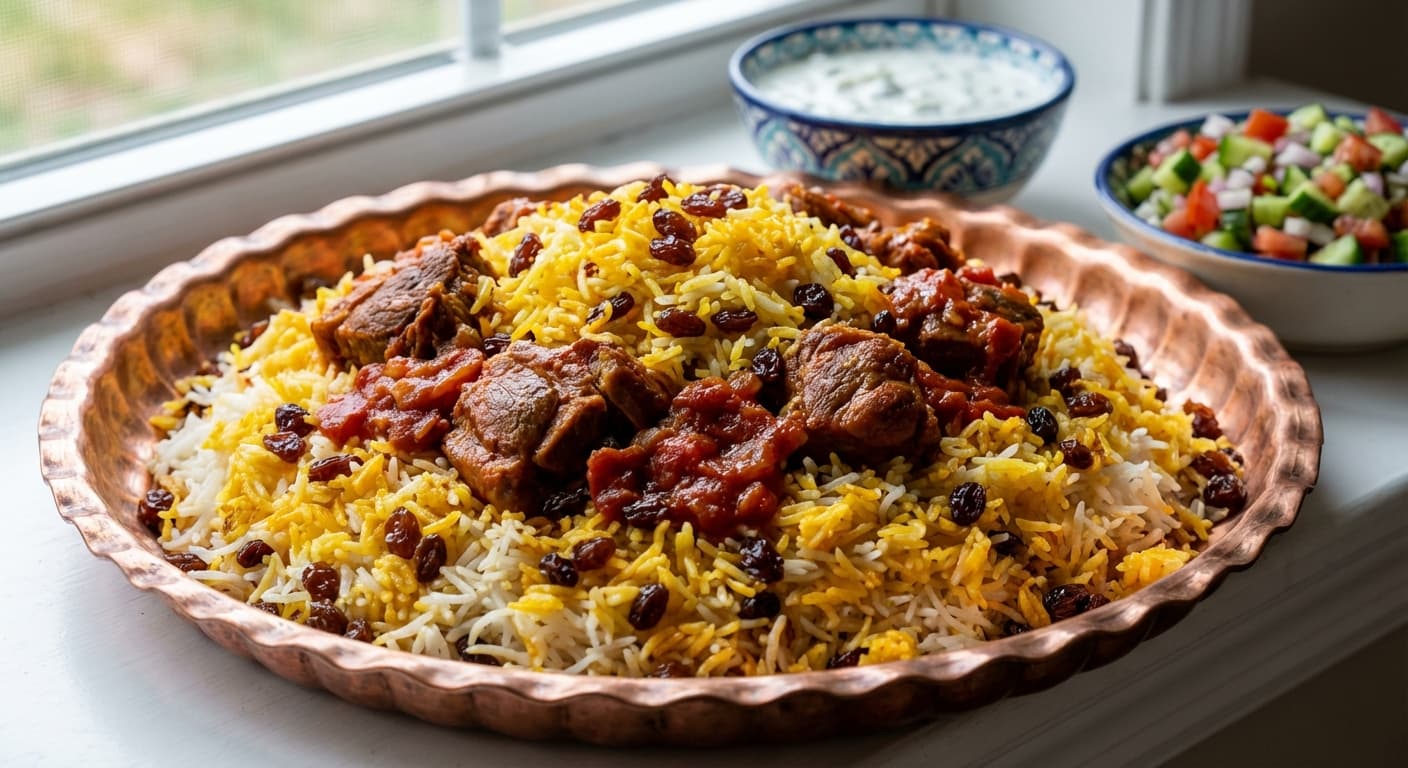
Kashmish Polow (کشمش پلو) — Persian Raisin Rice with Slow-Cooked Lamb
Persian · Rice Dishes · 155 min
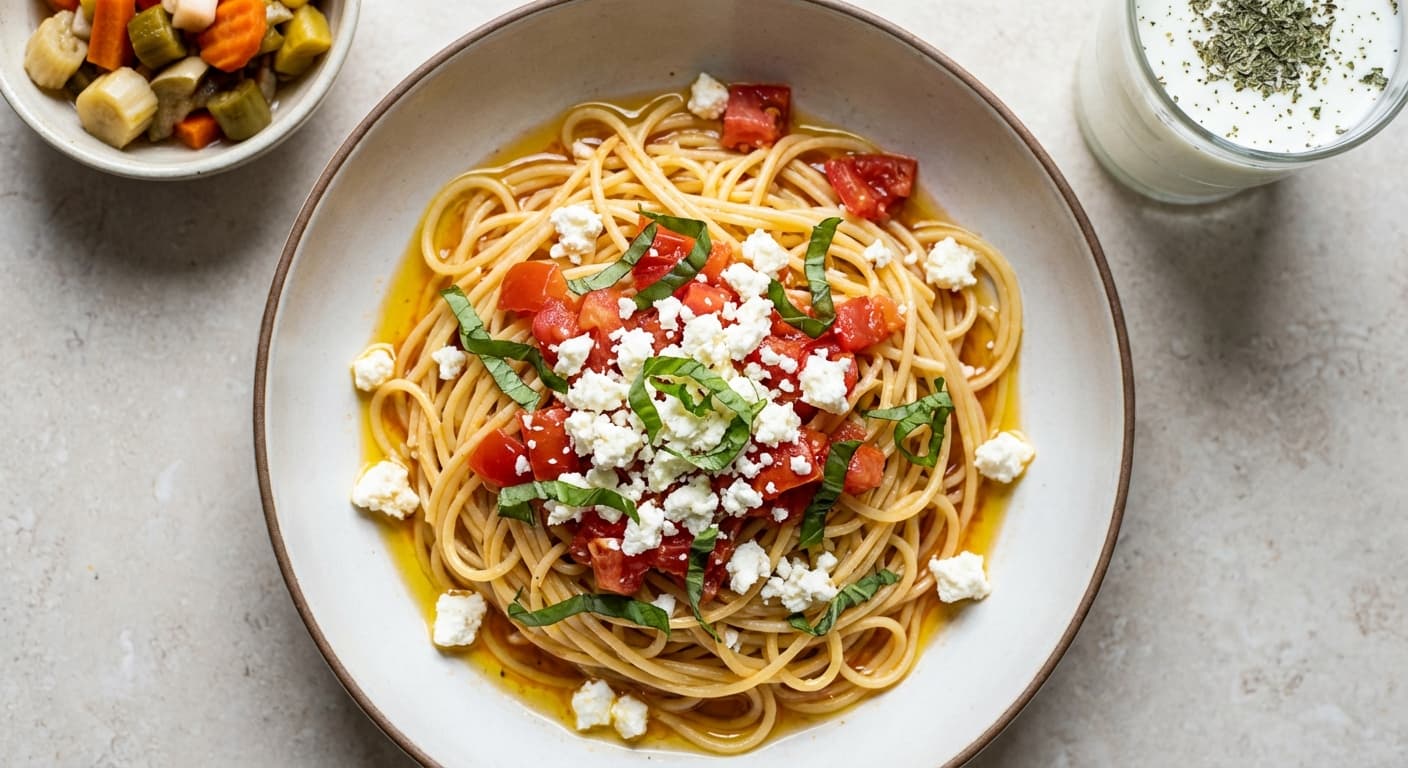
Pastay Paniri (پاستای پنیری) — Persian-Style Cheesy Pasta with Fresh Tomatoes
Persian · Main Courses · 27 min
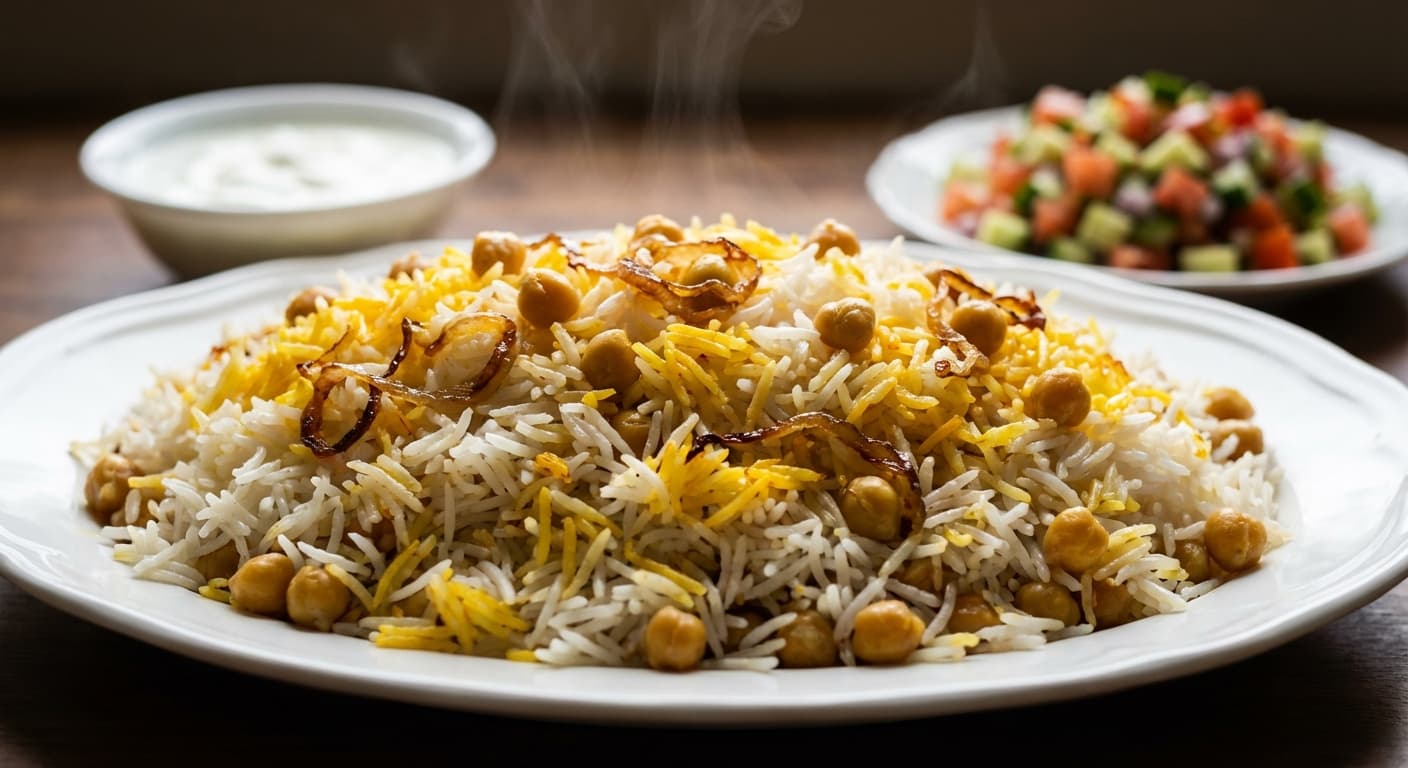
Nokhod Polo (نخود پلو) — Saffron Chickpea Rice with Warm Spices
Persian · Rice Dishes · 80 min
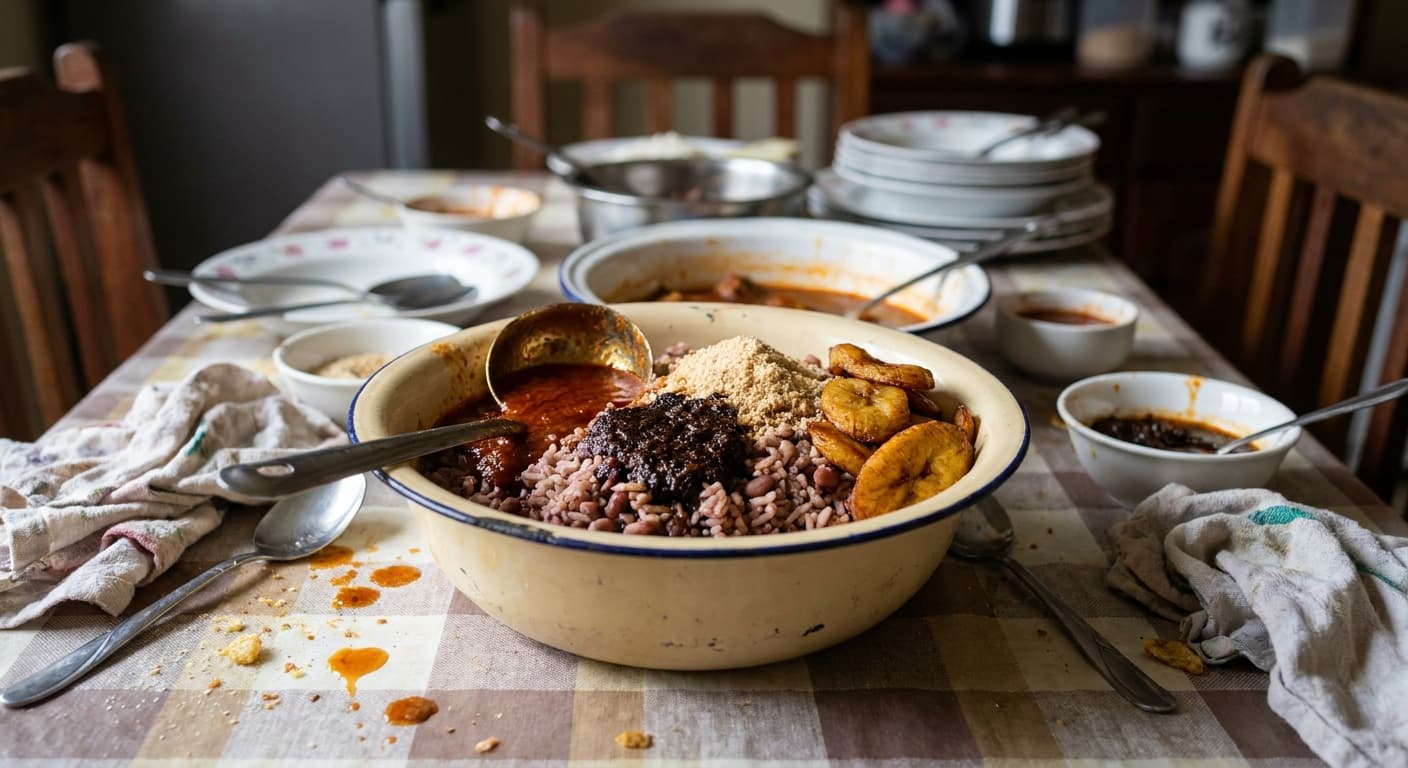
Ghanaian Waakye (Waakye) — Rice and Beans Dyed with Sorghum Leaves
West african · Rice Dishes · 85 min
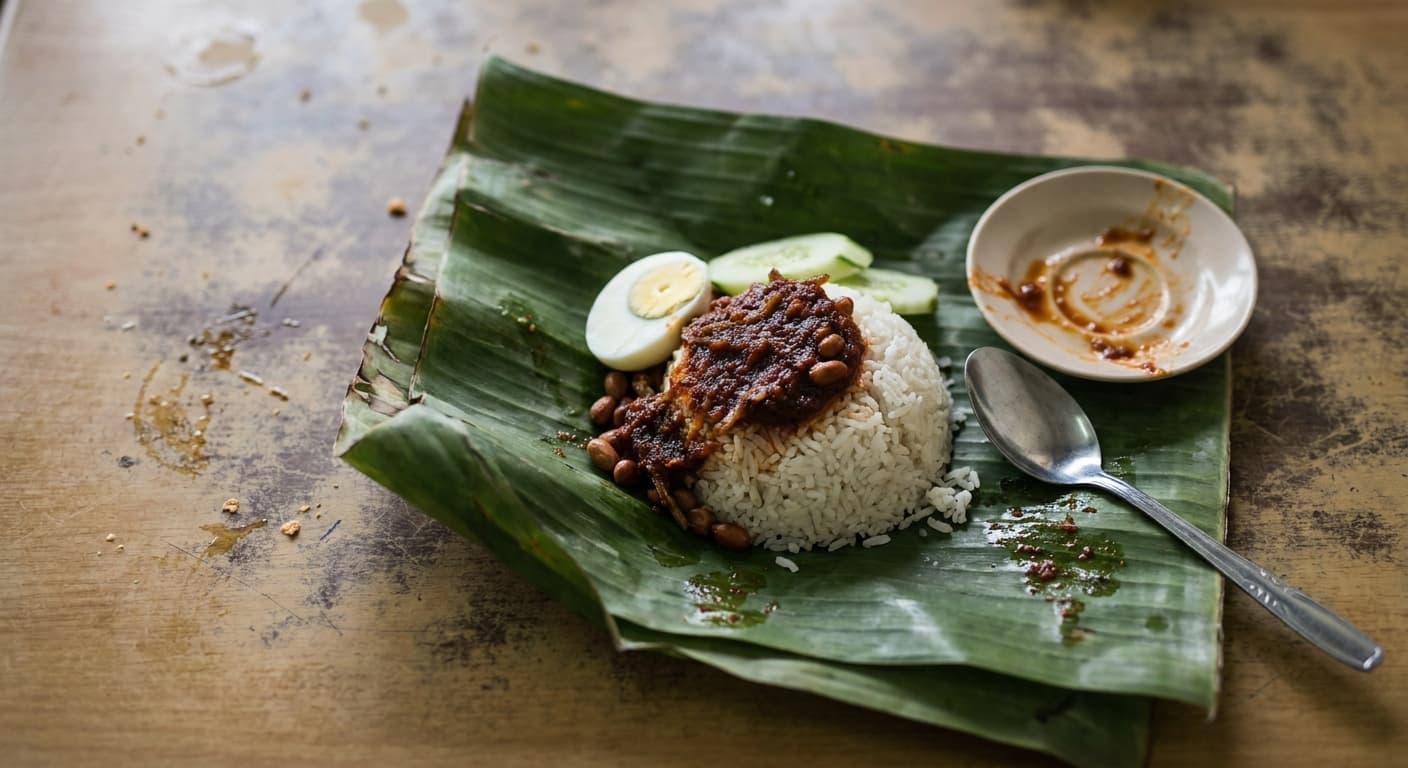
Malaysian Coconut Rice (Nasi Lemak) — Banana-Leaf Breakfast with Sambal Ikan Bilis
Malaysian · Rice Dishes · 95 min
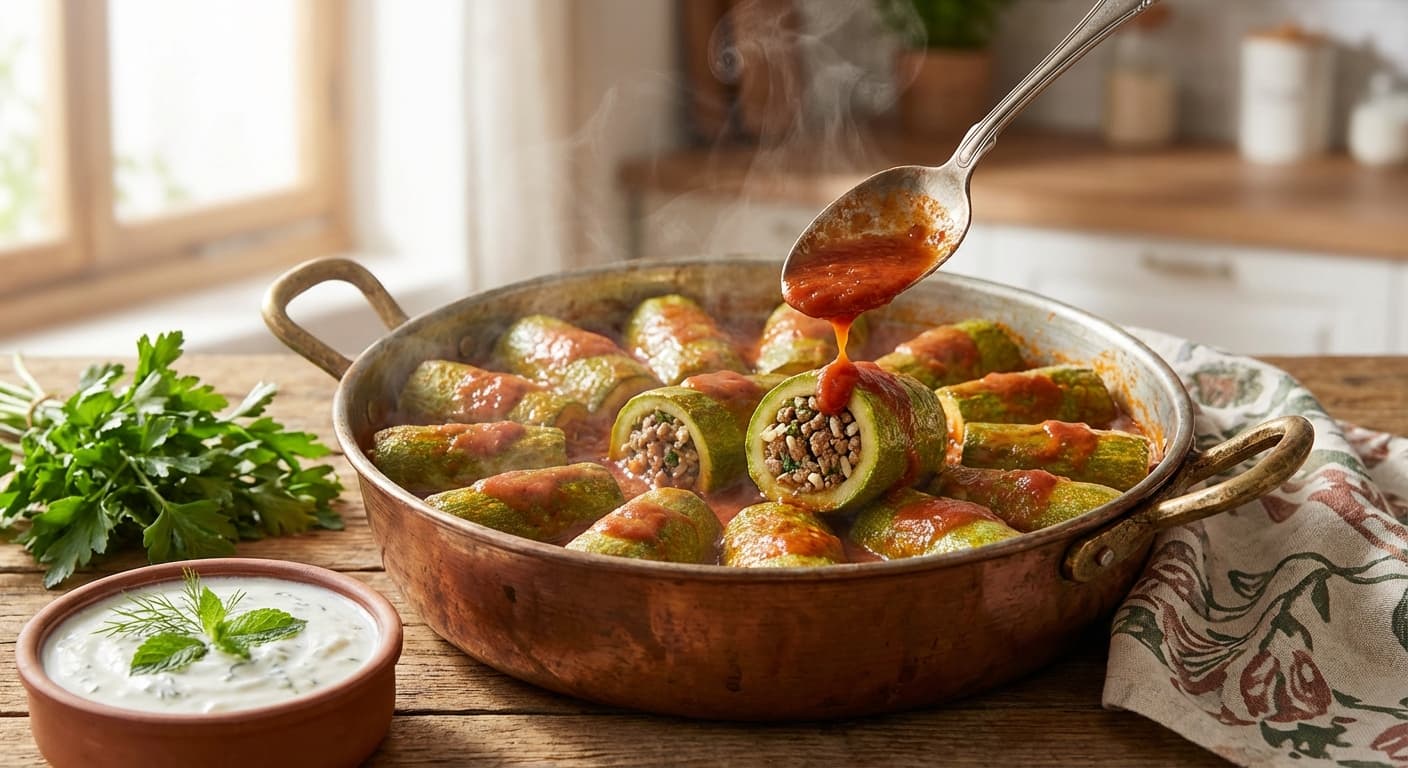
Stuffed Zucchini (Kabak Dolması) — Hollowed zucchini filled with spiced minced meat and rice
Turkish · Main Courses · 90 min
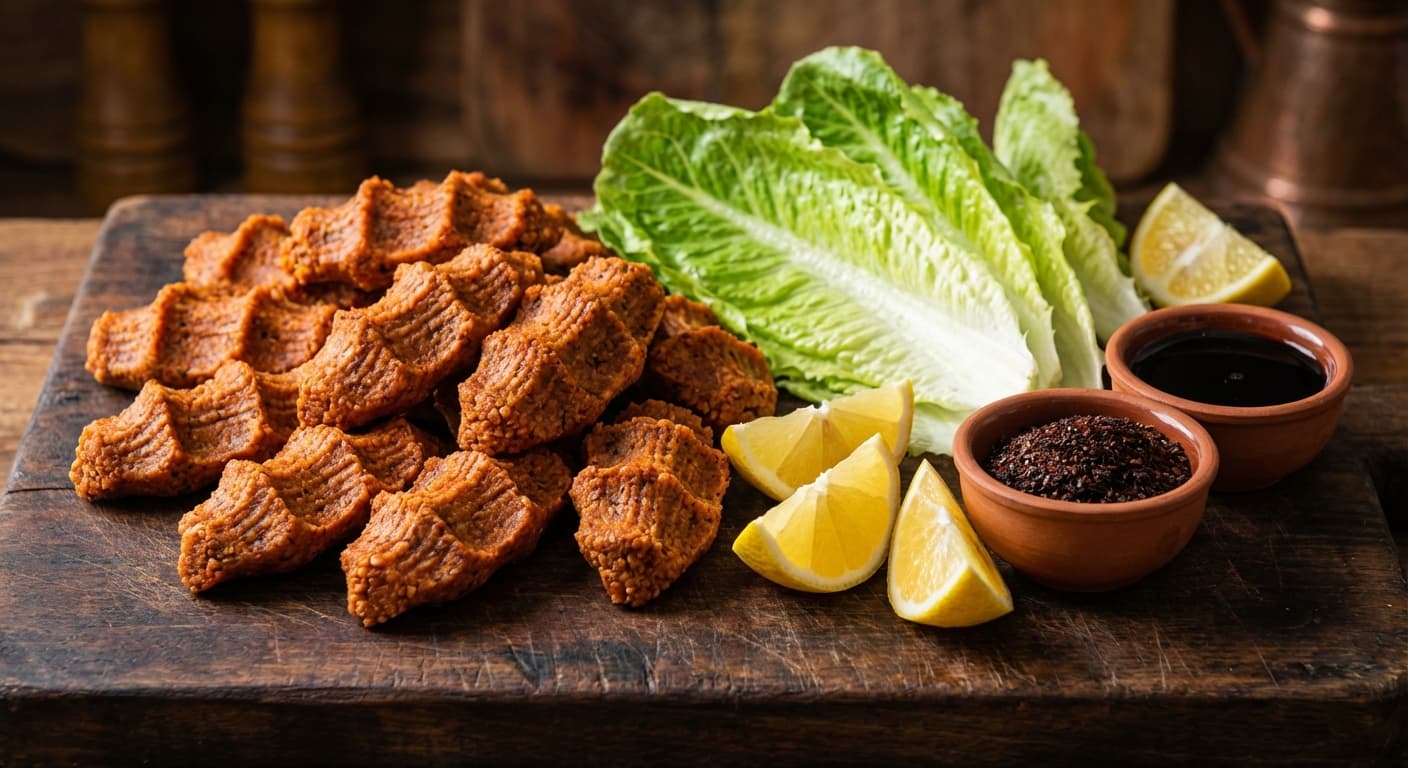
Cig Kofte (Çiğ Köfte) — Isot-kissed bulgur kneaded and served in lettuce
Turkish · Appetizers · 25 min
Yemeni Mandi (مندي) — Smoke-Scented Spiced Rice and Lamb
Yemeni · Main Courses · 170 min
Reviews
Cooked this recipe?
Tap the stars to rate it — that's all it takes. A few words are welcome but optional.
No ratings yet. Cooked this one? Be the first to rate it — it takes one tap.